Does Metal Roof Reduce Homeowners Insurance?
One of the biggest financial questions homeowners grapple with when considering a new roof is whether it will actually save them money in the long run, beyond just the obvious durability. Specifically, many homeowners wonder if switching to a metal roof can genuinely reduce their homeowners insurance premiums, easing the financial burden that seems to climb higher every year. This guide will dive deep into how metal roofs influence insurance costs, what factors truly matter, and how you can ensure you reap the benefits.
The Promise of Lower Premiums: Is It True?
It's a common belief, and often, a major selling point: get a metal roof, and watch your insurance rates drop. But like most things in the world of homeownership, it's not quite a simple, universal truth. While metal roofs can absolutely lead to significant savings on your homeowners insurance, it’s not an automatic guarantee, and the amount of savings can vary wildly depending on your location, your insurer, and the specifics of your metal roofing system.
Understanding Insurance Risk and Roof Materials
Insurance companies are, at their core, in the business of assessing and mitigating risk. They look at your home and identify potential liabilities: how likely is it to be damaged by a storm? What's the risk of fire? How often will components need replacing? Your roof, being your home's primary shield, is a huge part of this equation. Traditional asphalt shingle roofs, while popular, have a shorter lifespan and are more susceptible to certain types of damage, like hail impact or high winds tearing off shingles. This higher perceived risk translates directly into higher premiums.
Consider a homeowner in a hail-prone region like Texas or Colorado. Their asphalt shingle roof might need replacement every 10-15 years due to storm damage, leading to frequent claims and escalating premiums. An insurer sees this history and adjusts rates accordingly. On the other hand, a metal roof's inherent durability can paint a much more favorable picture for the insurer. They're looking at a roof that might last 50 years or more, resisting many of the common perils that plague other roofing materials.
Why Metal Roofs Should Reduce Premiums
The reason metal roofs are often touted for insurance savings stems from their superior performance across several critical risk categories that insurers care about. First and foremost is their incredible longevity; a properly installed metal roof can easily last two to three times longer than an asphalt shingle roof. This alone means fewer roof replacements over the lifetime of your home, and consequently, fewer claims for roof damage. From an insurer's perspective, a roof that doesn't need to be replaced as often is a lower-risk asset.
Beyond just lifespan, metal roofs offer robust protection against specific threats. Many metal roofing systems boast impressive Metal Roof Wind and Fire Ratings Explained, offering better resistance to severe weather conditions. For example, a standing seam metal roof is designed to interlock, creating a continuous barrier that can withstand hurricane-force winds far better than shingles. Similarly, metal is non-combustible, giving it a Class A fire rating, which is the highest possible. This inherent fire resistance can be a significant factor, especially in areas prone to wildfires or even just for general peace of mind against house fires. When an insurer sees these enhanced protective qualities, it directly translates into a reduction in their potential payouts, and they often pass some of that savings on to you.
Key Factors Influencing Your Insurance Savings
While the general principle holds true, the actual amount you save on your homeowners insurance with a metal roof isn't fixed. It's influenced by a combination of the specific features of your metal roof, your geographic location, and even the nuances of your chosen insurance policy. Understanding these variables is crucial to knowing what to expect.
Wind Mitigation and Impact Resistance
One of the biggest drivers of insurance discounts, especially in regions prone to severe weather, is wind mitigation. Think about the coastal areas of Florida or the tornado alley states – high winds are a constant threat. Metal roofs, particularly standing seam and stone-coated steel, excel in wind resistance. Many systems are tested and rated to withstand winds upwards of 110-150 mph, sometimes even higher. Insurers offer specific discounts, known as Wind Mitigation and Roof Premium Credits, when your home demonstrates features that reduce potential damage from high winds. This could include things like secondary water barriers, proper roof deck attachment, and, critically, a robust roof covering like metal.
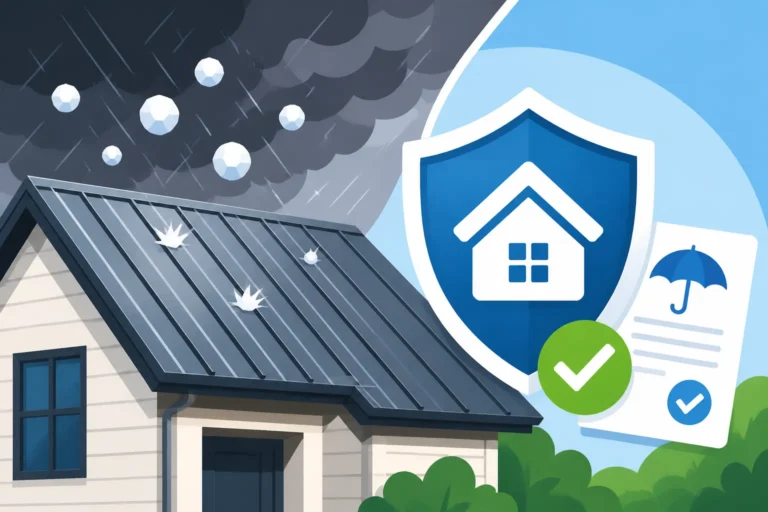
Similarly, impact resistance is a huge deal in hail-prone areas. A Class 4 Impact-Resistant Roof Insurance Discount is a significant perk that many metal roofs qualify for. This classification means the roof can withstand the impact of a 2-inch steel ball dropped from 20 feet without cracking or puncturing. While asphalt shingles can often be severely damaged by even moderate hail, many metal roofing options, like stone-coated steel or heavier gauge standing seam panels, are designed to shrug off hail impacts, preventing costly damage. Insurance companies recognize this reduced risk of damage and claims, offering substantial discounts for Class 4 rated roofs. It's not uncommon for these discounts to shave 10-20% off your annual premium in certain areas.
Fire Resistance and Longevity
The inherent fire resistance of metal is another major factor. Unlike wood shakes or even asphalt, metal is non-combustible. This gives most metal roofs a Class A fire rating, which is the best possible and can be particularly beneficial if you live in an area susceptible to wildfires, such as parts of California or the drier Western states. Insurers in these high-risk zones will often provide considerable discounts for homes with fire-resistant roofing materials. It's a clear win-win: your home is safer, and your wallet is happier.
Beyond these specific perils, the sheer Metal Roof Lifespan: How Long Do They Last? plays a role. When an insurance company knows your roof is designed to last 40-70 years, they understand that they're unlikely to pay out for roof replacement due to normal wear and tear or minor storm damage for a very long time. This long-term reliability is a strong signal of lower risk. In contrast, an asphalt shingle roof typically needs replacement every 15-30 years, increasing the likelihood of claims over the same period. While not always a specific line-item discount like wind mitigation, this overall reduction in expected claims contributes to a more favorable premium calculation.
Specific Policy and Insurer Variations
It’s crucial to understand that not all insurance policies or providers are created equal when it comes to metal roof discounts. Some insurers are more proactive in offering substantial savings for metal roofs, while others might offer minimal or no explicit discounts, instead factoring the roof's durability into their overall risk assessment without itemizing it. It's not uncommon for larger, national carriers to have more standardized discount programs, while smaller, local insurers might have more flexibility or be more knowledgeable about local risks (like hurricane zones in Florida or hail in Oklahoma).
The type of coverage you have also matters. For instance, if your policy has a "cosmetic damage exclusion" (common with some metal roofs, particularly after hail), where minor dents that don't compromise the roof's integrity aren't covered, your premium might be slightly lower than a policy with full cosmetic coverage. This is why it's so important to shop around and get multiple quotes. You might find that one insurer offers a 15% discount for your metal roof, while another offers 5% or simply folds the benefit into their baseline rate. Always ask specifically about "discounts for metal roofing," "wind mitigation credits," and "impact resistance ratings" when discussing your policy.
Here's a quick comparison of potential discounts based on common metal roof benefits:
| Metal Roof Benefit | Typical Discount Range (approx.) | Common Triggers/Requirements |
|---|---|---|
| Wind Resistance | 5% – 20% | High wind ratings (110+ mph), specific fastening methods. |
| Impact Resistance (Class 4) | 10% – 25% | Roof material passes Class 4 impact test (e.g., stone-coated steel). |
| Fire Resistance (Class A) | 2% – 10% | Non-combustible material (most metal roofs). |
| Longevity/Durability | 5% – 15% | Long warranty, material type (e.g., steel, aluminum, copper). |
| Energy Efficiency | 2% – 5% | Reflective coatings, proper ventilation. |
Note: These are estimated ranges and can vary significantly by state, insurer, specific roof product, and policy terms.
How to Maximize Your Metal Roof Insurance Discounts
Getting a metal roof is a significant investment, and you want to ensure you're getting all the financial benefits possible, including those sweet insurance savings. It's not enough to just install the roof; you need to be proactive in demonstrating its value to your insurance provider.
Getting the Right Certifications and Documentation
This is perhaps the most critical step. When your new metal roof is installed, don't assume your insurance company will automatically know about its superior qualities. You need tangible proof. Make sure your roofing contractor provides you with documentation detailing the specific product used, its gauge, its wind uplift ratings, fire ratings (which are typically Class A for metal), and importantly, its Class 4 impact resistance rating if it qualifies. Many manufacturers, like McElroy Metal or [Metal Sales], provide product specification sheets that highlight these ratings.
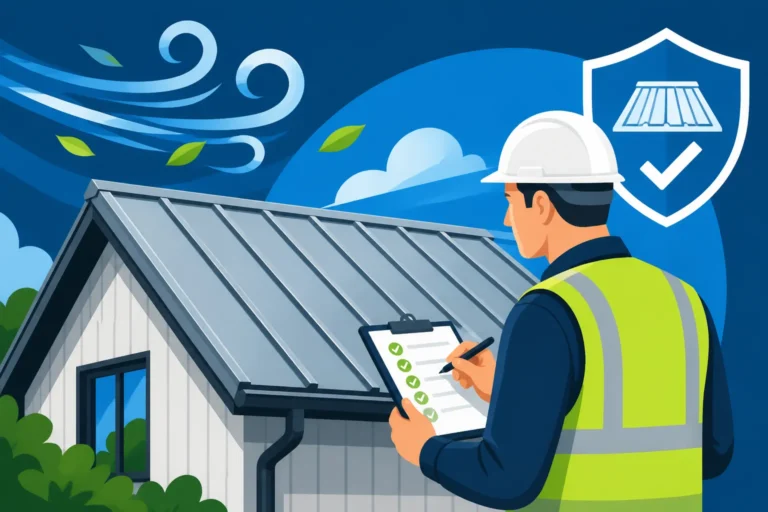
For wind mitigation discounts, particularly in states like Florida, you'll likely need a wind mitigation inspection. A certified inspector will come to your home, assess features like your roof deck attachment, roof-to-wall connections, and roof geometry, and then specifically verify the wind-resistant qualities of your metal roof. This report is then submitted to your insurance company. Without this official documentation, you might miss out on substantial savings, even if your roof technically qualifies. Don't be shy about asking your contractor for these documents or for recommendations on qualified inspectors before the project is completed.
Talking to Your Insurance Provider
Once your metal roof is installed and you have all your documentation in hand, it's time to communicate with your insurance company. Don't just send the documents and expect a call back; be proactive. Call your agent and explain that you've installed a new metal roof. Highlight its specific benefits: its Class 4 impact rating, its high wind resistance, and its Class A fire rating. Provide them with all the certifications and inspection reports you've gathered.
It's also a good idea to get quotes from multiple insurers. Some companies are simply more aggressive than others in offering discounts for metal roofs. What one insurer considers a minor factor, another might see as a major risk reduction worthy of a substantial premium decrease. Use the information you gathered from your contractor and inspectors to compare quotes accurately. Ask each insurer directly, "What specific discounts do you offer for metal roofs, particularly for Class 4 impact resistance or wind mitigation?" This targeted questioning will help you uncover the best rates. Remember, while a comprehensive guide like Metal Roof Cost: Complete 2026 Guide gives you overall cost, the insurance savings are a separate calculation.
Regular Maintenance and Inspections
Even the toughest metal roof benefits from routine care, and a well-maintained roof reinforces its longevity in the eyes of an insurer. While metal roofs are famously low-maintenance compared to asphalt, it doesn't mean you can completely forget about them. Schedule periodic Metal Roof Maintenance Guide check-ups, ideally annually or semi-annually, to ensure fasteners are secure, flashing is intact, and there's no debris accumulation.
Should an issue arise, address it promptly. For example, if you notice a loose panel or a minor leak, get it repaired quickly. Letting small problems fester can lead to larger, more costly damage, which could negate your insurance benefits down the line. A record of regular maintenance and prompt repairs demonstrates responsible homeownership and helps ensure the roof continues to perform as expected, maintaining its lower risk profile for your insurer. This proactive approach helps uphold the validity of your insurance discounts over the long haul.
Common Misconceptions and What to Watch Out For
While the prospect of reduced homeowners insurance with a metal roof is exciting and often achievable, there are a few common pitfalls and misunderstandings to be aware of. Not every metal roof is the same, and not every installation yields the same results.
Not All Metal Roofs Are Created Equal
It's tempting to think "a metal roof is a metal roof," but that couldn't be further from the truth. The type of metal, the gauge (thickness), the profile (e.g., standing seam, corrugated, stone-coated steel), and the installation method all play a critical role in its performance and, by extension, its insurance benefits. For instance, a thin-gauge, exposed fastener corrugated metal roof on a shed might offer some fire resistance, but it won't provide the same Class 4 impact resistance or extreme wind uplift ratings as a heavier gauge, concealed fastener Standing Seam Metal Roof Cost system.
The difference in performance directly impacts the discounts you might receive. If your insurance company offers a discount for Class 4 impact resistance, but your chosen metal roof profile doesn't qualify, you won't get that specific saving. This is why it's so important to do your research on Metal Roofing Types Explained: Profiles & Panels and to work with a reputable contractor who understands these nuances. They can guide you towards a system that not only fits your aesthetic and budget but also maximizes your potential insurance savings. Always ask for specific product specifications and ratings when getting quotes.
The Cost vs. Savings Equation
Let's be realistic: a metal roof typically has a higher upfront cost than an asphalt shingle roof. While it offers superior durability and a longer lifespan, leading to long-term value, it's essential to look at the full financial picture. The initial investment for a metal roof can be anywhere from 2 to 3 times that of a traditional shingle roof. So, while you might save, say, 10-25% on your annual homeowners insurance premium, it could take several years, or even a decade or more, for those savings to "pay back" the initial difference in cost.
For example, if a metal roof costs an extra $10,000 upfront compared to shingles, and you save $200 a year on insurance, it would take 50 years to recoup that difference just from insurance savings. However, the calculation is much more complex, as you also factor in the extended lifespan (avoiding future replacement costs), potential energy savings due to reflectivity, and increased home value. This means a proper evaluation involves looking at the full Metal Roof Cost vs Lifespan Value over the roof's entire lifecycle. Don't solely rely on insurance savings as the only justification for the higher upfront cost, but rather view it as an important component of the overall long-term financial benefits.
Disclaimer
The information provided in this article is for general informational purposes only and does not constitute financial, insurance, or legal advice. Homeowners insurance policies, discounts, and eligibility criteria vary significantly by state, insurer, and specific circumstances. Always consult with a qualified insurance professional to understand your policy, potential discounts, and specific coverage options. This article is not an endorsement of any particular product or service.