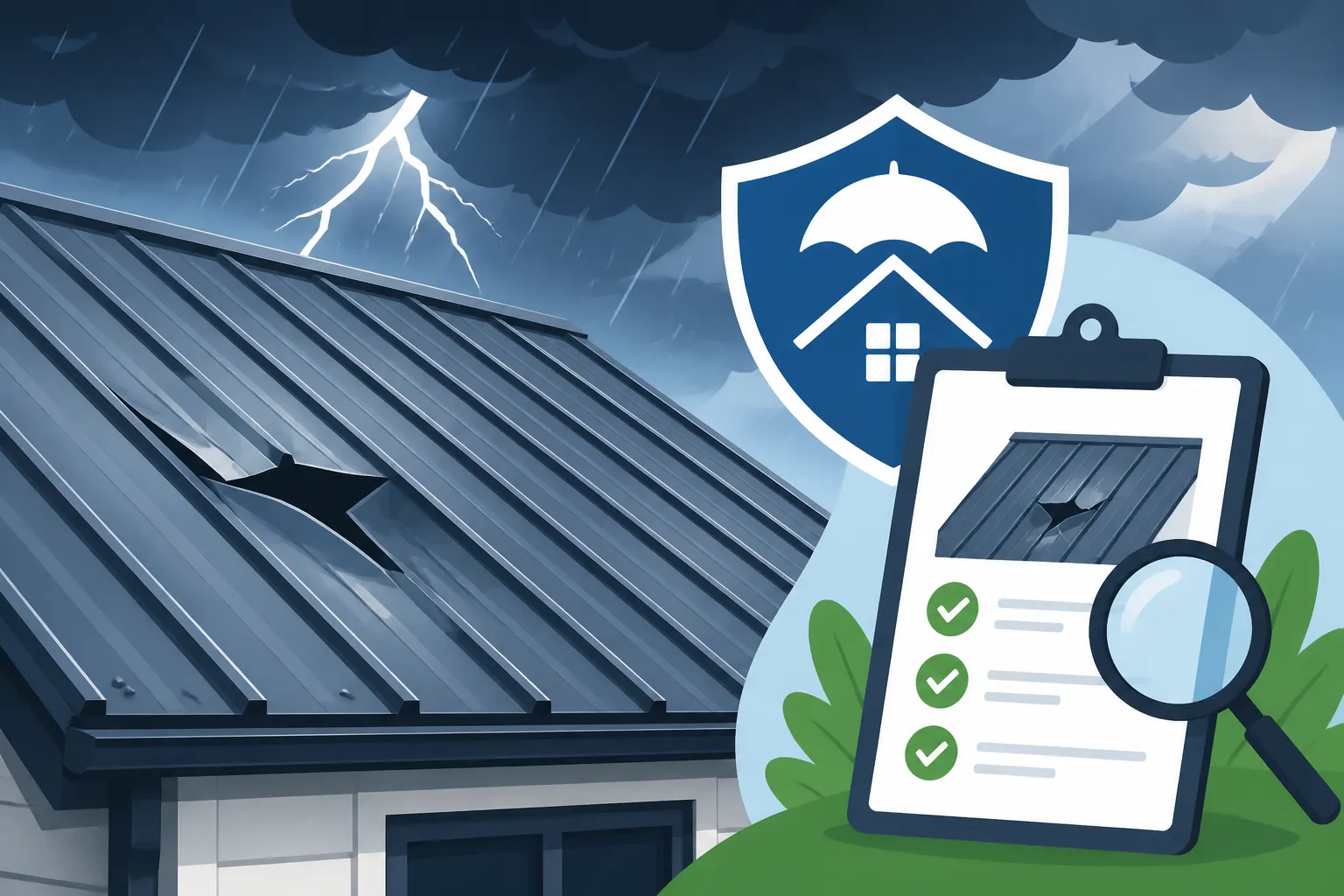
Metal Roof Insurance Claim After a Storm
Experiencing a severe storm can be incredibly stressful, especially when you step outside to find your beautiful metal roof has taken a beating. The thought of dealing with insurance claims, repairs, and contractors can feel overwhelming, adding insult to injury. This guide is here to walk you through the entire process of filing a metal roof insurance claim after a storm, offering practical advice to help you navigate this challenging time with confidence and clarity.
Understanding Storm Damage to Metal Roofs
When a major storm rolls through, it leaves more than just puddles and scattered debris. Your metal roof, while incredibly durable, can sustain various types of damage that aren't always obvious to the untrained eye. It's not just about a missing panel; there's a spectrum of issues to consider, and knowing what to look for is the first step in a successful insurance claim.
Identifying Different Types of Storm Damage
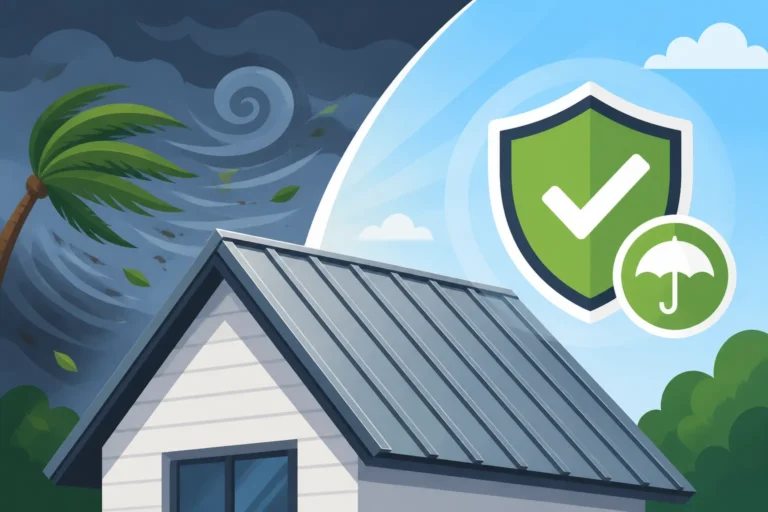
Metal roofs are renowned for their resilience against harsh weather, but even they have their limits. High winds, hailstorms, and heavy rain can all leave their mark. For example, strong winds, often seen during hurricanes or severe thunderstorms, can cause panels to lift, buckle, or even tear off completely, especially around edges or poorly secured areas. Fasteners can loosen, allowing water intrusion, or even pull out entirely, creating weak points. You might notice panels rattling or flapping when the wind picks up, which is a clear sign of structural compromise.
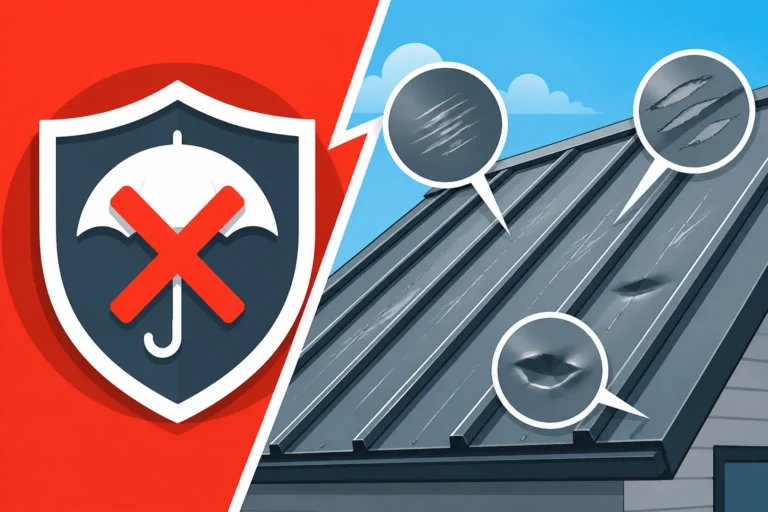
Hail, on the other hand, presents a different kind of threat. Depending on its size and the impact force, hail can leave dents on your metal panels. While some might be purely cosmetic, others can compromise the protective coating, potentially leading to future rust or corrosion, especially if the base metal is exposed. For a deeper dive into these issues, understanding Metal Roof Storm, Hail & Wind Damage can be incredibly helpful. Heavy rainfall, particularly when combined with wind, can exploit any weaknesses in flashing around chimneys, skylights, or valleys, leading to leaks that might not be immediately apparent but can cause significant interior damage over time. It’s crucial to inspect these areas carefully.
Differentiating Cosmetic vs. Structural Damage
This distinction is often where homeowners hit a snag with insurance companies. Cosmetic damage refers to superficial blemishes like dents, scratches, or scuffs that don't affect the roof's functional integrity or expected lifespan. Think small hail dents that don't break the paint finish or minor surface abrasions. While visually unappealing, your roof might still perform its job perfectly.
Structural damage, however, impacts the roof's ability to protect your home. This includes lifted or detached panels, punctured areas, severe creasing or buckling that affects water shedding, compromised seams, or widespread coating loss that exposes the underlying metal to the elements. If your roof's protective capabilities are diminished, it's structural. The challenge often lies in proving that cosmetic damage, if extensive enough, actually does lead to long-term structural issues, such as premature corrosion or reduced lifespan, which should be covered. This distinction is especially critical as many policies now include specific clauses regarding What Is the Cosmetic Damage Exclusion on Metal Roofs?, which can significantly impact your claim.
Immediate Steps After the Storm Hits
Finding your metal roof damaged after a storm is a gut-wrenching experience. Your immediate actions can make a huge difference in the success of your insurance claim and, more importantly, in preventing further damage to your home. Don't panic, but do act swiftly and methodically.
Prioritizing Safety and Documenting Everything
First and foremost, prioritize safety. After a storm, there might be downed power lines, sharp debris, or unstable structures. Do not attempt to climb onto a damaged roof yourself unless you are a trained professional with proper safety gear. Assess the damage from the ground, if possible. Once safe to do so, your next crucial step is documentation, and I mean everything. Take photos and videos of all visible damage from multiple angles, both close-up and wide shots. Show the extent of the damage, how it relates to the storm (e.g., a tree limb on the roof), and any interior leaks or damage that have resulted. Make sure to capture a timestamp on your photos or note the date and time.
Beyond the roof itself, document damage to gutters, siding, windows, and any personal property affected. This comprehensive record will be your strongest ally when dealing with your insurance company. Remember, the more evidence you have, the clearer the picture you paint for your adjuster. This initial documentation will be invaluable when you need to decide whether it's a repair job or a full replacement, a decision often guided by resources like Metal Roof Repair vs Replacement: How to Decide.
Making Temporary Repairs to Prevent Further Damage
While you should never attempt extensive repairs on a damaged roof without professional expertise, making temporary, safe fixes to mitigate further damage is often a requirement of your insurance policy. This is called "mitigating damages." For instance, if you have a small puncture or a minor leak, you might be able to temporarily cover it with a tarp, secured carefully (without causing new damage), to prevent water from entering your home. If a panel is slightly lifted, you might be able to gently weigh it down from the ground if safe to do so, or use heavy-duty tape designed for outdoor use to secure a flap.
Keep all receipts for materials used for these temporary repairs, as they are typically reimbursable by your insurance company. The goal here isn't to fix the roof permanently but to prevent secondary damage, such as mold growth, water-stained ceilings, or damaged insulation, which could complicate your claim significantly. If you're unsure how to safely make a temporary repair, it's always better to consult with a reputable local roofing contractor or a restoration specialist who can assist without putting you or your property at greater risk.
Notifying Your Insurance Provider Promptly
Once you've safely assessed and documented the damage, and made any necessary temporary repairs, contact your insurance company immediately. The sooner you open a claim, the smoother the process generally is. Most policies have specific timelines for reporting damage, and delaying could jeopardize your claim. When you call, be prepared to provide details about the storm, the type of damage you observed, and your policy number.
The representative will guide you through their specific claims process and assign you a claims adjuster. This is also a good time to ask about their timeline for adjuster visits and claim processing. Keep a detailed log of every conversation: who you spoke with, the date, time, and a summary of what was discussed. Request all communication in writing when possible. This meticulous record-keeping helps hold everyone accountable and ensures you have a clear paper trail should any disputes arise.
Navigating the Metal Roof Insurance Claim Process
Dealing with insurance companies can feel like navigating a maze, especially when you're already stressed about a damaged roof. But with a clear understanding of your policy and the claims process, you can advocate effectively for your home.
Deciphering Your Policy: Coverage and Deductibles
Before the adjuster even sets foot on your property, take the time to thoroughly review your homeowners insurance policy. This document holds all the answers regarding what is covered, what isn't, and under what conditions. Pay close attention to sections on roof coverage, storm damage, and especially any specific exclusions for metal roofs. Some older policies might have different depreciation schedules for metal, or specific clauses for hail damage. You might find that you have a "named peril" policy, covering only specific events, or a more comprehensive "open peril" policy.
Your deductible is another critical piece of information. This is the amount you're responsible for paying out-of-pocket before your insurance coverage kicks in. Some policies have a standard deductible (e.g., $1,000), while others in storm-prone areas might have a percentage-based deductible for wind or hail damage (e.g., 1% or 2% of your home's insured value). Knowing this upfront will help you understand your financial obligation. Additionally, research if your metal roof qualifies for any Metal Roof Insurance Discounts: How to Save or if you have specific endorsements, like extended replacement cost coverage, that could be beneficial.
Working with the Insurance Adjuster
The insurance adjuster's role is to assess the damage to your roof and determine the cost of repairs or replacement, ultimately calculating your settlement. When they visit your property, be present and walk them through the damage you've documented. Share your photos and videos; they can complement the adjuster's assessment. Don't be afraid to point out specific areas of concern, especially those that might not be immediately visible from the ground or that you documented during your initial inspection.
It's important to understand that adjusters work for the insurance company. While they aim to be fair, their primary goal is to assess damage within the scope of your policy. They might overlook subtle signs of damage or disagree on the extent of repairs needed. If you feel the adjuster's assessment is incomplete or inaccurate, politely voice your concerns and provide additional evidence. If a disagreement persists, you have the right to seek a second opinion from a public adjuster (who works for you, not the insurance company) or a reputable roofing contractor, which we’ll discuss next.
Obtaining and Comparing Contractor Estimates
Once the adjuster has completed their initial assessment, it's time to get estimates from qualified metal roofing contractors. This is a crucial step that many homeowners rush, often to their detriment. Do not simply rely on the insurance adjuster's estimate, as it might not account for all necessary repairs, quality materials, or the specific intricacies of metal roof installation. Aim to get at least two to three detailed estimates from different contractors.
Ensure that each estimate is comprehensive, detailing the scope of work, materials to be used (including specific metal type, gauge, and finish), labor costs, tear-off and disposal fees (if applicable), and any necessary code upgrades. Make sure the estimates reflect the exact type of metal roof you have or are looking to install. Comparing these bids can be tricky, but knowing How to Read and Compare Metal Roof Quotes will empower you to make an informed decision. Look for contractors who are experienced with metal roofing, can clearly explain the proposed work, and are willing to work with your insurance company. Reputable contractors, like those experienced with materials such as Sheffield Metals or McElroy Metal, will often provide detailed reports and support in navigating the claim.
Common Hurdles in Metal Roof Insurance Claims
Even with meticulous documentation and a clear understanding of your policy, the path to a successful insurance claim isn't always smooth. You might encounter specific challenges designed to minimize payouts or even deny claims. Knowing these common hurdles upfront can help you prepare and respond effectively.
Dealing with Claim Denials and Lowball Offers
One of the most frustrating experiences is receiving a claim denial or an offer that barely covers a fraction of the actual repair costs. If your claim is denied, don't just accept it. The insurance company must provide a reason for the denial in writing. Review this reason carefully and compare it against your policy. Was the damage deemed cosmetic? Was it attributed to wear and tear rather than the storm? Did they claim it was pre-existing?
If you believe the denial is unfair, you have options. Gather additional evidence, such as an independent assessment from a structural engineer or a detailed report from a trusted metal roofing contractor outlining why the damage is storm-related and warrants repair or replacement. You can then formally appeal the decision with your insurance company, providing all your supporting documentation. For lowball offers, the strategy is similar: use your contractor estimates and independent reports to demonstrate the true cost of repairs. Show them that their offer is insufficient to restore your roof to its pre-storm condition or to meet current building codes. Sometimes, simply presenting well-resealed evidence is enough to get them to reconsider.
The Impact of Cosmetic Damage Exclusions
As mentioned earlier, cosmetic damage exclusions are becoming increasingly common in homeowners insurance policies, particularly in states prone to hail or windstorms. These clauses state that the insurer will not pay for damage that is deemed purely aesthetic and does not impair the roof's function or structural integrity. This can be a major point of contention for metal roofs, where hail dents might not puncture the panel but can certainly detract from its appearance and potentially shorten its lifespan by compromising protective coatings.
If your policy has such an exclusion, you'll need to demonstrate that the "cosmetic" damage actually has a functional impact. For example, severe denting can affect water runoff, leading to pooling, or repeated flexing of the metal around a dent can compromise the coating over time, leading to premature corrosion. An expert opinion from a metal roofing specialist who can articulate these long-term implications is invaluable here. They can explain how the damage, though appearing minor, could necessitate extensive Metal Roof Maintenance Guide in the future or even lead to an early replacement, thus justifying the claim.
Understanding Actual Cash Value vs. Replacement Cost Value
Another significant financial factor in your claim will be whether your policy pays out based on Actual Cash Value (ACV) or Replacement Cost Value (RCV). This distinction can mean thousands of dollars difference in your settlement.
- Actual Cash Value (ACV): This coverage pays for the depreciated value of your roof. Your insurer calculates the current cost to replace your roof and then subtracts depreciation based on its age and condition. For example, if your metal roof is 15 years old and has a 50-year lifespan, the insurance company might pay only a fraction of the full replacement cost, leaving you to cover the substantial difference. This can be a bitter pill to swallow, as you're left paying a large sum for a new roof, despite paying your premiums.
- Replacement Cost Value (RCV): This is the ideal coverage. With RCV, your insurer pays the full cost to replace your damaged roof with a new one of similar quality and kind, without deducting for depreciation. You generally receive an initial payment (ACV), and then a second payment for the depreciation once the repairs or replacement are completed and you've submitted proof of expenses. This ensures you get a new roof, minimizing your out-of-pocket costs beyond the deductible.
It’s absolutely vital to know which type of coverage you have. If you have ACV, and your metal roof is older, you might be surprised by how little the insurance company offers. If you find yourself with ACV coverage and an older roof, it's a good time to consider upgrading your policy for future protection, especially since many metal roofs, particularly those with a Class 4 Impact-Resistant Roof Insurance Discount, are designed for longevity.
Partnering with the Right Metal Roofing Contractor
Choosing the right roofing contractor after storm damage isn't just about finding someone to swing a hammer; it's about finding a partner who understands metal roofing, works effectively with insurance companies, and truly has your best interests at heart. This decision can make or break your entire claim and the longevity of your new or repaired roof.
Vetting and Hiring a Qualified Professional
This step cannot be overstated. After a major storm, "storm chasers" often descend on affected areas, offering quick fixes and low prices. While tempting, these contractors often do subpar work, use inferior materials, and disappear when issues arise. You need a local, reputable metal roofing contractor with a proven track record. Start by looking for contractors who specialize in metal roofs, not just asphalt shingles. Ask for their licensing and insurance information – and verify it. A legitimate contractor will carry general liability insurance and workers' compensation. You can often verify licenses through your state's contractor board, like the CSLB in California or MyFloridaLicense in Florida.
Get references and actually call them. Ask about their experience with insurance claims. A good contractor will have experience in providing detailed estimates that meet insurance company requirements and will be willing to communicate directly with your adjuster. For a comprehensive list of what to look for, check out How to Hire a Metal Roofing Contractor and specifically Questions to Ask a Metal Roofing Contractor Before You Hire. Brands like DECRA or Englert often have certified installer networks, which can be a good indicator of quality and expertise. Choosing a contractor certified by the manufacturer of your chosen metal roofing system can also ensure adherence to installation best practices and uphold your Metal Roof Warranties: Workmanship vs Manufacturer.
Coordinating Between Contractor, Adjuster, and You
The most successful insurance claims often involve excellent communication between all parties: you, your contractor, and the insurance adjuster. Your contractor should be able to provide a detailed, itemized estimate that matches the scope of work needed to repair or replace your metal roof to current building codes and industry standards. They should be willing to discuss their findings with the adjuster and advocate for the necessary repairs.
Sometimes, the adjuster's initial estimate will be lower than the contractor's. This is common. Your contractor can then submit a "supplemental claim" to the insurance company, providing additional documentation, photos, and justification for any discrepancies. They might highlight things the adjuster missed or explain why certain materials or installation methods are required for a proper, durable repair, such as specific underlayment requirements or flashing details unique to metal roofs. Your role is to facilitate this communication, providing your contractor with the adjuster's initial report and ensuring everyone is working from the same information. Don't be afraid to ask for updates and to understand each step of the negotiation.
Finalizing Your Claim and Protecting Your Investment
You’ve navigated the storm, dealt with the insurance company, and hired a great contractor. Now it's time for the final stretch: ensuring the work is done correctly and safeguarding your investment for the long haul. This stage is just as critical as the initial steps.
Reviewing the Settlement and Repair Work
Once repairs are complete or a new roof is installed, you’ll receive the final settlement from your insurance company. Before signing off or making the final payment to your contractor, meticulously inspect the finished work. Walk around your home and examine the roof from all accessible angles (again, safely from the ground or with professional assistance). Look for consistent panel alignment, secure fasteners, proper flashing around all penetrations (chimneys, vents, skylights), and clean edges. Ensure that all debris has been removed from your property.
If you have an RCV policy, make sure you receive the depreciation holdback once the work is satisfactorily completed and you've submitted the final invoices. Compare the completed work against your contractor's proposal and the insurance company's approved scope of work. Don't hesitate to point out any deficiencies or ask questions. A reputable contractor will be happy to address any concerns and ensure you are completely satisfied with the result. If a final inspection from the city or county is required, ensure that has been completed and passed.
Long-Term Maintenance and Future Preparedness
Even with a brand-new or expertly repaired metal roof, ongoing maintenance is key to maximizing its lifespan and protecting your investment. Metal roofs are low-maintenance, but they aren't maintenance-free. Periodically inspect your roof for any loose fasteners, clogged gutters, or signs of wear, especially after severe weather. Keep it clean of debris like leaves and branches. These simple steps can prevent small issues from becoming major problems down the road.
Consider how you can further protect your home from future storms. If your area is prone to high winds, ensure your new roof meets or exceeds local wind rating requirements, as discussed in Metal Roof Wind and Fire Ratings Explained. Explore options like installing snow guards if you live in a snowy region to prevent dangerous snow slides, or reinforcing soffit and fascia for added wind resistance. You might also want to review your insurance policy annually with your agent to ensure your coverage is adequate and takes into account any upgrades you've made, possibly even qualifying for additional Metal Roof Insurance Discounts you might have missed before. Proactive maintenance and preparedness are your best defenses against future storm damage and another stressful claim process.
Disclaimer
This article is for general informational purposes only and does not constitute professional advice. Laws, prices and regulations vary by location and change over time. Consult a qualified professional for guidance on your specific situation.