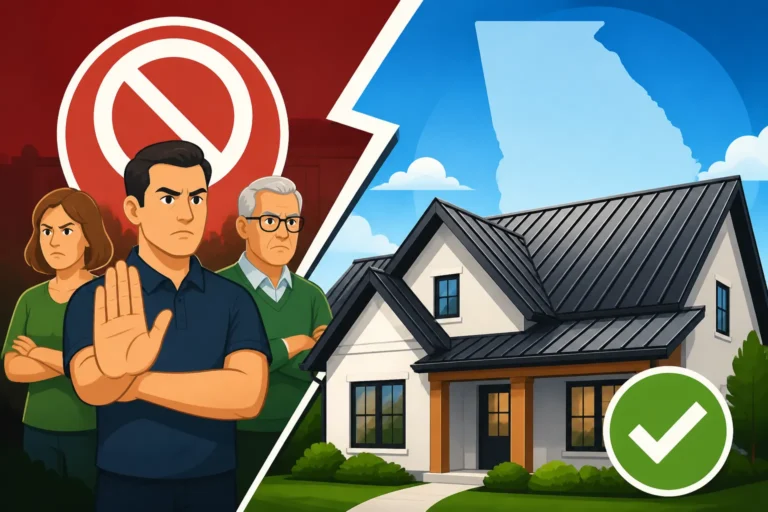
HOA Metal Roof Color and Profile Restrictions
Deciding to upgrade to a metal roof is a huge step, full of excitement about its longevity and energy efficiency. But then reality hits: your Homeowners Association (HOA). Suddenly, that beautiful metal roof you envisioned might be at odds with a dense binder of rules and regulations. It’s incredibly frustrating to feel like your aesthetic choices for your own home are being dictated, especially when you know a metal roof is a smart investment. This comprehensive guide is here to help you navigate the often-tricky landscape of HOA restrictions regarding metal roof colors and profiles, so you can achieve the roof of your dreams without unnecessary headaches.
Understanding the Basics of HOA Covenants and Restrictions
Before you even think about picking out a color swatch or a panel profile for your new metal roof, you absolutely must familiarize yourself with your HOA's governing documents. Trust me, overlooking this step is like trying to build a house without a blueprint – it's just asking for trouble, and potentially costly fines or even forced removal of your new roof. It's a daunting task, wading through legalese, but it's the most critical first step.
What Are CC&Rs and Why Do They Matter
At the heart of every HOA are its Covenants, Conditions, and Restrictions, or CC&Rs. Think of these as the constitution for your community. They are legally binding rules that govern how you can use and modify your property within the HOA's jurisdiction. This isn't just about painting your front door or putting up a fence; it extends to virtually all exterior elements of your home, and that most certainly includes your roof.
These documents are designed to maintain a certain aesthetic standard, protect property values, and ensure a harmonious living environment within the community. While sometimes they can feel overly restrictive, their intent is to prevent situations where one homeowner's wildly different choice might negatively impact their neighbors' property values or the overall look and feel of the neighborhood. For a metal roof, the CC&Rs will typically outline acceptable materials, colors, and even the "style" of roofing permitted. If you're considering a metal roof, you'll want to pay very close attention to any sections discussing exterior modifications, roofing materials, and architectural standards. You can usually get a copy of your CC&Rs from your HOA management company or board of directors. Don't be afraid to ask for clarity if parts are confusing; it's always better to understand before you act.
The Role of Architectural Review Boards ARBs
Beyond the static CC&Rs, many HOAs also have an Architectural Review Board (ARB), sometimes called an Architectural Control Committee (ACC). This is the group of people, often volunteers from the community, who interpret the CC&Rs and make specific decisions on proposed changes. Think of them as the gatekeepers of your neighborhood's visual integrity. Any significant exterior modification, like installing a new roof, typically requires their approval before any work begins.
The ARB's role involves reviewing your application, plans, and sometimes even material samples, to ensure your proposed changes align with the community's aesthetic guidelines. This usually means submitting a detailed proposal that includes the specific metal roof profile you intend to use, the exact color, material specifications, and sometimes even a rendering of what the finished roof will look like. The approval process can vary widely between HOAs, from a simple form to a multi-stage review with meetings. It’s vital to understand their specific submission requirements and timelines. Common reasons for denial often revolve around non-conformance with approved color palettes, the chosen profile being deemed "too modern" or "industrial" for the neighborhood, or the material not matching the architectural style guidelines. For example, if your community is primarily traditional brick homes with asphalt shingles, a bright red exposed-fastener corrugated metal roof might raise more eyebrows than a charcoal gray metal shingle roof designed to mimic slate.
Common HOA Restrictions on Metal Roof Colors
When it comes to metal roofs, one of the most common areas of contention with HOAs is color. We all have our personal preferences, but HOAs are often focused on maintaining a cohesive visual landscape. This means that while a vibrant cobalt blue might be your dream, it could be a nightmare for your HOA.
Approved Color Palettes and Schemes
Most HOAs, particularly in more established communities, will have a pre-approved list of acceptable colors for roofing, siding, and even trim. This isn't usually an arbitrary list; it often stems from a desire to maintain a consistent architectural style or to blend in with the surrounding natural environment. For metal roofs, these palettes typically lean towards earthy tones, muted grays, browns, deep greens, and other shades that are considered "neutral" or "traditional."
You'll often find that bright, highly reflective, or unusual colors are explicitly disallowed. For instance, while a classic dark bronze or a subtle charcoal gray is almost universally accepted for a metal roof, a bold red or a vibrant blue would likely be denied. The reasoning is usually about preserving the neighborhood's curb appeal and property values. Imagine if every house on the block had a wildly different, eye-catching roof color; it could create a jarring visual effect that HOAs aim to prevent. Brands like McElroy Metal or Sheffield Metals offer extensive color charts, but you'll need to cross-reference them with your HOA's specific approvals. It's not enough to just pick a color you like; it has to be a color your HOA likes, or at least tolerates.
Factors Influencing Color Decisions
The decisions around what metal roof colors are acceptable aren't just about arbitrary taste; several factors often influence an HOA's guidelines. Local climate and historical architectural styles play a significant role. For example, in a region with Spanish-style homes, HOAs might encourage metal roofing colors that mimic traditional terracotta tiles, like deep reds or coppers, but might frown upon modern silver-gray panels. In a New England colonial-style community, darker, more subdued colors that mimic traditional slate or wood shakes would be preferred.
The perception of metal roofs within the community is also a huge factor. Some HOAs or their residents might still carry an outdated view of metal roofs as being "industrial" or only suitable for barns, rather than recognizing the sophisticated, residential designs now available. If this perception exists, an HOA might be stricter on colors, insisting on shades that help the metal roof blend in rather than stand out. Furthermore, homeowners themselves might prioritize factors like solar reflectivity for energy efficiency, opting for lighter colors to reduce cooling costs. While this is a huge benefit of metal roofing, an HOA might still push for darker, more traditional colors if their aesthetic standards override individual homeowner preferences for energy savings. This is where you might need to build a case for your chosen color, highlighting its benefits while still trying to meet their aesthetic demands.
| Feature | Typically HOA-Approved | Often HOA-Restricted |
|---|---|---|
| Colors | Charcoal Gray, Dark Bronze, Forest Green, Earth Tones, Muted Brown | Bright Red, Vibrant Blue, Glossy Silver, Neon Green, Purple |
| Profiles (Style) | Standing Seam, Metal Shingles, Stone-Coated Steel (mimicking tile/shake/slate) | Exposed Fastener Corrugated, Ribbed Panel (industrial look) |
| Finish | Matte, Low-Gloss, Textured | High-Gloss, Highly Reflective |
| Material Appearance | Natural patina (Copper, Zinc), Coated Steel/Aluminum with subdued finishes | Uncoated Steel (potential for visible rust), Highly reflective Aluminum |
Navigating HOA Regulations on Metal Roof Profiles and Styles
Beyond color, the profile or style of your metal roof is another significant area where HOAs often impose restrictions. While all metal roofs offer durability and longevity, their visual impact can differ dramatically based on how the panels are shaped and installed.
Approved Metal Roof Profiles
The term "metal roof" actually encompasses a wide variety of profiles, each with its own distinct look. Some of the most common include standing seam, corrugated, stone-coated steel, and metal shingles. An HOA might have very specific guidelines on which of these profiles are acceptable. Generally speaking, profiles that mimic traditional roofing materials tend to fare better with HOAs. For example, What Is a Metal Shingle Metal Roof? or a What Is a Stone-Coated Steel Metal Roof? system, which are designed to replicate the appearance of asphalt shingles, slate, or cedar shakes, are often more readily approved. They offer the benefits of metal without a drastic departure from conventional aesthetics.
On the other hand, exposed fastener systems, like corrugated or ribbed panels (often called R-panel or PBR panel), which show the screws on the surface, might face more scrutiny. While incredibly durable and cost-effective, their more utilitarian or "industrial" appearance is sometimes deemed unsuitable for residential communities that prioritize a uniform, traditional look. You might find that your HOA's CC&Rs explicitly state "no exposed fastener roofs" or mandate a "standing seam only" policy. It's crucial to understand these distinctions before you fall in love with a particular type of metal roofing. A Standing Seam vs Corrugated Cost Comparison can show you the differences not just in price, but also in aesthetics and how that might impact HOA approval.
Material and Finish Considerations
The specific material your metal roof is made from, and its finish, can also fall under HOA scrutiny. While steel and aluminum are the most common choices for residential metal roofs, materials like copper and zinc also exist. Each has its own natural aesthetic and aging process. For instance, copper will develop a beautiful green patina over time, which some HOAs might find charming and others might view as an unwanted change in color. You can learn more about these in Metal Roofing Materials Compared: Steel, Aluminum, Copper & Zinc.
Beyond the base material, the coating and finish are critical. Many residential metal roofs come with high-performance paint systems, such as Kynar 500 (PVDF) or SMP (Siliconized Modified Polyester) coatings, which offer excellent color retention and durability. These coatings also determine the panel's gloss level. Some HOAs prefer a low-sheen or matte finish to avoid excessive reflectivity, especially in sunny climates, while others might not have specific rules on this. It’s worth asking if they have preferences regarding the level of gloss. Understanding the long-term appearance of your chosen material and finish, and how it aligns with HOA expectations, is a vital part of the approval process. If you’re unsure, a sample panel showcasing the finish can be very helpful when submitting your application to the ARB.
Strategies for Gaining HOA Approval for Your Metal Roof
Getting an HOA to approve your metal roof doesn't have to feel like an uphill battle. With the right approach and a little planning, you can significantly increase your chances of success. It's all about being prepared, proactive, and presenting your case effectively.
Thorough Research and Early Communication
The absolute golden rule when dealing with an HOA is to do your homework before you do anything else. Dive deep into your CC&Rs, bylaws, and any architectural guidelines specific to your community. Don't just skim them; read them carefully, highlighting any sections related to roofing materials, colors, and exterior modifications. If you're unclear about anything, reach out to your HOA management company or a board member for clarification. It's much better to ask questions upfront than to discover you're in violation after the fact.
Once you have a solid understanding of the rules, initiate communication with your HOA or ARB early in the process. Don't wait until you've picked out your dream roof and hired a contractor. Submit a preliminary inquiry if that's an option, or prepare a comprehensive proposal for your formal application. Your proposal should be meticulously detailed. Include brochures from your chosen metal roofing manufacturer, actual color samples (small swatches or even a small section of a panel), and detailed specifications of the profile and material. If possible, provide professional renderings or photoshopped images of your house with the proposed new roof. The more information you provide, and the clearer your intent, the easier it is for the ARB to make a decision. This proactive approach shows respect for the HOA's rules and often results in a smoother approval process. You might even find it helpful to look into How to Get HOA Approval for a Metal Roof for more specific advice on this process.
Presenting a Strong Case: Aesthetics and Benefits
When you submit your proposal, don't just state what you want; explain why it's a good fit for your home and the community. This is where you can truly advocate for your metal roof. Focus on both the aesthetic harmony and the tangible benefits. If your chosen metal roof profile, like a stone-coated steel or metal shingle, closely resembles traditional roofing materials, emphasize this. Explain how the color you've selected complements the existing color scheme of your home and blends seamlessly with the neighborhood's aesthetic. You could even point out how Best Metal Roof Colors and How to Choose influenced your decision to select a color that enhances curb appeal.
Beyond aesthetics, highlight the long-term advantages of metal roofing. Talk about its exceptional durability and longevity, which means fewer roof replacements over the decades, reducing long-term disruption in the community. Mention the energy efficiency benefits, especially if you're choosing a lighter, highly reflective color that can help reduce cooling costs in warmer climates. Some metal roofs even qualify for Metal Roof Insurance Savings & Discounts, which could be a collective benefit for property values. You could also reference the increased Does a Metal Roof Increase Home Value? as a positive for the entire community. If there are other homes in your community with metal roofs that align with your proposed style and color, use them as a precedent. "Neighbor A on Elm Street has a similar standing seam roof in dark bronze; our proposed charcoal gray would be equally complementary," is a powerful argument. Providing solid reasoning, backed by product information and visual aids, makes your request much more compelling.
What to Do If Your Metal Roof Request Is Denied
It can be incredibly disheartening to have your metal roof request denied by your HOA. All that research, all that planning, seemingly for naught. But don't despair! A denial isn't always the end of the road. There are often avenues for appeal and negotiation that can still lead to a positive outcome.
Understanding the Appeals Process
Most HOAs have a formal appeals process outlined in their governing documents. If your initial request is denied, the first step is to thoroughly understand why it was denied. Ask for specific reasons in writing. Was it the color? The profile? The material? Was there missing information in your application? Once you know the precise objections, you can address them directly.
Prepare your appeal by gathering additional information or adjusting your proposal to meet their concerns. For example, if the color was deemed too light, perhaps you can find a slightly darker shade that still offers good reflectivity. If the profile was the issue, explore alternative metal roof styles that mimic traditional materials more closely, like metal slate or metal shake, which some HOAs find more aesthetically pleasing than traditional standing seam or corrugated panels. When you resubmit, make sure to clearly articulate how you've addressed their original concerns. Be respectful, professional, and persistent. Remember, the goal is to find a solution that works for both you and the HOA. For general tips, consider resources on How to Read and Compare Metal Roof Quotes which can help you present detailed specifications during an appeal.
Seeking Compromise and Alternative Solutions
Sometimes, a direct appeal isn't enough, and a little give-and-take is necessary. This means being open to compromise. Perhaps the specific standing seam profile you wanted is out, but a metal shingle system in a similar color would be acceptable. Or maybe a different shade of gray or brown, slightly darker or lighter than your first choice, will satisfy their aesthetic guidelines while still giving you the metal roof benefits you desire. Your roofing contractor, especially one with experience dealing with HOAs, can be a valuable ally here. They might have insights into what other homeowners in similar communities have successfully installed or can help you source different material samples.
It can also be beneficial to present a cost-benefit analysis. If, for instance, a metal roof offers superior hail resistance or wind mitigation properties crucial for your region (e.g., in areas prone to hurricanes), emphasize how this protects property values and potentially lowers insurance premiums for everyone in the community. You could research Metal Roof Wind and Fire Ratings Explained to strengthen your case. If the HOA is concerned about the "industrial" look of metal, point out how modern metal roofing technology has evolved, offering sophisticated, aesthetically pleasing options that are far from utilitarian. Sometimes, providing more education about the advancements in metal roofing can shift an HOA's perspective.
Knowing Your Rights and Local Regulations
While HOAs have significant power, their authority isn't always absolute. It's important to be aware of your rights and any state or local regulations that might impact their decisions. In some states, laws have been passed that limit an HOA's ability to restrict certain roofing materials, particularly those that offer significant energy efficiency benefits or are resistant to severe weather. For example, in Florida, laws like Florida HB 293 and Metal Roof HOA Rights exist to prevent HOAs from unreasonably denying roofing materials that promote energy efficiency or hurricane resistance.
Always check your local building codes and ordinances. In some cases, a local ordinance might encourage or even mandate certain types of resilient building materials, which could give you leverage with your HOA. While HOAs can create their own rules, they cannot enforce rules that violate state or federal law, or local building codes. If you believe your HOA's denial is unreasonable, discriminatory, or in violation of existing statutes, it might be worth consulting with a legal professional who specializes in HOA law. They can help you understand if you have grounds to challenge the decision, though this should generally be a last resort. Before it escalates, ensure you've explored all other avenues for approval and compromise, perhaps starting with a general understanding of Do You Need a Permit for a Metal Roof? and Metal Roof Building Codes Explained to show your commitment to compliance.
Disclaimer
Please remember that the information provided in this guide is for general informational purposes only and does not constitute legal advice. HOA rules and regulations, as well as local building codes and state laws, can be complex and vary significantly by location. Always consult with your specific HOA management, an attorney specializing in HOA law, and a qualified metal roofing contractor to ensure compliance with all applicable rules and regulations before making any decisions about your metal roof project.