Metal Roof Hail Damage and Insurance Claims
It's absolutely gut-wrenching to walk outside after a severe storm, especially one with hail, and see your beautiful metal roof potentially dinged up. You chose a metal roof for its durability and longevity, and now you're wondering if that investment is compromised and what in the world you're supposed to do next. This comprehensive guide is here to walk you through everything you need to know about understanding metal roof hail damage and successfully navigating the often-confusing insurance claims process.
Understanding Hail Damage to Metal Roofs
When Mother Nature throws a fit, and hail starts pounding down, many homeowners immediately worry about their roofs. With a metal roof, there's a different set of concerns than with traditional asphalt shingles, and understanding these differences is key to knowing what you're looking at and what to expect from an insurance claim.
How Hail Impacts Metal Panels Differently
It's common knowledge that metal roofs are incredibly tough. They boast impressive resistance to fire, wind, and even many impacts that would shred an asphalt shingle roof. However, "tough" doesn't mean "invincible," especially when faced with the relentless barrage of hailstones. The way hail interacts with metal panels is unique, and it’s important to recognize these distinctions.
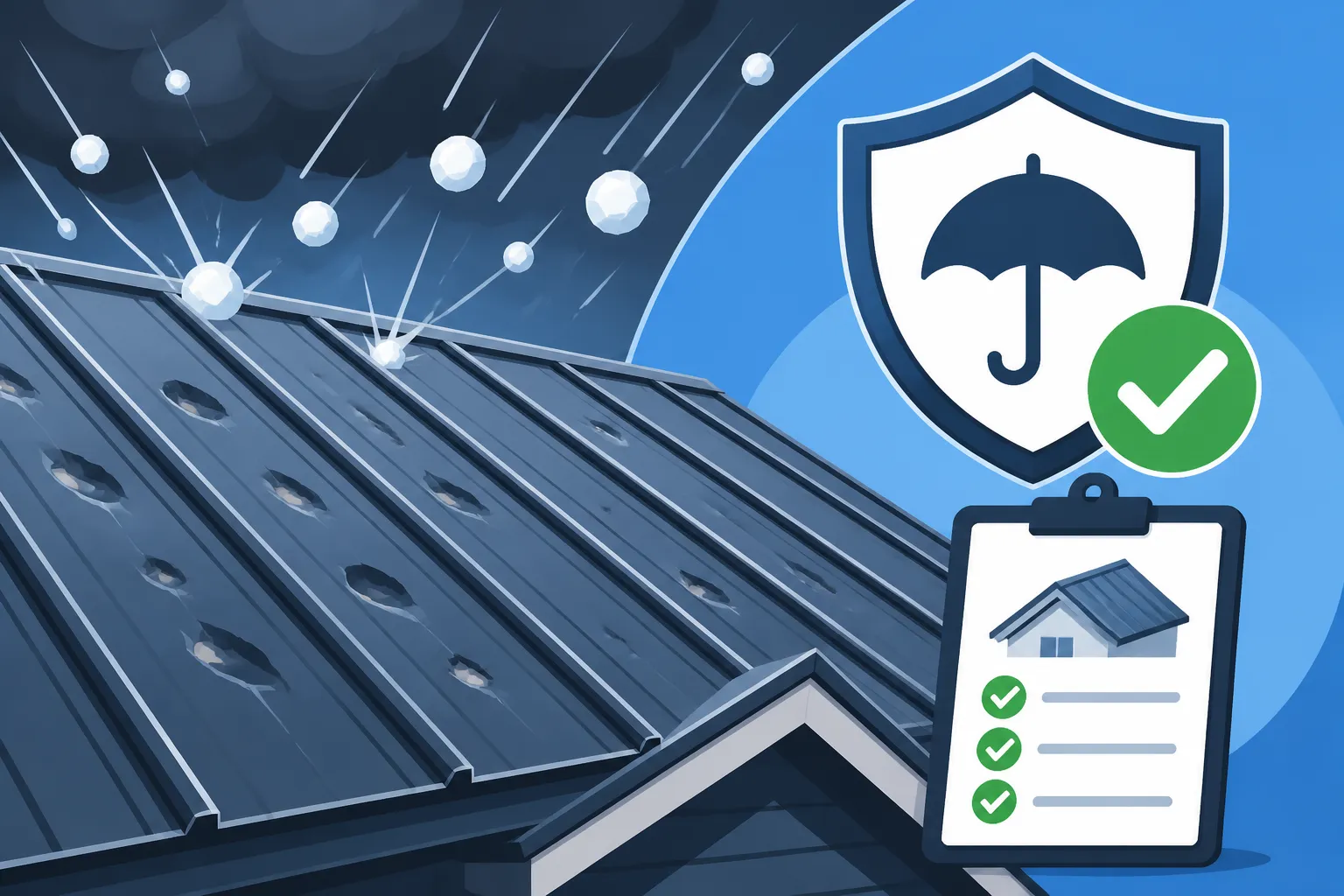
For starters, metal panels, whether we're talking about a sleek standing seam roof or a more traditional corrugated panel, tend to dent rather than fracture or shed granules like shingles. The size, density, and velocity of the hailstones play a massive role here. Pea-sized hail might just leave barely perceptible marks or no damage at all, while golf ball-sized or larger hail can cause significant, noticeable indentations. These dents aren't just an aesthetic concern; they can compromise the roof's protective coating and, in severe cases, the structural integrity of the panel itself. Different metal types react uniquely. Steel panels, especially those made with a thicker gauge, offer excellent dent resistance, but they can still be marred. Aluminum, being a softer metal, is more prone to denting from smaller hailstones. Copper, while incredibly durable and long-lasting, is also relatively soft and will dent easily, developing a unique, textured patina over time that some consider desirable, even with hail marks. It's a trade-off: metal roofs generally withstand hail better in terms of avoiding immediate leaks compared to shingles, but the visible damage can be more pronounced.
Types of Damage to Look For
After a hailstorm, the instinct is to immediately climb up on the roof and see what happened. Please, for your own safety, resist that urge! Especially if the roof is wet or there's still debris around. Even on dry ground, spotting hail damage on a metal roof can be trickier than you might think, as the angle of the sun can hide or reveal dents.
The most obvious sign of hail damage is, of course, visible dents. These can range from small, shallow depressions to deep, noticeable craters. It's not just about the size of the dent, though; the frequency and distribution across the roof are also crucial. A few scattered dents might be considered "cosmetic," but widespread, severe denting over multiple panels suggests a more significant impact. Pay close attention to areas where panels meet, near vents, skylights, and along the eaves, as these spots can sometimes show concentrated damage. Beyond just the physical indentation, hail can cause coating damage. Many metal roofs are protected by advanced paint systems like PVDF (Kynar 500) or SMP, which offer incredible color retention and protection against corrosion. Hail impact can chip, crack, or scour away this protective coating. When the coating is compromised, the underlying metal substrate (often Galvalume or galvanized steel) becomes exposed. This exposure makes the metal vulnerable to rust and corrosion over time, which can lead to premature deterioration and leaks down the line. Even if the dent itself seems minor, a breach in the coating can be a serious functional issue that needs addressing.
Finally, don't overlook potential structural concerns. While less common with minor hail, larger hailstones or repeated severe storms can loosen fasteners, especially in exposed fastener systems like corrugated or R-panel roofs. This can lead to panels shifting or creating tiny gaps where water can infiltrate. Hidden fastener systems, such as standing seam, are generally more resilient, but even their clips can be stressed by extreme impacts. Pay attention to flashing around chimneys, vents, and wall intersections. If the hail was significant enough to dent the main panels, it might also have damaged these critical components, potentially compromising the watertight seal. Look for bent edges, crimped seams, or any part of the roof that looks out of alignment. Sometimes, the damage extends beyond the roof itself; inspect your gutters for dents and dings, and check any roof-mounted features like solar panels or skylights for signs of impact. For a deeper dive into assessing potential issues, you might find our guide on Warning Signs Your Metal Roof Needs Attention helpful.
The Initial Steps After a Hailstorm
A hailstorm can leave you feeling helpless, staring at your home and wondering what to do first. But taking the right initial steps is crucial for both your safety and the success of any potential insurance claim. Don't let the anxiety overwhelm you; there's a clear path forward.
Prioritizing Safety and Temporary Measures
First and foremost, your safety and the safety of your family are paramount. After a hailstorm, resist the urge to immediately climb onto your roof. The roof surface might be slippery from moisture or residual ice, and there could be hidden damage or loose debris that makes walking on it extremely dangerous. If you suspect significant damage or have active leaks, the safest approach is to stay on the ground.
From a safe vantage point – perhaps the street, your backyard, or an upstairs window – try to get a general overview of your roof's condition. You might be able to spot obvious dents or dislodged components without putting yourself at risk. If you notice any active leaks inside your home, your immediate priority should be to contain the water to prevent further interior damage. Place buckets or tarps under the drips. For small, isolated leaks, you might be able to temporarily patch them from inside the attic or by safely applying a tarp from the ground if your roof pitch allows for it and the weather has cleared. However, applying a full-scale temporary tarp to a metal roof often requires professional expertise to ensure it's done safely and effectively without causing more damage. If you're unsure or uncomfortable, call a reputable local roofing professional for emergency tarping services. They have the equipment and experience to safely secure your property until permanent repairs can begin.
Documenting the Damage Thoroughly
Once the immediate danger has passed and it's safe to be outside, thorough documentation is your best friend when dealing with insurance claims. This isn't just about taking a quick snapshot; it's about creating a comprehensive record of the damage.
Start by taking a multitude of high-quality photos and videos from various angles. Capture wide shots that show the entire roof and how the damage is distributed, as well as close-up shots of individual dents, chips in the coating, bent flashing, or any other visible signs of impact. Use a ruler or a common object (like a coin) in your close-up photos to provide a sense of scale for the dents. Don't forget to document damage to other parts of your property, such as gutters, downspouts, siding, windows, outdoor furniture, or even your car, as these might also be covered under your homeowner's policy. Make sure to note the date and time you took these photos and videos. Beyond visual evidence, create detailed written notes. Record the exact date and approximate time the hailstorm occurred. Note the size of the hailstones you observed (e.g., "quarter-sized," "golf ball-sized"). Describe the severity and pattern of the damage you see. Did the hail come from a particular direction? Is the damage concentrated on one side of the house? These details can be incredibly helpful for your insurance adjuster. Some homeowners even collect a few hailstones immediately after a storm (if it's safe to do so) and put them in a freezer to show the adjuster, though photos with scale are often sufficient. The more evidence you can provide, the stronger your case will be when you file your claim. This meticulous documentation forms the bedrock of your claim and helps ensure nothing is overlooked.
Navigating the Insurance Claim Process
Filing an insurance claim can feel like stepping into a labyrinth, especially when you're already stressed about roof damage. But armed with knowledge and preparation, you can navigate it effectively. The goal is to get a fair assessment and the necessary funds to restore your metal roof.
Contacting Your Insurance Provider
As soon as you've taken those initial safety steps and documented the damage, it's time to contact your insurance provider promptly. Most insurance policies have specific timelines for reporting damage, so delaying can sometimes complicate your claim. While a few days or a week is usually fine, waiting months can raise questions about the storm's connection to the damage. Don't wait until you have every single detail perfect; it's better to initiate the claim early and provide more information as you gather it.
When you call, have your policy number ready, along with the exact date of the storm. Briefly describe the damage you've observed, mentioning that you suspect hail damage to your metal roof. They'll likely ask you to provide your initial observations and any photos you've taken. This first call is about reporting the "loss" and getting a claim number assigned. This number will be your key identifier throughout the process. It's also a good time to ask about your deductible and to clarify the specific coverage your policy provides for hail damage on a metal roof. For example, some policies might have specific clauses about "cosmetic damage" on metal roofs, which can significantly impact your payout. Understanding these nuances upfront can help manage your expectations and prepare you for subsequent conversations.
The Adjuster's Inspection and What to Expect
Once you've filed your claim, your insurance company will assign an adjuster to assess the damage. This person's job is to inspect your roof, evaluate the extent of the damage, and determine what repairs or replacement are covered under your policy. Scheduling this inspection is a critical step, and being prepared for it can make a big difference.
It's highly recommended that you be present during the adjuster's inspection. This allows you to point out specific areas of concern you've identified, share your documentation (photos, videos, notes), and ask any questions you might have. Before the adjuster arrives, make sure your property is accessible, clear of any hazards, and that you have all your documentation neatly organized. Don't be afraid to walk the property with them (if safe) and discuss your findings. The adjuster will meticulously inspect your roof, often using a "test square" method to count hail impacts per square foot. They'll be looking for both visible dents and, critically, any signs of functional damage, such as chipped coatings that expose the metal to corrosion, or damage to critical components like flashing. For metal roofs, the distinction between purely "cosmetic" damage (which might not be covered, depending on your policy) and "functional" damage (which impacts the roof's ability to protect your home) is a frequent point of discussion. The adjuster might use specific tools to test the adhesion of coatings or to measure the depth of dents. Understanding this process will help you engage effectively.
Interpreting the Insurance Estimate
After the adjuster completes their inspection, they will provide you with an estimate or a scope of work. This document details their assessment of the damage and the proposed cost of repairs or replacement. It's absolutely vital to review this estimate carefully and understand every line item. Don't just glance at the bottom line.
The estimate will typically break down costs into categories like materials, labor, tear-off (if applicable), disposal, and other ancillary items such as flashing, ventilation, and gutters. For metal roofs, ensure the estimate specifies the correct gauge, material (e.g., steel, aluminum), profile (e.g., standing seam, corrugated), and coating type that matches your existing roof or allows for a suitable replacement. Pay attention to the pricing; sometimes, adjusters use generalized pricing databases that might not reflect the true cost of specialized metal roofing materials or skilled labor in your specific area. You'll also need to understand whether your policy provides Actual Cash Value (ACV) or Replacement Cost Value (RCV) coverage. ACV takes depreciation into account, meaning you'll receive less initially, while RCV pays the full cost to repair or replace the damaged property with new materials of like kind and quality, often in two payments (initial ACV, then the depreciated amount upon completion of work). If the initial estimate seems low or doesn't cover all the damage you and your chosen contractor believe is present, don't panic. This is where the concept of supplements comes into play. Often, hidden damage is discovered once work begins, or an adjuster's initial estimate might miss certain details. Your contractor can work with your insurance company to submit supplemental claims for additional, necessary costs. It's a negotiation process, and having a knowledgeable contractor on your side can be invaluable. For more on comparing these important documents, our article on How to Read and Compare Metal Roof Quotes can offer additional insights.
Working with Metal Roofing Professionals for Hail Damage
Navigating metal roof hail damage and insurance claims successfully often hinges on the expertise of the professionals you choose. This isn't a job for just any roofer; metal roofing demands specialized knowledge and experience.
Why a Specialized Metal Roofer is Crucial
You wouldn't ask a general practitioner to perform brain surgery, right? The same principle applies to roofing, especially when dealing with the intricacies of metal. A specialized metal roofer is absolutely crucial for assessing and repairing hail damage on your metal roof. Why? Because metal roofing systems are distinct from asphalt shingles in nearly every way, from their materials and installation techniques to their unique vulnerabilities and repair methods.
A general roofer might be great at shingles, but they may lack the specific training and experience required to properly identify all types of metal roof damage, particularly subtle coating compromises or stressed seams that are easily overlooked by an untrained eye. They might also not be familiar with the specialized tools, fasteners, sealants, and techniques required for metal roof repair or panel replacement. For instance, correctly matching a metal panel's gauge, color, and profile, or ensuring proper panel alignment and watertight seams after a repair, requires a particular skill set. Mistakes made by an unqualified contractor can lead to future leaks, voided warranties, or even further damage to your roof's integrity. These roofs are designed to last decades, and you want someone who knows how to maintain that lifespan. When searching for the right professional, look for contractors who specifically advertise expertise in metal roofing, have manufacturer certifications, and can provide references for past metal roof projects. Our guide on How to Hire a Metal Roofing Contractor provides excellent advice on vetting potential candidates.
Getting Comprehensive Damage Assessments and Quotes
Once you've identified a few promising metal roofing specialists, the next step is to get comprehensive damage assessments and quotes. Don't settle for just one; aim for at least two or three detailed evaluations. This allows you to compare not only pricing but also the scope of work and the proposed solutions.
A thorough metal roof inspection after hail damage goes far beyond simply counting dents. The specialist should carefully examine the entire roof surface, including all panels, flashing, trim, gutters, and roof penetrations (like vents and chimneys). They'll look for denting, of course, but also for evidence of coating failure, scratches, compromised seams, loose fasteners, and potential underlying structural damage. They might use specialized lighting or magnification to detect hairline cracks in coatings or subtle deformations. This detailed assessment should result in a written report outlining all identified damage. The quotes you receive should then be equally detailed. They should clearly itemize materials (type of metal, gauge, finish), labor costs, tear-off (if necessary), disposal fees, and any other associated costs like permit fees or specialized equipment. Make sure the quote specifies whether it's for repair or full replacement and why that recommendation is being made. For example, if repairs are proposed, does it include repainting or recoating the affected areas? If replacement, does it specify the exact panel profile and color match? A comprehensive quote leaves no room for ambiguity and helps you compare "apples to apples" when evaluating different contractors. Our resource on How to Read and Compare Metal Roof Quotes can guide you through this comparison process.
Advocating for Your Claim with Professional Support
Even with all your documentation, navigating the insurance claim process can sometimes feel like an uphill battle. This is where a knowledgeable metal roofing contractor can become your strongest advocate. They can significantly help in communicating with your insurance company, especially if there are discrepancies in the damage assessment.
A reputable metal roofing contractor often has extensive experience working with insurance companies and understands their terminology and processes. They can provide an expert opinion that carries more weight than a homeowner's observations alone. If the adjuster's estimate seems insufficient, your contractor can provide a detailed, itemized report that justifies additional costs, explaining why certain repairs are necessary or why a full replacement is the only viable solution for restoring the roof to its pre-storm condition and maintaining its long-term integrity. They can highlight functional damage (like exposed substrate leading to rust) that an adjuster might initially classify as purely cosmetic, providing technical explanations for why that damage impacts the roof's performance. Many contractors have established relationships with insurance adjusters and can facilitate smooth communication and negotiation. This professional support can be invaluable in ensuring that your claim covers all necessary repairs, preventing you from having to pay out of pocket for essential work or settling for an inadequate repair that jeopardizes your roof's lifespan. Remember, your contractor's goal should align with yours: to properly repair or replace your damaged metal roof.
Repairing vs. Replacing a Hail-Damaged Metal Roof
After a hailstorm, one of the biggest questions homeowners face is whether their metal roof can be repaired or if a full replacement is necessary. This decision isn't always straightforward and depends on a variety of factors.
Factors Influencing the Decision
The choice between repairing and replacing a hail-damaged metal roof is a significant one, impacting both your finances and your roof's long-term performance. Several key factors come into play, and it’s important to weigh them carefully.
Firstly, the severity and extent of the damage are paramount. A few isolated, shallow dents on one or two panels might be prime candidates for repair, especially if the protective coating is largely intact. However, widespread, deep denting across numerous panels, especially if accompanied by significant coating compromise or structural issues like bent seams or loosened fasteners, strongly leans towards replacement. The cost-effectiveness is another major consideration. If the cost of repairing extensive damage approaches or exceeds the cost of a full replacement, then replacement often makes more financial sense, particularly when you factor in the benefits of a completely new, warrantied roof. Our guide on Metal Roof Repair vs Replacement: How to Decide offers an in-depth look at these financial calculations. The age and condition of the existing roof also play a crucial role. A brand-new metal roof with minor, localized hail damage is far more likely to be repaired. Conversely, if your metal roof is already nearing the end of its projected lifespan (even though metal roofs typically last 40-70 years), and it sustains significant hail damage, a replacement might be the more practical and economical decision in the long run. Finally, aesthetics and curb appeal cannot be ignored. While insurance often focuses on functional damage, widespread cosmetic damage can significantly detract from your home's appearance and resale value. If repairs would result in a patchwork look or uneven aging, a full replacement might be preferable for maintaining your home's aesthetic integrity.
Repairing Specific Types of Hail Damage
When repairs are feasible, they typically focus on localized fixes to restore both the function and appearance of your metal roof. It's not always a simple patch-and-paint job; precision is key.
For small, shallow dents, particularly on pre-painted panels, cosmetic repairs might involve careful paint touch-ups to cover any chipped areas where the coating has been compromised. While some auto body techniques exist for "paintless dent repair," these are rarely practical or cost-effective for the large, thin panels of a metal roof. The primary concern is protecting the exposed metal from rust, so even if the dent remains, sealing the coating breach is critical. If the hail impact caused more significant coating compromise over a wider area, but the underlying metal structure is sound, a professional recoating or repainting might be an option. This involves thoroughly cleaning, priming, and then applying a new, durable paint system over the existing panels. This can restore the protective barrier and refresh the roof's appearance, often extending its life without the full expense of replacement. This is a specialized process that requires the right materials and expertise to ensure long-lasting adhesion and performance. For isolated severely damaged panels, replacing individual metal roof panels is often possible. This requires a skilled metal roofer who can carefully remove the damaged panel without disturbing adjacent panels, flashings, or the underlayment. The challenge lies in finding an exact match for the new panel in terms of material, gauge, profile, and color. Even if the color code is the same, an aged roof's color might have faded slightly, making a perfect match difficult. Our article on How to Replace a Metal Roof Panel delves into the complexities of this particular repair. This approach is most effective when damage is truly limited to a few specific panels, minimizing disruption and cost.
When a Full Replacement Becomes Necessary
There are definite scenarios where patching up a metal roof after hail damage simply won't cut it. In these cases, a full replacement becomes the only sensible option to safeguard your home and investment.
One of the clearest indicators for replacement is widespread structural compromise or severe coating failure across a large percentage of the roof. If more than 25-30% of your panels have significant dents, deep gouges, or widespread coating loss that exposes the substrate to potential corrosion, the cumulative cost and effectiveness of individual repairs may make replacement the superior choice. This is particularly true if the structural integrity of the panels themselves, or the fastening system, has been compromised, threatening the roof's ability to shed water effectively. Another common trigger for replacement is the difficulty in matching existing panels or colors. Metal roof colors can fade over decades due to UV exposure. If a manufacturer has discontinued a specific color or profile, or if the original color has faded significantly, installing new, perfectly matched repair panels can be impossible. The result would be a conspicuous patchwork that detracts from your home's value. In such cases, replacing the entire roof ensures a uniform, aesthetically pleasing, and protective surface. Crucially, the insurance company's decision based on functional damage often dictates replacement. While you might see cosmetic dents, if the adjuster determines that the hail has caused widespread functional damage (i.e., damage that impairs the roof's ability to protect the home from the elements), they will likely approve a full replacement. This is a major advantage of metal roofs in a claim scenario; while cosmetic damage might be excluded, functional damage is almost always covered. If your roof is already older and showing signs of wear and tear, even moderately severe hail damage might be the tipping point for insurance to approve a full replacement, giving you a brand-new roof with a fresh warranty and decades of worry-free performance. Considering the long-term value, a full replacement can often be the most financially prudent decision.
Long-Term Considerations and Prevention
Getting your metal roof repaired or replaced after hail damage is a huge step, but it's also an opportunity to think about the future. How can you protect your investment, understand your policy better, and potentially prevent future headaches?
Understanding Cosmetic Damage Exclusions
One of the most frustrating aspects of metal roof hail claims for homeowners is the concept of cosmetic damage exclusions. Many insurance policies, particularly those written in recent years or in hail-prone regions, include clauses that state the insurer will not pay for damage that is purely aesthetic and does not affect the roof's functionality. This can be a huge point of contention.
Essentially, if a hailstone leaves a dent but doesn't puncture the panel, crack the coating, or otherwise compromise the roof's ability to keep water out, some policies will classify that as "cosmetic" and deny coverage for its repair. Imagine you have a beautiful, dark gray standing seam roof, and it gets peppered with tiny, shallow dents that are only visible in certain light conditions. While these dents might bother you aesthetically and impact your home's resale value, your insurer might argue that the roof is still performing its primary function of weather protection. The debate around cosmetic damage is ongoing and varies by state and specific policy language. Some states have regulations that push back against blanket cosmetic damage exclusions, especially for certain types of roofing materials. It's crucial to review your policy documents carefully and discuss this clause with your agent before a storm hits. If you're in a hail-prone area, understanding Metal Roof Cosmetic Damage Insurance Exclusion is paramount. If your policy has such an exclusion, you might consider upgrading your coverage or discussing alternatives with your agent. Sometimes, paying a slightly higher premium for a policy without this exclusion can save you immense frustration and thousands of dollars down the line.
Future-Proofing Against Hail and Storms
While you can't control the weather, you can certainly make choices that help future-proof your metal roof against hail and other severe weather events. This isn't just about good planning; it's about smart investing in your home's resilience.
When considering a new metal roof, or replacing an existing one, delve into the impact resistance ratings of different metal profiles and materials. Stone-coated steel roofs, for instance, are often designed with high impact resistance and can even achieve a Class 4 impact rating, which is the highest possible. This rating signifies that the roof can withstand impacts from 2-inch steel balls dropped from 20 feet without cracking. While no roof is truly "hail-proof," materials with higher impact ratings offer superior protection against denting and functional damage. The gauge of the metal also plays a significant role. Thicker gauge metals (e.g., 24-gauge steel instead of 29-gauge) are inherently more rigid and less prone to denting from hail. Our guide on Metal Roof Gauges Explained: 22, 24, 26 & 29 can help you understand the differences and choose wisely. Beyond the material itself, proper installation and high-quality fasteners are non-negotiable. A properly installed roof, with all components securely fastened and sealed, is far more resilient to wind-driven hail and impacts. Invest in a reputable, experienced installer who adheres to manufacturer specifications and local building codes. Finally, don't underestimate the value of regular maintenance and inspections. Even the toughest roof benefits from periodic checks to ensure everything is in top condition. Addressing minor issues proactively can prevent them from becoming major problems during a storm. For more tips on prolonging your roof's life, check out our Metal Roof Maintenance Guide.
Maximizing Insurance Benefits and Discounts
Getting a new metal roof isn't just about protection; it often comes with financial perks, especially when it comes to insurance. Taking proactive steps can help you maximize your insurance benefits and potentially reduce your premiums.
One of the most widely recognized benefits is through wind mitigation inspections. Many insurance companies, especially in hurricane-prone states like Florida or Texas, offer significant discounts for homes with features that make them more resistant to wind damage. Metal roofs, known for their superior wind resistance (often rated for winds up to 140 mph or more), frequently qualify for these credits. A certified inspector will assess your roof's attachment, shape, and overall construction, generating a report that you can submit to your insurer. Our resource on Wind Mitigation and Roof Premium Credits goes into detail on how this process works and what benefits you can expect. Beyond wind mitigation, simply having a metal roof can qualify you for specific metal roof discounts. Many insurers recognize the longevity, durability, and fire resistance of metal roofs, viewing them as a lower risk compared to other roofing materials. Don't assume your agent will automatically apply these discounts; always ask directly! It's worth calling your insurance provider to inquire about any specific savings available for metal roofing or for roofs with high impact resistance ratings (like Class 4). Our article on Metal Roof Insurance Savings & Discounts provides a comprehensive overview of potential premium reductions. Finally, keeping impeccable records is crucial. Maintain all documentation related to your metal roof installation, including invoices, warranty information, and details about the materials used (gauge, coating, brand). This information can be vital for future insurance claims or when applying for discounts, as it proves the quality and specifications of your roof.
Hail Damage Insurance Claim Quick Reference
To help you keep track of the key considerations when dealing with metal roof hail damage and insurance claims, here's a quick reference table.
| Aspect of Claim | Key Considerations for Metal Roofs | What to Look For | Potential Insurance Outcome |
|---|---|---|---|
| Initial Assessment | Safety first! Don't get on the roof. | Visible dents (size, frequency), chipped paint, bent flashing, loosened fasteners, damage to gutters/vents. | Essential for reporting the claim; documented evidence strengthens your case. |
| Damage Type | Denting is common; coating integrity is vital. | Cosmetic Damage: Purely aesthetic dents without functional compromise. Functional Damage: Chipped coating (exposing metal to rust), punctures, compromised seams, structural deformation. | Cosmetic: May be excluded from coverage (check policy). Functional: Generally covered; aims to restore roof's weatherproofing. |
| Documentation | Comprehensive photos/videos from various angles and distances. | Ruler/coin in photos for scale, wide shots of roof, close-ups of specific dents/chips, date/time stamps. | Strong evidence to support your claim and counter adjuster's initial assessment if needed. |
| Insurance Policy | Understand your specific metal roof coverage. | Deductible amount, ACV vs. RCV coverage, "Cosmetic Damage Exclusion" clauses. | Dictates payout structure and what types of damage are covered. |
| Adjuster's Inspection | Be present, share your documentation, ask questions. | How adjuster measures damage (e.g., test squares), distinction between cosmetic vs. functional. | Basis for the initial insurance estimate; potential for negotiation/supplementals. |
| Contractor Choice | Hire a metal roofing specialist, not a general roofer. | Expertise in metal types/profiles, manufacturer certifications, experience with insurance claims, detailed quotes. | Ensures accurate assessment, proper repairs/replacement, and effective advocacy with insurer. |
| Repair vs. Replace | Depends on severity, age, cost-effectiveness, and aesthetics. | Extent of widespread functional damage, cost of repairs vs. replacement, availability of matching panels, age of roof. | Repair for minor, localized damage; Replacement for widespread functional damage or unmatchable panels. |
| Future Proofing | Make choices for resilience. | Thicker gauge metal, high impact rating (e.g., Class 4), reputable installer, proper maintenance. | Can lead to lower insurance premiums and fewer future claims. |
| Insurance Benefits | Ask about discounts. | Wind mitigation inspection, metal roof specific discounts, Class 4 impact rating discounts. | Potential for significant savings on annual homeowners insurance premiums. |
Disclaimer
Please remember that this article is intended for informational purposes only and does not constitute professional advice. Roofing projects, especially those involving insurance claims, can be complex. Always consult with a qualified metal roofing contractor and your insurance provider for advice tailored to your specific situation and local regulations. Insurance policy terms and coverage can vary significantly, so reviewing your individual policy is crucial.