Metal Roof Insurance Discount in South Carolina
It's incredibly frustrating to see your home insurance premiums creep higher and higher, especially when you've invested in a durable, long-lasting improvement like a metal roof. Many homeowners in South Carolina, particularly with our challenging weather patterns, wonder if their smart choice in roofing material will actually pay off in the form of lower insurance rates. This guide is here to walk you through exactly how to potentially secure a metal roof insurance discount in South Carolina, detailing the reasons why insurers favor these roofs and the steps you need to take to claim your savings.
Understanding Why Metal Roofs Earn Insurance Discounts
Let's face it, nobody wants to pay more for insurance than they have to. And when you've just made a significant investment in a metal roof, which is known for its incredible resilience, it's only natural to expect some relief on your premiums. The good news is, insurance companies absolutely recognize the superior protective qualities of metal roofing, and this often translates directly into discounts. They're all about mitigating risk, and a metal roof significantly reduces many common risks associated with home damage.
Superior Durability and Longevity
One of the biggest reasons metal roofs are looked upon favorably by insurers is their sheer durability. Unlike asphalt shingles, which might need replacing every 15-30 years, a quality metal roof can easily last 40-70 years, sometimes even longer with proper Metal Roof Maintenance Guide. This extended lifespan means fewer claims over the long haul for insurers, which they absolutely love. Think about it: a roof that can withstand decades of abuse from sun, rain, and temperature fluctuations is far less likely to spring a leak or suffer widespread damage compared to its more fragile counterparts. This translates to a lower probability of costly repairs or full roof replacements being filed against your policy.
Beyond just lasting a long time, metal roofs are built tough. Many are designed to resist impacts from hail and debris better than traditional roofing materials. In a state like South Carolina, where unpredictable storms are a regular occurrence, having a roof that can brush off falling branches or severe hailstones without a dent or puncture is a huge advantage. This inherent robustness directly reduces the likelihood of weather-related claims, saving both you and the insurance company money down the road.
Enhanced Protection Against Natural Disasters
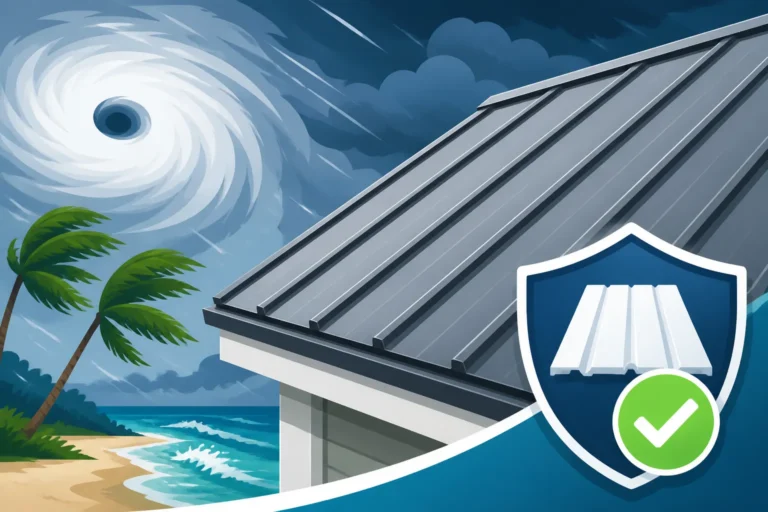
South Carolina is no stranger to hurricanes, tropical storms, and severe thunderstorms, making wind resistance a paramount concern for homeowners and insurers alike. This is where metal roofs truly shine. Most metal roofing systems, especially those with concealed fasteners like Standing Seam Metal Roof Cost, are engineered to withstand incredibly high wind speeds. We're talking winds that would rip asphalt shingles right off your roof, leaving your home vulnerable. This superior wind resistance is a critical factor for insurance companies, as wind damage is one of the most common and expensive types of claims in coastal and storm-prone regions.
Furthermore, metal roofs offer excellent fire resistance. Many metal roofing materials are non-combustible, earning them Class A fire ratings, the highest classification available. In areas prone to wildfires or even just accidental fires, this feature is a significant benefit. For insurers, a Class A fire-rated roof means a lower risk of fire spreading from outside sources, or even starting on the roof itself. This added layer of protection against both wind and fire directly translates into reduced risk for the insurance company, which they often reward with a discount on your homeowner's policy.
Navigating Metal Roof Insurance Discounts in South Carolina
Alright, so you know metal roofs are fantastic for insurance purposes, but how does that actually play out here in the Palmetto State? South Carolina has its own set of challenges and regulations, and understanding them is key to maximizing your savings. Insurers in the state are very aware of the risks posed by hurricanes and severe weather, so they actively incentivize homeowners to make improvements that mitigate these risks.
State-Specific Programs and Incentives
While South Carolina doesn't have a single, statewide mandated discount for metal roofs across all insurers, many carriers voluntarily offer incentives. These often fall under broader "wind mitigation" or "fortification" programs. The aim is to encourage homeowners to harden their homes against the severe weather that frequently impacts the state. When you install a metal roof, especially one certified to specific standards, you're directly contributing to reducing your home's vulnerability.
One of the most impactful ways to secure a discount is through certification programs like FORTIFIED Home. While originating in Alabama, the FORTIFIED standard for roofs is gaining traction in South Carolina and across hurricane-prone regions. A FORTIFIED Roof Program Explained roof, which includes specific installation techniques for metal panels to resist high winds, can lead to significant insurance premium reductions. These aren't just minor tweaks; they're comprehensive systems designed to keep your roof intact during extreme weather events, which is a huge win for insurers.
Key Factors Insurance Companies Consider
When an insurance company in South Carolina evaluates your metal roof for a potential discount, they're looking at several specific characteristics. It's not just about having "metal" on your roof; it's about the quality and installation of that metal.
Here’s a breakdown of what they typically assess:
| Factor | Description | Why it matters to insurers |
|---|---|---|
| Material Type | Steel, aluminum, copper, zinc – the specific metal used for your roof. | Different metals have varying strength, corrosion resistance, and lifespan. |
| Gauge | The thickness of the metal panels (e.g., 24-gauge vs. 29-gauge). Lower gauge means thicker metal. | Thicker metal is generally more durable, impact-resistant, and less prone to oil canning. |
| Fastener Type | Exposed fasteners (screws visible) vs. concealed fasteners (e.g., standing seam). | Concealed fasteners offer superior wind resistance and fewer leak points. |
| Installation Quality | Adherence to manufacturer specifications and local building codes, professional installation. | Poor installation can negate the benefits of quality materials and lead to claims. |
| Wind Rating | The maximum wind speed the roof is certified to withstand (e.g., 130 MPH, 150 MPH). | Directly impacts the likelihood of wind damage claims in storms. |
| Fire Rating | The fire resistance class (Class A is highest). | Reduces risk of fire damage to the home. |
| Certifications | Participation in programs like FORTIFIED Home or specific manufacturer certifications. | Verifies adherence to stringent standards for enhanced protection. |
It’s clear that a thicker gauge, like 24-gauge, and a system with concealed fasteners, like a standing seam metal roof, will typically offer better protective qualities and thus potentially better discounts than a thinner 29-gauge exposed fastener system. The goal is to prove to the insurer that your roof is a fortress against the elements.
How to Qualify and Apply for Your Metal Roof Discount
So, you've got a fantastic metal roof on your South Carolina home, or you're planning to install one. Now, how do you actually get that sweet insurance discount? It's not always automatic, but with a bit of proactive effort, you can often secure those savings. The key is documentation and communication.
Gathering the Right Documentation
The insurance company isn't going to take your word for it that your metal roof is top-notch. They need proof! This means you need to collect and meticulously organize several crucial documents from your roofing contractor. Think of these as your golden tickets to lower premiums.
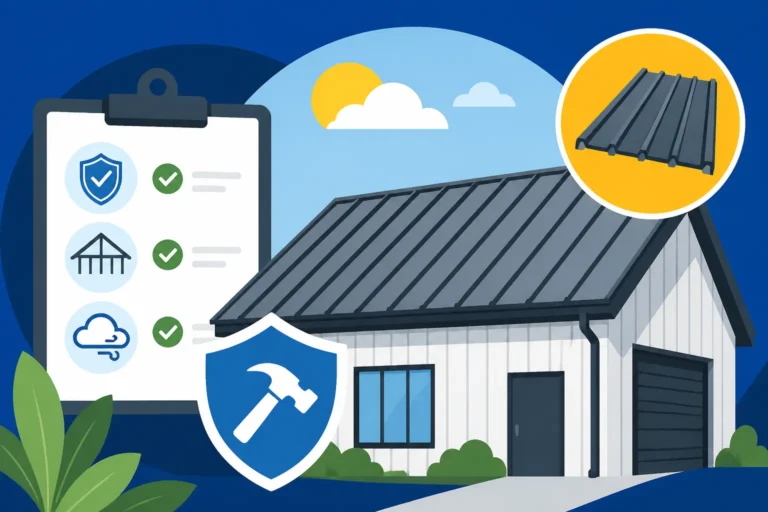
First and foremost, you'll need the proof of purchase and installation details. This includes your contract with the roofing company, detailed invoices, and any specifications for the materials used. The more information, the better. You want to show them the type of metal (steel, aluminum, etc.), the gauge (24-gauge, 26-gauge), the profile (standing seam, corrugated), and the coating (PVDF, SMP). Next, make sure you get any manufacturer warranties. These documents not only prove the quality of the materials but also demonstrate the expected lifespan and performance. If your roof has specific wind resistance ratings or fire ratings, obtain documentation for these as well. This often comes directly from the manufacturer or through product approval listings.
Finally, if your roof was installed to meet specific enhanced standards, like those of a FORTIFIED Roof Program Explained, you'll need the certification documents. This is typically issued after a rigorous inspection by a certified evaluator. The more comprehensive and official your documentation, the smoother the process will be when you approach your insurer.
The Inspection and Application Process
Once you have all your paperwork in order, it's time to contact your insurance provider. Don't just assume the discount will be applied automatically; you need to initiate the conversation. Reach out to your agent and inform them about your new metal roof or inquire about discounts for your existing one. Be prepared to provide all the documentation you've gathered.
Often, to qualify for a significant wind mitigation or other specific metal roof discount, the insurance company will require a professional inspection. This isn't just any home inspection; it's a specific "wind mitigation inspection" or a "roof certification inspection" performed by a qualified and often state-licensed inspector. In South Carolina, these inspectors understand exactly what insurance companies look for in terms of roof-to-wall attachment, roof geometry, and the type and installation method of your roofing material. This inspection verifies that your metal roof meets the criteria for the discounts they offer. It’s worth noting that some insurers, such as Kin Insurance and Hippo, are known for offering competitive rates and sometimes specific discounts for homes with robust features like metal roofs, especially in storm-prone areas. However, always check directly with your chosen provider.
The inspector will assess various elements, including the decking attachment, secondary water resistance, and of course, your metal roof's specific attributes like its gauge, fastening method, and if it's considered an Exposed vs Hidden Fastener Metal Roofing system. They'll generate a report, and that report is what your insurance company will use to determine your eligibility and the amount of your discount. Be sure to ask your agent for a list of approved inspectors if they have one.
Maximizing Your Savings: Beyond the Basic Discount
Getting a basic discount for your metal roof is great, but did you know you might be able to squeeze even more savings out of your homeowner's insurance policy in South Carolina? It often comes down to understanding how different elements of your roof and home work together to reduce risk.
Combining With Other Wind Mitigation Efforts
A metal roof is a phenomenal start, but it's part of a larger system protecting your home. Insurance companies in hurricane-prone states like South Carolina are keenly interested in comprehensive wind mitigation efforts. This means combining your sturdy metal roof with other protective measures can amplify your discounts. For example, if your home also has hurricane-resistant windows and doors, or if the roof-to-wall connections have been strengthened with hurricane clips or straps, these can all contribute to larger savings.
During a wind mitigation inspection, the inspector will look at all these elements. Even improvements like having a secondary water resistance barrier installed underneath your metal panels can sometimes lead to additional credits. The idea is to demonstrate that your entire home, not just the roof, is built or reinforced to withstand severe weather. So, if you've made other structural improvements, make sure to bring them up with your insurer or inspector. This comprehensive approach is what truly impresses underwriters and often results in the most significant premium reductions.
Shopping Around for the Best Rates
This might sound obvious, but it's incredibly important: not all insurance companies offer the same discounts or rate them equally. Even with the same metal roof and the same wind mitigation report, you might find significant differences in premium reductions from one insurer to another. This is why it's absolutely crucial to How Many Metal Roof Quotes Should You Get. Don't just stick with your current provider out of habit.
Reach out to several different insurance companies operating in South Carolina. Provide them with the detailed information about your metal roof and any wind mitigation inspection reports you have. Ask them specifically about their metal roof discounts, wind resistance credits, and any other incentives they offer for resilient home improvements. Sometimes, a smaller, regional insurer might be more aggressive in offering discounts for specific features like metal roofs than a larger national carrier. Comparing multiple quotes ensures you're getting the best possible rate and maximizing the return on your metal roof investment. Companies like State Farm, Allstate, and Progressive offer homeowners insurance in South Carolina, and it's worth exploring their specific discount programs.
The Long-Term ROI and Payback
While securing an immediate insurance discount is a fantastic perk, remember that the true financial benefit of a metal roof extends far beyond just lower premiums. A metal roof is a long-term investment, with many systems lasting well over 50 years. This means you’re not just saving money on insurance year-over-year, but you’re also likely avoiding multiple costly roof replacements that asphalt shingles would require over the same period. This long lifespan contributes significantly to the overall Is a Metal Roof Worth It? ROI, Resale & Payback.
Furthermore, metal roofs are often more energy-efficient, reflecting solar heat and potentially lowering your cooling costs, which is a big deal in South Carolina's hot summers. They can also increase your home's resale value. When potential buyers see a durable, low-maintenance metal roof that already comes with insurance advantages, it's a huge selling point. So, while the immediate discount is tangible, keep in mind the bigger picture of what your metal roof brings to your home's long-term financial health.
Disclaimer
Please remember that insurance policies, discounts, and regulations can change, and vary significantly based on your specific location, property details, and chosen insurance provider. This article provides general information and should not be considered legal or financial advice. Always consult directly with your insurance agent or provider to understand the specific discounts and coverage available for your metal roof in South Carolina.