Standing Seam Metal Roof Maintenance Tips
It’s a common misconception that once you invest in a beautiful standing seam metal roof, you can simply forget about it. While these roofs are renowned for their incredible durability and low-maintenance nature, overlooking simple, routine care can shorten their lifespan and lead to avoidable headaches down the line. This guide will walk you through essential standing seam metal roof maintenance tips, ensuring your roof remains in pristine condition for decades to come, protecting your home and preserving its aesthetic appeal.
The Undeniable Value of Standing Seam Metal Roof Maintenance
When you choose a standing seam metal roof, you're investing in one of the most robust and long-lasting roofing systems available. Its design, with hidden fasteners and interlocking panels, minimizes common leak points and provides superior protection. However, even the most durable materials aren't entirely impervious to the elements, debris, or gradual wear. Regular maintenance isn't about fixing constant problems; it's about proactive care that maximizes your investment and prevents minor issues from escalating into major, costly repairs. Think of it like taking care of a high-performance car—you wouldn't just drive it without oil changes, right?
Protecting Your Investment and Warranty
One of the biggest benefits of a standing seam metal roof is its impressive lifespan, often extending 50 years or even longer. Neglecting maintenance, however, can chip away at this longevity. Small issues, like debris buildup or a loosened fastener, might seem insignificant, but over time, they can lead to scratching, corrosion, or even water infiltration. Moreover, most manufacturer warranties have specific clauses about proper installation and regular maintenance. If you make an insurance claim for an issue that could have been prevented by basic upkeep, you might find your warranty voided. Understanding what your warranty covers is crucial, and you can learn more about this by checking out information on Metal Roof Warranties: Workmanship vs Manufacturer.
Another crucial aspect of protecting your investment is maintaining the roof's aesthetic appeal. The sleek lines and vibrant colors of standing seam panels are part of their allure. Over time, environmental factors can lead to dirt accumulation, mildew, or discoloration. Regular cleaning and inspections keep your roof looking as good as the day it was installed, which is vital for curb appeal and potential resale value. Ignoring these details not only compromises the roof’s performance but also detracts from your home’s overall beauty.
Preventing Costly Future Repairs
It’s often said that an ounce of prevention is worth a pound of cure, and nowhere is this truer than with roof maintenance. Proactive inspections and minor interventions can save you thousands in potential repair costs. For instance, a small scratch in the paint coating, if left unaddressed, could expose the metal to moisture and lead to localized rust. Catching that scratch early and applying a touch-up paint is a simple fix. Similarly, clearing out gutters and downspouts prevents water from backing up onto the roof, which can cause damming, leaks, and accelerated wear on the roof edge.
Consider the potential for minor leaks. While a standing seam roof is designed to be highly leak-resistant, issues can still arise around penetrations like skylights, chimneys, or pipe boots. These areas rely on meticulous flashing, and if seals degrade or flashing becomes compromised, water can find its way in. A quick inspection can spot early signs of wear or separation, allowing for a targeted repair before water damage becomes extensive, affecting your attic, insulation, or even interior ceilings. You can find more specific guidance on this by exploring a detailed Metal Roof Leak Repair Guide.
Annual and Bi-Annual Inspection Checklist
Regular inspections are the cornerstone of effective standing seam metal roof maintenance. Ideally, you should aim for at least two comprehensive inspections per year: once in the spring after winter’s harshness, and again in the fall to prepare for colder weather. If you live in an area prone to severe storms, an additional check after any major weather event is highly recommended. While some homeowners are comfortable performing these checks themselves, it's often safer and more thorough to hire a professional, especially given the height and potential dangers. Resources like Modernize can help you find qualified local roofing professionals who specialize in metal roofs.
Visual Inspection from the Ground
Before you even think about getting on a ladder, conduct a thorough visual inspection from the ground. Walk around your entire home, taking note of anything that looks out of place. This often reveals obvious issues that might otherwise go unnoticed.
- Look for Debris: Are there any tree branches, leaves, or other debris accumulated on the roof surface or in the valleys? Even small amounts of organic material can trap moisture, promote mildew growth, and potentially scratch the coating. Pay close attention to areas beneath overhanging trees.
- Check for Discoloration or Staining: Are there any streaks or patches of discoloration? This could indicate a buildup of algae, moss, or mildew. Darker streaks often come from metallic runoff, perhaps from vent pipes or chimney caps.
- Examine Gutters and Downspouts: Are your gutters overflowing with leaves, twigs, or shingle granules (unlikely with metal, but possible if there are other roofing materials nearby)? Blocked gutters prevent proper drainage, forcing water to sit and potentially seep into fascias or behind the roof edge. Ensure downspouts are clear and directing water away from your foundation.
- Observe Panel Alignment: While standing seam panels are rigid, severe storms or structural shifts could theoretically affect their alignment. Look for any noticeable buckling, waviness (sometimes called oil canning), or signs that panels aren't lying flat and true. A little bit of oil canning is normal for metal roofing, but sudden, severe changes can indicate a problem.
Up-Close Roof Surface Examination
For a more detailed inspection, you or a professional will need to get safely onto the roof. Remember, walking on a metal roof requires specific techniques and safety precautions to avoid damage and personal injury. If you're unsure how to safely do it, or if your roof has a steep pitch, always call a professional.
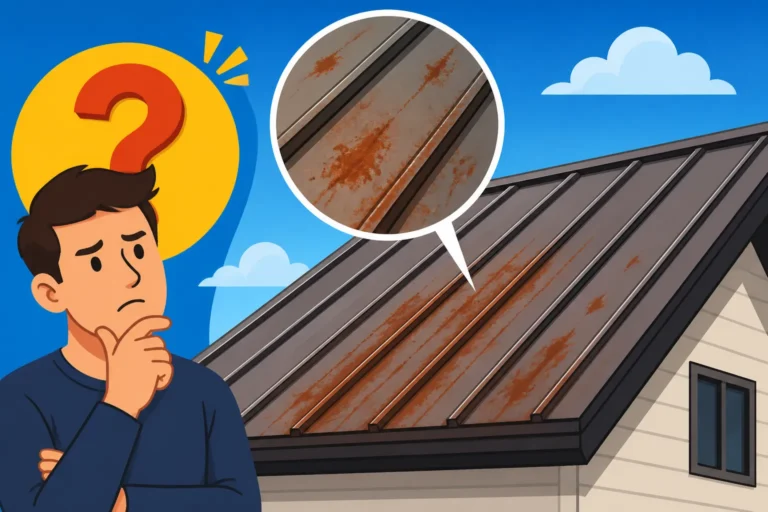
- Panel Condition: Carefully inspect each panel for scratches, dents, or signs of impact damage (e.g., from hail or falling branches). Even minor abrasions can compromise the protective coating. Look for any areas where the paint might be blistering, peeling, or fading excessively. If you spot any rust, it's crucial to address it immediately to prevent it from spreading. Understanding Metal Roof Rust and Corrosion Treatment is key here.
- Seams and Fasteners: The standing seams themselves are a critical part of the roof's integrity. Ensure they are still tightly crimped and free from any gaps or separations. While standing seam systems use hidden fasteners, there might be exposed fasteners around the perimeter or at trim pieces. Check these for tightness and ensure their washers are intact and not dried out or cracked. Loose fasteners can be a source of leaks.
- Flashing and Penetrations: This is often where leaks originate. Closely examine all flashing around chimneys, skylights, vent pipes, and wall junctures. Look for cracks in sealant, signs of separation between materials, or any loose flashing components. Ensure pipe boots are supple and sealed tightly around pipes. Any signs of water staining around these areas from underneath your roof in the attic could indicate a current or past leak. A more in-depth understanding of your roof's various parts can be found in Metal Roof Components & Accessories Explained.
- Gutters and Drainage: Once on the roof, you can get a better view into the gutters. Remove any accumulated leaves, pine needles, or granules that might be impeding water flow. Check that the gutters are securely attached to the fascia and have a proper slope to direct water efficiently to the downspouts. Also, inspect your Metal Roof Underlayment and Ventilation Guide which highlights how proper ventilation can affect condensation and moisture.
Here's a handy table summarizing key inspection points:
| Inspection Area | What to Look For | Frequency | Action if Found |
|---|---|---|---|
| Roof Surface | Debris (leaves, branches), dirt buildup | Annual/Bi-Annual | Clear manually, gentle wash |
| Panels | Dents, scratches, fading, peeling paint, oil canning | Annual/Bi-Annual | Touch-up paint, monitor oil canning, professional assessment |
| Seams | Gaps, separation, signs of loosening | Annual/Bi-Annual | Professional repair/re-sealing |
| Exposed Fasteners | Loose screws, cracked washers | Annual/Bi-Annual | Tighten screws, replace washers |
| Flashing & Penetrations | Cracks in sealant, separation, loose components, rust | Annual/Bi-Annual, Post-Storm | Re-seal, re-flash, professional repair |
| Gutters & Downspouts | Clogs, debris, sagging, improper slope | Annual/Bi-Annual, Post-Storm | Clear debris, adjust/re-attach gutters, check drainage |
| Attic/Underside | Water stains, leaks, mold, condensation | Annual | Identify source, professional repair, improve ventilation |
Cleaning Your Standing Seam Metal Roof
Maintaining the clean, vibrant appearance of your standing seam roof is simpler than you might think, but it does require the right approach. Improper cleaning methods can damage the protective coatings and potentially void your warranty, so proceed with care.
Gentle Washing for Dirt and Grime
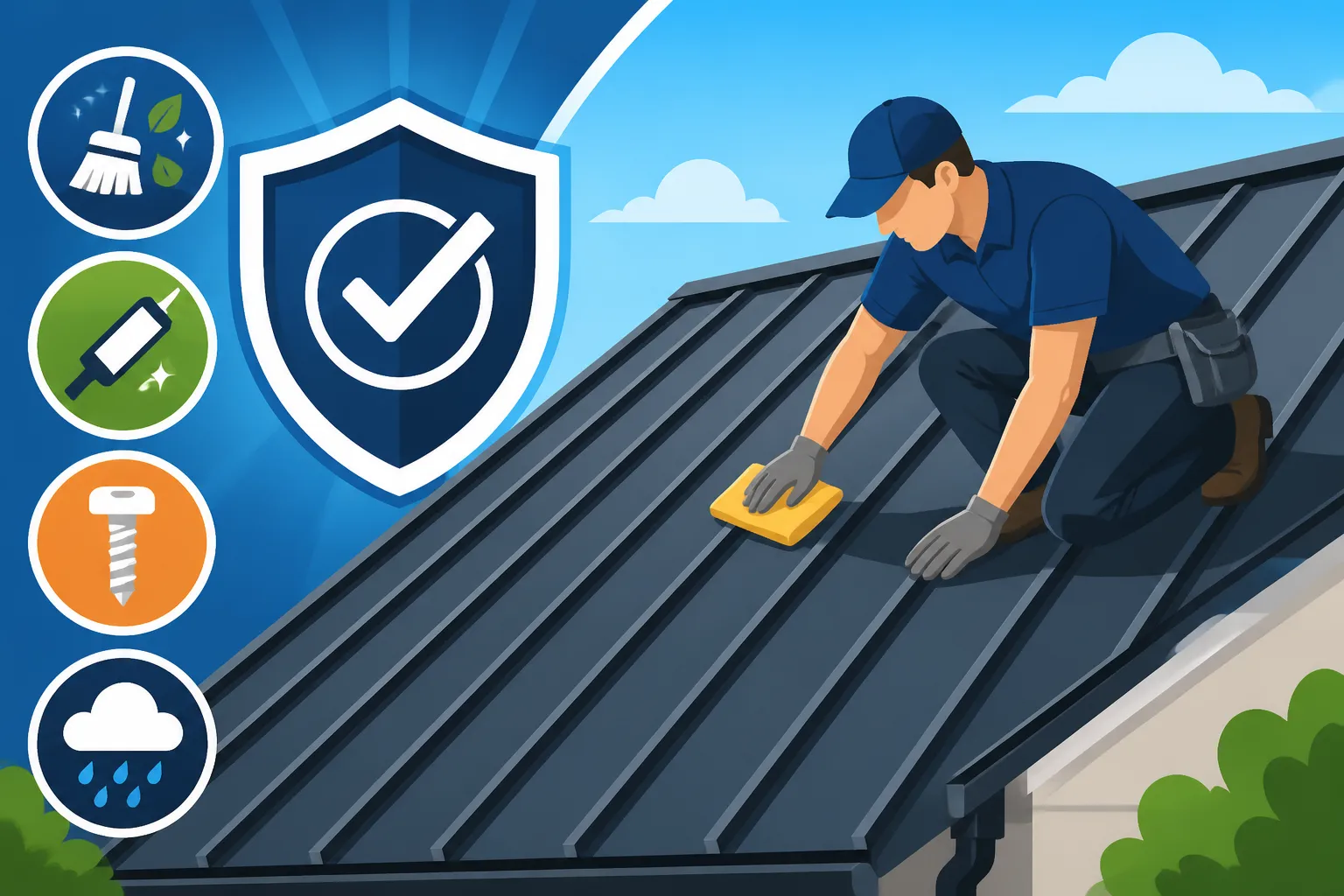
For general dirt, dust, and light grime, a gentle washing is usually all that's needed. Start by rinsing the roof thoroughly with a garden hose, working from the ridge down to the eaves. This will help remove loose debris and dirt particles.
Next, prepare a mild cleaning solution. A mixture of water and a small amount of non-abrasive household detergent (like dish soap) or a specialized roof cleaning solution designed for metal roofs works well. Apply the solution using a soft-bristle brush, a sponge, or a low-pressure sprayer. Work in small sections, allowing the solution to sit for a few minutes to loosen the grime, but don't let it dry on the roof. Gently scrub any stubborn spots. Finish by thoroughly rinsing the section with clean water, ensuring all soap residue is removed. Leftover soap can attract more dirt over time. For more general advice on safe cleaning, refer to How to Clean a Metal Roof Safely.
Addressing Algae, Moss, and Mildew
In shaded or humid environments, algae, moss, or mildew can begin to grow on your metal roof, especially if there's any surface dirt to cling to. While not as damaging as on asphalt shingles, it can still detract from your roof's appearance and, if left unchecked, potentially retain moisture against the surface.
For these growths, a solution of equal parts white vinegar and water or a specialized non-toxic roof cleaner often works wonders. Apply it to the affected areas, let it sit for the recommended time (check product instructions), and then gently scrub with a soft brush before rinsing thoroughly. Avoid harsh chemicals like bleach, as they can damage the paint coating and potentially cause discoloration or accelerate degradation over time. Some products, like those containing hydrogen peroxide, are generally safer for metal roofs and surrounding vegetation. Always perform a small spot test in an inconspicuous area first to ensure there are no adverse reactions to the coating.
What to Strictly Avoid When Cleaning
When it comes to cleaning a metal roof, what you don't do is just as important as what you do.
- Pressure Washers: While tempting for their speed, high-pressure washers can be incredibly damaging to metal roof coatings. The intense force can strip away the paint, etch the surface, or even drive water underneath the panels, leading to leaks. If you must use a pressure washer, use it only on its absolute lowest setting (under 500 PSI) and with a wide-angle nozzle, holding it far away from the roof surface. Generally, a garden hose with a nozzle is sufficient.
- Abrasive Cleaners or Brushes: Stay away from steel wool, wire brushes, abrasive pads, or any cleaning solutions containing harsh chemicals or abrasive particles. These can scratch the finish, removing the protective coating and exposing the bare metal to corrosion. Always opt for soft brushes or sponges.
- Chlorine Bleach: As mentioned, chlorine bleach can be detrimental to the paint system on metal roofs, leading to discoloration, chalking, and premature aging of the finish. It can also be harmful to surrounding plants and landscaping.
Addressing Common Standing Seam Metal Roof Issues Proactively
Even with the best intentions and regular inspections, certain issues can occasionally arise with any roofing system, and standing seam metal roofs are no exception. The key is to address them quickly before they worsen.
Minor Scratches and Fading
Over years of exposure to UV rays and environmental grit, your roof's paint finish might experience some minor fading or develop small scratches, perhaps from falling debris or during previous maintenance.
For small scratches, many manufacturers provide touch-up paint kits that perfectly match your roof's color. Clean the scratched area thoroughly, allow it to dry completely, and then carefully apply the touch-up paint according to the manufacturer's instructions. This creates a protective barrier, preventing rust from forming. If your roof is experiencing more widespread fading or chalking, it might be time to consider professional repainting or recoating. There are specialized coating systems designed to restore and protect metal roofs, extending their life and aesthetic appeal.
Addressing Leaks and Fastener Issues
While standing seam roofs are excellent at preventing leaks, issues can still crop up, especially around flashing details or if exposed fasteners loosen over time. Common leak points often involve poorly sealed flashing around chimneys, skylights, or vent pipes.
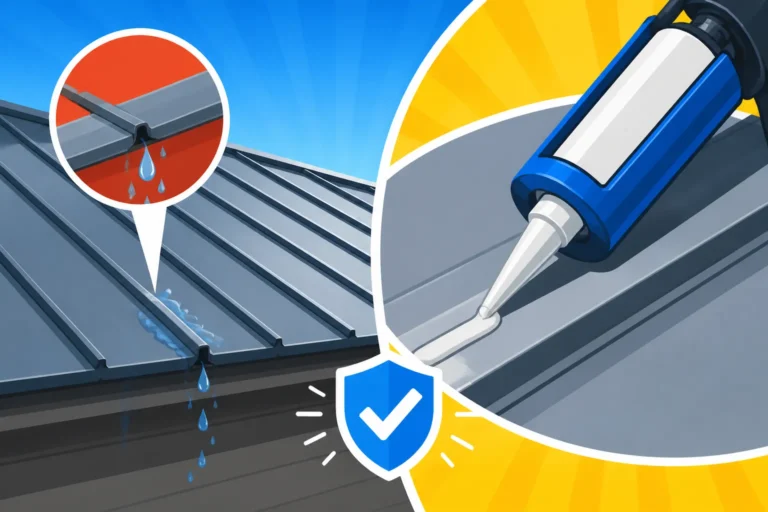
If you discover a leak, the first step is to pinpoint its source accurately. This might involve inspecting the attic for water stains and tracing them back to their entry point. For small leaks around flashing, a high-quality, UV-resistant sealant specifically designed for metal roofing can often provide a temporary or even long-term fix. Make sure the surface is clean and dry before applying. For loose exposed fasteners, carefully tighten them, ensuring not to overtighten and strip the screw. If the rubber washer is degraded, replace the entire screw with a new one that has an intact EPDM washer. If you're dealing with a leak at a seam or a more complex issue, it's always best to consult a professional roofing contractor. They have the expertise and specialized tools to perform How to Repair a Standing Seam Metal Roof effectively and ensure the repair lasts.
Dealing with Oil Canning
Oil canning refers to the visible waviness or distortion that can appear on the flat areas of metal panels. It's an inherent characteristic of light-gauge cold-rolled metal and is not typically a structural defect. While often a cosmetic issue, significant oil canning can sometimes be exacerbated by improper installation or extreme temperature fluctuations.
There's no single "cure" for existing oil canning, as it's often a manufacturing tolerance. However, proper installation techniques, such as allowing for thermal expansion and contraction, can minimize its severity. Ensuring panels are not over-tightened during installation is crucial. If you're considering a new metal roof, discussing strategies to minimize oil canning with your contractor, such as specifying heavier gauge metal or panels with stiffening ribs, can be beneficial. It's one of those things that usually bothers homeowners more than it impacts performance, but it's worth understanding.
Preventing and Treating Rust
While modern metal roofs, especially those made from Galvalume or aluminum, are highly resistant to rust, it's not entirely impossible. Scratches that penetrate the protective coating, or prolonged exposure to certain chemicals or salt spray (in coastal areas), can lead to localized rust.
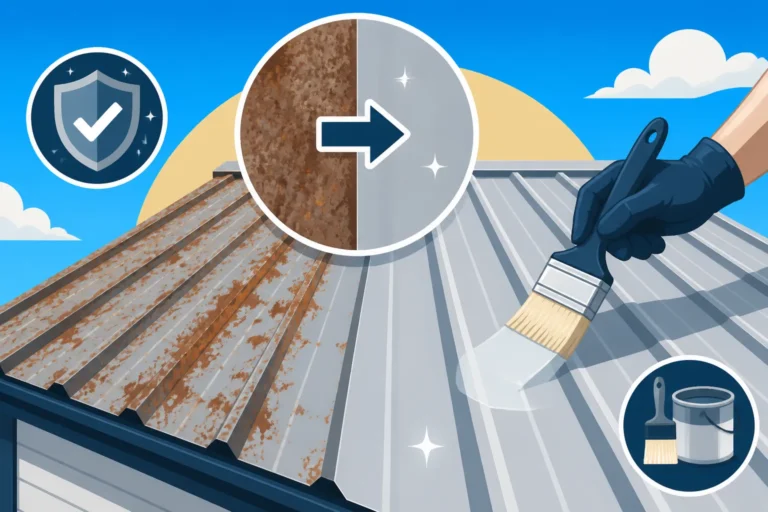
The best defense against rust is prevention through diligent maintenance: regular cleaning, immediate touch-up of scratches, and ensuring proper drainage. If you spot surface rust, it needs to be treated promptly. First, clean the area thoroughly and gently remove any loose rust with a fine-grit sandpaper or wire brush. Apply a rust-converting primer followed by a metal-compatible topcoat. For more severe or widespread rust, consulting a professional is paramount to assess the extent of the damage and recommend appropriate treatment, which might involve a specialized rust-inhibiting coating.
Seasonal Considerations for Metal Roof Maintenance
Your metal roof is exposed to diverse weather conditions throughout the year, and adapting your maintenance routine to these seasonal changes can significantly enhance its longevity and performance.
Preparing for Winter's Chill
As autumn leaves begin to fall, your focus should shift to preparing your roof for the colder months. Clearing gutters and downspouts is absolutely critical to prevent ice dams. When leaves and debris clog gutters, melting snow and ice have nowhere to go, backing up and forming ice dams that can force water under your roof panels. This can lead to serious leaks and structural damage.
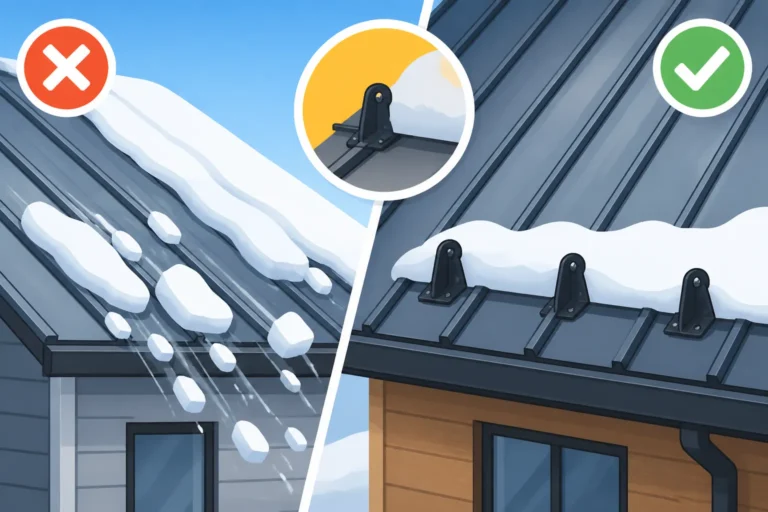
Consider the installation of snow guards in regions with heavy snowfall. These devices help hold snow on the roof, allowing it to melt gradually rather than sliding off in a sudden, dangerous avalanche. While metal roofs are excellent at shedding snow, this rapid shedding can damage gutters, landscaping, or even injure people below. You can find more specific guidance about Snow Guards and Winter Metal Roof Issues to ensure your home is adequately protected.
Battling Summer Heat and Storms
Summer often brings intense heat and powerful storms, both of which can impact your metal roof. After any significant windstorm or hail event, perform an immediate visual inspection from the ground. Look for missing trim pieces, new dents, or any displaced panels. Hail damage, in particular, can be hard to spot but can compromise the coating.
The intense summer sun can accelerate the drying and cracking of sealants and rubber washers on exposed fasteners. Include these items in your bi-annual spring and fall checks. Also, be mindful of vegetation growth near your home. Trim back any tree branches that are overhanging your roof to prevent leaves from accumulating and to minimize the risk of damage from falling limbs during storms. A proactive approach here can really save you a lot of grief.
When to Call in the Professionals
While a lot of routine maintenance can be handled by a diligent homeowner, there are definitely times when it’s wise—and safer—to bring in a professional metal roofing contractor.
Complex Repairs and Assessments
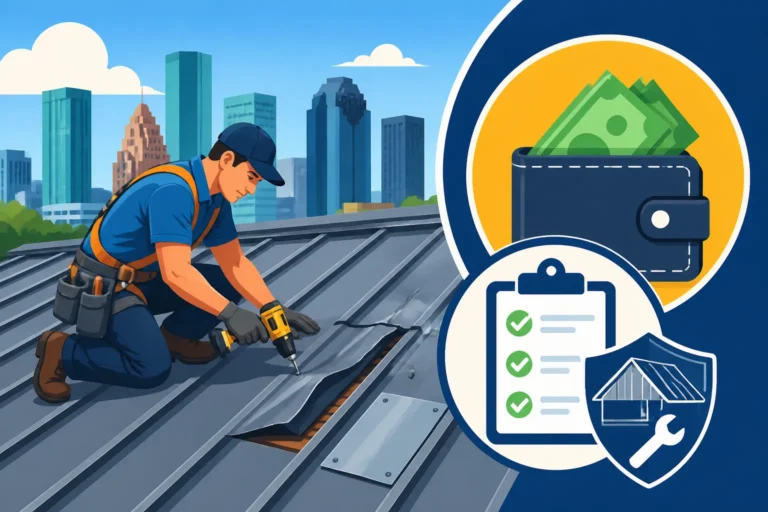
If you discover significant damage, persistent leaks that you can’t locate, or structural concerns, it’s time to call in the experts. Issues like extensive rust, multiple damaged panels, or problems with complex flashing details require specialized knowledge, tools, and experience. Trying to tackle these yourself can often lead to further damage, more expensive repairs down the line, or even personal injury. A professional can also provide a comprehensive assessment of your roof’s overall condition, giving you peace of mind or an early warning about potential larger issues.
Safety Concerns
Working on a roof, especially a metal one, carries inherent risks. Pitched roofs, slippery surfaces (especially when wet or dirty), and heights all pose significant safety hazards. If you are uncomfortable with heights, lack proper safety equipment (like fall protection), or if your roof has a steep pitch, do not attempt to do the work yourself. Professional roofers are trained in safety protocols and have the necessary equipment to perform tasks safely and efficiently. Never compromise your safety to save a few dollars.
Ensuring Warranty Compliance
Many metal roof manufacturers require that certain repairs or maintenance tasks be performed by certified or qualified professionals to keep your warranty valid. Before undertaking any significant repair, check your warranty documentation. Hiring a reputable contractor ensures that the work is done to manufacturer specifications, protecting your investment and your long-term coverage. When looking for a contractor, always ask for proof of licensing, insurance, and specific experience with standing seam metal roofs.
Disclaimer
Please note that the information provided in this article is intended for general guidance and informational purposes only. While we strive to offer accurate and up-to-date advice, roofing conditions and local building codes can vary significantly. Always consult with a qualified and licensed metal roofing professional for specific advice pertaining to your home and region. Attempting roof work without proper experience, safety equipment, or knowledge can be dangerous and may void your roof's warranty.