Metal Roof Repair Cost in Phoenix
It’s a tough pill to swallow when you realize your metal roof, that bastion of durability, needs a repair. Especially here in Phoenix, where the intense sun and sudden monsoon storms can really put our homes through their paces, a roof issue is often discovered at the worst possible moment. This guide aims to pull back the curtain on metal roof repair costs specifically in the Phoenix metro area, helping you understand what drives these expenses and how to get a fair deal to protect your investment.
Understanding Metal Roof Repair in Phoenix
Living in the Valley of the Sun comes with a unique set of challenges for any part of your home’s exterior, and your metal roof is no exception. While metal roofs are renowned for their longevity and resilience, they aren't completely immune to wear and tear, especially when facing our intense climate year after year.
Common Repair Issues in the Desert Climate
The desert environment in Phoenix creates specific stressors that can lead to metal roof issues. It’s not just about the occasional monsoon; it’s the constant, relentless sun and the dramatic temperature swings that do a number on materials over time.
Think about the sun: its ultraviolet (UV) rays are incredibly powerful here. Over years, this intense radiation can degrade the sealants around fasteners, vents, and flashing. What starts as a small crack in a sealant can become a pathway for water during the next downpour. We also see issues with the coatings on panels, which, while designed to withstand harsh conditions, can eventually chalk or fade, sometimes leading to localized corrosion if the protective layer is compromised. Fastener failures are another big one; the constant expansion and contraction of metal panels due to extreme temperature differences (think scorching summer days followed by relatively cool nights) can cause fasteners to loosen or the washers beneath them to crack and lose their seal.
Beyond the sun, our monsoon season brings its own set of problems. High winds can lift or damage panels, especially if they weren't installed correctly or if fasteners have already weakened. Debris, like tumbleweeds or small branches, can be flung onto the roof, causing scratches or dents. And of course, the sudden, heavy rains can quickly expose any existing vulnerabilities, turning a minor crack into a full-blown leak. For instance, a small hole from a dropped tool during a previous maintenance check might not leak during a light sprinkle, but a Phoenix downpour will find its way right through.
Why Phoenix's Climate Matters for Repair Costs
The unique climate of Phoenix doesn't just cause specific types of damage; it also influences the cost of fixing those issues. For starters, working on a metal roof in the summer can be incredibly challenging, with surface temperatures easily exceeding 150-180 degrees Fahrenheit. This intense heat directly impacts labor costs. Roofers need to take more frequent breaks, work during cooler parts of the day (which can extend project timelines), and often require specialized equipment to handle the heat safely. This isn't just about comfort; it's about safety and efficiency, and those factors are built into the hourly rates.
Furthermore, the materials themselves are under constant stress. While a metal roof is designed to expand and contract, repeated cycles can eventually take their toll, sometimes requiring more extensive repairs or replacements than might be necessary in a milder climate. Specialized coatings designed for high UV resistance might be more expensive but are essential for long-term durability in Arizona. When a repair is needed, you want to ensure the replacement materials and sealants are just as robust as the original, meaning you might not be able to get away with cheaper, less resilient options. This also means that local expertise is key – a roofer who understands the specific demands of the Phoenix climate knows exactly what materials and techniques will provide a lasting repair.
Factors Influencing Metal Roof Repair Cost in Phoenix
When you’re staring up at a drip or noticing some unsightly damage, the first thing on your mind is, "How much is this going to set me back?" The reality is, metal roof repair costs in Phoenix aren't a one-size-fits-all number. Several critical factors come into play, each significantly impacting the final bill.
Type and Extent of Damage
This is perhaps the most obvious, but also the most variable, factor. A small leak from a single loose fastener is a vastly different repair scenario than significant storm damage affecting multiple panels and the underlying structure.
- Minor Issues: Let’s say you’ve got a few loose fasteners or a small crack in the sealant around a pipe boot. These are typically quick fixes. A skilled roofer can re-secure fasteners, replace washers, or re-seal penetrations relatively quickly, often needing only a few hours of labor and minimal material costs. We’re talking about targeting a specific, isolated problem before it escalates.
- Moderate Damage: This category might include small punctures, a few hail dents that have compromised the coating, or a single damaged panel that needs replacement. These repairs require more material and more precise labor. Replacing a single metal panel, for example, involves carefully removing the old one without damaging adjacent panels, ensuring proper alignment, and often requires specialized tools for crimping or seaming depending on the roof type.
- Extensive Damage: This is where costs can really jump. If your roof has suffered significant wind uplift, widespread hail damage that impacts multiple panels, or issues with the underlying decking due to prolonged leaks, you’re looking at a much more involved project. This could mean replacing a large section of the roof, addressing structural concerns, or even dealing with water damage inside the attic or home. In some severe cases, especially if the damage is widespread, it might even lead to a discussion about a full Metal Roof Repair vs Replacement: How to Decide.
The extent of the damage directly dictates the amount of labor, the types of materials, and the specialized equipment needed, making it the primary cost driver.
Metal Roof Material and Profile
Not all metal roofs are created equal, and the type of metal and panel profile you have significantly influences repair complexity and material costs.
- Material Types: Are we talking about a standard galvanized steel roof, a more premium aluminum, or even a specialized copper or zinc roof? Steel is generally the most common and often the most affordable to repair, given its widespread availability. Aluminum is lighter and highly corrosion-resistant, but replacement panels might be pricier. Copper and zinc roofs, while incredibly durable and aesthetically unique, are high-end materials. Finding matching panels, especially for aged copper that has developed a unique patina, can be challenging and expensive. The expertise required to work with these softer, more intricate metals also commands a higher labor rate.
- Panel Profiles: The two main types are exposed fastener (like corrugated or R-panel) and concealed fastener (like standing seam).
- Exposed Fastener Roofs: These are typically more straightforward to repair. Individual panels can often be unscrewed and replaced, and loose fasteners are easily identified and re-secured. The materials are also generally less expensive. However, if the entire roof is riddled with failing fasteners, the labor involved in replacing hundreds of them can still add up.
- Concealed Fastener (Standing Seam) Roofs: While highly durable, these systems can be more complex and costly to repair. The panels interlock, and fasteners are hidden, which means replacing a single damaged panel in the middle of a run might require carefully unseaming and reseaming adjacent panels, a more labor-intensive and skilled process. The panels themselves are also more expensive than exposed fastener types. If you're wondering how much these specific repairs might cost, looking into Standing Seam Metal Roof Cost could provide a helpful context for replacement panels.
Labor Rates and Expertise in Phoenix
The cost of labor is a huge component of any roofing project, and in Phoenix, it’s influenced by local market dynamics and the specialized skills required for metal roofing.
- Hourly Rates: General roofing labor rates in Phoenix can vary, but specialized metal roofing contractors typically charge more than those who primarily work with asphalt shingles. This is because metal roof installation and repair require specific tools, techniques, and a deeper understanding of metal properties like expansion and contraction. You might find rates ranging from $60 to $100+ per hour per crew member, depending on their experience and the complexity of the job.
- Specialized Expertise: A qualified metal roofing contractor isn't just any roofer. They understand the nuances of flashing details, panel fastening, and seam integrity crucial for a watertight and long-lasting repair. Hiring an experienced specialist ensures the repair is done correctly the first time, preventing future issues. A reputable contractor will also be licensed, bonded, and insured, which adds to their operating costs but provides crucial protection for you as a homeowner. When getting quotes, don't be afraid to ask for proof of their metal roofing expertise, perhaps even asking about Manufacturer-Certified Metal Roof Installers Explained. Many homeowners use platforms like Modernize to find vetted local contractors with the right expertise.
Accessibility and Roof Pitch
The ease with which a roofer can access your roof and the steepness of its pitch directly impact safety measures, labor time, and ultimately, the cost.
- Accessibility: Is your home a single-story ranch with easy access from all sides, or a multi-story home with challenging access points, landscaping, or tight spaces? The more difficult it is for workers to set up ladders, stage materials, and move around safely, the longer the job will take and the more equipment (like scaffolding or lifts) might be needed. This increases labor hours and equipment rental costs.
- Roof Pitch: A low-slope roof is generally easier and safer to work on. As the roof pitch increases, so does the risk for the workers. Steep roofs require specialized safety equipment, ropes, harnesses, and more deliberate, slower movements. This translates to more labor hours and potentially specialized crews who are trained and comfortable working on high-pitch roofs. For very steep roofs, the labor cost can be significantly higher, sometimes 20-30% more than a similar repair on a gently sloped roof. Understanding What Affects Metal Roof Cost: Gauge, Pitch, Complexity & Tear-Off can provide further insights into how these factors impact your overall expenses, not just for repair but also for initial installation.
Average Metal Roof Repair Costs in Phoenix (Specific Examples)
It's natural to want some concrete numbers when facing a repair. While every situation is unique, we can look at some common repair scenarios and provide estimated cost ranges you might encounter in the Phoenix area. Keep in mind that these are averages, and actual prices will vary based on the specific contractor, your roof type, and the exact nature of the damage.
Common Repair Scenarios and Estimated Costs
Let's break down some typical metal roof repair jobs and what you might expect to pay. These estimates include both labor and materials, assuming a reputable, local Phoenix contractor is performing the work.
| Repair Type | Description | Estimated Cost Range (Phoenix) |
|---|---|---|
| Loose Fastener Repair | Re-securing 5-10 loose screws, replacing old washers with new neoprene-backed ones. | $150 – $400 |
| Minor Leak Sealing | Locating a small leak (e.g., around a vent pipe, skylight edge) and applying professional sealant. | $250 – $700 |
| Flashing Repair/Replacement | Fixing or replacing a small section of flashing around a chimney, skylight, or wall transition. | $400 – $1,200 |
| Single Panel Replacement | Replacing one damaged metal panel (e.g., from falling debris, localized corrosion). | $600 – $1,500+ |
| Minor Hail/Wind Damage | Repairing a few cosmetic dents or re-securing 1-3 loosened panels. | $500 – $1,800 |
| Roof Penetration Repair | Addressing leaks or damage around a solar panel mount, exhaust vent, or other roof penetration. | $300 – $900 |
| Gutter/Drainage Issue Repair | Fixing a section of metal guttering attached to the roof, addressing ice dam prevention (if applicable). | $200 – $800 |
- Loose Fastener Repair: This is often one of the cheapest and most common repairs. The intense sun here in Phoenix can really do a number on the rubber washers under exposed fasteners, causing them to dry rot and crack, which then allows water to seep in. Replacing these and re-securing the screws is a vital, preventative repair.
- Minor Leak Sealing: If you catch a leak early, before it causes extensive damage to your attic or interior, a roofer can often pinpoint the source and apply a high-quality, UV-resistant sealant. This is typically less expensive than replacing entire sections. You can learn more about how professionals approach this in our Metal Roof Leak Repair Guide.
- Flashing Repair/Replacement: Flashing is crucial for preventing leaks where the roof meets vertical surfaces or changes planes. Over time, constant thermal movement can cause flashing to pull away or crack. Repairing a small section is often a specific skill, particularly for more complex standing seam flashing.
- Single Panel Replacement: If a branch falls and severely dents or punctures a single panel, it’s often more cost-effective to replace just that section. The cost varies significantly depending on whether it's an exposed fastener panel (easier) or a standing seam panel (more intricate). If you need more context on material costs, checking out articles like Metal Roof Cost Per Square Foot can give you an idea of replacement panel material prices.
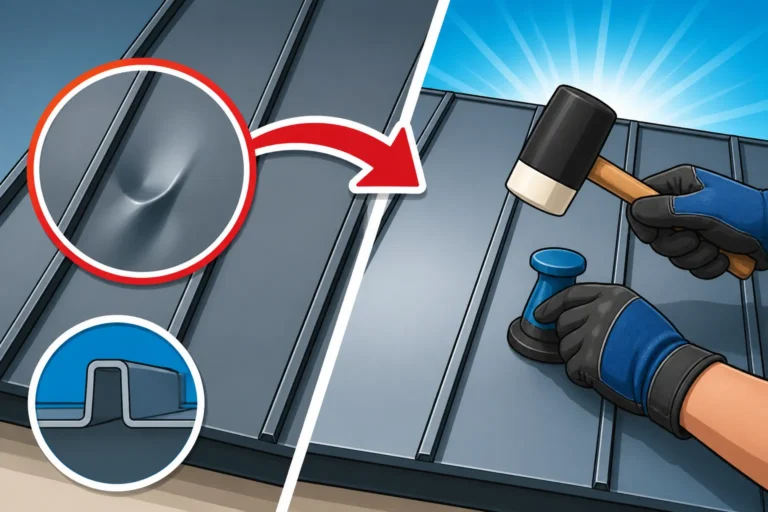
- Minor Hail/Wind Damage: While metal roofs are tough, severe hail or hurricane-force winds can still cause localized damage. Minor repairs might involve tapping out dents (if cosmetic only and coating not compromised) or re-attaching panels. For more extensive damage, you might be looking at a larger insurance claim.
The Cost of Neglect vs. Proactive Maintenance
Here’s where being a homeowner truly pays off – or costs you dearly. Ignoring small issues on your metal roof almost guarantees they will become bigger, more expensive problems down the line. A tiny leak that could have been sealed for a few hundred dollars, if left unchecked, can lead to:
- Compromised Decking: Water seeping under your metal panels can rot the plywood or OSB decking beneath, requiring full sections to be replaced. This isn't a quick fix; it's structural work.
- Insulation Damage: Wet insulation loses its R-value, becoming ineffective. Replacing attic insulation means added labor and material costs.
- Interior Water Damage: Stains on your ceiling, damaged drywall, or even mold growth are common consequences of prolonged roof leaks. These interior repairs often cost far more than the initial roof fix.
- Structural Damage: In severe cases, persistent leaks can compromise rafters or other structural elements, leading to very costly and invasive repairs.
Consider this: a simple annual inspection by a professional metal roofing contractor in Phoenix might cost $150-$300. During this inspection, they can identify deteriorating sealants, loose fasteners, or minor flashing issues before they become serious. This proactive approach, including routine checks and small fixes, is detailed further in our Metal Roof Maintenance Guide. It’s a small investment that can save you thousands of dollars and a significant headache compared to waiting until you’re scrambling to stop water pouring into your living room during a summer storm. Platforms like Modernize can also help you find contractors who offer routine maintenance plans.
Getting Accurate Quotes for Metal Roof Repair in Phoenix
Navigating the world of home repairs can feel a bit like the Wild West sometimes, especially when you’re trying to understand different quotes. To ensure you’re getting a fair price and quality work for your metal roof repair in Phoenix, it's crucial to be informed and ask the right questions.
What to Look for in a Repair Estimate
A good estimate isn't just a number at the bottom of a page. It's a detailed breakdown that helps you understand exactly what you're paying for. Here’s what you should expect and insist on:
- Detailed Scope of Work: The estimate should clearly outline what will be repaired. For instance, instead of "fix leak," it should say "locate leak at flashing around west chimney, remove existing sealant, clean area, apply new premium UV-resistant sealant, and verify watertight seal." If it’s a panel replacement, it should specify which panel, its size, and how it will be integrated.
- Material Breakdown: This should list the specific materials being used – the type of sealant, brand and gauge of metal for replacement panels, specific fasteners, etc. Don’t settle for vague terms. Knowing the quality of materials is paramount, especially in Phoenix's harsh environment where UV and heat resistance are key.
- Labor Costs: This section should either show an hourly rate with an estimated number of hours, or a flat fee for the repair. It might also specify the crew size. Transparency here is a good sign.
- Other Costs: Are there charges for permits (though minor repairs often don't require them, larger ones might), debris removal, or equipment rental? These should be itemized.
- Warranty Information: A reputable contractor should offer a warranty on their workmanship. This is a crucial piece of the puzzle. How long does it last? What does it cover? Will it cover future leaks at the same spot? You can learn more about what to expect by reading our guide on Metal Roof Warranties: Workmanship vs Manufacturer.
- Company Information: The estimate should clearly state the contractor’s full business name, address, phone number, and most importantly, their Arizona contractor's license number.
It’s always a good idea to get at least three quotes from different contractors. This allows you to compare not just the price, but also the proposed solutions, materials, and warranties. Don’t automatically go with the cheapest option; look for the best value, which is a combination of fair price, quality materials, and a solid warranty.
Questions to Ask Potential Contractors
Before you shake hands or sign anything, arm yourself with a list of questions. This helps you vet potential contractors and ensures you’re making an informed decision for your Phoenix home.
- "Are you licensed, bonded, and insured in Arizona?" This is non-negotiable. Always ask to see proof of their contractor's license (you can verify it with the Arizona Registrar of Contractors), liability insurance, and worker's compensation insurance. This protects you in case of accidents or damage during the repair.
- "How much experience do you have specifically with metal roof repairs in Phoenix?" You want a contractor who understands the local climate and its impact on metal roofing. Someone who primarily installs asphalt shingles might not have the specialized skills for intricate metal work.
- "Can you provide references from recent metal roof repair jobs?" Speaking to past clients can give you insight into their professionalism, timeliness, and quality of work. Ask for references that had similar repair needs to yours.
- "What specific materials will you use for this repair, and why?" For example, if they're sealing a leak, ask what brand and type of sealant they use and if it's rated for high UV exposure and extreme temperatures. If replacing panels, inquire about the gauge and coating of the metal.
- "What is your project timeline, and when can you start?" Understanding their availability and expected duration helps you plan and manage expectations.
- "What is your payment schedule?" Be wary of contractors asking for a very large upfront payment. A common practice is a deposit (20-30%), with subsequent payments tied to project milestones. You can explore this further in our guide on Normal Deposit and Payment Schedule for a Roof.
- "What kind of warranty do you offer on the repair work?" Reiterate this and get the details in writing.
- "Will you handle any necessary permits?" While minor repairs often don't need permits, it's always good to confirm. For larger repairs, the contractor should be responsible for pulling the necessary permits from the City of Phoenix or relevant municipal building department.
By asking these questions, you’ll not only gauge the contractor’s expertise and professionalism but also ensure that your metal roof repair in Phoenix is handled competently and transparently. Using a service like Modernize can help streamline this process by connecting you with pre-vetted, licensed contractors in your area, making it easier to gather quotes and ask informed questions.
Disclaimer
Please remember that the cost estimates provided in this article are general averages for the Phoenix metro area in 2026 and are subject to change based on market fluctuations, material availability, specific contractor rates, and the unique conditions of your project. This content is for informational purposes only and should not be considered a substitute for professional advice from a qualified roofing contractor. Always obtain multiple detailed quotes and consult with licensed professionals before making any decisions about your metal roof repair or replacement.