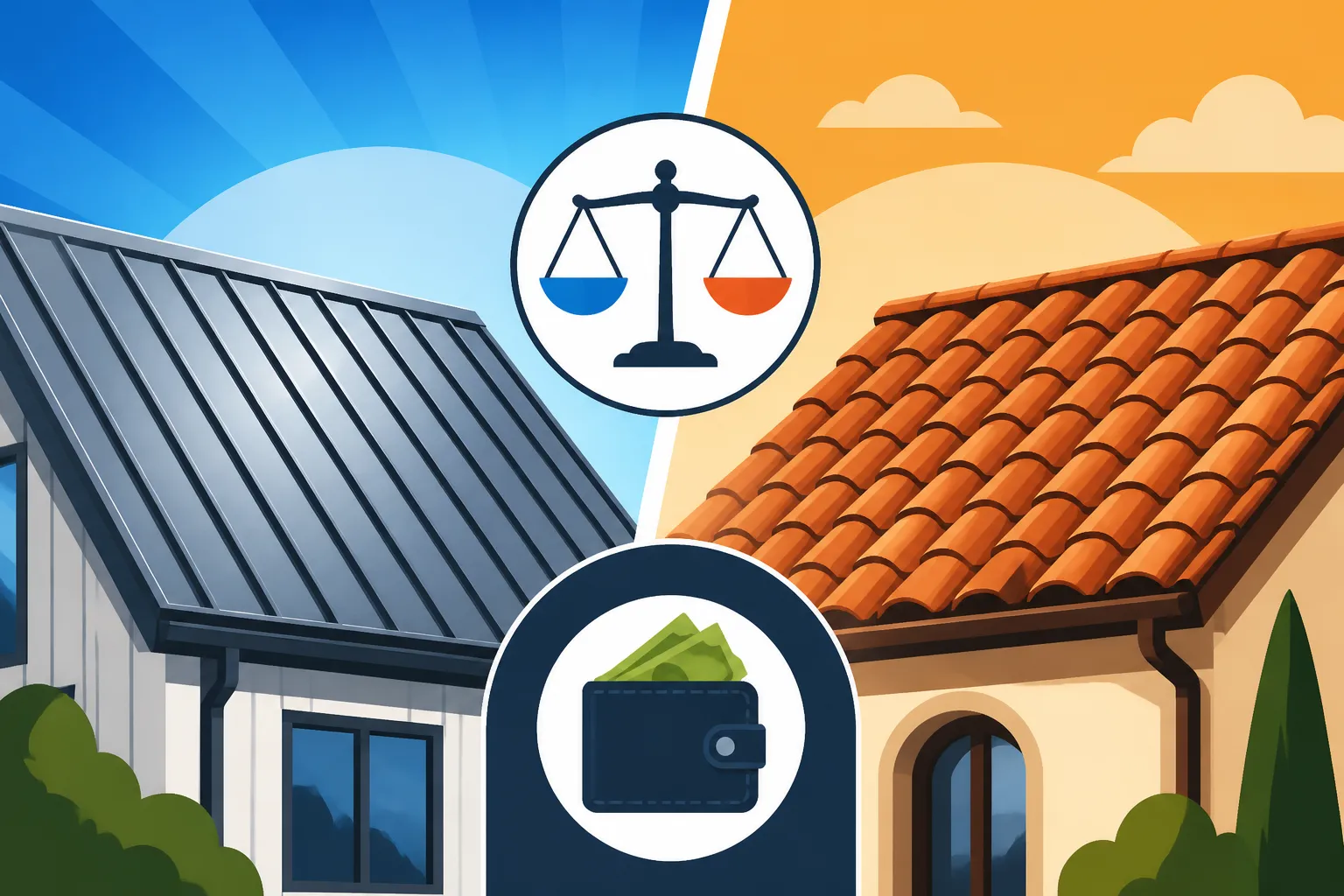
Metal Roof vs Tile Roof Cost
Deciding on a new roof for your home is a huge undertaking, and let's be honest, the first thing on most homeowners' minds is the price tag. You're probably juggling the pros and cons of different materials, and if you've landed on metal and tile, you're already considering some of the most durable and visually striking options out there. But which one will hit your wallet harder, both upfront and in the long run? This guide will break down the true costs of metal roofs versus tile roofs, helping you navigate the financial maze with confidence.
Understanding the Initial Investment: Metal Roof vs. Tile Roof
When you first start looking into roofing options, the numbers can be a bit of a shock. You're not just buying materials; you're investing in installation, longevity, and peace of mind. Both metal and tile roofs are considered premium roofing solutions, and their initial costs often reflect that. It's easy to get caught up in the per-square-foot price, but that's only part of the story.
The Sticker Shock: Why Initial Costs Differ
The upfront cost difference between a metal roof and a tile roof can be substantial, and it’s rarely as simple as comparing two identical square-foot prices. Often, homeowners are surprised by how much variability there is even within a single material category. For instance, a basic corrugated metal roof will naturally have a lower initial price point than a sophisticated standing seam metal roof. The same goes for tile, where humble concrete tiles differ greatly from intricate Spanish clay or luxurious slate. You're paying for raw materials, yes, but also for the manufacturing process, the finish, the complexity of the panel or tile design, and even the brand reputation. It's like comparing a compact car to a luxury sedan – both get you from A to B, but the features, craftsmanship, and perceived value create vastly different prices.
Factors Influencing the Base Price of Both Materials
Numerous factors conspire to set the base price for both metal and tile roofing. For metal, these include the type of metal (steel, aluminum, copper, zinc), the gauge (thickness), the coating (like Kynar 500 or SMP), and the profile (standing seam, corrugated, metal shingle, etc.). For instance, a durable, thicker 24-gauge standing seam steel roof with a high-performance coating will cost significantly more per square foot than a thinner 29-gauge corrugated steel panel. Likewise, tile roofs vary wildly based on material—clay, concrete, or synthetic—and style, such as Spanish S-tiles, flat mission tiles, or French tiles. The color and finish can also play a role; custom glazes or specific heritage colors often command a premium. The geographic origin of the material also matters, especially for exotic tiles or specialty metals, as transportation costs get baked into the final price.
Diving Deeper into Material Costs
Breaking down the material costs is where the true differences between metal and tile begin to emerge. Each category offers a wide spectrum of options, and understanding these will help you make a more informed decision for your home.
Metal Roofing Materials: A Spectrum of Choices
Metal roofing isn't a monolith; it's a diverse family of materials, each with its own characteristics and price points. The most common residential choices include steel, aluminum, copper, and zinc. Steel is often the most budget-friendly, especially when considering galvanized or Galvalume steel options. Within steel, you'll find various profiles like corrugated, R-panel, and even metal shingles that mimic traditional roofing materials. Standing seam is a popular premium choice, known for its sleek lines and hidden fasteners, but it typically comes at a higher price. Aluminum is lighter and corrosion-resistant, making it excellent for coastal regions, but it's generally more expensive than steel. Copper and zinc are the luxury players, offering unparalleled longevity, unique aesthetic aging (patina), and a hefty price tag that reflects their premium status and material value. You can explore the specific costs for different materials in our guide to Metal Roof Cost by Material: Steel vs Aluminum vs Copper vs Zinc.
Tile Roofing Materials: From Clay to Concrete
Tile roofing primarily encompasses concrete and clay tiles, with a smaller segment dedicated to synthetic options. Concrete tiles are generally the most affordable tile option, offering excellent durability and a wide range of colors and profiles that can mimic clay, wood shakes, or even slate. They are heavy, which needs to be considered for roof decking. Clay tiles, often seen in Mediterranean and Spanish architectural styles, are renowned for their natural beauty and extreme longevity. They come in various shapes, like the classic S-tile, flat tile, or barrel tile, and their prices can vary significantly based on their origin, color, and firing process. Synthetic tiles, made from recycled rubber and plastic, offer a lightweight alternative that can replicate the look of natural slate or wood shakes without the high cost or weight, and they are becoming increasingly popular for their eco-friendliness and durability.
Comparing Specific Material Price Points
Let's get down to some actual numbers. Keep in mind these are averages and can fluctuate based on your location, supplier, and current market conditions.
Metal Roofing Material Costs (per square foot, uninstalled):
- Corrugated or R-Panel Steel (29-gauge to 26-gauge): You're generally looking at around $1.50 to $4.00 per square foot for the panels themselves. These are often considered the most economical entry point into metal roofing.
- Metal Shingles/Tiles (Steel or Aluminum): These can range from $3.00 to $7.00 per square foot. They offer a more traditional look while providing metal's benefits.
- Standing Seam Steel (26-gauge to 24-gauge): This is where you typically see prices from $4.00 to $9.00 per square foot for materials. This premium profile justifies its cost with superior aesthetics and weather resistance. For more detail, check out our article on Standing Seam Metal Roof Cost.
- Aluminum: Often falls in the $5.00 to $10.00 per square foot range, offering corrosion resistance at a higher price point than steel.
- Copper: This is the high-end material, easily $15.00 to $30.00+ per square foot, due to its inherent material value and artisanal appeal.
- Zinc: Similar to copper in its premium pricing, zinc often starts around $12.00 to $25.00 per square foot.
Tile Roofing Material Costs (per square foot, uninstalled):
- Concrete Tiles: Generally range from $2.00 to $6.00 per square foot. They offer a cost-effective way to achieve a tile aesthetic.
- Clay Tiles (Standard): Expect to pay between $3.00 and $10.00 per square foot, with variations based on style and finish.
- Premium/Specialty Clay or Glazed Tiles: These can easily climb to $10.00 to $20.00+ per square foot for unique shapes, colors, or imported options.
- Synthetic Tiles: Often land in the $4.00 to $12.00 per square foot range, providing a balance of aesthetics, durability, and lighter weight.
As you can see, the entry-level metal options can be competitive with or even cheaper than some tile options, but the premium metals quickly surpass the cost of most tile materials.
Installation Labor: A Significant Cost Factor
Material costs are only half the battle. The labor involved in installing either a metal or tile roof can significantly swing the final price. Both require specialized skills, but the methods and time investment differ considerably.
The Complexity of Metal Roof Installation
Metal roof installation, particularly for systems like standing seam, requires a high degree of skill, precision, and specialized tools. Each panel needs to be accurately measured, cut, and often seamed or crimped together, either by hand or with specialized machinery. This meticulous process ensures a watertight seal and the clean, uniform appearance that standing seam roofs are known for. Exposed fastener metal roofs, like corrugated or R-panel, might be quicker to install, but they still demand careful alignment and proper sealing around each screw to prevent leaks. The installer must also consider thermal expansion and contraction, incorporating appropriate fastening techniques to allow the metal to move without buckling or damaging the roof. This expertise doesn't come cheap, and it's a critical component of the overall Metal Roof Labor Cost. For a general overview of the entire process, you might find our article on Metal Roof Installation Process: Step by Step helpful.
The Art and Labor of Tile Roof Installation
Tile roof installation is also a labor-intensive process, often demanding a different set of skills and a slower pace. Tiles are heavy, which means more physical effort in lifting them onto the roof and moving them around. Each tile needs to be individually placed, aligned, and often secured with fasteners, especially in high-wind areas. The underlayment system for tile roofs is crucial, acting as the primary waterproofing barrier, and its careful installation is paramount. Cutting tiles to fit around hips, ridges, and valleys, and integrating flashing elements seamlessly, requires significant craftsmanship. Depending on the complexity of the roof design and the type of tile (e.g., individual slate tiles versus large concrete S-tiles), the labor time can vary dramatically. This artisanal approach, ensuring each tile lays perfectly and the roof's aesthetic is maintained, contributes heavily to the overall cost.
Factors Affecting Labor Rates
Several elements influence how much you'll pay for roofing labor, regardless of whether you choose metal or tile.
- Roof Pitch and Complexity: A steep, multi-faceted roof with numerous valleys, dormers, and chimneys will always cost more to roof than a simple, low-slope gable roof. The increased safety measures, cutting, and flashing required add significant labor hours.
- Location: Labor rates vary widely by geographic region. Urban areas and regions with a high cost of living, like parts of California or the Northeast, will have higher labor costs than more rural or less expensive states. For a detailed breakdown, see Metal Roof Cost by State and City.
- Contractor Experience and Reputation: Highly experienced, reputable contractors with certified installers might charge more, but their expertise often leads to a flawless installation and fewer long-term issues, potentially saving you money down the road. It’s worth researching How to Hire a Metal Roofing Contractor to ensure you pick the right crew.
- Seasonality: In some regions, roofing demand surges during specific seasons (e.g., late spring through fall), which can sometimes lead to higher prices or longer wait times.
- Accessibility: If your roof is difficult to access, requiring special equipment like cranes or extensive scaffolding, labor costs will increase.
- Tear-off vs. Overlay: If your existing roof needs to be completely removed (a "tear-off"), this adds significant labor and disposal costs. Installing a metal roof over existing shingles can sometimes reduce this cost, but it's not always an option for tile roofs due to weight. For more on this, consider Tear-Off vs Metal Over Shingles: Cost Difference.
Labor Cost Comparison (per square foot, approximate):
| Roofing Type | Typical Labor Cost Range (per sq ft) | Notes |
|---|---|---|
| Metal Roof | $3.00 – $8.00 | Varies widely by profile. Exposed fastener systems (corrugated) are on the lower end, while standing seam and complex metal shingles are on the higher end due to specialized skills, precision, and time required for installation. |
| Tile Roof | $4.00 – $12.00 | Generally higher due to the weight of materials, individual placement, and often the need for a more robust underlayment system. Synthetic tiles might be slightly less labor-intensive than traditional clay or concrete due to lighter weight and easier cutting, but still require careful placement. |
Note: These are just labor estimates and do not include material costs.
Beyond the Initial Price Tag: Long-Term Value and Hidden Costs
Focusing solely on the initial installation cost can be a short-sighted approach when it comes to roofing. The true value of a roof often reveals itself over its lifespan through durability, maintenance, energy savings, and potential hidden expenses.
Lifespan, Durability, and Maintenance Costs
This is where metal and tile roofs truly shine compared to traditional asphalt shingles. Both are renowned for their exceptional longevity.
- Metal Roofs: A properly installed metal roof can last 40 to 70 years, sometimes even longer, depending on the material and coating. Steel and aluminum roofs typically offer lifespans in the 40-60 year range, while copper and zinc can last well over 100 years. This incredible durability means you might never need to replace your roof again in your lifetime. Maintenance is generally minimal, often limited to periodic inspections, cleaning gutters, and checking fasteners (for exposed fastener systems). You won't have to worry about replacing individual broken shingles or significant granule loss. However, addressing issues like corrosion if the coating is compromised, or repairing dents from severe hail, can be specific maintenance points. Understanding Metal Roof Lifespan: How Long Do They Last? can help put these costs into perspective.
- Tile Roofs: Clay and concrete tile roofs also boast impressive lifespans, often 50 to 100 years or more. Their inherent resistance to rot, insects, and fire makes them incredibly durable. The main maintenance concern for tile roofs usually revolves around the underlayment, which typically has a shorter lifespan (20-30 years) than the tiles themselves and may need replacement sooner. Individual tiles can also crack or break due to impact (e.g., falling branches) or improper walking, requiring careful replacement. While the tiles themselves are low maintenance, keeping them clean from moss or algae buildup, especially in humid climates, might be necessary.
When comparing, both offer a significant advantage over asphalt, which typically lasts 15-30 years. Over a 50-year period, an asphalt roof might need replacement two or three times, incurring repeat material and labor costs, while a metal or tile roof would likely still be going strong. This long-term value is a key reason why many homeowners see a metal roof as a strong investment, as detailed in our article, Is a Metal Roof Worth It? ROI, Resale & Payback.
Energy Efficiency and Insurance Savings
The long-term savings don't stop at maintenance. Both metal and tile roofs can offer benefits that reduce your monthly household expenses.
- Energy Efficiency: Metal roofs, especially those with lighter colors or cool roofing pigments, can significantly reflect solar radiant heat, keeping your home cooler in hot climates and reducing air conditioning costs. They can achieve high reflectivity and emissivity ratings, often qualifying as "cool roofs." This can translate to noticeable savings on your utility bills, particularly in sunny states like Florida or Arizona. Some metal roofs are also designed with an air gap between the roof deck and the metal panels, providing additional insulation.
- Tile Roofs: Tile roofs, with their inherent mass and the natural air circulation provided by their design (especially barrel tiles), also offer excellent thermal performance. The air pocket beneath the tiles acts as an insulating barrier, helping to regulate attic temperatures. This can lead to energy savings, though perhaps less directly from reflectivity than light-colored metal.
- Insurance Savings: Many insurance companies recognize the superior durability and fire resistance of both metal and tile roofs. Metal roofs, being non-combustible and highly resistant to high winds and hail, often qualify for discounts on homeowners' insurance premiums. Some metal roofs have Class A fire ratings and Class 4 impact resistance ratings, which can lead to significant savings, especially in areas prone to wildfires or severe storms. Tile roofs, particularly those with high impact ratings, can also garner insurance discounts due to their fire resistance and strength. Be sure to ask your insurance provider about potential savings, as this can be a substantial long-term benefit. Our article on Metal Roof Insurance Savings & Discounts provides more insight into this often-overlooked perk.
Potential Hidden Costs and Unexpected Expenses
Even with the best planning, unforeseen expenses can pop up. Being aware of these potential "hidden costs" can help you budget more realistically.
- Structural Reinforcement: This is a more common concern for tile roofs. Traditional clay and concrete tiles are heavy. If your existing roof structure wasn't designed to support such a significant load, you might need to invest in structural reinforcement, which adds to the overall cost. Metal roofs are significantly lighter than tile and asphalt, so this is rarely an issue for metal.
- Permits and Inspections: Nearly all major roofing projects require permits and inspections from your local municipality. The cost of these permits varies by location, but it's an unavoidable expense. Failing to get a permit can lead to fines and potential issues with insurance or resale. For more on this, check out Do You Need a Permit for a Metal Roof?.
- Flashing and Trim: While usually included in quotes, specialized flashing for chimneys, skylights, and complex rooflines, or custom trim pieces, can add to the material and labor costs for both roof types. These components are crucial for preventing leaks. You can learn more about these in Metal Roof Trim and Flashing Cost.
- Underlayment Upgrades: While standard underlayment is included, some homeowners opt for premium synthetic underlayment or ice and water shield, especially in cold climates or areas prone to heavy rain. This provides an extra layer of protection but adds to the material cost. Our guide on Metal Roof Underlayment Cost can shed light on these choices.
- Disposal Fees: If a tear-off is required, you'll incur costs for disposing of the old roofing material. This can be substantial, especially for heavy materials like old shingles or existing tiles.
- Unforeseen Damage: During a tear-off, contractors might discover hidden damage to the roof decking or underlying structure, such as rot or pest damage. Repairing this will add unexpected costs to the project.
Regional Differences and Market Influences
The cost of your metal or tile roof isn't just about materials and labor; it's also heavily influenced by where you live and the broader economic climate.
How Location Impacts Pricing
The region, state, and even specific city where you reside can dramatically affect roofing costs.
- Local Demand and Supply: In areas where metal or tile roofs are particularly popular, or where there are more specialized installers, prices might be more competitive. Conversely, if a material is uncommon, fewer contractors might specialize in it, potentially driving up labor costs due to limited expertise.
- Climate Considerations: Certain climates necessitate specific roofing features that can impact cost. For example, in hurricane-prone regions like Florida or coastal areas, stricter building codes might require higher-grade materials, more fasteners, or specific installation techniques, increasing both material and labor expenses. Similarly, heavy snow loads in northern states might demand stronger structural considerations or specific panel types for metal roofs, potentially adding to the price.
- Transportation Costs: The further the raw materials or finished products have to travel to reach your home, the higher the transportation costs will be, and these are invariably passed on to the consumer. A specialty imported tile might be much more expensive in a landlocked state than near a major port.
- Local Regulations and Permitting: Different cities and counties have varying permit fees and inspection requirements, all of which contribute to the overall project cost.
Supply Chain and Economic Factors
Beyond local influences, broader economic forces also play a significant role in roofing costs.
- Raw Material Prices: The cost of steel, aluminum, copper, and zinc fluctuates based on global commodity markets. An increase in the price of these metals directly translates to higher material costs for metal roofing. Similarly, the cost of clay and concrete raw materials can also see increases.
- Energy Costs: The manufacturing of both metal and tile roofing materials is energy-intensive. Fluctuations in oil and natural gas prices can therefore impact production costs, which are then reflected in the final product price.
- Labor Market: A shortage of skilled roofing labor in a particular area or across the industry can drive up wages, and consequently, the overall installation cost.
- Inflation: General economic inflation affects every aspect of construction, from raw materials to transportation and labor, leading to higher overall project costs over time. It's why roofing quotes from a year ago might be significantly different today.
- Tariffs and Trade Policies: International trade policies, including tariffs on imported materials, can influence the price of certain roofing products, especially for specialty tiles or specific metal alloys sourced globally.
These factors create a dynamic pricing environment, so obtaining multiple quotes and understanding what drives the costs is always recommended.
Financing Your New Roof: Options to Consider
Investing in a new metal or tile roof is a significant financial decision, and thankfully, there are several ways to finance it without draining your savings account all at once.
Traditional Loans and Home Equity
For many homeowners, traditional lending options are the go-to for major home improvements.
- Home Equity Line of Credit (HELOC): A HELOC allows you to borrow against the equity in your home. It typically offers a flexible line of credit with a variable interest rate, which can be drawn upon as needed. This is a popular choice for larger projects because the interest rates are often lower than unsecured loans. The downside is that your home serves as collateral.
- Home Equity Loan: Similar to a HELOC, a home equity loan allows you to borrow a lump sum based on your home's equity. It comes with a fixed interest rate and a set repayment schedule, offering more predictability than a HELOC. This is a good option if you know the exact cost of your roofing project upfront.
- Personal Loan: An unsecured personal loan doesn't require collateral, but it usually comes with a higher interest rate than home equity-backed options. It can be a good choice if you have limited equity or prefer not to use your home as collateral, but ensure the interest rate and terms are favorable.
- FHA Title I Loans: These are government-insured loans specifically for home improvements. They can be used for things like roof replacement and often have more lenient credit requirements, though there are limits on the loan amount.
It's always a good idea to speak with your bank or credit union to understand the best options available based on your financial situation and credit score.
Manufacturer and Contractor Financing Programs
Beyond traditional lenders, many roofing manufacturers and contractors offer their own financing solutions to make premium roofs more accessible.
- Manufacturer Financing: Some larger metal roofing manufacturers, or even tile manufacturers, partner with financial institutions to offer special financing programs directly to consumers who choose their products. These might include deferred interest options, low-interest rates for a promotional period, or extended payment plans. For example, a company like Drexel Metals or McElroy Metal might have specific financing partners for their panels. These programs can be very attractive, but always read the fine print regarding interest rates after any promotional periods.
- Contractor-Specific Financing: Many reputable metal roofing contractors or tile installers also have relationships with financing companies. They can often provide competitive rates and a streamlined application process right through their office. These programs can sometimes offer advantages like interest-free periods if paid in full within a certain timeframe, or lower monthly payments spread over many years. When getting quotes, always ask if they offer financing options and compare those to what your bank can provide. Our article on Metal Roof Financing Options delves deeper into these possibilities.
- Credit Card Options (with caution): While using a high-limit credit card might seem like an easy way to pay, the interest rates are typically much higher than other financing options. This should only be considered if you are absolutely confident you can pay off the entire balance very quickly, ideally before any promotional interest rates expire. Otherwise, the cost of interest can quickly make your roof significantly more expensive.
Before committing to any financing, get a clear understanding of the total cost, interest rates, repayment schedule, and any associated fees to ensure it aligns with your budget and financial goals.
Disclaimer
Please remember that all cost estimates provided in this article are approximate and subject to change based on material prices, labor rates, regional economic conditions, supplier availability, and specific project requirements. For the most accurate pricing, it is always recommended to obtain multiple detailed quotes from local, licensed, and insured roofing contractors. This article is intended for informational purposes only and should not be considered financial or professional advice.