Can You Pressure Wash a Metal Roof?
When your metal roof starts looking a little less pristine, perhaps a bit dulled by dirt, grime, or even some moss, that powerful pressure washer in your garage might seem like the quickest, most satisfying solution. But hold on a minute! While it’s tempting to blast away years of buildup, using the wrong pressure washing technique on your metal roof can actually do more harm than good, leading to costly damage and even voided warranties. This guide will walk you through the real risks, the right way to clean your cherished metal roof, and when it’s truly best to call in the experts.
The Pressure Washing Conundrum: Why It's Risky for Metal Roofs
It's easy to look up at a dirty roof and think, "A good, strong spray will fix that!" We use pressure washers for concrete driveways, decks, and even siding, so why not the roof? The truth is, metal roofs, especially the durable and beautiful ones we invest in, are not all created equal, and they demand a much more careful approach than other exterior surfaces.
The Allure of High-Pressure Cleaning
There's no denying the immediate gratification of watching dirt and grime melt away under a high-pressure stream. It feels efficient, powerful, and effective. Many homeowners envision a sparkling, like-new roof after a quick pressure wash, just as they would their patio. This perception, coupled with the desire for a clean aesthetic, often leads people to believe that a powerful jet of water is the ultimate solution for any exterior cleaning challenge. The visual impact of before-and-after pressure washing videos online only reinforces this idea, making it seem like a universally safe and simple task. However, what works wonders on a resilient concrete slab can be catastrophic for the delicate coatings and structural integrity of a metal roofing system.
Understanding Your Metal Roof's Protective Layers
What many don't realize is that a metal roof isn't just a bare sheet of metal. Modern metal roofs, whether they're sleek standing seam panels or charming metal shingles, are engineered with multiple protective layers. The base metal, typically steel or aluminum, is often treated with a corrosion-resistant coating like Galvalume or galvanized zinc. On top of this, there's usually a high-performance paint finish, such as PVDF (Kynar 500) or SMP (Siliconized Modified Polyester). These coatings are incredibly resilient against UV rays, fading, and chalking, and they're what give your roof its color and extended lifespan. It's these very layers that make your metal roof so durable and beautiful, but also surprisingly vulnerable to aggressive cleaning methods. They are designed to withstand years of weather, but not necessarily a concentrated, high-velocity blast of water.
What High Pressure Can Really Do
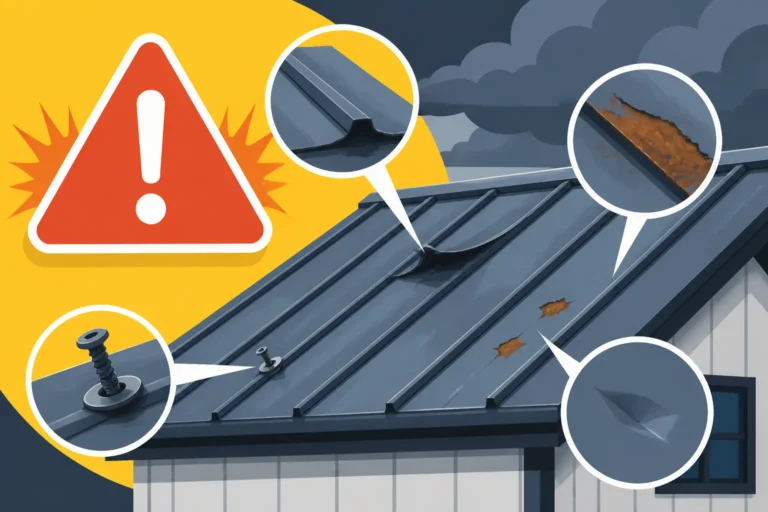
Directing a powerful, narrow stream of water at your metal roof can cause a host of problems that aren't immediately apparent. Firstly, that high-pressure stream can strip away the paint coating, compromising its UV protection and leaving the underlying metal exposed to the elements. Once that protective layer is gone, you're looking at accelerated fading, chalking, and the potential for rust and corrosion, significantly shortening your Metal Roof Lifespan: How Long Do They Last?. Secondly, the force of the water can lift panel seams, especially on exposed fastener systems, or even damage the delicate sealants that protect against leaks. This creates pathways for water intrusion, leading to insidious problems like rot in your decking or attic, mold growth, and other expensive repairs down the line. It's a risk that far outweighs the temporary satisfaction of a clean roof.
Hidden Dangers and Long-Term Consequences
Beyond the immediate visual damage, the repercussions of improper pressure washing can ripple through the years, affecting your roof's performance, your home's value, and your wallet. These aren't just minor inconveniences; they can be significant headaches that you might not even attribute to that one-time cleaning effort.
Voiding Your Warranty and Insurance
This is perhaps one of the most significant, yet often overlooked, dangers. Most metal roofing manufacturers provide extensive warranties, some covering paint fade, chalking, and even labor for up to 25-50 years. These warranties, however, explicitly state proper maintenance and cleaning procedures. Using a high-pressure washer in a way that damages the finish can, and often will, void your manufacturer's warranty. Imagine having a roof that was supposed to last 50 years, only to find out you're on the hook for premature repair costs because of an improper cleaning method. Similarly, if water intrusion or structural damage occurs as a direct result of aggressive pressure washing, your homeowner's insurance might deny claims, citing negligence or improper maintenance, especially if the damage is clearly attributable to an avoidable act. Before you even think about aiming that nozzle, it's crucial to understand Metal Roof Warranties: Workmanship vs Manufacturer and the fine print regarding cleaning.
Structural Damage and Water Intrusion
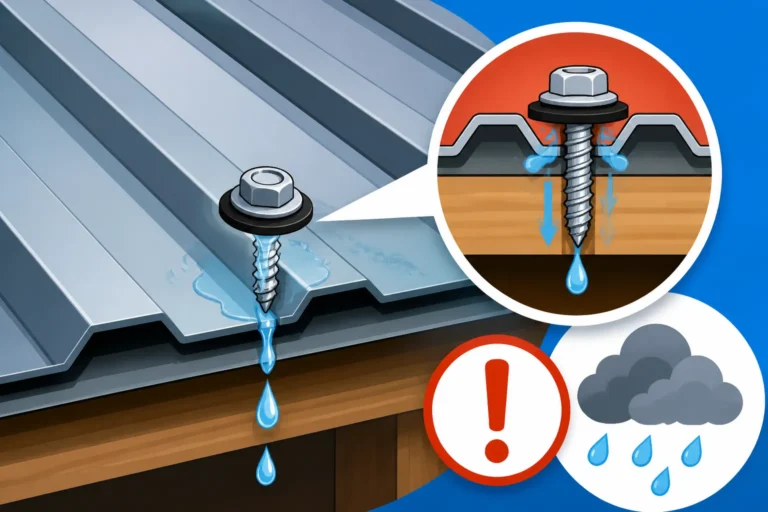
The force of a high-pressure stream isn't just about paint. It can literally push water under seams, flashing, and fasteners, forcing it into areas where it should never go. This is a particular risk with exposed fastener metal roofs where screws penetrate the panels. Even a perfectly installed roof relies on carefully sealed seams and proper flashing to keep water out. When you hit these critical junctions with high pressure, you can compromise the integrity of sealants, lift the edges of panels, or even warp the metal itself. This kind of damage can lead to persistent leaks, often in hard-to-find places, which can then cause extensive damage to your roof decking, attic insulation, and even interior ceilings. Addressing these issues can become a major undertaking, often requiring a professional to perform a Metal Roof Leak Repair Guide or even panel replacement.
Accelerated Deterioration and Aesthetic Compromises
Once the protective coating is compromised, your metal roof starts a downhill slide. The vibrant color that initially attracted you will fade unevenly, leading to a patchy, unattractive appearance. Chalking, where the paint begins to degrade into a powdery residue, becomes more prominent. More critically, exposed bare metal will begin to rust and corrode, especially in humid or coastal environments. This doesn't just look bad; it significantly reduces the effective lifespan of your roof. What was meant to be a long-term investment starts showing signs of premature aging. Repairing this kind of damage, whether it's through Repainting and Recoating a Metal Roof or spot treatments for Metal Roof Rust and Corrosion Treatment, can be expensive and may not fully restore the roof to its original glory or longevity.
The Smart Approach: Safe and Effective Metal Roof Cleaning
So, if blasting it with high pressure is out, what can you do to keep your metal roof looking fantastic? The good news is there are several safe and highly effective methods that will clean your roof without putting its integrity at risk. The key is to be gentle and patient.
Soft Washing: The Gentle Giant
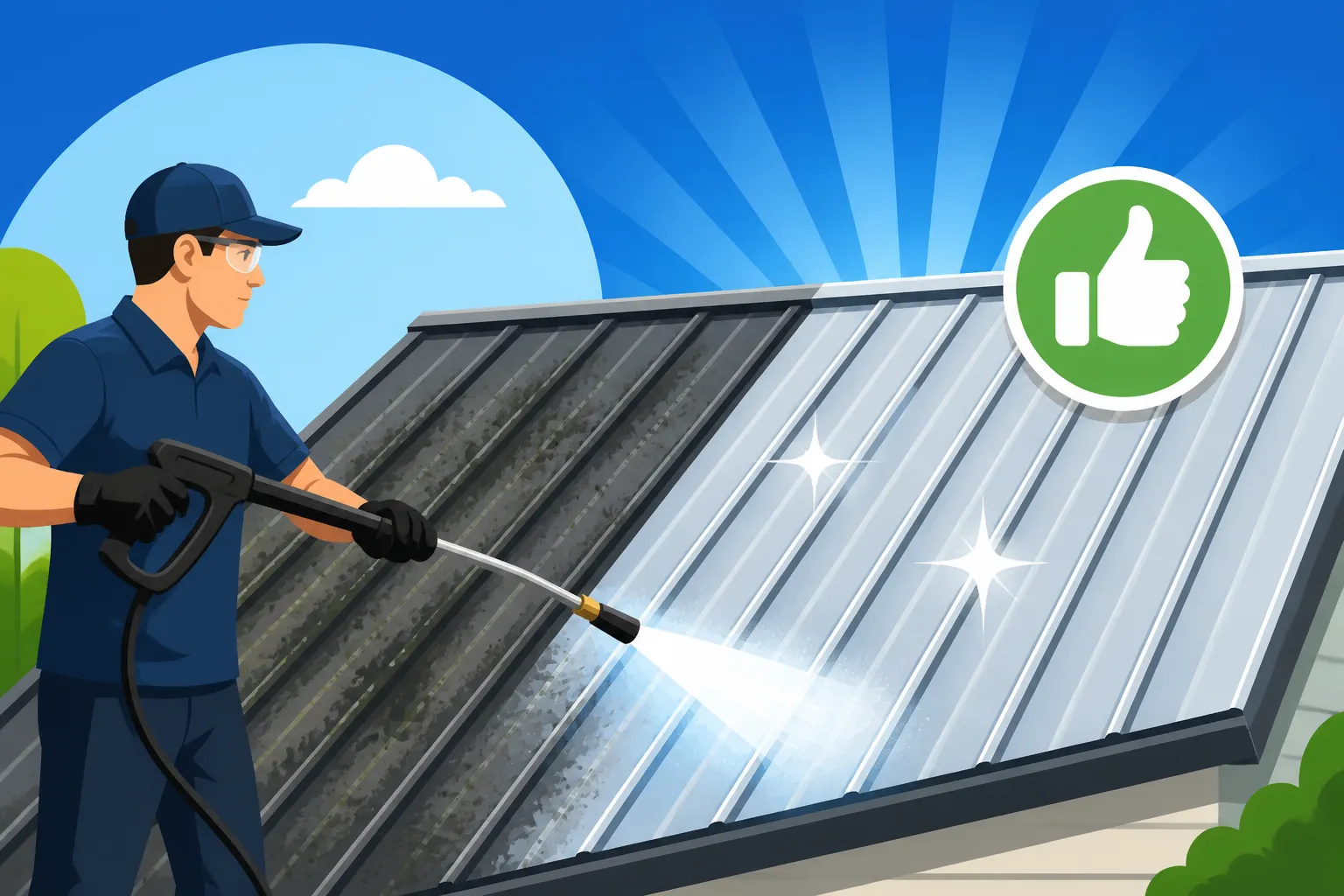
"Soft washing" is the hero your metal roof deserves. Unlike high-pressure washing, soft washing utilizes low-pressure water (often no more powerful than a garden hose with a specialized nozzle) combined with biodegradable cleaning solutions. These solutions, typically a mix of water, a mild surfactant, and a cleaning agent (like sodium hypochlorite, carefully diluted), do the heavy lifting by breaking down organic growth like mold, mildew, algae, and lichen, as well as dirt and grime.
Here's how it generally works:
- Preparation: Wet down surrounding landscaping, plants, and exterior walls to protect them from the cleaning solution. Cover delicate plants if necessary.
- Application: The cleaning solution is applied evenly to the roof surface using a low-pressure sprayer. The solution is allowed to dwell for a specific amount of time, usually 10-20 minutes, to penetrate and kill organic growth.
- Rinse: The roof is then thoroughly rinsed with clean, low-pressure water. The detergents and dead organic matter are washed away, leaving a clean surface.
This method is incredibly effective because it targets the root cause of the discoloration (the organic growth) rather than trying to blast it off. It's gentle on the roof's coatings and seals, ensuring your warranty remains intact and your roof continues to perform as intended. Companies like Modernize can help you connect with professionals who specialize in soft washing, ensuring the job is done correctly and safely.
DIY Cleaning Methods for Mild Stains
For lighter dirt, dust, or minor stains that haven't developed into extensive organic growth, you can often tackle the cleaning yourself with some basic household items and a little elbow grease.
- Garden Hose and Soft Brush: For general grime, a regular garden hose with a spray nozzle is often enough. Pair this with a soft-bristled brush (like one designed for washing cars or siding, attached to an extension pole) and a mild, non-abrasive soap. Dish soap or a gentle household cleaner diluted with water can work wonders.
- Start by rinsing a section of the roof with your hose to loosen surface dirt.
- Apply the soapy water to the section and gently scrub with your soft brush.
- Rinse thoroughly with the garden hose, ensuring no soapy residue is left behind. Work in small sections to prevent the soap from drying on the roof.
- Vinegar Solution: For light mildew or algae, a solution of equal parts white vinegar and water can be effective. Spray it on, let it sit for 10-15 minutes, then gently scrub and rinse. Always test a small, inconspicuous area first to ensure no discoloration occurs.
- Commercial Roof Cleaners: There are many commercially available roof cleaning solutions designed specifically for metal roofs. Always read the label carefully to ensure they are safe for your specific roof material and coating, and follow the mixing and application instructions precisely. Many of these are designed for low-pressure application.
When performing any DIY cleaning, always prioritize safety. Ensure you have proper fall protection, wear non-slip shoes, and never work on a wet or slippery roof alone. Understanding How to Walk on a Metal Roof Without Damage is crucial before you even step foot up there.
Choosing the Right Cleaning Solutions
The cleaning solution you choose is just as important as the pressure you apply. Avoid harsh chemicals, abrasive cleaners, or anything containing strong acids, lye, or ammonia, as these can easily damage your roof's finish.
Here's a quick guide to common solutions:
| Cleaning Method | Recommended for | Benefits | Cautions |
|---|---|---|---|
| Soft Washing (Pro) | Heavy mold, mildew, algae, stubborn dirt | Highly effective, safe for coatings, long-lasting results | Requires professional equipment & expertise, can be costly |
| Dish Soap & Water | Light dirt, dust, general grime | Readily available, inexpensive, very gentle | Not effective for heavy organic growth, requires scrubbing |
| White Vinegar Solution | Mild mildew, hard water spots | Natural, non-toxic, gentle acid can break down stains | May require multiple applications, not for stubborn growth, test first |
| Dedicated Metal Roof Cleaners | Various, depending on product label | Formulated for metal roofs, effective | Always check compatibility with your specific roof coating, follow instructions |
| NEVER Use | Any roof cleaning scenario | (No benefits for metal roofs) | High-pressure washers, abrasive cleaners, harsh acids, steel wool |
For more in-depth information on selecting the best products and techniques, refer to our comprehensive Metal Roof Maintenance Guide. Remember, the goal is to clean without causing harm.
When to Seek Professional Help for Your Metal Roof
Sometimes, a DIY approach just won't cut it, or the task is simply too daunting to tackle yourself. Knowing when to bring in the pros can save you time, effort, and prevent accidental damage to your roof.
Identifying Qualified Metal Roof Cleaners
Not all exterior cleaning companies are equally equipped or knowledgeable about metal roofs. Just because a company offers pressure washing doesn't mean they understand the nuances of a metal system. Look for professionals who specifically advertise "soft washing" or "low-pressure roof cleaning" services for metal roofs. They should be familiar with various Metal Roofing Materials Compared: Steel, Aluminum, Copper & Zinc and their respective care requirements. A good indicator of a qualified contractor is their willingness to explain their process, the chemicals they use, and how they protect your landscape. You can often find reputable companies through services like Modernize, which can connect you with experienced and vetted roofing and exterior cleaning professionals in your area.
Questions to Ask Before Hiring
Before you commit to a contractor, ask these crucial questions to ensure they are the right fit for your metal roof:
- "Do you use high-pressure washing on metal roofs, or do you perform soft washing?" The correct answer should always be soft washing or a very low-pressure approach.
- "What cleaning solutions do you use, and are they safe for metal roof coatings like PVDF or SMP?" They should be able to name their specific products and confirm their safety for your roof's finish, like the ones discussed in PVDF vs SMP Paint Coatings for Metal Roofs.
- "How do you protect my landscaping and surrounding property?" They should have a clear plan for wetting down plants and possibly covering delicate areas.
- "Are you licensed and insured?" Always verify their licensing and ensure they carry liability insurance and workers' compensation. This protects you from any damage or injury that might occur on your property.
- "Can you provide references or examples of previous metal roof cleaning projects?" Seeing their past work can give you confidence in their expertise.
- "What is your warranty on the cleaning service?" A reputable company will stand behind their work.
The Value of Professional Expertise
Hiring a professional might seem like an added expense, but it’s an investment in the longevity and appearance of your metal roof. Professionals have the right equipment, specialized cleaning solutions, and the experience to safely and effectively remove stubborn stains, extensive moss, or algae without damaging your roof. They understand the intricacies of metal roofing systems, how to safely navigate the roof, and how to protect surrounding areas. Moreover, they can often spot other potential issues, such as loose fasteners, compromised flashing, or areas that may be prone to What Causes Metal Roof Leaks and How to Prevent Them, offering you valuable insights for proactive maintenance. When you factor in the potential costs of voided warranties, structural repairs, or premature roof replacement due to improper DIY cleaning, the cost of a professional soft wash becomes a very wise decision. For complex issues or when you're unsure, consulting with an expert for an How Often Should a Metal Roof Be Inspected? can provide peace of mind and ensure your metal roof stays in peak condition for decades to come.
Disclaimer
Please note that this article provides general information and recommendations regarding metal roof care. Always consult with a qualified metal roofing professional or the manufacturer of your specific metal roofing system before undertaking any cleaning or maintenance to ensure compliance with warranty requirements and local building codes. Safety should always be your top priority when working on a roof.