How to Clean a Metal Roof Safely
It's incredibly easy to push roof maintenance to the back of your mind until you start noticing tell-tale signs: unsightly streaks, green patches of algae, or even a build-up of dirt. Many homeowners wonder if they can even safely clean a metal roof themselves without causing damage or putting themselves at risk. This comprehensive guide is here to walk you through the proper and safe methods for cleaning your metal roof, ensuring it looks its best and lasts for decades.
Why Cleaning Your Metal Roof is Crucial and Often Overlooked
Let's be honest, cleaning your roof isn't exactly high on anyone's weekend to-do list. It's out of sight, out of mind, right? But overlooking regular maintenance for your metal roof can lead to more than just a grubby appearance. A clean roof isn't just about curb appeal; it's about protecting your investment and ensuring its longevity. The thought of getting up on a roof can be daunting, and many homeowners simply don't know where to start, fearing they might cause more harm than good.
Addressing Aesthetical Concerns
When your metal roof starts looking a little worse for wear, it impacts your home's overall appearance. Those green or black streaks often come from algae, mold, and mildew, which thrive in damp conditions and can quickly spread, especially in humid climates like Florida or along the Gulf Coast. Over time, these organic growths can become deeply embedded, making them tougher to remove. Dirt, pollen, and environmental fallout from nearby industrial areas or even just regular traffic can also accumulate, dulling your roof's vibrant finish and making it look old before its time.
Beyond organic growth, metal roofs can also develop streaks from runoff, especially if you have an older chimney or certain types of roof vents that might shed minute particles. Even the quality of your rain can play a role, leaving behind mineral deposits. Regularly washing your roof can significantly improve its aesthetic appeal, restoring that fresh, clean look that makes your home shine. It’s like giving your house a fresh haircut and a nice, clean shave – it just feels better and looks sharper.
Preventing Long-Term Damage
While metal roofs are renowned for their durability and longevity, they're not entirely immune to the elements. The build-up of dirt, debris, and particularly organic matter like moss and lichen can actually hold moisture against the roof's surface. This constant dampness can accelerate the degradation of protective coatings, especially if there are any existing scratches or imperfections in the finish. Over time, this can lead to corrosion or even minor pitting, compromising the integrity of the metal. For those in regions with heavy snowfall, leaves and debris can trap snow and ice, exacerbating these issues.
Consider a beautiful standing seam metal roof in a place like the Pacific Northwest, where damp conditions are common. Without regular cleaning, moss can take hold between the seams or on the flat panels, creating tiny pockets of moisture that, over years, could potentially lead to premature wear or even minor leaks. This isn't to say your metal roof will fail overnight, but consistent neglect can certainly shorten its impressive Metal Roof Lifespan: How Long Do They Last?. Keeping it clean helps the protective layers do their job more effectively.
Maintaining Warranty Validity
This is a big one that many homeowners forget about. Most metal roofing manufacturers offer robust warranties that cover material defects and sometimes even paint finishes for many years. However, these warranties often have specific clauses regarding maintenance. Neglecting your roof, allowing excessive build-up of organic growth, or using abrasive cleaning methods can, in some cases, void portions of your warranty. The manufacturer's expectation is that you’ll perform reasonable maintenance to protect the product.
Before you start any cleaning project, it's always a smart move to review your specific warranty document. It might outline approved cleaning methods, recommended products, and even substances to avoid. For instance, harsh chemicals or high-pressure washing might be explicitly prohibited for certain finishes. By adhering to these guidelines and conducting regular cleaning as part of your Metal Roof Maintenance Guide, you ensure that your investment remains protected under the terms of your warranty, giving you peace of mind for years to come.
Safety First: Essential Gear and Precautions
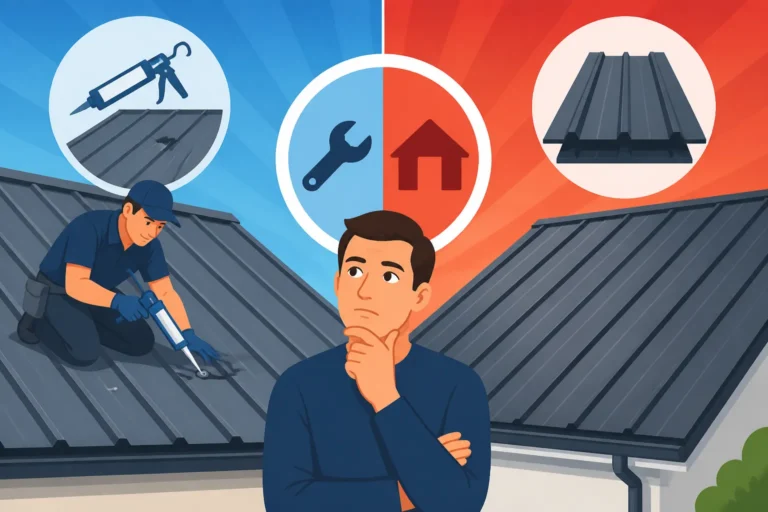
Before you even think about stepping foot on your roof or pointing a hose upwards, let's talk safety. This isn't a job to take lightly. Slips, falls, and other accidents can happen in an instant, and they're preventable with the right precautions. Remember, no clean roof is worth a trip to the emergency room. Always prioritize your well-being over getting the job done quickly. If you're not comfortable or physically able, it’s always best to consider hiring professionals. Services like Modernize can help you connect with qualified roofing contractors who have the right equipment and training for roof cleaning.
Personal Protective Equipment PPE
Working on a roof exposes you to various hazards, from chemical splashes to slips and falls. Having the right Personal Protective Equipment (PPE) is non-negotiable.
- Non-Slip Footwear: This is paramount. Invest in shoes with soft, rubberized soles that offer excellent grip. Work boots with heavy treads might seem like a good idea, but they can actually scuff or damage the roof surface. Look for shoes specifically designed for roofing or hiking, with good traction.
- Gloves: Chemical-resistant gloves will protect your hands from cleaning solutions, while sturdy work gloves can prevent scrapes and cuts from sharp edges or fasteners.
- Eye Protection: Goggles or safety glasses are crucial to shield your eyes from splashes of cleaning solutions, dirt, and debris that might be dislodged during the cleaning process.
- Long Sleeves and Pants: This might seem counterintuitive on a hot day, but long clothing protects your skin from direct sun exposure, chemical contact, and abrasions. Choose lightweight, breathable fabrics.
- Head Protection: A hard hat isn't usually necessary for routine cleaning, but if you're working near overhangs or structures where falling debris is a possibility, it's a wise addition.
Ladder Safety and Roof Access
Getting onto the roof is often the riskiest part of the job. A sturdy, properly positioned ladder is your best friend.
- Ladder Type and Placement: Use a fiberglass or aluminum extension ladder that's rated for your weight plus the weight of any equipment you'll be carrying. Ensure the ladder extends at least three feet above the edge of the roof. Always place the ladder on firm, level ground, and set it at a 4:1 ratio (for every four feet of height, the base should be one foot away from the wall). Having a spotter hold the base of the ladder is an excellent idea for added stability.
- Securing Your Ladder: If possible, tie off the top of the ladder to a secure point on the roof or house. Ladder stabilizers can also increase safety by providing a wider base at the top.
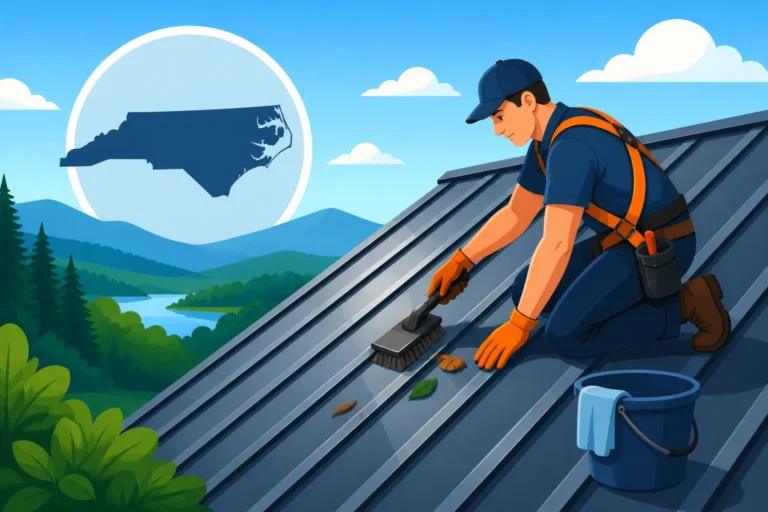
- Walking on the Roof: Metal roofs, especially those with smooth or coated finishes, can be incredibly slick when wet, or even just covered in dew or pollen. Always assume the roof is slippery. Walk slowly, deliberately, and always maintain three points of contact if possible. If you need to spend significant time on the roof, especially if it’s a steep pitch, consider using a safety harness and rope system anchored to a secure point. Never step directly on exposed fasteners, as they can be brittle or create a slip hazard. For more detailed advice, check out How to Walk on a Metal Roof Without Damage.
Understanding Your Roof's Pitch and Condition
Before you even get the ladder out, take a good look at your roof.
- Roof Pitch: Is your roof a gentle slope or a steep incline? A low-slope roof will be much easier and safer to navigate than a high-pitch roof. If your roof is particularly steep, it might be a job best left to professionals who have specialized fall protection equipment.
- Overall Condition: Inspect your roof from the ground first. Are there any loose panels, missing fasteners, or obvious signs of damage? Are there areas with heavy moss or algae growth that could be extra slippery? If you see Warning Signs Your Metal Roof Needs Attention like severe rust, warping, or deep scratches, consult a roofing professional before attempting to clean it yourself. Attempting to clean a compromised roof could exacerbate existing problems or lead to new ones. An initial Metal Roof Inspection: What to Check can save you a lot of trouble.
Choosing the Right Cleaning Method and Products
Once safety is squared away, it’s time to think about how you’re going to clean your roof. Not all stains are created equal, and neither are all cleaning solutions. The key is to be effective without being overly aggressive, which could damage your roof’s finish or protective coating.
Gentle Washing for Everyday Grime
For general dirt, pollen, and light environmental residue that hasn't had years to bake on, a simple, gentle wash is often all you need. Think of it as giving your roof a good rinse and wipe-down, much like you would your car.
- Garden Hose and Soft-Bristle Brush: This is your safest and often most effective first line of defense. Start by thoroughly rinsing the entire roof surface with a garden hose to loosen any loose debris. For areas with visible dirt or mild streaks, use a soft-bristle brush (like a car wash brush or a long-handled deck brush) with a mild, non-abrasive household cleaner. A common solution is a mixture of dish soap (like Dawn) and water. Apply the solution, gently scrub, and then rinse thoroughly from the top down. Ensure the cleaning solution doesn't dry on the roof, especially in warm weather, as it can leave streaks.
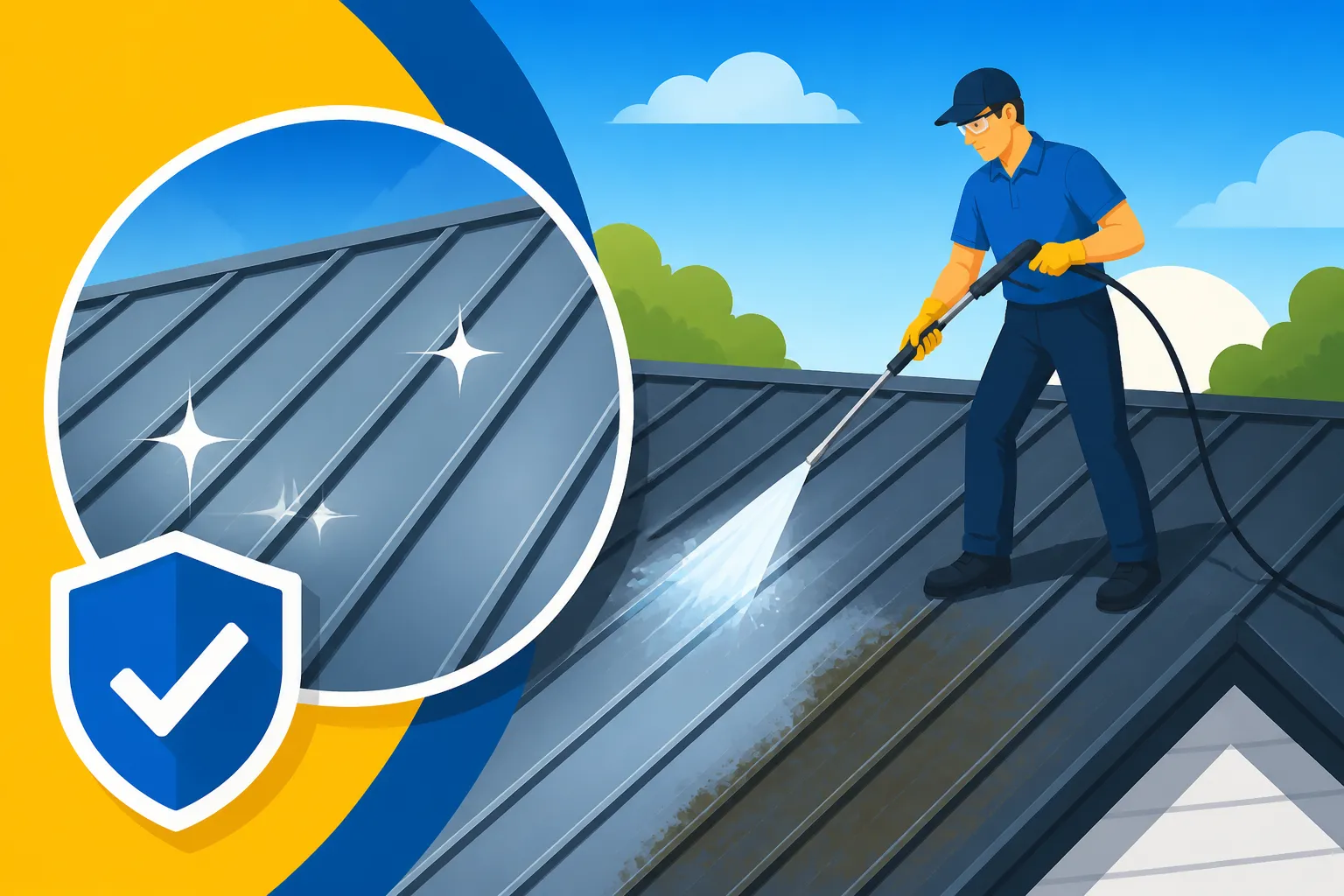
- Low-Pressure Washer (with caution): While a garden hose is usually sufficient, some homeowners opt for a pressure washer on its lowest setting, if they know what they are doing. This is where the warning "with caution" comes in big, bold letters. If you do use a pressure washer, keep the nozzle far from the roof surface (at least 18-24 inches) and use a wide-angle tip (40 degrees or more). Never point the stream directly into seams, under flashings, or at fasteners, as this can force water under the panels, compromise seals, or damage the paint finish. For more information, you can read about Can You Pressure Wash a Metal Roof?. Always test on an inconspicuous area first.
Tackling Stubborn Stains and Algae
When you're dealing with those persistent green, black, or even reddish streaks that are common from algae, moss, and mildew, you'll need something a bit stronger than just soap and water. These organic growths are not just unsightly; they can retain moisture and potentially lead to issues over time.
- Bleach-Based Solutions (Diluted): A very common and effective solution is a diluted bleach mixture. Mix one part household bleach with four to five parts water. You can add a small amount of dish soap to help it cling to the surface. Apply this solution with a garden sprayer, making sure to saturate the affected areas. Let it sit for 10-15 minutes, allowing the bleach to kill the organic growth. Do not let it dry on the roof. After waiting, rinse the entire area thoroughly with a garden hose. Be incredibly careful with runoff—try to direct it away from plants, landscaping, and permeable surfaces. You might want to pre-wet plants around the house to dilute any accidental overspray.
- Oxygen Bleach or Commercial Roof Cleaners: If you're hesitant about using chlorine bleach, oxygen bleach (sodium percarbonate) is an excellent, more environmentally friendly alternative. It's less harsh on landscaping and generally safer for most roof coatings. Follow the manufacturer's instructions for mixing and application. Many specialized commercial roof cleaning solutions are also available, designed specifically for metal roofs and often formulated to be gentler on the environment. Brands like Wet & Forget or Bio-Shield are popular choices, often requiring no rinsing and working over time with natural rainfall. For a more direct approach, some use products specifically designed for roof moss and algae removal, often containing algaecides.
Dealing with Rust and Oxidation
Rust on a metal roof can be disheartening, especially if you thought your metal roof was rust-proof. While many modern metal roofs, particularly those made of steel, are coated with materials like Galvalume or specialized paints to resist rust, prolonged exposure to moisture, particularly at scratched areas or compromised fasteners, can still lead to spots of oxidation. If you notice early signs of Metal Roof Rust and Corrosion Treatment, addressing them quickly is important.
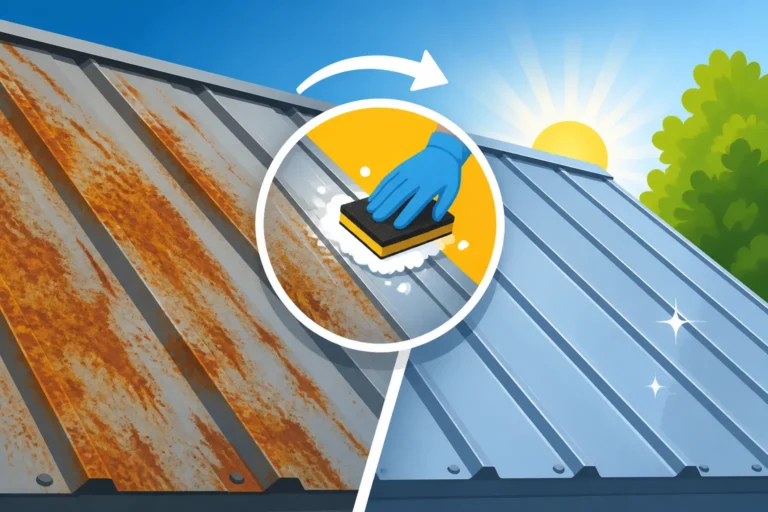
- Mild Abrasives and Rust Converters: For light surface rust, you can often use a soft nylon brush with a mild oxalic acid-based cleaner (often found in deck brighteners or some rust removers) or even a paste of baking soda and water. Gently scrub the rusted area, then rinse thoroughly. For more established rust, a rust converter product can chemically transform the rust into a stable, paintable surface. Ensure these products are safe for your specific roof coating by testing on an inconspicuous area first.
- Professional Intervention for Severe Rust: If rust is widespread or deeply pitting the metal, it’s often beyond a DIY cleaning job. This level of damage could indicate a compromised protective coating or an issue with the metal itself. In such cases, it’s best to consult a professional roofing contractor. They can assess the damage, possibly recommend specialized treatments, or even discuss options for Repainting and Recoating a Metal Roof to restore its protection and appearance. Ignoring severe rust can lead to structural weakening and eventual leaks, costing you far more in the long run.
Step-by-Step Guide to Cleaning Your Metal Roof
Alright, you've gathered your gear, assessed your roof, and chosen your cleaning solution. Now, let's get down to the actual process. Taking it one step at a time will ensure a safer and more effective cleaning experience.
Preparation is Key
A successful cleaning job starts long before the water hits the roof. Good preparation protects your property and makes the actual cleaning much smoother.
- Clear the Area: Move any outdoor furniture, grills, cars, or other valuables away from the perimeter of your house. If you have delicate plants or shrubs directly below the eaves, cover them with plastic sheeting or tarps to protect them from cleaning solution runoff. While most diluted cleaners are relatively harmless, concentrated runoff can damage foliage. It’s also a good idea to thoroughly wet down any surrounding vegetation before applying cleaning solutions to the roof; this pre-wetting helps dilute any runoff that might splash onto your plants.
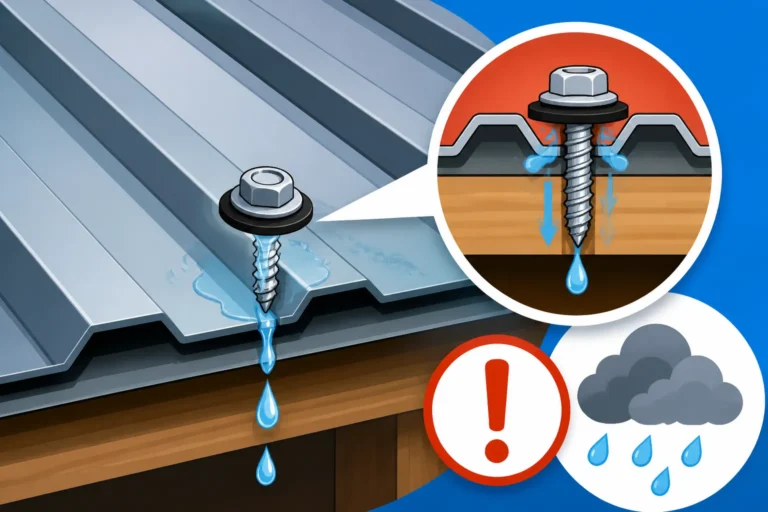
- Inspect and Pre-Clean: Before applying any cleaning solutions, give your roof a good once-over. Remove any large debris like leaves, branches, or excessive dirt by hand or with a leaf blower. Use your garden hose to rinse away loose dirt and grime. This initial rinse will help the cleaning solution work more effectively on the more stubborn stains. While you're up there, quickly check for any potential What Causes Metal Roof Leaks and How to Prevent Them, such as loose fasteners or damaged seams, that might need professional attention before you start spraying water.
- Weather Conditions: Choose a cloudy day or early morning/late afternoon when temperatures are moderate. Direct sunlight and high temperatures can cause cleaning solutions to evaporate too quickly, leading to streaks or reduced effectiveness. Avoid windy days, as strong gusts can make ladder work dangerous and cause cleaning solutions to drift, potentially damaging nearby property or plants. Check the forecast to ensure no rain is expected immediately after cleaning, giving your roof time to dry and for any non-rinse solutions to work.
The Cleaning Process
Now for the main event! Remember the safety tips we discussed, and take your time. Rushing leads to mistakes and potential hazards.
- Apply Cleaning Solution (Top-Down): Starting at the highest point of your roof, apply your chosen cleaning solution using a garden sprayer or a soft-bristle brush. Work in sections to ensure even coverage. If you're using a bleach-based solution or a commercial cleaner that needs dwell time, follow the manufacturer's instructions carefully. Ensure you cover all stained areas thoroughly. For areas with heavy moss or mildew, you might need a slightly heavier application.
- Gentle Scrubbing (If Needed): For areas with particularly stubborn stains or embedded dirt, a gentle scrub with your soft-bristle brush can be very effective. Again, always scrub gently and avoid abrasive pads or stiff brushes that could scratch the paint finish. Work in the direction of the panel seams to avoid cross-grain scratching. Do not apply excessive force. The goal is to lift the grime, not scour the roof.
- Work in Manageable Sections: Don't try to clean the entire roof at once, especially if you have a larger home. Break it down into smaller, manageable sections (e.g., one side of the roof at a time). This allows you to apply the solution, let it dwell, and rinse before it dries, preventing streaks and ensuring thorough cleaning. This is particularly important on warmer days.
Rinsing and Post-Cleaning Tips
Proper rinsing is just as important as the cleaning itself. It removes residues and helps ensure your roof dries clean and streak-free.
- Thorough Rinsing (Top-Down): Once the cleaning solution has done its job, rinse the roof meticulously with your garden hose, again starting from the highest point and working your way down. Ensure all traces of the cleaning solution are completely removed. Any leftover residue can attract dirt, cause streaking, or potentially lead to long-term issues with the coating. Pay extra attention to seams, valleys, and around flashings where residue might collect. Continue rinsing until the water running off the roof is clear and free of suds.
- Inspect and Re-Treat (If Necessary): After the roof is dry, take another look from the ground or a ladder. Are there any spots you missed? Are there stubborn stains that didn't quite come clean? If so, you can re-treat those specific areas. Sometimes, heavily ingrained stains might require a second application or a slightly longer dwell time. For persistent issues, or if you're uncomfortable with further DIY attempts, consider reaching out to a professional. Reputable services, including those found through platforms like Modernize, can offer deeper cleaning or assessment of underlying issues.
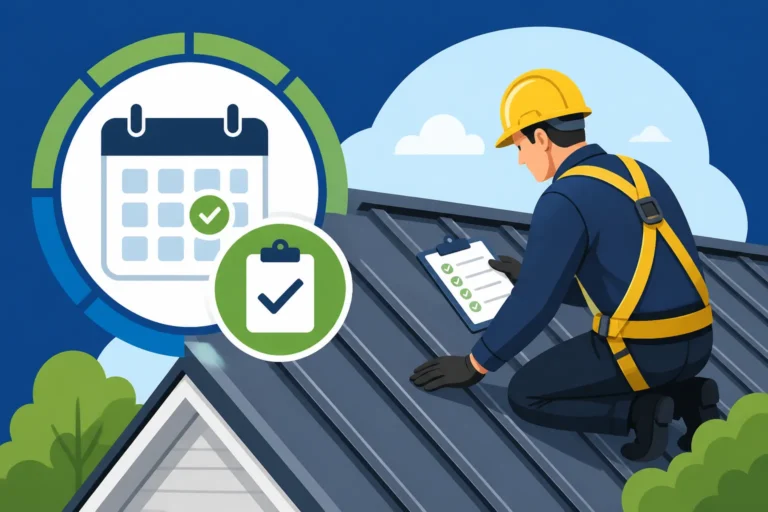
- Long-Term Maintenance: Regular cleaning is part of a comprehensive maintenance plan for your metal roof. Don't wait until your roof is heavily stained again. Incorporate a gentle rinse and light cleaning into your annual home maintenance schedule, especially after pollen season or heavy storms. You might also want to explore options like installing snow guards to help manage snow accumulation, which can contribute to dirt and debris buildup. Just like you maintain your car or your garden, a little consistent effort goes a long way in preserving the beauty and functionality of your metal roof. This also ties into crucial discussions about whether to call in the pros, as detailed in Should You Hire a Contractor or DIY Your Metal Roof?.
By following these steps, you can safely and effectively clean your metal roof, keeping it looking great and protecting your investment for many years to come!
Disclaimer
Please note that this guide offers general advice for cleaning metal roofs. Always consult your roof manufacturer's specific recommendations and warranty terms before undertaking any cleaning project. If you are unsure about any steps or uncomfortable working on your roof, it is always best to hire a qualified and insured professional roofing contractor.