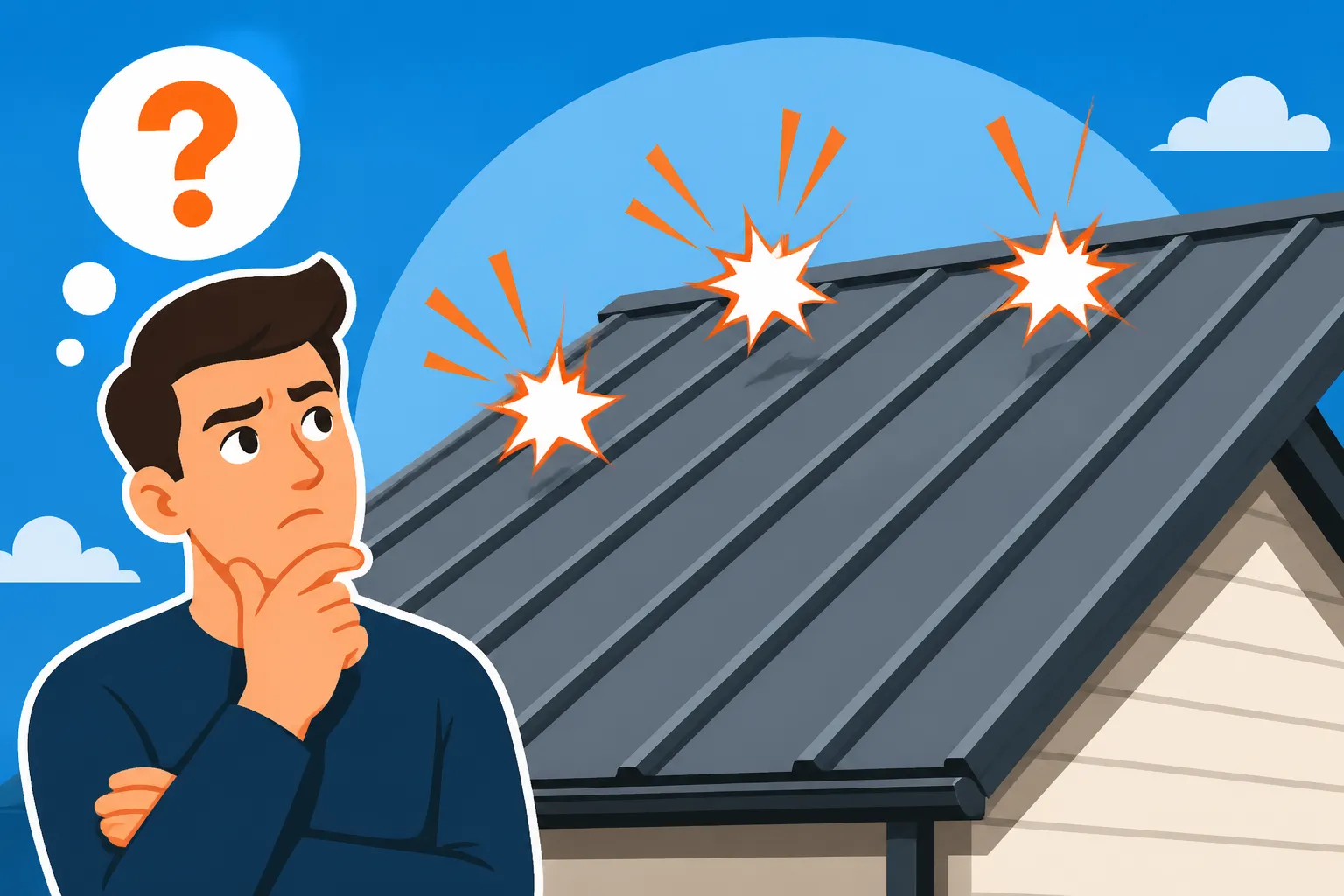
Why Is My Metal Roof Making Popping Noises?
That peculiar popping, clicking, or creaking sound emanating from your metal roof can be unsettling, especially when it happens at night or during quiet moments. It’s a common complaint among homeowners who’ve invested in this durable roofing material, often leading to worries about structural integrity or leaks. This comprehensive guide will delve deep into why your metal roof might be making these unsettling noises, helping you understand the causes and providing actionable steps to address them.
Understanding Thermal Expansion and Contraction
Let's get straight to the primary culprit for most metal roof noises: the natural phenomenon of thermal expansion and contraction. Metal, like most materials, changes size with temperature fluctuations.
The Science Behind the Sounds
Imagine your roof baking in the sun all day, absorbing heat and expanding. Then, as evening falls, the temperature drops, and the metal begins to cool down and contract. This constant movement is what often creates those distinctive popping or pinging sounds. These aren't just random noises; they're the sound of the metal panels shifting, rubbing against fasteners, or stretching as they adjust to the changing conditions. It’s particularly noticeable with larger, longer panels, which have more material to expand and contract. This movement isn't a sign of failure in itself, but rather a characteristic behavior of the material. Think of it like a bridge expanding in summer – it's designed to do that.
Different metals have different rates of thermal expansion. For instance, aluminum expands and contracts more than steel. This is why you might hear more noise from an aluminum roof compared to a steel one, all else being equal. The design of the roof also plays a significant role. A standing seam metal roof, with its hidden fasteners and interlocking panels, is specifically designed to accommodate this movement more gracefully than some other profiles, often resulting in fewer audible pops. However, even with the best designs, some level of thermal noise is to be expected, especially during extreme temperature swings. Understanding How Metal Roofs Handle Expansion and Contraction is key to appreciating this aspect.
Factors Influencing Thermal Movement
Several environmental and design factors can amplify or mitigate these thermal noises. The more extreme the temperature difference between day and night, or between seasons, the more pronounced the popping will be. Homes in regions like Arizona or Colorado, which experience significant diurnal temperature shifts, might hear these sounds more frequently than those in more temperate climates. The color of your roof also plays a part; a darker metal roof absorbs more solar radiation and will get hotter, leading to greater expansion, while lighter colors reflect more heat, potentially reducing the expansion.
The way your roof is installed is crucial. If the metal panels aren't given adequate room to move or if they're fastened too tightly, the stress created by expansion and contraction can lead to louder, more frequent noises. Proper installation techniques, including the use of floating clips for standing seam systems, are designed to allow this movement without undue stress or noise. Without these provisions, the metal could buckle, warp, or pull away from its fasteners over time. Even the underlying deck or substructure can influence how these sounds resonate through your home.
Other Causes of Metal Roof Noises
While thermal expansion is the leading cause, it's not the only reason your metal roof might be talking to you. Other issues, often related to installation or wear and tear, can contribute to the symphony of sounds.
Fastener Issues and Loose Panels
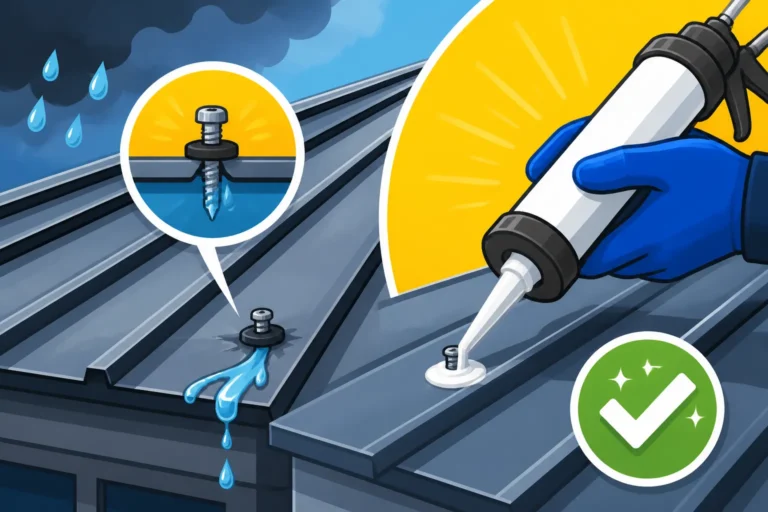
Metal roofs, especially exposed fastener systems like corrugated or R-panel roofs, rely on hundreds, sometimes thousands, of screws to secure the panels to the purlins or decking. Over time, these fasteners can loosen due to the constant stress of wind, thermal movement, or even improper installation. When a screw loosens, the panel it's holding can shift slightly, creating a creaking or popping sound as it rubs against the screw head or the surrounding metal. The rubber washers on these screws can also degrade, allowing for more play and noise.
Sometimes, it's not just a loose fastener but a completely dislodged one, or a panel that wasn't adequately secured to begin with. This is particularly common in areas prone to high winds, which can exert significant uplift forces on the roof. A panel that’s only partially secured will flap or rattle in the wind, producing distinct noises that differ from the rhythmic pops of thermal expansion. If you suspect loose panels or screws, a visual inspection from the ground or by a professional is warranted. Learning more about Metal Roof Fasteners and Washers Explained can help you understand these components better.
Installation Errors
Unfortunately, not all roofing contractors are experts in metal roof installation, and mistakes can lead to a noisy roof. One of the most common errors is "over-fastening" or fastening panels too tightly, especially with exposed fastener systems. This prevents the metal from expanding and contracting freely. When the panels can't move as they're designed to, they build up stress, which is then released suddenly, often with a loud pop or crack. It's like bending a piece of metal until it snaps back.
Another installation mistake involves improper spacing or alignment of panels, leading to them rubbing against each other or against flashing components. If the underlayment isn't installed correctly or if the roof deck isn't perfectly flat, it can also create unevenness that leads to creaking and groaning as the metal adjusts. Improper trimming around vents, skylights, or chimneys can also create pinch points where metal can’t move, leading to stress and noise. This is why hiring a qualified, experienced contractor is paramount; a proper Metal Roof Installation Process: Step by Step minimizes these issues. Make sure your contractor follows manufacturer specifications to the letter, or you might end up with problems down the road.
Wind and Weather Impact
Beyond thermal changes, external weather conditions can also make your metal roof noisy. Strong winds, particularly those that create updrafts, can cause panels to lift and flex slightly, even if they are securely fastened. This flexing can create rattling or booming sounds, especially on thinner gauge metal panels. On a windy day, you might hear a general hum or vibration that's distinct from the sharp pops of thermal movement. This is often more pronounced with less rigid panel profiles, such as corrugated panels.
Hail, while usually not a major issue for the integrity of a metal roof (especially Class 4 impact-rated ones), can certainly cause noise during a storm. The sound of hailstones hitting metal can be quite dramatic, but once the storm passes, the roof should return to its normal state. Heavy rain can also produce a distinctive pattering sound, which some find soothing, others less so. The severity of these weather-related noises often depends on the type of metal profile, the gauge of the metal, and the quality of the installation, including the presence of proper Metal Roof Underlayment and Ventilation Guide which can help dampen sound.
Diagnosing and Addressing the Popping Sounds
Identifying the exact source of metal roof noises can be a bit of a detective job. Is it constant, or only at certain times of day? Is it localized or widespread?
DIY Inspection Tips
Before you call in the cavalry, there are a few things you can do to narrow down the potential causes. First, pay attention to when the noises occur. If they are most prominent during sunrise and sunset, or during significant temperature swings, thermal expansion is likely the culprit. If they only happen during windy conditions, it points to loose panels or fasteners.
From the ground, walk around your home and visually inspect the roof. Look for any obvious signs of loose panels, raised fasteners, or areas where flashing appears to be pulling away. Use binoculars for a closer look if safe to do so. Pay particular attention to edges, eaves, and areas around chimneys, skylights, and vents, as these are common places for issues to arise. You might also notice what's called "oil canning," which are slight waves or distortions in the flat part of the metal panels, though this is primarily an aesthetic issue and not directly a cause of popping noises. If you're comfortable and have proper safety equipment, a closer inspection of the roof surface can be more informative, but always prioritize safety or consider hiring a professional. A regular Metal Roof Maintenance Guide can help you keep an eye on these potential issues.
When to Call a Professional
While some minor issues might be identifiable through DIY inspection, it’s always best to call a professional metal roofing contractor if you suspect structural problems, significant damage, or if you're uncomfortable inspecting the roof yourself. An experienced contractor can perform a thorough How to Inspect a Metal Roof for Leaks and other issues safely and efficiently. They have the specialized knowledge to identify subtle installation errors, worn fasteners, or manufacturing defects that might be contributing to the noise.
It's especially critical to bring in a pro if the noises are accompanied by other worrying signs, such as visible leaks, excessive oil canning, or panels that appear to be detaching from the roof. If your roof is relatively new and noisy, it could indicate an installation flaw that might be covered under a Metal Roof Warranties: Workmanship vs Manufacturer. Reputable contractors often offer free inspections or estimates, and getting multiple quotes from different companies, perhaps using a service like Modernize, can give you peace of mind and help you compare options.
Potential Solutions and Preventative Measures
Addressing metal roof noises often depends on the underlying cause. If it's purely thermal expansion and contraction in an otherwise well-installed roof, it might just be a characteristic you learn to live with. However, some measures can help mitigate the sound. For exposed fastener systems, replacing old, hardened washers with new, flexible ones can help absorb some of the movement and quiet the screws. For excessively noisy fasteners, a contractor might recommend re-tightening or replacing them with a slightly larger gauge screw, but this should be done carefully to avoid stripping the holes.
For installation errors, the solutions can be more involved. If panels are too tightly fastened, a professional might need to loosen or replace specific fasteners to allow for proper movement. In some severe cases of chronic installation errors, a partial or complete re-installation of sections might be necessary, which can be a significant undertaking and impact your Metal Roof Cost: Complete 2026 Guide. If panels are rubbing, strategic application of a specialized sealant or a thin, durable shim can reduce friction. When considering a new metal roof, always prioritize a reputable contractor who understands the nuances of metal roof installation, pays attention to Metal Roof Components & Accessories Explained, and ensures proper allowances for thermal movement.
Here’s a quick overview of common metal roof noises and their likely causes:
| Type of Noise | Primary Cause | Indicators | Potential Solutions |
|---|---|---|---|
| Popping/Clicking | Thermal Expansion & Contraction | Occurs with temperature changes (sunrise, sunset, seasonal shifts) | Minor thermal movement is normal; ensure proper installation (floating clips). |
| Creaking/Groaning | Improper Fastening/Panel Rubbing | Can be frequent or sporadic, often linked to stress points | Loosen over-tightened fasteners, address panel-to-panel friction. |
| Rattling/Flapping | Loose Panels or Fasteners | Most noticeable in windy conditions; visible movement of panels/fasteners | Re-secure loose fasteners, replace worn washers, ensure all panels are secure. |
| Booming/Vibration | High Winds | Occurs during strong gusts; sound resonates through the structure | Ensure proper panel gauge for local wind conditions, check securement. |
| Dripping | Leaks (unrelated to popping, but often confused) | Visible water stains, drips inside | Locate and seal leaks; often requires professional inspection. |
Getting a professional evaluation is always a good starting point to differentiate between normal thermal noises and those indicating a problem. Organizations like Modernize can help connect you with local, qualified roofing professionals who can assess your specific situation and recommend the most effective solutions, whether it's a minor repair or a more involved adjustment. Remember, a well-installed metal roof should provide decades of performance, and addressing unusual noises proactively can help ensure its longevity.
Disclaimer
Please note that the information provided in this article is intended for general guidance and informational purposes only, and does not constitute professional advice. Roofing work can be complex and dangerous. Always consult with a qualified and licensed metal roofing professional for specific advice tailored to your situation and before undertaking any significant repairs or installations.