Does a Galvalume Roof Rust or Corrode?
It’s a valid concern, isn't it? When you're looking at investing in a beautiful, long-lasting metal roof, the last thing you want to worry about is rust or corrosion appearing after just a few years. Homeowners frequently ask if their new Galvalume roof will stand the test of time against the elements, especially in areas with harsh weather or salty air. This guide is here to put those worries to rest and give you a deep understanding of Galvalume roofing, how it protects against corrosion, and what you can do to ensure its longevity.
The Truth About Galvalume and Rust: How it Works
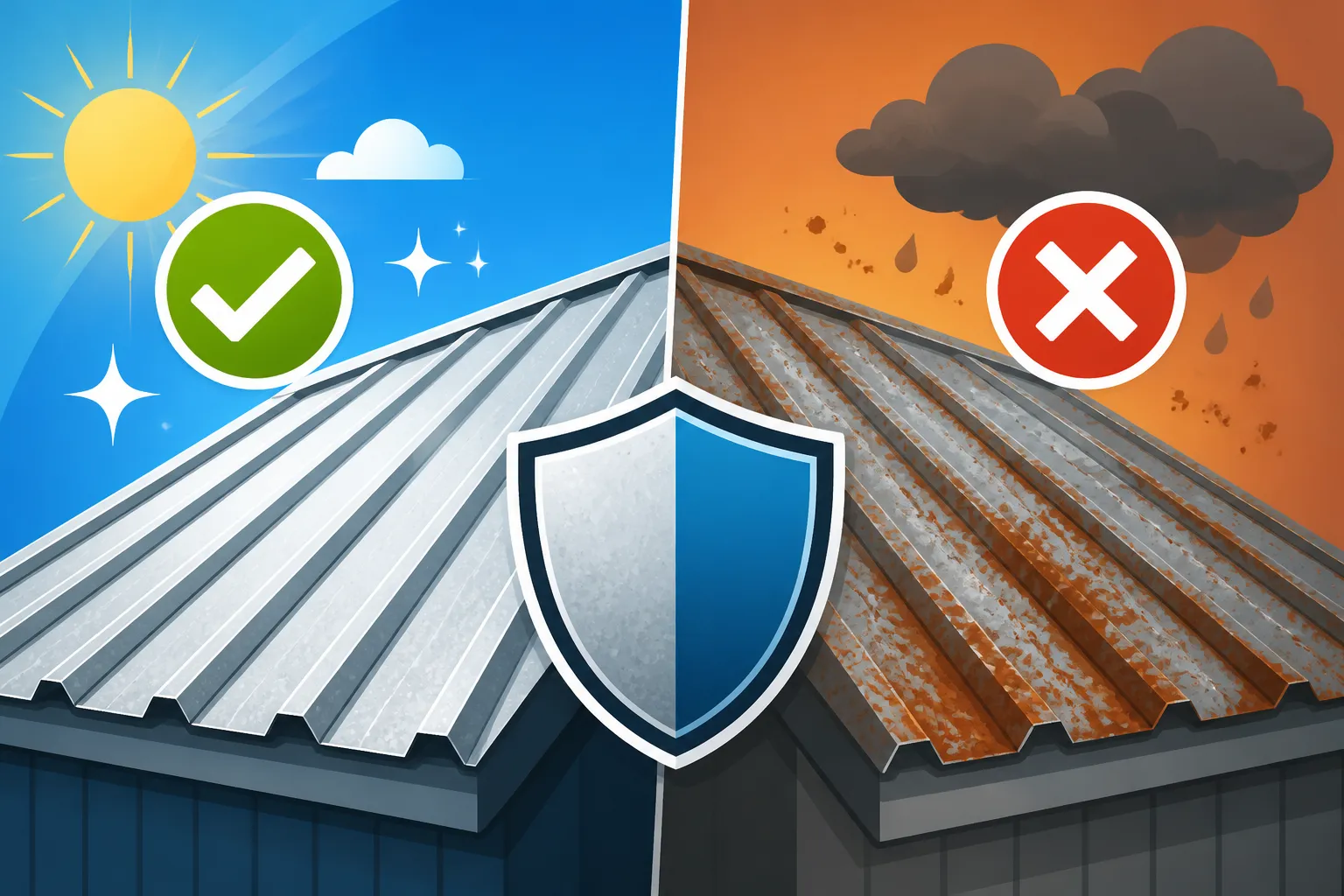
Let's cut right to the chase: a properly manufactured and installed Galvalume roof is exceptionally resistant to rust and corrosion. This isn't just marketing speak; it's a testament to some clever metallurgical engineering. Unlike traditional galvanized steel, which relies solely on a zinc coating, Galvalume takes protection to the next level by combining zinc with aluminum. This unique blend creates a superior shield that offers outstanding durability, especially against the environmental stressors that often plague other roofing materials.
The base of a Galvalume panel is typically a high-strength steel sheet, which provides the structural integrity you expect from a metal roof. What makes it special is the metallic coating applied to both sides. This coating is usually 55% aluminum, 43.4% zinc, and a small percentage of silicon. This specific alloy ratio is the secret sauce that gives Galvalume its legendary resistance. The aluminum provides a tough, impervious barrier against moisture and air, while the zinc offers cathodic protection, meaning it sacrificially corrodes to protect any exposed steel beneath it. It's like having two layers of defense working in harmony to keep your roof looking fantastic for decades. If you're curious about the makeup, you might want to delve into what is Galvalume roofing made of?
Understanding the Dual Protection Mechanism
The ingenious design of Galvalume gives it a significant edge over other metal roofing options, particularly concerning its anti-corrosion properties. There are two primary ways this coating works to protect your roof panels.
Firstly, the aluminum in the coating forms a dense, stable oxide layer on the surface. Think of it as a natural, invisible shield that blocks moisture, chemicals, and pollutants from ever reaching the underlying steel. This barrier protection is incredibly effective and durable, meaning even if the surface is lightly scratched, the aluminum oxide will likely still protect the steel from exposure. It's a bit like how a good waterproof jacket keeps you dry; it simply doesn't let the wet stuff through. This tough barrier is a major reason why Galvalume roofing maintains its appearance and structural integrity even in challenging climates.
Secondly, the zinc component provides what's known as "cathodic protection," or sacrificial protection. This is where the magic really happens at a microscopic level. If a scratch or cut penetrates through the coating and exposes the steel base metal, the zinc will preferentially corrode instead of the steel. Because the zinc and aluminum are metallurgically bonded to the steel, the zinc effectively "sacrifices" itself to protect the more noble steel. This self-healing property helps prevent rust from spreading from minor abrasions, which is a common failure point for many other coated metals. It’s like having a tiny, self-repairing army protecting your roof from within.
Galvalume vs. Galvanized Steel: A Key Distinction
When homeowners hear "metal roof," many often think of "galvanized steel," which has been around for a very long time. It's crucial to understand the difference between galvanized and Galvalume because it directly impacts rust and corrosion resistance. While both use a zinc coating, the addition of aluminum in Galvalume changes the game entirely.
Traditional galvanized steel is simply carbon steel coated with 100% zinc. While zinc does provide excellent sacrificial protection, its barrier properties aren't as robust as aluminum. Over time, especially in humid or acidic environments, the zinc layer on a galvanized roof can deplete, leaving the steel vulnerable to red rust. You might see this on older corrugated roofs where the grey patina gives way to orange streaks. For a detailed breakdown of the differences, check out our guide on Galvalume vs Galvanized Steel Roofing.
Galvalume, on the other hand, leverages the best of both worlds. The aluminum provides that superior barrier, slowing down the rate at which the zinc is consumed. This means the sacrificial protection lasts much, much longer. Independent studies and accelerated weathering tests have consistently shown that Galvalume coatings can last two to four times longer than galvanized coatings of the same thickness. So, while both offer protection, Galvalume is engineered for significantly extended resistance to the elements, translating to a much longer lifespan for your roof. This extended performance directly translates into greater peace of mind and less maintenance for you over the decades.
Common Scenarios Where Corrosion Can Occur (and Why)
While Galvalume is incredibly robust, it's not entirely immune to corrosion under all circumstances. Understanding these potential vulnerabilities isn't a sign of weakness in the material itself, but rather a guide to best practices in installation and maintenance. Knowing where and why issues might arise helps you prevent them, ensuring your roof truly lasts for its expected lifespan. Even the toughest materials have their limits, and often, problems stem from external factors or improper handling rather than inherent flaws.
Exposed Edges, Fastener Points, and Cuts
This is perhaps the most common area where you might see corrosion on a Galvalume roof, and it's almost always a result of installation methods rather than material failure. When Galvalume panels are cut, especially on-site, the protective aluminum-zinc coating is severed, exposing the steel core. While the zinc component of the coating will attempt to offer some sacrificial protection to this exposed edge, it's a vulnerable spot. Over many years, if not properly treated, these cut edges can eventually show signs of red rust. This is particularly true if the cuts are made roughly or if metal filings are left on the surface after cutting.
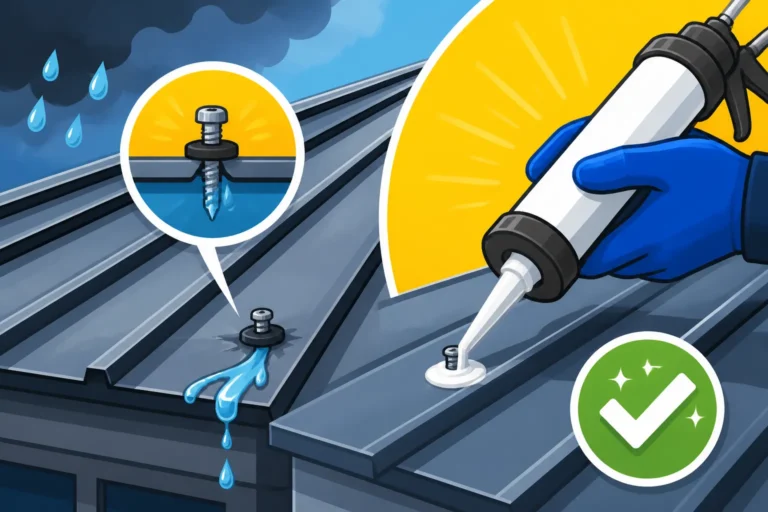
Similarly, every fastener that penetrates the panel creates a small, exposed area. High-quality metal roofing screws come with durable rubber washers designed to seal this penetration. However, if these washers degrade over time, are overtightened, or are installed incorrectly, water can seep in, leading to localized corrosion around the fastener head or hole. This is why paying attention to details during installation is paramount. Choosing a reputable contractor who understands the nuances of metal roofing installation, particularly for products like Galvalume, can make all the difference. If you're considering the DIY route or simply want to know what to look for, our guide on Metal Roof Components & Accessories Explained offers insights into fasteners and seals.
Dissimilar Metals and Chemical Exposure
Another critical, yet often overlooked, cause of corrosion on metal roofs, including Galvalume, is galvanic corrosion. This occurs when two different types of metal come into direct contact in the presence of an electrolyte, like rainwater. The more "active" metal will corrode at an accelerated rate to protect the more "noble" metal. For example, if copper flashing or lead plumbing vents are installed directly adjacent to Galvalume panels without proper isolation, the Galvalume (or more accurately, its zinc component) can be sacrificially eaten away much faster than normal. This is a common issue with older homes adding new metal roofs or in repair scenarios where mismatched materials are used.
Beyond galvanic corrosion, exposure to certain harsh chemicals can also compromise the Galvalume coating. This could include things like strong industrial cleaners, certain agricultural chemicals, or even runoff from pressure-treated lumber that contains copper compounds. In coastal areas, prolonged exposure to salt spray, while generally well-handled by Galvalume thanks to its aluminum content, can still accelerate the degradation process over many decades if proper maintenance isn't followed. Understanding these risks helps homeowners and installers make informed decisions about material choices and environmental considerations.
Improper Installation and Lack of Maintenance
Honestly, a huge percentage of roofing problems, including premature corrosion on Galvalume, can be traced back to installation errors or a complete lack of maintenance. Even the best materials in the world can fail if they aren't put on correctly or looked after. For instance, leaving metal shavings from cutting on the roof surface is a common mistake. These tiny pieces of bare steel will rust, and that rust can then stain the Galvalume panels, giving the appearance of panel corrosion even if the panel itself is intact. These shavings can also become embedded in the coating, creating localized points for rust to develop.
Poor ventilation under the roof deck can also lead to condensation, trapping moisture against the underside of the panels. While Galvalume is designed to withstand moisture, prolonged, stagnant dampness can contribute to issues over many years. This is where a good Metal Roof Underlayment and Ventilation Guide becomes indispensable. Additionally, simply not cleaning your roof can allow leaves, dirt, and other debris to accumulate, especially in valleys or around flashing. These organic materials can hold moisture and create an environment conducive to biological growth or chemical reactions that can slowly degrade the coating. Regular inspections and basic cleaning, as outlined in a good Metal Roof Maintenance Guide, can prevent many of these headaches before they start. If you want to ensure your roof is installed correctly and maintained, consider seeking out professionals through services like Modernize, which connects you with qualified local roofers.
Keeping Your Galvalume Roof Pristine: Prevention and Maintenance
Now that we understand how Galvalume protects against corrosion and where potential vulnerabilities lie, let's talk about what you can do to keep your roof looking fantastic for its entire lifespan. Proactive prevention and diligent maintenance are your best friends here. You’ve invested in a durable product; now let's make sure it lives up to its full potential!
Best Practices for Installation and Care
The installation phase is absolutely critical for the long-term performance of your Galvalume roof. Hiring an experienced metal roofing contractor who understands the material's specific requirements is paramount. They know how to handle the panels to avoid unnecessary scratches, how to make clean cuts, and, crucially, how to properly clean up after cutting. Many experienced installers will use specialized shears or nibblers for cuts rather than abrasive saws, which can throw hot sparks and metal dust across the panels, embedding tiny rust-prone particles. Any exposed cut edges should be treated with a compatible edge primer or paint to offer additional protection against rust.
After installation, regular, gentle cleaning is your best defense. This doesn't mean you need to be up on your roof every other week, but a yearly or bi-annual inspection and cleaning can go a long way. Use a soft brush and mild soapy water to remove accumulated dirt, leaves, and other debris. Pay special attention to valleys, around chimneys, and along eaves where debris tends to collect. Avoid harsh abrasive cleaners or pressure washers, as these can damage the coating. It's about being thorough but gentle. If you're unsure about cleaning or inspection, consider consulting a professional. If you need help finding a reliable professional, services like Modernize can help you connect with local roofing contractors who specialize in metal roofs.
Addressing Minor Corrosion
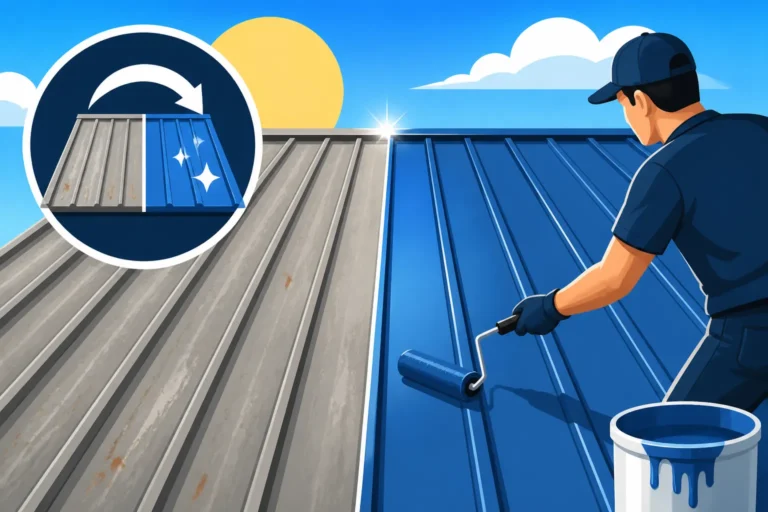
Despite best efforts, sometimes minor surface imperfections or light corrosion might appear. The good news is that these can often be addressed effectively if caught early. For simple surface rust, often from external sources like metal dust or runoff, a non-abrasive cleaner specifically designed for metal roofing can often remove the stains without harming the Galvalume coating. Always test any cleaning product in an inconspicuous area first to ensure it doesn't discolor your panels.
If you notice actual red rust on an exposed cut edge or around a fastener where the coating has been compromised, you might need a more targeted approach. First, gently clean the area to remove any loose rust or debris. Then, apply a rust-inhibiting primer followed by a high-quality touch-up paint that is compatible with your Galvalume roof's finish. Many manufacturers offer touch-up kits for their specific colors and coatings. This isn't just about aesthetics; it's about re-establishing a protective barrier to prevent the corrosion from spreading and compromising the integrity of the panel. For more in-depth guidance on handling these issues, our Metal Roof Rust and Corrosion Treatment guide offers practical steps.
Choosing the Right Contractor and Materials
This might sound obvious, but it bears repeating: the quality of your installation plays a massive role in whether your Galvalume roof ever experiences corrosion issues. A poorly installed roof, even with the best materials, is a recipe for problems down the line. Look for contractors who specifically have experience with metal roofing, not just asphalt shingles. Ask them about their cutting methods, their clean-up procedures, and how they handle flashing and fasteners. Don't be afraid to ask for references or to see examples of their past work.
Beyond the installer, the quality of the Galvalume panels themselves matters. Not all Galvalume is created equal; look for products that meet industry standards for coating thickness (e.g., AZ50 or AZ55 for residential applications), which indicates the amount of aluminum-zinc alloy applied. Higher coating weights generally mean better corrosion resistance and a longer lifespan. Furthermore, ensure that any accessories, like fasteners, flashing, and sealants, are compatible with Galvalume to prevent galvanic corrosion or chemical reactions. Our guide on How to Hire a Metal Roofing Contractor can help you navigate the process of selecting a skilled professional. Using a service like Modernize can also streamline the process of getting quotes from vetted, local professionals who understand these nuances.
Understanding the Lifespan and Durability of Galvalume Roofing
One of the most compelling reasons homeowners choose Galvalume is its impressive longevity. It’s designed to be a "set it and forget it" kind of roof, offering decades of worry-free performance. But what does that really mean in terms of lifespan, and what factors contribute to its remarkable durability?
Expected Lifespan and Warranty Coverage
When it comes to how long your roof will last, Galvalume truly shines. Most Galvalume metal roofs are expected to last between 40 to 70 years, and sometimes even longer, with proper installation and maintenance. This is significantly longer than traditional asphalt shingles, which typically need replacement every 15-30 years. This extended lifespan contributes to a fantastic return on investment, as you won't be facing frequent roof replacements. This also translates to fewer resources consumed over the life of your home, making it a more sustainable choice. To truly understand the long-term value, consider reading our comprehensive article on Metal Roof Lifespan: How Long Do They Last?.
Manufacturers typically back Galvalume products with substantial warranties, reflecting their confidence in the material's durability. These warranties often cover things like perforation from rust (where the material completely corrodes through) and sometimes even paint finish performance against chipping, cracking, or fading. While exact terms vary by manufacturer, a common warranty might guarantee against perforation for 25 to 50 years, and a paint finish warranty might be 20 to 30 years. It’s always crucial to read the specific warranty document for your chosen product to understand what’s covered, for how long, and any conditions that might void it. For a deeper dive into understanding these agreements, our article Metal Roof Warranties: Workmanship vs Manufacturer is an excellent resource.
Factors Influencing Long-Term Performance
While Galvalume is inherently durable, several factors can influence whether your roof reaches the upper end of its expected lifespan. The first, as we've discussed, is the quality of the installation. A roof installed by experienced professionals who adhere to best practices will inevitably last longer than one put on carelessly. This includes proper panel handling, precise cutting, correct fastening, and meticulous flashing.
The environmental conditions your home faces also play a role. Homes in extremely harsh coastal environments with constant salt spray, or those in areas with high industrial pollution, might see a slightly faster degradation of the coating over several decades compared to a home in a mild, dry climate. However, Galvalume is still one of the best choices for these challenging environments due to its superior corrosion resistance compared to many other materials.
Finally, regular, simple maintenance cannot be overstated. Keeping the roof surface clean of debris, ensuring proper drainage, and promptly addressing any minor damage or sealant issues will prevent small problems from becoming larger ones. This proactive approach helps preserve the protective coating and structural integrity, ensuring your Galvalume roof continues to provide decades of reliable protection and beauty for your home. Ultimately, choosing Galvalume is choosing a long-term investment, and a little care goes a very long way in protecting that investment.
| Feature | Galvalume Roof | Notes |
|---|---|---|
| Composition | Steel core coated with 55% Aluminum, 43.4% Zinc, 1.6% Silicon | The unique aluminum-zinc alloy provides a dual protection mechanism. |
| Primary Protection | Dual: Barrier protection (aluminum) & Cathodic protection (zinc) | Aluminum forms a tough oxide layer, blocking moisture. Zinc sacrificially corrodes to protect exposed steel at cuts/scratches. |
| Rust Resistance | Excellent; highly resistant to red rust formation. Outperforms galvanized steel significantly. | Designed specifically to combat rust and corrosion effectively for decades, even in varied climates. |
| Common Corrosion Triggers | Exposed cut edges, dissimilar metal contact (e.g., copper), prolonged exposure to harsh chemicals, improper fastening. | These issues are typically preventable with correct installation techniques and material compatibility. Always clean up metal shavings after cutting. |
| Expected Lifespan | 40-70+ years | One of the longest-lasting roofing materials available, offering superior durability compared to asphalt shingles. |
| Warranty | Typically 25-50 years against perforation, 20-30 years for paint finish (varies by manufacturer). | Strong warranties reflect manufacturer confidence. Always review specific warranty documents for coverage details. |
| Maintenance | Low; regular cleaning (yearly/bi-annual) and inspections are recommended to remove debris and check for issues. | Avoid harsh abrasives or pressure washers. Promptly address any minor scratches or sealant failures with compatible touch-up products. |
| Cost Implications | Generally a higher upfront cost than asphalt, but significantly lower lifecycle cost due to extreme longevity and low maintenance. | For a detailed look at the investment, see our How Much Does Galvalume Roofing Cost Installed guide or a broader look at Metal Roof Cost by Material: Steel vs Aluminum vs Copper vs Zinc. |
Disclaimer
This article is for general informational purposes only and does not constitute professional advice. Laws, prices and regulations vary by location and change over time. Consult a qualified professional for guidance on your specific situation.