How Long Does a R-Panel Metal Roof Last?
Choosing a new roof for your home is a huge decision, and one of the biggest anxieties homeowners face is wondering how long their investment will actually last. You've heard amazing things about metal roofs, but with all the different types out there, it can be tough to cut through the noise and figure out what to expect from a specific style, like the popular R-panel. This guide is here to shed light on the real-world lifespan of an R-panel metal roof, breaking down exactly what impacts its longevity and how you can ensure yours stands the test of time.
Understanding R-Panel Metal Roof Lifespan
When you’re looking at R-panel metal roofing, you’re often thinking about durability and a long service life, and for good reason. R-panel roofs are characterized by their sturdy, exposed fastener panels with major ribs that are typically 1.25 inches high and spaced 12 inches apart, designed for strength and efficiency. Many people associate them with commercial buildings or agricultural structures, but they've gained significant traction in residential applications too, especially for homeowners seeking a robust, low-maintenance option that still looks sharp.
So, how long can you realistically expect an R-panel metal roof to last? Generally speaking, a well-installed and properly maintained R-panel metal roof can serve your home for anywhere from 30 to 50 years, and often even longer. This is a significant jump compared to traditional asphalt shingle roofs, which typically last 15-30 years. The materials used, particularly the type of steel and its coatings, play a crucial role in determining the upper end of this spectrum. For instance, panels made from Galvalume steel, which is a blend of zinc and aluminum, offer superior corrosion resistance and can push that lifespan closer to the 50-year mark, sometimes even beyond in ideal conditions. You might be surprised to learn that some of the earliest metal roofs are still going strong after 70 or 80 years!
However, it's important to differentiate this from a standing seam metal roof, which often boasts an even longer lifespan, sometimes exceeding 70 years, mainly due to its concealed fastener system. With R-panel, the exposed fasteners are a key distinction and a common point of eventual maintenance, as we'll discuss. Despite this, the inherent strength and robust nature of the panel design itself means it's built to endure a wide range of environmental stresses, from heavy snow loads to high winds, making it a truly long-lasting choice for most homes. If you're wondering What Is a R-Panel Metal Roof?, you'll find it's a versatile and cost-effective option for many.
Key Factors Influencing R-Panel Longevity
It’s not just about picking an R-panel roof and forgetting about it. Several critical factors come into play that can either extend its life far beyond expectations or, unfortunately, cut it short. Understanding these elements is key to ensuring your investment pays off for decades to come.
Material Quality and Gauge
The quality of the metal itself is paramount. R-panel roofs are typically made from steel, often with a Galvalume or galvanized coating. As mentioned, Galvalume offers excellent corrosion resistance, making it a top choice for longevity, especially in humid or coastal areas. However, not all Galvalume is created equal, and the thickness of the coating matters. A higher quality coating will provide a better barrier against the elements.
Beyond the coating, the gauge of the steel is incredibly important. Gauge refers to the thickness of the metal, with a lower gauge number indicating a thicker, more durable panel. For residential applications, you'll commonly see R-panel roofs in 26-gauge or 24-gauge steel. While 29-gauge is available, it's often considered too thin for primary residential roofing, being more suited for agricultural buildings or siding. A 24-gauge panel will naturally withstand impacts, resist bending, and generally outlast a 26-gauge panel simply due to its greater material mass and rigidity. Thicker gauges mean less susceptibility to denting from hail or falling debris, and a more robust structure overall. Getting more details on Metal Roof Gauges Explained: 22, 24, 26 & 29 can help you make an informed decision.
Installation Quality and Fastener Integrity
This is perhaps the single most critical factor for an R-panel roof's long-term performance. Unlike standing seam roofs where fasteners are hidden, R-panels use exposed fasteners that penetrate through the metal panel into the roof deck. Each screw creates a potential entry point for water if not installed correctly. High-quality fasteners are essential, typically made of stainless steel or carbon steel with protective coatings, and should include a durable EPDM (ethylene propylene diene monomer) washer that creates a watertight seal.
A skilled installer understands the nuances of proper screw placement, torque, and pattern, ensuring that each fastener is tight enough to seal but not over-tightened, which can damage the washer. Incorrect installation can lead to premature wear of these washers, causing leaks and requiring early maintenance or repair. Poor installation can also lead to issues like "oil canning" (visible waviness in the panels) or improper panel alignment, which can compromise the roof's structural integrity and aesthetic appeal over time. This is why when you're thinking about your Metal Roof Installation Process: Step by Step, choosing a reputable contractor is crucial.
Environmental Conditions and Maintenance Schedule
The environment your home is in plays a huge part. Homes in areas with frequent severe weather events, like strong hail, high winds, or heavy snow, will put more stress on an R-panel roof. While metal roofs are excellent for these conditions, extreme and repetitive events can shorten the lifespan, especially for the exposed fasteners. For example, a home in Oklahoma City, prone to hail, might see faster wear on its R-panel roof than one in a milder climate.
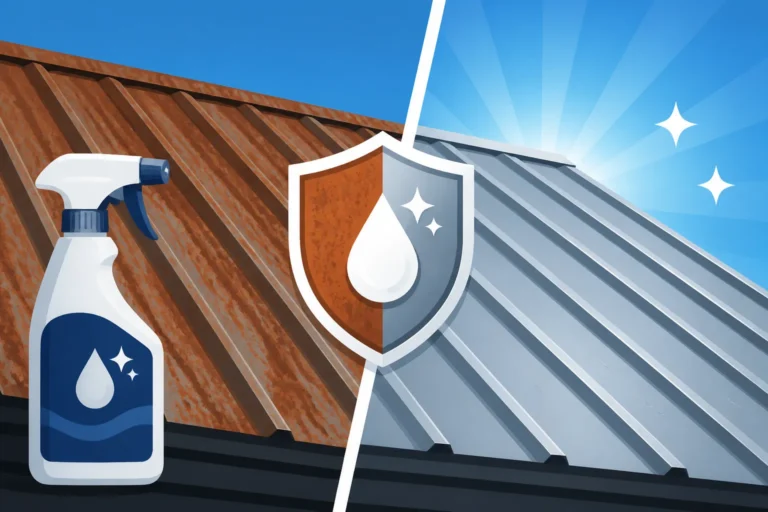
Saltwater exposure near coastal regions is another significant factor, accelerating corrosion if the metal or coating isn't specifically designed for marine environments. Regular maintenance is the counterpoint to these environmental challenges. Neglecting periodic inspections and routine upkeep can allow small issues, like a loosening fastener or a compromised washer, to escalate into major problems. This includes cleaning debris, checking for any signs of rust or wear, and re-tightening or replacing fasteners as needed. Following a solid Metal Roof Maintenance Guide can add years to your roof's life.
Maximizing the Life of Your R-Panel Roof
You've made a significant investment in an R-panel metal roof, and understandably, you want it to last as long as possible. The good news is that with a little proactive effort, you can significantly extend its lifespan, potentially pushing it beyond the typical 30-50 year range.
Choosing the Right Materials and Installation Partner
It all starts at the very beginning. When selecting your R-panel, prioritize quality. Opt for panels made from high-grade Galvalume steel, known for its superior corrosion resistance compared to standard galvanized steel. Additionally, don't skimp on the gauge. While a 26-gauge might be more budget-friendly initially, a 24-gauge or even 22-gauge panel will offer greater rigidity, impact resistance, and overall durability, especially if you live in an area prone to severe weather. Considering the full range of Metal Roofing Materials Compared: Steel, Aluminum, Copper & Zinc can help you understand your options.
Equally important is who installs your roof. An R-panel roof relies heavily on precise installation, especially regarding its exposed fasteners. These fasteners need to be driven to the correct depth – not too loose, which can allow water intrusion, and not too tight, which can strip the threads or damage the washer. Always choose an experienced, reputable roofing contractor who specializes in metal roofing. Ask to see their portfolio of R-panel installations, check references, and ensure they offer comprehensive warranties on both materials and workmanship. A skilled contractor will use high-quality, long-lasting screws with robust EPDM washers designed to withstand UV exposure and temperature fluctuations for decades. Tools like Modernize can help connect you with pre-vetted local contractors who have a proven track record.
Regular Inspections and Proactive Maintenance
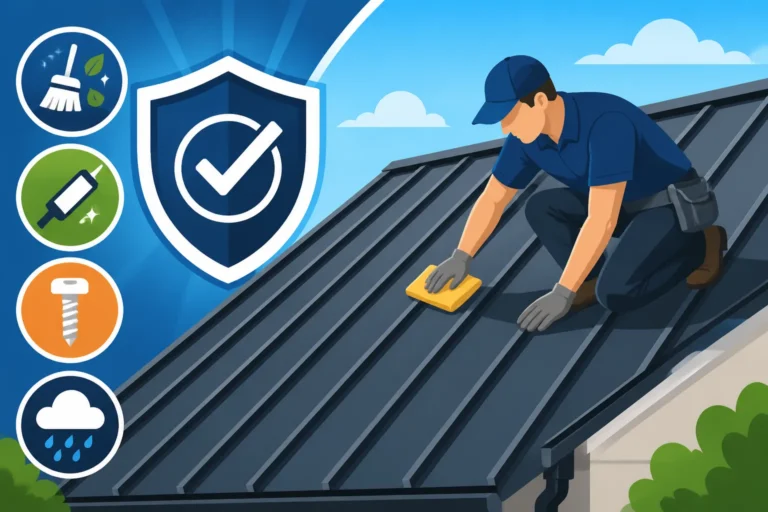
The single most impactful thing you can do to maximize your R-panel roof's life is to perform regular, thorough inspections and address any issues proactively. We're talking at least once a year, and ideally twice – once in the spring after winter stresses, and again in the fall before winter sets in.
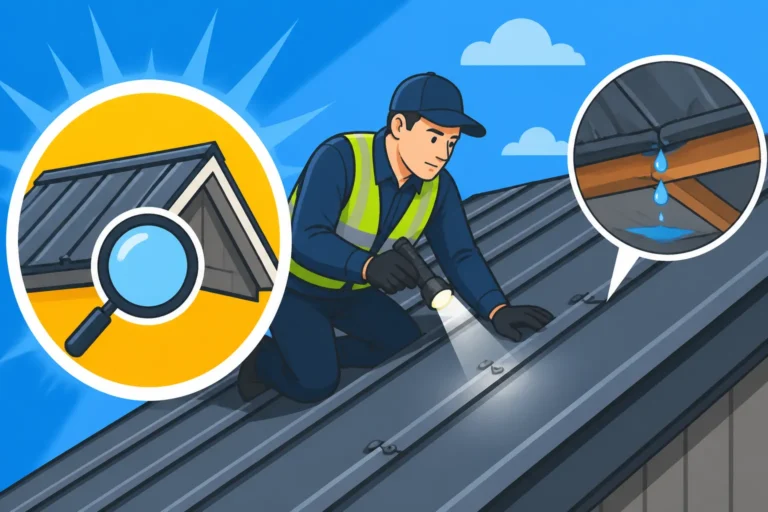
During these inspections, pay close attention to the fasteners. Are any screws backing out or appearing loose? Are the rubber washers still intact and flexible, or do they look cracked, dry-rotted, or missing? These washers are critical for preventing leaks, and they are typically the first component to show signs of wear. If you spot any issues, have them addressed immediately. This might involve re-tightening a screw, or in some cases, replacing the entire fastener with a new, oversized one if the original hole is compromised. This proactive approach prevents small, manageable problems from becoming expensive leaks down the line. Keep an eye out for Warning Signs Your Metal Roof Needs Attention to catch issues early.
Cleaning and Debris Removal
While R-panel roofs are often pitched steeply enough to shed most debris naturally, it's still a good practice to ensure they are free of leaves, branches, and other organic matter, especially in valleys and around penetrations like chimneys or skylights. Built-up debris can trap moisture, leading to localized corrosion or the growth of moss and algae, which can degrade coatings over time.
A gentle rinse with a garden hose can often do the trick. For more stubborn grime, a soft brush and a mild, non-abrasive cleaning solution (check with your manufacturer for approved products) can be used. Avoid pressure washers, as their high force can damage coatings or lift panels if not used extremely carefully by a professional. Always exercise extreme caution when working on a roof, or better yet, hire a professional to handle roof cleaning and inspections for you.
When to Consider Repairing vs. Replacing Your R-Panel Roof
Deciding whether to repair a problem with your R-panel roof or go for a full replacement can feel like a daunting choice. It’s a common dilemma, especially as your roof ages. There’s a sweet spot where repairs are cost-effective and extend life, and then there’s a point where continued patching just becomes throwing good money after bad. Understanding the signs and knowing when to call in the professionals is key.
Identifying Common R-Panel Roof Issues
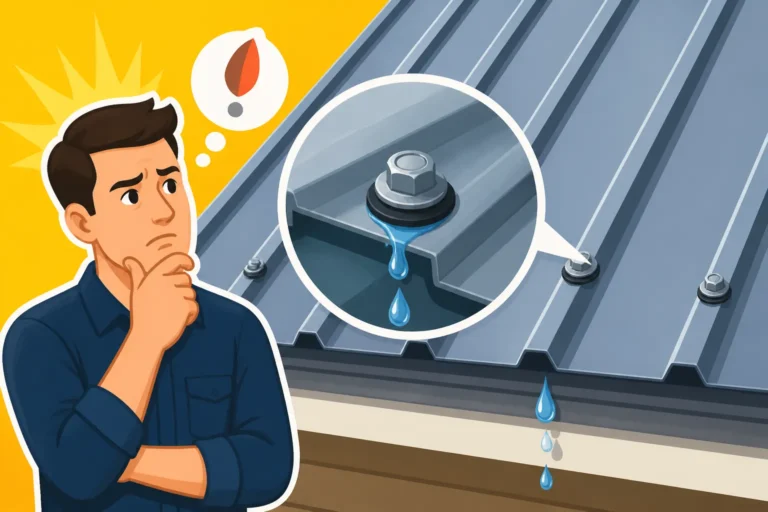
R-panel roofs, despite their durability, aren’t immune to problems. The most common issues homeowners face often revolve around the exposed fasteners. Over time, the EPDM washers under the screw heads can degrade due to UV exposure, extreme temperatures, and general wear. This leads to them cracking, shrinking, or even completely disintegrating, creating pathways for water. You might notice isolated leaks, often directly correlating with the position of a fastener inside your home. Similarly, screws can sometimes back out slightly, losing their seal, especially if not torqued correctly during initial installation or if the roof experiences significant thermal expansion and contraction cycles.
Other issues might include minor cosmetic dents from hail or falling debris, fading or chalking of the paint finish, or localized corrosion spots, particularly in areas where the coating has been scratched or compromised. Panel uplift due to high winds, while less common with proper installation, can also occur at the edges or where panels meet if fasteners fail. These are all things that a skilled roofer can often address with targeted repairs. If you're seeing signs like these, our guide on Metal Roof Leak Repair Guide might be a useful resource.
Repair vs. Replace Scenarios
The decision to repair or replace often comes down to the extent of the damage, the age of the roof, and the overall cost-effectiveness.
- Minor, Localized Issues (Repair): If you're dealing with just a handful of leaking fasteners, a few minor dings, or some isolated surface rust, repairs are usually the most sensible option. A professional roofer can replace compromised fasteners, apply specialty sealants to small rust spots, or even replace individual damaged panels if the damage is confined. This is particularly true for younger roofs (under 20-25 years old) where the underlying panels and structure are still in excellent condition. The cost of these repairs is generally low compared to a full replacement, and it can buy you many more years of service.
- Widespread Fastener Failure or Coating Degradation (Repair/Replace): If a large percentage of your fasteners are failing across the entire roof, or if the protective coating is severely deteriorated, showing widespread chalking, fading, or even blistering, the decision becomes trickier. While replacing all fasteners is possible, it’s a labor-intensive job. If the panels themselves are still structurally sound, a recoating system might be an option, but this is a significant undertaking with its own costs and considerations. At this point, especially if your roof is nearing the 25-30 year mark, the long-term value of continued repairs versus a full replacement starts to shift.
- Extensive Structural Damage or Age (Replace): When your R-panel roof is past the 35-40 year mark, or if it has suffered widespread damage from a severe storm (like significant hail damage across many panels, or multiple areas of severe corrosion), a full replacement is likely the most economical and prudent choice. At this stage, the underlying metal itself may be weakening, and the protective coatings might be at the end of their functional life. Trying to continually patch an old, failing roof often leads to recurring problems, frustration, and ultimately, a higher overall cost than simply getting a new, reliable system. Modernize can help you compare quotes from local roofers who can assess your specific situation and advise on the best course of action, whether it's Metal Roof Repair vs Replacement: How to Decide or moving forward with a brand new installation.
| Factor | Repair Often Recommended | Replacement Often Recommended |
|---|---|---|
| Age of Roof | Less than 20-25 years old | Over 30-40 years old; manufacturer warranty expired |
| Extent of Damage | Localized leaks (e.g., a few fasteners), isolated dents, minor scratches | Widespread fastener failure, extensive corrosion, severe storm damage across many panels, structural issues |
| Cost | Relatively low, targeted fixes | High initial investment, but long-term cost-effective for a failing roof |
| Underlying Panels | Structurally sound, good coating integrity | Significant deterioration, widespread coating failure, multiple perforations |
| Warranty Status | Original manufacturer warranty on panels still active | Warranty expired, or damage not covered by warranty |
| Desired Outcome | Extend existing roof life, address specific issue | Long-term peace of mind, improved aesthetics, new warranty |
Ultimately, the best approach is to get a professional assessment. A reputable roofing contractor can inspect your R-panel roof, identify all issues, and provide an honest, detailed quote for both repair and replacement options, giving you a clear picture of the costs and benefits of each path forward. Knowing How Much Does a R-Panel Metal Roof Cost for a full replacement can help you weigh your options effectively against repair expenses.
Disclaimer
Please remember that the information provided in this article is for general guidance only. Every roof project is unique, and local building codes, weather conditions, and specific product specifications can vary. We strongly recommend consulting with a qualified, licensed metal roofing professional in your area for personalized advice, accurate estimates, and professional installation or repair services.