How to Walk on a Metal Roof Without Damage
Stepping onto your metal roof can feel a bit like walking a tightrope – you know it needs to be done for maintenance or inspection, but there's that nagging fear of causing a dent, a scratch, or worse, taking a tumble. Many homeowners grapple with this dilemma, unsure how to navigate their roof without jeopardizing its integrity or their own safety. This comprehensive guide is designed to empower you with the knowledge and practical steps needed to confidently and safely walk on your metal roof, ensuring you protect both your valuable investment and yourself.
Understanding Your Metal Roof's Vulnerabilities
Before you even think about setting foot on your roof, it's crucial to understand what kind of metal roof you have and how it's designed to withstand weight and pressure. Not all metal roofs are created equal when it comes to walkability. What might be perfectly safe for one type could lead to significant damage on another. Taking the time to understand these differences is your first line of defense against accidental harm.
Different Metal Panel Types and Their Durability
Metal roofs come in a variety of styles and configurations, each with its own structural characteristics that dictate how much pressure it can tolerate and where that pressure should be applied. For example, a standing seam metal roof, with its raised seams and hidden fasteners, generally offers better walkability than an exposed fastener system like corrugated or R-panel roofing. The panels themselves are often thicker and more rigid, and the raised seams provide natural, strong points to distribute weight if you know where to step.
Conversely, roofs with exposed fasteners, such as many corrugated or ribbed panel designs, often have thinner metal between the ribs. If you step directly on these unsupported flat sections, you're almost guaranteed to cause a dent. These panels are typically designed to bear weight along the ribs and where they are fastened to the purlins or decking underneath. Understanding these nuances is critical. If you're unsure about your specific roof type, consulting your original installation documents or a roofing professional can provide invaluable insight. You can learn more about the different types of panels in our detailed guide on Metal Roofing Types Explained: Profiles & Panels.
The Impact of Gauge and Coating on Walkability
The thickness of your metal panels, measured in "gauge," plays a significant role in their strength and resistance to denting. Lower gauge numbers indicate thicker metal, which is generally more robust and less prone to denting underfoot. For instance, a 24-gauge standing seam panel will be much more forgiving than a 29-gauge corrugated panel. Residential roofs commonly use 26-gauge or 24-gauge steel, with some premium options going as low as 22-gauge. Thinner panels, often 29-gauge, are usually reserved for agricultural buildings or sheds, and walking on them demands extreme caution.
Beyond thickness, the roof's coating can also impact its walkability, not in terms of structural integrity, but in terms of slipperiness and scratch resistance. High-quality paint finishes, such as PVDF (Kynar 500® or Hylar 5000®), are highly durable and scratch-resistant, but they can still be marred by sharp debris or improper footwear. Smooth, glossy finishes can also be incredibly slippery, especially when wet, frosty, or covered in dew. Always consider the surface finish and its potential for slickness, as a slip can not only damage the roof but also cause serious personal injury. Our article on Metal Roof Gauges Explained: 22, 24, 26 & 29 offers a deeper dive into how gauge affects your roof's resilience.
Hidden Hazards: Fasteners, Flashing, and Sealants
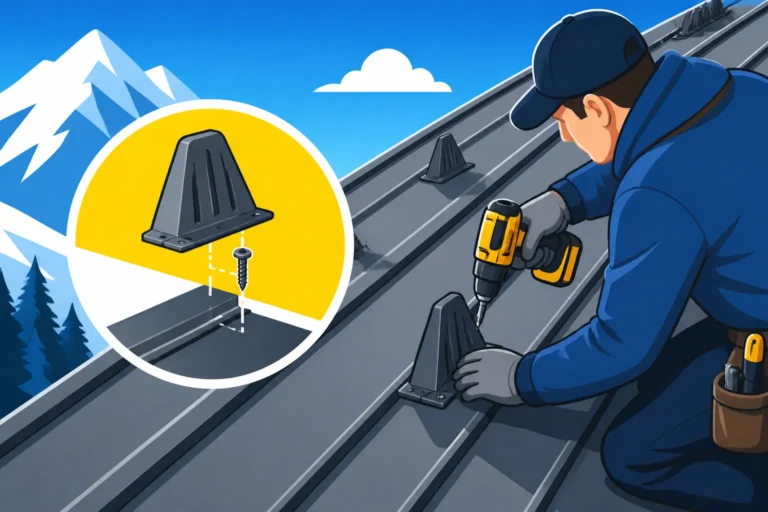
Your metal roof isn't just flat panels; it's a complex system of components, many of which can pose hazards or be easily damaged if stepped on incorrectly. Exposed fasteners, found on corrugated and R-panel roofs, are particularly vulnerable. Stepping directly on the head of a screw can crush the washer, compromising the seal and potentially leading to leaks. Even on standing seam roofs, which use hidden fasteners, there are still points of connection, trim pieces, and flashing around chimneys, vents, and skylights that are critical to the roof's watertight performance.
Flashing, typically made of thinner, more malleable metal, is designed to channel water away from vulnerable points. Stepping on it can bend or distort it, creating pathways for water intrusion. Sealants, used around penetrations and seams, can be compromised or peeled back if stepped on or scuffed. Always be hyper-aware of these elements. They are essential to your roof's performance, and damage here often leads to the most common types of leaks. A quick visual inspection from the ground or using binoculars can help you identify these sensitive areas before you ascend.
Essential Safety Preparations Before You Step Up
Safety isn't just a suggestion when you're working on a roof; it's an absolute necessity. A metal roof, with its often slick surface and steep pitches, demands respect and thorough preparation. Rushing onto your roof without the right gear or a clear plan is an open invitation for accidents and potential damage. Think of this preparation as your pre-flight checklist – every item is there for a reason, contributing to a successful and safe operation.
Personal Protective Equipment PPE is Non-Negotiable
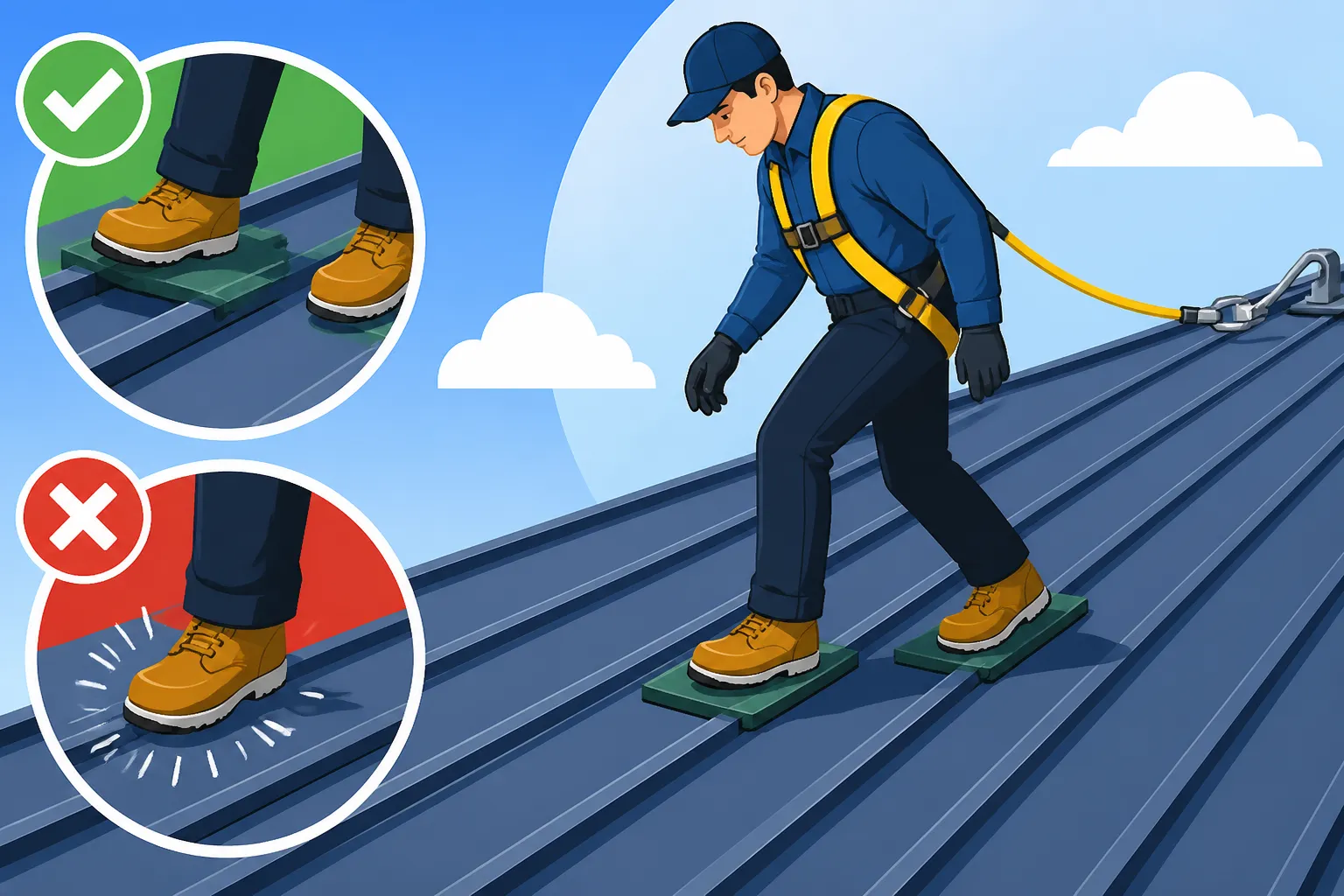
Your personal safety is paramount, and the right Personal Protective Equipment (PPE) is your first line of defense. The most crucial item is proper footwear. You need shoes with soft, non-marking soles that provide excellent grip. Work boots with hard, lugged soles might be great for construction sites but can easily scratch or dent metal panels and offer poor traction on a smooth, angled surface. Dedicated roofing shoes or even clean, soft-soled sneakers can work well. The goal is to maximize friction and minimize impact.
Beyond shoes, fall protection is a serious consideration, especially for pitches steeper than 4:12 (a rise of 4 inches over a run of 12 inches). This means a safety harness connected to a securely anchored lifeline. While it might seem like overkill for a quick inspection, a single slip can have devastating consequences. Also, consider work gloves for better grip and to protect your hands from sharp edges, and safety glasses to shield your eyes from debris, dust, or glare. Even on an overcast day, the reflective nature of metal can cause significant glare, so sunglasses are a good idea.
Ladder Safety and Roof Access Techniques
Getting onto the roof safely is just as important as being on it. Always use a sturdy ladder that is rated for your weight plus any tools you'll be carrying. Position the ladder on a firm, level surface, and extend it at least three feet above the edge of the roof to provide a stable grab point. The ladder should be angled correctly – for every four feet of height, the base should be one foot away from the wall. This 4:1 ratio provides optimal stability.
When ascending, always maintain three points of contact: two hands and one foot, or two feet and one hand. Avoid carrying tools in your hands while climbing; use a tool belt or hoist them up once you're on the roof. If you're going to be working near the ladder for an extended period, consider securing the top of the ladder to the roof structure to prevent slipping. For very steep roofs or difficult access points, a roofing professional might use a lift or scaffolding, but for most homeowners doing minor tasks, a well-placed and secured extension ladder is sufficient.
Assessing Weather Conditions and Roof Condition
Never, under any circumstances, attempt to walk on a metal roof when it's wet, icy, or covered in frost. Even a slight film of moisture can turn a moderately pitched roof into an incredibly dangerous slide. Wait for a clear, dry day with minimal wind. High winds can make maintaining balance difficult and can also kick up debris, creating additional hazards. The best time is typically mid-morning or late afternoon on a sunny day, allowing any dew to evaporate but avoiding the intense heat of midday which can make the metal extremely hot to the touch.
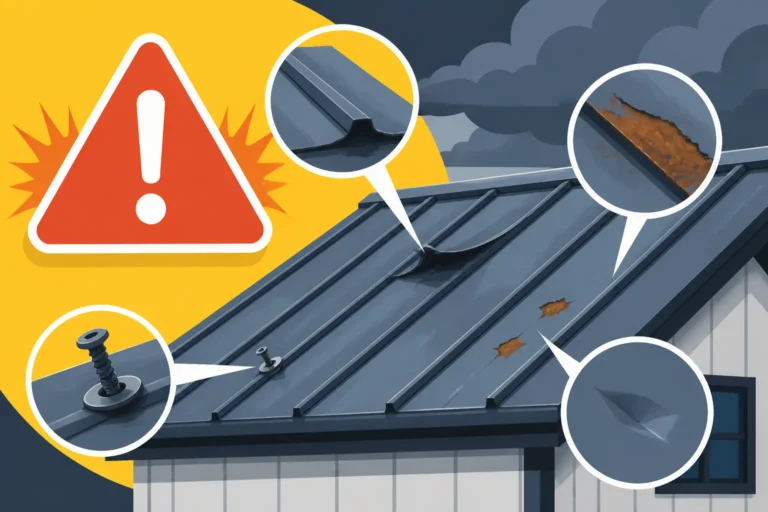
Before you climb, take a moment to visually inspect the roof from the ground. Look for any loose panels, damaged flashing, or accumulations of debris like leaves or branches that might create tripping hazards or slippery spots. If you notice any significant damage, like a large dent or a severely rusted area, it's often best to call a professional rather than risking further damage or injury yourself. This initial assessment can help you plan your path, identify no-go zones, and ensure the roof itself is stable enough for access. For more insights on spotting issues, check out our guide on Warning Signs Your Metal Roof Needs Attention.
The Art of Walking on a Metal Roof Safely
Once you're safely on the roof, the real challenge begins: moving around without causing damage or losing your footing. It's not like walking on solid ground or even a shingled roof. Every step needs to be deliberate, measured, and informed by an understanding of your roof's construction. This section is all about mastering that careful dance.
Foot Placement and Weight Distribution Strategies
The golden rule for walking on a metal roof is to distribute your weight as widely and evenly as possible. Avoid concentrating all your weight on a single point, especially on unsupported panel sections. On standing seam roofs, the ideal place to step is directly over the raised seams, where the panels are interlocked and often supported by clips fastened to the roof deck. These seams are the strongest points of the roof and are designed to bear weight without denting. Walk parallel to these seams, placing your feet directly on them.
For exposed fastener roofs, like corrugated or R-panels, the strategy changes slightly. You should aim to step on the raised ribs (the "corrugations") and, if possible, align your steps with the underlying purlins or structural supports. Avoid stepping in the valleys between the ribs, as these are the thinnest and most unsupported sections and will dent easily. If you must step in a valley, do so very lightly and only momentarily, using it as a transition point while maintaining balance. Keep your body weight centered and your steps light, almost like you're tiptoeing, to minimize impact.
Where to Step: Supporting Structures and Panel Seams
Knowing where the underlying supports are is key to preventing damage. Most metal roofs are installed over a solid decking (like plywood or OSB) or on purlins (horizontal framing members). If your roof is on a solid deck, the entire surface has some level of support, but it's still weakest between the seams or ribs. If your roof is installed on purlins with an open cavity underneath, stepping between the purlins is a definite no-no unless you're using a walk board to bridge the gap.
On a standing seam roof, the seams themselves are usually directly over the roof framing or clips, making them ideal weight-bearing paths. For other panel types, try to locate the lines of fasteners. These fasteners are drilled into the purlins or decking, indicating where the structural support lies. Walking along these lines, even if not directly on the screw heads, will place your weight over a stronger part of the assembly. When performing an inspection or Metal Roof Maintenance Guide, plan your route carefully before you start moving, identifying your pathways and safe zones.
Avoiding Common Mistakes and Mishaps
One of the biggest mistakes homeowners make is trying to move too quickly. Rushing can lead to missteps, slips, and accidental damage. Take your time, move slowly and deliberately, and always be aware of your surroundings. Another common error is using improper tools or letting tools drop. A dropped hammer or drill can easily dent or scratch a metal panel, especially if it falls from a height. Secure all tools in a tool belt or bucket.
Avoid sliding your feet or shuffling. Lift your feet completely with each step to prevent scuffing the coating, which can lead to premature wear or even rust if the protective layer is compromised. And never, ever slide down a metal roof on your backside. Not only is it incredibly dangerous, but it will almost certainly cause extensive scratching and wear patterns. If you find yourself in a tricky spot or feel unsure, don't hesitate to sit down to regain your balance or carefully make your way back to the ladder. If you need to access specific parts of the roof for a Metal Roof Leak Repair Guide, ensure your path is clear and safe.
Tools and Techniques for Minimizing Damage
Even with the best intentions and careful foot placement, some metal roofs require extra precautions. This is where specialized tools and techniques come into play, helping you spread your weight and protect the delicate surface of your roof. These methods are particularly important for softer metals like copper or aluminum, or for thinner gauge steel panels.
Using Walk Boards and Spreading Weight
For optimal protection, especially on exposed fastener roofs or any roof where denting is a high concern, walk boards are your best friend. A walk board is essentially a piece of plywood or sturdy lumber, at least 1/2-inch thick, that's wide enough to stand on comfortably and long enough to span multiple purlins or seams. By laying a walk board across the roof, you effectively distribute your weight over a much larger area, reducing the localized pressure that causes dents.
When using walk boards, ensure they are clean and free of debris that could scratch the roof. You can also place soft rubber mats or even old blankets underneath them for an extra layer of protection, particularly if you're working with a premium material like a Copper Roof Cost. Always position the walk board securely, making sure it won't slip. For steeper roofs, you might need to use cleats or secure the board to prevent it from sliding down. Move the walk board as you go, always stepping onto a board rather than directly onto the panels.
Soft-Soled Shoes and Non-Marring Materials
We've touched on footwear, but it bears repeating: your shoes are critical. The best shoes for walking on a metal roof are those specifically designed for roofing, or clean, athletic shoes with soft, rubberized soles. Think of cross-trainers or even specific hiking shoes known for their grip on slick surfaces. Avoid anything with hard plastic, leather, or deeply lugged soles, which can leave scuff marks or concentrate pressure, leading to dents.
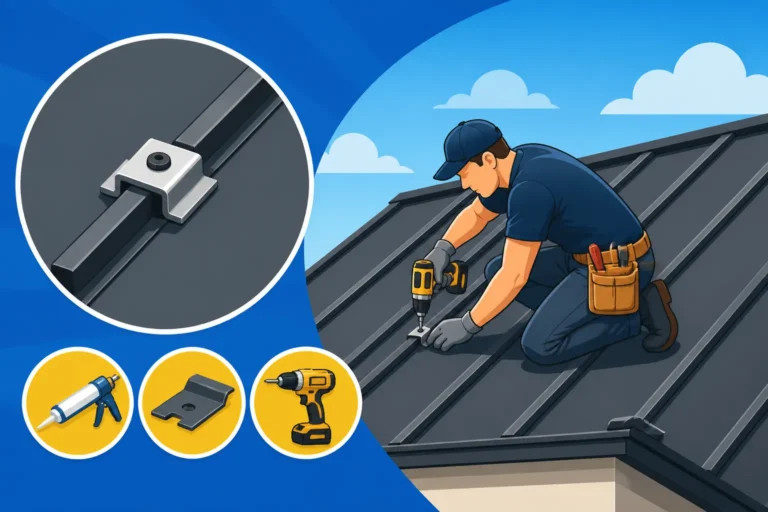
When carrying tools or materials, choose options that are less likely to cause damage. For instance, plastic buckets are better than metal ones. If you need to set down a toolbox, place it on a soft cloth or a small piece of plywood, never directly on the metal. If you're doing any work that involves fasteners, like replacing old screws, make sure you're using appropriate drivers and not overtightening, which can distort the panels. Reputable roofing suppliers like McElroy Metal or Metal Sales often offer guidance on proper installation and maintenance practices that minimize damage.
Working on Steep Pitches and Difficult Areas
Steep pitches present the greatest challenge and risk. For anything beyond a moderate slope (e.g., 6:12 or higher), relying solely on careful footwork is insufficient and dangerous. This is where fall protection equipment becomes absolutely mandatory. An anchored safety harness with a lifeline is essential. You might also consider using roof jacks with planking, which are temporary platforms secured to the roof structure, providing a flat and stable work surface.
Difficult areas, such as around chimneys, skylights, or valleys, require extra care. These are often where different components meet and where flashing and sealants are critical. When working in these areas, always assume they are more delicate and potentially more slippery. Use kneepads if you need to kneel, and place a small piece of plywood or a mat under your knees to distribute weight. For complex repairs or maintenance in these challenging spots, it’s often safer and more efficient to consider calling a professional. You can use platforms like Modernize to connect with experienced local roofing contractors who specialize in metal roof installations and repairs. A professional will have the right equipment and expertise to safely navigate and work on these intricate parts of your roof. For example, a specialist for a Standing Seam Metal Roof Cost will know exactly how to work with its specific panel design.
Post-Walk Inspection and Maintenance
You’ve done the hard part – you’ve walked on your metal roof, perhaps performed an inspection or some minor maintenance, and now you’re safely back on solid ground. But your job isn't quite finished. The final, crucial step is to inspect your work and the roof itself to ensure no inadvertent damage occurred and that everything is in tip-top shape. This proactive approach ensures the longevity and performance of your metal roof.
Checking for Potential Damage After Access
After every walk-on, take the time for a thorough post-mortem inspection. From the ground, use binoculars to carefully scan every area you accessed. Look for any new dents, scuff marks, or scratches. Pay close attention to the seams, ribs, and around any flashing or penetrations. Did any sealants appear disturbed? Are all exposed fasteners still intact and properly sealed? Even a small scratch can compromise the protective coating, potentially leading to rust over time if not addressed.
If possible, safely access the attic or crawl space beneath the roof to check for any signs of new leaks or water intrusion. Fresh water stains on the underside of the decking or insulation could indicate that a seal was broken or a panel was inadvertently damaged. Catching these issues early is key to preventing more extensive and costly repairs down the line. Our guide on How to Inspect a Metal Roof for Leaks offers a comprehensive checklist for what to look for.
Addressing Minor Scratches or Dents Promptly
Should you discover any minor damage, it’s important to address it quickly to prevent further issues. For small scratches that haven't penetrated the metal, a touch-up paint kit matched to your roof's color can be used. Many manufacturers, including leading brands like Englert or Sheffield Metals, offer these kits. Carefully clean the area, then apply the touch-up paint according to the manufacturer's instructions. This will restore the protective coating and prevent rust.
For minor dents, if they are shallow and don't involve creasing the metal, they might not pose an immediate threat to the roof's integrity. However, deeper dents or those that have creased the metal should be carefully evaluated. Sometimes, a dent can be gently worked out by an experienced professional, but often, especially with standing seam panels, attempting to fix a dent can lead to more damage. If you're unsure, it’s always best to consult with a professional roofing contractor.
When to Call a Professional
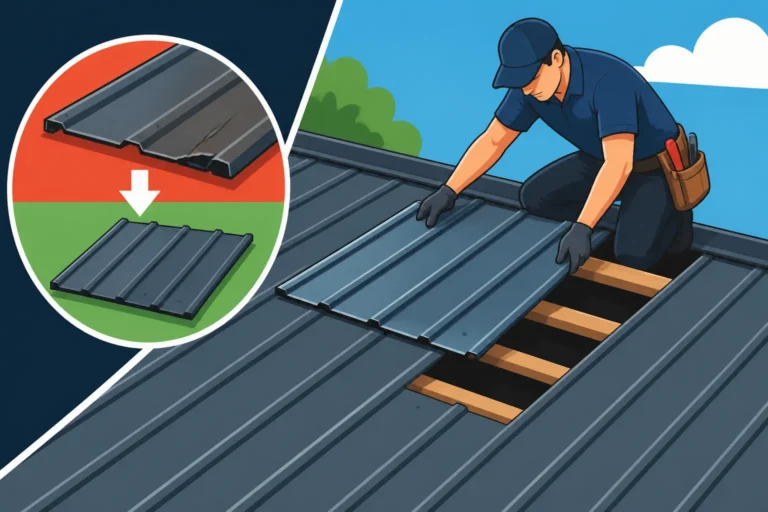
Knowing when to call in the experts is a vital part of responsible homeownership. If you discover significant damage after walking on your roof, such as a large dent, a cracked panel, or compromised flashing, don't attempt to fix it yourself unless you have extensive roofing experience. These types of repairs require specialized tools and techniques to ensure they are done correctly and maintain the roof's watertight seal.
Similarly, if you have a very steep or unusually complex roof, or if you're uncomfortable with heights and roof work, it's always safer to defer to a professional. Reputable metal roofing contractors have the training, equipment, and insurance to perform roof work safely and effectively. You can connect with qualified professionals through services like Modernize, which helps homeowners find trusted contractors for their specific needs. They can provide an estimate for repairs, perform necessary maintenance, or even help you assess if it's time for a Metal Roof Repair vs Replacement: How to Decide discussion. A professional contractor can also ensure any repairs meet warranty requirements, which is crucial for long-term peace of mind.
Disclaimer
Please remember that working on a roof, especially a metal roof, carries inherent risks. This guide provides general information and safety recommendations. Always prioritize your safety, use appropriate personal protective equipment, and if you are ever unsure or uncomfortable, consult a qualified and insured roofing professional. The author and publisher are not responsible for any injury, damage, or loss incurred as a result of following the information presented in this article.