Metal Roof Storm, Hail & Wind Damage
Experiencing severe weather can be incredibly stressful, especially when it leaves its mark on your home. When you’ve invested in a metal roof, you expect it to withstand the toughest storms, so finding damage after a violent hail storm or a strong wind event can feel incredibly disheartening and confusing. This guide is here to walk you through everything you need to know about identifying, understanding, and dealing with storm, hail, and wind damage to your metal roof, helping you navigate the frustrating aftermath and make informed decisions.
Understanding Metal Roof Vulnerabilities to Storms
While metal roofs are renowned for their incredible durability and longevity, it's a common misconception that they are entirely invincible. The truth is, even the toughest materials have specific vulnerabilities, and understanding these can help you better assess damage and appreciate the nuances of your metal roofing system. It's not about being weak; it's about the sheer force of nature sometimes being overwhelming.
The Myth of Invincibility
Many homeowners choose a metal roof precisely because of its reputation for standing up to extreme weather. They hear tales of metal roofs shrugging off hailstones that would crater asphalt shingles or laughing in the face of winds that peel away traditional roofing materials. And largely, these tales are true! Metal roofs are incredibly resilient. They offer a much higher resistance to fire, hail, and wind compared to many other roofing options, making them a popular choice in areas prone to severe weather. However, this high level of resistance can sometimes lead to an unrealistic expectation of absolute invincibility.
The reality is that while a metal roof can withstand conditions that would destroy other roofs, it can still sustain damage under truly extraordinary circumstances or if there were pre-existing installation issues. Think of it like a heavy-duty truck; it can handle rough terrain, but an extreme accident can still cause damage. The frustration often comes from this clash between high expectations and the unfortunate reality of mother nature's power. It’s important to acknowledge that no roofing material is 100% impervious to every single force the elements can throw at it.
Factors Influencing Damage Severity
The extent of storm damage to a metal roof isn't just a flip of a coin; it's a complex interplay of several factors. Understanding these elements can help you decipher why your roof might have fared differently than a neighbor's, even in the same storm. It’s rarely just one thing, but a combination that dictates the outcome.
One major factor is the type of metal and its gauge. For instance, a thicker 24-gauge steel roof will generally resist impacts and flexing better than a lighter 29-gauge agricultural panel. Aluminum, while excellent for coastal areas due to its corrosion resistance, is a softer metal and can dent more easily than steel. You can learn more about Metal Roofing Materials Compared: Steel, Aluminum, Copper & Zinc. The profile of the panels also plays a significant role. A standing seam metal roof, with its concealed fasteners and robust panel interlocking, typically handles high winds far better than an exposed fastener corrugated or R-panel system, where strong uplift forces can work on the screw heads and washers. The quality of installation is paramount; a poorly installed roof, even with premium materials, can fail prematurely under stress. Loose fasteners, inadequate clips, or improperly sealed seams can create weak points where wind can grab hold or water can infiltrate. Finally, the local climate and the specific nature of the storm itself matter. A direct hit from large, hard hail will have a different effect than smaller, softer hail, and sustained hurricane-force winds will challenge a roof differently than sudden, violent gusts from a derecho.
Common Types of Metal Roof Storm Damage
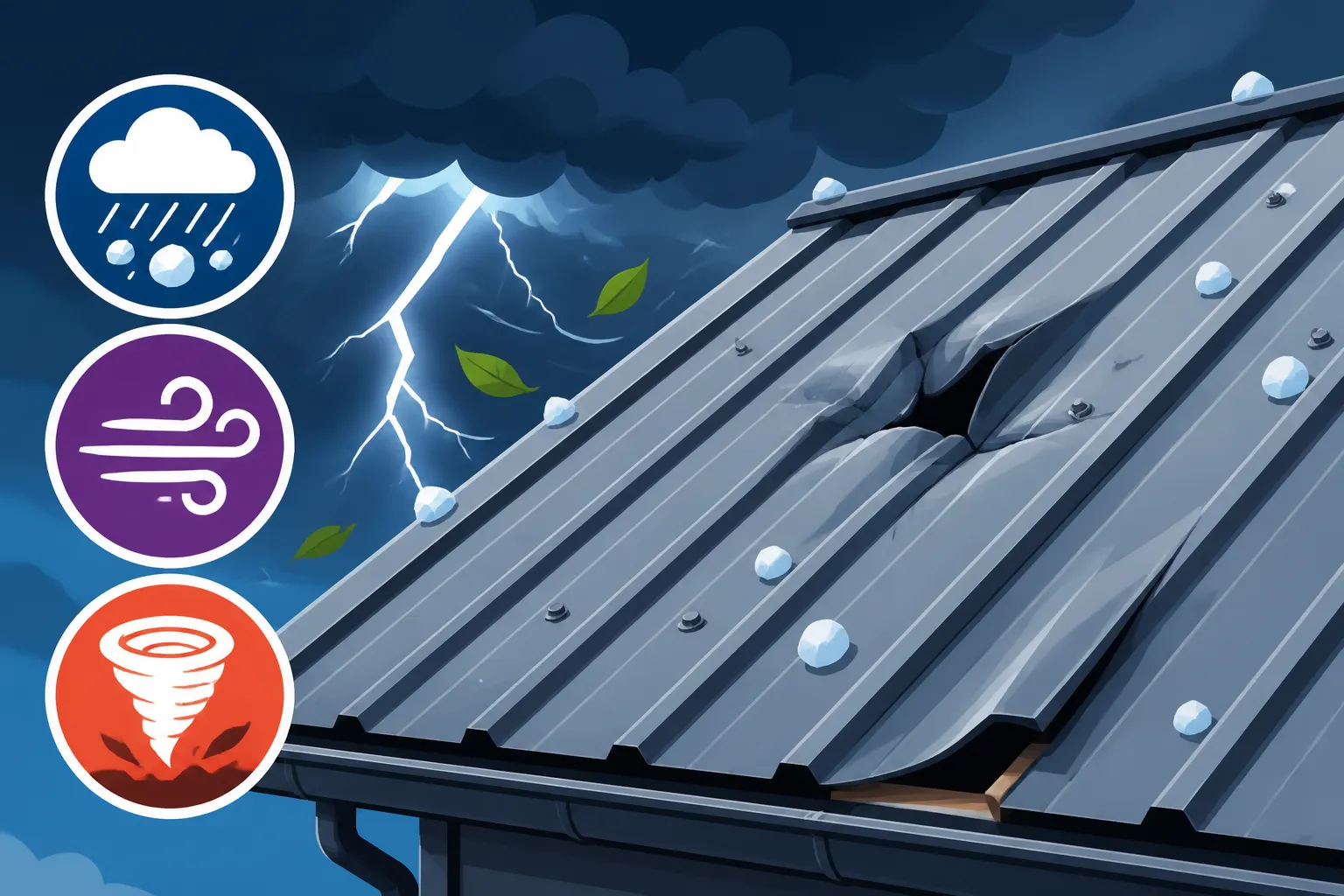
When a storm rolls through, it often brings a trifecta of destructive forces: wind, hail, and flying debris. Each of these can leave distinct marks on your metal roof, and recognizing them is the first step toward effective repair or replacement. Don't worry, we'll break down what to look for and what it means for your sturdy metal panels.
Wind Damage to Metal Roofs
Wind can be a formidable foe to any roof, and while metal roofs are excellent at resisting uplift, certain scenarios can still lead to problems. It's not always about panels flying off; sometimes the damage is more subtle but equally serious.
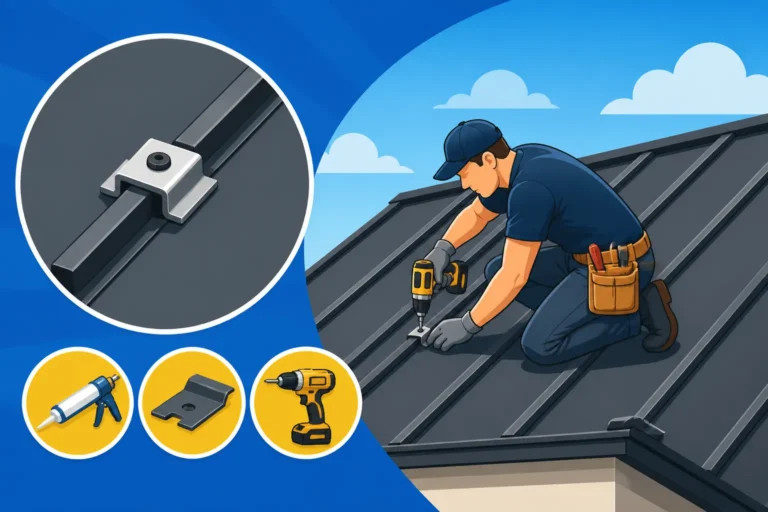
One of the most common forms of wind damage, especially with exposed fastener metal roofs like corrugated or R-panels, is fastener uplift or detachment. Imagine sustained high winds creating a vacuum effect over your roof; this uplift force can pull at the screws holding your panels down. Over time, or with a sudden, powerful gust, these screws can back out, strip their holes, or the rubber washers designed to seal them can fail, leaving tiny entry points for water. With standing seam roofs, the damage typically involves the clips that hold the panels to the roof decking. If these clips are improperly installed or if the wind forces are extreme, the panels can disengage from the clips, leading to buckling or even detachment. This is particularly problematic because standing seam panels are often custom-fabricated in long lengths, and damage to one panel can compromise a large section of the roof.
Another issue is panel deformation or creasing, especially if the wind causes the metal to flex beyond its elastic limit. While metal roofs are designed to be somewhat flexible, extreme wind sheer can cause panels to bend or crease permanently. This often happens at the edges of the roof, like the eaves or rake, where wind uplift is strongest. A common frustration is when a wind-damaged panel isn't completely detached but is visibly bent or flapping. This not only looks bad but also compromises the roof's ability to shed water and can lead to eventual fatigue failure. In the worst-case scenarios, especially with older installations or roofs with compromised fasteners, entire panels or sections can be torn off, leaving large exposed areas. This is obviously the most severe form of wind damage and requires immediate attention.
Hail Damage to Metal Roofs
Hail is often viewed as the nemesis of many roofing materials, and while metal roofs perform exceptionally well against it, they are not immune to its impact, particularly with larger hailstones. The type of metal roof you have dramatically influences how it handles hail.
The most obvious sign of hail damage on a metal roof is denting. Unlike asphalt shingles that might show granule loss or cracks, metal roofs typically show cosmetic indentations. The size and depth of these dents depend on several factors: the size, density, and velocity of the hailstones; the gauge (thickness) of your metal panels; and the type of metal itself. Softer metals like aluminum will generally dent more easily than steel, and a lighter 29-gauge panel will show more significant denting than a robust 24-gauge panel. These dents can range from barely perceptible dimples to noticeable depressions. While these dents are often primarily cosmetic, it’s frustrating for homeowners who specifically chose metal for its aesthetic appeal and durability.
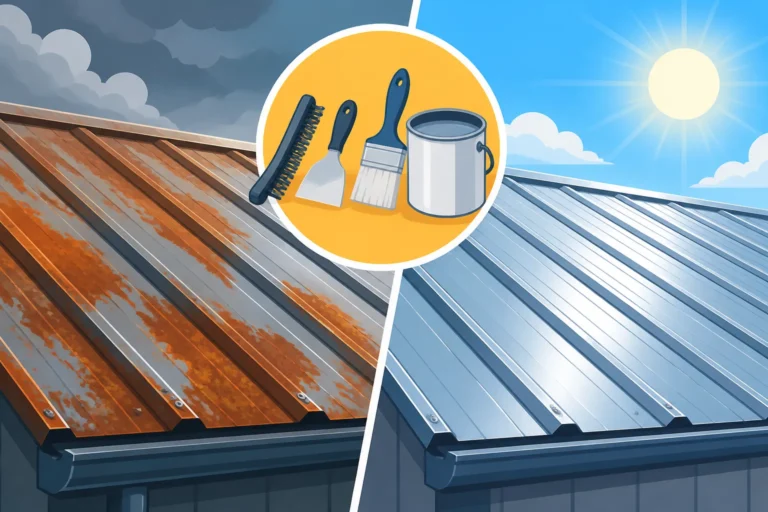
Beyond visible dents, hail can sometimes cause more insidious damage, especially if it's large or accompanied by high winds. Severe impacts can chip or scratch the protective paint coating on metal panels. While a small chip might not seem like a big deal, any breach in the coating exposes the underlying metal to the elements, potentially leading to premature corrosion over time. This is especially true for galvanized or Galvalume steel roofs, where the metallic coating provides corrosion resistance, but a deep scratch can expose the steel core. For stone-coated steel roofs, which mimic the look of shingles or tiles, hail can dislodge the stone granules, revealing the metal substrate beneath. This granular loss can affect the aesthetic and potentially the protective qualities of the coating. In rare, extreme cases with unusually large hail, the force can even compromise the integrity of the panel itself, leading to small cracks, though this is far less common with metal than with other roofing materials.
Other Storm-Related Damage
Beyond direct wind and hail, storms bring a host of other hazards that can impact your metal roof. It’s not always the sky falling that causes the issues; sometimes it’s what the wind picks up and throws.
Flying debris is a major culprit during severe storms. Tree branches, unsecured patio furniture, signs, or even parts of other damaged structures can become airborne projectiles. When these objects strike a metal roof, they can cause significant dents, gouges, or even punctures. The nature of the damage depends entirely on the size, weight, and velocity of the impacting object. A small twig might just leave a superficial scratch, but a large tree limb can easily bend or puncture a metal panel, creating a direct path for water intrusion. These types of impacts often result in concentrated damage, unlike the widespread, uniform denting seen with hail. You can delve deeper into Metal Roof Leak Repair Guide if you suspect punctures.
Water intrusion is the insidious secondary damage that often follows primary damage from wind, hail, or debris. If panels are lifted, fasteners fail, seams are compromised, or the roof is punctured, water can find its way into your attic or living space. This can lead to a cascade of problems, including damaged insulation, stained ceilings, mold growth, and compromised structural components. It’s vital to address any source of water entry immediately to prevent further interior damage. Even if you don't see immediate leaks, areas where panels have lifted or fasteners are compromised can allow water to seep in over time, especially during prolonged rain events. This is why a thorough inspection after a storm is absolutely crucial, even if the visible damage seems minimal.
Assessing Metal Roof Damage After a Storm
After a particularly nasty storm, your immediate concern will likely be the integrity of your home, and that starts with the roof. But how do you, as a homeowner, accurately assess the damage to your metal roof without putting yourself at risk? It's a delicate balance of careful observation and knowing when to call in the professionals.
Initial Visual Inspection from the Ground
The first, and safest, step in assessing storm damage is a thorough visual inspection from the ground. Grab a pair of binoculars and walk around your entire home, taking your time to look for anything out of the ordinary. This initial sweep can reveal obvious, large-scale issues without you ever needing to set foot on a potentially compromised roof.
Start by looking for any missing panels or sections of panels. Strong winds, especially those of hurricane force, can sometimes peel back or entirely detach metal roof panels. Even if not completely missing, look for panels that appear lifted, warped, or bent, particularly along the eaves, ridges, or rake edges of the roof. These are common areas where wind uplift can cause significant stress. Next, scan for major dents or punctures. Large hailstones or falling tree branches can leave obvious indentations or even holes in the metal. Pay close attention to the valleys and around any roof penetrations like chimneys, skylights, or vents, as these are often vulnerable points where flashing can be dislodged or damaged. Also, look for any discoloration or visible scratching that might indicate the protective coating has been compromised, even if there isn't a significant dent. Finally, check your gutters and the ground around your home for debris from the roof, such as small pieces of metal, paint chips, or even detached fasteners. These are tell-tale signs that something has occurred on your roof. Taking photos of anything suspicious, even from the ground, can be very helpful for insurance purposes later on.
When to Call a Professional Metal Roofing Contractor
While a ground-level inspection is a good starting point, it's almost never sufficient for a complete and accurate assessment of metal roof damage. Knowing when to call in the experts is crucial, not just for safety, but also for ensuring the long-term integrity of your roof.
You should always call a professional metal roofing contractor if you suspect any significant damage, especially if you see missing or severely warped panels, large punctures, or if you notice any interior leaks. Even if the damage seems minor, like widespread cosmetic denting from hail, a professional eye is vital. They have the training, safety equipment, and expertise to safely climb onto your roof, identify subtle issues that might be missed from the ground, and differentiate between cosmetic damage and structural compromise. A reputable contractor will look beyond the obvious, checking fasteners, sealants, flashing, and the condition of the underlayment if accessible. They'll also be able to accurately determine the extent of hail damage, which can be tricky with metal, as well as assess any potential wind uplift issues that might not be immediately apparent. For specific guidance, you can explore How to Hire a Metal Roofing Contractor. Using platforms like Modernize can connect you with pre-vetted local roofing professionals who specialize in metal roofs and understand the intricacies of storm damage assessment. They can provide a detailed report and estimate, which is invaluable when dealing with insurance claims. Never attempt to climb onto a damaged roof yourself, especially if it's wet, windy, or steeply pitched. Your safety is paramount.
Documenting the Damage for Insurance Claims
Dealing with insurance companies can be a headache, but a well-documented damage claim can make the process significantly smoother. Thorough documentation is your best friend when it comes to getting the compensation you deserve.
As soon as it's safe to do so, begin documenting everything. This means taking clear, well-lit photographs and videos of all visible damage, both from the ground and, if you feel comfortable and safe, from a ladder (but remember, professional assessment is best for roof-level photos). Capture wide shots of your entire roof, as well as close-ups of specific damaged areas like dents, lifted panels, scratches, or compromised flashing. Make sure your photos include a sense of scale, perhaps by placing a common object (like a coin for hail dents) next to the damage. Date and time-stamp your photos if possible. Don't forget to document any interior damage that might have resulted from roof leaks, such as water stains on ceilings, damaged insulation, or ruined belongings. It’s also wise to note the date and approximate time of the storm event. Keep a detailed log of all communications with your insurance company, including names, dates, times, and summaries of conversations. Gather any existing documentation about your roof, such as installation dates, warranty information, and previous inspection reports. This comprehensive record will be invaluable when you submit your claim and discuss findings with the adjuster.
The Metal Roof Insurance Claim Process
Navigating an insurance claim after your metal roof has sustained storm damage can feel like a labyrinth. It’s a process fraught with specific terminology and procedures, and understanding what to expect can significantly ease your stress and improve your outcome. Don't be shy about asking for clarification every step of the way.
Initiating Your Claim
The moment you suspect storm damage, initiating your insurance claim should be high on your priority list. Acting promptly is often beneficial, but don't feel rushed into making hasty decisions.
The first step is to contact your insurance provider as soon as it's safe to do so. Many companies have online portals or dedicated phone lines for reporting claims. Be prepared to provide details about your policy, the date of the storm, and a description of the damage you've observed. The insurance company will typically assign a claim number and a dedicated adjuster to your case. During this initial call, ask about the next steps in their process, what documentation they require from you, and any deadlines for submitting information. It’s crucial to understand your policy’s specific coverage for storm damage, including your deductible and any limitations or exclusions. For instance, some policies might have specific clauses regarding cosmetic damage from hail. You'll want to review your policy documents thoroughly. This is also a good time to ask about their preferred method for professional assessments – some insurers may have a network of contractors they trust, or they may simply require quotes from independent, licensed roofers.
Working with the Adjuster
The insurance adjuster is the person assigned by your insurance company to assess the damage and determine the payout for your claim. This interaction is a critical part of the process, and being prepared can make all the difference.
Once your claim is initiated, an adjuster will schedule a visit to your property to inspect the roof and other damaged areas. It is highly recommended that you, or preferably your chosen metal roofing contractor, be present during this inspection. Your contractor can point out specific areas of concern, discuss their professional assessment, and ensure that all damage is properly noted. Remember, the adjuster works for the insurance company, so while they are professional, their primary goal is to assess the damage according to the policy terms. Your contractor, on the other hand, is advocating for the full and proper repair of your roof. Bring all your documentation – photos, videos, and notes – to share with the adjuster. Be ready to politely explain your observations and concerns. If there are discrepancies in the assessment between your contractor and the adjuster, open communication is key. Sometimes, a "re-inspection" with both parties present can help resolve differences. Understanding Is Hail Damage to a Metal Roof Covered by Insurance? can also help you prepare for this discussion.
Understanding Your Claim Settlement
After the adjuster completes their assessment, the insurance company will typically issue a settlement offer. This document can be complex, and it’s important to understand what it means for your metal roof.
The settlement offer will detail the estimated cost of repairs or replacement, less your deductible. It often includes an itemized list of damages and the corresponding labor and material costs. Be aware that most initial settlements are based on the Actual Cash Value (ACV) of your roof, which accounts for depreciation. If your policy includes Replacement Cost Value (RCV) coverage, you will typically receive the depreciated value upfront, and the remaining depreciation will be paid out once the repairs are completed and invoices are submitted, proving the work was done. Carefully review every line item in the settlement. Does it cover all the damage your contractor identified? Are the material and labor costs realistic for your area? Sometimes, adjusters might underestimate costs or overlook certain aspects of metal roof repair, such as specialized fasteners or custom panel fabrication. If you disagree with the settlement, you have the right to negotiate. Your metal roofing contractor can be a valuable ally here, providing a detailed, professional estimate to counter the insurance company's offer. Don't be afraid to ask your insurance company for clarification on any part of the settlement you don't understand before accepting it.
Repairing vs. Replacing Your Damaged Metal Roof
After the initial shock of storm damage and the labyrinth of insurance claims, you're faced with a critical decision: should you repair your existing metal roof, or is it time for a full replacement? This isn't a one-size-fits-all answer; it depends on the extent of the damage, the age of your roof, and your long-term goals.
When Repair is the Best Option
Repairing your metal roof can be a cost-effective and efficient solution, especially if the damage is localized and hasn't compromised the overall integrity of the roofing system. It's often the logical first choice for many homeowners.
Minor dents from hail, especially those that haven't compromised the protective coating or caused any underlying structural issues, often fall into the repair category. If the damage is purely cosmetic, and you're comfortable with the aesthetic impact, individual panels can sometimes be carefully replaced. Similarly, isolated issues like a single lifted panel due to wind uplift, a few failed fasteners, or localized flashing damage around a vent or chimney can often be fixed without needing to replace the entire roof. In these scenarios, a skilled metal roofing contractor can seamlessly integrate new panels, replace fasteners, or re-seal flashing, restoring the roof's protective function. Repair is also a strong consideration for newer metal roofs that are still well within their expected lifespan. Why invest in a whole new roof when a relatively small intervention can extend its life by decades? For example, if you have a high-quality standing seam metal roof that's only 10 years old and a falling branch dented just two panels, it’s far more economical and sensible to replace those specific panels. Check out How Much Does Metal Roof Repair Cost? for more financial insights.
When Replacement is Necessary
While repair is often desirable, there comes a point where replacing your metal roof isn't just a suggestion, but a necessity. This decision often hinges on the severity and widespread nature of the damage, coupled with the age of your existing roof.
If your metal roof has sustained extensive, widespread damage across a significant portion of its surface, replacement becomes the more prudent choice. This could include multiple punctures from flying debris, widespread panel deformation from extreme winds, or severe hail damage that has compromised the protective coating over a large area, leading to potential future corrosion. If the structural integrity of the roofing system has been compromised – for example, if the roof decking underneath is damaged, or if fasteners are failing across numerous panels – a patch job won't suffice. Furthermore, the age of your roof plays a critical role. If your metal roof is nearing the end of its projected lifespan (many steel roofs last 40-70 years, but some might be on the lower end, especially if not well-maintained or lower gauge), even moderate storm damage can tip the scales towards replacement. Trying to repair an aging roof can be like putting a band-aid on a gaping wound; it might hold for a short while, but other problems are likely to emerge soon after. A new metal roof provides renewed protection and peace of mind for decades to come. You might also consider a full replacement if your existing roof is an older, exposed fastener system that has seen numerous repairs and you want to upgrade to a more durable, low-maintenance Standing Seam Metal Roof Cost for example.
The Cost Implications of Each
The financial aspect is, understandably, a major driver in the repair vs. replacement decision. While a full replacement is almost always a higher upfront cost, it's essential to consider the long-term value.
Repairing minor, localized damage is typically much less expensive than a full roof replacement. For instance, replacing a few damaged panels or resealing an entire ridge can cost a few hundred to a few thousand dollars, depending on the complexity and material. However, if the damage is extensive, requiring repairs across multiple sections or involving specialized custom panels, the cost of piecemeal repairs can start to approach, or even exceed, the cost-effectiveness of a full replacement. You need to factor in not just the immediate repair cost, but also the potential for future issues if the underlying system is compromised or if repairs are only a temporary fix on an old roof. For example, continually patching an old roof that is failing in multiple spots due to wear and tear, rather than just storm damage, can become a money pit.
A full metal roof replacement is a significant investment, often ranging from $8,000 to upwards of $50,000 or more, depending on the size, pitch, material, and complexity of your roof. However, this investment comes with a fresh warranty, potentially lower insurance premiums (ask your provider about Metal Roof Insurance Savings & Discounts), and enhanced energy efficiency. It also offers a significant boost to your home's curb appeal and resale value. When considering replacement, think of it as a long-term investment that pays dividends over decades. It's not just about stopping leaks now, but about ensuring the structural integrity and protection of your home for the next 40 to 70 years. Sometimes, even if an insurance settlement only covers repairs, the opportunity to upgrade the entire system might be worth the extra out-of-pocket expense for the long-term benefits.
Preventative Measures and Long-Term Protection
While you can't control the weather, you can take proactive steps to significantly boost your metal roof's resilience against storms, hail, and wind. Thinking ahead and investing in prevention is always a smarter strategy than constantly reacting to damage.
Regular Maintenance and Inspections
Just like your car needs regular oil changes, your metal roof benefits immensely from routine maintenance and inspections. This isn't about fixing problems; it's about preventing them before they start.
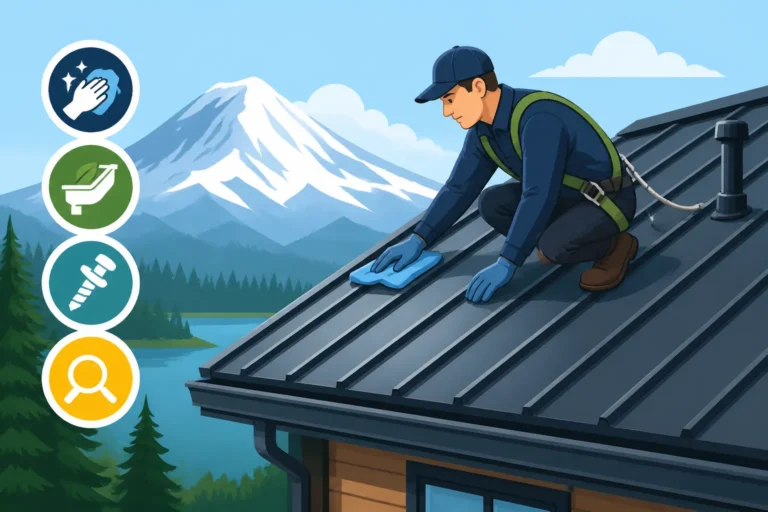
Annual or bi-annual inspections by a qualified metal roofing professional can identify minor issues before they escalate into major storm vulnerabilities. These inspections should focus on checking the integrity of fasteners, ensuring all sealants are intact, examining flashing around penetrations (like vents, chimneys, and skylights) for signs of wear or separation, and confirming that panels are securely attached. A contractor might discover a few loose screws on an exposed fastener roof, which, if tightened, could prevent a panel from lifting in a high wind event. They can also spot early signs of coating wear or minor corrosion that, if addressed, can prevent more significant deterioration. Keeping your roof clean of debris, leaves, and branches is also a simple but effective maintenance task. Accumulated organic matter can trap moisture, leading to premature wear or even minor corrosion in localized areas. Staying on top of routine care means your roof is in its best possible condition when a storm hits, minimizing the chances of severe damage. You can find a comprehensive guide on Metal Roof Maintenance Guide to help you stay ahead.
Upgrading for Enhanced Storm Resistance
If you live in an area prone to severe weather, or if you're replacing an older roof, consider upgrading your metal roofing system for superior storm resistance. These enhancements can offer invaluable peace of mind when the skies turn dark.
One of the most impactful upgrades is to choose a higher gauge metal for your panels. For example, moving from a 29-gauge to a 24-gauge steel panel dramatically increases its resistance to denting from hail and bending from wind. For ultimate wind resistance, especially in hurricane-prone regions, opting for a standing seam metal roof with robust clip systems and mechanical seams is highly recommended. These systems offer superior uplift resistance compared to exposed fastener panels. Ensure your contractor uses high-quality fasteners and sealants, as these small components play a crucial role in overall roof integrity. Beyond the panels themselves, consider reinforcing your roof's structure, especially in older homes, by ensuring proper decking and bracing. For homes in coastal or high-wind zones, specialized hurricane straps or enhanced fastening patterns can significantly improve your roof's ability to remain intact during extreme weather. Local building codes, like those in Florida requiring Florida Metal Roof Codes: FBC, HVHZ & Approvals, often dictate these requirements, but going above and beyond minimum standards can pay off in the long run.
Proper Tree Management
Trees around your home, while beautiful and providing shade, can become a significant threat to your metal roof during a storm. Proactive tree management is a simple yet often overlooked preventative measure.
Regularly trim any tree branches that are overhanging your roof or are close enough to potentially scrape or fall onto it during high winds or heavy snow. This practice, known as "limbing up," creates a safe clearance zone between your trees and your roof. Focus on removing dead, diseased, or weak branches that are most likely to break off in a storm. Consider hiring a certified arborist to assess the health of your trees and recommend professional pruning, especially for large, mature trees. If you have particularly tall or old trees directly adjacent to your home, a professional assessment might even suggest removing them entirely if they pose an undeniable hazard. While you can't prevent every falling branch from an unexpected storm, taking these preventative steps significantly reduces the risk of serious impact damage to your metal roof. This also minimizes leaf and debris accumulation on your roof and in your gutters, further contributing to your roof’s health and longevity.
Choosing the Right Metal for Storm-Prone Areas
When you live in a region where severe weather is a recurring concern, the choice of metal roofing material isn't just about aesthetics or cost – it becomes a critical decision about resilience and protection. Understanding which metals excel in different storm scenarios can guide you to a smarter long-term investment.
Best Metals for High Wind Zones
For homes in areas frequently battered by high winds, such as coastal regions or plains states, selecting a metal known for its superior wind resistance is paramount. Your roof is your home's first line of defense, and in these conditions, it needs to be unyielding.
Steel, particularly in a standing seam profile, is often considered the gold standard for high-wind environments. Its inherent strength, coupled with concealed fasteners that are less susceptible to uplift, provides exceptional resistance against hurricane-force winds. Look for steel panels with high wind ratings, often tested to withstand gusts well over 150 mph. Many premium steel standing seam systems feature mechanically seamed panels, where the edges are folded and locked together, creating an incredibly strong, monolithic surface that resists separation. Galvanized (zinc-coated) or Galvalume (aluminum-zinc alloy coated) steel are common and durable choices. Aluminum is another excellent option for high-wind zones, especially coastal areas, because of its superb corrosion resistance. While slightly softer than steel, aluminum panels, when installed as a standing seam system with robust clips, also offer excellent wind uplift resistance. The lighter weight of aluminum also reduces the overall load on the roof structure. Regardless of the metal, ensure the installation adheres to stringent wind mitigation techniques, often involving specific fastener patterns and enhanced edge flashing. You can learn more about Metal Roof Wind and Fire Ratings Explained.
Optimal Choices for Hail-Prone Regions
Hail can be a major headache for homeowners, turning an otherwise beautiful roof into a pockmarked surface. For areas that regularly experience hailstorms, the priority shifts to impact resistance and the ability to maintain aesthetic integrity.
Steel, once again, is a top contender here, specifically thicker gauge steel. A 24-gauge steel standing seam or even a heavy-gauge corrugated steel roof will show significantly less denting from hail compared to thinner gauges. The inherent hardness of steel resists deformation more effectively. Another outstanding option for hail-prone areas is stone-coated steel. These panels are typically made from steel and then coated with an acrylic base and ceramic-coated stone granules, which create a very robust surface. The stone coating acts as a cushion, often absorbing the impact of hailstones with minimal visible denting, and resisting granule loss much better than traditional asphalt shingles. Brands like DECRA and Boral (now Westlake Royal Roofing Solutions) are well-known for their stone-coated steel products that carry Class 4 impact resistance ratings – the highest rating available – which can often lead to Metal Roof Insurance Savings & Discounts. While copper and zinc roofs are incredibly durable and long-lasting, they are softer metals than steel and can be more prone to cosmetic denting from hail, though their structural integrity usually remains unaffected. When choosing for hail, prioritize impact resistance ratings and the thickness (gauge) of the metal.
Considerations for Coastal Climates
Coastal environments present a unique challenge: the constant exposure to salt air. This highly corrosive atmosphere can drastically reduce the lifespan of certain metals, making material selection even more critical.
Aluminum is the undisputed champion for coastal metal roofing. It naturally forms an oxide layer that protects it from corrosion, making it incredibly resistant to salt spray and humid conditions. This means an aluminum roof will maintain its integrity and appearance far longer than steel in a coastal setting, preventing premature rust and deterioration. While stainless steel also offers excellent corrosion resistance, it is a much more expensive option. If steel is chosen for a coastal home, it absolutely must have a high-quality, marine-grade protective coating, such as a Kynar 500 (PVDF) finish, which offers superior resistance to fading and corrosion. Even with such coatings, regular inspection is crucial to catch any scratches or breaches that could expose the underlying steel to salt. Copper and zinc are also naturally corrosion-resistant and can be excellent, though high-cost, options for coastal homes, developing a beautiful patina over time. Regardless of the material, always ensure all fasteners, clips, and accessories used in coastal installations are made from corrosion-resistant materials like stainless steel to prevent galvanic corrosion and premature failure.
The Long-Term Value of Your Metal Roof After Damage
When your metal roof sustains damage, it's easy to get caught up in the immediate costs and frustrations. However, it's crucial to remember the inherent long-term value a metal roof brings to your home, even after a storm. This perspective can heavily influence your repair or replacement decisions.
Preserving Longevity and Durability
One of the primary reasons homeowners choose metal roofs is their exceptional lifespan and durability. Addressing storm damage correctly is key to preserving these core benefits and ensuring your investment continues to pay off for decades.
Unlike many traditional roofing materials that might need replacement after severe storm damage, a well-maintained and properly repaired metal roof can often shrug off an incident and continue to perform for its intended lifespan of 40-70 years. The modular nature of many metal roofing systems, especially standing seam or metal shingles, often allows for individual damaged panels or sections to be replaced without disturbing the entire roof. This targeted repair helps preserve the integrity of the rest of the roofing system. For example, if a large branch punctures a single panel on a 20-year-old standing seam roof, replacing that panel means the other 49 years of life expectancy for the rest of the roof are still intact. Neglecting storm damage, however, can significantly shorten your roof's life. Minor leaks can lead to rot in the decking, compromised fasteners can allow widespread panel uplift in subsequent storms, and unchecked corrosion from chipped paint can weaken the metal. Investing in quality repairs, or a full replacement when warranted, ensures that your metal roof continues to offer its superior protection and longevity. For those thinking about Metal Roof Cost vs Lifespan Value, making smart repair choices is paramount.
Maintaining Home Value and Curb Appeal
Your roof is a significant component of your home's aesthetic and contributes substantially to its overall value. Damage, whether cosmetic or structural, can detract from both, but a professional restoration can uphold your home's appeal.
Widespread hail dents, warped panels from wind, or visible patches from poorly executed repairs can significantly reduce your home's curb appeal. Potential buyers often scrutinize the roof, and visible damage can lead to lower offers or even deter interest entirely. Even if the damage is "only" cosmetic, it impacts the perceived quality and care of the home. By undertaking professional, high-quality repairs or a full replacement, you restore your roof's pristine appearance and functionality, thereby protecting your home's market value. A new or professionally repaired metal roof, known for its sleek lines, modern aesthetic, and long-lasting finishes, can even increase your home's value, signaling to buyers a low-maintenance, durable asset. Consider how a well-maintained metal roof can be a strong selling point when it's time to put your house on the market, offering peace of mind to new owners that they won't have to worry about roof replacement anytime soon. You can explore how a metal roof impacts value in Does a Metal Roof Increase Home Value?.
Peace of Mind for Future Storms
Ultimately, investing in a metal roof is about securing your home and your family from the elements. Dealing with storm damage effectively isn't just about fixing what's broken; it's about restoring and enhancing that peace of mind.
Knowing that your metal roof has been thoroughly inspected, expertly repaired, or entirely replaced with high-quality, storm-resistant materials allows you to face future weather events with significantly less anxiety. There's an immense comfort in knowing your home is protected by a robust roofing system designed to withstand the very forces that cause so much damage to other homes. If you've upgraded to a Class 4 impact-resistant metal roof or a standing seam system engineered for extreme winds, that peace of mind is even greater. This security extends beyond just the physical structure; it means fewer disruptions to your life, fewer frustrating insurance claims, and less financial strain from repeated repairs. Your home is often your largest investment, and a secure, durable metal roof ensures that investment is protected through whatever Mother Nature throws its way.
Disclaimer
Please remember that this guide offers general information and recommendations. Every metal roof and storm damage scenario is unique. Always consult with a qualified, licensed, and insured metal roofing contractor for a personalized assessment, professional advice, and specific repair or replacement solutions tailored to your home and local building codes. Do not attempt to repair your roof yourself, especially after storm damage, as this can be dangerous and may void warranties.