Metal Roof Maintenance Guide
It’s a familiar scenario for many homeowners: you’ve invested in a durable, long-lasting metal roof, perhaps thinking you could just "set it and forget it." While metal roofs are incredibly resilient and low-maintenance compared to traditional asphalt shingles, that doesn't mean they're entirely maintenance-free. Neglecting even the simplest upkeep can lead to costly repairs, premature wear, and a shorter lifespan for your beautiful roof. This comprehensive guide is here to walk you through everything you need to know about keeping your metal roof in pristine condition, safeguarding your investment for decades to come.
Why Metal Roof Maintenance Matters More Than You Think
When you choose a metal roof, you're opting for durability and longevity, often with a significant upfront investment. It’s easy to assume that because these roofs are tough, they don't need much attention. But that mindset can be a real trap. Proactive maintenance isn't just a recommendation; it's a critical component of ensuring your metal roof lives up to its legendary promises.
Protecting Your Investment
Think of your metal roof as a long-term asset, much like a well-maintained car or a high-quality appliance. Just as you wouldn't skip oil changes for your car, you shouldn't overlook the simple steps that keep your roof performing optimally. Regular maintenance directly contributes to the incredible lifespan of metal roofs, which can often exceed 50 years. Without it, minor issues can escalate. A small scratch that's ignored might become a rust spot, or a loose fastener could lead to a leak during the next big storm. Suddenly, what could have been a quick fix becomes a significant repair, chipping away at the long-term value and return on investment you initially sought. Keeping up with maintenance helps you avoid those dreaded surprises and ensures your roof continues to shield your home effectively for its entire projected lifetime.
Preserving Aesthetic Appeal
One of the many reasons homeowners choose metal is its sleek, modern, and often vibrant appearance. A faded, stained, or visibly damaged metal roof not only detracts from your home's curb appeal but can also impact its market value. Over time, environmental factors like dirt, pollen, algae, and even tree sap can accumulate on the roof's surface, dulling its finish and creating unsightly streaks. In some cases, localized rust can appear, especially in areas where fasteners have failed or coatings have been compromised. Regular cleaning and timely touch-ups prevent these issues from taking hold, ensuring your roof maintains its original luster and vibrant color. This aesthetic preservation is especially important if you live in an area with high humidity or abundant foliage, where organic growth can be more aggressive.
Upholding Warranty Requirements
This is a big one that many homeowners overlook. Most metal roof manufacturers offer robust warranties, often covering the finish against fading, chalking, and sometimes even substrate integrity for several decades. However, almost all these warranties come with a crucial caveat: they require the homeowner to perform routine maintenance. Failing to clean your roof, address minor repairs, or follow manufacturer guidelines can, unfortunately, void your warranty. Imagine dealing with a significant defect 20 years down the line, only to find your claim denied because you neglected to clear leaves from your gutters annually. It's a frustrating situation that can be entirely avoided. Always keep a copy of your specific metal roof warranty handy and familiarize yourself with its maintenance clauses. Documenting your maintenance activities, such as dates of cleaning or minor repairs, can also be invaluable should a warranty claim ever arise. Understanding your Metal Roof Warranties: Workmanship vs Manufacturer is essential.
Understanding Your Metal Roof: Material & Profile Specifics
Not all metal roofs are created equal, and understanding the specific material and profile of your roof is the first step toward effective maintenance. What works for one type might not be ideal for another, and sometimes, even minor differences can impact the best care practices.
Different Metals, Different Needs
The world of metal roofing offers a fantastic array of materials, each with its own strengths and characteristics that influence its maintenance needs.
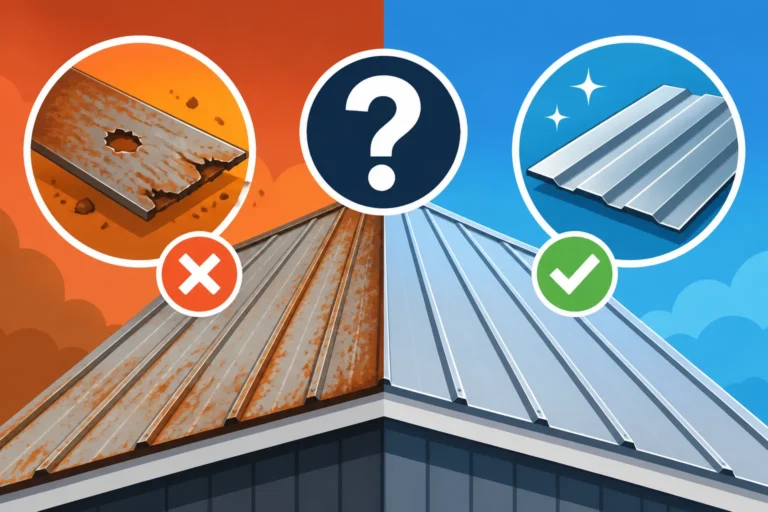
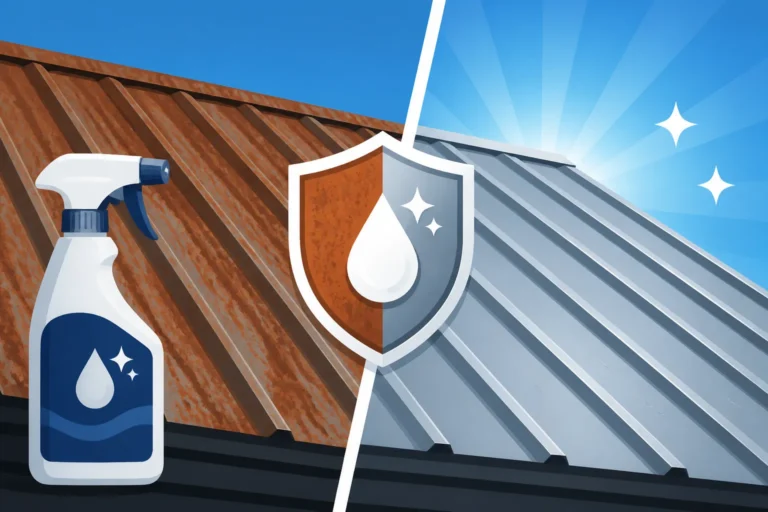
- Steel (Galvalume, Galvanized): This is by far the most common type of residential metal roofing. Steel panels are typically coated with either zinc (galvanized) or a mixture of zinc and aluminum (Galvalume) for corrosion resistance, and then often painted with high-performance coatings like PVDF or SMP. While these coatings are incredibly durable, they're not invincible. The biggest maintenance concern for steel roofs is preventing rust, especially at cut edges, around fasteners, or where the coating has been scratched. If you see bare metal exposed, even a tiny scratch, it's wise to touch it up promptly with manufacturer-approved paint. Regular rinsing, especially in coastal areas or if you have sap-producing trees, helps prevent corrosive buildup. If you notice early signs of rust, specialized Metal Roof Rust and Corrosion Treatment can often halt its spread if addressed quickly.
- Aluminum: Known for being lightweight and inherently rust-resistant, aluminum is an excellent choice for coastal areas because it handles salt spray far better than steel. Maintenance for aluminum roofs primarily focuses on cleaning to prevent dirt and organic matter buildup, which can still dull its finish. While it won't rust, it can oxidize, creating a dull gray appearance if the factory finish is compromised. Deep scratches might be more noticeable, but they won't lead to structural corrosion like they can with steel.
- Copper: Ah, copper! The king of classic elegance, famous for developing a beautiful green-blue patina over time. For many, this patina is the desired look, and in that case, maintenance involves simple cleaning to remove debris. However, if you prefer to maintain copper's original shiny, reddish hue, it requires specific cleaning agents and sealants to prevent oxidation, which can be quite labor-intensive. Copper is also a softer metal, so it's more prone to denting from hail or falling branches. Repairs can be specialized and often more costly.
- Zinc: Similar to copper, zinc also develops a natural patina, typically a soft blue-gray. This patina acts as a protective layer, making zinc incredibly durable and self-healing against minor scratches. Like copper, if you want to prevent the patina, it requires special care. Otherwise, maintenance largely involves keeping it clean. Zinc is also a softer metal, making it susceptible to dents.
Understanding the specific properties of Metal Roofing Materials Compared: Steel, Aluminum, Copper & Zinc helps tailor your maintenance approach.
Profile Impact on Maintenance Standing Seam vs Corrugated
The profile of your metal roof also plays a significant role in its maintenance needs and how you approach inspections and repairs. The two most common types are standing seam and exposed fastener (like corrugated or R-panel).
- Standing Seam Metal Roofs: These roofs feature panels with raised seams that interlock, concealing the fasteners underneath. This hidden fastener system is a huge advantage for maintenance. With no exposed screws, you don't have to worry about rubber washers degrading, screws backing out, or fastener heads rusting, which are common culprits for leaks in exposed fastener systems. Maintenance for standing seam roofs primarily involves inspecting the seams for integrity, checking flashing around penetrations (chimneys, skylights, vents), and keeping the roof clean. While highly durable, standing seam roofs can sometimes be more susceptible to "oil canning," a visual distortion of the flat panel surface, though this is aesthetic and not a structural issue. Overall, they tend to require less hands-on maintenance regarding hardware.
- Corrugated and Other Exposed Fastener Roofs: Panels like corrugated, R-panel, and 5V Crimp are attached directly to the roof deck or purlins using screws with rubber washers that go through the face of the panel. These exposed fasteners are the primary maintenance point for these roof types. The rubber washers can degrade over time due to UV exposure, leading to leaks. Screws can also back out due to thermal expansion and contraction, or simply loosen over time. Therefore, routine inspection of every fastener is crucial. Any signs of rust around screw heads, deteriorated washers, or loose screws need immediate attention. Replacing these fasteners is a common maintenance task, and using high-quality screws with long-lasting washers is paramount. While generally less expensive to install than standing seam, the long-term maintenance involving fastener checks can be more frequent. Read more about the differences in Standing Seam vs Corrugated Metal Roof.
The Essential Annual Metal Roof Inspection Checklist
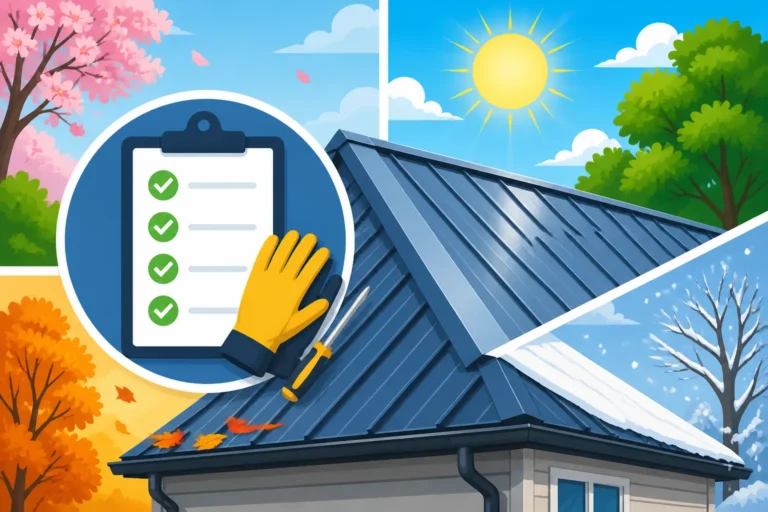
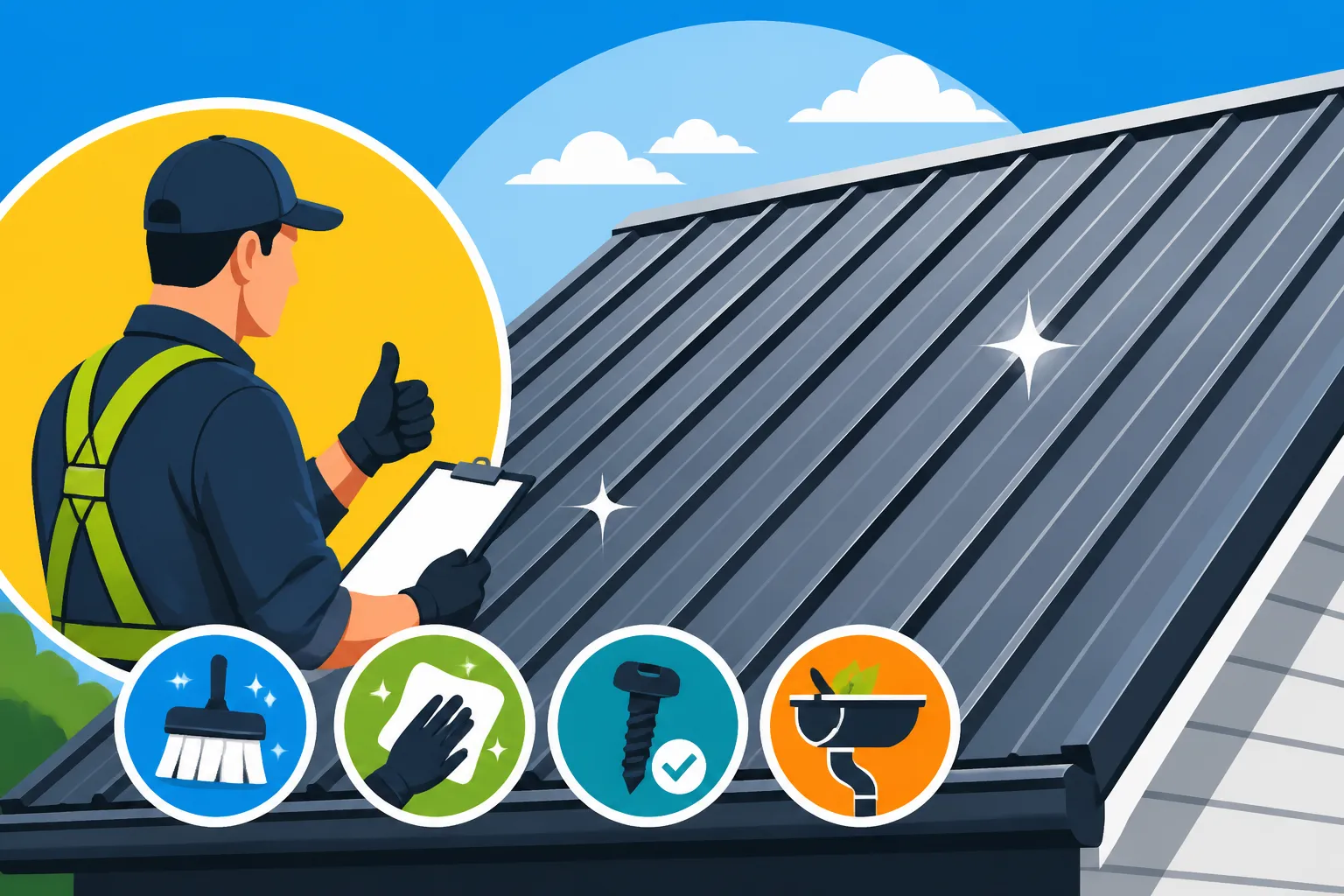
Even with the toughest materials, a metal roof benefits immensely from a keen eye and a bit of routine inspection. This isn't about scrambling up a ladder every week, but rather a structured, annual check-up that can catch small issues before they snowball into big problems.
Visual Inspection from the Ground
Before you even think about climbing onto your roof, take a slow, deliberate walk around your house. This ground-level inspection can reveal a surprising amount without putting yourself at risk. Use a pair of binoculars to get a closer look at areas that are hard to see.
- Look for Missing or Damaged Panels: Are any panels visibly lifted, bent, or missing entirely? Strong winds can sometimes loosen fasteners or warp panels, especially on exposed fastener systems. Even a slight lift can allow water to infiltrate.
- Spotting Dents or Deformities: Hailstorms are a primary concern here. After any significant weather event, check for dimples or larger depressions on your roof's surface. While many metal roofs are impact-resistant, severe hail can still leave its mark. Falling branches can also cause significant dents.
- Checking for Discoloration or Fading: Is the color uniform across the entire roof? Patchy fading or streaks of discoloration can indicate an issue with the coating or trapped debris. White, powdery residue could be chalking, a natural degradation of the paint finish over many years. Green or black patches suggest algae, moss, or lichen growth.
- Evidence of Rust or Corrosion: This is particularly critical for steel roofs. Look for any orange or reddish-brown spots, especially around screw heads, cut edges, or where accessories meet the panels. Even small specks can indicate the beginning of a larger problem.
- Debris Accumulation: Are there leaves, twigs, pine needles, or other organic debris collecting on your roof, particularly in valleys or behind chimneys? This can trap moisture, accelerate corrosion, and prevent proper drainage.
- Gutters and Downspouts: Are they clogged? Are they securely attached? Clogged gutters can cause water to back up onto your roof edge, leading to fascia damage, ice dams, and even water intrusion.
Up-Close Inspection: Safety First
If your ground-level inspection reveals potential issues, or if it's simply time for your annual detailed check, an up-close inspection is necessary. Your safety is paramount. Never attempt to walk on a wet, icy, or excessively steep metal roof. Always use a sturdy ladder, wear appropriate non-slip footwear, and consider using a safety harness, especially on higher pitches. If you're uncomfortable, have mobility issues, or have a very steep roof, it's always best to hire a professional. Learning How to Walk on a Metal Roof Without Damage is crucial.
Once safely on the roof, here’s what to focus on:
- Fasteners (Exposed Fastener Systems): This is where you get granular. Examine every single screw. Are the rubber washers cracked, deteriorated, or missing? Are any screws visibly loose or backed out? Are there signs of rust around the screw heads? Tighten any loose screws gently, taking care not to over-tighten and strip the hole. Replace any screws with damaged washers or significant rust.
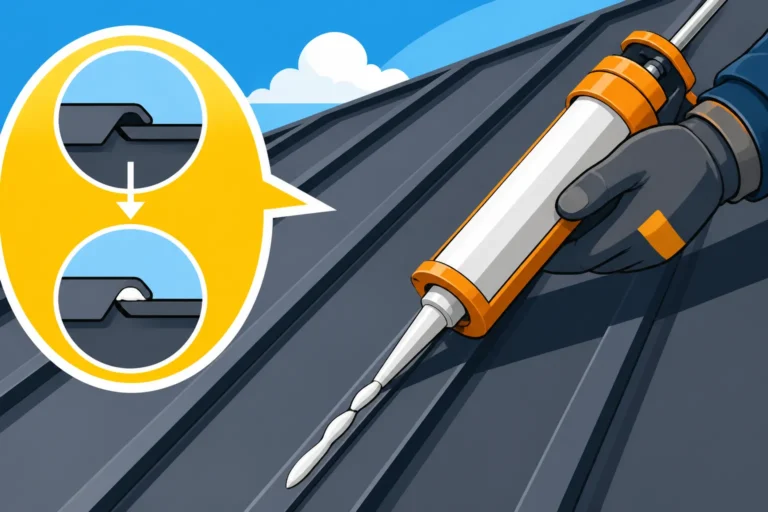
- Flashing and Sealants: Pay close attention to all areas where the roof meets other structures: chimneys, skylights, vents, valleys, and sidewalls. Check the flashing for kinks, cracks, or separation. Look at the sealant around these penetrations – is it dry, cracked, peeling, or missing? Deteriorated sealant is a common source of leaks. Reapply high-quality, metal-compatible sealant as needed.
- Ventilation Components: Inspect attic vents, plumbing vents, and exhaust vents. Ensure they are securely attached, free of obstructions, and that their seals are intact. Missing or damaged vent caps can allow pests or water into your attic.
- Panel Integrity: Beyond large dents, look for small punctures, abrasions, or areas where the protective coating has been compromised. Pay extra attention to panel edges and overlaps.
- Drip Edges and Eave Trim: Ensure these components are securely fastened and effectively directing water into your gutters, or away from your fascia if you don't have gutters.
- Chimney and Skylight Seals: These are prime areas for leaks. Check the caulking and flashing around them thoroughly.
Documenting Your Findings
After your inspection, take a moment to record your findings. A simple notebook, a digital document, or even a smartphone app can be invaluable.
- Date of Inspection: Note when you performed the inspection.
- Observations: Describe any issues found, no matter how minor. "Loose screw near the southwest corner of the chimney," "small patch of moss in the valley," "fading on the north-facing slope."
- Actions Taken: Document any immediate repairs you made, such as tightening screws or clearing debris.
- Recommendations: If you spotted something requiring professional attention (e.g., extensive rust, significant panel damage), make a note to contact a contractor.
- Photos: Take photos of any problem areas. This provides a visual record and can be helpful for contractors or for warranty claims down the road.
This documentation serves multiple purposes: it helps you track your roof's condition over time, proves you've been proactive with maintenance (important for warranties!), and provides a clear history for future homeowners if you decide to sell.
Cleaning Your Metal Roof: Best Practices for Longevity
A clean roof isn't just about aesthetics; it's a vital part of its long-term health. Dirt, debris, and organic growth can all accelerate wear and tear on your metal roofing system.
Routine Cleaning for Debris and Mildew
Regular cleaning, ideally once or twice a year, will go a long way in preventing more stubborn problems from taking hold. The goal here is gentle, effective cleaning that respects your roof's protective coatings.
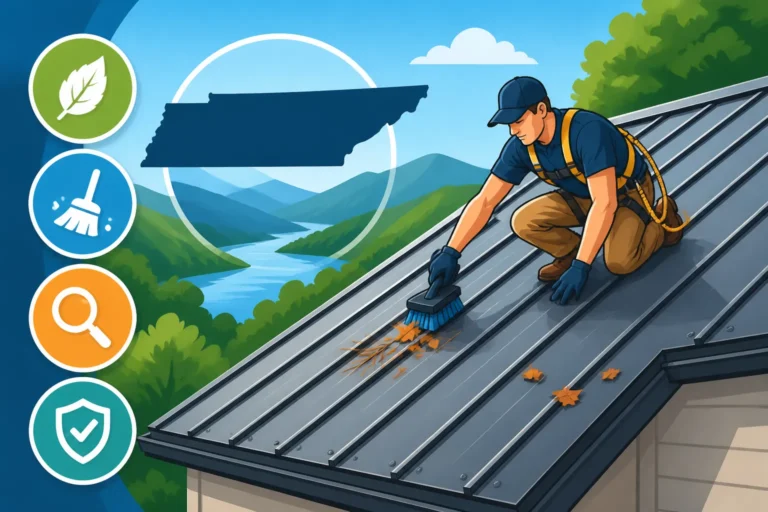
- The Right Tools: For most routine cleaning, you'll need a soft-bristle brush (like a car wash brush or a long-handled deck brush), a garden hose, and a mild cleaning solution. Avoid anything abrasive like wire brushes or harsh scouring pads, which can scratch the paint finish and expose the underlying metal to corrosion.
- Cleaning Solution: A simple solution of mild household detergent (like dish soap) mixed with water is often sufficient for general dirt, pollen, and light mildew. For more stubborn mildew or algae, you can use a solution of one part household bleach to ten parts water, but be very cautious with bleach. Always test on an inconspicuous area first, and thoroughly rinse surrounding vegetation to protect it. There are also specialized roof cleaning products available at hardware stores, many of which are formulated to be safe for painted metal surfaces.
- The Process:
- Preparation: Always wet down surrounding plants and shrubs with plain water before applying any cleaning solution. This dilutes any runoff and helps protect them.
- Application: Apply your cleaning solution using a pump sprayer or by hand with a soft cloth or brush. Work in manageable sections.
- Gentle Scrubbing: For areas with visible dirt or mildew, gently scrub with your soft-bristle brush. Let the solution dwell for 5-10 minutes, but don't let it dry on the roof.
- Rinsing: Thoroughly rinse the cleaned section with a garden hose, working from the top down. Ensure all traces of the cleaning solution are washed away. You can use a low-pressure washer, but keep the nozzle at a distance and use a wide spray pattern (40-degree tip or wider) to avoid damaging the paint finish. Never use a high-pressure washer close up on your metal roof, as it can strip paint, lift panels, or force water under seams.
- Safety First: Again, be mindful of safety. Work on a dry roof, wear non-slip shoes, and use a ladder properly secured.
Tackling Tough Stains: Rust, Algae, and Lichen
Sometimes, routine cleaning isn't enough for the more tenacious stains. These require a slightly more targeted approach.
- Algae and Lichen: These green, black, or sometimes colorful growths are common, especially in humid or shaded areas. While the mild bleach solution mentioned above can often kill them, for persistent growth, look for dedicated roof cleaning products specifically designed for algae and lichen removal. Some products are "no-rinse" and rely on rain to wash away the residue over time. Remember to protect surrounding landscaping. If lichen has firmly adhered, trying to scrape it off dry will likely damage your paint. Wet it thoroughly, apply a treatment, and let it soften before gently brushing.
- Rust Stains: For surface rust that isn't originating from the panel itself (e.g., rust from a metal flake blown onto the roof), specialized rust removers for metal surfaces can be effective. Choose products that are non-acidic and safe for painted finishes. Always follow the product instructions carefully and test in an inconspicuous area. If the rust is severe, widespread, or appears to be coming from the metal panel itself (indicating a compromised coating), it might be time for more serious Metal Roof Rust and Corrosion Treatment or professional assessment.
- Oil and Grease: For oil, grease, or tar stains, a degreaser formulated for painted surfaces can work. Apply, let it sit briefly, and then gently scrub and rinse. Avoid strong solvents like acetone or paint thinner, as these can damage your roof's finish.
- Sap and Residue: If you have trees overhanging your roof, sap can be a sticky problem. Mineral spirits can sometimes dissolve sap, but again, test first and rinse thoroughly. For stubborn tree debris, specialized cleaners for car finishes might also work, as they are often formulated to be gentle on paint.
The key is to act quickly. The longer a stain sits, the harder it is to remove without potentially damaging the roof's finish.
Gutter and Downspout Maintenance
It might not seem like part of the roof itself, but your gutter system is intrinsically linked to your roof's health. Neglecting your gutters can lead to a host of problems for your metal roof.
- The Problem: Clogged gutters prevent rainwater from draining properly. Instead, water can back up, overflowing onto your roof's fascia, siding, and foundation. This standing water at the roof's edge can cause premature corrosion of the lowest panels, damage to the fascia boards, and even lead to water infiltration into your attic or walls, especially in colder climates where ice dams can form. The constant presence of moisture also encourages algae and moss growth along the roof edges.
- The Solution:
- Regular Cleaning: Clear out leaves, twigs, shingle grit (if you have asphalt nearby), and other debris from your gutters at least twice a year, more frequently if you have overhanging trees. You can do this by hand (wearing gloves!), with a scoop, or using a specialized gutter cleaning tool.
- Check Downspouts: Ensure your downspouts are clear and free-flowing. A simple test is to run water from your hose into the gutter; it should flow freely out of the downspout. If not, you might have a clog that needs to be dislodged with a plumber's snake or by disassembling sections of the downspout.
- Repair Damage: While cleaning, inspect your gutters for any signs of damage—loose hangers, bent sections, or leaks at the seams. Repair or replace as needed to ensure the system is functioning optimally.
- Consider Gutter Guards: For homes with heavy tree cover, installing gutter guards can significantly reduce the frequency of cleaning by preventing large debris from entering the gutters. However, even with guards, periodic checks are still advisable, as fine debris can sometimes accumulate.
By keeping your gutters and downspouts clear and in good repair, you ensure proper water diversion, protecting your metal roof and the entire structure of your home from water-related damage.
Common Metal Roof Issues and How to Address Them
Despite their robust nature, metal roofs can develop specific issues over time, just like any other exterior component of your home. Knowing what to look for and how to address these common problems can save you a lot of headache and expense down the road.
Fastener Issues: Loosening, Backing Out, and Rusting Screws
For exposed fastener metal roofing systems (like corrugated, R-panel, or agricultural panels), the fasteners are often the first point of failure if not properly maintained.
- Loosening or Backing Out: Metal panels expand and contract with temperature changes. Over decades, this constant movement can cause the screws to loosen or even back out slightly. When a screw backs out, the rubber washer designed to create a watertight seal is no longer compressed, creating a potential pathway for water.
- How to Address: During your annual inspection, gently check each screw. If it's loose, tighten it carefully with a screw gun. The key is to tighten just enough to compress the washer without stripping the screw hole or deforming the panel. A good rule of thumb is to tighten until the washer is slightly dimpled, but not flattened or bulging.
- Deteriorated Rubber Washers: The rubber (often EPDM) washers beneath the screw heads are crucial for sealing. Over time, UV radiation, extreme temperatures, and chemical exposure can cause these washers to dry out, crack, or disintegrate. Once the washer fails, the screw can no longer create a watertight seal.
- How to Address: If you see cracked, missing, or visibly degraded washers, they need to be replaced. This involves removing the old screw, prying off the old washer, placing a new high-quality EPDM washer onto the screw, and then re-driving the screw into the same hole. Make sure the new washer is properly seated and compressed. You can find detailed instructions in a guide on How to Replace Metal Roof Screws and Fasteners.
- Rusting Screws: While most metal roofing screws are galvanized or coated for rust resistance, this coating can wear off over time, especially on the head where tools make contact. Once the protective layer is gone, the screw can rust, staining your roof panels and eventually compromising its integrity.
- How to Address: If you notice rust on a screw head, replace the entire screw with a new, high-quality, corrosion-resistant fastener. Stainless steel screws with EPDM washers are often recommended for their superior longevity. For minor rust stains on the panel itself caused by a rusting screw, gently clean the area as described in the cleaning section.
Addressing fastener issues promptly is paramount, as they are the most common source of leaks in exposed fastener systems.
Flashing and Seam Integrity
Flashing and seams are the critical junctures of your roof system, designed to redirect water away from vulnerable areas. Any compromise here is a direct invitation for leaks.
- Flashing: This involves metal pieces installed around obstructions like chimneys, skylights, dormers, and vent pipes, as well as in valleys where two roof planes meet.
- What to Look For: During your inspection, check for any visible gaps, cracks, bent or lifted sections of flashing. Look for missing caulk or sealant around the edges of flashing, or sealant that has dried, cracked, or pulled away from the surface. In valleys, ensure the flashing is clear of debris and not warped.
- How to Address: Small gaps in flashing or deteriorated sealant can often be repaired with a high-quality, UV-resistant, metal-compatible sealant (often silicone or a polyether-based caulk). Make sure the surface is clean and dry before applying. For bent or significantly damaged flashing, it may need to be carefully reshaped or, in severe cases, replaced by a professional. Don't underestimate the importance of proper Metal Roof Flashing Repair.
- Seams (Standing Seam Roofs): For standing seam roofs, the interlocking seams are what keep the water out.
- What to Look For: Inspect the full length of the seams. Are they tightly interlocked? Are there any signs of separation, lifting, or damage? While standing seams are designed to be robust, extreme weather or improper installation can sometimes compromise their integrity.
- How to Address: Minor seam issues might be re-sealed with a specialized sealant. However, if a standing seam panel has significantly delaminated or been compromised, it's a more complex repair that usually requires a skilled metal roofing contractor. Attempting a DIY fix on a major seam separation can inadvertently lead to more extensive damage or leaks.
Dealing with Scratches, Fading, and Coatings
The factory-applied coatings on metal roofs are what give them their color and protect the metal from the elements. Maintaining these coatings is key to both aesthetics and longevity.
- Scratches: Scratches can occur during installation, from falling debris, or even from walking on the roof with improper footwear. A deep scratch that penetrates the paint coating and exposes the bare metal beneath can lead to rust on steel roofs.
- How to Address: For minor surface scuffs, a simple cleaning might be enough. For deeper scratches that expose the metal, you'll need touch-up paint. Obtain manufacturer-matched touch-up paint from your installer or the manufacturer. Clean the scratched area thoroughly, allow it to dry completely, and then carefully apply a thin layer of paint with a small brush. Several thin coats are better than one thick one. This minor task can prevent a major rust spot.
- Fading and Chalking: Over decades, especially under intense UV exposure, even the highest quality PVDF (Kynar 500) or SMP coatings will eventually experience some degree of fading and chalking. Chalking is the appearance of a white, powdery residue on the surface as the resin degrades. This is typically an aesthetic issue and doesn't immediately compromise the integrity of the metal, but it does mean the coating is aging.
- How to Address: For light chalking, regular cleaning can often wash away the residue and temporarily improve the appearance. However, once the coating has significantly faded or chalked, it's often a sign that the original finish is reaching the end of its aesthetic life. At this point, you might consider Repainting and Recoating a Metal Roof to restore its appearance and add another layer of protection. This is a significant project that should be done by experienced professionals using specialized industrial coatings.
- Understanding Paint Coatings (PVDF vs. SMP): Most residential metal roofs feature either PVDF (Polyvinylidene Fluoride, often branded as Kynar 500 or Hylar 5000) or SMP (Silicone Modified Polyester) coatings. PVDF coatings are generally considered superior in terms of fade and chalk resistance and are ideal for areas with intense sun. SMP coatings are a good, more economical option with good durability. Your roof's specific coating will influence how it ages and what types of cleaners are safe to use. Always consult your manufacturer's recommendations.
Protecting Your Metal Roof from Extreme Weather
One of the primary benefits of a metal roof is its exceptional resistance to extreme weather. However, even the toughest roof benefits from specific considerations and preventive measures to ensure it weathers every storm, literally.
Snow and Ice Management
If you live in a region that experiences heavy snowfall or frequent freezing temperatures, managing snow and ice on your metal roof is paramount, not just for the roof itself, but for the safety of people and property below.
- The Problem: Metal roofs, especially those with slick finishes, are excellent at shedding snow. While this can be a benefit, preventing heavy snow loads and ice dams, it also means that large, heavy sheets of snow and ice can slide off rapidly and unexpectedly. This "avalanching" effect can be incredibly dangerous, damaging anything in its path, from landscaping and cars to people. Ice dams can also form, trapping water against the roof edge, which can lead to leaks if not properly addressed.
- Snow Guards: The most effective solution to control snow shedding is the installation of snow guards. These small, often clear or color-matched, devices are strategically placed on the roof surface to break up and hold back the snow, allowing it to melt gradually or shed in smaller, safer pieces.
- Types: Snow guards come in various designs, including individual "pad-style" guards that stick up from the panel, and "pipe-style" systems that run horizontally along the eaves. The best type and placement depend on your roof's pitch, local snowfall amounts, and the presence of any vulnerable areas below.
- Installation: Snow guards should ideally be installed during the initial roof installation, but they can be retrofitted by a professional. Proper placement is crucial; haphazard installation can be ineffective or even damage your roof.
- Preventing Ice Dams: Proper attic ventilation is key to preventing ice dams. A well-ventilated attic allows warm air from the house to escape, preventing it from melting snow on the roof, which then refreezes at the colder eaves. Ensure your roof has adequate ridge and soffit vents and that they are not blocked. Insulation also plays a vital role in keeping heat inside your living space, not in your attic.
- Safe Snow Removal: Generally, it's best to let a metal roof shed snow naturally, especially if snow guards are in place. However, if extremely heavy snowfall creates a dangerous load, or if you need to access specific areas, professional snow removal might be necessary. Never attempt to remove snow from a metal roof yourself without proper training and safety equipment. Improper removal can damage the panels, cause leaks, or lead to serious injury.
Wind and Hail Damage Prevention
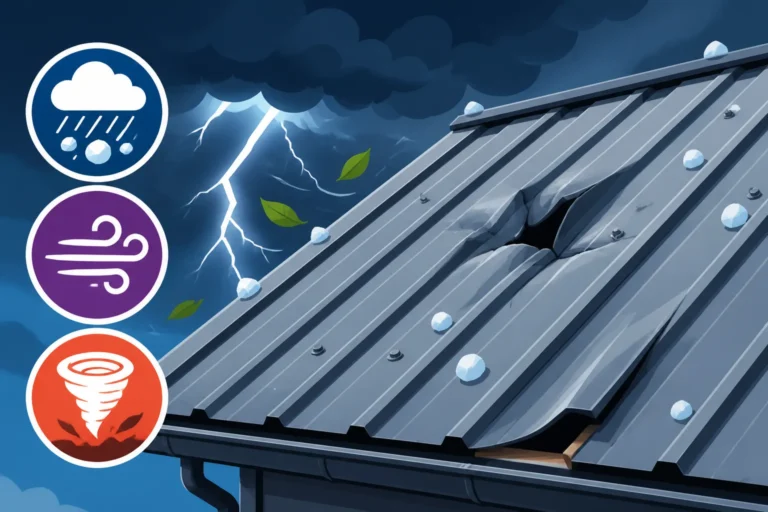
Metal roofs are renowned for their superior resistance to severe weather, often carrying excellent wind uplift and hail impact ratings. However, no roof is entirely impervious to nature's fury, and prevention starts with proper installation and ends with post-storm checks.
- Wind Resistance: Many metal roofs are designed to withstand hurricane-force winds, with some systems rated for winds exceeding 150-160 mph. This incredible durability is largely due to how they are installed and fastened.
- Prevention: The best defense against wind damage is ensuring your metal roof was installed correctly in the first place, with appropriate fasteners, clips, and perimeter details. Regularly inspect for any loose panels, lifted edges, or compromised flashing. For exposed fastener roofs, tighten any loose screws. These small steps prevent minor issues from becoming major wind damage during a storm.
- Post-Storm Check: After a significant wind event, conduct a thorough visual inspection from the ground and, if safe, an up-close check. Look for any lifted panels, loose or missing fasteners, or any signs of stress around the edges and penetrations. Even small lifts can eventually tear panels or allow water ingress.
- Hail Impact: Metal roofs typically fare much better against hail than asphalt shingles, which can be easily bruised or punctured. Many metal roofing products achieve a Class 4 impact resistance rating, the highest possible, meaning they can withstand impacts from 2-inch steel balls dropped from 20 feet without cracking.
- Prevention: Again, the quality of the metal and its installation are key. Thicker gauge metal (like 24-gauge steel rather than 29-gauge) and certain profiles (like stone-coated steel or standing seam) tend to be more resistant to denting.
- Post-Storm Check: After a hailstorm, visually inspect your roof for dents. While aesthetic dents may not compromise the roof's performance, significant or widespread denting could be a concern. Some insurance policies have a "cosmetic damage exclusion" for metal roofs, meaning they won't cover purely aesthetic hail damage that doesn't affect the roof's functionality. Understand your policy and check your roof for Metal Roof Storm, Hail & Wind Damage.
Coastal Considerations: Salt Air and Corrosion
Homes located in coastal regions face a unique challenge: relentless exposure to salt-laden air, which can accelerate corrosion on certain metals.
- The Problem: Salt is highly corrosive. Over time, microscopic salt particles carried by the wind settle on roof surfaces. If not regularly cleaned, this salt buildup can compromise the protective coatings on steel and promote rust, even on high-quality Galvalume.
- Material Choice: For coastal environments, aluminum is often the preferred choice due to its inherent resistance to salt corrosion. Copper and zinc also perform very well in these conditions. If steel is used, it should be a premium-grade Galvalume with a high-performance PVDF paint system, specifically warranted for coastal exposure.
- Enhanced Maintenance:
- Frequent Rinsing: The most effective defense is frequent rinsing with fresh water. Aim to rinse your metal roof and gutters every few months, or at least twice a year, to wash away accumulated salt. Use a garden hose with decent pressure, starting from the ridge and working your way down.
- Regular Cleaning: More frequent thorough cleaning to remove organic debris and any sticky residues that can trap salt crystals.
- Inspect Fasteners and Edges: Pay extra attention to exposed fasteners (if applicable), cut edges, and flashing components, as these are often the first areas to show signs of corrosion in a salty environment.
- Professional Assessment: Consider having a professional metal roofing contractor specializing in coastal installations inspect your roof every few years. They can spot subtle signs of corrosion that might be missed by an untrained eye and recommend preventative treatments or repairs.
By understanding and addressing these specific environmental factors, you can ensure your metal roof provides long-lasting protection, no matter where your home is located.
When to Call a Professional: Repair vs. DIY
While many routine maintenance tasks can be handled by a diligent homeowner, there are definite lines when it comes to metal roof care. Knowing when to call in the experts is crucial for safety, warranty preservation, and ensuring the job is done right.
Identifying When DIY Isn't Enough
Sometimes, a situation arises that simply exceeds the average homeowner's capabilities or comfort level. This isn't a sign of failure; it's a recognition of specialized skill and inherent risk.
- Complex Repairs: If you're facing issues like significantly bent or damaged panels, major seam separation on a standing seam roof, extensive flashing damage around a chimney, or widespread rust that goes beyond surface stains, these are almost always jobs for professionals. These types of repairs require specialized tools, techniques, and knowledge of metal forming and sealing to ensure the repair is effective and doesn't compromise the roof's long-term integrity. Attempting a complex repair yourself without the right expertise can easily lead to further damage, more expensive fixes down the road, or worse, persistent leaks.
- Safety Concerns: This is the absolute paramount factor. If your roof is particularly steep, if you have a multi-story home, if weather conditions are unfavorable (wet, windy, icy), or if you simply don't feel comfortable working at heights, it's time to call a professional. Falls from roofs are a leading cause of home improvement injuries. Professionals have the right safety gear, training, and experience to navigate roofs safely. Remember that no repair is worth risking your health or life.
- Warranty Implications: As mentioned earlier, many manufacturer warranties require certain repairs or installations to be performed by a certified or qualified professional. If you attempt a complex repair yourself, even if you do it "correctly," you could inadvertently void your warranty for that section of the roof or even the entire system. Always check your warranty document before undertaking significant repairs. For example, some manufacturers require that only their approved installers perform modifications to maintain warranty coverage.
- Lack of Proper Tools: Metal roofing requires specific tools for cutting, bending, fastening, and sealing. If you don't own these specialized tools, purchasing them for a one-time repair might be more expensive than hiring a professional. Moreover, using the wrong tools can cause irreparable damage to the metal panels or coatings.
Finding a Qualified Metal Roofing Contractor
When you do need professional help, don't just pick the first name in the phone book. Finding a skilled and reputable metal roofing contractor is critical, as metal roofing installation and repair require different expertise than traditional shingle roofing.
- Specialization Matters: Look for contractors who specifically advertise expertise in metal roofing. Ask how much of their business is dedicated to metal roofing projects. A contractor who installs metal roofs regularly will be much more knowledgeable about the nuances of different materials, profiles, and installation techniques than one who primarily works with asphalt.
- Experience and Track Record: Inquire about their experience. How many metal roofs have they installed or repaired? Can they provide references for recent metal roofing projects? Check online reviews and ratings on platforms like Google, Yelp, and the Better Business Bureau.
- Licensing, Bonding, and Insurance: Verify that the contractor is properly licensed in your state or locality. Confirm they are bonded and carry comprehensive liability insurance and worker's compensation insurance. This protects you from financial responsibility if there's an accident on your property or if the work is shoddy. You can often verify licensing through your state's contractor licensing board website.
- Manufacturer Certifications: Many leading metal roofing manufacturers (e.g., McElroy Metal, Metal Sales, Englert) offer certification programs for installers who have undergone specific training on their products. A manufacturer-certified installer is more likely to install or repair your roof according to the highest standards, which can be crucial for warranty validity.
- Get Multiple Quotes: Don't settle for the first estimate. Contact at least three different contractors to get detailed quotes. This allows you to compare pricing, proposed solutions, and professionalism. Be wary of estimates that are significantly lower than others, as this could indicate cutting corners on materials, labor, or insurance.
- Detailed Contracts: Ensure the contractor provides a clear, written contract that outlines the scope of work, materials to be used, project timeline, payment schedule, and warranty information for both materials and labor.
- Leverage Services: Consider using platforms like Modernize to help you find local, pre-vetted metal roofing professionals. They can connect you with contractors who specialize in metal roofing and meet your specific project needs. This can save you time and effort in the vetting process, ensuring you're working with a reputable company. Learn more about How to Hire a Metal Roofing Contractor.
Understanding Repair vs. Replacement Scenarios
One of the toughest decisions homeowners face is whether to repair an existing problem or opt for a full roof replacement. This often boils down to the extent of the damage, the age of the roof, and the cost-effectiveness of each option.
- Minor, Localized Damage: If the issue is a few loose screws, a small patch of rust, a single damaged panel, or deteriorated flashing around one vent, repair is almost always the more economical and logical choice. These fixes are usually quick, relatively inexpensive, and can significantly extend the life of your existing roof. A guide on How Much Does Metal Roof Repair Cost? can help you estimate these smaller repairs.
- Widespread Damage: If your roof has suffered extensive hail damage across multiple panels, widespread and deep scratches, significant corrosion on many sections, or numerous structural issues from a major storm, then repair might not be feasible or cost-effective. Trying to piece-meal fix a roof with widespread issues can become a never-ending cycle of repairs.
- Age of the Roof: Consider the age of your metal roof. While metal roofs can last 50-70 years, if your roof is 40-50 years old and starting to show multiple signs of wear (e.g., significant fading, widespread minor leaks, frequent fastener issues), even if repairs are possible, it might be more prudent to invest in a full replacement. The remaining lifespan you'd gain from repairs might not justify the cost compared to a new installation with a fresh warranty.
- Cost Analysis: Always get detailed quotes for both repair and replacement scenarios if you're on the fence. Compare the upfront costs against the expected additional lifespan gained from the repair versus the total investment and lifespan of a new roof. Sometimes, the cost of extensive repairs can approach or even exceed a significant portion of a new roof, making replacement the smarter long-term financial decision. For a full comparison, look into Metal Roof Repair vs Replacement: How to Decide.
Long-Term Metal Roof Care: Beyond Routine Maintenance
While annual inspections and cleaning are crucial, thinking about your metal roof's long-term health involves looking at underlying systems and understanding how environmental factors continue to play a role. These considerations often extend beyond quick fixes and delve into how your roof interacts with your entire home.
Underlayment and Ventilation Checks
The visible metal panels are just one part of a complete metal roofing system. What's underneath and how your attic breathes are equally important for the roof's longevity and your home's energy efficiency.
- The Role of Underlayment: Beneath your metal panels lies the underlayment, typically a synthetic material or, less commonly these days, felt paper. This layer provides a crucial secondary barrier against moisture should any water penetrate the primary metal panels. It also protects your roof deck during installation and helps create a smooth surface for the metal.
- Long-Term Check: While you can't directly inspect your underlayment without removing panels, signs of underlying issues can manifest as leaks or moisture stains in your attic. If you suspect your underlayment has been compromised due to age, significant roof damage, or improper installation, it could lead to widespread issues. A professional can assess the integrity of the full roof system during a more in-depth inspection. The cost of Metal Roof Underlayment Cost is a minor expense compared to potential damage.
- Ventilation's Crucial Link: Proper attic ventilation is paramount for a metal roof. A well-ventilated attic allows heat and moisture to escape, preventing a host of problems:
- Condensation: In colder climates, warm, moist air from your living space can rise into an unventilated attic, condense on the underside of the cold metal roof panels, and drip down, leading to moisture damage, mold growth, and compromised insulation.
- Heat Buildup: In hot climates, poor ventilation traps superheated air in the attic, radiating heat down into your home, increasing cooling costs, and potentially cooking the underside of your roof components.
- Ice Dams: As discussed, proper ventilation helps maintain an even roof temperature, preventing snow from melting and refreezing into ice dams at the eaves.
- Checks and Maintenance: During your attic inspection (at least once a year), check for any signs of moisture, mold, or mildew on the underside of your roof deck or insulation. Ensure all soffit vents are clear of insulation and debris, and that ridge vents or other attic vents are unobstructed and functioning. If you notice persistent moisture or extreme attic temperatures, it's worth having a professional assess your home's ventilation system. They can recommend adding or improving vents to create a balanced system that allows air to flow freely.
Energy Efficiency and Reflectivity Maintenance
One of the significant advantages of metal roofs, particularly those with lighter colors or specialized coatings, is their energy efficiency. They reflect solar radiant heat, keeping your home cooler and reducing energy bills. Maintaining this property is a simple but impactful aspect of long-term care.
- How it Works: Many metal roofs feature "cool roof" pigments and highly reflective surfaces. This means they absorb less solar radiation than darker, less reflective materials like asphalt shingles. Instead, they bounce the sun's heat away from your home, resulting in a cooler attic and lower demands on your air conditioning system.
- The Impact of Dirt: Over time, a buildup of dirt, grime, pollen, and organic matter can significantly reduce your roof's reflectivity. A dirty "cool roof" acts more like a regular roof, absorbing more heat rather than reflecting it. This means you could be losing out on the energy savings you invested in.
- Maintenance for Efficiency: The good news is that maintaining your roof's energy efficiency is directly tied to your routine cleaning efforts. Regular washing, especially for lighter-colored roofs, ensures that the reflective properties of the coating remain optimal.
- Scheduled Cleaning: Stick to your schedule of at least annual, or ideally biannual, cleanings. Focus on removing any film, dirt, or organic growth that can dull the surface.
- Avoid Abrasives: Be particularly careful not to use abrasive cleaners or tools that could scratch the reflective coating. Any damage to the surface can reduce its ability to reflect heat.
- Monitor Energy Bills: If you notice an unexpected spike in your cooling costs without other changes to your home's energy usage, it might be a subtle sign that your roof's reflectivity has diminished due to surface buildup. A good cleaning could be all it needs.
By keeping your metal roof clean and ensuring its underlying systems like underlayment and ventilation are in good order, you're not just preserving its physical structure; you're also maximizing its long-term performance benefits, from extended lifespan to consistent energy savings.
| Maintenance Task | Frequency | Details |
|---|---|---|
| Visual Ground Inspection | Annually (or after storms) | Look for lifted panels, dents, discoloration, debris, gutter clogs. Use binoculars for hard-to-see areas. |
| Up-Close Roof Inspection | Annually | Check fasteners, flashing, sealants, vents, panel integrity. Prioritize safety; hire a professional if uncomfortable. |
| Routine Cleaning | Annually / Bi-annually | Wash with mild detergent and low-pressure hose to remove dirt, pollen, light mildew. Protect surrounding plants. |
| Gutter & Downspout Cleaning | Annually / Bi-annually | Clear all debris to ensure proper water drainage and prevent backup onto the roof edge. Check for damage. |
| Fastener Check & Tightening | Annually | For exposed fastener roofs, inspect and tighten loose screws, replace deteriorated washers. |
| Flashing & Sealant Inspection | Annually | Look for cracks, gaps, or degradation in sealants around penetrations. Reapply metal-compatible sealant as needed. |
| Scratch/Rust Touch-Up | As needed | Clean exposed metal areas and apply manufacturer-matched touch-up paint immediately to prevent rust. |
| Stain Removal | As needed | Use targeted treatments for algae, lichen, or specific rust stains, always testing in an inconspicuous area first. |
| Attic & Ventilation Check | Annually | Inspect attic for signs of moisture, mold, or extreme heat. Ensure soffit and ridge vents are clear and unobstructed. |
| Professional Assessment | Every 5-10 years (or as needed) | Hire a qualified metal roofing contractor for a comprehensive inspection, especially for complex issues, warranty-related concerns, or if major repairs are suspected. Modernize can help you find local experts for this. |
Disclaimer
Please remember that this guide provides general advice for metal roof maintenance. Always consult your specific metal roof manufacturer's guidelines and warranty information for the most accurate and safe maintenance practices for your particular product. If you are unsure about any task, or if safety is a concern, always hire a qualified and insured metal roofing professional. Working on roofs can be dangerous, and improper techniques can lead to injury or damage to your roof.