What Is the Best Metal Roof for North Carolina Weather
Choosing a new roof for your North Carolina home can feel like a monumental task, especially when you consider our state's incredibly varied and often unpredictable weather. From the salty, hurricane-prone coast to the sweltering inland summers and snowy mountain winters, your roof faces a constant barrage of challenges. This guide is here to walk you through the specifics, helping you understand which metal roofing options are truly best equipped to protect your home and stand the test of time against North Carolina's unique climate.
Understanding North Carolina's Diverse Climate
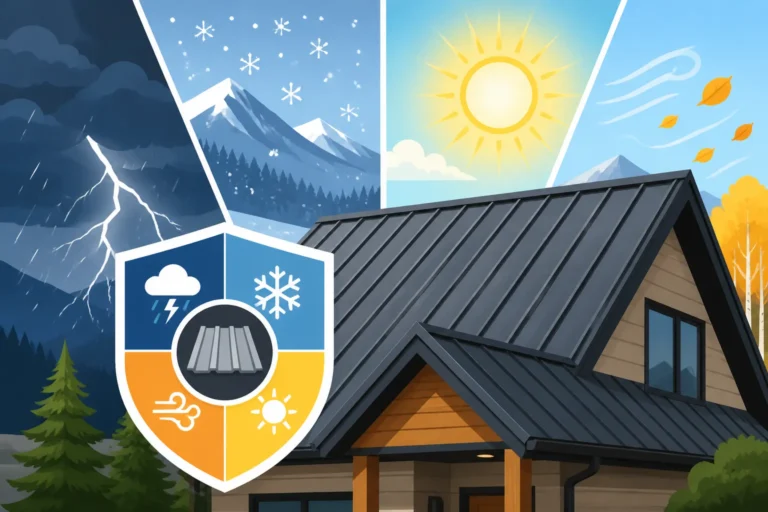
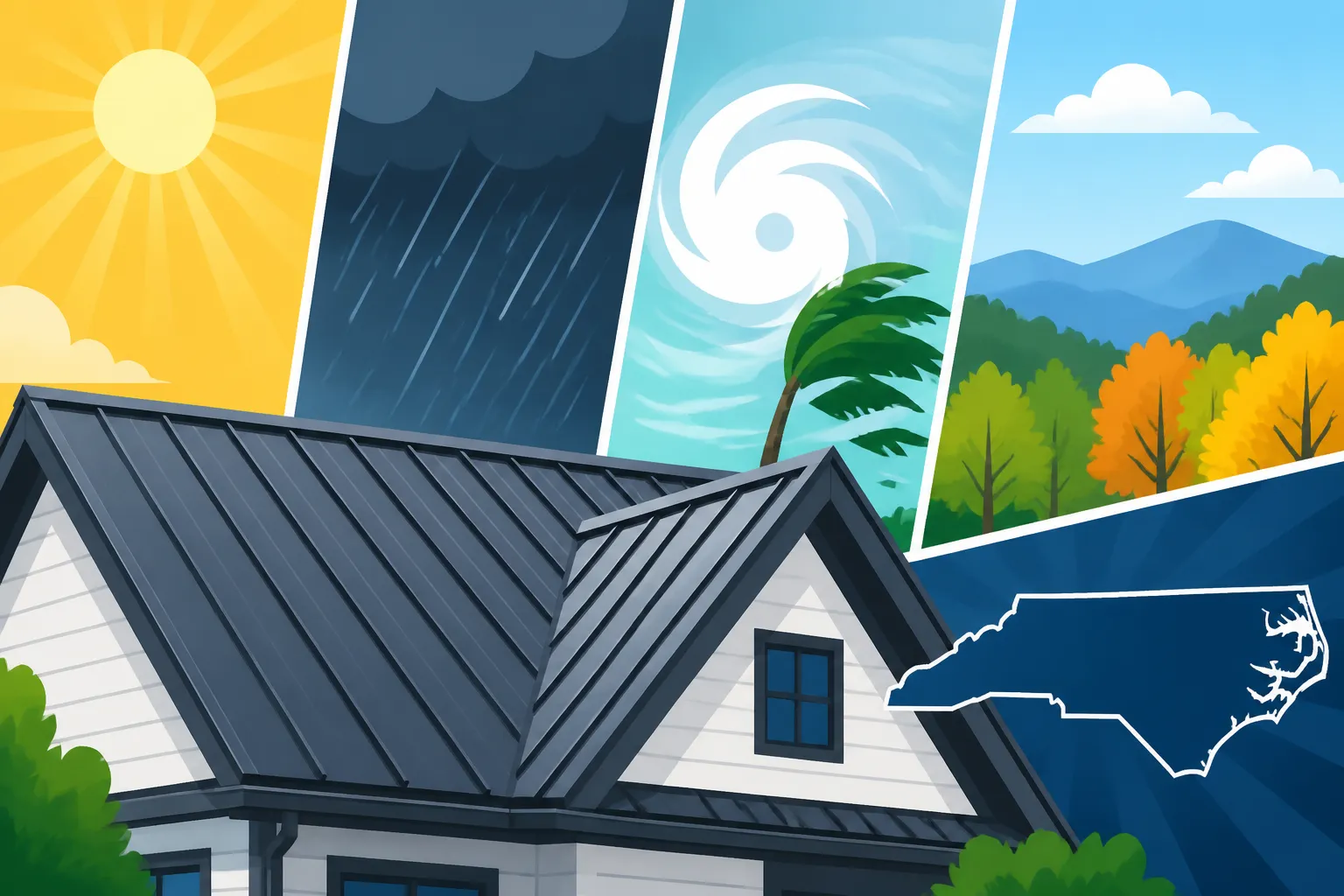
North Carolina isn't just one type of weather; it's a tapestry of distinct climatic zones, each with its own set of challenges for a roof. What works perfectly in Asheville might not be the best choice for a home on the Outer Banks. Understanding these nuances is the first step in making an informed decision about your metal roof.
Coastal Challenges: Salt, Wind, and Humidity
If you live along North Carolina's stunning coastline, from Wilmington up to the Outer Banks, your home is constantly exposed to salt spray, high humidity, and the very real threat of tropical storms and hurricanes. The salt in the air is a relentless enemy of many building materials, accelerating corrosion and degradation. High winds during hurricane season aren't just a concern for shingles blowing off; they can lift entire roof sections if not properly installed and secured. Then there's the humidity, which can contribute to mold and mildew issues if ventilation isn't managed correctly, even with a metal roof.
Imagine a typical summer day in Nags Head or Carolina Beach, where the ocean breeze brings relief but also microscopic salt particles that settle on every surface. Over years, this environmental stress can wear down conventional roofing materials. A metal roof here needs to be exceptionally resistant to corrosion and capable of shedding water quickly, while also boasting a superior wind rating to withstand those intense gusts that sweep in from the Atlantic.
Inland Extremes: Heat, Cold, and Storms
Venture inland to the Piedmont region, encompassing cities like Raleigh, Charlotte, and Greensboro, and you trade salt spray for intense summer heat, often accompanied by severe thunderstorms, hail, and occasional ice storms in winter. Summers here can be brutal, with temperatures regularly soaring into the 90s, making energy efficiency a major concern. A roof that absorbs and radiates heat back into your attic can drive up cooling costs significantly.
Beyond the heat, the Piedmont is no stranger to powerful storms. Hail, sometimes quite large, can cause significant damage to traditional asphalt shingles, leading to cracks and granule loss. Even metal roofs need to be robust enough to handle the impact of hailstones without denting or chipping their protective coatings. Winter, while generally milder than the mountains, can still bring freezing rain and the occasional snow, posing risks of ice dams if proper insulation and ventilation aren't in place. Choosing a durable option is key to reducing the need for costly repairs down the line. You can learn more about how to address these issues in our guide on Metal Roof Repair vs Replacement: How to Decide.
Mountain Region Considerations: Snow and Freeze-Thaw Cycles
Up in the majestic Blue Ridge Mountains, around areas like Asheville, Boone, and Blowing Rock, the climate shifts dramatically. Here, you'll experience colder winters with substantial snowfall, often leading to significant snow loads on roofs. The freeze-thaw cycle—where temperatures fluctuate above and below freezing—can be particularly damaging, causing materials to expand and contract, which can lead to stress cracks and material fatigue over time.
A metal roof in the mountains needs to be able to handle heavy snow loads without buckling and allow snow to slide off efficiently and safely. While beautiful, snow accumulation can be incredibly heavy, placing immense stress on your home's structure. Additionally, the constant shift between freezing and thawing requires a roof material that can tolerate these dimensional changes without compromising its integrity. Proper insulation and ventilation are even more critical here to prevent ice dams and ensure efficient energy use during those long, cold winters.
Top Metal Roofing Materials for North Carolina
Now that we've covered the varied challenges, let's look at the specific metal roofing materials that shine in North Carolina's diverse environment. Each has its strengths and weaknesses, making the "best" choice highly dependent on your specific location and priorities.
Steel Roofing: The Durable All-Rounder
Steel is arguably the most popular metal roofing material, and for good reason—it’s incredibly versatile and durable, making it an excellent all-rounder for many North Carolina homes. Typically, steel roofing comes in galvanized (zinc coating) or Galvalume (zinc and aluminum coating) versions, both offering robust corrosion resistance. These coatings are vital for resisting the elements, especially in the humid, storm-prone NC climate.
For homes in the Piedmont or mountain regions, steel panels, particularly those in 24 or 26 gauge, offer fantastic impact resistance against hail and can easily handle heavy snow loads. They are less prone to denting than aluminum and are often more budget-friendly than copper or zinc. However, even with coatings, coastal homeowners should consider enhanced protection or alternative materials due to steel's susceptibility to salt spray over very long periods. A high-quality paint finish, like a PVDF (Kynar 500) coating, is crucial for both longevity and maintaining aesthetic appeal, resisting fading and chalking for decades. These coatings also contribute to the roof's energy efficiency. You can explore the differences in cost and durability between different gauges in our article 24 vs 26 Gauge Metal Roof: Cost Difference.
Aluminum Roofing: Ideal for Coastal Environments
If your home is nestled along the Carolina coast, aluminum roofing is often hailed as the champion. Its standout feature is its inherent resistance to rust and corrosion, even in the most saline environments. Unlike steel, aluminum doesn't rely on a coating for its corrosion resistance; it naturally forms a protective oxide layer when exposed to air. This makes it virtually impervious to the salt spray that can relentlessly attack other metals.
Aluminum is also incredibly lightweight, which can be an advantage for certain roof structures and during installation. It's highly reflective, making it excellent for energy efficiency, especially during North Carolina's hot summers. While it's generally softer than steel and can be more prone to denting from severe hail, advancements in panel design and gauge thickness have made it quite robust. Its slightly higher upfront cost compared to steel is often offset by its unparalleled longevity and minimal maintenance requirements in coastal zones, providing exceptional peace of mind against the elements. If you're comparing costs, our Aluminum Roof Cost guide might be helpful.
Copper Roofing: Timeless Beauty and Resilience
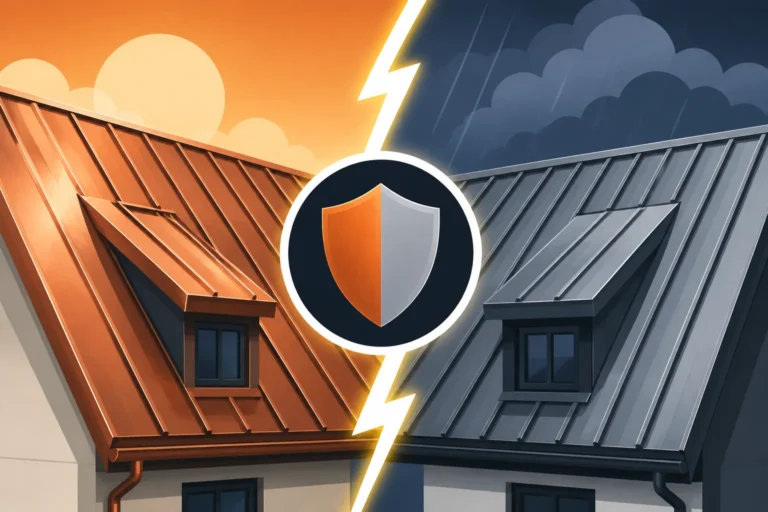
For those seeking the ultimate in longevity, aesthetic appeal, and natural resistance to virtually all of North Carolina’s weather challenges, copper roofing stands in a league of its own. Copper doesn't rust or corrode, and it's completely unaffected by salt spray, making it another excellent, albeit premium, choice for coastal homes. Over time, copper develops a beautiful, distinctive green patina that protects the metal and adds unparalleled character to any home.
Its extreme durability means a copper roof can last well over a century with minimal maintenance, often outliving the home it protects. It handles heavy snow loads, resists high winds, and its malleability allows for intricate designs, though this also means it can be more susceptible to dents from very large hail than steel. The primary drawback, of course, is the significant upfront investment. However, for a forever roof that offers unmatched performance and curb appeal, especially for historic or luxury homes, copper is an incredible option for any part of North Carolina. To understand the investment better, check out our guide on Copper Roof Cost.
Zinc Roofing: Self-Healing and Long-Lasting
Zinc roofing is another high-end option gaining traction for its exceptional durability, unique aesthetics, and "self-healing" properties. Similar to copper, zinc develops a natural protective patina over time, which not only adds to its visual appeal but also has the remarkable ability to repair minor scratches and imperfections. This makes it incredibly long-lasting and virtually maintenance-free.
Zinc is also highly resistant to corrosion, including salt exposure, making it suitable for coastal areas. It's incredibly flexible and malleable, allowing for complex architectural designs. While it shares a similar price point to copper, its unique matte finish and ability to resist environmental degradation for 80-100 years or more make it a compelling choice for homeowners looking for a sustainable and ultra-durable roofing solution that can handle North Carolina’s diverse climate extremes with grace.
Key Features to Look for in a North Carolina Metal Roof
Beyond the base material, several critical features and specifications contribute to a metal roof's performance in North Carolina's climate. Don't overlook these details when comparing bids and materials.
Wind Resistance and Fastener Systems
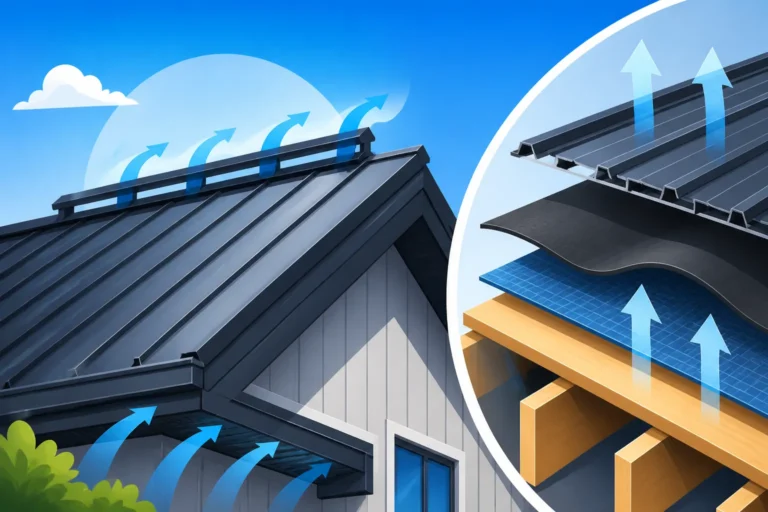
North Carolina, especially the coastal plain, is no stranger to high winds, from strong thunderstorms to hurricanes. A metal roof's ability to stay put is paramount. Look for systems with high wind uplift ratings, often expressed in MPH. Standing seam metal roofs, with their concealed fasteners and interlocking panels, generally offer superior wind resistance compared to exposed fastener systems. The way the panels are secured to the roof deck, including the quality and number of fasteners, is absolutely crucial.
Many manufacturers test their products to meet specific wind zone requirements. For coastal regions, you'll want a system engineered to withstand hurricane-force winds, often exceeding 150 mph. Ask contractors about their experience installing roofs to these demanding standards and about the specific fastener systems they use. A good contractor will explain how they ensure your roof can handle the kind of wind gusts that sweep through the Carolinas without a problem.
Corrosion Protection and Coatings
This is where the rubber meets the road, especially for coastal or highly humid areas. For steel roofing, the type and thickness of the protective coating are critical. Galvalume (a mix of zinc and aluminum) generally offers superior corrosion resistance to galvanized (zinc only) in most environments, particularly against salt. Beyond the base metal's coating, the paint finish is your roof's first line of defense.
High-quality paint systems, like Kynar 500 (PVDF), are designed to resist fading, chalking, and environmental degradation for decades. They offer excellent UV protection, keeping your roof looking great and extending its lifespan. Cheaper silicone-modified polyester (SMP) coatings might save a bit upfront but won't last as long in terms of color retention and protective qualities, particularly under the intense NC sun or salt exposure. Always ask about the coating warranty and expected lifespan. These details are often covered in discussions about Metal Roof Warranties: Workmanship vs Manufacturer.
Energy Efficiency and Cool Roof Technology
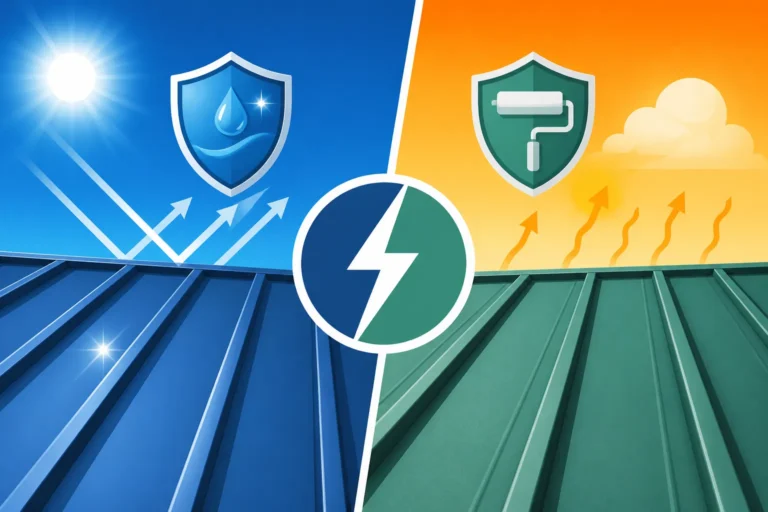
With North Carolina's hot, humid summers, energy efficiency isn't just a bonus—it's a necessity. Metal roofs are inherently more reflective than asphalt shingles, but specific colors and coatings can dramatically enhance this property. "Cool roof" technology involves specially formulated pigments that reflect more solar radiation and emit less heat, keeping your attic and home cooler.
Many metal roofing products are Energy Star certified, meaning they meet strict guidelines for energy efficiency. Opting for lighter colors, like white, light gray, or tan, can significantly reduce your home's cooling load, potentially saving you a substantial amount on utility bills over the lifetime of the roof. Even darker colors with advanced reflective pigments can perform well. This is a critical consideration for any homeowner in North Carolina looking to improve their home's comfort and reduce their environmental footprint.
Impact Resistance and Hail Protection
While metal roofs are generally much more durable than asphalt shingles against hail, not all metal roofs are created equal when it comes to impact resistance. For regions prone to severe thunderstorms and hailstorms, such as the Piedmont, this is a key factor. Some metal panels, particularly those made from thicker gauges of steel (like 24-gauge) or stone-coated steel, offer excellent impact resistance, often earning a Class 4 impact rating—the highest possible.
A Class 4 rating means the roof can withstand impacts from 2-inch steel balls dropped from 20 feet without cracking or puncturing. This not only provides superior protection for your home but can also qualify you for significant homeowners insurance discounts in many areas of North Carolina. Always ask for documentation of impact ratings when comparing metal roofing products. It's a small detail that can save you a lot of headache and money in the long run.
Choosing the Right Metal Roof Profile for Your NC Home
Once you've considered materials and features, the next step is selecting the right profile. The profile refers to the shape and design of the metal panels, which impacts both aesthetics and performance.
Standing Seam: Sleek Design and Superior Weather Protection
Standing seam metal roofs are perhaps the most popular choice for residential applications, and for good reason. They feature raised, interlocking seams that run vertically up the roof, effectively shedding water and minimizing leak points. Because the fasteners are hidden beneath the panels, they are not exposed to UV degradation or harsh weather, which significantly extends the roof's lifespan and reduces maintenance needs.
This profile is incredibly versatile and works well across all of North Carolina's climates. Its sleek, modern aesthetic is highly sought after, but it also offers exceptional wind uplift resistance, making it an excellent choice for coastal areas. In snowy mountain regions, the smooth, continuous panels facilitate snow shedding, reducing dangerous snow loads. While generally a higher upfront investment, the longevity and performance of a standing seam roof often make it the most cost-effective solution over its lifespan. For a detailed breakdown, see our article on How Much Does a Standing Seam Metal Roof Cost.
Metal Shingles and Tiles: Aesthetic Versatility
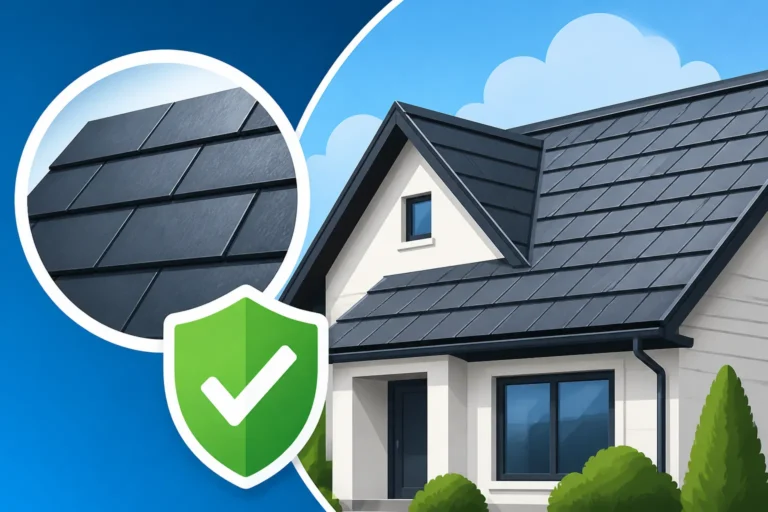
If you love the traditional look of asphalt shingles, slate, or clay tiles but desire the durability and longevity of metal, metal shingles, shakes, and tiles are fantastic options. These systems are typically made from steel or aluminum and are designed to mimic the appearance of conventional roofing materials. Stone-coated steel roofs, for instance, offer the aesthetic of traditional tiles or shakes with the incredible strength and Class 4 impact resistance of steel.
This profile offers immense aesthetic flexibility, allowing homeowners to meet HOA requirements (especially those that restrict traditional metal panels) while still enjoying the benefits of metal. They are highly resistant to wind, fire, and impact, making them suitable for all North Carolina regions. Their modular design can also sometimes simplify installation, though the interlocking nature requires skilled workmanship. When considering this option, you might find our guide on Stone-Coated Steel Roof Cost very informative.
Corrugated and Ribbed Panels: Economical and Robust
Corrugated metal panels and other ribbed profiles (like R-panel or 5V Crimp) are characterized by their wavy or angular ribs. These are often seen on barns or commercial buildings, but they are increasingly popular for residential homes, particularly in more rustic or industrial architectural styles, or for homeowners prioritizing economy and extreme durability. They are typically made from steel or aluminum.
These panels are highly cost-effective and very strong, capable of handling significant impact and snow loads. They are generally installed with exposed fasteners, which means screws are visible on the roof surface. While this can make them more susceptible to leaks if fasteners aren't properly maintained or installed, modern exposed fastener systems use high-quality, long-lasting washers to prevent issues. For areas like the mountains or inland regions where budget and durability are key, and the aesthetic fits, these profiles offer a robust and reliable solution. You can dive deeper into the cost aspects with our Corrugated Metal Roof Cost guide.
Metal Roofing Material Comparison for North Carolina
To help you visualize the differences, here's a quick comparison of the most common metal roofing materials relevant to North Carolina homes:
| Material Type | Primary Benefits for NC | Ideal NC Regions | Typical Lifespan (Years) | Corrosion Resistance | Impact Resistance | Relative Cost (1-5, 5 being highest) |
|---|---|---|---|---|---|---|
| Galvalume Steel | Durable, good hail/wind, energy-efficient with coatings. | Inland, Mountains, Some Coastal | 40-70+ | Very Good | Good – Excellent | 2 |
| Aluminum | Excellent salt corrosion, lightweight, highly reflective. | Coastal, Inland | 50-80+ | Excellent | Good | 3-4 |
| Stone-Coated Steel | Aesthetic variety, Class 4 impact, durable coatings. | Inland, Mountains, Some Coastal | 40-70+ | Very Good | Excellent | 3 |
| Copper | Extreme longevity, no corrosion, self-patinating. | All Regions (especially Coastal) | 100+ | Excellent | Good | 5 |
| Zinc | Extreme longevity, self-healing, low maintenance. | All Regions (especially Coastal) | 80-100+ | Excellent | Good | 4-5 |
When you're ready to get quotes, remember that platforms like Modernize can help you connect with qualified local professionals who understand these different material benefits and installation requirements for North Carolina's climate.
Choosing the best metal roof for your North Carolina home requires careful consideration of your specific location, local weather patterns, and personal priorities. Whether it's the salt-laden air of the coast, the scorching sun of the Piedmont, or the heavy snows of the mountains, there's a metal roofing solution uniquely suited to stand up to the challenge. Don't hesitate to consult with multiple reputable roofing contractors to discuss these options in detail. They can provide localized expertise and help you navigate the material choices, ensuring your investment truly protects your home for decades to come. Taking the time to understand these factors now will provide lasting peace of mind and enhance your home's value and resilience. To ensure you're making the most informed decision, remember to compare the Metal Roof Cost vs Lifespan Value and how it fits into your budget.
Disclaimer
Please note that this guide provides general information and recommendations. Local building codes, HOA regulations, and specific weather patterns can vary significantly within North Carolina. Always consult with a qualified local metal roofing contractor and local authorities to ensure compliance and receive personalized advice for your specific property.