Zinc vs Steel Metal Roof: Which Is Better?
Choosing a new roof for your home is a huge decision, one that can feel overwhelming with all the different materials and options available. Many homeowners grapple with the choice between high-performance materials like zinc and steel, each boasting unique benefits and drawbacks. This comprehensive guide is designed to cut through the confusion, helping you understand the fundamental differences and determine whether a zinc or steel metal roof is the better fit for your specific home and long-term vision.
Understanding the Fundamentals: Zinc vs. Steel Roofing
When you start looking into metal roofing, it quickly becomes clear that not all metals are created equal. Zinc and steel, while both durable metal options, are fundamentally different in their composition, properties, and how they perform over decades on your home. It’s not just about the color or the initial price tag; it's about understanding the very essence of what you're putting over your head.
What is Zinc Roofing?
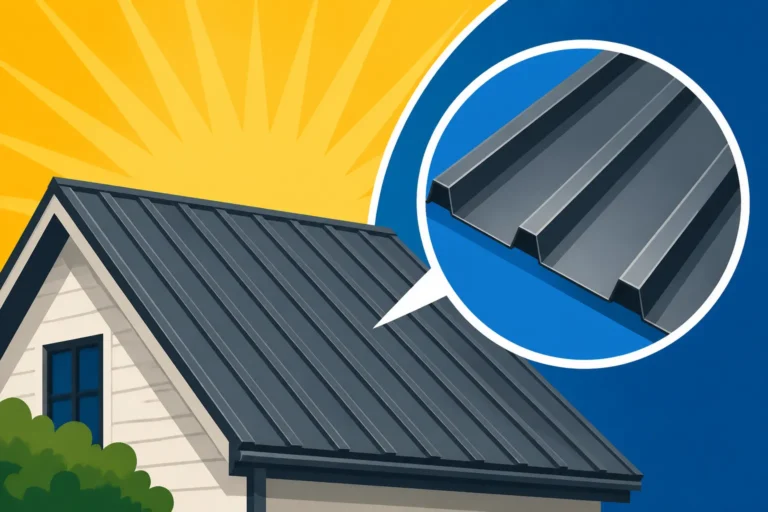
Zinc roofing is often considered a premium, high-end material, revered for its unique aesthetic and incredible longevity. Architecturally, it's a showstopper. But what exactly is it? Pure zinc, a natural element, is used to create sheets or panels that are then formed into roofing profiles. Unlike steel, which relies on coatings for protection, zinc forms its own protective layer, known as a patina. This patina is a naturally occurring barrier that develops over time as the zinc reacts with the atmosphere, and it's what gives zinc roofs their distinctive, evolving appearance, transitioning from a shiny blue-gray to a soft, matte charcoal.
What's truly remarkable about zinc is its self-healing property. If a scratch occurs, the patina will gradually reform over the damaged area, effectively repairing itself and maintaining its protective qualities. This incredible characteristic contributes to its exceptionally long lifespan, often exceeding 80 to 100 years. Zinc is also highly malleable, meaning it can be easily shaped and formed, which allows for intricate architectural designs and seamless flashing details. This makes it a favorite for custom homes or those seeking a truly bespoke roofing solution.
What is Steel Roofing?
Steel, on the other hand, is an alloy, primarily composed of iron and carbon. While it doesn't possess the inherent self-healing properties of zinc, steel roofing is incredibly robust, versatile, and by far the most popular choice in the metal roofing market. To protect it from corrosion, steel panels undergo various treatments and coatings. The most common types you'll encounter are:
- Galvanized Steel: This is steel coated with a layer of zinc (yes, zinc!) to provide corrosion resistance. The zinc acts as a sacrificial layer, corroding before the steel does.
- Galvalume Steel: A step up from galvanized, Galvalume uses a coating of aluminum and zinc alloy (typically 55% aluminum, 43.4% zinc, and 1.6% silicon). This combination offers superior corrosion resistance, especially in harsh environments, and boasts a much longer lifespan than galvanized steel.
- Stainless Steel: The most corrosion-resistant and durable form of steel roofing, stainless steel contains chromium, which forms a passive protective layer. It's exceptionally strong and has a premium price point, often used in specialized architectural applications.
Beyond these base protections, steel roofs are almost always finished with high-performance paint coatings, such as PVDF (polyvinylidene fluoride) like Kynar 500 or SMP (silicone modified polyester). These coatings offer a vast array of colors, enhanced UV resistance, and further protection against weathering and chalking. This is why steel is so incredibly popular; it offers immense design flexibility, robust strength, and a more accessible price point compared to zinc or copper. Many homeowners consider the overall Metal Roof Cost: Complete 2026 Guide and find steel offers an excellent balance of value and performance.
Comparing Performance and Durability
When you're making such a significant investment in your home, you want a roof that will stand the test of time and weather whatever Mother Nature throws at it. Both zinc and steel are known for their durability, but they achieve it in different ways and exhibit varying levels of performance in specific categories. Understanding these nuances is crucial for making an informed decision about which material is truly "better" for your specific needs.
Lifespan and Weather Resistance
The lifespan of a metal roof is one of its most attractive features, and both zinc and steel deliver impressive longevity compared to traditional asphalt shingles. However, there are distinctions.
- Zinc: A properly installed zinc roof can last anywhere from 80 to 100 years, sometimes even longer. Its inherent corrosion resistance, coupled with its self-healing patina, means that small scratches or abrasions don't compromise its integrity. It naturally resists rust and fungus growth. Zinc handles extreme temperatures well, expanding and contracting minimally, which reduces stress on fasteners and seams over its long life. It's also exceptionally fire-resistant and highly resistant to UV degradation.
- Steel: The lifespan of a steel roof varies significantly based on its specific composition and coating. A standard galvanized steel roof might last 40-60 years, while a high-quality Galvalume steel roof with a premium PVDF coating can easily exceed 50-70 years. Stainless steel, the most premium option, can also rival zinc in longevity. Steel is incredibly strong and offers excellent resistance to impact from hail and high winds, especially when installed in standing seam profiles. The quality of the paint coating is paramount for steel; it's the first line of defense against UV, chalking, fading, and corrosion. When researching options, you might look into Metal Roofing Materials Compared: Steel, Aluminum, Copper & Zinc to get a broader perspective on how these materials stack up.
Maintenance Requirements
One of the great joys of metal roofing is generally low maintenance, but again, there are slight differences between zinc and steel.
- Zinc: This is truly a "set it and forget it" material. Thanks to its self-healing patina and natural resistance to biological growth, zinc roofs require very little maintenance. You won't typically need to clean it to prevent moss or algae, and minor surface scratches will naturally blend in. Regular inspections (perhaps annually or biannually) to ensure gutters are clear and flashing is intact are usually all that's necessary. If you're wondering, "Does a Zinc Roof Rust or Corrode?()," the answer is generally no, thanks to that protective patina.
- Steel: While also low maintenance, steel roofs, particularly those with painted finishes, might benefit from occasional cleaning to remove dirt, pollen, or environmental fallout that can accumulate over time. This helps preserve the aesthetic appeal of the coating. The integrity of the paint finish is crucial; if it gets scratched deeply, exposing the underlying steel, rust can eventually become an issue. However, modern coatings are incredibly durable and designed to resist chipping and fading for decades. For more detailed insights, you can explore whether Does a Steel Roof Rust or Corrode? to understand the protective role of its coatings.
Environmental Impact and Sustainability
For many homeowners today, the environmental footprint of building materials is a significant consideration. Both zinc and steel offer compelling sustainability benefits.
- Zinc: Zinc is 100% recyclable, and a significant portion of new zinc products contain recycled material. Its extremely long lifespan means fewer replacement roofs ending up in landfills, further reducing its environmental impact over time. The production of zinc is energy-intensive, but its durability and recyclability often offset this. It's also a natural element, minimizing concerns about harmful chemicals in runoff.
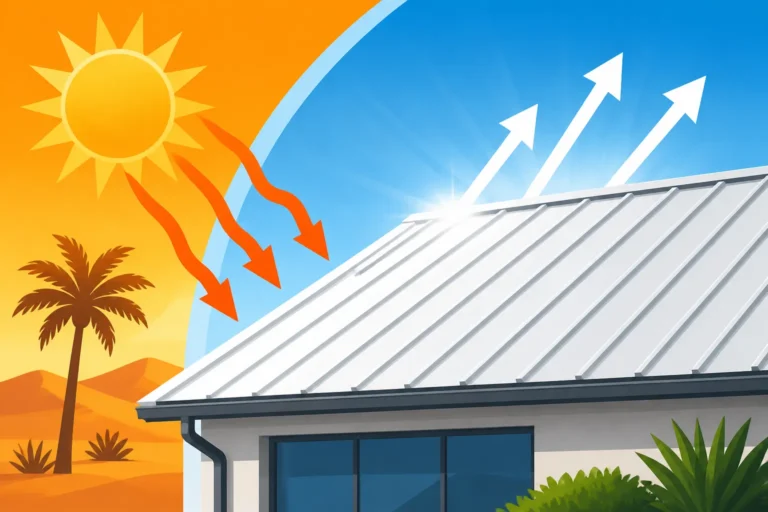
- Steel: Steel is one of the most recycled materials globally, with a very high recycling rate for post-consumer waste. Much like zinc, its longevity means fewer roof replacements, which is a big win for sustainability. Steel is also highly reflective, especially with lighter colored or ENERGY STAR rated coatings, which can reduce your home's cooling load and energy consumption. This contributes to a lower carbon footprint throughout the building's operational life.
Aesthetics, Cost, and Installation Considerations
Beyond pure performance, the visual impact of your roof and the financial investment required are often major decision points. Both zinc and steel offer distinct aesthetic profiles and come with different price tags and installation complexities. Understanding these aspects is essential for aligning your roofing choice with your home's architectural style and your budget.
Aesthetic Appeal and Design Versatility
The roof represents a significant portion of your home's exterior, so its appearance plays a crucial role in curb appeal and overall architectural integrity.
- Zinc: Zinc roofing offers a truly unique, sophisticated aesthetic that evolves with time. Initially, it has a shiny, almost bluish-gray appearance. Over several years, as the natural patina forms, it transitions to a beautiful, soft matte charcoal or slate gray. This living finish is highly prized by architects and homeowners seeking a distinctive, natural look. It has a modern yet timeless appeal, often seen on contemporary, industrial, or high-end traditional homes. Its malleability also allows it to be formed into intricate details, curves, and custom flashings that would be difficult or impossible with less flexible materials, opening up a world of architectural possibilities.
- Steel: Steel, with its myriad of panel profiles (like standing seam, corrugated, or metal shingles) and an almost limitless palette of colors, offers unparalleled design versatility. You can find steel roofs that mimic the look of traditional shingles, slate tiles, or even wood shakes, all while providing the durability of metal. The consistent color offered by paint coatings means you know exactly what your roof will look like from day one, and it will maintain that appearance for decades, albeit with some gradual fading over a very long time. For homes where a specific color or a more conventional roofing appearance is desired, steel is often the go-to choice.
Cost Analysis
Let's not beat around the bush: metal roofs are an investment. But comparing the initial sticker price of zinc versus steel reveals a significant difference.
- Zinc: Zinc roofing is generally considered one of the most expensive roofing materials available. The raw material cost for zinc is higher than steel, and its specialized fabrication and installation often command a premium. You can expect to pay a substantially higher upfront cost for a zinc roof compared to most steel options. However, its exceptional lifespan (often twice that of high-end steel) means its lifecycle cost can be competitive, as you won't need to replace it for many, many decades. It's a true "buy once, cry once" scenario. If you're interested in the specifics, delving into the Zinc Roof Cost will give you a better idea of what to expect.
- Steel: Steel roofing offers a much wider range of price points. While a premium standing seam Galvalume steel roof with a high-end PVDF coating will be more expensive than basic asphalt shingles, it is significantly more affordable than a zinc roof. The cost can vary widely depending on the gauge, profile, and coating. For example, a basic corrugated steel panel will be much cheaper than a sophisticated stone-coated steel shingle. The availability of diverse options means homeowners can find a steel roof that fits various budgets. You can gain more insight into this by looking at the Steel Roof Cost Per Square Foot to understand the different price tiers.
Installation Nuances
The installation of a metal roof is a specialized job, and both zinc and steel have their own particular requirements and considerations.
- Zinc: Installing a zinc roof is a highly specialized skill. Zinc is more delicate to handle during installation than steel, and proper techniques are essential to avoid damage and ensure the longevity of the roof. It requires experienced contractors who are familiar with its specific properties, including thermal expansion and contraction, and skilled in soldering and bending the material. This expertise contributes to the higher overall cost. When looking for a contractor, it's wise to consider using services like Modernize to find experienced professionals who understand the intricacies of premium metal roofing.
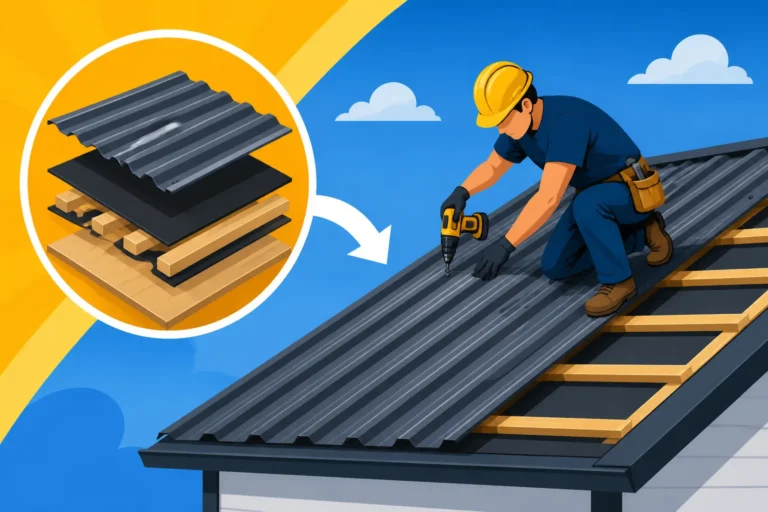
- Steel: While steel roofing also requires skilled installation, the techniques are more widely known among roofing contractors. Many different profiles, from exposed fastener corrugated panels to concealed fastener standing seam systems, have well-established installation methods. The weight of steel panels is manageable, and modern advancements in tools and fasteners have streamlined the process. However, for a high-quality, long-lasting steel roof, particularly a standing seam system, it's still crucial to hire a contractor with significant experience in metal roofing. Poor installation, regardless of the material, can lead to premature failure and void warranties. Therefore, learning How to Hire a Metal Roofing Contractor is always a smart move.
Making the Right Choice for Your Home
Ultimately, deciding between a zinc and a steel metal roof comes down to a careful evaluation of your priorities, your budget, your home's style, and the climate you live in. There's no single "better" answer for everyone; rather, it's about finding the best fit for you.
When Zinc Shines
Zinc is an exceptional material that truly shines in specific situations, making it the ideal choice for discerning homeowners and particular architectural styles.
- Unrivaled Longevity and Low Maintenance: If your primary goal is to install a roof that will outlast you, your children, and possibly even your grandchildren, with minimal upkeep, zinc is an unparalleled choice. Its 80-100+ year lifespan and self-healing patina mean you're making a truly generational investment. This long-term perspective can offer significant peace of mind.
- Unique, Evolving Aesthetic: For homeowners seeking a distinct, sophisticated, and evolving aesthetic, zinc's natural patination process is incredibly appealing. It offers a soft, elegant look that stands apart from more conventional roofing materials and perfectly complements modern, minimalist, or historically sensitive designs.
- Sustainability as a Core Value: If you prioritize environmentally friendly materials, zinc's full recyclability, long lifespan, and natural composition make it a very attractive option. You're reducing waste and choosing a material that will endure.
- Complex Architectural Designs: Due to its malleability, zinc is the material of choice for complex rooflines, intricate curves, or unique architectural features that require custom fabrication and seamless integration. For homes with a strong design statement, zinc allows for unparalleled artistic expression.
If these benefits resonate deeply with your vision for your home, then the higher upfront cost of zinc will likely be seen as a worthy investment in both beauty and permanence. Considering the Metal Roof Cost vs Lifespan Value becomes especially relevant here.
When Steel is the Smart Pick
Steel, with its versatility, strength, and range of options, is an excellent choice for a vast majority of homeowners and offers incredible value.
- Budget-Conscious Durability: If you're looking for a highly durable, long-lasting metal roof without the premium price tag of zinc, steel is the clear winner. You can achieve a lifespan of 50-70+ years with quality Galvalume and coatings at a more accessible investment. This makes it an incredibly practical choice for many homeowners.
- Wide Range of Colors and Profiles: Do you have a specific color in mind to match your home's siding or trim? Do you prefer the look of traditional shingles but want metal's benefits? Steel offers an extensive selection of colors, finishes, and profiles, allowing you to perfectly match your home's existing aesthetic or create a new one. This design flexibility is a major advantage.
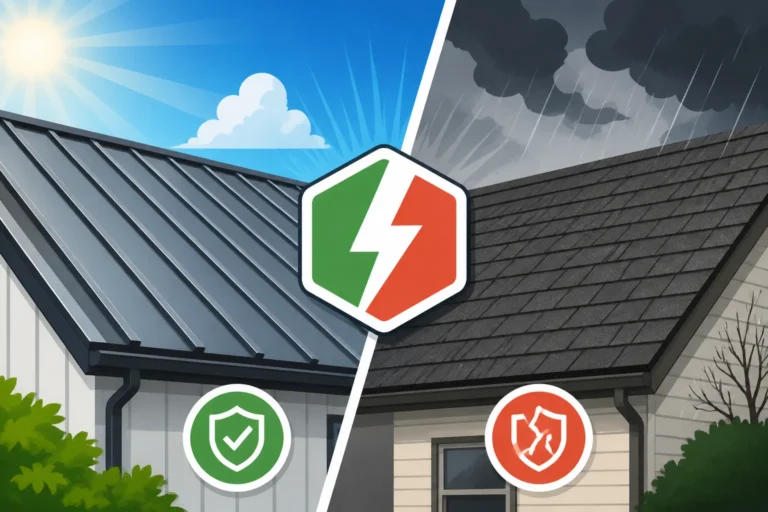
- Extreme Weather Performance: Modern steel roofs, especially standing seam systems with Class 4 impact ratings, offer superior resistance to hail, high winds, and other severe weather conditions. For homes in areas prone to storms, the robust nature of steel provides excellent protection.
- Tried and True Technology: Steel roofing, particularly Galvalume with high-performance coatings, is a well-established and proven technology. Its installation methods are refined, and its performance data is extensive. This offers a sense of reliability and predictability. When weighing options, it’s helpful to understand What Affects Metal Roof Cost: Gauge, Pitch, Complexity & Tear-Off as well, since steel offers many more variations.
Ultimately, both zinc and steel offer fantastic benefits as roofing materials. Your decision will depend on what you value most: the ultimate longevity and evolving artistry of zinc, or the robust performance, design flexibility, and relative affordability of steel. Before making a final decision, consider getting multiple quotes from experienced metal roofing contractors in your area, perhaps starting your search on platforms like Modernize, and asking them detailed Questions to Ask a Metal Roofing Contractor Before You Hire about both materials.
| Feature | Zinc Roofing | Steel Roofing |
|---|---|---|
| Material | Pure elemental metal | Alloy (iron + carbon) with protective coatings |
| Lifespan | 80-100+ years | 40-70+ years (depending on type/coating) |
| Corrosion | Excellent, self-healing patina | Excellent with Galvalume/PVDF, good with galvanized |
| Aesthetics | Evolving natural patina (blue-gray to charcoal) | Wide range of colors and profiles, consistent color |
| Malleability | High, allows for intricate designs | Moderate, good for various profiles |
| Cost (Initial) | High-end, premium investment | Mid-to-high range, more affordable options |
| Maintenance | Very low, self-healing | Low, occasional cleaning for appearance |
| Installation | Highly specialized, experienced craftsmen required | Specialized but more widely available expertise |
| Recyclability | 100% recyclable | Highly recyclable |
Disclaimer
The information provided in this article is intended for general guidance and informational purposes only. While we strive to offer accurate and up-to-date content, roofing costs, material availability, building codes, and best practices can vary significantly by location and change over time. It is always recommended to consult with qualified, licensed, and insured roofing professionals for advice tailored to your specific project and local regulations. Any decisions made based on this information are at your own discretion and risk.