Galvalume vs Steel Metal Roof: Which Is Better?
Choosing a new roof for your home is a huge decision, and it’s completely normal to feel a bit overwhelmed by all the different materials and technical terms out there. Many homeowners find themselves stuck trying to understand the nuances between options like Galvalume and other types of steel roofing, wondering which one will truly offer the best protection and value for their investment. This guide is here to cut through the confusion, helping you understand the key differences between Galvalume and traditional steel roofs so you can make an informed choice for your home.
Understanding Steel in Roofing Applications
When we talk about metal roofing, steel is often the first material that comes to mind, and for good reason. It’s a workhorse, known for its incredible strength and durability, which are critical traits for anything sitting atop your home, exposed to the elements day in and day out. But "steel" isn't just one thing; it's a family of alloys, and how that steel is treated, coated, and formed makes all the difference in its performance as a roofing material. This is where the distinctions begin to matter for homeowners like you.
The Basics of Steel Roofing
At its core, steel roofing offers a fantastic combination of resilience and aesthetic versatility. It can mimic the look of traditional shingles, slate, or even clay tiles, all while providing the robust protection only metal can deliver. This versatility means you don't have to compromise on curb appeal when opting for a long-lasting metal roof. Beyond looks, steel panels are designed to withstand significant abuse, from high winds and heavy snow loads to impacts from hail and falling debris. They’re also inherently non-combustible, offering an excellent fire rating, which can sometimes even lead to Metal Roof Insurance Savings & Discounts in certain areas.
However, raw steel is susceptible to rust, a homeowner's worst nightmare. To combat this, steel destined for roofing applications undergoes various processes to shield it from moisture and oxidation. These protective coatings are what truly elevate steel from a mere structural material to a premium roofing option, greatly extending its lifespan and maintaining its appearance for decades. Without these treatments, steel would quickly degrade when exposed to rain, humidity, and atmospheric pollutants, making the type of coating a critical factor in your selection process.
Galvanized Steel: The Traditional Approach
For generations, galvanized steel has been the go-to choice when durable, rust-resistant steel was needed. The galvanization process involves dipping the steel sheets into a molten zinc bath, creating a metallurgically bonded zinc coating on the surface. This zinc layer acts as a sacrificial barrier; if the steel is scratched or exposed, the zinc will corrode before the underlying steel, protecting it from rust. It's an incredibly effective method that has proven its worth on countless barns, commercial buildings, and even homes over the past century.
While galvanized steel is certainly tough, its Achilles' heel can be seen over extended periods, particularly in harsh environments. When the zinc coating is breached – perhaps by a deep scratch during installation, aggressive cleaning, or just the natural wear of time – the exposed steel eventually begins to corrode. This is especially true at cut edges, where the steel core is inherently exposed to the elements. Furthermore, the zinc itself can eventually wear down, diminishing its protective capabilities. Despite these considerations, galvanized steel remains a formidable and cost-effective option for many roofing projects, particularly for those looking for a traditional, proven solution.
Diving Deep into Galvalume Metal Roofing
Now, let's talk about Galvalume, a product that takes the inherent strength of steel and supercharges its protective qualities. It's important to understand that Galvalume isn't a different type of steel; rather, it's a specific coating applied to steel, designed to offer superior corrosion resistance and longevity compared to traditional galvanized steel. This innovation has made it a popular choice for modern metal roofing, appealing to homeowners who want maximum durability and minimal maintenance.
What Makes Galvalume Different?
The magic of Galvalume lies in its unique coating, a carefully engineered alloy of aluminum and zinc. Specifically, it's typically composed of 55% aluminum, 43.4% zinc, and 1.6% silicon by weight, applied through a continuous hot-dip process similar to galvanization. This particular blend marries the best properties of both metals: the sacrificial protection of zinc (which is excellent at protecting cut edges and minor scratches) with the superior barrier protection and corrosion resistance of aluminum. Think of it as a double-pronged defense against rust and degradation.
The silicon in the mix helps the coating adhere more effectively to the steel substrate, creating an incredibly robust and consistent layer. This aluminum-zinc alloy coating creates a durable, long-lasting surface that stands up remarkably well to the harsh realities of weather and environmental exposure. When you see a sleek, modern metal roof that looks pristine decades after installation, chances are it's coated with Galvalume, showcasing its impressive resilience. To learn more about its composition, check out What Is Galvalume Roofing Made Of?.
Advantages of Galvalume Roofing
Homeowners who opt for Galvalume roofs quickly realize why this material is so highly regarded. Its primary advantage is its exceptional corrosion resistance. The aluminum component in the coating forms an impenetrable barrier against moisture, salt, and other corrosive agents, while the zinc provides galvanic protection at any exposed edges or scratches. This combined action means that Galvalume roofs can often last significantly longer than galvanized steel, especially in challenging environments like coastal regions where salt air is a constant threat.
Beyond longevity, Galvalume also boasts excellent heat reflectivity, thanks to its bright, metallic surface. This can translate into real energy savings for your home, especially during hot summer months, as it reflects a significant portion of the sun's radiant heat away from your attic and living space. Many Galvalume panels come with paint systems (like those from reputable brands such as McElroy Metal or Metal Sales) that further enhance this reflectivity, often qualifying for "cool roof" certifications. The surface also holds paint coatings exceptionally well, meaning you get a wide range of color options that resist fading and chalking over time, maintaining your home's curb appeal for decades. If you're weighing the long-term benefits, considering Metal Roof Cost vs Metal Roof Lifespan ROI is definitely worthwhile.
Head-to-Head: Galvalume vs. Galvanized Steel
When you're making a big investment like a new roof, it's crucial to understand the direct comparisons between your top contenders. Galvalume and galvanized steel both offer excellent protection, but their fundamental differences in coating composition lead to distinct performance characteristics that are vital to consider for your specific home and climate. This isn't just about initial cost; it's about long-term peace of mind and the lifespan of your investment.
Corrosion Resistance and Lifespan
This is where Galvalume truly shines, and it’s often the deciding factor for many homeowners. The 55% aluminum content in the Galvalume coating forms a strong, passive barrier that resists surface corrosion far better than a pure zinc coating. Imagine the difference between wrapping something in a heavy-duty, impermeable plastic versus a thinner, more porous cloth – both offer protection, but one is clearly more robust against environmental ingress. When it comes to cut edges, which are notoriously vulnerable, the zinc component in Galvalume still provides that crucial sacrificial protection, essentially "healing" small exposed areas by corroding itself before the steel.
In contrast, galvanized steel, while effective, relies solely on the zinc to protect the steel. Once the zinc is compromised or completely consumed in a specific area, the steel is left exposed and vulnerable to rust. This is particularly noticeable at cut edges or points of repeated abrasion. For this reason, Galvalume typically comes with a significantly longer warranty against corrosion and perforation – often 20 to 30 years for the substrate itself, sometimes even longer – compared to galvanized steel. This extended lifespan means you won't have to worry about significant rust issues nearly as quickly, making it a sound long-term investment.
Durability, Aesthetics, and Cost Considerations
When we talk about the overall durability of the panels, both Galvalume and galvanized steel are very strong as they use the same steel core. They both resist impact well and can handle harsh weather. However, the coating affects how they maintain that strength over time and how they look. Galvalume's coating is often a bit harder and more resistant to scratching than pure zinc, which can be a plus during installation and over the roof's life. Aesthetically, both can be painted in a wide array of colors. However, the superior adhesion properties of the Galvalume coating mean that its paint finishes tend to last longer, resisting chalking and fading more effectively. This is particularly true for high-performance paint systems like PVDF (Kynar 500®) used by many manufacturers which truly bond best with a Galvalume substrate.
Now, let's talk about the elephant in the room: cost. Generally, Galvalume panels will have a higher upfront material cost than galvanized steel. This is due to the more complex aluminum-zinc alloy coating process and the premium performance it offers. However, it's crucial to look beyond the initial price tag. When you factor in the extended lifespan, reduced maintenance, and superior corrosion resistance of Galvalume, the long-term cost of ownership often proves to be lower. For many homeowners, the added upfront cost is a worthwhile investment for the peace of mind and longevity that Galvalume provides. When calculating your budget, remember to also factor in Metal Roof Labor Cost, which can be substantial regardless of material.
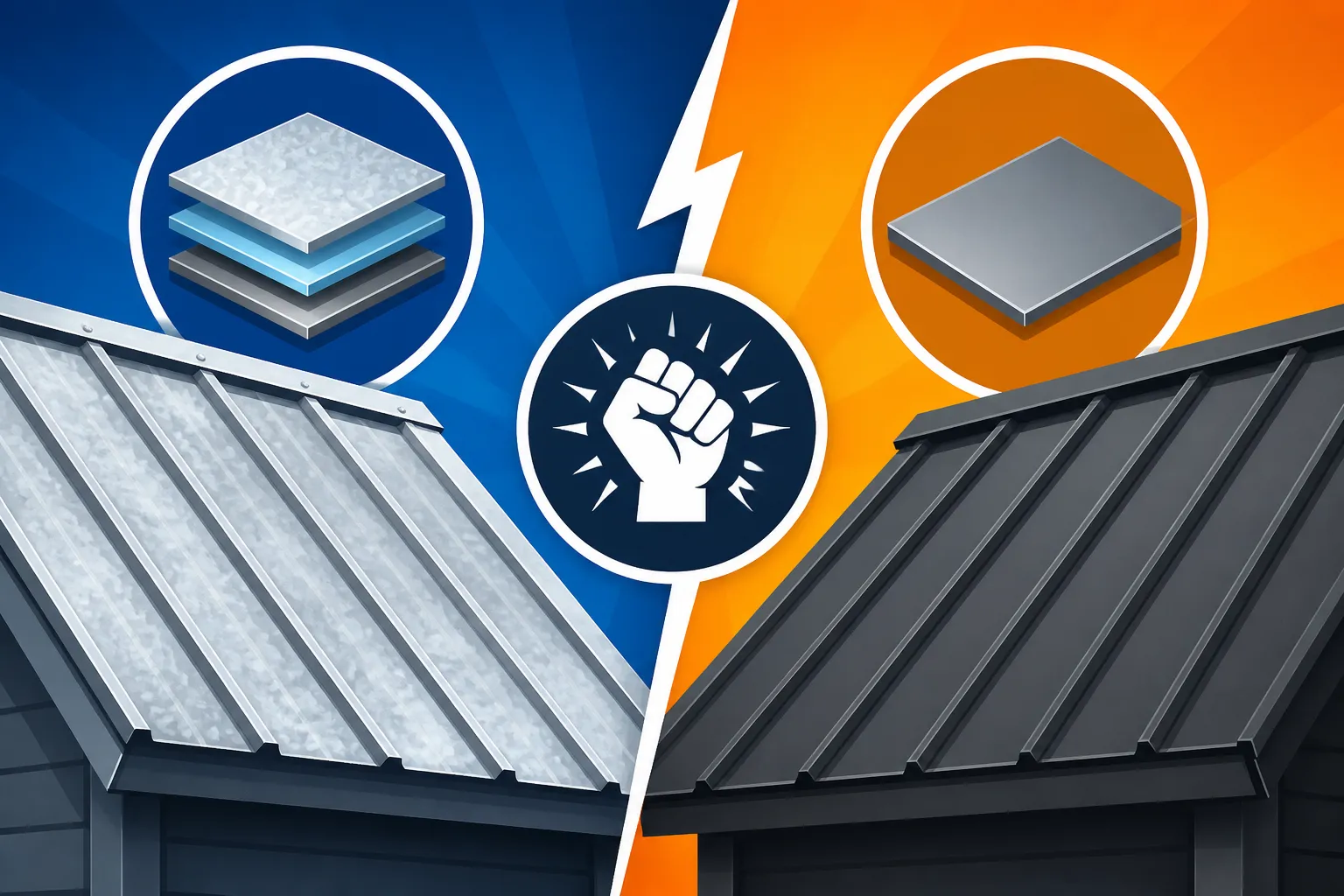
Here's a quick comparison of the two:
| Feature | Galvanized Steel | Galvalume Steel |
|---|---|---|
| Coating Composition | 100% Zinc | 55% Aluminum, 43.4% Zinc, 1.6% Silicon |
| Corrosion Resistance | Good; zinc provides sacrificial protection | Excellent; aluminum barrier + zinc sacrificial protection |
| Lifespan (Coating) | Good (20-40 years, depending on environment/gauge) | Very Good to Excellent (40-60+ years, depending on environment/gauge) |
| Edge Protection | Zinc sacrifices itself to protect exposed steel | Zinc sacrifices itself, but aluminum barrier helps prevent edge creep |
| Heat Reflectivity | Moderate to Good (if painted light color) | Good to Excellent (inherent + if painted light color) |
| Paint Adhesion | Good | Excellent; often retains paint better, less chalking |
| Cost (Material) | Lower | Higher |
| Best For | Budget-conscious projects, less aggressive environments | Long-term investment, harsh climates (coastal, heavy rain) |
Choosing the Right Option for Your Home
Deciding between Galvalume and galvanized steel really boils down to balancing your priorities, your local environment, and your budget. Both are robust choices for metal roofing, far outperforming traditional asphalt shingles in longevity and durability. However, understanding your specific needs will guide you toward the material that truly offers the most value for your particular situation. Don't let the technical jargon intimidate you; think about what matters most for your home's future.
Factors to Consider for Your Climate and Environment
Your home's location and the local weather patterns are perhaps the most critical factors in this decision. If you live in a coastal area, like many homes in Florida or along the Texas Gulf Coast, where salt spray is prevalent, the superior corrosion resistance of Galvalume becomes a non-negotiable advantage. The aluminum in the Galvalume coating forms a much more effective barrier against salt and moisture than pure zinc, preventing the dreaded "white rust" and premature degradation that galvanized steel might experience in such environments. For example, a home near Jacksonville, Florida, will benefit immensely from Galvalume's enhanced protection.
Similarly, if your area experiences frequent heavy rainfall, high humidity, or has significant atmospheric pollutants, Galvalume's robust coating offers a longer period of protection. For instance, in a humid climate like Houston or Atlanta, the continuous exposure to moisture can challenge even the best coatings, making Galvalume a smarter investment. While galvanized steel performs admirably in drier, less aggressive climates, pushing it into demanding environmental conditions can significantly shorten its effective lifespan, leading to earlier replacement or repairs. Therefore, aligning your material choice with your local climate is paramount to getting the most out of your metal roof. Companies like Modernize can help connect you with contractors who understand these local nuances.
Budgeting and Long-Term Value
Let’s be honest, budget is almost always a consideration for any home improvement project. As we discussed, Galvalume typically has a higher upfront material cost. However, thinking solely about the immediate expenditure can sometimes be a false economy. A metal roof is a 40 to 60-year investment, and the difference in material cost, when spread over that many years, often becomes negligible compared to the benefits.
Consider the true Metal Roof Cost vs Lifespan Value. While galvanized steel might save you a few thousand dollars upfront, if it means you have to deal with rust issues or potential replacement 10-15 years earlier than a Galvalume roof, have you really saved anything? The peace of mind that comes with Galvalume's longer lifespan and superior resistance to corrosion means less worry about maintenance, fewer potential repair costs down the line, and greater certainty in your investment. Furthermore, a longer-lasting roof with a better warranty can also contribute to a higher resale value for your home. Ultimately, choosing Galvalume is often a strategic decision for homeowners focused on maximizing long-term value, minimizing future expenses, and securing decades of reliable performance from their roof.
Disclaimer
Please remember that the information provided in this article is intended for general guidance and informational purposes only. While we strive to offer accurate and up-to-date content, individual roofing projects can vary significantly based on specific location, building codes, contractor practices, and material availability. Always consult with a qualified and reputable local metal roofing professional for personalized advice, detailed estimates, and to ensure compliance with all local regulations and safety standards before making any decisions related to your home's roofing.