Is a Corrugated Metal Roof Good for a House?
Choosing a new roof for your home is a huge decision, and it’s easy to feel overwhelmed by all the options out there. Many homeowners are increasingly drawn to metal roofing for its incredible durability and lifespan, but then they hit a snag: which type of metal roof? Corrugated metal often pops up as a more budget-friendly and visually distinct choice, but you might be wondering if it’s truly "good enough" for your beloved house, or if it's better left to barns and commercial buildings. This comprehensive guide will put those worries to rest, diving deep into everything you need to know about corrugated metal roofs for residential properties.
Unpacking Corrugated Metal Roofing for Your Home
When you picture a metal roof, chances are a corrugated panel might come to mind, even if you don't know the technical term. It's an iconic look, and it’s got a lot going for it, especially when considering it for your house.
What Exactly is Corrugated Metal?
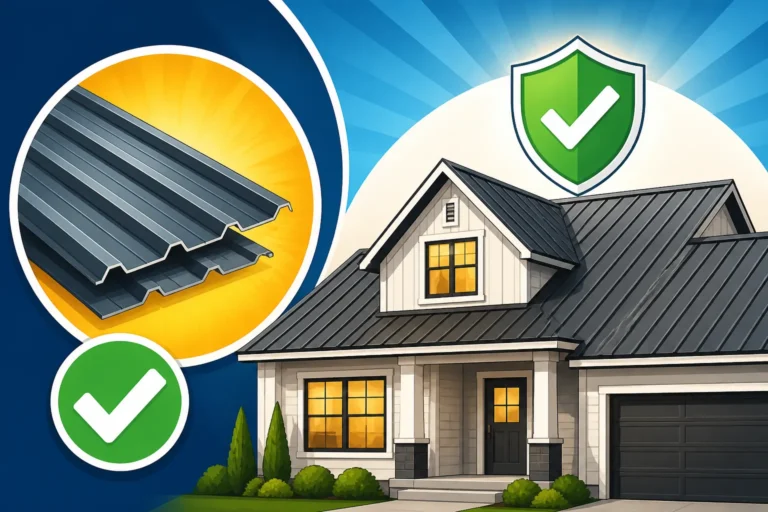
At its heart, corrugated metal roofing is defined by its distinct pattern of alternating ridges and grooves, which are pressed into flat metal sheets. This "corrugation" isn't just for looks; it significantly increases the panel's strength and rigidity, allowing it to span wider areas without sagging and making it highly resistant to bending and impacts.
Historically, corrugated metal has been a workhorse, used for agricultural buildings, sheds, and commercial structures due to its cost-effectiveness and robustness. However, over the last few decades, its rustic charm and practical benefits have brought it firmly into the residential spotlight. Modern corrugated panels are a far cry from the bare, flimsy tin you might imagine. They come in various materials, primarily steel (often galvanized or Galvalume coated for enhanced rust resistance) and aluminum, and are finished with sophisticated paint systems that offer a huge range of colors and extended warranties. You'll find different profiles too, like R-panels, which are a type of ribbed panel that offers a more industrial aesthetic with larger, squarer ribs compared to the classic wave-like corrugation. Understanding these distinctions is key to making an informed decision for your home.
The Growing Appeal of Corrugated for Modern Homes
So, why are more and more homeowners turning to corrugated metal for their primary residences? Beyond the clear-cut benefits of metal roofing in general, corrugated specifically brings a blend of aesthetic versatility and practical advantages that resonate with today's homeowners.
For starters, there's the aesthetic. While it can certainly evoke a charming farmhouse or rustic cabin vibe, modern corrugated metal, especially in sleek colors or matte finishes, is also finding a place in contemporary and industrial-chic designs. Its textured surface plays beautifully with light and shadows, offering a visual interest that flat panels sometimes lack. But the appeal goes deeper than just looks. Corrugated metal is typically one of the more affordable metal roofing options, making the benefits of a long-lasting, low-maintenance roof accessible to a wider range of budgets. It’s a compelling package, offering a unique look without breaking the bank.
Key Considerations for Residential Corrugated Roofing
Deciding on a corrugated metal roof for your house means looking at it through a residential lens. What works for a barn might need a few tweaks to ensure comfort, aesthetics, and long-term performance on your family home.
Durability and Longevity in Residential Settings
One of the biggest draws of any metal roof is its impressive durability, and corrugated metal is no exception. These roofs are built to last, often outperforming traditional asphalt shingles by decades. When properly installed, a corrugated metal roof can easily last 40 to 70 years or even longer.
The longevity is significantly influenced by the material and gauge. Steel panels, for instance, are commonly protected with a Galvalume Roof Cost Per Square Foot coating, a blend of aluminum and zinc, which provides superior corrosion resistance compared to older galvanized-only steel. Aluminum corrugated panels, while often a bit more expensive, offer excellent rust resistance, making them a fantastic choice for coastal homes or areas with high humidity. The gauge, or thickness, of the metal also matters. While thinner gauges like 29-gauge are common for agricultural buildings, residential applications usually benefit from heavier gauges such as 26-gauge or even 24-gauge for enhanced rigidity and hail resistance. This increased thickness helps panels stand up better to impacts, whether from falling branches or hailstones, providing homeowners with greater peace of mind.
Aesthetics and Design Versatility
The visual impact of a roof is undeniable, and corrugated metal has a distinctive look. While some might initially associate it with agricultural buildings, it’s far more versatile than you might think, especially with the array of modern finishes available.
Today's corrugated panels come in a vast spectrum of colors, from classic grays and whites to earthy tones, vibrant blues, and deep reds. Many manufacturers, like McElroy Metal or Metal Sales, offer advanced paint systems, such as PVDF (Kynar 500® or Hylar 5000®), which are highly resistant to fading, chalking, and chipping, ensuring your roof maintains its beauty for decades. This means you can choose a color that perfectly complements your home’s exterior, whether you're aiming for a charming farmhouse look, a rugged mountain cabin feel, or a sleek, modern industrial aesthetic. The texture of the corrugation itself adds a dynamic element, casting interesting shadows that change throughout the day and with different light conditions, giving your home unique curb appeal.
Noise and Insulation Considerations
One of the most frequent concerns homeowners voice about metal roofs, especially corrugated, is the potential for noise during rain or hail. It’s a valid worry, and frankly, a poorly installed metal roof can be noisy.
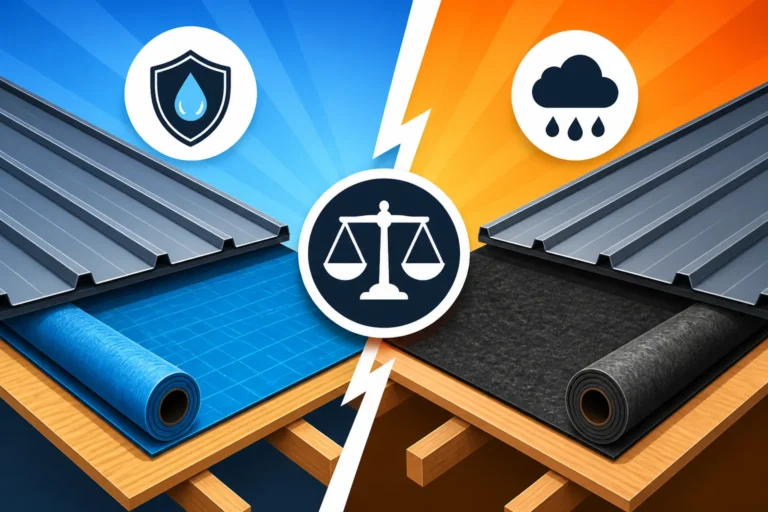
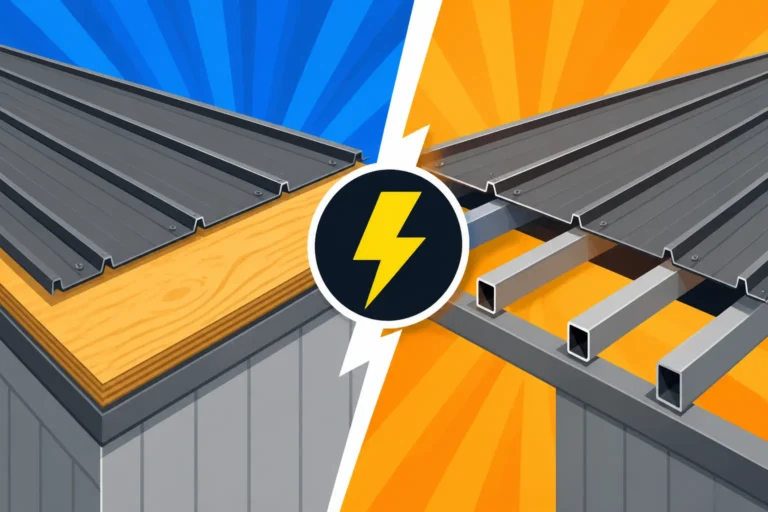
However, modern residential metal roofing installations are designed to mitigate this. The key lies in proper insulation and a solid roof deck. When corrugated panels are installed over a solid substrate, such as plywood sheathing, with a high-quality underlayment beneath them, the noise levels are significantly reduced. The roof deck and underlayment act as sound dampeners, absorbing much of the impact noise. Think of it like this: an old, uninsulated barn roof with exposed purlins will sound very different from a well-installed residential roof with a full deck, synthetic underlayment, and insulation in the attic. Many homeowners report that their metal roof, even during a heavy downpour, is no louder than or only slightly louder than their previous asphalt shingle roof. Additionally, the excellent thermal reflectivity of metal roofs can contribute to energy efficiency by reducing heat gain in hot climates, and when combined with proper ventilation and insulation, can actually help reduce your home’s energy bills. If noise is a primary concern, you can also explore options like a more robust underlayment or even extra insulation in your attic to further dampen any sound. This helps debunk the myth that metal roofs are inherently loud.
Installation and Maintenance for Homeowners
Installing a corrugated metal roof is a job best left to experienced professionals. While some DIYers might tackle a shed, the complexities of flashing, sealing, and ensuring proper panel alignment for a residential roof are critical for long-term performance and leak prevention.
A reputable contractor will ensure the correct Metal Roof Underlayment and Ventilation Guide is used, proper fasteners are secured, and all transitions, valleys, and penetrations (like chimneys or vents) are meticulously sealed. The installation process for corrugated panels can sometimes be faster than other roofing types due to the larger panel sizes, which can translate to labor cost savings. Once installed, the maintenance for a corrugated metal roof is remarkably low. Unlike asphalt shingles that require periodic inspections for curling, cracking, or granule loss, metal roofs primarily need occasional cleaning to remove debris like leaves or dirt. Regular visual inspections from the ground are usually sufficient to catch any potential issues early. If you do notice any issues, such as a loose fastener or a minor scratch, addressing it promptly can prevent bigger problems down the line.
Weighing the Pros and Cons of Corrugated Metal Roofing
Every roofing material has its strong suits and its compromises. Let’s lay out the good and the bad of corrugated metal roofing so you can see if it aligns with your priorities.
The Upsides: Why Corrugated Metal Shines
Corrugated metal roofing offers a compelling package of benefits that make it an attractive choice for many residential properties.
- Cost-Effectiveness: Generally, corrugated metal is one of the more affordable metal roofing options, often costing less per square foot than standing seam or metal shingles. This makes the long-term benefits of metal roofing—like durability and low maintenance—more accessible to a wider range of homeowners. While the initial investment might be higher than traditional asphalt shingles, the extended lifespan means a lower cost over the roof's lifetime.
- Exceptional Lifespan: With proper installation and minimal care, a corrugated metal roof can last anywhere from 40 to 70 years, sometimes even longer. This is significantly longer than asphalt shingles, which typically need replacement every 15-30 years. This incredible longevity means you might never have to replace your roof again, a huge relief for many homeowners.
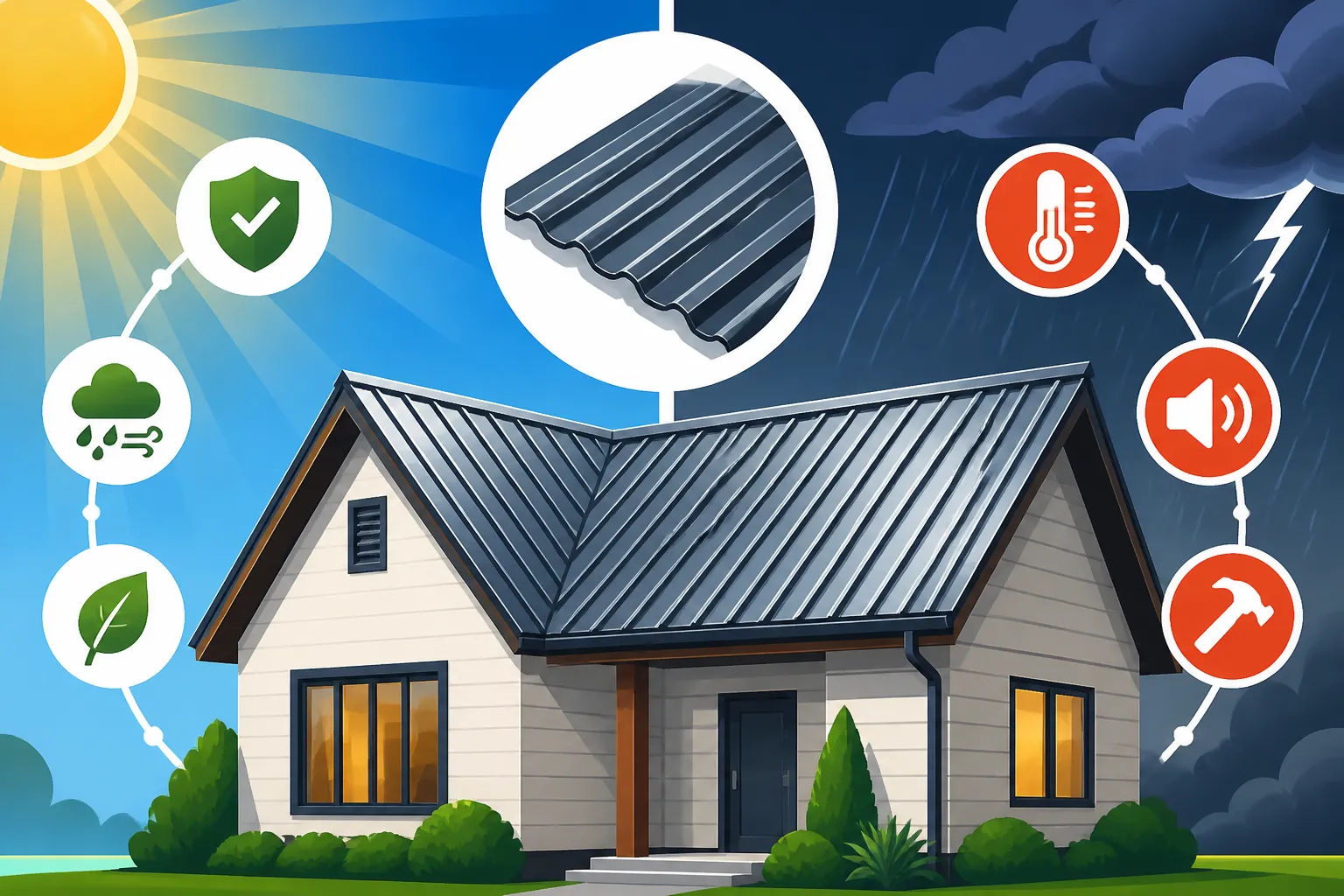
- Durability and Weather Resistance: The unique corrugated profile adds strength to the panels, making them highly resistant to impacts from hail and falling debris. They also perform exceptionally well in high winds, fire, and extreme temperatures. Modern corrugated panels with robust coatings like Galvalume offer superior rust and corrosion resistance, ensuring they stand up to the elements year after year.
- Energy Efficiency: Metal roofs are highly reflective, meaning they bounce a significant portion of the sun's radiant heat away from your home. This can lead to lower cooling costs in warmer climates, especially when combined with appropriate insulation and ventilation. Some corrugated panels even come with "cool roof" coatings that enhance this reflectivity.
- Low Maintenance: Once installed, corrugated metal roofs require very little upkeep. You won't need to worry about replacing individual shingles, granule loss, or moss growth. Occasional cleaning to remove leaves or dirt is usually all that’s needed to keep them looking great and performing optimally.
- Sustainability: Metal roofing is often made from a high percentage of recycled content and is 100% recyclable at the end of its very long life. Choosing a metal roof contributes to reducing landfill waste and supports sustainable building practices.
The Downsides: Potential Considerations
While corrugated metal boasts many advantages, it's also important to be realistic about its potential drawbacks, so you can make an informed decision without any surprises down the line.
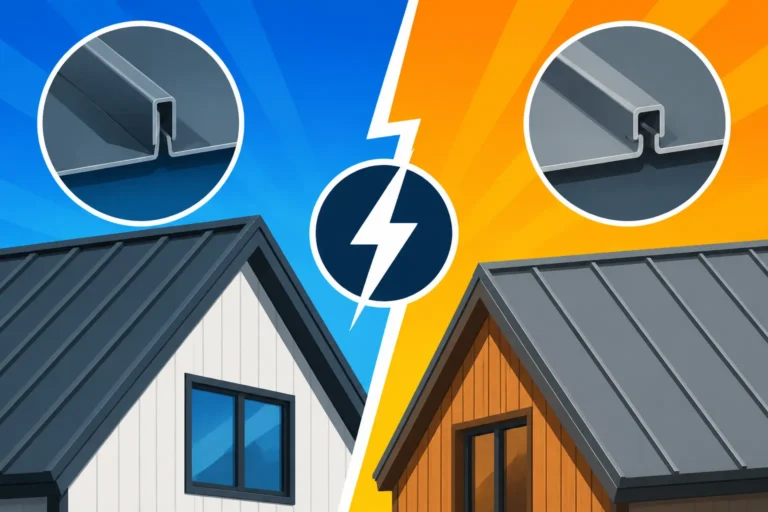
- Exposed Fasteners: Many common corrugated panel profiles utilize exposed fasteners, meaning the screws that attach the panels to the roof deck are visible on the surface. While these fasteners come with neoprene washers designed to prevent leaks, they are the most common point of failure over the roof's lifespan. The washers can degrade over time due to UV exposure and temperature fluctuations, potentially leading to leaks. They may need to be inspected and possibly replaced every 15-20 years, adding a minor maintenance task that isn't required for hidden fastener systems like standing seam. This is a crucial distinction when comparing Standing Seam vs Corrugated Cost Comparison.
- Aesthetic Preferences: While increasingly popular, the distinctive industrial or agricultural aesthetic of corrugated metal might not appeal to everyone or suit every architectural style. Some homeowners prefer the smoother, cleaner lines of a standing seam roof or the more traditional look of metal shingles. It’s a matter of personal taste and ensuring the roof complements your home's overall design.
- Noise Perception: As discussed, while good installation mitigates much of the noise, some homeowners might still perceive metal roofs as slightly louder during heavy rain or hail compared to very thick asphalt shingles or tile roofs. This is often subjective and dependent on factors like attic insulation and roof decking.
- Oil Canning: While not exclusive to corrugated, oil canning can sometimes be more noticeable on the flatter sections of certain metal panels. This refers to the visible waviness or distortion in the flat areas of metal panels, which is a visual phenomenon rather than a structural defect. While it doesn't affect the roof's performance, it can be a cosmetic concern for some homeowners, especially on large, flat roof sections. Choosing thicker gauge materials or panels with stiffening ribs can help minimize its appearance.
- Warranty Variations: The type and length of warranties can vary significantly for corrugated metal, especially for panels with exposed fasteners. While the metal panels themselves might have a long paint and substrate warranty, the exposed fasteners often have shorter warranty periods. Always clarify the specifics of both the material and workmanship warranties with your contractor.
Making the Right Choice for Your Home
Deciding whether a corrugated metal roof is the "right" choice for your house really comes down to balancing your priorities: budget, aesthetics, long-term performance, and local climate.
When Corrugated is a Great Fit
Corrugated metal truly shines in several residential scenarios, offering a blend of character and performance that's hard to beat.
If you’re drawn to a rustic farmhouse, modern industrial, or even a contemporary minimalist aesthetic, corrugated metal can be a fantastic complement to your home’s design. Its distinct rib pattern adds texture and visual interest, making your home stand out. Beyond aesthetics, it's an excellent choice for homes in areas prone to severe weather, including heavy snow, high winds, or even hail, due to its inherent strength and impact resistance. Homeowners looking for a roof that offers superb long-term value, requiring minimal maintenance and boasting an impressive lifespan, will find corrugated metal to be a wise investment. It’s also a great option if you’re looking to make the switch to metal roofing without the higher upfront cost of some other metal profiles, like standing seam. Many people consider the Metal Roof Cost vs Asphalt Shingle Cost comparison closely here.
Exploring Alternatives If Corrugated Isn't Your Style
If the look of corrugated metal doesn't quite resonate with your vision for your home, or if you prefer a hidden fastener system, there are other fantastic metal roofing options to consider.
- Standing Seam Metal Roofs: These are highly popular for their sleek, contemporary aesthetic with clean lines and hidden fasteners, offering exceptional weather resistance and a premium look. They typically come with a higher price tag but often command a higher resale value. You can learn more about this premium option in our guide, Is a Standing Seam Roof Worth the Extra Cost.
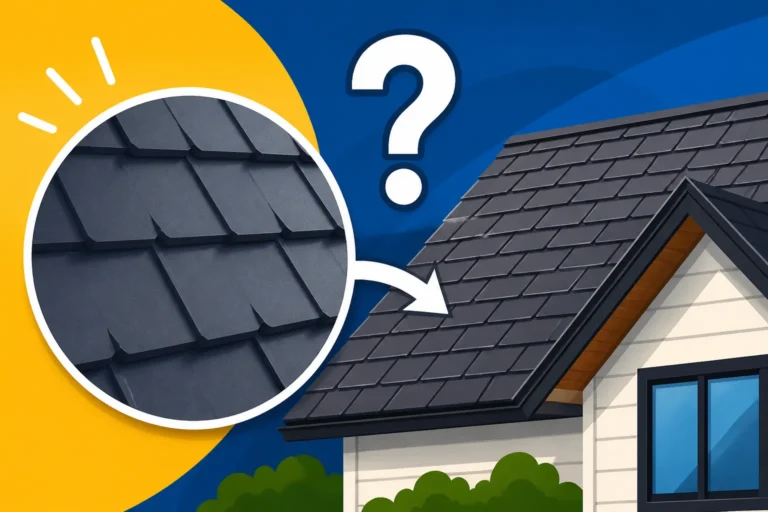
- Metal Shingles, Shakes, and Tiles: If you love the traditional look of asphalt shingles, wood shakes, or clay tiles but want the benefits of metal, these profiles mimic those aesthetics beautifully. They offer a more conventional appearance while still providing the durability, longevity, and energy efficiency of metal. These often use hidden fastener systems and can be a good middle ground visually.
- Stone-Coated Steel Roofs: These roofs offer the elegant appearance of clay tile, slate, or wood shake, but with the strength of steel. Each panel is coated with stone granules, providing a robust, durable, and attractive finish that's excellent for impact resistance and noise reduction. For more details on this, check out our piece on What Is a Stone-Coated Steel Metal Roof?.
The key is to explore all these options and find the one that best suits your home's architecture, your personal style, and your budget.
Finding a Qualified Metal Roofing Installer
No matter which type of metal roof you choose, the quality of installation is paramount to its long-term performance and lifespan. Even the best materials can fail prematurely if installed incorrectly.
It’s absolutely critical to hire a contractor who specializes in metal roofing, not just someone who does a few metal jobs on the side. Look for installers with a proven track record, specific experience with corrugated panels, and strong references. A good starting point is to use platforms like Modernize, which can help connect you with reputable, local metal roofing contractors who understand the intricacies of different metal profiles and installation techniques. Don't be shy about asking specific questions about their experience with corrugated metal, their crew’s training, and how they handle flashing details and fasteners. Insist on seeing proof of licensing, bonding, and insurance. Obtaining multiple quotes and comparing them thoroughly, not just on price but on the scope of work and materials specified, is always a smart move. A qualified installer will also be transparent about the warranty specifics, ensuring you understand what’s covered.
| Feature | Corrugated Metal Roof | Standing Seam Metal Roof |
|---|---|---|
| Appearance | Wavy or ribbed profile, often rustic/industrial | Flat panels with raised seams, sleek/modern |
| Fasteners | Typically exposed (screws visible) | Hidden (fasteners underneath panels) |
| Cost (Installed) | Generally lower than standing seam | Generally higher, premium option |
| Durability | Very durable, good impact & wind resistance | Extremely durable, excellent wind resistance |
| Lifespan | 40-70+ years | 50-100+ years |
| Maintenance | Low; occasional fastener inspection/replacement | Very low; virtually no fastener maintenance |
| Noise | Can be perceived as slightly louder without proper insulation | Quieter due to hidden fasteners & robust panels |
| Primary Use | Residential, agricultural, commercial | Residential, commercial, architectural |
| Leak Points | Exposed fasteners are potential leak points | Seams are primary (and very strong) leak defense |
Disclaimer
The information provided in this guide is for general informational purposes only and does not constitute professional advice. Roofing projects are complex and require specialized knowledge. Always consult with a qualified and licensed metal roofing contractor to assess your specific needs, obtain accurate estimates, and ensure compliance with local building codes and regulations. Material costs and labor rates can vary significantly based on location, material choice, roof complexity, and current market conditions.