Is a Standing Seam Metal Roof Good for a House?
When you’re staring up at your old, worn-out roof, contemplating the next big home improvement project, the idea of a metal roof often comes up. But not all metal roofs are created equal, and for many homeowners, the sleek, modern aesthetic of a standing seam metal roof is incredibly appealing. Yet, a nagging question remains: is a standing seam metal roof really good for a house, or is it just a trend that looks nice but comes with hidden headaches? This guide will dive deep into what makes standing seam metal roofing a solid choice for many homes, exploring its benefits, potential drawbacks, and key considerations to help you decide if it’s the right fit for your property.
Understanding What Standing Seam Metal Roofing Actually Is
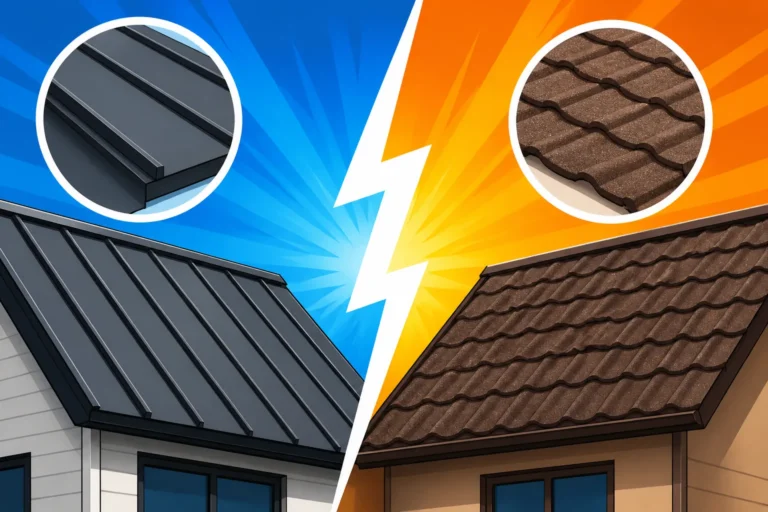
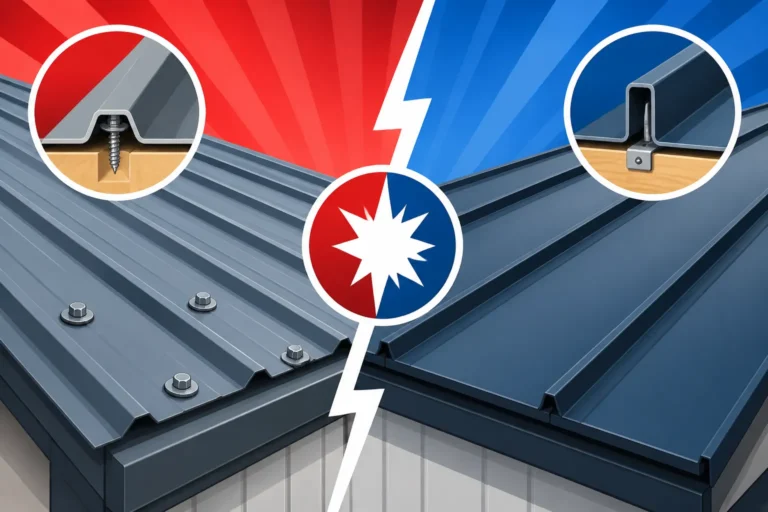
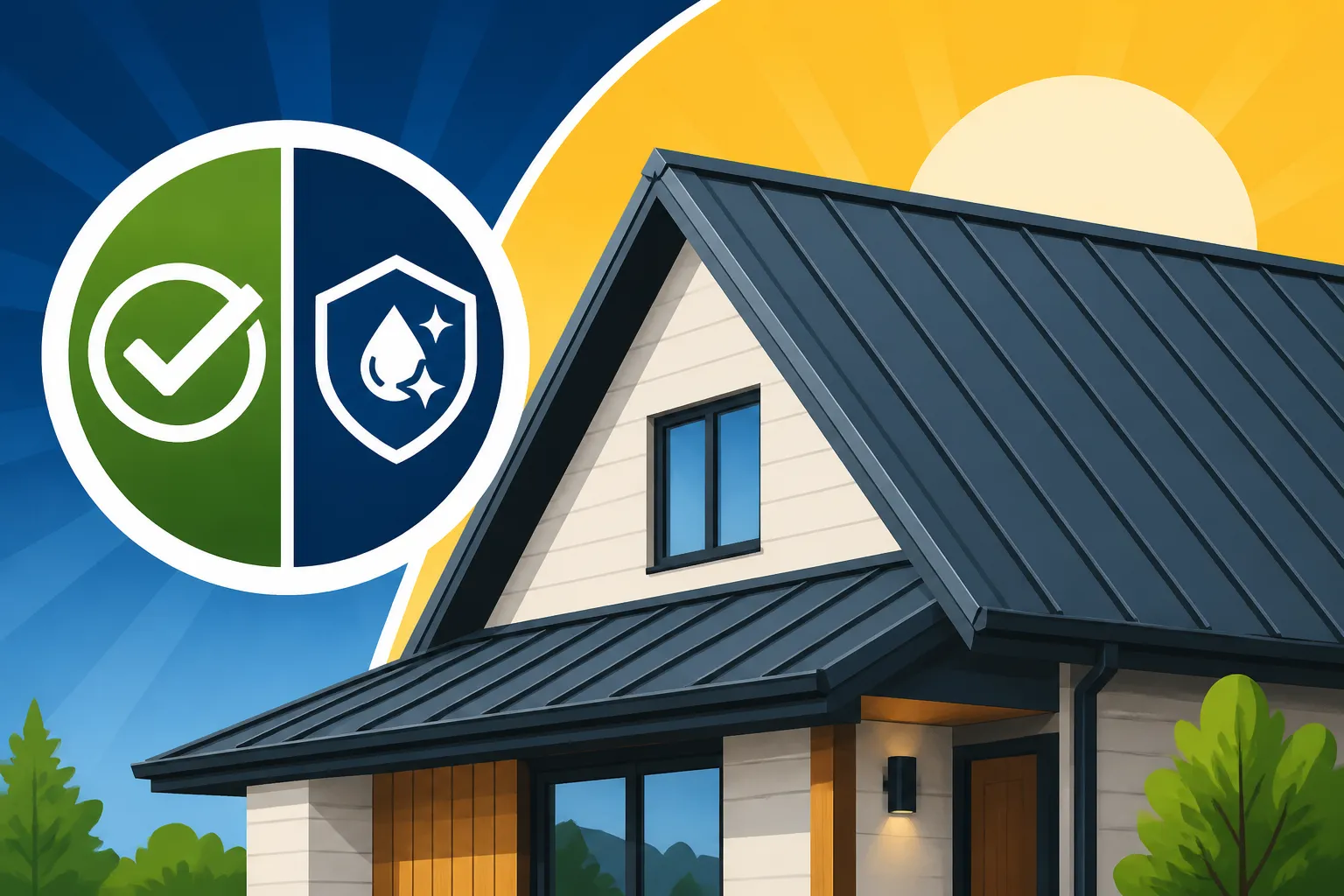
Let's start by clarifying what we mean when we talk about a standing seam metal roof. Unlike traditional exposed fastener metal roofs where screws are visible and penetrate the metal panels, a standing seam roof features panels with raised, interlocking seams. These seams are typically 1 to 2 inches high, creating distinct lines that run vertically up the roof. The fasteners that secure the panels to the roof deck are hidden beneath these seams, meaning they're protected from the elements. This isn't just an aesthetic choice; it’s a fundamental design difference that impacts performance, longevity, and overall value.
The most common materials for standing seam panels are steel (often Galvalume or galvanized steel), aluminum, and sometimes even copper or zinc for high-end projects. Each material brings its own set of characteristics to the table, affecting everything from cost to corrosion resistance. For instance, aluminum is a fantastic choice for coastal areas due to its inherent resistance to rust, while steel offers exceptional strength and a broader range of color options. The panels themselves are usually custom-cut to the exact length of your roof, minimizing seams across the roof's width and reducing potential leak points. This bespoke approach to manufacturing and installation is part of what makes standing seam a premium roofing option.
There are a few different types of standing seam systems, too. Some snap together (snap-lock systems), making installation quicker, while others require a special seaming tool to mechanically crimp the panels together (mechanical seam systems). The choice between these often comes down to roof pitch, local wind codes, and the specific manufacturer's recommendations. For example, a mechanically seamed system might be preferred in high-wind zones like coastal Florida or hurricane-prone regions due to its superior uplift resistance. Understanding these nuances is crucial because they directly influence the durability and long-term performance of your roof.
Unpacking the Real Benefits for Homeowners
Now, let's get down to brass tacks: why are so many homeowners, and even architects, drawn to standing seam metal roofs? The reasons go far beyond just good looks. These roofs genuinely bring a host of advantages that can significantly enhance a home's protection, efficiency, and even its resale value.
Exceptional Durability and Lifespan
One of the biggest selling points of a standing seam metal roof is its incredible durability. We're talking about a roof that can easily last 40 to 70 years, sometimes even longer, depending on the material and climate. Compare that to the typical 15-30 year lifespan of an asphalt shingle roof, and you start to see the long-term value. This longevity comes primarily from the hidden fastener system. Because the screws aren't exposed to UV rays, rain, snow, and ice, they're far less likely to degrade, back out, or create leak points. This is a common failure point for exposed fastener systems, so avoiding it is a huge win for homeowners.
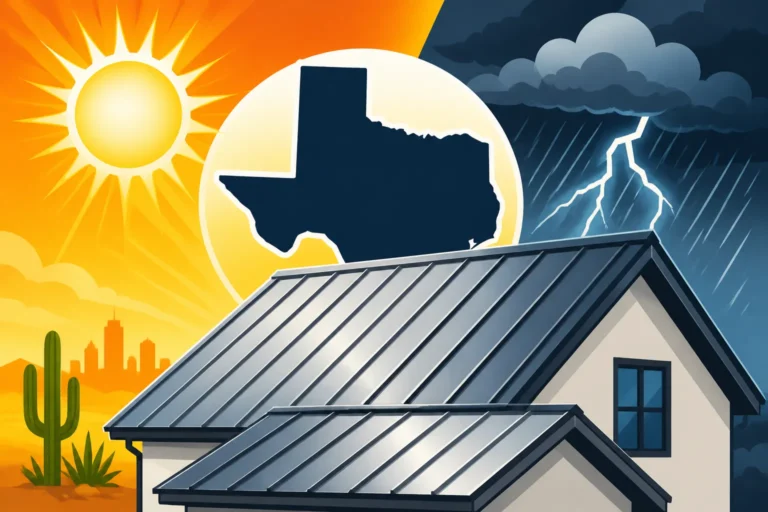
Beyond the fasteners, the metal panels themselves are incredibly tough. They can stand up to extreme weather conditions that would leave traditional shingles scattered across your yard. Think about those brutal hailstorms we've seen across Texas or the high winds that sweep through the plains. A standing seam metal roof is often rated for high winds, sometimes up to 140 mph or more, and many even qualify for a Class 4 impact resistance rating, which can lead to significant Metal Roof Insurance Savings & Discounts in some areas. This resilience means less worry for you during severe weather events and fewer calls to your insurance company. For homeowners tired of patching up storm damage every few years, a standing seam roof offers profound peace of mind.
Superior Energy Efficiency
Another compelling benefit, especially in regions with scorching summers or harsh winters, is the energy efficiency a standing seam metal roof provides. Metal roofs naturally reflect solar radiant heat, rather than absorbing it like darker asphalt shingles. This reflective property keeps your attic and home cooler during the summer months, which can translate into noticeable savings on your air conditioning bills. Many metal roofs also come with specialized "cool roof" coatings, often containing pigments that further enhance their emissivity and reflectivity.
Beyond reflection, the air gap created by the raised seams and the installation method can also contribute to better ventilation and insulation performance. Some systems are designed to create a small thermal break between the metal panel and the roof deck, further minimizing heat transfer. While the initial Metal Roof Cost: Complete 2026 Guide might be higher, the energy savings over decades can help offset that investment. Imagine living in Phoenix or Miami, where summers are relentlessly hot; a standing seam roof actively works to keep your indoor temperatures down, reducing the strain on your HVAC system and cutting down on those sky-high electricity bills.
Low Maintenance and Excellent Fire Resistance
Let's be honest, who enjoys getting on a ladder to clean gutters or inspect shingles? With a standing seam metal roof, maintenance requirements are dramatically reduced. There's no granular shedding like with asphalt shingles, and algae and moss rarely take hold on the slick metal surface. Generally, a simple annual inspection and cleaning any debris from valleys or gutters is all that's needed. This low maintenance aspect is a huge relief for busy homeowners or those looking for a "set it and forget it" roofing solution.
Furthermore, metal roofs boast excellent fire resistance. They are non-combustible, meaning they won't ignite from airborne embers during a wildfire, a common concern in western states. This often earns them a Class A fire rating, the highest classification, which can be another factor that influences your homeowner's insurance premiums. In fire-prone areas like California, this level of protection isn't just a perk; it's a critical safety feature that can protect your home and your family. The combination of minimal upkeep and superior fire protection makes standing seam metal roofs a truly practical and responsible choice.
Considering the Potential Drawbacks and Realistic Expectations
While standing seam metal roofs offer an impressive list of advantages, it wouldn't be a realistic discussion without addressing the other side of the coin. Like any significant home investment, there are considerations and potential drawbacks that homeowners need to be fully aware of before making a decision.
Higher Upfront Investment
Let's not sugarcoat it: the primary hurdle for many homeowners is the initial cost. Standing seam metal roofs typically have a higher upfront price tag than traditional asphalt shingle roofs. You might be looking at anywhere from $10 to $20 per square foot installed, sometimes more for premium materials like copper or zinc, compared to $4 to $8 for asphalt. This is largely due to the specialized materials, the precision manufacturing of the panels, and the expert labor required for proper installation. Installing a standing seam system is a craft that fewer roofers are truly proficient in, and that expertise comes at a price.
However, it's crucial to view this cost through a long-term lens. While the initial outlay is higher, the extended lifespan of a metal roof often means you won't need to replace it for 40-70 years, whereas you might go through two or three asphalt shingle roofs in the same period. When you factor in the potential energy savings, reduced maintenance costs, and increased home value, the total cost of ownership over decades can often be comparable to, or even less than, repeatedly replacing a cheaper roof. This is why it's wise to consider the Metal Roof Cost vs Lifespan Value rather than just the immediate sticker shock. Many homeowners find that using services like Modernize to connect with contractors can help them get multiple quotes and understand the true cost-benefit analysis.
Installation Complexity and Finding the Right Contractor
Installing a standing seam metal roof is not a DIY project for the faint of heart, nor is it a job for just any roofing crew. The installation process requires specialized tools, precise measurements, and extensive experience. Panels must be cut accurately, seams must be crimped correctly, and flashing details around chimneys, skylights, and valleys are critical to prevent leaks. A poorly installed standing seam roof, despite the quality of the materials, can lead to premature failure and costly repairs.
This means that finding a highly skilled and reputable contractor is paramount. You can't just pick the cheapest bid and expect flawless results. Homeowners need to ask specific questions about a contractor's experience with standing seam systems, check references, and ensure they are properly licensed and insured. It’s important to find someone who specializes in these kinds of roofs, not just general roofing. Asking about their certification with specific manufacturers, or how many standing seam roofs they've installed in the last year, can give you a good sense of their expertise. Platforms like Modernize can be incredibly helpful for connecting homeowners with pre-screened professionals who have experience with these types of projects.
Noise, Oil Canning, and Thermal Expansion
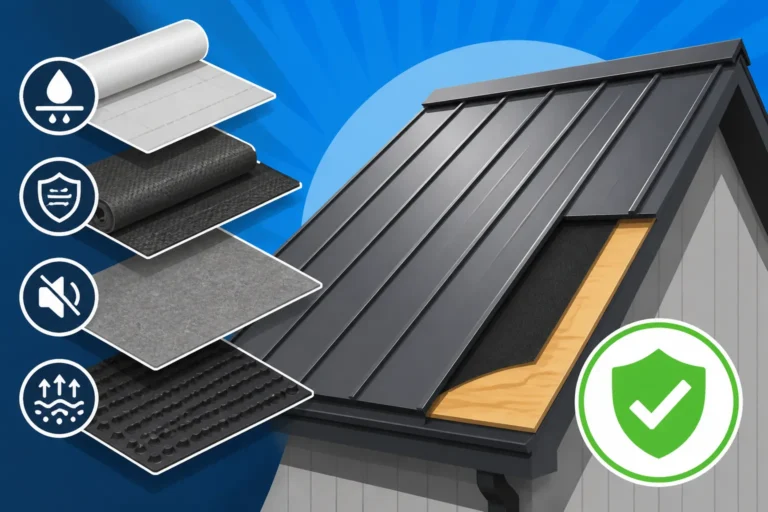
While modern metal roofs are often installed with sound-dampening underlayments, some homeowners express concerns about noise, particularly during heavy rain or hail. The sound can be more pronounced on a metal roof compared to a heavily insulated asphalt roof, though advancements in insulation and decking materials have significantly mitigated this issue. A proper Metal Roof Underlayment and Ventilation Guide can explain how these elements contribute to sound dampening.
Another aesthetic consideration is "oil canning." This term refers to the visible waviness or distortion in flat metal panels, which is a common characteristic of all metal roofing and siding, not a defect. It's caused by stresses within the metal itself during manufacturing, handling, or installation. While it doesn't affect the structural integrity or performance of the roof, it can be an aesthetic concern for some homeowners who expect a perfectly flat surface. Using heavier gauge metal (like 24-gauge over 26-gauge), panels with stiffening ribs, or opting for specific panel profiles can help minimize the appearance of oil canning.
Finally, metal expands and contracts with temperature changes. This thermal movement is normal and metal roofing systems are designed to accommodate it. However, if not properly installed with systems that allow for this movement (like floating clips in standing seam systems), it can lead to problems like fastener failure, stress on the panels, or even noisy "popping" sounds. A skilled installer understands these principles and ensures the system is installed to allow for natural thermal expansion and contraction.
Is a Standing Seam Metal Roof Right for Your House?
Deciding if a standing seam metal roof is the "good" choice for your specific house comes down to a careful evaluation of your priorities, budget, climate, and aesthetic preferences. There's no one-size-fits-all answer, but by asking yourself a few key questions, you can gain clarity.
Matching Your Home's Architectural Style
One of the most immediate considerations is how a standing seam metal roof will look on your house. Its clean lines and modern profile lend themselves beautifully to contemporary, modern farmhouse, and minimalist architectural styles. However, it can also provide a striking contrast or update a more traditional home, offering a sophisticated look. With a vast array of colors and finishes available – from classic grays and bronzes to vibrant reds and greens – you can choose a color that complements your home's exterior and landscaping.
Think about the overall curb appeal. Are you aiming for a sleek, understated elegance, or something more industrial? Standing seam panels create distinct shadow lines that can accentuate the roof's pitch and shape, giving your home a sharp, defined appearance. Before committing, consider driving around neighborhoods that feature metal roofs or utilizing visualizer tools offered by manufacturers to see how different colors and profiles might look on a house similar to yours. Don't underestimate the power of a roof to transform your home's entire exterior aesthetic.
Long-Term Value Versus Upfront Cost
If you're planning to stay in your home for many years, the long-term value proposition of a standing seam metal roof becomes incredibly compelling. The extended lifespan means you'll likely never have to replace your roof again, saving you significant money and hassle down the road. Plus, as we discussed, the energy savings can add up over decades, putting money back in your pocket. Furthermore, a high-quality metal roof can increase your home's resale value. Buyers are often willing to pay a premium for a home with a durable, low-maintenance roof that won't need immediate replacement. If you’re looking into selling your home in the future, understanding if a Does a Metal Roof Increase Home Value? is key.
However, if you anticipate moving in the next 5-10 years, the higher upfront cost might not provide enough time for you to fully recoup the investment through energy savings and avoided replacement costs. In such cases, while a metal roof still offers benefits, the financial argument might be less impactful for your specific situation. This isn't to say it's a bad investment for short-term homeowners, but the payback period needs to be a part of your financial calculation.
Climate Considerations and Local Regulations
Your local climate plays a significant role in determining if a standing seam metal roof is a good choice. For regions prone to heavy snow, the smooth, slippery surface of a metal roof encourages snow to shed efficiently, preventing dangerous snow loads. However, this also means you might need to invest in snow guards to prevent large sheets of snow and ice from sliding off unexpectedly, potentially damaging landscaping, cars, or even posing a hazard to people.
In areas with high winds, such as coastal regions or tornado alley, the robust, interlocking panels and hidden fasteners of a standing seam system offer superior wind resistance compared to many other roofing materials. Many standing seam roofs are rated to withstand hurricane-force winds. For those living in areas with frequent hailstorms, the impact resistance of metal can prevent the kind of extensive damage often seen on asphalt roofs. Conversely, if you live in a very mild climate with little extreme weather, some of these "extreme durability" benefits might be less critical, though the longevity and aesthetic appeal would still stand. Always check local building codes, especially if you live in a hurricane or wildfire zone, as these often have specific requirements that metal roofs are well-suited to meet.
Ultimately, for many homeowners seeking a long-lasting, energy-efficient, and aesthetically pleasing roofing solution, a standing seam metal roof is an excellent choice. It’s an investment, certainly, but one that pays dividends in protection, peace of mind, and curb appeal for decades to come. By carefully weighing the benefits against the initial cost and understanding the installation requirements, you can confidently decide if this premium roofing system is the right fit for your beloved home.
Disclaimer
Please note that the information provided in this article is intended for general guidance and informational purposes only. Roofing projects can be complex, and local building codes, material availability, and contractor pricing can vary significantly. Always consult with qualified local roofing professionals and your insurance provider to discuss your specific needs, obtain accurate estimates, and ensure compliance with all applicable regulations before making any decisions about your roofing project.