Is a Metal Roof Good for a Flat Roof?
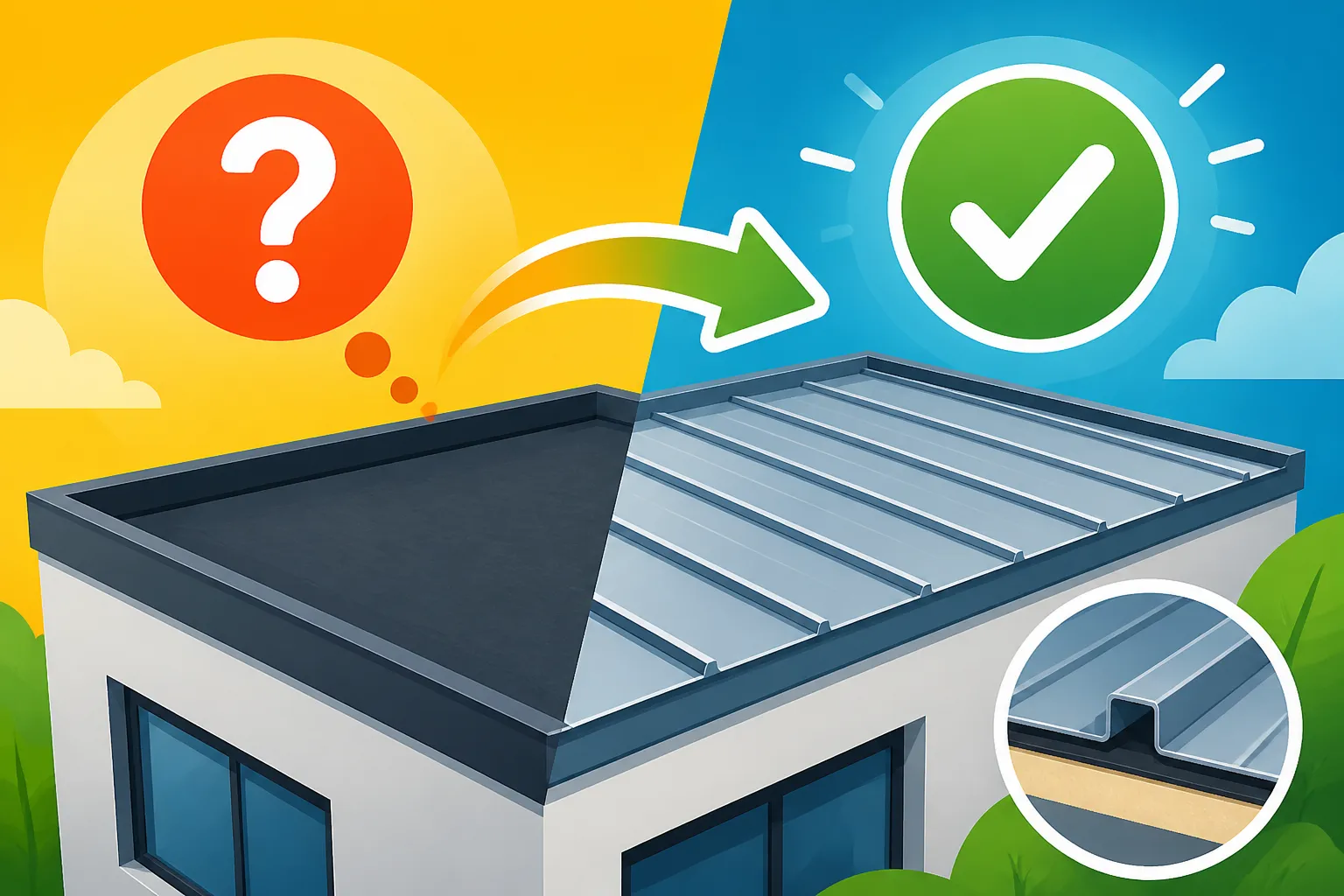
It’s a common misconception that metal roofs are solely for homes with steep, dramatic angles, leaving homeowners with flatter roofs wondering if they’re out of luck. The truth is, installing a metal roof on a "flat" roof can be a fantastic, long-lasting solution, but it comes with specific considerations and material choices that differ significantly from a traditional sloped installation. This guide will clarify what "flat" truly means in the roofing world and explore the best metal roofing options that can deliver exceptional performance and curb appeal for your low-slope structure.
Understanding "Flat" When It Comes to Roofing
When we talk about a "flat roof" in the architectural and roofing world, it's rarely ever truly, perfectly flat. If it were, water would just pool and sit there indefinitely, creating all sorts of problems. What homeowners often perceive as flat is actually a low-slope roof, designed with a slight pitch—just enough to allow water to drain effectively towards gutters or internal drains.
The Critical Difference Between Flat and Low-Slope
This distinction is absolutely crucial, especially when considering metal roofing. A truly flat roof, one with zero pitch, is generally unsuitable for most metal roofing systems because they rely on gravity for water runoff. Standing water on metal panels can lead to issues like corrosion (even with durable coatings), seal degradation, and hydrostatic pressure, which pushes water into even the tiniest gaps.
On the other hand, a low-slope roof typically has a pitch ranging from 1/4:12 to 3:12. This means for every 12 horizontal inches, the roof rises between 1/4 inch and 3 inches. This subtle incline is often invisible to the casual observer but is vital for shedding water. Most reputable metal roofing manufacturers will specify a minimum pitch requirement for their products, and for good reason. Installing a system below its recommended pitch can void warranties and almost guarantee future problems with leaks and performance.
Why Proper Drainage is Non-Negotiable
For any roofing material, but especially metal, effective drainage is paramount. On a low-slope roof, this means carefully designed slopes and drain placement. Without adequate pitch, water, snowmelt, and debris can accumulate, putting undue stress on the roof structure and its various seams and penetrations. Even the most robust metal panels need to shed water efficiently to perform as intended and achieve their long lifespan. Issues with drainage can quickly turn what should be a durable, low-maintenance roof into a source of constant worry and expensive repairs. This is why a detailed assessment of your existing roof's structure and drainage capabilities is the first step when considering a metal roof.
Metal Roofing Systems Ideal for Low-Slope Applications
While some metal profiles are definitively not suited for anything less than a moderate pitch, there are several metal roofing systems that excel in low-slope environments. These options are specifically engineered with enhanced sealing, fastening, and panel designs to manage water runoff effectively even with minimal incline.
Standing Seam Metal Roofs
When it comes to low-slope metal roofing, standing seam is almost always the go-to recommendation. These systems feature panels with raised interlocking seams that are crimped or snapped together, creating a continuous, watertight barrier that significantly reduces the chance of water infiltration. The fasteners are typically hidden beneath the panels, protecting them from UV exposure and reducing potential leak points.
For low-slope applications, you'll often hear about mechanically seamed standing seam panels. Unlike snap-lock panels, which simply "snap" together, mechanically seamed panels are physically folded and crimped by a specialized machine during installation. This creates an incredibly strong, weathertight seam that is exceptionally durable against wind uplift and, most importantly, provides superior water resistance on flatter roofs. Many mechanically seamed standing seam systems can be installed on pitches as low as 1/2:12 or even 1/4:12, depending on the manufacturer and specific product. Brands like Englert and PAC-CLAD offer robust mechanically seamed systems designed for such pitches. If you're looking into these systems, it's worth understanding the nuances of how much a standing seam metal roof costs.
Metal Shingles and Tiles with Specific Design
While traditional asphalt shingles are out of the question for low slopes, some metal shingle and tile systems are designed with unique interlocking features and integrated water channels that make them suitable for certain low-pitch roofs. These systems often mimic the look of traditional shingles, slate, or tile but offer the durability and longevity of metal.
These metal shingle systems rely on advanced interlocking mechanisms and sometimes a continuous underlayment to create a formidable barrier against water. They are typically installed with a robust underlayment system, often including ice and water shield, which acts as a secondary waterproof layer. However, it's critical to check the manufacturer's minimum pitch requirements, as these can vary significantly. For instance, some stone-coated steel roof systems are designed for pitches as low as 2:12 or 3:12 due to their unique drainage properties and robust panel designs. They offer a more aesthetic appeal while still providing metal's benefits, but usually require a slightly higher pitch than the lowest mechanically seamed panels.
Other Specialty Metal Systems and Coatings
Beyond standing seam and specialized shingles, there are other metal-based solutions for low-slope roofs, though they often bridge the gap into commercial or hybrid roofing systems. These can include:
- Architectural Sheet Metal: Custom-fabricated metal components and large flat sheets, often soldered or fully welded at seams, can be used for truly flat or ultra-low slope applications. This is highly specialized and generally more expensive, often found on high-end custom projects.
- Metal Over Existing Membrane: In some cases, a metal roofing system can be installed over an existing low-slope membrane roof (like TPO or EPDM), providing an additional layer of protection and enhancing energy efficiency. This approach capitalizes on the existing waterproof layer while adding the benefits of a metal surface.
- Fluid-Applied Metal Coatings: While not a "metal roof" in the traditional panel sense, highly reflective, fluid-applied coatings containing metallic particles can be applied to existing low-slope roofs to improve durability, reflectivity, and extend lifespan. These are often used in commercial contexts or for roof restoration.
The key takeaway here is that not all metal roofs are created equal, and for low-slope applications, precision engineering and installation are non-negotiable. Always consult with a metal roofing specialist who can assess your specific roof and recommend the best system based on its pitch and structural integrity.
Benefits and Crucial Considerations for Low-Slope Metal Roofs
Choosing a metal roof for a low-slope application brings a host of benefits, but also demands careful attention to detail during both planning and installation. It’s a rewarding choice when done right, offering superior performance over many traditional low-slope options.
Long-Term Durability and Energy Efficiency
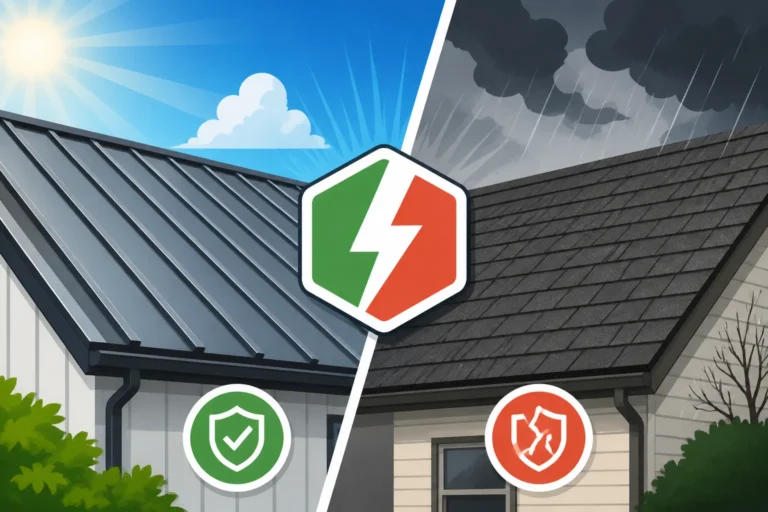
One of the most compelling reasons homeowners consider metal for any roof, including low-slope ones, is its incredible lifespan. A properly installed metal roof can last 40 to 70 years or even longer, far surpassing the typical 15-20 years of an asphalt shingle roof or the 20-30 years of many single-ply membranes. This longevity translates into significant long-term savings by minimizing replacement costs and reducing disruption over the decades you own your home.
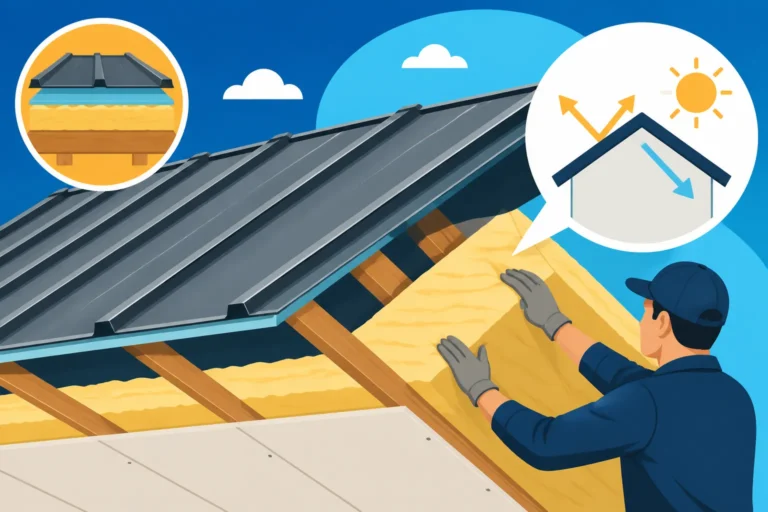
Beyond durability, metal roofs are champions of energy efficiency. Their inherent reflectivity, especially lighter colors or those treated with specialized coatings like Kynar 500 (PVDF), can reflect a substantial portion of solar radiant heat. This reduces heat gain in your attic and home, leading to lower air conditioning costs, particularly in hot climates. Many metal roofs even qualify for Metal Roof Insurance Savings & Discounts or energy tax credits, further enhancing their value proposition. The ability of certain metal materials like aluminum or Galvalume to resist corrosion also adds to their suitability in varied climates, maintaining their reflective properties for years.
The Absolute Importance of Expert Installation and Flashing
While metal roofs offer many advantages, their success on a low-slope roof hinges almost entirely on the quality of installation. This is not a DIY project, nor is it a job for a general roofer who primarily works with asphalt shingles. You need a contractor with specialized expertise in metal roofing, specifically experienced with low-slope systems.
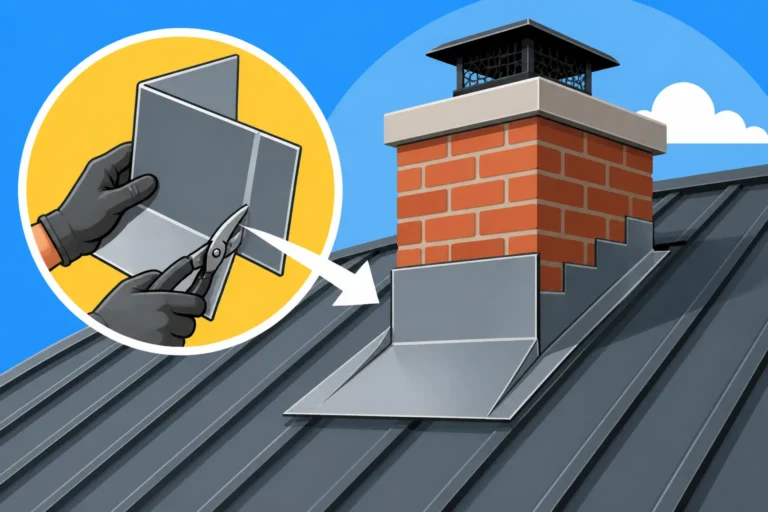
Consider the potential for error: on a steep roof, a small imperfection might allow a drop of water in, but gravity often carries it away quickly. On a low-slope roof, that same imperfection could become a persistent leak point because water sits longer. This is why things like proper Metal Roof Underlayment and Ventilation Guide, precise panel alignment, and meticulous attention to flashing details around chimneys, skylights, and vents are critical. Improper flashing is a primary cause of leaks on any roof, but even more so on low-slope ones. A skilled installer will ensure every penetration is sealed and protected against hydrostatic pressure, preventing water from seeping into your home. Don't hesitate to ask potential contractors about their experience with low-slope metal roofs and for references specifically for similar projects. You can check out resources like Modernize to find local, experienced metal roofing contractors.
Weight and Structural Considerations
Metal roofs are significantly lighter than many other roofing materials, such as asphalt shingles, tile, or slate. This lighter weight can be a substantial advantage for existing structures, especially older homes, that might not be able to bear the load of heavier roofing materials without costly structural reinforcement. For a low-slope roof, which often covers a larger footprint and might have wider joist spacing, the reduced weight of metal can be a key benefit, potentially simplifying the installation process and reducing demands on the underlying structure.
However, even with the lighter weight, a thorough structural inspection is always recommended before installing any new roof, particularly on an older home. While metal panels themselves are light, the overall system must still be secured to a sound roof deck. Your chosen metal roofing contractor, or a structural engineer, should verify that your roof framing and decking are robust enough to support the new metal system, including any additional loads from snow or wind in your region. The good news is that for most residential low-slope applications, metal's light footprint rarely poses a structural challenge but rather offers a benefit.
Choosing the Right Materials and Contractors
The success of your low-slope metal roof project will largely depend on the specific materials you choose and, perhaps even more critically, the expertise of the professionals you hire. Don't cut corners here; it's an investment that pays dividends when handled correctly.
Best Metal Materials for Low-Slope Conditions
Not all metal types are created equal for low-slope applications. While steel is common, certain alloys and coatings perform better where water retention could be an issue.
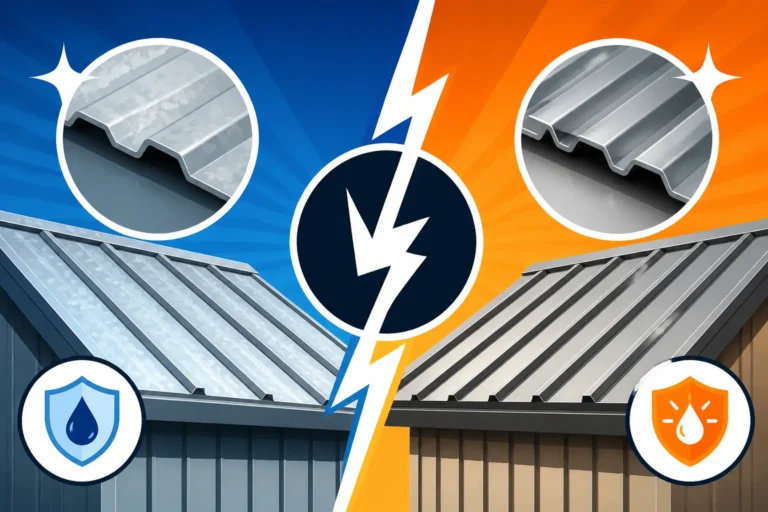
- Galvalume Steel: This is a popular choice for many metal roofing systems, including standing seam. Galvalume is a steel sheet coated with a mixture of aluminum and zinc, offering superior corrosion resistance compared to galvanized steel. The aluminum provides barrier protection, and the zinc offers sacrificial protection, making it highly durable against rust, which is crucial on roofs where water might linger slightly longer.
- Aluminum: Lightweight and inherently rust-proof, aluminum is an excellent choice for coastal areas or regions with high humidity. It's more expensive than steel, but its resistance to corrosion makes it ideal for challenging environments. It's also incredibly lightweight, reducing structural load.
- Copper and Zinc: These are premium metals known for their exceptional longevity and aesthetic appeal. They are naturally highly resistant to corrosion and can be used on very low slopes, often with soldered seams for ultimate watertightness. However, their cost is significantly higher than steel or aluminum.
Beyond the base metal, the coating is paramount. A high-quality paint finish, such as a Kynar 500 (PVDF) coating, offers excellent color retention, chalk resistance, and UV protection, ensuring your roof looks good and performs well for decades. This coating is critical for maintaining the metal's protective qualities and reflective properties.
The Critical Role of a Specialized Metal Roofing Contractor
This cannot be stressed enough: a low-slope metal roof installation requires a highly skilled and specialized contractor. This isn't just about putting panels on a roof; it's about understanding complex drainage, thermal expansion and contraction, specific fastening techniques for low pitches, and advanced flashing details.
When you're looking for a contractor, don't just ask if they install metal roofs; ask about their experience with low-slope metal roofs. Inquire about specific systems like mechanically seamed standing seam and ask for references from clients with similar projects. A reputable contractor will:
- Provide detailed quotes: They should break down material costs, labor, underlayment, and any necessary structural modifications. Understanding how to read and compare metal roof quotes is essential.
- Be licensed, bonded, and insured: This protects you from liability in case of accidents or substandard work. You can verify licensing through state or local contractor boards.
- Offer strong warranties: Look for comprehensive manufacturer warranties on materials and a solid workmanship warranty from the installer. Questions to ask about metal roof warranty are important.
- Discuss drainage solutions: They should be able to explain how they plan to ensure proper water runoff, especially if your roof has minimal pitch.
- Be familiar with local building codes: Metal roof building codes explained can vary by region, and your contractor needs to ensure compliance.
Using a service like Modernize can connect you with experienced, vetted contractors in your area who specialize in metal roofing, helping you ensure you're getting bids from qualified professionals. It’s also wise to get at least three detailed bids to compare options thoroughly.
Installation Process and Maintenance for Low-Slope Metal Roofs
The installation of a metal roof on a low-slope structure, while more intricate than a steep pitch, follows a logical sequence. Understanding this process, along with the subsequent maintenance, will give you peace of mind and help ensure the longevity of your investment.
Step-by-Step Low-Slope Metal Roof Installation
The general steps for installing a low-slope metal roof, particularly a standing seam system, involve several critical phases:
- Preparation and Decking Inspection: The process begins with removing the old roofing material, if necessary, and inspecting the roof deck. Any damaged or rotted plywood or sheathing must be replaced to provide a solid, smooth substrate for the new roof. The existing drainage system (gutters, drains) is also assessed and prepared.
- Underlayment Installation: This is a crucial step for low-slope roofs. A high-quality, self-adhering ice and water shield is typically installed over the entire roof deck. This acts as a robust secondary barrier against water infiltration, providing protection even if water manages to get past the metal panels. This is distinct from the type of underlayment used on steeper roofs and is paramount for low-slope applications.
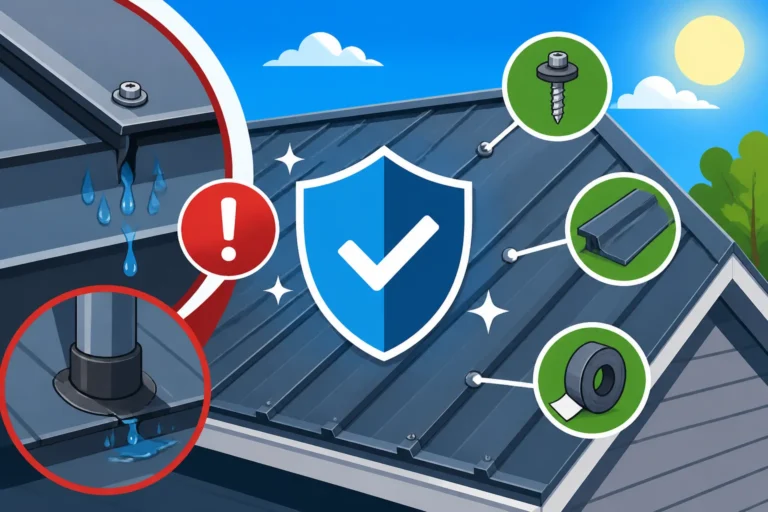
- Edge Metal and Flashing: Before panels go down, drip edge, rake trim, and all flashing components around penetrations (vents, chimneys, skylights) are installed. These are critical for directing water off the roof and preventing leaks, especially where water may sit longer on a low slope. Expert application of sealants is also key here.
- Panel Installation: The metal panels are then carefully hoisted and laid out. For standing seam, panels are typically run continuously from eave to ridge, minimizing horizontal seams. The panels are mechanically seamed together using specialized equipment, creating a watertight, interlocking system. This is where the specialized skill of the installer truly shines. Each panel needs to be perfectly aligned and securely fastened.
- Finishing Touches: Ridge caps, custom trim pieces, and any remaining flashing elements are installed. The entire roof is inspected for any imperfections or potential leak points. The overall Metal Roof Installation Process: Step by Step is more complex for low-slope roofs, emphasizing precision and skilled labor.
Maintenance and Longevity
One of the most attractive features of metal roofing is its low maintenance. Once installed, a high-quality metal roof on a low slope requires minimal upkeep compared to other flat roofing materials.
- Regular Inspections: While robust, it's still wise to inspect your metal roof annually, or after severe storms. Look for any accumulated debris, signs of damage, or issues with flashing around penetrations. Pay particular attention to drainage paths to ensure they remain clear. You can find out more about Metal Roof Inspection: What to Check in our detailed guide.
- Cleaning: Periodically, you might need to clean off leaves, branches, or dirt that could impede drainage. A gentle rinse with a garden hose is usually sufficient. Avoid harsh chemicals or pressure washing unless specifically recommended by the manufacturer, as these can damage coatings.
- Addressing Issues Promptly: If you notice any signs of wear, such as a loose panel, compromised sealant, or a blocked drain, address it immediately. Small issues can escalate quickly on a low-slope roof if ignored. A qualified metal roofing contractor can perform repairs, often extending the roof's life even further.
With proper installation and minimal routine care, a low-slope metal roof can truly stand the test of time, living up to its reputation for exceptional longevity. This makes it a smart investment for homeowners looking for durability, energy efficiency, and peace of mind.
Comparing Metal to Other Low-Slope Roofing Materials
When considering a new roof for a low-slope structure, you have a few options beyond metal. It’s helpful to understand how metal stacks up against common alternatives like TPO or EPDM, especially in terms of performance and long-term value.
Metal vs. TPO and EPDM Membranes
Traditional low-slope roofs often rely on single-ply membrane systems like Thermoplastic Polyolefin (TPO) or Ethylene Propylene Diene Monomer (EPDM). These materials are widely used, particularly in commercial applications, and have their own set of pros and cons.
Here's a quick comparison:
| Feature | Metal Roofing (Low-Slope Systems) | TPO Roofing | EPDM Roofing |
|---|---|---|---|
| Material | Steel (Galvalume), Aluminum, Copper, Zinc | Synthetic rubber-like material | Synthetic rubber material |
| Lifespan | 40-70+ years (with proper installation) | 15-25 years | 20-30 years |
| Durability | Excellent against impacts, tears, fire, wind; corrosion resistant. | Good against punctures and tears; susceptible to UV degradation over time. | Very durable, flexible, resistant to hail and UV, but can puncture. |
| Energy Eff. | Highly reflective (especially light colors), reduces cooling costs. | Light colors are reflective; dark colors absorb heat. | Dark color absorbs heat; not inherently reflective unless coated. |
| Installation | Specialized; mechanically seamed panels, complex flashing. | Relatively quick; heat-welded seams (TPO), adhesive/tape seams (EPDM). | Relatively quick; adhesive/tape seams. |
| Maintenance | Low; occasional cleaning, inspections. | Moderate; seam inspections, cleaning, potential re-coating. | Moderate; seam inspections, cleaning, potential re-coating. |
| Aesthetics | Wide range of colors and profiles; modern, architectural look. | Limited color options (white, gray, black); utilitarian appearance. | Limited (black, white); utilitarian appearance. |
| Cost (Initial) | Higher initial investment due to material and specialized labor. | Moderate, generally lower than metal. | Moderate, generally lower than metal. |
| Cost (L-T) | Lower long-term cost due to longevity and energy savings. | Higher long-term cost due to more frequent replacement. | Moderate long-term cost due to replacement cycles. |
As you can see, while TPO and EPDM often have a lower upfront cost, a high-quality low-slope metal roof typically provides a far superior lifespan and greater energy efficiency, leading to significant savings over the decades. The aesthetic appeal of metal is also a major draw for many homeowners, offering a sleek, modern look that membrane roofs simply can't match.
Ultimately, the best choice depends on your budget, desired lifespan, aesthetic preferences, and the specific characteristics of your home's low-slope roof. Consulting with experienced roofing professionals who specialize in both metal and membrane systems can help you make the most informed decision. Don't hesitate to reach out to resources like Modernize to get comprehensive quotes and advice from qualified contractors in your area.
Disclaimer
The information provided in this article is intended for general guidance and informational purposes only, and does not constitute professional advice. Roofing projects should always be undertaken by qualified and licensed professionals. Always consult with a certified roofing contractor or engineer to assess your specific needs and ensure compliance with local building codes and regulations. Material costs, labor rates, and project specifics can vary widely based on location, contractor, and specific product choices.