Standing Seam vs Exposed Fastener: Which Lasts Longer
Deciding on a new metal roof for your home is a huge investment, and it’s completely natural to feel overwhelmed by all the choices out there, especially when every contractor seems to have a different opinion. One of the biggest debates you’ll hear centers around "Standing Seam vs Exposed Fastener: Which Lasts Longer" and what that truly means for your home’s durability and your wallet. This guide is here to cut through the jargon and give you a clear, empathetic look at the longevity of these two popular metal roofing systems, helping you make the most informed decision for your peace of mind.
Understanding Standing Seam Metal Roofing
When homeowners think of modern, sleek metal roofs, they often picture standing seam. It's the system that looks so clean and continuous, without a single screw head in sight. But beyond aesthetics, its design is inherently linked to its impressive durability and lifespan.
How Standing Seam Roofs Work
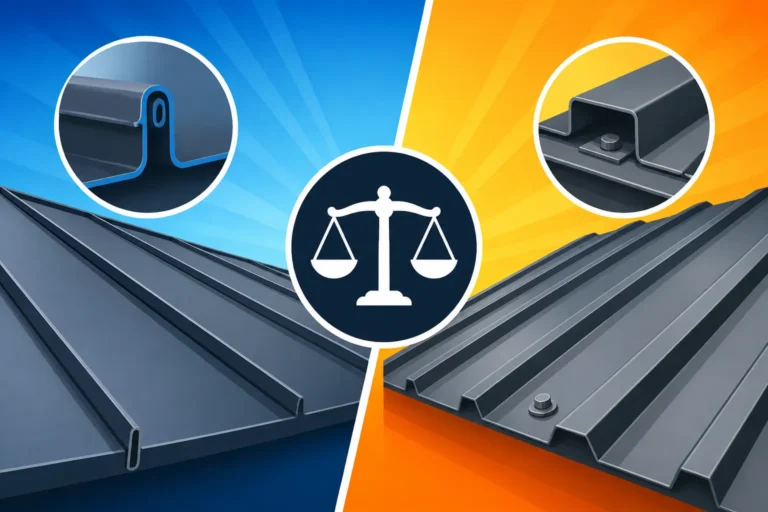
Standing seam metal roofing gets its name from the raised seams where the panels interlock. These seams, typically 1 to 2 inches high, stand vertically above the flat surface of the roof, creating a distinct ribbed appearance. The magic, and the key to its longevity, lies in how these panels are joined together. They use a concealed fastener system, meaning the clips and screws that secure the panels to the roof deck are hidden underneath the panels themselves, within those vertical seams. Once installed, these fasteners are completely protected from the elements.
This concealed fastening method is a game-changer for durability. Think about it: every screw that penetrates your roof is a potential weak point, a place where water can eventually get in if the seal fails. With standing seam, the fasteners are shielded, minimizing their exposure to harsh UV rays, rain, snow, and extreme temperature fluctuations. The panels typically feature a male and female leg that snap or mechanically seam together, often with a sealant strip incorporated into the seam itself for an extra layer of protection. This robust connection creates a monolithic barrier against the weather, making it incredibly resilient. If you're wondering "What Is a Standing Seam Metal Roof?", it's essentially the pinnacle of metal roof design for long-term performance.
Factors Contributing to Standing Seam Lifespan
A standing seam metal roof isn't just long-lasting because of its hidden fasteners; several other elements contribute to its exceptional longevity.
First and foremost is the material quality. Standing seam roofs are commonly made from heavy-gauge steel, aluminum, or even more exotic materials like copper or zinc. These metals are naturally durable and often come with advanced protective coatings. For instance, a quality Galvalume steel panel will have a zinc-aluminum alloy coating that provides superior corrosion resistance compared to traditional galvanized steel. On top of this, high-performance paint systems, like Kynar 500 (PVDF), are applied. These paints are renowned for their ability to resist fading, chalking, and chipping for decades, maintaining the roof's aesthetic appeal and further protecting the metal underneath.
Another crucial factor is the ability of standing seam panels to handle thermal movement. All roofing materials expand and contract with temperature changes, but metal does so more significantly. Standing seam systems are designed with this in mind. The concealed clips often allow the panels to "float" slightly, accommodating this movement without putting undue stress on the fasteners or panels. This prevents issues like oil canning or fastener back-out, which can shorten a roof's life. Minimal penetration into the roof deck further enhances this. Beyond the hidden fasteners in the seams, penetrations for things like pipe boots or skylights are fewer and are typically sealed with robust, long-lasting flashing materials designed to integrate seamlessly with the standing seam profile. This holistic approach to design and material choice means a well-installed standing seam roof can easily last 50 to 70 years, sometimes even longer, which is a significant part of why many homeowners consider "Is a Standing Seam Roof Worth the Extra Cost".
Understanding Exposed Fastener Metal Roofing
While standing seam often grabs the spotlight, exposed fastener metal roofing has been a workhorse on homes, barns, and commercial buildings for decades. It's a more traditional approach that offers undeniable advantages, but it comes with a different longevity profile.
How Exposed Fastener Roofs Work
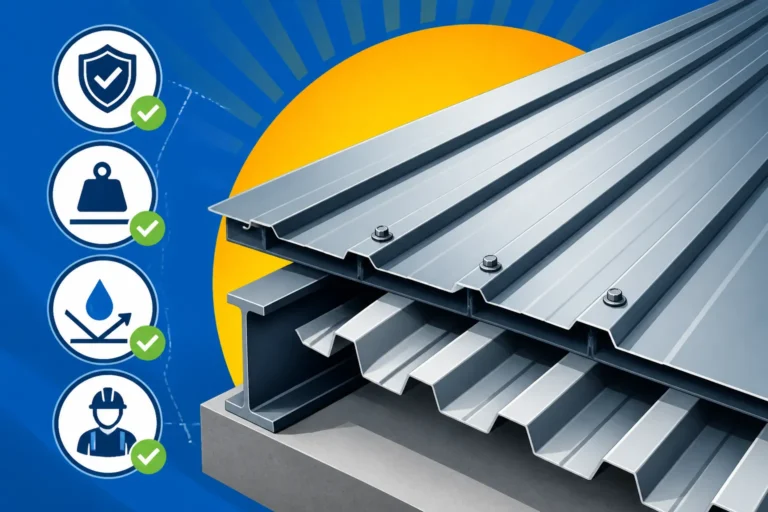
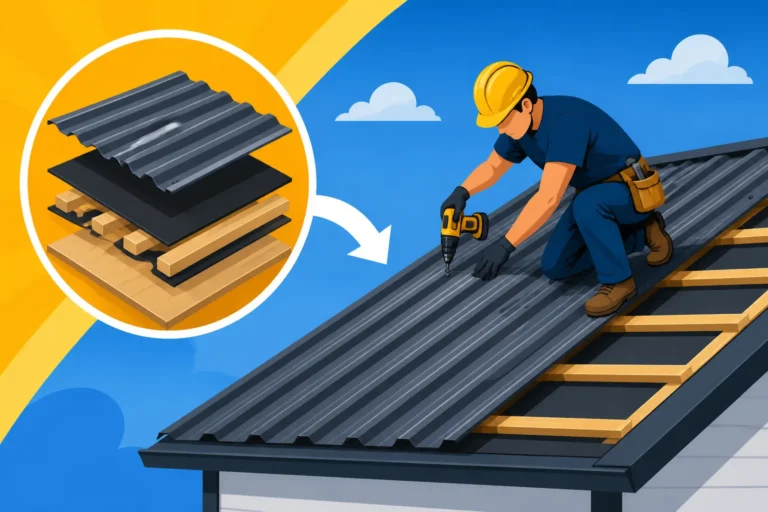
Exposed fastener metal roofing, as the name clearly suggests, involves panels that are directly screwed down to the roof decking or purlins, with the fasteners remaining visible on the surface of the roof. Common types include corrugated panels, R-panel, and 5V Crimp. These panels typically feature ribs or corrugations that give them rigidity and allow for water runoff. The installation process usually involves overlapping the panels and then driving screws directly through the overlapping sections and into the roof structure below.
Each screw is fitted with a rubber or neoprene washer underneath its head. The idea is that as the screw is driven in, the washer compresses to create a watertight seal around the penetration point. This system is generally simpler and quicker to install than standing seam, which contributes to its lower upfront cost. If you're looking for information on "How Much Does a Corrugated Metal Roof Cost", you'll typically find it's a more budget-friendly option. While effective, the very nature of exposed fasteners means they are constantly battling the elements, and this direct exposure is where the differences in long-term performance really begin to emerge.
Lifespan Limitations of Exposed Fastener Systems
The Achilles' heel of exposed fastener metal roofing is, quite literally, the exposed fasteners themselves. While the metal panels can last for many decades, the integrity of the roof system often hinges on the condition of these hundreds, or even thousands, of individual screws and their washers.
Over time, these rubber or neoprene washers are relentlessly bombarded by UV radiation from the sun, extreme heat, freezing temperatures, and constant wetting and drying cycles. This harsh exposure causes the washers to degrade, crack, and lose their elasticity. Once the washer fails, the seal around the screw penetration is compromised, creating a direct pathway for water to seep into the roof system. This can lead to leaks, rot in the roof deck, and potential damage to insulation and interior finishes. Furthermore, metal roofs expand and contract, and this movement can cause the screws to "back out" or loosen over time. Even if the washer is still intact, a loose screw means the seal isn't as tight, making it vulnerable.
Another limitation can be the gauge of the metal used. Exposed fastener panels, particularly those designed for agricultural or light commercial use, are sometimes thinner (higher gauge numbers like 29 gauge) than typical standing seam panels (often 24 or 26 gauge). While these thinner panels are perfectly adequate for many applications, they can be more susceptible to impact damage from hail or falling debris, and potentially more prone to oil canning if not installed perfectly or if the substructure isn't perfectly flat. For those curious about the "24 vs 26 Gauge Metal Roof: Cost Difference", this directly correlates to the material's robustness and, consequently, its inherent longevity.
The Core Difference in Longevity: Fasteners are Key
It truly boils down to the fasteners. This single design distinction creates a cascade of effects that dictate the ultimate lifespan and maintenance needs of each metal roofing system.
The Impact of Fastener Exposure
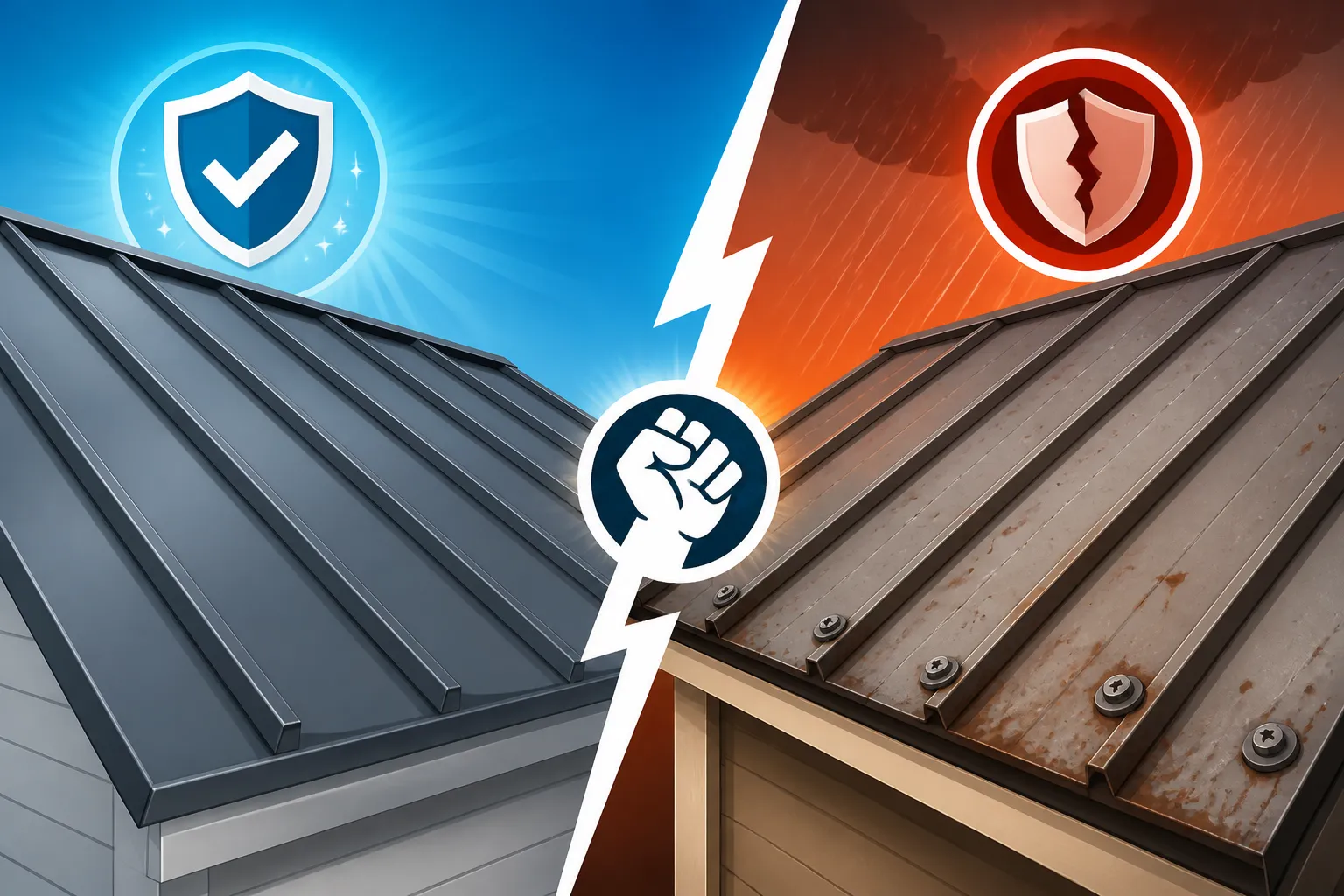
Imagine a tiny rubber gasket exposed to the blazing summer sun, torrential rain, hail, and then freezing winter ice, year after year, for decades. That's the life of an exposed fastener washer. Over time, UV radiation, in particular, is a destroyer of organic materials like rubber and neoprene. It breaks down the chemical bonds, causing them to become brittle, crack, and eventually disintegrate. Once that washer fails, the screw head is no longer sealed against the elements, and water will inevitably find its way in. This is not a matter of if but when. For a large roof, this means potentially hundreds or thousands of failure points.
Contrast this with a standing seam system, where the fasteners are completely hidden beneath the metal panels. They are protected from direct UV exposure, from the physical impact of rain and hail, and from extreme temperature swings. This allows the sealant in the seam and the fasteners themselves to last for the entire expected lifespan of the metal panels, which can be 50 years or more. There's no rubber washer to degrade; the seal is made by the interlocking metal profile and often an integrated sealant strip. This fundamental difference is why a standing seam roof, when properly installed, is far less prone to leaks and typically requires much less intervention over its lifetime to maintain its weatherproofing.
Maintenance and Longevity for Both Systems
While both types of metal roofs benefit from regular inspection and cleaning, their specific maintenance needs diverge significantly when it comes to preserving their watertight integrity.
For exposed fastener roofs, proactive maintenance is absolutely critical for achieving maximum longevity. This often means routine inspections, sometimes as frequently as every 5-10 years, to check the condition of every single fastener. You might need to replace failing washers, tighten loose screws, or even replace entire screws if they are corroded or stripped. This can be a time-consuming and labor-intensive task, but it’s essential to prevent leaks. Many homeowners don't realize this ongoing commitment when they opt for a lower-cost exposed fastener roof, which can lead to unexpected expenses down the road. If you're curious about "Metal Roof Maintenance Guide", it will likely highlight these tasks for exposed fastener systems.
On the flip side, standing seam roofs require significantly less fastener-related maintenance. Their hidden fasteners are designed to last as long as the panels themselves, often 40-70 years. Maintenance for standing seam typically focuses on keeping the roof clean, ensuring proper drainage, and inspecting flashings around penetrations like chimneys, skylights, and vents. The lack of exposed fasteners means there are far fewer potential points of failure, greatly reducing the long-term upkeep and boosting the overall value proposition. Companies like Modernize can help connect you with contractors experienced in both systems, ensuring you get transparent information about long-term maintenance needs.
Which Lasts Longer? A Direct Comparison
When it comes down to brass tacks, the longevity winner is clear, but understanding why is essential for making the right choice for your home.
Expected Lifespan Ranges
Let's talk numbers, because that’s what most homeowners want to know.
For exposed fastener metal roofing, the lifespan of the panels themselves can be quite long, often 30-50 years, especially if they are good quality steel or aluminum with durable coatings. However, as we've discussed, the system's effective lifespan is typically limited by the exposed fasteners. The rubber washers usually begin to degrade and fail within 15-20 years, depending on the climate and quality of the components used. This means that while the metal might be fine, the roof system will likely require significant maintenance (like replacing all fasteners) around the 15-25 year mark to continue performing effectively and prevent leaks. So, while the metal can last 50 years, the watertight integrity may only last half that without intervention. This is why "How Long Does a Corrugated Metal Roof Last?" often comes with a caveat about fastener maintenance.
In contrast, standing seam metal roofing boasts an impressive lifespan that aligns much more closely with the life of its panels. A high-quality standing seam roof, installed correctly, can realistically last 40-70 years, and often even longer in ideal conditions. The lack of exposed fasteners means the primary points of failure are minimized. The durable metal panels and high-performance coatings, coupled with the system's ability to manage thermal movement, allow the entire roof system to remain watertight and functional for many decades with minimal intervention beyond routine cleaning and occasional inspection of flashing details. This truly embodies the long-term investment often associated with "Metal Roof Lifespan: How Long Do They Last?".
Here’s a quick overview:
| Feature | Exposed Fastener Metal Roofing | Standing Seam Metal Roofing |
|---|---|---|
| Fastener Type | Visible, screwed directly through panels | Concealed, hidden beneath panel seams |
| Primary Longevity Limit | Degradation of rubber washers around fasteners (15-25 years) | Panel material and coating lifespan (40-70+ years) |
| Panel Lifespan | 30-50 years | 50-70+ years |
| Watertight System Lifespan (without major intervention) | 15-25 years (before fastener service is often needed) | 40-70+ years |
| Maintenance Impact | Higher, proactive fastener inspection/replacement critical | Lower, focused on cleaning and flashing integrity |
| Cost Per Square Foot | Generally lower upfront cost | Higher upfront cost |
Real-World Scenarios and Practical Advice
Choosing between these two systems often comes down to your specific priorities, budget, and the nature of your property.
If you're on a tighter budget for the initial installation and are comfortable with the idea of more periodic maintenance (or perhaps you’re roofing a utility building, garage, or even a smaller home where the cost per square foot is a major concern), an exposed fastener system could be a viable choice. They are excellent for barns, workshops, and even some residential applications, especially where the roof pitch is steep enough for quick water runoff. Many homeowners find the upfront savings appealing, but it's crucial to factor in the potential future cost of re-screwing or replacing washers, which a reputable contractor from a platform like Modernize will clearly outline. Understanding the "Metal Roof Cost Per Square Foot" for exposed fastener options is usually more affordable initially.
However, if your priority is maximum longevity, minimal long-term maintenance, and superior curb appeal, a standing seam metal roof is undoubtedly the better investment. It's ideal for primary residences where you want to install a roof once and not worry about it for many decades. The higher upfront cost is often offset by the significantly longer lifespan and reduced maintenance expenses over time. Plus, a standing seam roof can actually increase your home's resale value and even qualify for certain homeowner's insurance discounts. When considering your overall "Metal Roof Cost: Complete 2026 Guide" for a permanent solution, standing seam often emerges as the top contender for lasting value. For projects where you plan to stay in your home for the foreseeable future, or if you simply want the best performance and least hassle, the standing seam system is the clear winner in the longevity contest. You might also want to look into topics like "Metal Roof Underlayment and Ventilation Guide" for optimal performance, regardless of the system you choose.
Disclaimer
Please remember that this article provides general information and recommendations. Metal roofing projects are complex, and the specific requirements and best practices can vary significantly based on your location, local building codes, roof design, material choices, and the expertise of your installer. Always consult with multiple qualified, licensed, and insured metal roofing professionals to get personalized advice, accurate estimates, and ensure compliance with all local regulations before undertaking any roofing project.