Is Galvalume a Good Roofing Material?
Deciding on the right roofing material can feel like navigating a maze, especially when you're faced with terms and options that aren't immediately clear. Many homeowners struggle with understanding the nuances between different metal roofing types, often wondering if a particular material like Galvalume is truly a good investment for their home. This comprehensive guide will demystify Galvalume, breaking down its composition, benefits, potential drawbacks, and ultimately help you determine if it's the ideal roofing solution for your unique needs.
What Exactly is Galvalume Roofing?
Let's cut right to the chase: Galvalume is a specific type of steel sheet that has been coated with an alloy of aluminum and zinc. It's not a standalone metal like copper or aluminum; rather, it's a treated steel product designed for superior performance. This unique coating gives Galvalume its distinctive properties and makes it a popular choice for metal roofing and siding applications.
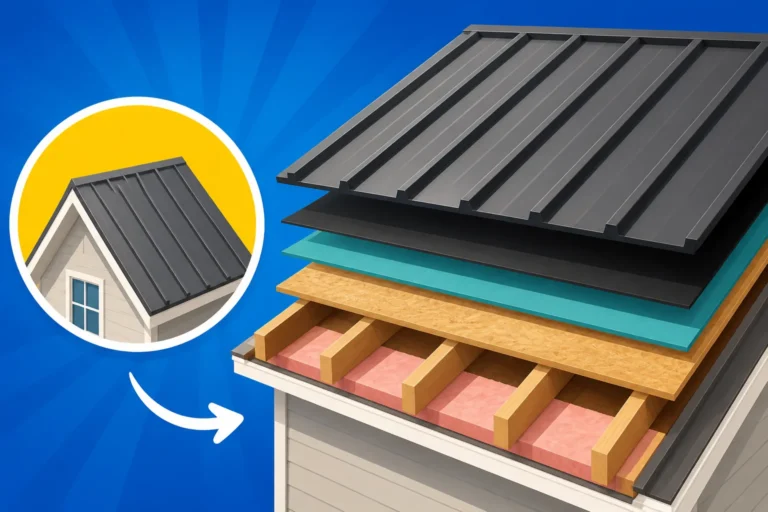
Imagine a standard sheet of high-strength steel, which forms the core of the material. Now, picture that steel being dipped into a molten bath of a carefully proportioned alloy. This alloy is typically 55% aluminum, 43.4% zinc, and 1.6% silicon. The silicon isn't just filler; it actually helps the coating adhere more effectively to the steel substrate. This process creates a metallic layer that bonds firmly to the steel, offering a robust shield against the elements. The result is a highly durable and corrosion-resistant panel that looks fantastic and stands the test of time.
The Science Behind the Coating
The magic of Galvalume lies in the synergistic properties of its aluminum and zinc components. Aluminum is well-known for its excellent barrier protection. When it forms an oxide layer on the surface, it creates a tough, impermeable shield that prevents moisture and corrosive elements from reaching the underlying steel. Think of it like a self-healing skin that constantly protects the metal beneath.
Zinc, on the other hand, provides galvanic protection. This means that if the coating is scratched or a small area of the steel is exposed, the zinc will sacrificially corrode before the steel does, effectively "healing" minor damage by flowing into the exposed area. This dual protection mechanism—both barrier and galvanic—is what makes Galvalume so remarkably resilient, especially compared to other coated steel options. It's a clever combination that gives homeowners peace of mind, knowing their roof has multiple layers of defense.
Galvalume vs. Galvanized: A Key Difference
You've probably heard of galvanized steel, and it's easy to confuse the two. While both involve coating steel with zinc, the key difference lies in the composition of that coating. Galvanized steel is coated almost purely with zinc, offering strong galvanic protection. However, the aluminum in Galvalume's coating introduces that superior barrier protection we just talked about.
This distinction is crucial, particularly when you consider the long-term performance and durability of your roof. For a deeper dive into the specifics, you might find our guide on Galvalume vs Galvanized Steel Roofing incredibly helpful. In most environments, the aluminum component in Galvalume provides a significantly longer lifespan and better resistance to red rust compared to traditional galvanized steel, which tends to degrade faster in certain conditions, particularly in coastal or highly acidic environments. This enhanced performance translates directly into a more enduring roof for your home.
The Advantages of Choosing Galvalume for Your Roof
Homeowners are constantly looking for materials that offer a blend of durability, aesthetics, and value. Galvalume often checks all these boxes, presenting several compelling benefits that make it a serious contender for your next roofing project.
Unrivaled Corrosion Protection
One of the most celebrated features of Galvalume is its exceptional resistance to corrosion. Thanks to that 55% aluminum content, it offers up to four times the corrosion resistance of traditional galvanized steel, especially in outdoor atmospheric conditions. This is a huge deal, particularly if you live in an area with fluctuating weather, heavy rainfall, or even industrial pollutants in the air. The aluminum forms a stable, passive oxide layer on the surface, acting as a formidable barrier against rust and decay.
This superior corrosion resistance means your roof will maintain its structural integrity and aesthetic appeal for much longer. While no material is entirely impervious to everything, Galvalume stands out for its ability to resist the elements that typically degrade other roofing materials over time. This makes it an excellent choice for a wide range of climates, from humid southern regions to drier, more temperate zones.
Longevity and Durability
When you invest in a new roof, you want it to last. Galvalume truly shines in the longevity department. Most Galvalume panels come with warranties ranging from 25 to 50 years, often outperforming many other roofing materials, including asphalt shingles. This impressive lifespan is a direct result of its robust coating and inherent strength. The steel core provides excellent structural rigidity, while the alloy coating protects it from the environmental stressors that cause other roofs to deteriorate.
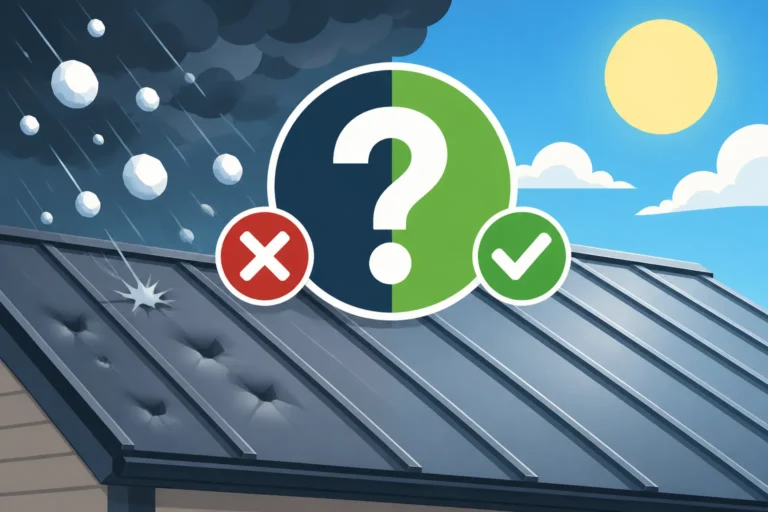
Factors like extreme temperatures, UV radiation, and even hail can take a toll on a roof. Galvalume, however, is designed to withstand these challenges with remarkable resilience. The rigid panels are much less prone to cracking, peeling, or blistering. While no roof is truly indestructible, the durability of Galvalume means fewer worries about frequent repairs or premature replacement. To understand how this impacts your overall investment, consider exploring Metal Roof Lifespan: How Long Do They Last?.
Energy Efficiency and Aesthetics
Beyond its protective qualities, Galvalume also offers practical benefits for your home's energy performance and curb appeal. The metallic surface naturally reflects a significant portion of the sun's radiant heat, which can lead to cooler indoor temperatures during hot months. This reflectivity can reduce the strain on your HVAC system, potentially lowering your energy bills. Many Galvalume products are also available with cool roof coatings that enhance this reflective property, further boosting energy efficiency.
From an aesthetic standpoint, Galvalume provides a clean, modern look. It's often available in a variety of colors and finishes, allowing you to choose a style that complements your home's architecture. The paint systems applied to Galvalume (like Kynar 500 or Hylar 5000) are incredibly durable and resist fading, chalking, and chipping for decades. This means your roof will maintain its vibrant appearance for many years, adding to your home's curb appeal and potentially increasing its resale value. You can even find it in profiles that mimic traditional materials like tiles or shakes, offering versatility without sacrificing performance.
Potential Downsides and Considerations with Galvalume
No roofing material is perfect, and Galvalume, despite its many strengths, does come with a few considerations that homeowners should be aware of before making a decision. Understanding these potential drawbacks can help you set realistic expectations and make informed choices during the planning and installation phases.
The Vulnerability of Cut Edges
One of the most frequently discussed considerations with Galvalume is how it performs at cut edges. While the zinc component offers galvanic protection, this sacrificial action is most effective when the exposed steel area is small. When Galvalume panels are cut—whether during manufacturing, transport, or installation—the steel core becomes exposed along the raw edge. In highly corrosive environments or if the cuts are not properly sealed, these edges can become susceptible to "red rust" over time.
This isn't to say Galvalume will immediately rust at every cut. Modern installation techniques and proper handling typically minimize this risk. Reputable installers will often use specialized sealants or touch-up paints designed to protect these exposed edges, especially in critical areas like flashings or around vents. It's a detail worth discussing with your contractor to ensure they have protocols in place to address it effectively. If you're comparing different metal roof options, understanding how various materials handle cut edges is a key part of your research.
Aesthetic Expectations and Realities
While many love the clean look of Galvalume, there are a couple of aesthetic considerations to keep in mind. One common phenomenon with metal panels, including Galvalume, is called "oil canning." This isn't a structural issue but refers to the visual waviness or distortion that can appear on flat metal panels. It's often due to stress within the metal during manufacturing or installation, or even temperature fluctuations. While usually subtle, some homeowners find it noticeable.
Another aspect is the natural aging process, particularly if the panels are left unpainted. The zinc-aluminum coating can develop a subtle, dull patina over time. While some appreciate this natural look, others prefer a consistent, uniform appearance. If a perfectly smooth, unblemished surface is paramount to you, discussing the potential for oil canning and understanding the long-term aesthetic changes with your contractor is vital. Choosing the right profile, such as a standing seam panel, can also help minimize the appearance of oil canning compared to wider, flatter panels.
Installation Nuances
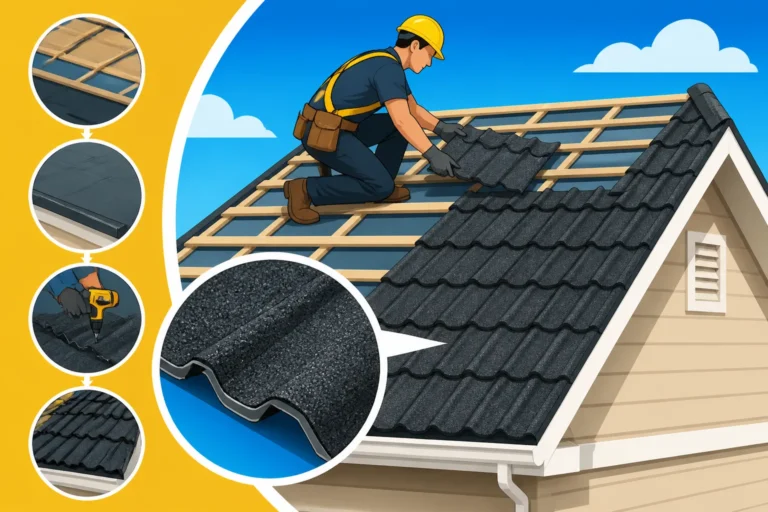
Installing a Galvalume roof, like any metal roof, requires specialized knowledge and tools. It's not a DIY project for the faint of heart, and attempting it without the proper expertise can lead to issues with performance and warranty validity. The panels are large and can be unwieldy, requiring careful handling to prevent dents or scratches that could compromise the coating. Precision in measuring, cutting, and fastening is crucial to ensure a watertight and long-lasting installation.
Because of the cut edge vulnerability, proper flashing techniques, sealants, and fasteners are essential. An experienced metal roofing contractor understands these nuances and can execute the installation correctly, ensuring the roof performs as intended. Choosing a contractor who is experienced specifically with Galvalume and similar metal roofing systems is paramount. When you're ready to get some expert opinions, services like Modernize can be incredibly helpful for connecting you with reputable local metal roofing specialists who know the ins and outs of materials like Galvalume. They can also explain the intricate Metal Roof Installation Process: Step by Step.
Is Galvalume the Right Fit for Your Home?
So, after weighing the pros and cons, how do you decide if Galvalume is the right roofing material for your specific situation? It really boils down to your priorities, your local environment, and your budget.
Assessing Your Climate and Environment
Galvalume is an excellent choice for a vast majority of climates across the United States. Its superior corrosion resistance makes it particularly well-suited for areas prone to heavy rain, humidity, or even light industrial pollution. If you live in a region with frequent hailstorms, the inherent strength of steel, protected by the Galvalume coating, offers good impact resistance compared to more fragile materials.
However, if your home is directly on the coastline, exposed to constant salt spray, you might want to discuss this specific concern with a metal roofing expert. While Galvalume performs very well, some intensely salty environments can be challenging for any material, and a pure aluminum roof might be considered for extreme coastal conditions due to aluminum's innate resistance to saltwater corrosion. For most inland and moderately coastal areas, though, Galvalume is a phenomenal performer.
Balancing Budget and Long-Term Value
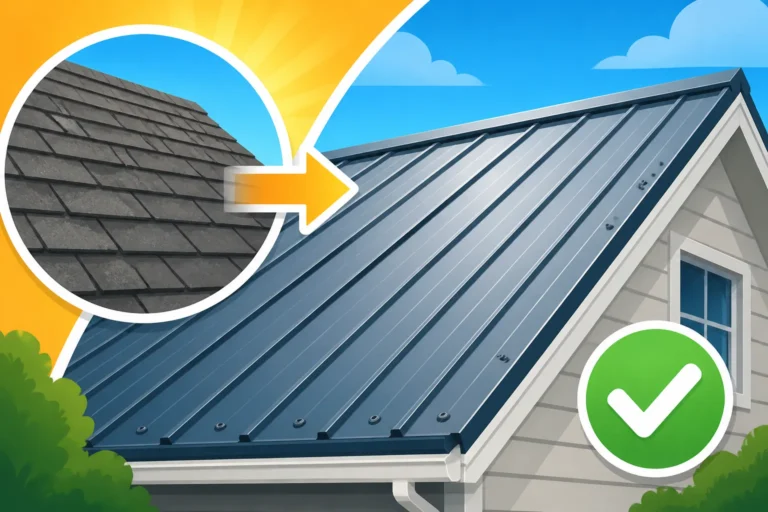
Initially, the Metal Roof Cost Per Square Foot for Galvalume might be higher than traditional asphalt shingles. However, it's crucial to look beyond the upfront cost and consider the long-term value. With its exceptional durability and longevity, a Galvalume roof often proves to be more cost-effective over its lifespan. You'll likely save money on repairs, maintenance, and the need for frequent replacement.
Factor in potential energy savings due to its reflective properties, and the long-term return on investment becomes even more attractive. If you plan to stay in your home for many years, a Galvalume roof is a smart investment that can add significant value and peace of mind. Platforms like Modernize can also help you compare bids from different installers, giving you a clearer picture of the cost against the value you're getting.
Consulting with Professionals
Ultimately, the best way to determine if Galvalume is right for your home is to consult with experienced metal roofing contractors. They can assess your specific roof pitch, local building codes (check out Do You Need a Permit for a Metal Roof? for more on this), environmental factors, and aesthetic preferences. A reputable contractor will provide detailed quotes, explain material options, and help you understand the installation process.
Don't hesitate to get multiple quotes and ask plenty of questions about the different metal roofing types available. Discuss warranties, maintenance requirements, and what they do to protect cut edges. Take your time, do your research, and choose a professional who has a proven track record with metal roofing systems. They can guide you through the process, ensuring you select a roof that will protect your home for decades to come.
Here's a quick comparison of Galvalume against some other common roofing materials to put things in perspective:
| Feature | Galvalume Steel | Galvanized Steel | Asphalt Shingles | Aluminum Roofing |
|---|---|---|---|---|
| Composition | Steel coated with 55% Al, 43.4% Zn, 1.6% Si | Steel coated with 100% Zinc | Petroleum-based, mineral granules | Pure Aluminum |
| Corrosion Resistance | Excellent (superior to galvanized in most cases) | Good (sacrificial protection) | Poor (degrades with UV/weather) | Excellent (naturally resistant) |
| Longevity | 40-60+ years | 20-40 years | 15-30 years | 50-100+ years |
| Cost (Installed) | Mid-to-High | Low-to-Mid | Low | High |
| Weight | Moderate | Moderate | Heavy | Light |
| Recyclability | High | High | Low | High |
| Cut Edge Protection | Requires sealing | Vulnerable to red rust | Not applicable | Self-protecting |
| Energy Efficiency | High (reflective) | Moderate | Low (absorbs heat) | High (reflective) |
Disclaimer
Please remember that this article provides general information and should not be considered professional advice. Always consult with a qualified metal roofing contractor and review local building codes and regulations before making any decisions about your roofing project.