What Is a Stone-Coated Steel Metal Roof?
When you’re staring down the prospect of a new roof, the sheer number of options can feel overwhelming. Many homeowners are intrigued by metal roofing for its longevity and durability, but they might shy away from the industrial aesthetic often associated with traditional corrugated panels. That’s where stone-coated steel metal roofs come into play, offering a fantastic blend of robust performance with the classic beauty of more conventional materials. This guide is here to walk you through exactly what a stone-coated steel metal roof is, how it's made, its benefits, and what you need to consider before making this significant investment in your home.
Unpacking the Stone-Coated Steel Metal Roof
Let's peel back the layers, quite literally, to understand what makes a stone-coated steel metal roof so unique. It’s not just a fancy name; it describes a very specific, multi-layered roofing product designed for both superior performance and curb appeal that seamlessly blends into almost any architectural style.
The Core Concept: Steel, Coatings, and Granules
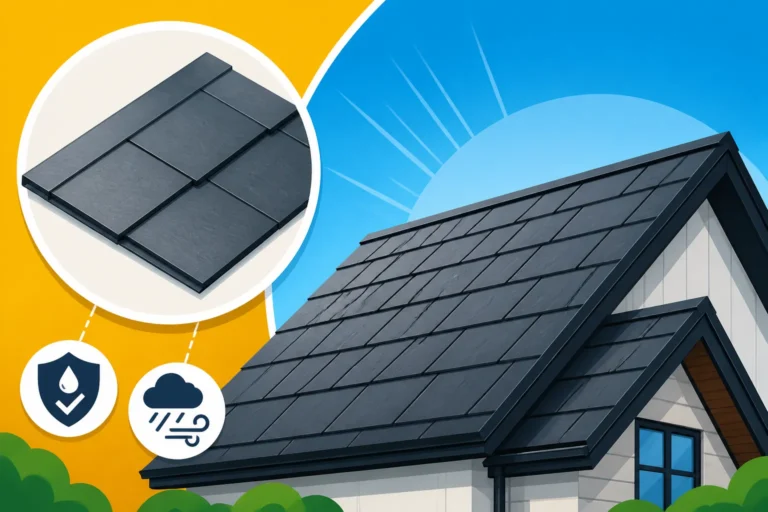
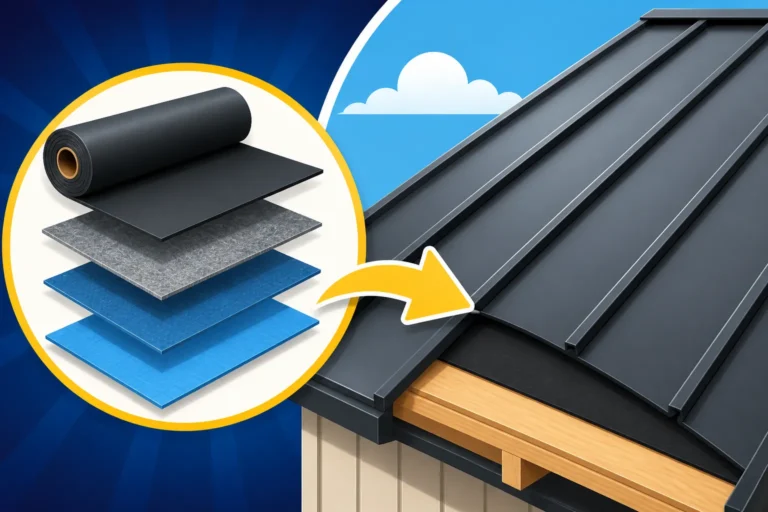
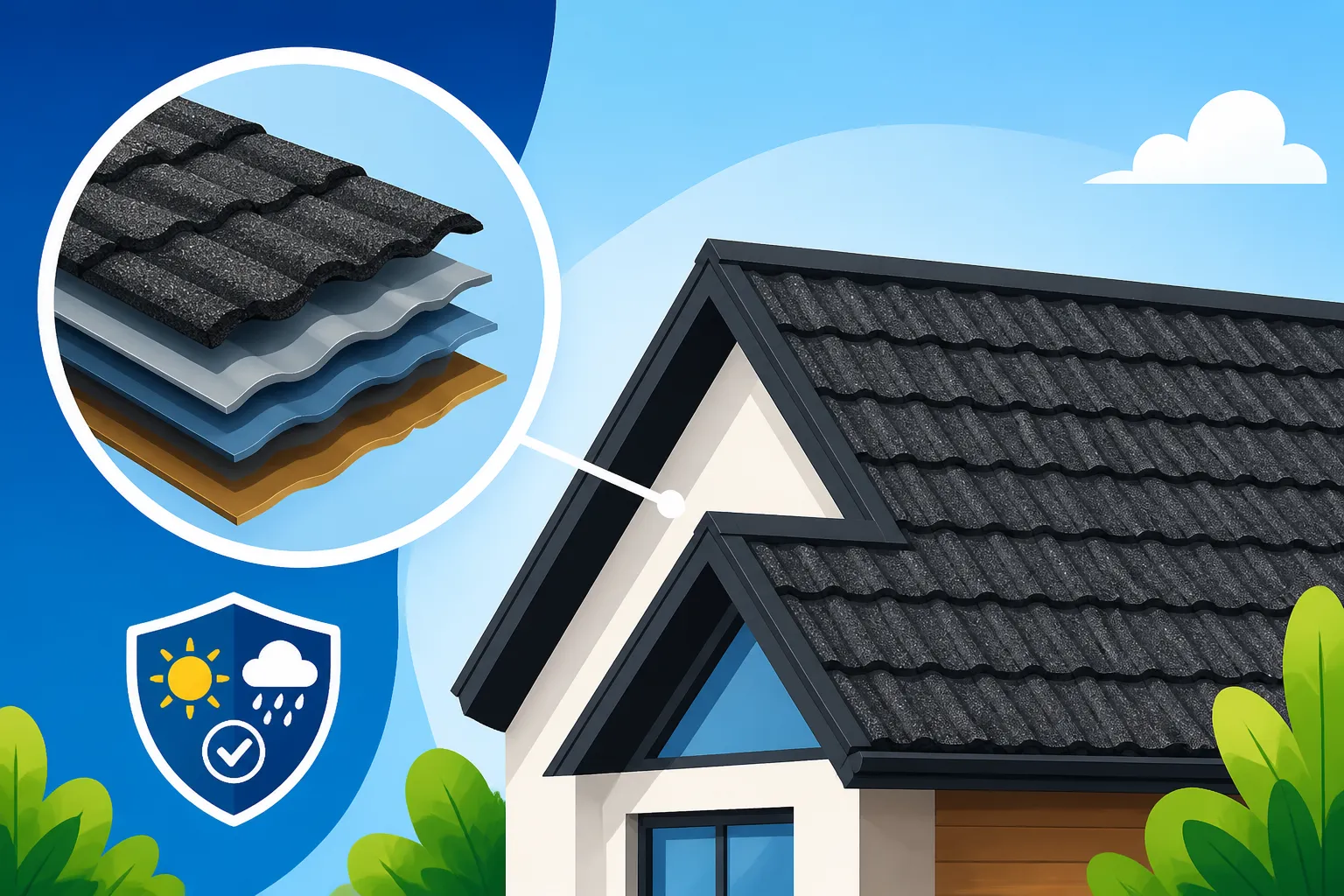
At its heart, a stone-coated steel roof is exactly what it sounds like: a steel panel coated with a layer of stone granules. But it's far more sophisticated than a simple sprinkle of rocks on metal. The foundation is typically a high-quality steel panel, often 26-gauge, which is treated with a corrosion-resistant metallic coating. Most commonly, this is a Galvalume alloy, a blend of zinc and aluminum that offers exceptional protection against rust and the elements. This Galvalume layer is crucial because it acts as a sacrificial barrier, protecting the steel core from corrosion, significantly extending the roof's lifespan even in harsh conditions.
On top of this robust base, several layers are applied. First, an acrylic base coat is spread evenly, providing a strong adhesive surface. Then, the real magic happens: finely crushed stone granules are embedded into this base coat. These aren't just any stones; they're typically natural stone chips, often basalt, which are ceramic-fired to ensure their color remains vibrant and resistant to UV fading for decades. Finally, a clear acrylic overglaze is applied. This topcoat seals the granules in place, adds another layer of UV protection, and often features antifungal properties to prevent mold and mildew growth, keeping your roof looking pristine. The combination of these layers gives you the strength and longevity of steel with the texture and aesthetic versatility of traditional shingles, tiles, or wood shakes.
How It's Manufactured: A Multi-Layered Approach
The manufacturing of stone-coated steel roofing is a precise, multi-step process that ensures each panel meets rigorous quality standards. It starts with large coils of high-strength steel, usually 26-gauge, which are then cut and pressed into various profiles that mimic traditional roofing materials. Imagine panels shaped to look like Mediterranean tiles, rustic wood shakes, or even sleek asphalt shingles – all from a single sheet of steel.
Once the steel is shaped, it undergoes a thorough cleaning and degreasing process to prepare the surface. The next critical step is the application of the metallic coating, usually Galvalume, which bonds directly to the steel. This provides the primary corrosion resistance. After the metallic coating cures, an acrylic priming coat is applied to further enhance adhesion for subsequent layers. The base acrylic coat, often pigmented to match the final stone color, is then applied, and while it's still wet, the ceramic-fired stone granules are electrostatically applied. This ensures a uniform, dense coverage that minimizes bare spots. The final touch is the clear acrylic overglaze, which is then cured, often under heat, to create an incredibly durable, weather-resistant, and aesthetically pleasing finish. This meticulous layering process results in a product that not only looks great but is engineered to withstand extreme weather, from blistering sun to heavy hail.
The Unique Benefits of Stone-Coated Steel Roofing
Choosing a stone-coated steel roof isn't just about replacing an old roof; it's about upgrading your home with a product that delivers a multitude of advantages. From its stunning appearance to its ability to stand strong against the elements, these roofs offer compelling reasons for their growing popularity.
Aesthetic Versatility and Curb Appeal
One of the most immediate and appreciated benefits of stone-coated steel roofing is its incredible aesthetic versatility. Unlike exposed fastener metal panels, which have a distinctly industrial or agricultural look, stone-coated steel is designed to mimic a wide array of traditional roofing materials. You can find profiles that perfectly replicate the grandeur of barrel-style clay tiles, the rustic charm of split cedar shakes, or the classic elegance of architectural asphalt shingles. This means you get the superior performance of metal without having to compromise on your home's architectural style or neighborhood aesthetic.
The range of colors and textures available is also vast. Manufacturers like DECRA and Gerard offer a spectrum of hues, from deep earth tones to vibrant reds and blues, often with multi-tone blends that add depth and character. This allows homeowners to select a roof that perfectly complements their home's siding, landscaping, and overall design vision. The added texture from the stone granules also helps diffuse light, giving the roof a softer, more natural appearance than smooth metal panels. This enhanced curb appeal not only makes your home more enjoyable but can also significantly increase its resale value, making it a wise investment. You might be surprised at how much a new roof can impact your property's marketability, and understanding Does a Metal Roof Increase Home Value? can offer even more insights.
Durability and Longevity in Diverse Climates
When it comes to durability, stone-coated steel roofs are in a league of their own. The combination of a robust steel core, the Galvalume anti-corrosion layer, and the bonded stone granules creates a roofing system that is incredibly resilient. These roofs are rated to withstand extreme weather conditions that would send other roofing materials packing. They typically boast Class 4 impact resistance, the highest rating available, meaning they can shrug off large hail with minimal to no damage, unlike asphalt shingles which often crack or lose granules after a single hailstorm.
Furthermore, stone-coated steel is highly resistant to winds up to 120 mph or even higher, often surpassing local building codes even in hurricane-prone regions. They are also non-combustible, earning a Class A fire rating, which is a huge advantage, especially in areas prone to wildfires. The stone granules provide an additional layer of protection against UV degradation and thermal shock, preventing the panels from warping or cracking. This exceptional durability translates to an impressive lifespan, often 50 to 70 years or more, far outlasting traditional asphalt shingles, which typically need replacement every 15-20 years. This long-term performance makes them a smart investment, a topic we explore further in Metal Roof vs Asphalt Shingle Cost.
Energy Efficiency and Environmental Impact
Beyond their good looks and tough exterior, stone-coated steel roofs offer significant benefits when it comes to energy efficiency and environmental responsibility. The steel itself is a reflective material, and when combined with the lighter colors often chosen for the stone coatings, it can significantly reflect solar radiant heat away from your home. This helps to reduce heat absorption, keeping your attic and interior spaces cooler during hot summer months, which in turn can lead to noticeable savings on your air conditioning bills. Many stone-coated steel products are "cool roof" certified and meet ENERGY STAR guidelines, further validating their energy-saving capabilities.
From an environmental perspective, metal roofing is a champion of sustainability. The steel used in stone-coated panels often contains a high percentage of recycled content, reducing demand for virgin resources. At the end of its exceptionally long life, the entire roof is 100% recyclable, preventing it from ending up in a landfill, unlike mountains of discarded asphalt shingles. This commitment to sustainability aligns with modern homeowner values and contributes to a greener footprint.
Potential Considerations and Drawbacks
While stone-coated steel roofing offers many compelling advantages, it's important to approach any major home improvement project with a realistic understanding of all aspects. There are a few considerations and potential drawbacks that homeowners should be aware of before committing to this premium roofing solution.
Understanding the Initial Investment
Let's be upfront: a stone-coated steel metal roof represents a significant initial investment. While it’s certainly not the most expensive metal roofing option – genuine copper or zinc roofs will typically set you back more – it does come with a higher upfront cost than conventional asphalt shingles. The price per square foot can vary widely based on your location, the complexity of your roofline, and the specific profile you choose, but you can generally expect it to be 2 to 3 times the cost of a basic asphalt shingle roof. For a comprehensive overview of potential expenses, checking out Metal Roof Cost: Complete 2026 Guide can provide valuable context.
However, it's crucial to look beyond the sticker price and consider the long-term value. With a lifespan of 50-70 years or more, a stone-coated steel roof essentially pays for itself over its lifetime by eliminating the need for multiple re-roofs that you'd face with asphalt. When you factor in potential insurance discounts for its Class 4 impact resistance, energy savings, and enhanced resale value, the overall cost of ownership often becomes more favorable over several decades. Still, it's a sizable sum upfront, so budgeting and exploring financing options are essential. While it's more budget-friendly than a Copper Roof Cost, it's still a premium product.
Installation Complexity and Specialized Contractors
Installing a stone-coated steel roof is not a weekend DIY project, nor is it a job for just any roofing crew. The process is more intricate and specialized than installing asphalt shingles or even some other types of metal roofing. Stone-coated steel panels are often smaller than traditional metal panels, requiring more individual pieces to be installed. Each panel needs to be precisely aligned, overlapping correctly, and securely fastened, often using concealed fastening systems for a clean look. The flashing details around chimneys, skylights, and valleys are also critical and demand expert craftsmanship to ensure a watertight seal.
Because of this complexity, it is absolutely essential to hire a contractor who has extensive experience specifically with stone-coated steel installations. They need to understand the nuances of the product, the manufacturer’s specific installation guidelines, and local building codes. An inexperienced crew could easily compromise the roof's integrity, leading to leaks, poor performance, and potentially voiding your warranty. This is where a service like Modernize can be incredibly helpful in connecting you with vetted, experienced professionals in your area who specialize in this type of roofing. When you're ready to start getting quotes, understanding How to Hire a Metal Roofing Contractor will be invaluable.
Maintenance and Repair Nuances
While often touted as "maintenance-free," it's more accurate to describe stone-coated steel roofs as "low-maintenance." They don't require the frequent repairs or shingle replacements that asphalt roofs might demand. However, like any roofing system, they benefit from occasional inspection and minor upkeep to ensure optimal performance over their extended lifespan.
One common question homeowners have is about granule loss. Over many years, some minor granule erosion can occur, especially in high-traffic areas or due to extreme weather. This is usually minimal and doesn't affect the roof's performance or weather resistance, but it's something to be aware of. Reputable manufacturers design their products to minimize this. If a panel does get damaged, perhaps from a severe impact or improper walking, repairing or replacing individual panels is possible, but it requires specialized tools and expertise to match colors and textures correctly. Regular cleaning to remove debris and prevent moss or algae growth, especially in shaded or damp areas, can also help maintain its appearance. For deeper insights into keeping your roof in top shape, explore our Metal Roof Maintenance Guide.
Comparing Stone-Coated Steel to Other Metal Roof Types
When you're considering a metal roof, you quickly realize there's a whole world beyond just "metal." Stone-coated steel is just one player in a diverse field, each with its own look, performance characteristics, and price point. Let’s see how it stacks up against some of its metal cousins.
Stone-Coated Steel vs. Standing Seam
Standing seam metal roofs are perhaps the most recognizable modern metal roofing type. They feature long, continuous panels that run from the ridge to the eaves, with raised seams that interlock or are mechanically seamed together. These seams effectively hide the fasteners, giving the roof a sleek, contemporary, and often industrial appearance.
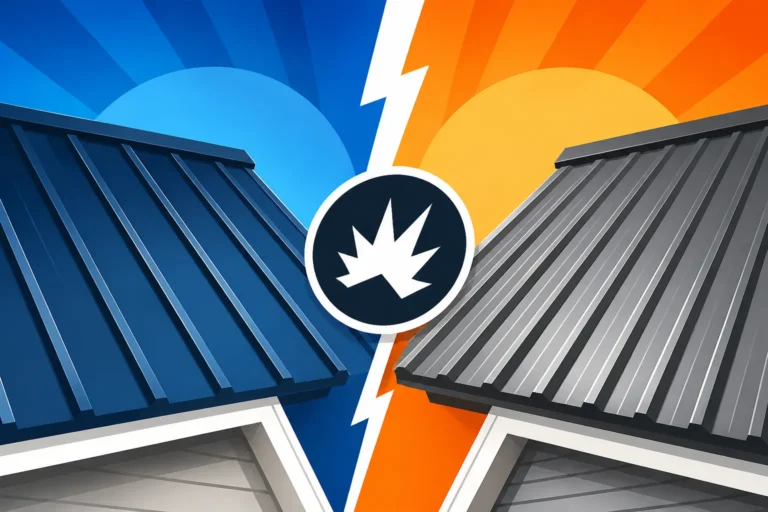
The primary difference lies in aesthetics and fastening. Standing seam roofs offer a very clean, minimalist look that appeals to modern architectural styles. The hidden fasteners contribute to their exceptional weather resistance, as there are no exposed penetrations for water to seep through, leading to an incredibly long lifespan – often 60-100 years. Stone-coated steel, on the other hand, excels in mimicking traditional materials, providing a textured, classic look that blends into virtually any neighborhood. While it also typically uses hidden fasteners (or fasteners that are covered by the next overlapping panel), the panels themselves are usually smaller. In terms of cost, both are premium options, with standing seam often at the higher end due to its specialized installation and material costs, though stone-coated steel isn't far behind. For a more detailed comparison of these two popular choices, check out Standing Seam vs Stone-Coated Steel, and if you're curious about the specific costs, read up on Standing Seam Metal Roof Cost.
Stone-Coated Steel vs. Corrugated and Ribbed Panels
When you picture a classic "tin roof" on a barn or shed, you're likely imagining corrugated or ribbed metal panels. These are typically the most economical metal roofing options, known for their utilitarian appearance and straightforward installation. They feature exposed fasteners, meaning the screws go directly through the panel and into the roof deck or purlins, with a rubber washer to create a seal.
The visual contrast between these and stone-coated steel is stark. Corrugated and ribbed panels have a distinct wavy or ribbed profile that's unmistakably metal, often with a more agricultural or industrial vibe. They are extremely durable and lightweight, making them popular for larger commercial buildings, workshops, and indeed, barns. However, their exposed fasteners, while functional, require more maintenance over time (washers can degrade, screws can back out) and don't offer the same aesthetic appeal for most residential applications. Stone-coated steel, with its hidden fasteners and granular finish, provides a significantly more refined and traditional look suitable for a primary residence. While corrugated panels are generally much cheaper upfront, their lifespan can be shorter than stone-coated steel if not properly maintained, and their aesthetic value is considerably different. You can dive deeper into the cost aspects in our guide to Corrugated Metal Roof Cost.
What to Look For When Choosing Stone-Coated Steel
Deciding on a stone-coated steel roof is a fantastic step, but the journey doesn't end there. To ensure you're making the best decision for your home, you need to know what details to scrutinize and what questions to ask. Not all stone-coated steel roofs are created equal, and understanding the key differentiators will help you select a high-quality, long-lasting product.
Material Quality and Gauge
The quality of a stone-coated steel roof largely depends on the underlying materials and their specifications. The base steel is paramount; look for panels made from G-90 Galvalume steel, which indicates a robust coating of zinc and aluminum, offering superior corrosion resistance compared to galvanized steel (which uses only zinc). This coating is critical for the roof's longevity, especially in humid or coastal environments.
The gauge of the steel is also a significant factor. Most residential stone-coated steel panels are manufactured using 26-gauge steel, which provides an excellent balance of strength, durability, and cost-effectiveness. While 24-gauge steel is thicker and even more rigid, it's less common for stone-coated profiles and would increase costs. Thinner gauges, like 29-gauge, are typically reserved for agricultural or light commercial applications and are generally not recommended for residential stone-coated steel roofs due to their susceptibility to denting. Understanding the nuances of steel thickness is crucial, and our article on Metal Roof Gauges Explained: 22, 24, 26 & 29 can provide a deeper dive into this technical aspect. Ensure the granules themselves are ceramic-fired, not painted, to guarantee long-lasting color retention.
Manufacturer Reputation and Warranty
Choosing a reputable manufacturer is just as important as selecting the right materials. Established brands in the stone-coated steel market, such as DECRA, Gerard, and MetroRoof Products, have a proven track record of producing high-quality, durable roofing systems. These companies invest heavily in research and development, ensuring their products meet stringent industry standards and can withstand real-world weather conditions. They also typically offer a wider range of profiles and colors, allowing for greater customization.
Perhaps most critically, investigate the manufacturer's warranty. A strong warranty is a testament to a manufacturer's confidence in their product. Look for warranties that cover not only material defects but also performance aspects like severe hail damage (Class 4 impact resistance) and high wind speeds for a significant period, usually 50 years or more. Many quality warranties are also transferable, which can be a valuable selling point if you ever decide to move. Always read the fine print to understand what is covered, for how long, and any conditions that might void the warranty. A reputable contractor, like those you can find through Modernize, will be knowledgeable about different manufacturers and their warranties, helping you make an informed decision. For more on this, check out Metal Roof Warranties: Workmanship vs Manufacturer. Additionally, ensure the product has relevant certifications and approvals, especially if you live in a region with specific building codes, like Florida's product approval system or Miami-Dade NOA.
| Feature / Aspect | Stone-Coated Steel Roof | Standing Seam Metal Roof |
|---|---|---|
| Aesthetic Appeal | Mimics traditional materials (tile, shake, shingle); textured | Sleek, modern, industrial; long, clean lines |
| Primary Material | 26-gauge Galvalume steel core, stone granules | 24 or 26-gauge Galvalume or aluminum |
| Fastening System | Mostly concealed fasteners (interlocking panels) | Fully concealed fasteners (raised seams) |
| Typical Lifespan | 50-70+ years | 50-100+ years |
| Impact Resistance | Class 4 (Highest) | Often Class 4, but visible dents more likely than granule loss |
| Wind Resistance | Excellent (often 120+ MPH) | Excellent (often 120+ MPH, sometimes higher) |
| Fire Rating | Class A (Non-combustible) | Class A (Non-combustible) |
| Weight | Lightweight (approx. 1.5 lbs/sq ft) | Lightweight (approx. 1.0 – 1.5 lbs/sq ft) |
| Installation | Specialized, detailed panel alignment and fastening required | Specialized, requires specific tools and expertise for seaming |
| Common Use | Residential, blends with various architectural styles | Residential (modern/contemporary), commercial |
Choosing a roof is a big decision, and hopefully, this deep dive into stone-coated steel metal roofs has shed some light on this fantastic option. It's a choice that marries the rugged resilience of metal with the timeless beauty of traditional roofing materials, offering a blend that truly provides the best of both worlds for many homeowners.
Disclaimer
Please remember that the information provided in this article is for general informational purposes only and does not constitute professional advice. Roofing projects can be complex and involve significant financial investment. Always consult with a qualified, licensed, and insured metal roofing contractor in your local area for specific advice tailored to your property, building codes, and individual needs. Material costs, labor rates, and installation requirements can vary significantly by location and project specifics.