Metal Roofing Materials Compared: Steel, Aluminum, Copper & Zinc
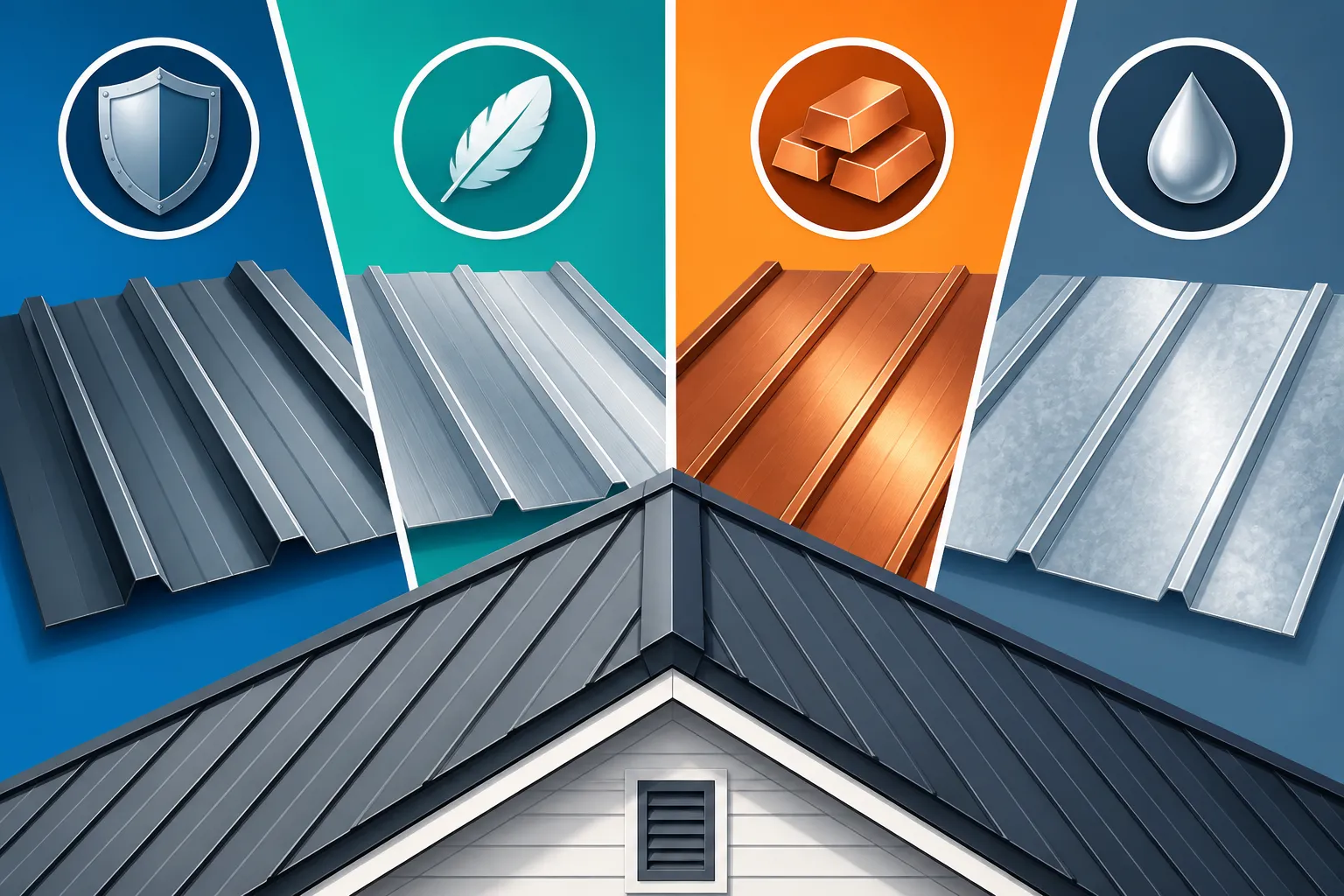
Choosing a new roof for your home is a huge decision, and let's be honest, it can feel incredibly overwhelming with all the options out there. You want something durable, attractive, and that fits your budget, but trying to decipher the differences between various metal roofing materials like steel, aluminum, copper, and zinc can feel like learning a new language. This comprehensive guide is designed to cut through the confusion, helping you understand the unique characteristics, pros, cons, and ideal applications of each, so you can make an informed decision with confidence.
Understanding the Basics of Metal Roofing Materials
When you start looking into metal roofing, it quickly becomes clear that "metal" isn't just one thing. It's a whole family of materials, each with its own personality and performance profile. Picking the right one isn't just about what looks good from the street; it’s about what will best protect your home, last the longest in your specific climate, and provide the best return on your investment.
Why Material Choice Matters
The specific metal you choose for your roof will have a profound impact on several critical aspects of your home. It affects the roof's lifespan, its resistance to the elements, its energy efficiency, and even its resale value. For instance, a roof designed for a hurricane-prone area in Florida needs different properties than one suited for a snowy climate in Colorado. The material directly influences how well your roof will stand up to hail, high winds, salt air, and UV radiation, not to mention its overall aesthetic appeal and how much maintenance it will require over the decades.
Beyond the practical, the material choice also speaks to your home's character. Do you envision a sleek, modern look, or a timeless, classic appeal? Different metals lend themselves to different architectural styles and can significantly enhance your home's curb appeal. The initial investment might vary dramatically between options, but so too will the long-term benefits and durability.
Key Factors for Comparison
To truly understand which metal roofing material might be the best fit for your home, it's helpful to compare them across several key factors. Thinking about these aspects will provide a holistic view of each material's strengths and weaknesses.
Firstly, durability and lifespan are paramount. How many years do you expect this roof to last? Some metals boast lifespans of 50 years or more, while others might be closer to 30. This isn't just about avoiding leaks; it's about the material's ability to maintain its structural integrity and aesthetic over time without excessive wear.
Next, cost is almost always a primary consideration. This isn't just the upfront material cost, but also installation labor, potential long-term savings on energy, and future maintenance expenses. A cheaper material initially might end up costing more over its lifetime if it requires frequent repairs or early replacement.
Weight is another crucial factor. Metal roofs are generally lighter than traditional asphalt shingles, but there can still be significant differences between metal types. A lighter roof might be beneficial for older homes or structures where the framing might not support heavier materials, or if you're considering installing over existing shingles.
Aesthetics and finish play a huge role in your home's overall look. Metals come in a vast array of colors, profiles, and finishes. Some metals develop a unique patina over time, which can be a desirable feature for certain architectural styles, while others maintain their initial appearance for decades. Your choice of material will largely dictate the available design options.
Maintenance requirements are also important. While metal roofs are generally low-maintenance, some materials are more prone to scratches, dents, or require specific cleaning regimens to preserve their finish. Understanding these needs upfront can save you headaches down the line.
Finally, consider the environmental impact. Is sustainability a priority for you? Some metals are highly recyclable or contain a high percentage of recycled content, contributing to a greener build. Understanding these aspects allows for a more comprehensive comparison.
Steel Metal Roofing: The Workhorse Option
Steel is arguably the most common metal roofing material, and for good reason. It’s incredibly versatile, relatively affordable compared to other metals, and offers a robust solution for a wide range of homes. You’ll find steel roofs everywhere from cozy suburban homes to massive commercial buildings, proving its adaptability and widespread appeal. It’s a true workhorse, providing reliable protection without breaking the bank.
Types of Steel Roofing
Not all steel roofs are created equal. The most significant differences come from the coatings applied to the steel, which provide corrosion resistance and dictate its overall lifespan and appearance. Understanding these types is crucial to making an informed decision about steel roofing.
Galvanized Steel is essentially steel that has been coated with a layer of zinc. This zinc layer acts as a sacrificial barrier, corroding before the steel beneath it can. This process significantly extends the life of the steel compared to uncoated steel. Galvanized steel has been a popular choice for decades, especially in corrugated forms for barns, industrial buildings, and even some residential applications where a rustic look is desired. The thickness of the zinc coating, often measured as G90 or G60, indicates its level of protection, with G90 offering superior corrosion resistance. While durable, galvanized steel can eventually lose its zinc coating, particularly in harsh environments, leading to red rust if not maintained.
Galvalume Steel takes corrosion resistance a step further. Instead of just zinc, Galvalume is coated with a mixture of aluminum and zinc (typically 55% aluminum, 43.4% zinc, and 1.6% silicon). This combination offers the best of both worlds: the galvanic protection of zinc and the barrier protection of aluminum. The aluminum component provides excellent resistance to atmospheric corrosion and rust, while the zinc offers cut-edge protection. Galvalume is significantly more resistant to rust than galvanized steel, making it a preferred choice for most modern residential and commercial metal roofs. You can learn more about the differences in our guide on Galvalume vs Galvanized Steel Roofing. It's often used as the base for various paint systems, allowing for a wide palette of colors and styles that hold their vibrancy for years.
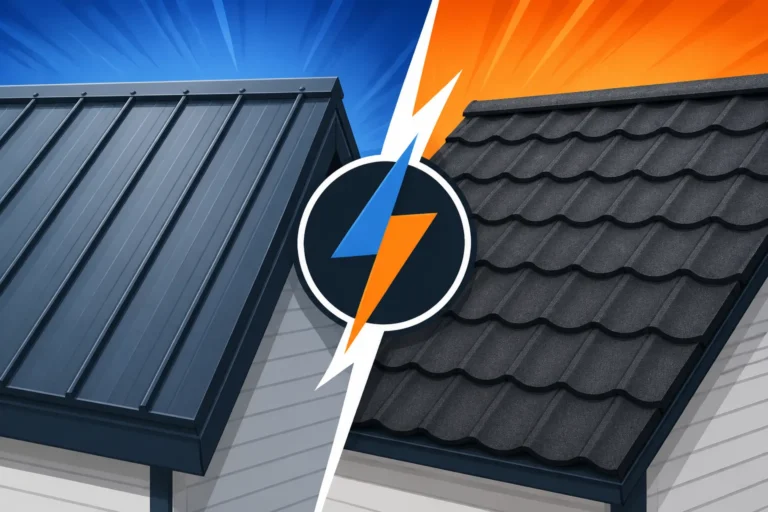
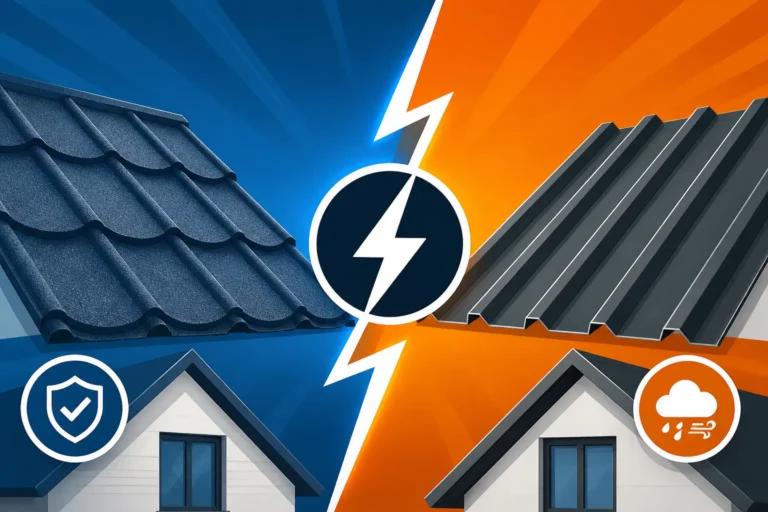
Stone-Coated Steel is another popular variation, particularly for homeowners who love the look of traditional shingles, tiles, or shakes but desire the longevity and strength of metal. This type of roofing starts with a Galvalume-coated steel panel, which is then covered with an acrylic resin primer, a layer of stone granules, and finally a clear acrylic overglaze. The stone granules provide a highly textured, aesthetically pleasing finish that can mimic other roofing materials so closely you'd never know it was metal from the ground. This multi-layered approach not only provides exceptional protection against hail and impact but also adds sound dampening properties. Brands like DECRA and Metro are well-known for their stone-coated steel products. It's a fantastic option for those seeking a durable, low-maintenance roof with a traditional look.
Pros and Cons of Steel Roofs
Choosing steel roofing involves weighing its many advantages against a few potential drawbacks. For many homeowners, the benefits far outweigh the cons, especially when considering its long-term value.
On the pro side, steel is incredibly durable and strong. It can withstand extreme weather conditions, including high winds, heavy snow loads, and even hail, often earning a Class 4 impact resistance rating. This robustness translates to a long lifespan, typically 40-70 years, meaning you might never have to replace your roof again. Steel roofs are also fire-resistant, offering superior protection against wildfires and earning Class A fire ratings, which can sometimes lead to lower homeowners insurance premiums.
Their versatility in design is another major plus. Steel can be formed into various profiles, from sleek standing seam panels to corrugated sheets, metal shingles, tiles, and shakes, allowing it to complement any architectural style. The wide range of colors and finishes, often with high-performance paint systems like Kynar 500 or Hylar 5000, ensures long-lasting aesthetic appeal. Moreover, steel roofing is environmentally friendly, as it's often made from recycled content and is 100% recyclable at the end of its life. Finally, compared to other premium metal options like copper or zinc, steel is generally more affordable, offering excellent value for its performance.
However, steel roofing does have some cons. While coatings like Galvalume offer excellent rust protection, corrosion can still occur if the coating is compromised, especially at cut edges or scratched areas that expose the underlying steel. This is less of an issue with high-quality systems but something to be aware of. Steel is also heavier than aluminum, which could be a consideration for certain older structures. The installation process for some steel profiles, like standing seam, can be more complex and require specialized tools and expertise, potentially increasing labor costs. Finally, while generally durable, hail can still cause cosmetic dents on some panel types, particularly on lighter gauge steel, though this usually doesn't affect the roof's performance. Our guide on Is Steel a Good Roofing Material? delves deeper into these aspects.
Ideal Applications for Steel
Steel roofing truly shines in a variety of residential and commercial settings, making it a go-to choice for many. Its combination of strength, cost-effectiveness, and aesthetic flexibility makes it suitable for almost any climate and home style.
For homeowners seeking a budget-friendly yet robust option, steel is often the answer. It offers many of the benefits of more expensive metals—longevity, durability, energy efficiency—at a more accessible price point. This makes it a smart investment for those looking to upgrade from traditional asphalt shingles without breaking the bank. Steel panels, especially corrugated or R-panel profiles, are particularly popular for barns, workshops, and outbuildings due to their utilitarian strength and lower material cost.
Steel also excels in regions prone to extreme weather. Its inherent strength and ability to be securely fastened make it highly resistant to high winds, a crucial feature in areas with strong storms or hurricanes. The Class A fire rating makes it an excellent choice for homes in wildfire-prone regions, providing a critical layer of protection. For instance, a home in a windy part of Texas or a wildfire-risk zone in California would greatly benefit from a steel roof's protective qualities.
Furthermore, with the vast array of profiles and finishes available, steel roofing can achieve virtually any desired aesthetic. From the sleek, modern lines of a Standing Seam Metal Roof Cost to the classic appeal of stone-coated steel that mimics clay tiles or wood shakes, steel offers unmatched design flexibility. This means whether you have a contemporary home, a traditional ranch, or even a historic property, there’s a steel roofing option that can enhance its appearance while providing superior protection. Many homeowners use platforms like Modernize to explore different design options and connect with contractors specializing in various steel roofing styles.
Aluminum Metal Roofing: Lightweight and Rust-Resistant
When it comes to metal roofing, aluminum stands out as a unique and highly beneficial option, particularly for homes in specific environments. While perhaps not as overtly "heavy-duty" as steel in terms of brute force, its inherent properties offer distinct advantages that make it an excellent choice for longevity and specialized performance.
Key Characteristics of Aluminum
Aluminum roofing possesses a set of characteristics that differentiate it significantly from other metal options, making it uniquely suited for certain applications. Understanding these core properties is key to appreciating its value.
First and foremost is aluminum’s exceptional corrosion resistance. Unlike steel, which relies on coatings to prevent rust, aluminum naturally forms a protective oxide layer when exposed to air. This self-passivating quality means it won't rust or corrode, even if scratched or exposed to moisture and salt. This makes it the undisputed champion for homes in coastal areas, like along the Gulf Coast of Florida or the Atlantic shoreline, where salt spray would quickly degrade other metals. You can explore more about Is Aluminum a Good Roofing Material? in our dedicated article.
Secondly, aluminum is remarkably lightweight. It's significantly lighter than steel, copper, or zinc, which can be a substantial advantage. For older homes with potentially less robust framing, or when installing a new roof over existing shingles, the reduced structural load of aluminum can be a major benefit. This lighter weight also makes it easier to transport and handle during installation, which can sometimes translate into slightly lower labor costs.
Another critical characteristic is aluminum's excellent energy efficiency. It's a highly reflective material, meaning it reflects a large percentage of the sun's radiant heat away from your home. This can lead to significant cooling cost savings, especially in hot climates like Arizona or Texas. Many aluminum roofing products also come with cool roof coatings that further enhance their emissivity, allowing absorbed heat to radiate away quickly. This thermal performance is a major draw for environmentally conscious homeowners looking to reduce their carbon footprint and energy bills.
Pros and Cons of Aluminum Roofs
Like any roofing material, aluminum comes with its own set of advantages and disadvantages that prospective homeowners should carefully consider.
The pros of aluminum roofing are quite compelling. Its superior rust and corrosion resistance is perhaps its most significant benefit, ensuring a long, maintenance-free life, especially in humid or coastal environments. An aluminum roof can easily last 50-70 years, with some installations lasting even longer. The lightweight nature of aluminum makes it ideal for re-roofing projects where structural loads are a concern, or for homes where minimal stress on the existing framework is desired. Its energy efficiency is another huge plus; by reflecting solar radiation, it can noticeably lower attic temperatures and reduce air conditioning demands, leading to substantial savings on utility bills over time. Aluminum is also highly recyclable, often containing a high percentage of recycled content, making it an excellent choice for eco-conscious homeowners. Furthermore, it's available in a variety of styles and colors, from sleek standing seam to textured shingles, offering good aesthetic flexibility.
However, there are some cons to be aware of. The most notable is cost. Aluminum roofing materials are typically more expensive than steel, often positioning them as a premium option. While the long-term benefits can offset this initial investment, the upfront cost can be a barrier for some budgets. Another potential drawback is that aluminum is a softer metal than steel, making it more prone to denting from significant impacts, such as large hail or falling debris. While this rarely compromises the roof's watertight integrity, it can affect the cosmetic appearance. Additionally, due to its lightweight and high thermal expansion/contraction rates, aluminum roofs require expert installation to prevent issues like oil canning (visible waviness) and fastener problems, making it crucial to select a highly experienced contractor. Comparing it with steel further highlights these differences, which you can read about in Aluminum vs Steel Metal Roof: Which Is Better?.
Best Use Cases for Aluminum
Given its unique properties, aluminum roofing is perfectly suited for several specific scenarios where its advantages truly shine. If your home falls into one of these categories, aluminum might just be your ideal roofing solution.
Coastal Properties and Humid Climates are undoubtedly the prime candidates for aluminum roofing. In areas subjected to constant salt spray and high humidity, the natural corrosion resistance of aluminum is unmatched. Unlike steel, which relies on its coating, aluminum won't rust even if a scratch penetrates its surface. This makes it an incredibly durable and low-maintenance choice for homes situated near oceans, bays, or large lakes, where other metals would quickly show signs of degradation. Imagine a beachfront cottage in the Outer Banks or a bay-side home in Miami; an aluminum roof offers peace of mind against the relentless elements.
For lighter structures or homes with structural concerns, aluminum's low weight is a significant benefit. If you own an older home where the roof decking or framing might not be able to support the weight of heavier roofing materials, aluminum provides a robust yet gentle solution. It's also an excellent option if you're considering a "roof-over" installation, where the new metal roof is placed directly over existing asphalt shingles, as its light weight minimizes additional load on the structure.
Finally, aluminum is an outstanding choice for homeowners prioritizing energy efficiency and heat reflection, especially in hot, sunny regions. Its natural reflectivity, often enhanced with specialized "cool roof" coatings, can dramatically reduce the amount of heat absorbed by your roof and transferred into your attic. This directly translates to cooler indoor temperatures and lower air conditioning costs throughout the scorching summer months. A home in Phoenix or Austin, for example, could see substantial savings and improved comfort with an aluminum roof. This emphasis on energy savings also makes it appealing for those pursuing green building certifications or simply looking to reduce their environmental footprint.
Copper Metal Roofing: The Timeless and Prestigious Choice
Copper roofing evokes images of grand historic buildings, elegant estates, and architectural masterpieces. It’s a material that speaks of heritage, quality, and enduring beauty. While its initial cost is higher than most other metal options, its unmatched longevity, stunning aesthetic evolution, and minimal maintenance requirements often make it a worthwhile investment for those seeking the very best.
The Unique Aesthetic of Copper
One of the most defining characteristics of copper roofing is its truly unique and captivating aesthetic. It's a material that doesn't just protect; it also beautifies, and its appearance actually improves with age.
Initially, newly installed copper shines with a bright, reddish-brown, almost rosy hue. It's striking and immediately recognizable, adding a touch of instant prestige to any property. Think of the gleaming copper roofs on some of the historic buildings in downtown Charleston or the ornate domes of older state capitols. This initial brilliance is beautiful, but it's only the beginning of copper's visual journey.
Over time, as copper is exposed to the elements—sun, rain, and air—it undergoes a natural chemical process called patination. This process gradually transforms its surface color. The bright red-brown deepens into a rich, dark brown, and eventually, over decades, it develops the iconic, coveted blue-green patina that copper is famous for. This patina isn't just a surface discoloration; it's a protective layer that actually enhances the material's durability and corrosion resistance. The exact shade of green can vary depending on the local climate, atmospheric conditions, and contaminants, creating a unique, aged character specific to each installation.
This gradual color transformation is a significant part of copper's appeal. It tells a story of time and endurance, adding a distinctive charm and historical gravitas that no other roofing material can replicate. For architects and homeowners aiming for a truly timeless and distinguished look, especially on historic renovations or high-end custom homes, the evolving beauty of a copper roof is unparalleled. It becomes a living part of the structure, blending elegance with exceptional performance. You can also explore the Copper Roof Cost for this premium material.
Pros and Cons of Copper Roofs
Deciding on a copper roof means understanding its significant benefits alongside its considerable upfront investment. It’s a choice that reflects a long-term perspective on home value and aesthetics.
The pros of copper roofing are impressive. Its longevity is virtually unmatched, with copper roofs regularly lasting 100 years or even longer. Many historic copper roofs have graced buildings for centuries, proving their incredible durability. This means a copper roof is often a "once-in-a-lifetime" investment for a homeowner, likely outliving several generations. Copper is also extremely resistant to corrosion and virtually impervious to rust, even in harsh coastal environments, thanks to its naturally forming protective patina. It's a lightweight material, comparable to aluminum, which reduces structural load and simplifies installation.
Furthermore, copper offers excellent fire resistance (Class A rated) and exceptional performance against high winds and hail. It's also a highly sustainable choice, being 100% recyclable and often made from recycled content. Perhaps its most celebrated advantage is its stunning and evolving aesthetic. The rich, warm tones transforming into a beautiful green patina add unparalleled character and elegance, significantly enhancing a home's curb appeal and architectural value. It's truly a statement roof. Learn more about its qualities in Is Copper a Good Roofing Material?.
However, the primary con of copper roofing is its exorbitant upfront cost. Copper is one of the most expensive roofing materials, both in terms of raw material and specialized labor. The high price tag can be a barrier for many homeowners, making it a luxury item. While the long-term return on investment in terms of lifespan and increased home value is substantial, the initial outlay is considerable. Another minor point, for some, might be the lack of color choice beyond its natural, evolving tones. While the patina is highly desired, if you prefer a consistent, manufactured color, copper might not be your ideal choice. Additionally, skilled installers are absolutely essential for copper, as proper soldering and forming techniques are critical for its performance and appearance, and finding such expertise can sometimes be challenging.
Where Copper Shines
Copper roofing, with its distinct advantages, is particularly well-suited for specific applications where its unique properties are highly valued. These scenarios typically involve a blend of aesthetic aspiration, historical preservation, and a long-term investment mindset.
Historic Homes and Architectural Preservation are arguably copper's most iconic applications. For properties where maintaining historical accuracy and material integrity is paramount, copper is often the preferred choice. Its ability to age gracefully, developing that unmistakable patina, perfectly complements older architectural styles, from Victorian mansions to colonial homes. Architects and restoration specialists frequently specify copper for these projects because it was a traditional roofing material, and its longevity ensures that the restoration will last for generations, honoring the original craftsmanship.
For High-End Custom Homes and Luxury Estates, copper serves as a crowning jewel. Homeowners investing in bespoke residences often seek materials that reflect quality, exclusivity, and a unique aesthetic. A copper roof immediately elevates the home's perceived value and curb appeal, acting as a signature element that speaks to discerning taste. It's an investment in artistry and durability that few other materials can match. Imagine a grand home in Beverly Hills or a lakeside retreat in the Hamptons, where every detail is meticulously curated; copper fits right in.
Finally, copper is an excellent choice for homeowners prioritizing extreme durability and minimal maintenance over a very long lifespan. If you're looking for a "forever roof" – one that you will likely never have to replace and requires little to no intervention after installation – copper delivers. Its natural resistance to corrosion, coupled with the protective patina, means it will withstand the test of time and weather with grace. This makes it ideal for anyone seeking the ultimate peace of mind and willing to pay the premium for it.
Zinc Metal Roofing: Durable, Self-Healing, and Sustainable
Zinc roofing, while perhaps less commonly seen than steel or aluminum, is gaining increasing recognition among architects and homeowners for its remarkable durability, sustainable properties, and distinctive appearance. It offers a unique combination of performance characteristics, making it a sophisticated choice for those seeking a long-lasting and environmentally responsible roofing solution.
Zinc's Self-Healing Properties
One of the most fascinating and practical characteristics of zinc roofing is its inherent "self-healing" capability. This isn't magic, but rather a natural chemical process that allows zinc to maintain its integrity and appearance over an exceptionally long lifespan.
When zinc is exposed to the atmosphere, it naturally reacts with oxygen and moisture to form a protective layer of zinc carbonate, often referred to as a patina. Similar to copper, this patina isn't merely a cosmetic change; it's a dense, stable, and highly adherent film that acts as a continuous protective barrier. This initial dulling of the bright, silvery zinc is actually the process of the roof safeguarding itself.
The "self-healing" aspect comes into play when the zinc surface experiences minor scratches or abrasions. If the patina layer is superficially damaged, the exposed raw zinc will simply react with the environment again, reforming the zinc carbonate layer and effectively "healing" the scratch. This continuous regeneration of the protective layer means that minor imperfections often disappear over time, and the material maintains its corrosion resistance even after incidental damage. This feature significantly contributes to zinc's incredible longevity and low maintenance requirements, as it rarely needs coatings or treatments to preserve its surface. This makes it an incredibly robust option for longevity, as detailed in Is Zinc a Good Roofing Material?.
Pros and Cons of Zinc Roofs
Zinc roofing presents a compelling array of benefits, particularly for those with an eye for sustainability and long-term value, but it does come with a higher initial price tag.
On the pro side, zinc roofs are celebrated for their exceptional longevity, often lasting 80-100 years or more. This makes them a true multi-generational investment. The material's unique self-healing patina offers superior corrosion resistance, effectively repairing minor scratches and maintaining its protective barrier without human intervention. Zinc is also incredibly sustainable and environmentally friendly. It's 100% recyclable, often made with a high percentage of recycled content, and its production process is less energy-intensive than some other metals. Its non-toxic runoff is also a plus for rainwater harvesting systems.
Furthermore, zinc is a low-maintenance material; once installed, it requires very little attention beyond routine cleaning, thanks to its durable patina. It's also lightweight and highly formable, allowing for complex architectural designs and custom flashing work, making it a favorite among designers. It offers excellent fire resistance and performs well in various climates, from arid to humid. The evolving natural gray-blue patina provides a distinctive, sophisticated aesthetic that appeals to modern and traditional designs alike. You can investigate its costs in Zinc Roof Cost.
However, there are some significant cons. The most notable is the high upfront cost. Zinc is one of the most expensive roofing materials, comparable to or even exceeding copper in some instances, due to the raw material cost and specialized installation techniques. This high initial investment can be a deterrent for many homeowners. Additionally, while the patina is a desired characteristic for most, the limited color palette (mostly natural gray tones, though pre-weathered options exist) might not appeal to everyone seeking vibrant or specific color schemes. Zinc is also a relatively softer metal than steel, making it susceptible to dents from heavy impacts, which could be a concern in areas prone to large hail. Finally, finding skilled installers experienced with zinc roofing can be challenging, as it requires specialized knowledge of its unique thermal expansion properties and intricate detailing to ensure proper performance and aesthetics.
Ideal Scenarios for Zinc
Given its distinctive qualities, zinc roofing is an excellent choice for particular types of projects and homeowners who value its specific advantages. It's a premium material that makes a statement in more ways than one.
Zinc is particularly ideal for architectural statements and distinctive designs. Its natural, evolving patinas – ranging from a lustrous dark gray to a soft blue-gray – offer a sophisticated aesthetic that designers and homeowners often seek for modern, minimalist, or high-end contemporary homes. Its malleability allows for intricate detailing, curves, and unique profiles that might be difficult or impossible to achieve with more rigid materials. This makes it a favorite for custom homes, iconic public buildings, or any project where the roof is meant to be a prominent design feature, blending seamlessly with the structure's overall vision.
For homeowners prioritizing extreme longevity and minimal long-term maintenance, zinc is an exceptional choice. Its self-healing patina ensures that the roof will likely outlast the home itself, providing decades of worry-free protection. This "install it and forget it" aspect, combined with its resistance to corrosion and need for virtually no upkeep, makes it a sound investment for those looking to eliminate future roofing concerns. If you're building your "forever home" or planning for multi-generational ownership, the extended lifespan of zinc offers unparalleled value.
Finally, zinc is a top-tier option for the eco-conscious and sustainable builder. Being 100% recyclable, often containing recycled content, and having a lower energy footprint in its production compared to some other metals, it aligns perfectly with green building principles. Furthermore, its non-toxic runoff allows for safe rainwater harvesting, a significant advantage for sustainable living or areas experiencing water scarcity. For projects aiming for LEED certification or simply homeowners dedicated to reducing their environmental impact, zinc offers a responsible and high-performance solution.
Comparative Analysis: Choosing the Right Material for Your Home
Now that we’ve delved into the individual characteristics of steel, aluminum, copper, and zinc, it’s helpful to see how they stack up against each other. Making the right choice for your home involves balancing your budget, aesthetic preferences, desired longevity, and local climate conditions.
Head-to-Head Comparison Table
To give you a clearer picture, here's a table summarizing the key attributes of each metal roofing material. Remember, these are general ranges, and specific product variations, coatings, and installation complexities can affect the final outcome.
| Feature | Steel (Galvalume) | Aluminum | Copper | Zinc |
|---|---|---|---|---|
| Average Lifespan | 40-70 years | 50-70 years | 80-100+ years | 80-100+ years |
| Cost Range (Installed per sq ft) | $8 – $16 | $10 – $20 | $18 – $30+ | $20 – $35+ |
| Weight | Medium (100-150 lbs/sq) | Light (40-70 lbs/sq) | Light (70-100 lbs/sq) | Medium (120-150 lbs/sq) |
| Corrosion Resistance | Excellent (coated) | Superior (natural) | Superior (natural patina) | Superior (self-healing patina) |
| Aesthetics | Wide color/profile range | Wide color/profile range | Bright to green patina | Silvery to gray-blue patina |
| Denting Risk | Low-Medium (gauge dependent) | Medium-High | Low-Medium | Medium-High |
| Recyclability | High | Very High | Very High | Very High |
| Coastal Suitability | Good (with proper coating) | Excellent (best choice) | Excellent | Excellent |
| Energy Efficiency | Good (cool coatings) | Excellent (highly reflective) | Good | Good (cool coatings) |
Note: Costs are approximate and can vary significantly based on location, roof complexity, specific product, and contractor.
Budget vs. Long-Term Value
One of the biggest misconceptions in roofing is focusing solely on the initial price tag. While a metal roof can cost more upfront than traditional asphalt shingles, it's essential to consider the Metal Roof Cost: Complete 2026 Guide and the long-term value it brings.
Steel offers the best balance of upfront cost and long-term durability. It's often the most budget-friendly entry into metal roofing, providing excellent performance and a lifespan that typically doubles or triples that of asphalt shingles. For many homeowners, the investment in steel pays for itself through energy savings, reduced maintenance, and not needing to re-roof for decades. It's a practical choice that delivers solid returns.
Aluminum is a step up in cost from steel but offers superior corrosion resistance, particularly crucial for coastal homes. While the initial investment is higher, its extended lifespan and energy efficiency, especially in hot climates, can lead to significant savings over the roof's lifetime. If you live by the ocean, the value of an aluminum roof’s rust-proof nature far outweighs the slightly higher initial cost compared to a coated steel option that might eventually show wear.
Copper and Zinc represent the premium tier, with the highest upfront costs. However, their extraordinary lifespans (often 80-100+ years) and minimal maintenance requirements mean they can last for generations, effectively making them a "forever roof." For these materials, the long-term value isn't just about financial savings but also about the unparalleled aesthetic appeal, architectural significance, and the peace of mind that comes with installing a roof that will likely outlast you. The increased resale value of a home with a copper or zinc roof can also be substantial.
Ultimately, balancing your immediate budget with your desired long-term value requires careful consideration. A cheaper initial option might require more frequent replacement or maintenance, costing more over a 50-year period than a more expensive, durable material.
Environmental and Regional Considerations
Beyond cost and appearance, your local environment and personal sustainability goals should heavily influence your material choice. Different metals perform optimally in specific conditions.
For instance, if you live in a coastal or high-humidity region, like much of Florida or the Pacific Northwest, aluminum, copper, and zinc are superior choices due to their inherent resistance to salt-air corrosion and rust. While Galvalume steel offers good protection, the natural resistance of these other metals provides an extra layer of confidence against the relentless corrosive effects of the ocean. The ability of aluminum to not rust even if scratched makes it particularly robust in these environments.
In hot, sunny climates, such as Arizona or parts of California, aluminum and lighter-colored steel with cool roof coatings excel at reflecting solar radiation. This reflectivity can significantly reduce your home’s cooling load, leading to lower energy bills and a more comfortable interior. Many steel and aluminum products are Energy Star rated for their thermal performance, a crucial factor in these regions.
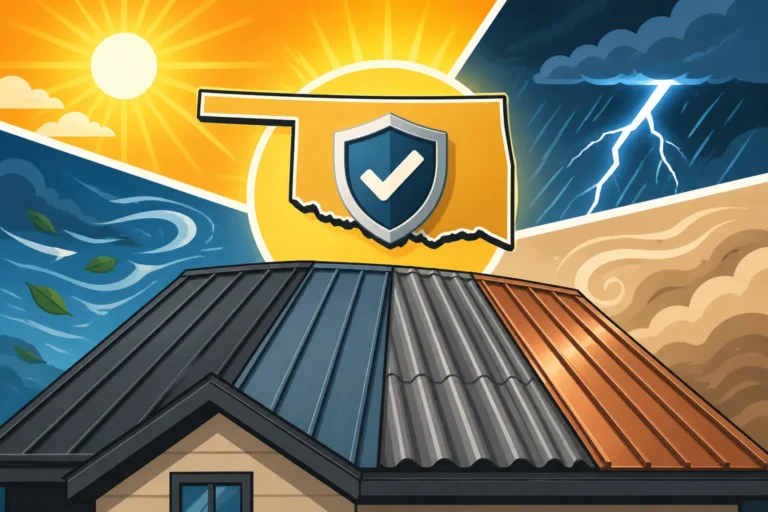
For areas prone to hail or severe storms, like Oklahoma or parts of the Midwest, thicker gauge steel and stone-coated steel offer excellent impact resistance. While any roof can be damaged by extreme events, these materials are often rated Class 4 for impact, providing superior protection against hail and potentially qualifying for insurance discounts.
If sustainability is a core value for you, you'll be pleased to know that all metal roofing materials are highly recyclable. However, aluminum, copper, and zinc often boast higher percentages of recycled content and their production processes can sometimes be less energy-intensive. Their extreme longevity also contributes to sustainability by reducing the frequency of roof replacements and waste generation. Consider this aspect if you're aiming for an eco-friendly home.
Finally, consider the aesthetic impact on your neighborhood and home style. In a historic district, copper or zinc might be aesthetically appropriate, while a modern home might lean towards standing seam steel or aluminum. Always check with your local HOA or architectural review board, as they might have specific regulations on materials and colors. Many homeowners turn to services like Modernize to find contractors familiar with local regulations and skilled in installing various metal roofing types.
Navigating the Selection Process with a Pro
Choosing the perfect metal roofing material is a significant decision, and it’s one you don’t have to make alone. Partnering with a skilled and knowledgeable professional can make all the difference, ensuring your investment pays off for decades to come.
The Role of a Qualified Contractor
Hiring the right metal roofing contractor is perhaps as important as selecting the right material itself. Even the highest quality materials can underperform if not installed correctly. A qualified contractor brings expertise, experience, and precision to the table, which are absolutely crucial for a metal roof.
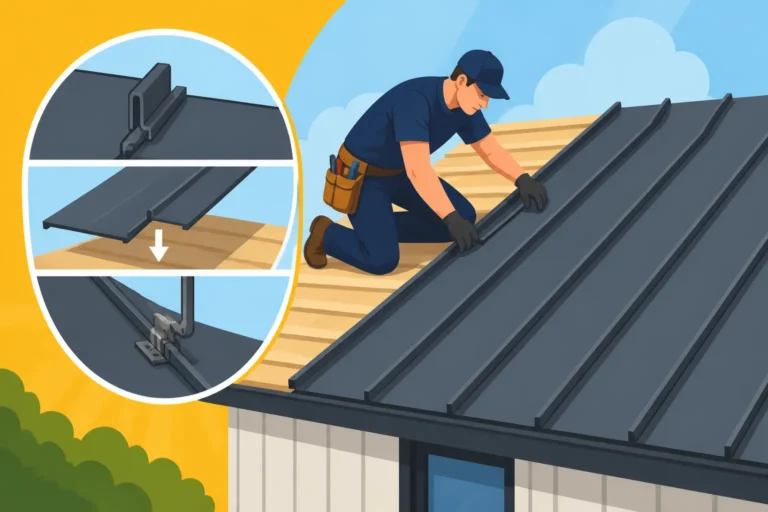
Firstly, an experienced contractor understands the nuances of each material. They know that zinc and copper require different handling techniques due to their malleability and thermal expansion properties compared to steel. They’ll be familiar with the specific fastening methods, flashing details, and seam types (like mechanical seam vs. snap-lock for standing seam) that ensure your roof is watertight and durable. This specialized knowledge directly impacts the longevity and performance of your roof. You can find out more by reading our guide on How to Hire a Metal Roofing Contractor.
Secondly, a professional contractor will guide you through product selection based on your home’s specific needs and local climate. They can advise you on the best gauge of steel for your region’s hail risk, recommend appropriate cool roof coatings for hot climates, or suggest the right alloy of aluminum for coastal exposure. They also understand how to properly design ventilation and underlayment systems to optimize your metal roof’s performance, preventing issues like condensation or heat buildup.
Lastly, a reputable contractor will ensure that all installation practices meet manufacturer specifications and local building codes. This is vital not only for the roof's performance but also for validating your warranty. Many manufacturers require installation by certified professionals to keep the warranty intact. They'll handle necessary permits and inspections, ensuring everything is done correctly and safely.
Getting Informed Quotes
Once you have a clearer idea of your preferred material, the next step is to gather detailed quotes from several reputable contractors. This is where you really start to pin down the actual cost and scope of your project. Don't just get a number; get a comprehensive breakdown.
Start by getting at least three to five quotes. This gives you a good range of options and helps you compare services and pricing. When requesting quotes, be clear about the material you're interested in (e.g., Galvalume standing seam steel, stone-coated steel shingles, aluminum panels, etc.) and any specific preferences you have, such as color or warranty expectations.
When you receive the quotes, don't just look at the bottom line. Dive deep into the details. A thorough quote should clearly itemize costs for materials, labor, underlayment, flashing, trim, fasteners, and any tear-off or disposal fees for your old roof. It should specify the gauge of the metal, the type of coating (e.g., Kynar 500 for steel), and the specific profile of the panels or shingles. Ask for clarification on anything that's unclear. Our article How to Read and Compare Metal Roof Quotes provides a detailed walkthrough.
Also, inquire about the contractor's warranty – both for workmanship and material. Ask about their insurance and licensing, and verify their credentials. Platforms like Modernize can be a valuable tool here, as they often connect homeowners with pre-vetted contractors, helping you streamline the process of finding qualified professionals and obtaining competitive quotes. Asking detailed questions about their experience with your chosen material, their installation process, and their safety protocols is paramount. For more guidance, see our list of Questions to Ask a Metal Roofing Contractor Before You Hire.
Disclaimer
Please note that the information provided in this article is intended for general informational purposes only and does not constitute professional advice. Roofing material costs, installation processes, and local regulations can vary significantly based on your specific location, home characteristics, and market conditions. We highly recommend consulting with multiple qualified and licensed metal roofing professionals in your area for personalized advice, accurate estimates, and to ensure compliance with all local building codes and standards before making any decisions regarding your roofing project.