Metal Roofing Contractors in Seattle
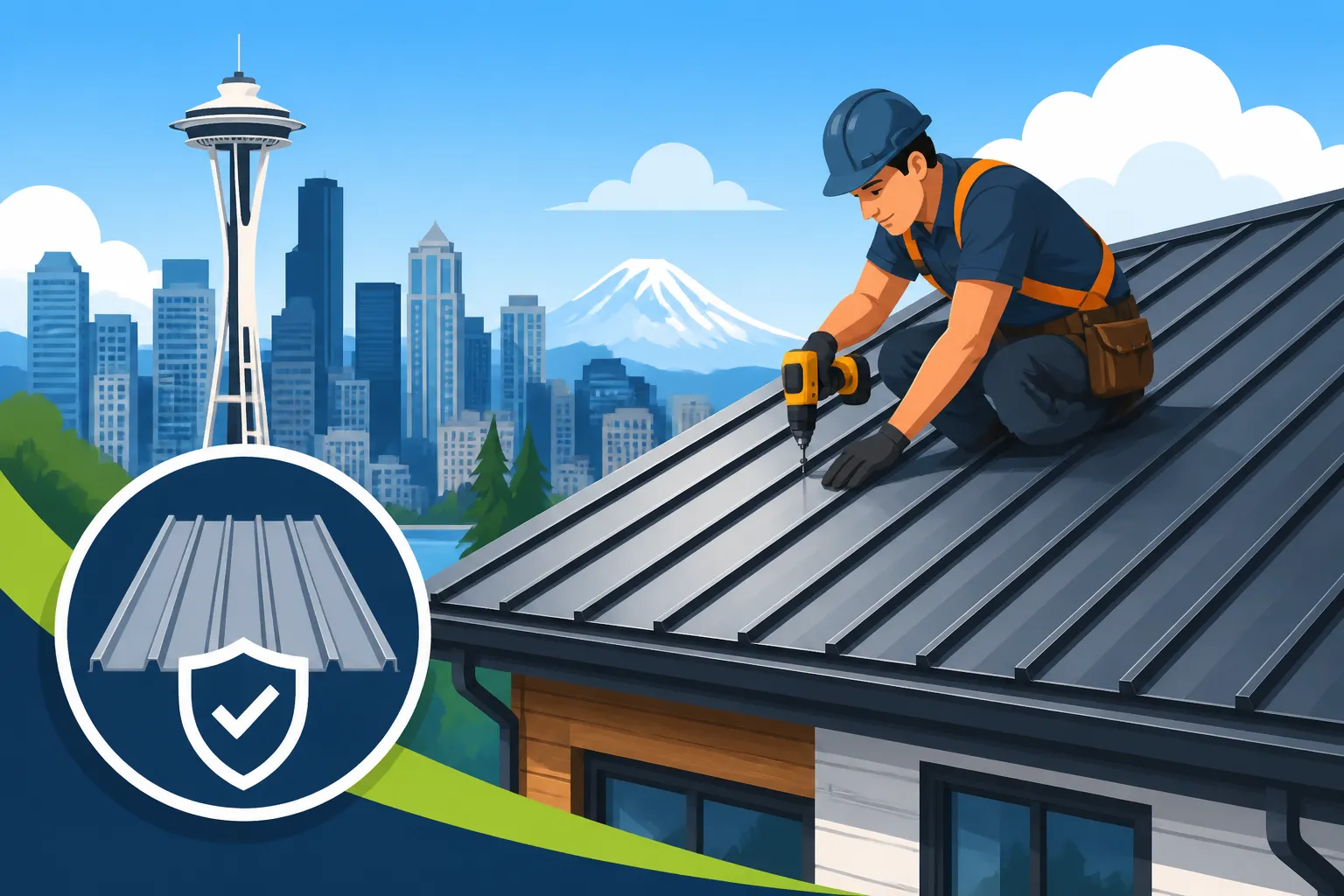
Seattle’s gray skies mean your roof is constantly under siege from relentless moisture, acidic pine needles, and that stubborn green moss that eventually eats through standard asphalt shingles. Finding a contractor who actually knows their way around a standing seam system—and isn't just a "shingle slinger" trying to up-sell you—is surprisingly tough in the Emerald City. This guide walks you through finding the best metal roofing contractors in Seattle while navigating our unique local climate and building codes.
The Struggle of Finding Specialized Metal Roofers in the PNW
If you’ve lived in Seattle for more than a single winter, you know the drill. You notice a damp spot on the ceiling in November, and by the time you call a roofer, every reputable company in King County is booked until July. This frustration is magnified when you’re looking for metal. While many local outfits claim to do "all types of roofing," the reality is that the vast majority of residential crews in the Pacific Northwest are optimized for asphalt shingles.
Metal roofing requires a completely different skill set, specialized tools like portable roll-formers, and a much higher level of precision. A small error in a shingle installation might be forgiven, but a poorly flashed chimney on a metal roof in a city that sees 150 rainy days a year is a recipe for disaster. Homeowners in neighborhoods like Ballard or Magnolia often find themselves sifting through dozens of "general" roofing quotes before finding a true specialist. To streamline this, many residents use services like Modernize to filter for contractors who specifically list metal as a core competency rather than a side hustle.
Furthermore, the "Seattle Tax" is real. Between the high cost of labor in Washington and the logistical nightmare of parking a 20-foot trailer on a narrow, steep street in Queen Anne, your quotes might come back higher than you expected. Validating these costs and understanding why a specialist charges a premium is the first step toward a roof that actually lasts the 50 years it’s supposed to.
Why Seattle Climate Demands a Specialist
Our weather isn't just "rainy"; it’s a constant, misty dampness that creates a micro-climate on your roof. This leads to massive moss growth, which holds moisture against roofing materials. A contractor who understands Seattle’s specific environmental stressors will recommend the right gauge and coating to ensure your investment doesn't fall victim to the "big dark."
When you begin your search, it is helpful to look at resources like Metal Roofing Contractors Near Me: How to Find & Vet to understand what standard of service you should expect. In Seattle, this means finding someone who understands how to handle high-wind gusts coming off the Sound and how to manage the heavy hemlock and fir needle debris that can clog integrated gutter systems common with metal profiles.
Vetting Seattle Contractors for Licensing and Local Expertise
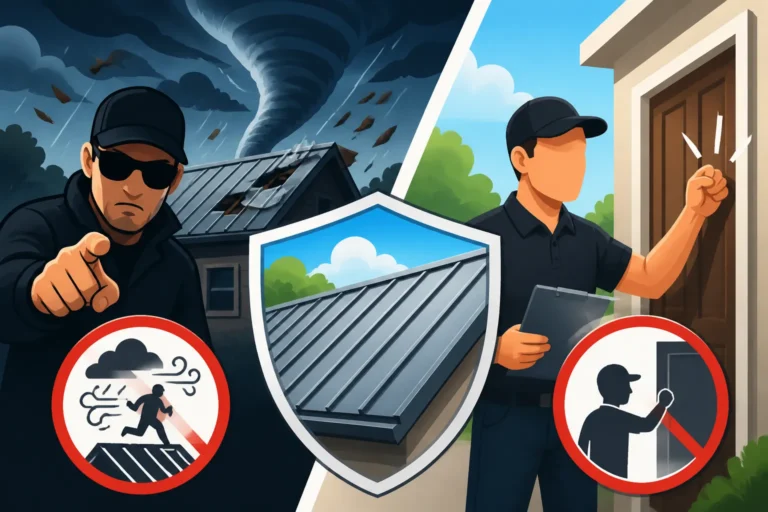
In Washington State, the Department of Labor & Industries (L&I) is your best friend. Before you even invite a contractor to your home in West Seattle or Shoreline, you need to verify their "General Contractor" or "Specialty Construction" license. Seattle has seen its fair share of "storm chasers" who travel up the I-5 corridor after a heavy wind event, offer a low bid, and disappear before the first leak occurs.
A reputable Seattle metal roofer should be able to provide a unified business identifier (UBI) number. You can use the L&I "Verify a Contractor" tool to see if they have active workers' comp insurance and if there are any outstanding claims against their bond. Because metal is a high-ticket item, you should never skip this step. Using a platform like Modernize can add a layer of security, as they often pre-screen for basic licensing requirements, but the final due diligence always rests with you.
Questions for the Seattle Market
When you sit down for a consultation, don't just ask about the price. Ask about their experience with the Seattle Department of Construction and Inspections (SDCI). Different neighborhoods have different rules, especially if you live in a historical district or a high-wind zone near the water.
- How many standing seam roofs have you installed in King County in the last two years?
- Do you employ your own crews, or do you sub-contract the metal work out?
- How do you handle the staging of materials on small, urban lots?
It’s also wise to check Questions to Ask a Metal Roofing Contractor Before You Hire for a more exhaustive list of technical queries. For instance, in our climate, the type of underlayment used is arguably as important as the metal itself. You want a contractor who insists on high-temp synthetic underlayment to prevent the "sweating" that occurs during our rapid temperature swings between 40-degree rains and 60-degree sunbursts.
Understanding Metal Roof Costs in the Seattle Metro Area
Seattle is consistently ranked as one of the most expensive roofing markets in the country. This isn't just because of the materials; it’s the complexity of the homes. Whether you have a 1920s Craftsman with multiple dormers or a modern "box" home in Northgate with a low-slope roof, the architecture of Seattle homes adds labor hours quickly.
On average, you can expect to pay a significant premium over national averages. To get a realistic baseline, you should review the Metal Roof Cost in Seattle guide, which breaks down local labor rates. Generally, a standing seam installation—the gold standard for our rainy climate—will be at the top of the price bracket. However, when you factor in the moss-resistance and the fact that you won't be paying for a "scrape and shingle" job every 15 years, the math starts to make sense.
Local Material Considerations
Not all metal is created equal, especially when you factor in the salt air if you’re located within a few miles of the Puget Sound. Coastal Seattle homes should prioritize aluminum or high-end coated steel to prevent edge rust. Below is a comparison of how different materials hold up in the PNW:
| Material Type | Moss Resistance | Salt Air Performance | Seattle Price Bracket |
|---|---|---|---|
| Galvalume Steel | Excellent | Moderate | Mid-Range |
| Aluminum | Excellent | Best | High-Range |
| Copper | Excellent | Great (Patina) | Luxury |
| Stone-Coated Steel | Good | Moderate | Mid-to-High |
If you are looking at different styles, consult the Metal Roof Cost by Profile: Standing Seam vs Corrugated vs Stone-Coated to see how these choices impact your final quote. Many homeowners find that using Modernize helps them compare these specific material quotes from different vendors side-by-side, which is essential given how much prices can fluctuate based on the current price of steel and aluminum.
Navigating Permits and HOA Rules in King County
One of the biggest headaches for Seattle homeowners is the permitting process. If you’re within the Seattle city limits, any roof replacement that involves more than just a small repair usually requires a permit from the SDCI. A good contractor will handle this for you. If a roofer asks you to pull the permit as an "owner-builder," that is a massive red flag. It usually means they aren't licensed or don't want to be held responsible for the inspection.
For those living in planned communities in places like Bellevue, Issaquah, or the master-planned neighborhoods of Snoqualmie Ridge, the Homeowners Association (HOA) can be an even bigger hurdle than the city. Some HOAs have outdated bylaws that strictly forbid "metal roofs" because they associate them with agricultural pole barns.
In these cases, you’ll need a contractor who can provide samples of metal shingles or stone-coated steel that mimic the look of traditional wood shakes or slate. You might find useful talking points in HOA Rules and Metal Roofs: What's Allowed to help convince your board that a modern metal roof actually increases property values.
The Importance of the Inspection
Once the job is done, the city or county inspector will need to sign off. This inspection ensures that the roof is properly fastened to withstand our seasonal windstorms and that the "ice and water shield" is installed correctly at the eaves. A specialist Seattle contractor will be familiar with these specific "Gold Standard" requirements for the PNW. You can learn more about the technical side of what they'll be looking for in the Metal Roof Installation Process: Step by Step guide.
Comparing Quotes and Avoiding Common Seattle Scams
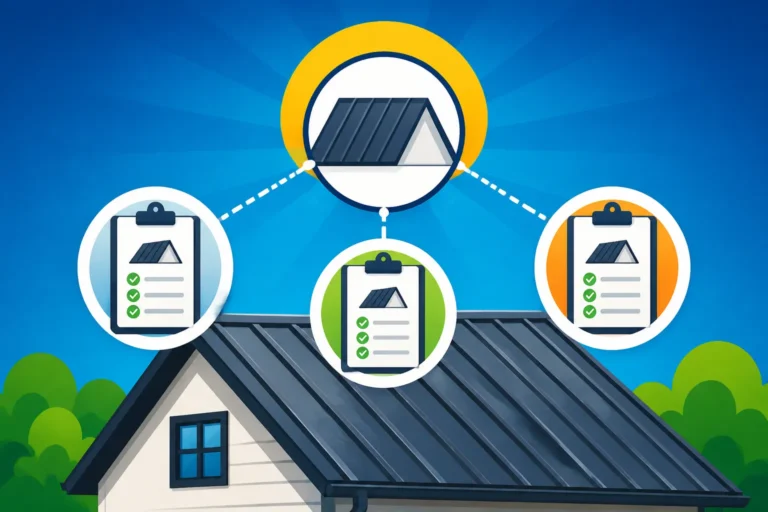
Because of the high demand for tradespeople in Seattle, you will occasionally run into "quote padding." This is when a contractor gives you an astronomically high price because they don't really want the job but will do it if you’re willing to overpay. This is why getting at least three specialized quotes is mandatory.
When you look at your bids, make sure they are "apples to apples." One contractor might be quoting a 26-gauge exposed fastener panel (which is cheaper but more prone to leaks over time), while another is quoting a 24-gauge standing seam system. For a deep dive into these differences, check out How to Read and Compare Metal Roof Quotes.
Red Flags to Watch For
- The "One-Day" Special: If a contractor says they can "zip through" a metal installation on a 2,000-square-foot house in one day, be wary. Metal takes time, especially the flashing around Seattle’s many chimneys and skylights.
- No Local References: Ask for a home you can drive by in a neighborhood like Phinney Ridge or Columbia City. A reputable roofer should have a portfolio of local work that has survived at least five Seattle winters.
- Door-to-Door Sales: Most of the best metal roofing contractors in Seattle are busy enough that they don't need to knock on doors.
By using a tool like Modernize, you can often avoid the most common "fly-by-night" operators, but you should still cross-reference their bids with the Metal Roof Cost by State and City data to ensure you aren't being overcharged simply for your zip code.
Long-Term Value and Local Maintenance
Once your new roof is installed, your relationship with the contractor shouldn't end. While metal is "low maintenance," it is not "no maintenance"—especially in Seattle. Our heavy tree canopy means you’ll likely deal with debris buildup in the valleys of your roof.
A good contractor will offer a maintenance package or at least a guide on how to safely clear your roof without scratching the Kynar finish. Over time, even the best roofs need a check-up. You should familiarize yourself with Metal Roof Maintenance Guide to keep your warranty valid. In the PNW, a quick annual rinse to remove hemlock needles and checking the gaskets on any exposed fasteners can be the difference between a 30-year roof and a 60-year roof.
Choosing a metal roof in Seattle is a significant financial move, but it's one of the few home improvements that truly pays off in our soggy environment. By vetting your contractors through the lens of local expertise, licensing, and specialized metal knowledge, you're not just buying a roof—you're buying decades of peace of mind during those long, rainy January nights.
Disclaimer
The information provided in this guide is for informational purposes only. Roofing costs, building codes, and contractor availability in the Seattle area are subject to change. Always verify a contractor's license, insurance, and references before signing a contract or making a deposit. Local building permits are the responsibility of the homeowner and the hired professional.