Metal Roofing Contractors in Phoenix
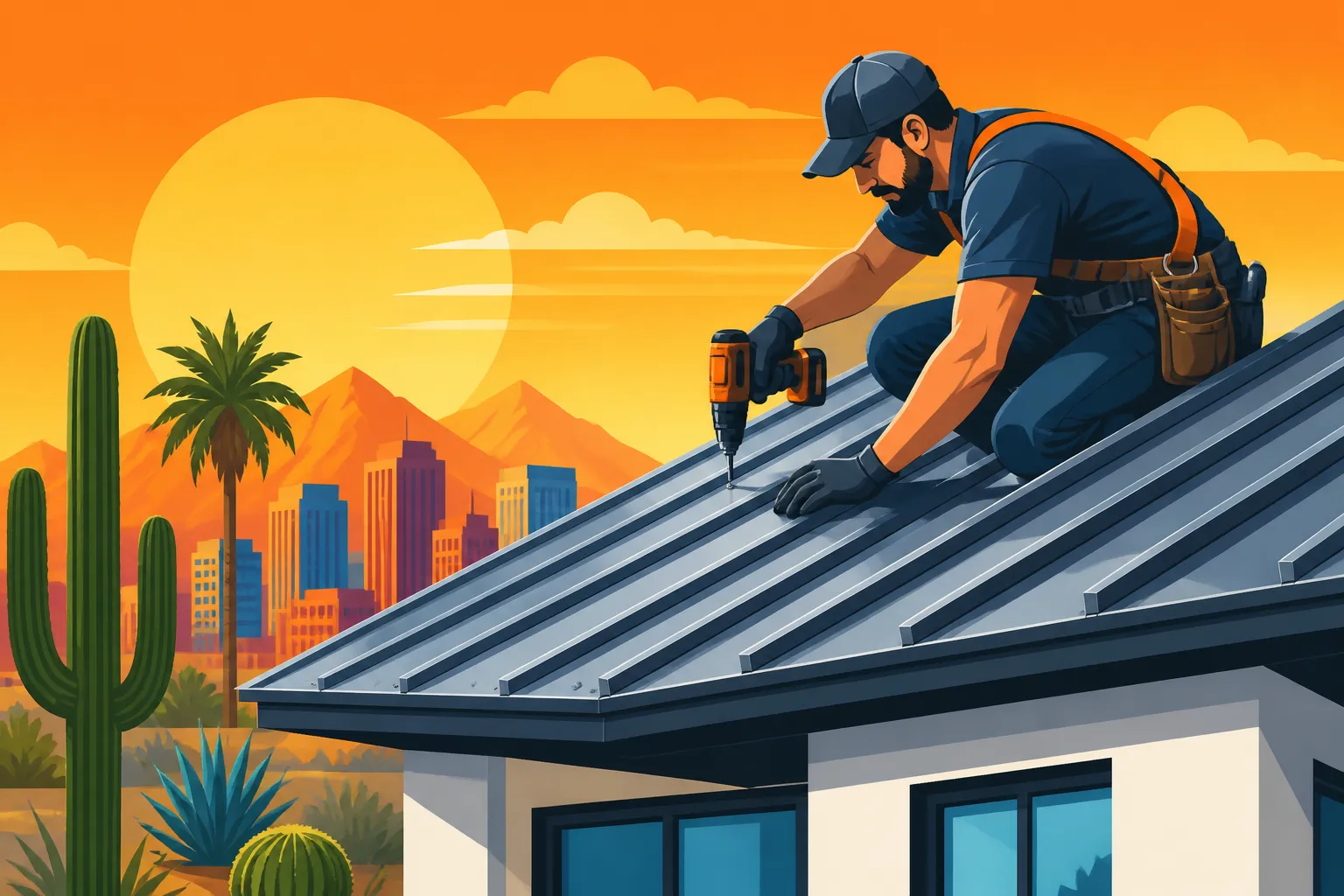
Phoenix homeowners face a relentless sun that turns traditional asphalt shingles into brittle, leaking liabilities in just a decade. Transitioning to metal is the smartest move for longevity and cooling, yet finding reliable metal roofing contractors in Phoenix can feel like an uphill battle through a summer haboob. This guide breaks down how to vet local experts, navigate Phoenix-specific codes, and ensure your investment survives the next fifty summers.
Why You Need a Specialist for Metal Roofing in Phoenix
The climate in the Valley of the Sun is unlike almost anywhere else in the country. We aren’t just dealing with heat; we are dealing with extreme UV radiation that degrades organic materials and thermal expansion that can pull a poorly installed roof apart. When you start searching for metal roofing contractors in Phoenix, you have to realize that a general roofer who spends 90% of their time nailing down shingles might not have the specialized kit or the experience to handle a complex metal installation.
Metal is a different beast. It breathes, it moves, and in the desert, it can reach surface temperatures that would cook an egg in seconds. A specialist understands that the Metal Roof Cost in Phoenix isn't just about the panels themselves, but the labor required to ensure the system is ventilated correctly. If your contractor doesn't account for the massive expansion and contraction cycles that happen when a 115-degree day turns into a 70-degree night, you will hear popping and banging sounds that will keep you up all night. This is often referred to as oil canning, and while it's sometimes aesthetic, in a bad installation, it can lead to fastener fatigue.
Furthermore, a true local expert will point you toward the Best Metal Roof for Hot Climates and Heat Reflection. In our region, choosing a light-colored finish with high solar reflectance is non-negotiable if you want to see a drop in your APS or SRP bills. If you are feeling overwhelmed by the number of options, using a resource like Modernize can help you filter through professionals who specifically list metal as a core competency rather than a side hustle.
Vetting Phoenix Contractors Beyond the ROC Number
In Arizona, every contractor must be licensed by the Registrar of Contractors (ROC). While checking that number is the bare minimum, it is only the first step. When you are looking at metal roofing contractors in Phoenix, you want to see a portfolio that features the specific type of metal you want. Are they experienced in standing seam, or do they mostly do corrugated barn metal? There is a massive difference in the skill set required for a hidden-fastener system versus an exposed-fastener system.
I always tell my readers to dig into the "commercial" versus "residential" experience of a firm. Many commercial roofers are great with metal because big warehouses use it almost exclusively, but they might lack the "white glove" touch needed for a residential home where aesthetics and trim work are paramount. You should be looking for Questions to Ask a Metal Roofing Contractor Before You Hire to see if they understand the nuances of residential flashing. For instance, how do they handle a chimney or a skylight on a metal roof? If their answer involves a lot of "goop" or caulk, run the other way. You want to hear words like "custom-bent flashing" and "mechanical seams."
A great way to get a baseline is to use a platform like Modernize to compare the reputations of several local companies simultaneously. It saves you the headache of calling twenty different offices only to find out half of them don't even service your specific zip code in the East Valley or West Valley. Once you have a shortlist, ask for references of roofs they installed at least five years ago. A metal roof looks great on day one; you want to know how it looks after five years of monsoon rains and desert winds. Check if they are Manufacturer-Certified Metal Roof Installers Explained, as this often allows them to offer extended warranties that "unauthorized" contractors cannot provide.
Comparison of Popular Metal Profiles for Phoenix Homes
| Profile Type | Average Durability | Heat Reflectivity | Best Use Case |
|---|---|---|---|
| Standing Seam | 50+ Years | Excellent | Modern homes, high-efficiency upgrades |
| Stone-Coated Steel | 40-50 Years | High | Traditional look, HOA compliance |
| Corrugated Panels | 30-40 Years | Moderate | Outbuildings, rustic aesthetics, budget-friendly |
| Metal Shingles | 40+ Years | High | Historic districts, mimicking wood or slate |
Navigating Local Installation Process and Regulations
The permit process in Maricopa County can be a bit of a maze, especially if you live in a municipality with its own set of rules like Scottsdale, Tempe, or Mesa. When you hire metal roofing contractors in Phoenix, they should be the ones handling the paperwork. You should ask, Do You Need a Permit for a Metal Roof in Phoenix? and expect a confident "yes" followed by an explanation of how they will manage the inspection. If a contractor asks you to pull the permit as an "owner-builder," that is a massive red flag. It usually means they aren't properly insured or licensed to do the work themselves.
Beyond city permits, we have the "HOA Boss" to deal with. Arizona is famous for its strict Homeowners Associations. Many older HOAs in the Valley still have rules on the books that explicitly forbid metal roofs because they equate "metal" with "corrugated tin shed." A savvy contractor will help you navigate this by providing samples of stone-coated steel or metal shingles that look exactly like Spanish tile or wood shakes. They might even help you show the board the Metal Roof Insurance Savings & Discounts that come with a Class 4 impact-rated roof, which is a big selling point in areas prone to our occasional (and destructive) hail storms.
During the installation itself, timing is everything. A veteran Phoenix roofer knows better than to start a tear-off in the middle of July without a massive crew and a plan to have the house "dried in" by noon. The heat isn't just a comfort issue; it's a safety and quality issue. Materials become too hot to handle, and underlayments can become slippery or even melt if not rated for high temperatures. Make sure your contract specifies the use of high-heat underlayment. You can learn more about this by reading our guide on Metal Roof Underlayment and Ventilation Guide to ensure your attic doesn't turn into a convection oven.
Avoiding Scams and Ensuring Your Investment Lasts
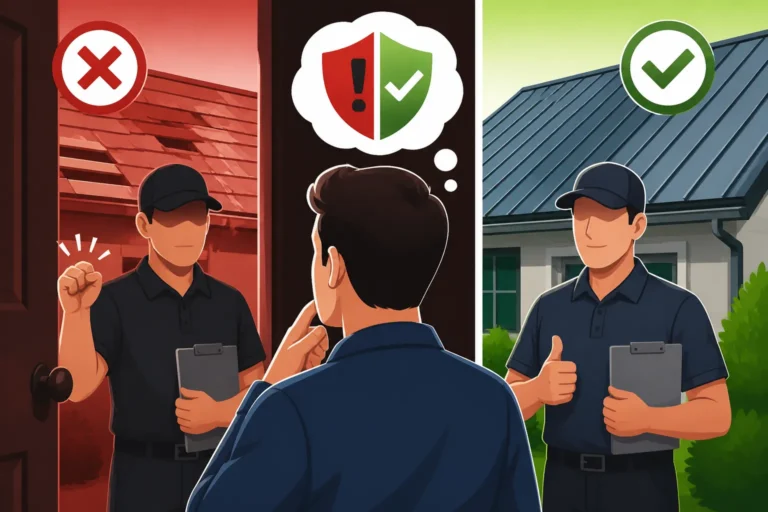
Because a metal roof is a high-ticket item, it unfortunately attracts some "storm chaser" types, especially after a particularly bad monsoon season. These companies often sweep into town, offer a "too good to be true" price, and then disappear before the first leak develops. To protect yourself, always look for Metal Roofing Scams and Red Flags to Avoid. One of the biggest red flags is a contractor who pressures you to sign over your insurance check immediately. A reputable company will have a clear payment schedule, usually involving a deposit for materials and a final payment once the job passes inspection.
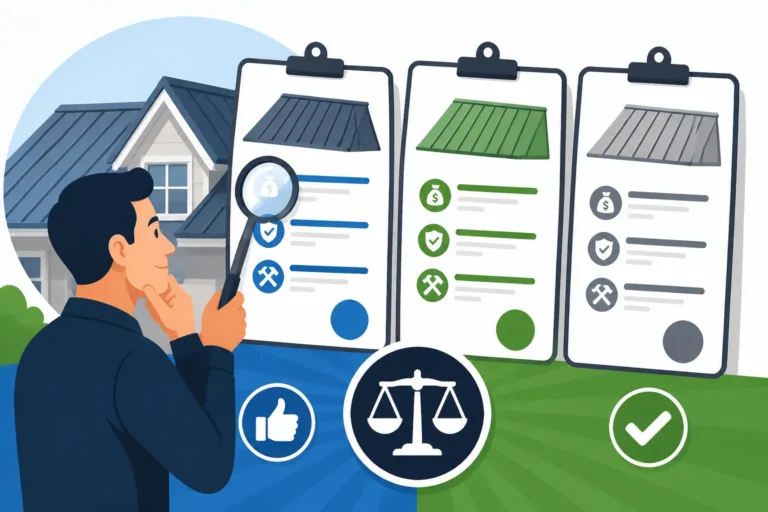
When you receive your quotes, don't just look at the bottom line. You need to know How to Read and Compare Metal Roof Quotes to see what is actually included. Does the quote include the removal and disposal of your old shingles? Does it include new gutters, or will they try to work around your old ones? Is the metal 24-gauge (thicker and better for Phoenix) or 29-gauge (thinner and more prone to denting)? Tools like Modernize are helpful here because they can connect you with pros who are used to providing transparent, line-itemed estimates that make it easier to see where your money is going.
Finally, remember that while metal is "low maintenance," it is not "no maintenance." After the contractors have left and the dust has settled, you should have a Metal Roof Maintenance Checklist by Season ready. In Phoenix, this mostly means checking your gutters and valleys for mesquite pods and palo verde needles, which can trap moisture and lead to premature corrosion even on the best Galvalume finishes. A quick inspection after each monsoon season will ensure that your roof truly lasts the 50 to 70 years it's supposed to, making it the last roof you ever have to buy for your home.
Disclaimer
The information provided in this guide is for educational and informational purposes only. Roofing costs, building codes, and contractor availability in Phoenix can change rapidly. Always verify the current licensing status of any contractor through the Arizona Registrar of Contractors (ROC) before signing a contract or making a payment. We do not guarantee the work of any third-party contractors or services mentioned.