Metal Roof Insurance Discount in Washington
If you're a homeowner in Washington State, you know the feeling: that annual home insurance premium bill lands in your mailbox, and it often feels like a punch to the gut. Between the Pacific Northwest's often wet, windy weather, and the rising costs of everything, finding ways to save a few bucks feels more necessary than ever. This comprehensive guide is designed to help you understand how installing a durable metal roof might just be your ticket to significant savings on your home insurance in Washington, demystifying the process and highlighting what insurers really care about.
The Frustration of High Home Insurance Premiums in Washington
Let's be real, managing a home in Washington State comes with its unique set of challenges and, consequently, its own flavor of insurance headaches. We love our evergreen landscapes and stunning natural beauty, but those same elements can wreak havoc on our homes and our wallets. It's a common frustration to see those premiums climb year after year, often without a clear understanding of why.
Why Washington Homeowners Feel the Pinch
Washington's diverse climate, from the rainy Puget Sound lowlands to the snowy Cascades and the drier, windier eastern plains, presents a complex risk profile for insurers. We experience everything from relentless rain and moss growth to high winds that can tear off shingles, and increasingly, concerns about wildfires in dryer regions. These environmental factors directly translate into higher risks for home damage, and insurance companies adjust their rates to reflect that. Think about the last windstorm that swept through, or the persistent dampness that encourages moss and algae on roofs – these aren't just cosmetic issues; they lead to costly repairs and, yes, higher insurance rates. Homeowners are constantly looking for ways to fortify their properties against these predictable (and sometimes unpredictable) forces, and finding solutions that also appease insurance providers can feel like a quest for the holy grail.
The Metal Roof as a Potential Game-Changer
This is where a metal roof enters the conversation as a genuine solution, not just another expense. Unlike traditional asphalt shingles that can buckle, crack, or blow off in strong winds and degrade rapidly from sun and moisture, metal roofs offer a level of resilience that genuinely impresses insurers. They stand up to a lot of what Washington weather throws at them. Imagine not having to worry about missing shingles after a blustery November storm, or the slow, insidious growth of moss eating away at your roof's integrity. A metal roof isn't just about curb appeal; it's about robust protection that can potentially recalibrate your home's risk assessment in the eyes of an insurance provider. It shifts your home from a higher-risk category to one that demonstrates proactive protection, and that’s a language insurance companies understand very well.
How Metal Roofs Qualify for Insurance Discounts in Washington
The idea of getting a discount just for choosing a specific roof material might sound too good to be true, but with metal roofing, it's often a reality. Insurance companies base their premiums on risk. The less likely your home is to suffer damage, the less they'll have to pay out in claims, and thus, the more willing they are to offer you a break on your rates. Metal roofs inherently reduce several common risks that plague homes in Washington State.
Superior Durability and Longevity
One of the biggest reasons metal roofs stand out is their sheer durability. While an asphalt shingle roof might last 15-20 years in our damp climate, a quality metal roof can easily last 50 years or even more. This extended Metal Roof Lifespan: How Long Do They Last? means fewer replacements and repairs over the life of your home. In Washington, where heavy rainfall is a given, metal roofs are non-porous and shed water exceptionally well, reducing the risk of water damage, rot, and the pervasive moss growth that can degrade other roofing materials. They resist cracking from freeze-thaw cycles, a common issue in areas that see both rain and snow. The panels interlock, making them highly resistant to wind uplift, which is a major concern in coastal areas and those prone to strong gusts. This robust construction fundamentally lowers the chances of a costly roof claim for your insurer, making your property a more attractive risk.
Understanding Class 4 Impact Resistance and Fire Ratings
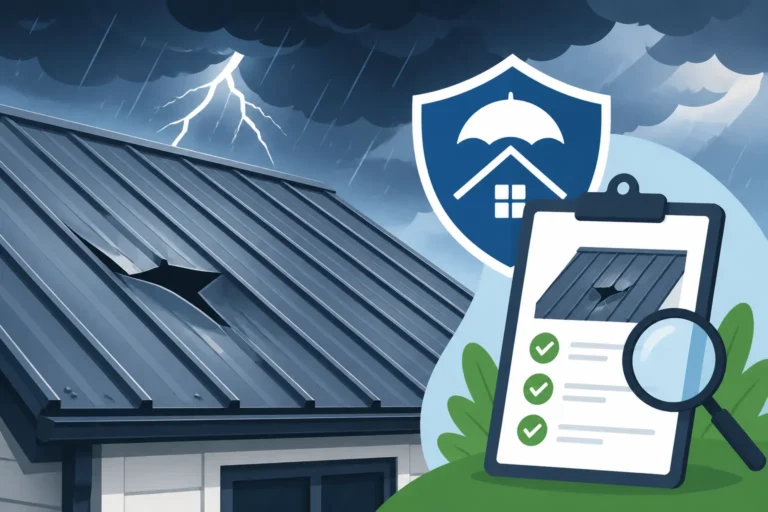
When you're talking to an insurance agent, two phrases that should grab your attention are "Class 4 Impact Resistance" and "fire rating." Many metal roofing systems carry a Class 4 Impact Resistance rating, which is the highest possible rating for resistance to hail damage. While Washington isn't typically known for severe hail like some other states, it does occur, and even small hail can wreak havoc on an asphalt roof, leading to dents, cracks, and granular loss. A Class 4 Impact-Resistant Roof Insurance Discount can be a significant advantage.
Even more critical, especially with the growing threat of wildfires in certain parts of Washington, is the fire rating. Metal roofs are non-combustible, meaning they won't ignite from embers carried by wind, which is a significant factor in wildfire spread. This typically earns them a Class A fire rating, the highest classification. This fire resistance is a massive selling point for insurers, particularly if your home is in or near a wildland-urban interface (WUI) area, which is increasingly common throughout the state. A roof that won't catch fire provides a substantial layer of protection that other materials simply cannot match.
Wind Mitigation Credits and Hail Resistance
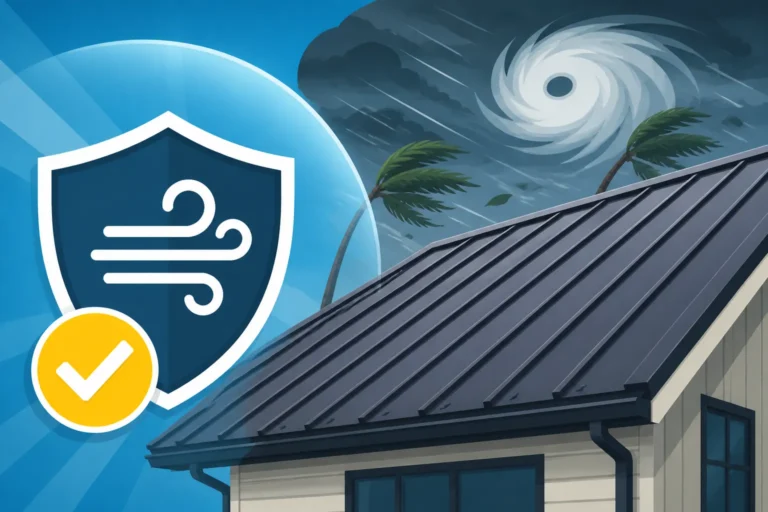
Washington homeowners often grapple with significant wind events, especially during fall and winter storms. From gusts coming off the Pacific to the channeling winds in river valleys, wind damage is a prevalent concern. Metal roofs, especially standing seam varieties, are designed to withstand incredibly high winds – often rated to resist winds of 140 mph or more, far exceeding typical asphalt shingle capabilities. This exceptional Metal Roof Wind and Fire Ratings Explained resilience means that in many cases, your home might qualify for specific wind mitigation credits from your insurance provider. These credits recognize features that reduce the risk of wind damage, translating directly into lower premiums. It’s not just about surviving a storm; it’s about having a roof that stays put when others fail. Similarly, while hail isn't an everyday occurrence for most of Washington, its impact resistance is a solid benefit. Even small, infrequent hail can cause enough damage to conventional roofs to warrant a claim, but metal roofs are far less susceptible to this type of damage.
Navigating Insurance Companies and Claims in Washington
It's one thing to know that metal roofs can get you a discount, but it's another entirely to actually secure that discount. Dealing with insurance companies can feel like navigating a maze, and each one has its own specific criteria and processes.
Major Insurers Offering Discounts (or Not)
Many of the major insurance carriers operating in Washington State recognize the protective benefits of metal roofing and may offer discounts. Companies like State Farm, Allstate, Farmers, USAA, PEMCO, Mutual of Enumclaw, and Safeco are just a few examples of insurers known to provide various discounts for resilient roofing materials. However, these offerings can vary greatly depending on your specific policy, location, and even the type of metal roof you install. Some might offer a blanket "superior roofing material" discount, while others might provide specific credits for Class 4 impact resistance or Class A fire ratings. It's crucial to understand that these discounts are not always automatic. You will almost certainly need to proactively inquire and provide documentation. Don't assume your agent will offer it up without you asking! Always compare quotes from several providers to see How Much Can a Metal Roof Lower Your Insurance? and identify who offers the best value for your specific metal roof.
The Importance of Documentation and Professional Installation
To claim any discount, documentation is absolutely key. Insurance companies want proof that your roof meets their criteria. This means having all the paperwork ready: manufacturer specifications, installation receipts, and proof of any specific ratings (like Class 4 impact or Class A fire). Even more importantly, most insurers will want assurance that your metal roof was installed correctly by a qualified professional. A shoddy installation, even of the best materials, can negate its protective benefits and, consequently, any potential discount. Look for a contractor who is a Manufacturer-Certified Metal Roof Installers Explained for the product you choose. This certification often means the installer has undergone specific training and adheres to strict standards, which gives both you and your insurer peace of mind. Without proper installation and the corresponding paperwork, you might find yourself fighting an uphill battle to prove your roof's eligibility for a discount. Always ensure your contract includes provisions for all necessary documentation upon completion.
What to Expect During an Insurance Inspection
After your metal roof is installed, your insurance company may require a home inspection to verify its features and confirm its eligibility for discounts. This isn't usually a punitive process; it's simply their way of assessing the risk directly. An inspector will typically look for several things:
- Type of Metal Roof: They'll confirm it's indeed a metal roof (e.g., standing seam, corrugated, metal shingle) and note its material (steel, aluminum, etc.).
- Installation Quality: They'll check for proper flashing, sealing, fastener application, and overall workmanship. They want to see that the roof is secure and professionally installed.
- Condition: Even if new, they'll confirm there are no existing issues or damage.
- Specific Features: They'll verify any claims made, such as Class 4 impact resistance or Class A fire rating, often by checking the manufacturer's stamps on the materials or reviewing the documentation you provide.
- Wind Mitigation Features: In some cases, they might specifically look for how well the roof is integrated with the home's structure to resist wind uplift, especially if you're seeking Wind Mitigation and Roof Premium Credits.
It’s always a good idea to be present during the inspection if possible, so you can answer any questions and point out specific features. Ensure you've completed all the steps in your Metal Roof Installation Process: Step by Step guide and have all your records organized beforehand.
Maximizing Your Metal Roof Insurance Savings in Washington State
Getting a metal roof is a significant investment, and it makes sense to ensure you're reaping all the possible benefits, including the maximum insurance savings. This isn't just about getting a discount; it's about getting the best discount your metal roof allows.
Proactive Steps Before Installation
The absolute best time to start thinking about insurance discounts is before your new metal roof is even installed. This is your chance to be proactive and ensure you're making choices that will pay off. First, reach out to your current insurance provider and ask them directly about their policies regarding metal roofs. Inquire about specific discounts for Class 4 impact resistance, Class A fire ratings, and any wind mitigation credits. Don't be shy; ask for details on what kind of documentation they require.
Next, when you're getting quotes from different roofing contractors, make sure they understand your goal of maximizing insurance savings. A good contractor will be familiar with the codes and best practices that satisfy insurers. For example, some might recommend a specific gauge of metal for enhanced durability or a particular panel system known for its wind resistance. This is also a good time to compare bids, not just on price, but on the specifications of the materials and the warranty offered. You can learn more by checking out a comprehensive resource like Metal Roof Cost: Complete 2026 Guide to get a full picture of the investment.
Combining Discounts for Greater Savings
The beauty of insurance discounts is that they often stack! While your metal roof might get you a significant reduction, don't stop there. Think about other areas where you might qualify for savings:
- Multi-Policy Discounts: Bundling your home insurance with auto insurance or other policies from the same provider can often lead to substantial savings.
- Security System Discounts: If you have a monitored alarm system, smoke detectors, or even smart home technology, these can often reduce your premiums.
- Loyalty Discounts: Long-term customers sometimes receive discounts.
- Claim-Free History: A history of no claims can also keep your rates lower.
- Higher Deductible: While this means you pay more out-of-pocket if a claim occurs, opting for a higher deductible will almost always lower your annual premium.
By combining your metal roof's inherent protective advantages with these other potential discounts, you can significantly reduce your overall home insurance costs. Make sure to discuss all possible avenues with your insurance agent. This holistic approach ensures you’re not leaving any money on the table when it comes to protecting your Washington home.
Long-Term ROI Beyond Initial Discounts
While the immediate insurance discount is a fantastic perk, it's really just the tip of the iceberg when it comes to the long-term financial benefits of a metal roof. Think about the exceptional lifespan; a metal roof can easily outlast two or three asphalt shingle roofs, saving you tens of thousands of dollars in replacement costs over time. Then there are the energy savings. Many metal roofs feature cool pigments that reflect solar radiant heat, which can reduce cooling costs in the summer. Even in Washington's mild summers, this can make a difference in your energy bills.
Furthermore, a metal roof adds significant resale value to your home. When potential buyers see a durable, long-lasting metal roof, they know they won't have to worry about replacing it for decades, making your home more attractive and commanding a higher price. It's an investment that truly pays dividends over time, far beyond the initial savings on your insurance premium. Exploring topics like Is a Metal Roof Worth It? ROI, Resale & Payback can give you an even clearer picture of these overarching financial advantages.
Key Factors Influencing Metal Roof Insurance Discounts in Washington
| Feature/Factor | Potential Impact on Discount | Why it matters to insurers in WA |
|---|---|---|
| Class 4 Impact Rating | High (often 10-25% off roof portion of premium) | Superior resistance to hail, reducing claims for physical roof damage. |
| Class A Fire Rating | Moderate to High (especially in WUI areas) | Non-combustible, significantly reduces wildfire risk. |
| Wind Resistance | High (especially for standing seam, >140 mph rated) | Resists high winds prevalent in Washington, reducing blow-off claims. |
| Professional Install | Critical (often required for any discount & warranty) | Ensures proper application, maximizing roof performance and validity of ratings. |
| Material Type | Varies (e.g., aluminum/copper may get more vs. steel) | Some materials offer superior corrosion resistance, important in damp climates. |
| Roof Pitch/Complexity | Minor (less direct discount, but influences risk) | Steeper pitches shed water/snow better; complex roofs can be harder/costlier to repair. |
| Age of Roof | Not applicable (new roof benefit) | Discounts are for new installations with verified features. |
| Location | Moderate (e.g., WUI areas, coastal zones) | Higher risk areas (wildfire, extreme wind) benefit more from protective features. |
| Insurer Specifics | Highly variable (check with multiple providers) | Each company has different algorithms and discount structures. |
Disclaimer
This article provides general information and guidance regarding metal roof insurance discounts in Washington State. Insurance policies and available discounts are subject to change and vary significantly by provider, individual policy terms, and specific property characteristics. It is essential to consult directly with your insurance agent or provider to confirm eligibility, specific discount amounts, and any requirements for your particular situation before making any purchasing or installation decisions. We are not insurance professionals, and this content should not be considered legal or financial advice.