Metal Roof Insurance Discount in Tennessee
Is the thought of another rising home insurance premium making you sigh? You're not alone. Many homeowners in Tennessee feel like they're constantly fighting an uphill battle against increasing costs, especially when it comes to older, less resilient roofs. But what if upgrading your roof could actually put money back in your pocket? This comprehensive guide will walk you through how investing in a durable metal roof can lead to significant insurance discounts in Tennessee, what specific factors qualify you for savings, and how to navigate the process to maximize those benefits.
Why Metal Roofs Attract Insurance Discounts in Tennessee
Here in Tennessee, we're no strangers to diverse and sometimes extreme weather, from sweltering summers to icy winters, and let's not forget the thunderstorms and hail that can sweep through the state with little warning. Traditional roofing materials, like asphalt shingles, often bear the brunt of these conditions, leading to frequent repairs or even full replacements. This vulnerability directly translates into higher insurance premiums. Metal roofs, however, offer a superior level of protection that insurance companies recognize and reward.
Superior Durability and Longevity
One of the biggest reasons metal roofs are favored by insurers is their incredible durability and long lifespan. Unlike asphalt shingles that might need replacing every 15-20 years, a properly installed metal roof can last 40 to 70 years, sometimes even longer, depending on the material and coating. This longevity means fewer claims over time for typical wear and tear, which is a big win for insurance providers. They see a reduced risk, and that often translates to lower premiums for you.
Think about it: when a hailstorm rolls through Nashville or Memphis, striking homes with damaging ice, asphalt shingles can crack, blister, and lose granules, leading to immediate leaks and costly repairs. Metal roofs, especially those made from heavier gauges or with specific profiles like stone-coated steel, are far more resilient. Many metal roofing products achieve a Class 4 impact resistance rating, which is the highest rating available and a significant factor in insurance savings, particularly in states like Tennessee that experience hail.
Enhanced Fire Resistance
Fire safety is another critical area where metal roofs shine, potentially leading to lower insurance costs. Metal roofing materials are non-combustible, meaning they won't ignite from embers or direct flame contact, earning them a Class A fire rating. This is the highest fire resistance rating and a considerable advantage over many other roofing materials, especially in areas prone to wildfires or even just stray fireworks.
Imagine a scenario where a neighbor's house catches fire, and embers drift onto your roof. With a metal roof, the risk of your home catching fire from external sources is drastically reduced. Insurance companies take this reduced fire risk seriously, as it minimizes the potential for catastrophic losses. They often offer specific credits for homes with Class A fire-rated roofs, acknowledging the inherent safety benefit.
Wind Resistance and Storm Resilience
Tennessee's weather patterns often include severe thunderstorms and straight-line winds, and occasionally, even tornadic activity. High winds can wreak havoc on roofs, lifting shingles, tearing off entire sections, and leaving homes vulnerable to water damage. This is where the robust attachment systems of metal roofs truly stand out.
Metal roofs are engineered to withstand much higher wind speeds than conventional roofing materials. For instance, many standing seam metal roofs are rated to resist winds exceeding 140-150 mph, far surpassing the capabilities of typical shingle roofs. This resilience is due to their interlocking panels and secure fastening systems, which are designed to hold tight even under extreme uplift pressures. Insurance companies recognize that a roof less likely to sustain wind damage means fewer claims from widespread storm events. This superior performance in high winds, particularly with panels that interlock or are mechanically fastened, makes them highly attractive for wind mitigation credits. You might also want to look into Metal Roof Wind Rating: How Many MPH? to understand the specifics.
Specific Discounts and How to Qualify in Tennessee
While metal roofs generally offer better protection, understanding the specific discounts and how to qualify for them in Tennessee can help you maximize your savings. It's not just about having a metal roof; it's about having one that meets certain criteria that insurers look for.
Class 4 Impact Resistance Discount
This is often one of the most substantial discounts available, especially for homeowners in regions of Tennessee that experience hail. A Class 4 impact-resistant roof is tested to withstand the impact of a 2-inch steel ball dropped from 20 feet without cracking or puncturing. Many types of metal roofs, particularly stone-coated steel and certain heavy-gauge standing seam panels, can achieve this rating.
When you install a Class 4 impact-resistant metal roof, you're telling your insurance company that your roof is significantly less likely to be damaged by hail, falling branches, or other impacts that would typically devastate an asphalt shingle roof. This translates directly to reduced risk for the insurer and, consequently, lower premiums for you. Be sure to get documentation from your installer or the manufacturer confirming the Class 4 rating (UL 2218 certification is standard) to present to your insurance provider. Understanding Class 4 Impact-Resistant Roof Insurance Discount can provide more detail on this benefit.
Wind Mitigation Credits
Wind mitigation credits are discounts offered for features that make your home more resistant to wind damage. For metal roofs, these credits often come from the installation method and the structural integrity of the roofing system. Properly fastened metal panels, especially those that are interlocked or mechanically seamed, provide superior uplift resistance compared to simply nailed-down shingles.
Insurance companies in Tennessee will look for things like:
- Roof-to-Wall Attachment: How well your roof structure is tied to your home's walls.
- Roof Deck Attachment: The type and spacing of fasteners used to secure the roof sheathing to the trusses or rafters.
- Roof Geometry: Certain roof shapes, like hip roofs, are inherently more aerodynamic and can qualify for additional credits.
- Secondary Water Resistance (SWR): An extra layer of protection under your metal roof, such as an ice and water shield or synthetic underlayment, that provides a barrier against water intrusion even if the primary roof covering is damaged.
A professional metal roofing contractor will be familiar with these requirements and can ensure your installation qualifies for maximum credits. They can also provide the necessary documentation for a wind mitigation inspection. For more information, read our guide on Wind Mitigation and Roof Premium Credits.
Fire-Resistant Material Credits
As mentioned earlier, metal roofs inherently offer excellent fire resistance. Most metal roofing materials carry a Class A fire rating, the highest possible. This means they are non-combustible and resist the spread of flames, a critical factor for fire safety.
Insurance providers often provide specific premium reductions for homes with Class A rated roofs. This discount reflects the lower risk of fire damage to your home and potentially to neighboring properties. When getting your metal roof installed, ensure your contractor provides documentation from the manufacturer that explicitly states the Class A fire rating.
Roof Age and Condition Discounts
While not exclusive to metal roofs, a brand-new metal roof inherently qualifies for favorable rates because it dramatically improves your roof's age and condition compared to an old, deteriorating roof. Insurance companies often charge higher premiums for older roofs because they are more prone to leaks, blow-offs, and general failure, leading to more frequent claims.
By replacing an old, worn-out asphalt shingle roof with a new metal roof, you are essentially resetting your roof's age to zero from the insurer's perspective. This signals a significantly reduced risk of common roof-related claims for decades to come. Many policies will offer a lower premium for a new roof, and a metal roof’s projected lifespan often means you’ll enjoy those lower rates for a much longer period than you would with other materials. This long-term value makes the initial investment even more appealing when considering the Metal Roof Cost vs Lifespan Value.
Here's a quick overview of potential discounts related to metal roof features:
| Metal Roof Feature | Potential Insurance Benefit | Typical Qualification |
|---|---|---|
| Class 4 Impact Resistance (UL 2218) | Significant discount, especially in hail-prone areas. | Stone-coated steel, some heavy-gauge standing seam. Manufacturer certification required. |
| Class A Fire Rating | Discount on fire portion of premium. | All non-combustible metal types (steel, aluminum, copper). Manufacturer certification. |
| High Wind Resistance (140+ mph) | Wind mitigation credits. | Properly installed standing seam or mechanically fastened panels. Professional installation. |
| New Roof Installation | General lower premium for roof age/condition. | Any new roof, but metal's longevity extends this benefit. |
| Secondary Water Resistance | Additional credits, enhanced protection. | Ice and water shield or high-quality synthetic underlayment. |
Navigating the Insurance Process in Tennessee
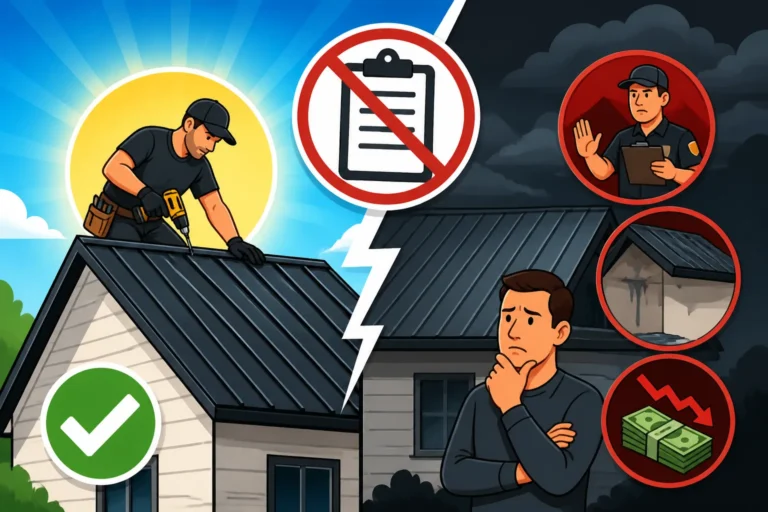
Securing those coveted insurance discounts for your new metal roof in Tennessee isn't just about installation; it's also about diligently navigating the insurance process. Many homeowners overlook crucial steps that could save them a significant amount on their premiums. Don't leave money on the table!
Gathering Documentation
When you're ready to claim your metal roof discounts, your insurance provider will want proof. Think of yourself as building a case. The more evidence you have, the stronger your position. Here’s what you’ll typically need:
- Itemized Invoice from Your Contractor: This document should clearly detail the materials used, including the type of metal (e.g., steel, aluminum, stone-coated steel), gauge, and profile (e.g., standing seam, corrugated). It should also show the cost of materials and labor separately.
- Manufacturer’s Specifications and Warranty Information: This is crucial. Obtain documentation from the metal roof manufacturer that confirms the product's ratings for impact resistance (e.g., UL 2218 Class 4), fire resistance (Class A), and wind uplift ratings. The manufacturer's warranty also validates the expected lifespan and quality of the materials.
- Installation Photos: A good contractor will take photos throughout the installation process, especially of the underlayment, fastening methods, and any specific wind mitigation features. These visual records can serve as undeniable proof of proper installation.
- Permit and Inspection Records: In many Tennessee cities and counties, a permit is required for roof replacement. The final inspection approval from your local building department is official confirmation that your roof meets local codes and standards. You should also check out Do You Need a Permit for a Metal Roof? for more details.
- Wind Mitigation Report (if applicable): If you've had a specific wind mitigation inspection performed, the report detailing the qualifying features (like hurricane clips, roof deck attachment, and secondary water resistance) is invaluable.
It's a good idea to create a dedicated folder, either physical or digital, for all these documents. Having everything organized will make the process smoother and faster when you speak with your insurance agent.
Choosing the Right Insurance Provider
Not all insurance companies are created equal when it comes to offering discounts for metal roofs. While most major carriers recognize the benefits, the specific discounts and their magnitude can vary significantly. Some companies are more aggressive in offering savings for resilient roofing materials, especially in storm-prone areas.
- Major National Carriers: Companies like State Farm, Allstate, USAA, Farmers, and Travelers are widely known to offer discounts for metal roofs, particularly those with Class 4 impact ratings and wind mitigation features. They often have established programs for these types of upgrades.
- Local and Regional Insurers: Don't overlook local Tennessee-based insurance providers or regional companies. They might have a deeper understanding of local weather risks and offer competitive rates tailored to the community.
- Comparison Shopping: The best strategy is to get quotes from several different insurance providers. Be explicit about the type of metal roof you have (e.g., "I have a new Class 4 impact-resistant, Class A fire-rated standing seam metal roof installed to current building codes") and ask directly about all available discounts. This is also a good opportunity to compare your current premium with a new one. Consider checking out Insurance Companies That Discount Metal Roofs to see which providers might be a good fit.
When you contact them, have your documentation ready. Ask them to walk you through the potential savings and what else you might need to provide. A good agent will be proactive in helping you secure all eligible discounts.
The Inspection Process
After you've submitted your documentation, your insurance company may require a physical inspection of your new metal roof to verify the claims. This is a standard procedure and nothing to be worried about, especially if you’ve hired a reputable contractor and gathered all your paperwork.
- What to Expect: An insurance adjuster or a third-party inspector will come to your home. They will typically inspect the roof covering, its attachment points, the underlayment (if visible or documented), and any specific wind mitigation features you’ve claimed. They'll be looking to confirm that the installation meets the standards for the discounts you’re seeking.
- Be Prepared: Make sure the roof is accessible and clear of debris. If possible, have your contractor's contact information handy in case the inspector has technical questions. You might also want to review your documentation one last time before the inspector arrives.
- Wind Mitigation Inspection: For wind mitigation credits, a specific wind mitigation inspection may be required. This is a detailed assessment of your home's ability to resist wind damage, including roof shape, roof-to-wall attachment, roof deck attachment, and secondary water resistance. The inspector will generate a report that your insurance company uses to calculate your discounts. This report can also be beneficial for future home sales.
By being thorough in your documentation and cooperative during any inspections, you significantly increase your chances of securing the maximum possible insurance discounts for your durable new metal roof in Tennessee. This investment not only protects your home for decades to come but also offers tangible financial benefits on your annual insurance premiums.
Disclaimer
Please remember that this information is intended for general guidance only and does not constitute financial, insurance, or legal advice. Insurance policies, discounts, and eligibility requirements can vary significantly by provider, location, and the specific characteristics of your property. Always consult directly with a licensed insurance professional in Tennessee to discuss your individual situation and confirm the availability and extent of any metal roof insurance discounts. Building codes and regulations are subject to change, so verify all local requirements before beginning any roofing project.