Metal Roof Cost vs Lifespan Value
Many homeowners find themselves wincing at the initial price tag of a metal roof, often comparing it directly to the seemingly cheaper asphalt shingles. This immediate cost comparison can be incredibly misleading, making the decision feel daunting and out of reach. But what if I told you that focusing solely on the upfront cost is missing the entire picture? This comprehensive guide will help you understand that a metal roof isn't just an expense; it's a long-term investment that delivers significant value over its impressive lifespan, ultimately saving you money and headaches down the road.
Unpacking the Upfront Cost of Metal Roofing
It’s true, when you first look at the numbers, a metal roof can appear significantly more expensive than traditional options. This initial sticker shock is a common hurdle for many, but it's crucial to understand what goes into that higher price point and why it sets metal apart right from the start. We're talking about a product built for endurance, and that quality comes with a price.
Initial Investment Compared to Other Roofing Materials
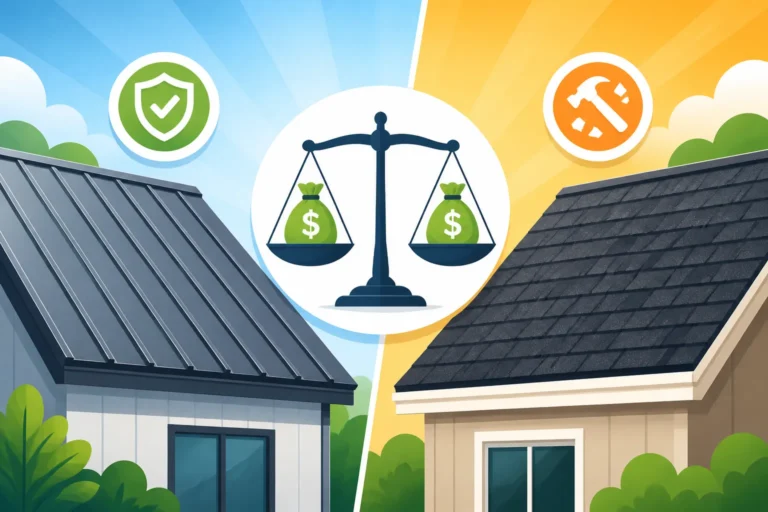
Let's be real: putting a new roof on your home is a major expense, regardless of the material. However, when you stack up the initial cost of metal roofing against other popular materials like asphalt shingles or even tile, metal often comes in at the higher end. For instance, a basic asphalt shingle roof might cost you anywhere from $4.50 to $8.00 per square foot installed, while a metal roof could range from $9.00 to $16.00 per square foot or more, depending on the type and complexity.
This difference is substantial, and it's where many homeowners hit a wall. You might be thinking, "Why would I pay double or triple for a metal roof?" But the answer lies beyond that immediate outlay. Consider clay or concrete tile roofs; while beautiful, they can also be quite heavy and often require structural reinforcements, adding to their overall cost, which can sometimes rival or even exceed metal, especially for higher-end options. Wood shakes, while having a rustic appeal, come with their own set of maintenance issues and fire concerns that can drive up long-term costs. When you consider the full picture, the initial investment for metal roofing often looks more like a premium, which it absolutely is, but for very good reasons. If you're really curious about the specifics, our detailed guide on Metal Roof vs Asphalt Shingle Cost breaks down these comparisons even further.
Factors Driving Metal Roof Pricing
The price of a metal roof isn't a single, fixed number; it's influenced by a whole host of variables. Think of it like buying a car—a basic sedan costs less than a luxury SUV, even though both get you from point A to point B. The same principle applies here.
Firstly, the type of metal you choose plays a huge role. Steel and aluminum are generally more affordable, with galvanized steel often being the entry point for many. Then you have Galvalume, a steel alloy coated with zinc and aluminum, offering enhanced corrosion resistance. On the higher end, you’ll find copper and zinc roofs, which are incredibly durable and develop a beautiful patina over time, but come with a significantly steeper price tag. Each material has its own characteristics, benefits, and, of course, cost implications. You can delve into the specifics with our comprehensive breakdown on Metal Roof Cost by Material: Steel vs Aluminum vs Copper vs Zinc.
Next is the profile and panel type. Exposed fastener systems, like corrugated metal or R-panel, tend to be less expensive due to simpler installation and materials. However, concealed fastener systems, such as standing seam metal roofs, are considered premium. They offer superior weather protection, a sleeker aesthetic, and boast an even longer lifespan, but they require more specialized installation techniques and materials, naturally increasing their cost. If you’re weighing these options, you might find our article on Metal Roof Cost by Profile: Standing Seam vs Corrugated vs Stone-Coated helpful.
Then there's gauge, which refers to the thickness of the metal. A lower gauge number (e.g., 24-gauge) means thicker, more robust metal, which is more resistant to dents and impacts, but also more expensive than higher gauge numbers (e.g., 29-gauge). Thicker metal often comes with better warranties and increased longevity.
Roof complexity also impacts the price significantly. A simple gable roof is much easier and quicker to install than a multi-faceted roof with numerous valleys, hips, dormers, and skylights. Each cut, bend, and flashing detail adds to the labor and material costs. A very steep roof pitch will also drive up labor costs due to safety measures and the increased difficulty of working on it.
Finally, labor costs and your geographic location can fluctuate wildly. What you pay for a metal roof installation in a major metropolitan area like Los Angeles or Miami might be considerably higher than in a rural area in the Midwest, largely due to differences in local labor rates, material transportation costs, and demand. The expertise required to install a metal roof properly, especially a standing seam system, is specialized, and skilled installers command appropriate wages. Our guide on Metal Roof Cost Per Square Foot can provide a more general overview of these factors.
The Lifespan Advantage of Metal Roofs
Now, let’s pivot from the initial shock to the long-term reality: the lifespan of a metal roof is where it truly shines and begins to justify that upfront investment. While other roofing materials might offer a lower initial cost, they simply cannot compete with the sheer longevity of metal. This is where the true "value" aspect of a metal roof really starts to become clear.
How Long Do Metal Roofs Really Last?
This isn't a trick question; metal roofs genuinely last for decades, often outliving the homeowners who install them. While asphalt shingle roofs typically last 15-30 years, you can expect a quality metal roof to protect your home for 40 to 70 years, and sometimes even longer. Some copper and zinc roofs have been known to last for well over a century, practically becoming generational assets.
Let’s break it down by common materials:
- Galvanized or Galvalume Steel: These are workhorse materials, often lasting 40-60 years. They offer a fantastic balance of durability and cost-effectiveness, making them a popular choice for many homes. They're robust and designed to resist the elements for a very long time.
- Aluminum: Lightweight and incredibly resistant to rust, aluminum roofs typically last 50-70 years, especially in coastal environments where salt air can be a concern for other metals. Its corrosion resistance makes it an excellent choice for longevity.
- Copper and Zinc: These are the titans of longevity. While they come with a higher initial price tag, they can easily last 80-100+ years. They develop a unique, protective patina over time that not only enhances their aesthetic appeal but also acts as an additional layer against the elements. You won't be replacing these roofs in your lifetime, or likely even your children's.
When you think about the fact that an asphalt roof might need to be replaced two or even three times within the lifespan of a single metal roof, the long-term savings start to become very apparent. The question "Is a Metal Roof Worth It? ROI, Resale & Payback" is one we answer with a resounding yes, precisely because of this incredible durability.
Factors Affecting Longevity
While metal roofs are inherently durable, their maximum lifespan isn't purely a given; several factors can influence just how long your particular roof will truly last.
Quality of Installation: This is paramount. A meticulously installed metal roof, particularly a standing seam system with its interlocking panels and hidden fasteners, will inherently last longer and perform better than one installed with shortcuts or by an inexperienced crew. Proper sealing, flashing, and fastening techniques are critical to preventing leaks and ensuring the system functions as intended for decades. It's not just about slapping panels on; it's about precision and adherence to manufacturer guidelines. A poorly installed roof, even with the best materials, will fail prematurely. This is why choosing a reputable contractor is as important as choosing the right material. Our guide on Metal Roof Installation Process: Step by Step highlights the importance of professional installation.
Maintenance and Care: While metal roofs are remarkably low-maintenance, they're not entirely maintenance-free. Regular inspections – perhaps once a year or after a major storm – to check for debris accumulation, loose fasteners (especially on exposed fastener systems), or any signs of damage can help catch minor issues before they become major problems. Clearing leaves and branches from valleys and gutters ensures proper water drainage, preventing standing water and potential corrosion. Addressing small scratches in the coating promptly can prevent rust from forming on steel roofs. Simple care goes a long way in extending that already impressive lifespan. Check out our Metal Roof Maintenance Guide for more tips.
Environmental Conditions: The climate your home endures certainly plays a role. In areas with extreme weather—think heavy snow loads, frequent hail storms, or intense UV exposure—even a metal roof will face more stressors. However, metal roofs are generally designed to excel in these conditions far better than asphalt. For example, thicker gauge metals and specific coatings are recommended for hail-prone regions. In coastal areas, aluminum or specially coated steel (like Galvalume Plus) will hold up better against salt spray corrosion.
Coating Quality: The protective coatings applied to metal panels are crucial for both aesthetics and durability. High-quality coatings, like PVDF (Kynar 500) or SMP (Siliconized Modified Polyester), offer excellent resistance to fading, chalking, and corrosion, preserving the look and integrity of your roof for many years. Inferior coatings may degrade faster, leading to a duller appearance and potentially exposing the metal to the elements sooner.
Calculating Long-Term Value and Return on Investment
Here's where the real magic happens. While that initial cost might still be humming in your ears, the long-term value of a metal roof isn't just about how long it lasts, but how much it saves you and adds to your home's worth over its lifetime. This is the financial argument that truly tips the scales.
The True Cost Per Year (Lifespan Value Metric)
To really understand the value, you need to look beyond the sticker price and calculate the "cost per year." This is a much more accurate way to compare roofing materials. It’s a simple calculation: divide the total installed cost of the roof by its expected lifespan.
Let's imagine a hypothetical scenario:
| Roofing Material | Initial Installed Cost (for a 2,000 sq ft roof) | Expected Lifespan | Annualized Cost (Cost/Lifespan) | Total Cost Over 60 Years (assuming replacements) |
|---|---|---|---|---|
| Asphalt Shingles | $10,000 – $16,000 | 15-30 years | $333 – $1,067 | $20,000 – $64,000 (2-4 replacements) |
| Metal Roof (Steel/Aluminum) | $18,000 – $32,000 | 40-70 years | $257 – $800 | $18,000 – $32,000 (0-1 replacement) |
| Metal Roof (Copper/Zinc) | $60,000 – $120,000 | 80-100+ years | $600 – $1,500 | $60,000 – $120,000 (likely no replacements) |
Note: These are illustrative costs and lifespans. Actual costs will vary based on location, materials, and specific project details.
As you can see from this table, while the initial cost of metal is higher, its annualized cost is often comparable to, or even lower than, asphalt shingles over a typical homeownership period. And when you factor in the probability of needing multiple shingle roof replacements, the metal roof quickly becomes the more economical choice over the long haul. You avoid the recurring disruption, disposal fees, and material costs that come with multiple re-roofs. This is why simply looking at the initial "Metal Roof Cost: Complete 2026 Guide" isn't enough; you need to consider the long-term implications.
Energy Savings and Efficiency
Beyond the direct cost per year, metal roofs offer a hidden bonus: significant energy savings. Many metal roofing systems are considered "cool roofs" because they reflect a substantial amount of solar radiant heat, rather than absorbing it. This means your attic and the interior of your home stay cooler, especially during those scorching summer months.
The result? Your air conditioning system doesn't have to work as hard, which translates directly into lower energy bills. Studies have shown that cool metal roofs can reduce energy consumption by 10-25% in warmer climates. Imagine those savings adding up year after year for 50 or 60 years! That's real money back in your pocket. Even in colder climates, some metal roofs, particularly those with a highly emissive finish, can radiate heat away in the summer while their underlying insulation still provides warmth in the winter. This dual benefit contributes significantly to the overall value proposition.
Furthermore, some metal roofs can be installed with a "vented" air gap between the metal panels and the roof deck. This creates an additional thermal barrier, further enhancing insulation and contributing to even greater energy efficiency, proving that the value goes far beyond just the material itself.
Home Resale Value and Curb Appeal
A metal roof isn't just about function; it's also a significant aesthetic upgrade that can boost your home's curb appeal and, consequently, its resale value. When potential buyers see a metal roof, they often recognize it as a premium feature that promises decades of worry-free protection.
Many real estate agents will tell you that a new roof, especially a metal one, is a huge selling point. Buyers are often willing to pay more for a home knowing they won't have to face a major roofing expense for a very, very long time. It signals quality, durability, and a lower cost of ownership, all highly desirable traits in a competitive housing market. Some reports indicate that homeowners can recoup a high percentage of their metal roof investment upon resale, sometimes upwards of 85-95%, especially with popular options like a Standing Seam Metal Roof Cost.
Beyond the practical benefits, metal roofs come in an incredible array of colors, profiles, and finishes, allowing you to achieve almost any architectural style, from sleek modern to traditional colonial. Whether you prefer the classic look of a standing seam, the rustic charm of stone-coated steel, or the more industrial vibe of corrugated panels, there's a metal roof to enhance your home's unique character. This aesthetic versatility, combined with their renowned durability, makes metal roofs a wise investment in your home's present beauty and future value.
Maintenance, Repairs, and Ongoing Costs
One of the often-overlooked aspects of value is the reduction in ongoing maintenance and repair expenses. While no roof is entirely hands-off, metal roofs are champions in this regard, significantly cutting down on the time, effort, and money you'll spend keeping them in top shape. This is where the long-term savings truly become apparent.
Minimal Maintenance Requirements
Compared to other roofing materials, metal roofs are remarkably low-maintenance. You won't find yourself needing to constantly clean off moss and algae, which can be a persistent issue with asphalt shingles in damp climates. There's no granular shedding to worry about clogging gutters or losing protective layers over time.
Routine maintenance for a metal roof typically involves simple, common-sense tasks:
- Annual visual inspections: Just a quick look from the ground or a ladder to ensure there's no accumulated debris, especially in valleys or around chimneys.
- Gutter cleaning: Ensuring your gutters are clear of leaves and twigs allows for proper drainage, preventing water from backing up and potentially causing issues.
- Checking for scratches or damage: While rare, if a heavy branch falls and scratches the coating, a simple touch-up with manufacturer-approved paint can prevent localized rust on steel panels.
That's largely it! This minimal effort frees up your weekends and saves you the cost of hiring professional cleaners or dealing with recurring problems common to less durable roofing types. It's truly one of the biggest benefits when considering the overall ownership experience.
Infrequent Repair Needs
This is another area where metal roofs truly shine in the value proposition. Because of their inherent strength and durability, significant repairs are far less common with metal roofs than with other materials. You won't be constantly replacing individual shingles blown off by wind, patching leaks from cracked tiles, or battling rot in wood shakes.
When repairs are needed, they are often minor and localized. For example:
- Loose fasteners: On exposed fastener systems, screws can occasionally back out over many years due to thermal expansion and contraction. These are typically simple to tighten or replace with new, oversized fasteners.
- Isolated damage: In rare cases of extreme impact (like a very heavy tree limb falling), an individual panel might get dented. Often, these can be carefully repaired or, if severely damaged, replaced without disturbing the entire roof.
- Flashing issues: Like any roofing system, flashing around penetrations (chimneys, vents, skylights) is a potential leak point if not installed correctly or if sealant degrades over time. These are usually straightforward to re-seal or replace.
The key here is infrequent. You’re not dealing with systemic issues or widespread material degradation. This translates into fewer emergency calls to roofers, less stress, and significantly lower repair costs over the roof's lifetime. This is a stark contrast to asphalt roofs, where repair needs can become more frequent and costly as the roof ages, eventually leading to full replacement.
Warranty Protection and Peace of Mind
The robust warranties offered by metal roofing manufacturers are a strong indicator of their confidence in their product's longevity and performance. When you invest in a metal roof, you're not just buying material; you're buying decades of protection backed by solid guarantees.
Metal roof warranties typically come in two main types:
- Material Warranty: This covers the metal panels themselves against defects, severe fading, chalking, and sometimes even denting. These can range from 20 to 50 years, or even a lifetime for some high-end products, assuring you that the material will perform as expected.
- Workmanship Warranty: This is provided by the installer and covers the quality of the installation. A reputable contractor will offer a substantial workmanship warranty, often 5-10 years, sometimes longer, guaranteeing that their labor meets industry standards.
Some manufacturers, like those who produce DECRA vs Boral Metal Roofing or McElroy Metal vs Metal Sales Metal Roofing, offer exceptional warranties on their coatings, guaranteeing color retention and film integrity for decades. This comprehensive coverage means that if something does go wrong, you have a clear path to resolution, minimizing your out-of-pocket expenses. This peace of mind is invaluable and significantly contributes to the long-term value of your investment, effectively reducing the "cost of ownership" for many years to come. Our article on Metal Roof Warranties: Workmanship vs Manufacturer dives deeper into this topic.
Climate Resilience and Durability
Beyond sheer longevity and low maintenance, the value of a metal roof is immensely enhanced by its unparalleled ability to withstand Mother Nature's worst. This isn't just about preventing leaks; it's about protecting your entire home, your family, and your peace of mind when extreme weather hits.
Withstanding Extreme Weather
This is where metal roofs truly distinguish themselves from almost every other roofing material out there. They are engineered to perform spectacularly in challenging conditions, making them a wise investment in areas prone to severe weather events.
- High Winds: Metal roofs, especially standing seam systems with their interlocking panels and hidden fasteners, are incredibly wind-resistant. They can withstand hurricane-force winds, often rated for speeds up to 140-160 mph, far exceeding the capabilities of most asphalt shingles. This means less worry during severe storms and a significantly reduced chance of costly roof damage or, worse, complete roof failure. If you live in a coastal area, a robust metal roof can be a game-changer.
- Hail Impact: While no roof is entirely impervious to large hail, metal roofs often receive a Class 4 impact resistance rating, the highest available. This means they can resist significant hail damage that would shatter or severely compromise asphalt shingles or even some tile roofs. Even if a dent occurs, it's often considered cosmetic and doesn't affect the roof's structural integrity or weatherproofing, a crucial distinction often missed by insurance companies without proper documentation. This can translate into significant Metal Roof Insurance Savings & Discounts.
- Heavy Snow Loads: Metal roofs are naturally slick, allowing snow and ice to shed off easily, preventing heavy accumulations that can strain your home's structure. This "snow-shedding" characteristic can reduce the risk of ice dams and structural damage, though in certain situations, strategically placed snow guards might be necessary to control where the snow lands.
- Fire Resistance: Metal is non-combustible, earning metal roofs the highest Class A fire rating. This is a massive safety benefit, particularly in areas prone to wildfires, as it significantly reduces the risk of your home catching fire from airborne embers.
This superior resilience means fewer repairs, fewer insurance claims, and greater safety for your family, which, in our opinion, is an invaluable part of a metal roof's true worth.
Protection Against Degradation
Traditional roofing materials are susceptible to a range of environmental degradations that metal roofs are simply immune to. This intrinsic resistance to common forms of decay means your metal roof won't just last longer; it will perform better and look better throughout its extended life.
- Rust and Corrosion: While raw steel can rust, modern metal roofing panels are treated with advanced coatings like zinc (galvanized) or a zinc-aluminum alloy (Galvalume) and then often finished with high-performance paint systems. These multi-layered protections effectively prevent rust and corrosion, ensuring the metal remains intact and beautiful for decades, even in humid or coastal environments. Aluminum and copper are naturally corrosion-resistant, making them excellent choices for extreme conditions.
- Rot and Decay: Unlike organic materials such as wood shakes or even the organic mats found in some asphalt shingles, metal is impervious to rot and decay. It doesn't absorb moisture, so you'll never have to worry about fungal growth, mildew, or structural weakening due to water damage within the material itself.
- Insect and Pest Damage: Termites, carpenter ants, and other wood-boring insects can cause significant damage to wood roofs or the underlying structure. Birds and rodents can also create nests or chew through softer materials. Metal roofs present an impenetrable barrier to these pests, eliminating a whole category of potential damage and associated repair costs.
- UV Degradation: The sun's harsh ultraviolet rays are a primary enemy of many roofing materials, causing them to fade, crack, and become brittle over time. The high-quality paint systems on metal roofs, particularly those with PVDF (Kynar 500) coatings, are specifically designed to resist UV degradation, maintaining their color and integrity for many, many years. This means your roof will look great and perform optimally for decades, without the significant color fade or material breakdown common with less robust options.
This comprehensive protection against the elements and biological threats is a core pillar of the metal roof's value, offering truly long-term peace of mind that other roofing materials simply can't match.
Disclaimer
Please remember that the information provided in this guide is for general informational purposes only and should not be considered professional advice. Roofing costs, material lifespans, and energy savings can vary significantly based on your specific location, chosen materials, contractor, installation quality, and local building codes. Always consult with qualified and licensed roofing professionals for accurate estimates and tailored advice regarding your specific roofing project.