Metal Roof Wind Rating: How Many MPH?
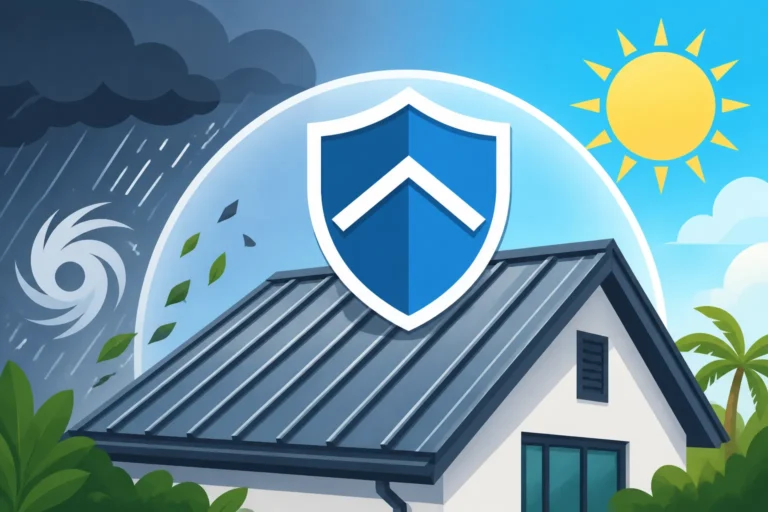
One of the biggest worries for any homeowner, especially in areas prone to wild weather, is whether their roof can truly stand up to nature's fury. We’ve all seen the devastating images after a hurricane or severe storm: houses stripped of their roofing, leaving homes exposed and vulnerable. It's a gut-wrenching sight, and it leads to a very real question: just how much wind can my roof handle? This guide is going to walk you through everything you need to know about metal roof wind ratings, helping you understand what those numbers mean and how to choose a roof that offers ultimate peace of mind.
Understanding Metal Roof Wind Ratings and What They Mean
When you're looking into metal roofing, you'll inevitably come across "wind ratings" expressed in miles per hour (MPH). It sounds straightforward, but there's a lot more to it than just a single number. This rating is essentially a promise of how much sustained wind speed your roof system can endure before experiencing significant damage or outright failure.
The Basics: What is a Wind Rating (MPH)?
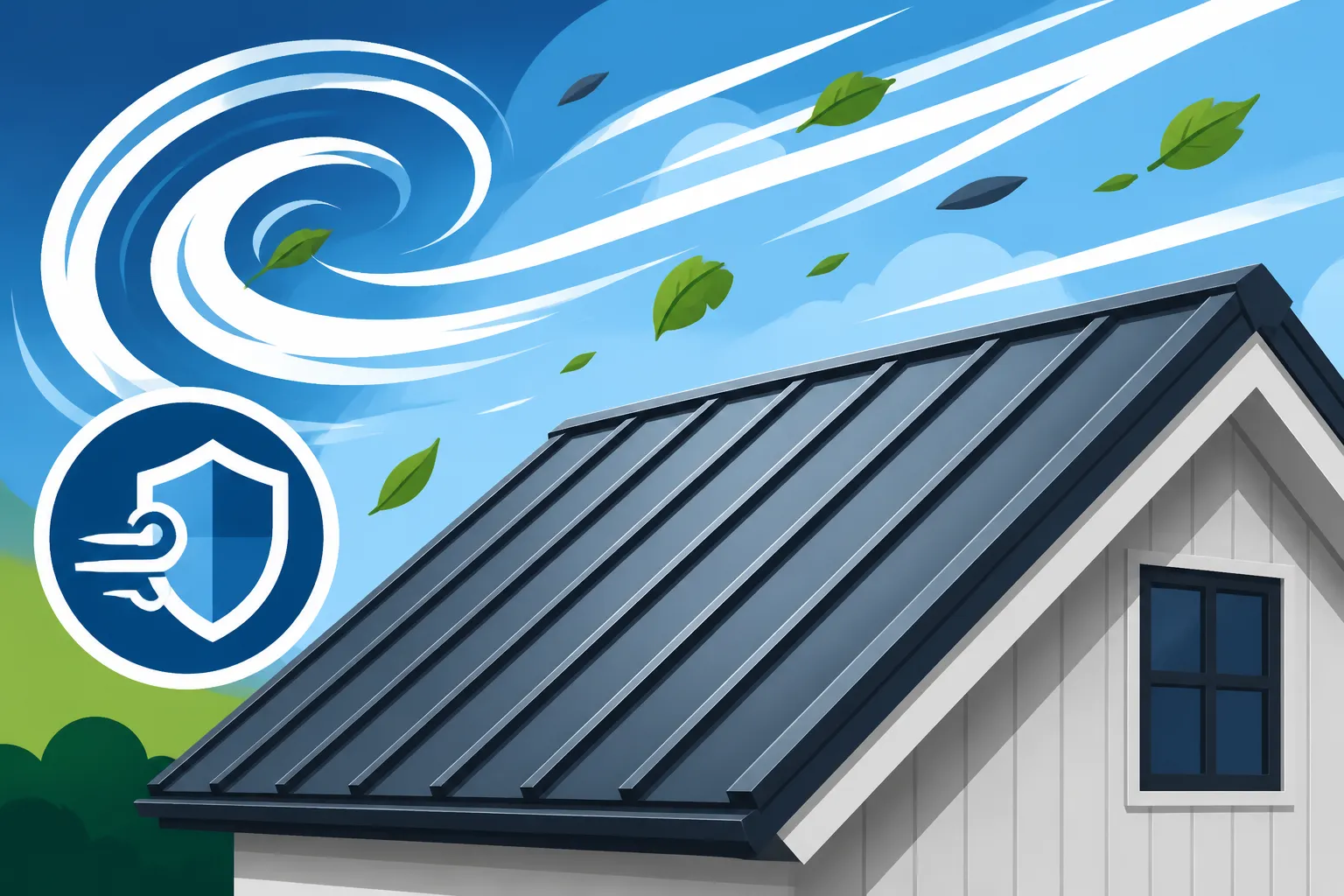
At its core, a metal roof's wind rating, typically measured in MPH, is a performance benchmark. It tells you the maximum wind speed that a particular roofing system, including its panels, fasteners, and installation methods, has been tested and certified to withstand without coming apart or sustaining structural damage. Think of it as a quality assurance stamp for hurricane-force winds. These aren't just arbitrary numbers pulled out of thin air; they're the result of rigorous, often simulated, environmental testing.
These tests involve placing roof panels and their components in specialized wind tunnels or chambers that can replicate extreme wind pressures, uplift forces, and even the scouring effect of wind-driven rain and debris. Engineers meticulously monitor how the roof performs under increasing wind speeds, identifying failure points and ensuring the design meets specific industry standards. It's a comprehensive evaluation, not just a simple measure of how strong the material itself is, but how the entire system functions under duress. A higher MPH rating signifies superior resilience, meaning the roof can better resist the upward suction of wind that tries to peel panels off, as well as the lateral forces that can cause panels to buckle or tear.
Why Wind Ratings Are Crucial for Homeowners
For homeowners, especially those living in coastal areas, tornado alley, or regions with frequent high winds, understanding and prioritizing wind ratings is absolutely paramount. Your roof is the primary shield protecting your home and everything inside it. A roof with an inadequate wind rating in a high-risk area is like trying to stop a bullet with a paper shield – it's just not going to cut it. The peace of mind that comes with knowing your roof can weather a severe storm is invaluable.
Beyond immediate protection, there are significant financial implications. A roof that fails in a storm leads to extensive damage, not just to the roof itself, but potentially to the interior of your home, personal belongings, and even the structural integrity of your house. The cost of repairs, insurance deductibles, and temporary housing can be astronomical. Moreover, in many areas, a robust wind-rated roof can even qualify you for significant homeowners insurance discounts, making it a smart long-term investment. With climate patterns shifting and severe weather events becoming more common, investing in a high-wind-rated metal roof is increasingly becoming a necessity rather than a luxury.
Different Testing Standards and Organizations
Navigating the world of wind ratings can feel a bit like deciphering a secret code, as various organizations and testing standards contribute to a roof's overall wind resistance profile. Key players in setting these standards include Underwriters Laboratories (UL), Factory Mutual (FM Global), and the American Society for Testing and Materials (ASTM). Each brings a slightly different focus to the table, but all aim to ensure roofing products can withstand the elements.
For instance, UL standards, such as UL 580, specifically evaluate the uplift resistance of roofing systems under varying pressures. UL 2218, on the other hand, focuses on impact resistance, which is crucial for protecting against wind-driven debris. FM Global, often associated with commercial and industrial properties, has extremely stringent testing protocols (like FM 4471) that are increasingly being adopted for residential applications, particularly in high-velocity hurricane zones (HVHZ). ASTM standards, like ASTM E1592, also provide rigorous testing methods for uniform static and cyclic pressure performance. On top of these national standards, many local building codes, especially in regions like Florida, have their own enhanced requirements, such as the Miami-Dade Notice of Acceptance (NOA) program, which are among the most demanding in the country. A reputable contractor should be well-versed in these local and national standards and be able to provide products that meet or exceed them for your specific location.
Factors Influencing a Metal Roof's Wind Resistance
It's easy to think of a metal roof's wind resistance as solely dependent on the panel itself, but it's much more complex. A robust wind rating is the sum of many parts, working together to create a resilient system. Understanding these contributing factors is key to choosing the right roof.
Material and Gauge of Metal Panels
The very foundation of a metal roof's strength lies in the material it's made from and its thickness, or "gauge." Different metals possess inherent strengths and characteristics that dictate their performance under wind load. Steel, particularly galvanized or Galvalume steel, is widely regarded for its exceptional strength-to-weight ratio and is a popular choice for high-wind areas. Aluminum, while lighter and highly corrosion-resistant, might require a thicker gauge to achieve the same structural rigidity as steel. Copper and zinc, while beautiful and durable, are often thicker and inherently strong, but their higher cost typically reserves them for specialty applications.
Beyond the type of metal, the gauge plays a critical role. In roofing, the lower the gauge number, the thicker the metal. So, a 24-gauge steel panel is thicker and inherently stronger than a 26-gauge panel. Thicker panels are less prone to bending, denting, or tearing under extreme wind pressure and uplift forces. While a 26-gauge or 29-gauge metal roof might be suitable for moderate climates, homes in areas susceptible to hurricanes or intense storms often benefit significantly from 24-gauge or even 22-gauge steel or aluminum panels. It's a direct correlation: more material generally equates to greater resistance. You can learn more about the differences in thickness and cost in our guide on 24 vs 26 Gauge Metal Roof: Cost Difference.
Profile and Fastening Systems
Perhaps one of the most significant factors influencing a metal roof's wind rating is its panel profile and, crucially, how those panels are fastened to the roof deck. There's a world of difference between a hidden fastener system and an exposed fastener system when it comes to battling high winds. Exposed fastener systems, like corrugated or R-panel roofs, have screws driven directly through the panel and into the purlins or roof deck, with the screw heads visible on the surface. While cost-effective and easy to install, these fasteners are points of vulnerability. The wind can catch the edges of the panels, and the constant stress can eventually loosen or strip the screws, especially as the rubber washers degrade over time, leading to panel detachment.
In contrast, standing seam metal roofs utilize a hidden fastener system where the panels are attached to the roof deck with clips, and then the seams are mechanically seamed or snapped together, concealing the fasteners. This design presents a smooth, uninterrupted surface to the wind, drastically reducing the chances of wind "catching" an edge and prying a panel loose. The interlocking nature of standing seam panels also creates a monolithic system that distributes wind uplift forces more effectively across the entire roof structure. This makes standing seam systems inherently superior in high-wind performance compared to their exposed fastener counterparts. For a deeper dive into the structural differences, check out our comparison of Standing Seam vs Corrugated Metal Roof.
Roof Structure, Pitch, and Installation Quality
Even with the strongest metal and the best panel profile, a roof is only as good as the structure it sits on and the quality of its installation. The underlying roof deck and framing system play a crucial role in transferring wind loads safely to the rest of the house. A weak or improperly secured deck can negate the benefits of even the highest-rated metal panels. Additionally, the pitch of your roof can influence how wind interacts with it. While flatter roofs generally experience less direct uplift, strong winds can still create significant pressure differentials. Steeper roofs, while often shedding water efficiently, can create greater surface areas for wind to grab hold, particularly on the windward side, increasing uplift potential.
However, the single most critical factor, often overlooked until it's too late, is the quality of the installation. A perfectly manufactured, high-wind-rated metal roof can fail miserably if installed by an inexperienced or negligent contractor. This includes using the correct type and number of fasteners, adhering to manufacturer-specified panel overlaps and seam engagement, and ensuring all flashing and trim pieces are meticulously secured. An improper installation can create weak points where wind can infiltrate, leading to catastrophic failure. This is why working with manufacturer-certified installers is so important, as they have received specific training on best practices for that particular roofing system. You can explore this further in our article on Manufacturer-Certified Metal Roof Installers Explained.
Typical Metal Roof Wind Ratings and What to Expect
So, what kind of wind rating should you realistically expect from a metal roof? And how do those numbers stack up against the forces of nature? Let's break down the typical ranges and what they mean for your home.
Common Wind Rating Ranges for Residential Metal Roofs
For most residential metal roofs, you'll generally find wind ratings that fall within a robust range, far exceeding what many traditional asphalt shingle roofs can offer. Exposed fastener systems, like those using ribbed panels or corrugated profiles, typically achieve wind ratings from around 90 MPH to 120 MPH. These are generally adequate for areas with moderate wind exposure and standard building code requirements. However, when you step up to premium standing seam metal roofs, the ratings jump significantly.
It's not uncommon to see standing seam systems rated for 130 MPH, 150 MPH, or even upwards of 180 MPH. These higher ratings are a testament to their interlocking design and hidden fastener system, which provides superior uplift resistance. These systems are specifically engineered to withstand the most severe wind events, making them an excellent choice for regions prone to hurricanes or strong frontal systems. While minimum building codes might only require a roof to withstand 90-110 MPH, many homeowners wisely choose to exceed these minimums to gain a greater margin of safety and long-term durability, especially when considering the longevity of a metal roof.
Meeting Specific Building Codes and High-Wind Zone Requirements
If you live in a high-wind zone, particularly along coastal areas prone to hurricanes, meeting or exceeding specific building codes isn't just a suggestion—it's a legal requirement and an absolute necessity for your family's safety and your home's integrity. Regions like Florida, especially the High Velocity Hurricane Zones (HVHZ) such as Miami-Dade and Broward counties, have some of the most stringent roofing codes in the entire country. Here, products must undergo extreme testing, often including missile impact tests simulating flying debris and cyclic pressure tests that mimic the pushing and pulling forces of hurricane-force winds.
To be approved for installation in an HVHZ, a metal roofing system typically needs a Notice of Acceptance (NOA) from Miami-Dade County or a Florida Product Approval. These approvals certify that the product has met or exceeded the rigorous demands of the Florida Building Code, which often requires resistance to sustained winds well over 150 MPH, sometimes reaching up to 180 MPH or more. Similar stringent requirements exist in other high-risk areas along the Gulf Coast and Atlantic Seaboard, and in tornado-prone regions. Always consult your local building department to understand the exact wind load requirements for your specific address. Our detailed article on Florida Metal Roof Codes: FBC, HVHZ & Approvals provides an excellent resource for those in the Sunshine State.
How Wind Ratings Translate to Real-World Storms
Translating an MPH wind rating into real-world storm scenarios helps put the numbers into perspective. The Saffir-Simpson Hurricane Wind Scale classifies hurricanes by their sustained wind speeds, providing a clear benchmark:
- Category 1: 74-95 MPH (Very dangerous winds will produce some damage)
- Category 2: 96-110 MPH (Extremely dangerous winds will cause extensive damage)
- Category 3: 111-129 MPH (Devastating damage will occur)
- Category 4: 130-156 MPH (Catastrophic damage will occur)
- Category 5: 157 MPH or higher (Catastrophic damage will occur)
So, if you have a metal roof rated for 130 MPH, it's designed to withstand the sustained winds of a Category 3 hurricane, and potentially even hold up through the lower end of a Category 4. A roof rated for 160 MPH would give you a strong chance of surviving a Category 4 and even a Category 5 hurricane's sustained winds. It's important to remember that these ratings are for sustained winds, and while they generally account for typical gusts, extreme, isolated gusts or the impact of heavy wind-borne debris can still cause localized damage, even to highly rated roofs. However, a higher-rated metal roof significantly increases your home's overall resilience against most severe weather events compared to conventional roofing materials.
Choosing the Right Wind-Resistant Metal Roof for Your Home
Selecting a metal roof isn't just about aesthetics or initial cost; it's about investing in long-term protection. When it comes to wind resistance, a thoughtful approach can save you immeasurable stress and expense down the line.
Assessing Your Local Wind Risk and Climate
Before you even start looking at specific metal roofing products, the very first step is to thoroughly assess your local wind risk. This isn't a "one size fits all" situation. A home in a sheltered, inland valley will have vastly different needs than one perched directly on the coast or in a notorious tornado alley. Take the time to research historical weather patterns for your specific area. Are you in a designated hurricane evacuation zone? Does your region experience frequent severe thunderstorms with damaging straight-line winds? The National Oceanic and Atmospheric Administration (NOAA) provides excellent resources, including historical hurricane tracks and tornado maps, that can help you understand your risk profile.
Additionally, don't forget about local building departments. They can provide crucial information on required wind load specifications for new construction and roof replacements in your jurisdiction. Some areas might even have microclimates that influence wind exposure; for example, a home on a hill might experience higher wind speeds than one nestled among trees, even within the same town. Knowing your specific exposure will allow you to make an informed decision and not under-spec your roof, potentially saving you from future headaches and costly repairs.
Consulting with Experienced Metal Roofing Professionals
Once you have a good grasp of your local wind risk, the next critical step is to engage with experienced metal roofing professionals. This isn't the time to hire just any roofer; you need someone who truly understands the nuances of metal roof installation, especially in high-wind applications. Start by looking for contractors with a strong track record of installing metal roofs in your climate zone. They should be well-versed in local building codes, regional wind load requirements, and the best practices for securing metal panels against extreme forces. A reputable contractor will not only recommend appropriate materials and panel profiles but also explain the fastening systems, flashing details, and underlayment options that contribute to superior wind resistance.
Don't be shy about asking tough questions. Inquire about their experience with standing seam or other high-wind-rated systems, their crew's training, and how they ensure installations meet manufacturer specifications for wind performance. You'll find a lot of useful guidance in our article on How to Hire a Metal Roofing Contractor. Always get multiple quotes and compare them thoroughly. It's not just about the bottom line; it's about the value and confidence you get from their expertise. Our guide on Questions to Ask a Metal Roofing Contractor Before You Hire can help you prepare for these conversations.
Reviewing Product Specifications and Warranties
When you're making such a significant investment, it's absolutely vital to dive into the nitty-gritty details of the product specifications and, critically, the warranty. Don't just take the contractor's word for it; ask to see the manufacturer's official data sheets for the specific metal roofing system they are proposing. These documents will clearly outline the panel gauge, material composition, paint finish specifications, and, most importantly, the tested wind uplift ratings (often referencing UL 580, ASTM E1592, or FM 4471 standards). This is where you confirm that the proposed roof meets or exceeds the wind load requirements for your area.
Equally important is a thorough review of the metal roof warranty. Pay close attention to how the manufacturer's warranty addresses wind damage. Does it cover only complete failure of the system, or does it also include cosmetic damage (like severe denting or scratching) from wind-borne debris? Understand the distinction between a manufacturer's material warranty and the contractor's workmanship warranty, as both are crucial. Some warranties might be voided if the roof is not installed by a manufacturer-certified contractor. Our article on Metal Roof Warranties: Workmanship vs Manufacturer can help you navigate these important distinctions and ensure you're fully protected.
Here's a quick overview of typical wind ratings for common metal roof types:
| Metal Roof Profile Type | Fastener Type | Typical Wind Rating (MPH) | Key Characteristics for Wind Resistance |
|---|---|---|---|
| Standing Seam | Hidden | 130 – 180+ | Mechanically seamed or snap-lock panels, fewer exposed components, excellent uplift resistance, monolithic structure. |
| Stone-Coated Steel Shingles | Hidden/Exposed | 120 – 150+ | Interlocking design, smaller panel size, often tested for hail and high winds, but installation is key. |
| Metal Shingles/Tiles | Hidden/Exposed | 110 – 140+ | Smaller, interlocking units, good for moderate to high winds, dependent on specific design and fastening. |
| R-Panel/Ribbed Panel | Exposed | 90 – 120 | Screws are visible, more vulnerable to uplift at fasteners, suitable for moderate winds, easier installation. |
| Corrugated Metal | Exposed | 80 – 110 | Similar to R-panel, exposed fasteners are primary vulnerability, often used for outbuildings or lighter applications. |
Note: These are typical ranges. Actual ratings depend on specific manufacturer, gauge, material, and installation method.
Maximizing Your Metal Roof's Wind Performance
Even after selecting a high-rated metal roof, there are additional steps you can take to ensure it performs optimally and provides the maximum possible protection against high winds.
Beyond the Panels: Importance of Accessories and Flashing
While the panels themselves are the stars of the show, a metal roof's true wind resistance is a symphony of components working in harmony. The accessories and flashing—the unsung heroes of roofing—are absolutely critical in preventing wind infiltration and uplift. Drip edges, gable trims, ridge caps, and eave closures might seem like minor details, but they are often the first points of attack for high winds. If these components are not meticulously installed and robustly secured, wind can easily get underneath them, creating an enormous uplift force that can peel entire sections of the roof away.
Proper flashing around chimneys, skylights, vents, and other roof penetrations is also paramount. These are inherent weak points where wind-driven rain can leak in, and where wind can exploit gaps. High-quality, properly installed metal flashing, sealed with durable sealants, creates a continuous barrier against wind and water. Skimping on these details or using inadequate materials can severely compromise the entire roof system's wind performance, even if the main panels are rated for extreme conditions. Don't underestimate the role of these peripheral elements; they are essential to the overall integrity and wind resistance of your roof. Our article on Metal Roof Trim and Flashing Cost offers more insights into these vital components.
Regular Maintenance and Inspections
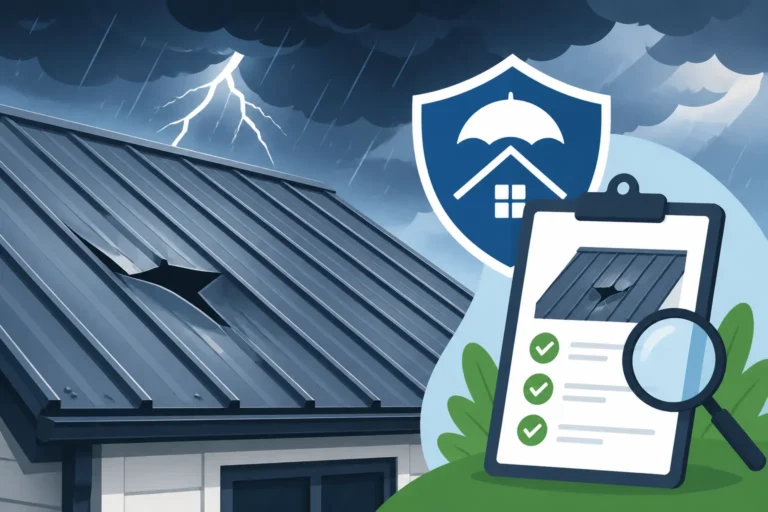
Even the most robust, wind-rated metal roof isn't completely maintenance-free, and regular care is essential to ensure its long-term performance, especially against future wind events. Over time, fasteners can loosen, sealants can degrade, or minor damage can occur from falling branches or errant debris. A loose screw or a small dent might seem insignificant, but it can become an Achilles' heel in a high-wind scenario, providing an entry point for wind to get underneath a panel and initiate a larger failure.
It’s a good practice to perform a visual inspection of your roof from the ground (or safely from a ladder) at least once a year, and certainly after any significant storm. Look for anything out of the ordinary: lifted panel edges, loose or missing fasteners, damaged flashing, or signs of rust beginning to form. Addressing these minor issues promptly prevents them from escalating into major vulnerabilities. Consider hiring a professional roofing inspector every few years, especially if your roof is older or your area experiences frequent severe weather. They can spot issues that might not be obvious to an untrained eye. Proactive maintenance is your best defense against unexpected wind damage. For a comprehensive guide on upkeep, refer to our Metal Roof Maintenance Guide.
Insurance and Wind Mitigation Credits
One of the fantastic benefits of installing a high-wind-rated metal roof is the potential for significant savings on your homeowners insurance premiums. Insurance companies recognize that homes with more resilient roofs pose a lower risk of damage, particularly in storm-prone regions. Many insurers offer special discounts or credits for "wind mitigation" features, and a metal roof that meets or exceeds certain wind rating standards often qualifies.
To take advantage of these savings, you'll typically need a wind mitigation inspection performed by a certified inspector. This inspection evaluates your home's various wind-resistant features, including your roof's material, its fastening methods, the presence of secondary water resistance, and overall structural reinforcement like hurricane clips. The inspector will generate a report that your insurance company can then use to calculate potential discounts. In some states, like Florida, these discounts can be quite substantial, making the initial investment in a high-quality metal roof even more financially attractive over its lifespan. Don't forget to inquire about these potential savings when discussing your roofing project with your contractor and insurance provider. Our guides on Metal Roof Insurance Savings & Discounts and Wind Mitigation and Roof Premium Credits can help you maximize these benefits.
Disclaimer
Please remember that the information provided in this guide is for general informational purposes only and should not be considered professional advice. Building codes, weather patterns, and product specifications can vary significantly by location and over time. Always consult with a qualified, licensed, and insured local metal roofing contractor and your local building department to determine the specific requirements and best solutions for your property. Additionally, always review manufacturer specifications and warranties carefully.