Does a Metal Roof Lower Home Insurance Premiums?
One of the biggest concerns for homeowners, beyond the initial investment of a new roof, is how it will impact their ongoing expenses, especially something as significant as home insurance premiums. It's easy to assume that a more durable, long-lasting roof would automatically translate to lower costs, but the reality can be a bit more nuanced and depend heavily on where you live and your specific insurance provider. This comprehensive guide will walk you through the ins and outs of how a metal roof can affect your home insurance, helping you understand the potential savings and what steps you can take to secure them.
Why Metal Roofs Are Different and Safer
It’s no secret that metal roofs have gained immense popularity over the last couple of decades, and for good reason. They're not just a modern aesthetic choice; they offer a level of protection and longevity that traditional asphalt shingles simply can't match. Insurance companies, being in the business of assessing risk, recognize these inherent advantages, which often translates into better rates for homeowners.
Superior Durability and Longevity
Think about it: a metal roof is designed to last anywhere from 40 to 70 years, sometimes even longer, which is easily two to three times the lifespan of a typical asphalt shingle roof. This isn't just a marketing claim; it's a testament to the materials and engineering involved. They're crafted from robust metals like steel, aluminum, copper, or zinc, each bringing its own set of strengths to the table. When you invest in a material that stands the test of time, you're inherently reducing the frequency of roof replacements and major repairs, which is a big deal to insurers.
From the insurer's perspective, a roof that doesn't need replacing every 15-20 years means fewer potential claims due to aging, deterioration, or minor damage. This long-term resilience offers a stability that appeals directly to their risk models. While the upfront cost of a metal roof can be higher than other materials, the long-term value and reduced risk profile often offset that initial investment. For more details on this, you might find our article on Metal Roof Cost vs Lifespan Value insightful.
Fire and Wind Resistance Ratings
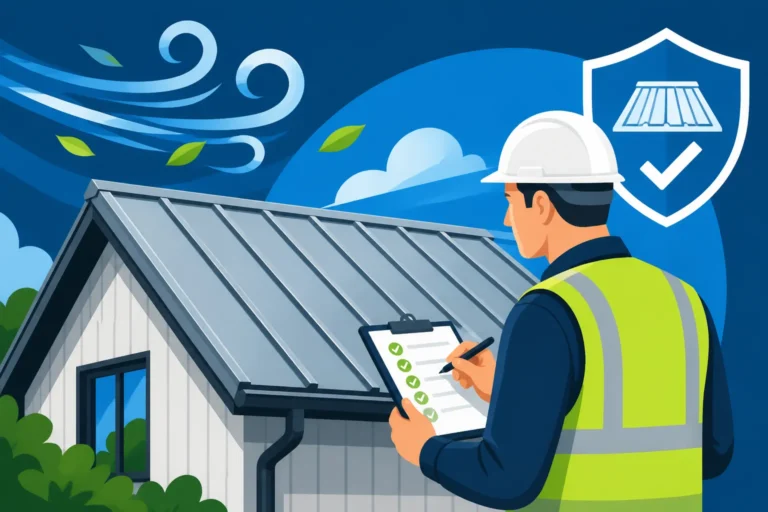
This is where metal roofs truly shine in the eyes of insurance companies. Most metal roofing materials receive a Class A fire rating, which is the highest possible. This means they are non-combustible and won't ignite from airborne embers or external flame sources, a critical factor in areas prone to wildfires or even just dense neighborhoods where a house fire could quickly spread. Imagine the peace of mind knowing your roof won't be a fuel source in an emergency.
Beyond fire, metal roofs are champions against high winds. Properly installed metal roofs can withstand wind gusts of up to 140-160 miles per hour, often even higher, depending on the panel system and fastening method. This is significantly better than asphalt shingles, which are much more prone to uplift and tearing off in severe storms. In coastal regions or areas known for tornadoes and hurricanes, this wind resistance isn't just a bonus; it's a life-saver for your home and a huge reduction in risk for insurance providers. Many metal roofing systems are tested to meet stringent wind uplift standards, often earning high ratings from organizations like UL and FM Global. Our guide on Metal Roof Wind and Fire Ratings Explained delves deeper into these critical safety aspects.
Specific Factors Influencing Insurance Discounts
While the inherent durability of metal roofs is a major plus, insurance discounts aren't just handed out blindly. There are very specific features and certifications that insurance companies look for. Understanding these factors can help you pinpoint exactly where your savings might come from and what information to provide to your insurer.
Hail and Impact Resistance
Hailstorms are a menace to traditional roofing materials, causing significant damage that often leads to expensive insurance claims. Metal roofs, however, offer a remarkable level of resistance to impact damage from hail. While not entirely impervious, especially to very large hail, they typically perform far better than asphalt shingles. Many metal roofing systems, particularly stone-coated steel or thicker gauge standing seam panels, achieve a Class 4 impact resistance rating. This is the highest rating available and means the roof can withstand the impact of a 2-inch steel ball dropped from 20 feet without cracking or puncturing.
For homeowners in regions frequently battered by hailstorms, such as parts of Texas, Oklahoma, Colorado, or the Midwest, a Class 4 rated metal roof can be a game-changer for insurance premiums. Insurers recognize that a roof less susceptible to hail damage means fewer claims, leading to potential discounts on your policy. If you're comparing options, consider how a Stone-Coated Steel Roof Cost might factor into these savings. These systems are specifically designed to minimize visible damage and maintain structural integrity against impacts.
Wind Mitigation Credits and Inspections
This is arguably one of the most significant avenues for savings, especially in hurricane-prone states like Florida or coastal areas along the Gulf Coast and Eastern Seaboard. Wind mitigation is the process of adding features to your home that reduce the risk of damage from high winds. A metal roof often qualifies for substantial wind mitigation credits because of its superior attachment methods and resistance to uplift.
To qualify for these credits, you'll typically need a certified wind mitigation inspection. During this inspection, a qualified professional assesses various features of your home, including your roof's covering, its attachment to the deck, and the connection of the roof deck to the walls. For metal roofs, inspectors look at how the panels are fastened and the overall strength of the system. In Florida, for instance, a metal roof that meets specific wind-resistant criteria can lead to significant reductions in your windstorm portion of your homeowners insurance. Understanding Wind Mitigation and Roof Premium Credits is crucial for maximizing these benefits.
Energy Efficiency and Green Building
While not as common or as large as wind or hail discounts, some insurance providers, particularly those focusing on eco-friendly initiatives, may offer minor discounts for energy-efficient or "green" homes. Metal roofs contribute to energy efficiency primarily through their reflective properties. Many metal panels come with cool roof coatings that reflect solar radiant heat, preventing it from penetrating your attic and home. This can significantly reduce cooling costs in warmer climates.
While the primary benefit here is usually lower utility bills, some niche insurance products or providers might offer a small incentive for homes that demonstrate superior energy performance or utilize sustainable materials. This is less about preventing claims and more about aligning with broader environmental goals, but it's worth inquiring about, especially if your metal roof has a highly reflective coating like those with ENERGY STAR certification.
Navigating Insurance Policies and Claims
Dealing with insurance companies can sometimes feel like a full-time job. It’s a dense landscape of jargon, exclusions, and fine print. When you're considering a metal roof specifically for its potential insurance benefits, it's vital to know how to effectively communicate with your provider and what to look for in your policy.
Understanding Your Current Policy
Before you even think about installing a new roof, take the time to thoroughly review your existing homeowners insurance policy. Pay close attention to the "declarations page" which summarizes your coverage, deductibles, and any specific endorsements or exclusions. Look for sections related to roof coverage, wind damage, hail damage, and materials. Some older policies might have clauses that treat certain types of roofing materials differently, or they might have specific deductibles for wind or hail events.
It's also a good idea to understand your current roof's replacement cost value (RCV) versus actual cash value (ACV). If your current policy only covers ACV, you might receive less for a claim, as depreciation is factored in. Knowing these details upfront will give you a baseline for comparison when you start discussing a metal roof with your insurer and help you understand how your new, more durable roof might change your coverage options. You can often find some valuable insights on Metal Roof Insurance Savings & Discounts within your policy's terms.
Getting New Quotes and Comparing Offers
Once you've done your homework on your existing policy and decided that a metal roof is the right choice for you, don't just stick with your current insurer. This is the perfect opportunity to shop around. Contact multiple insurance providers and make sure to explicitly mention that you are installing a metal roof, highlighting its specific benefits like Class 4 impact resistance or high wind ratings. Provide them with details about the type of metal roof you're getting, the gauge, the profile (e.g., standing seam, stone-coated steel), and any relevant certifications.
Don't be afraid to ask direct questions like, "What discounts do you offer for metal roofs?" or "Do you have specific credits for Class 4 impact-resistant roofs or wind mitigation?" Some insurers are more proactive in offering discounts for these advanced materials than others. Comparing quotes from several companies is the best way to ensure you're getting the most competitive rate and the maximum possible savings. Our article on How to Read and Compare Metal Roof Quotes can help you organize the information you receive.
The Role of the Wind Mitigation Inspection
As mentioned before, a wind mitigation inspection is a key factor, especially in areas prone to hurricanes and strong winds. It’s not just about the roof itself, but how well it’s integrated with the rest of your home’s structure. These inspections are typically performed by licensed general contractors, building inspectors, or professional engineers. They'll issue a Uniform Mitigation Verification Inspection Form (e.g., OIR-B1-1802 in Florida) that details your home's wind-resistant features.
This report is then submitted to your insurance company. Based on the findings, your insurer will apply appropriate discounts, particularly to the windstorm portion of your premium. It's important to ensure your metal roof installation includes the necessary hurricane straps, secondary water resistance, and robust fastening methods to score highly on this inspection. A well-executed installation can maximize your wind mitigation credits. For example, specific requirements apply in states with stringent building codes, which are detailed in guides like Florida Metal Roof Codes: FBC, HVHZ & Approvals.
Real-World Examples and Regional Differences
The impact a metal roof has on your insurance premiums isn't universal. It's heavily influenced by your geographic location, the specific perils prevalent in that region, and how state regulations and insurance companies respond to those risks. What might be a huge saving in one state could be a modest discount in another.
Coastal and Hurricane-Prone Areas
In regions like Florida, the Gulf Coast, or the Outer Banks of North Carolina, where hurricanes are a recurring threat, metal roofs are highly valued by insurers. The superior wind resistance of systems like standing seam metal roofs can lead to substantial discounts, sometimes as much as 30-40% on the wind portion of your premium. States in these zones often have specific building codes and requirements, such as the Florida Building Code (FBC) or the Miami-Dade NOA (Notice of Acceptance), which metal roofs are designed to meet or exceed.
Insurance companies in these areas are acutely aware of the devastating costs associated with hurricane damage. A roof that can stay intact during a major storm means fewer catastrophic claims for them. For homeowners, this translates into real money back in their pockets. Furthermore, some insurance providers might even require a certain level of roof resilience to offer coverage at all in high-risk zones. Understanding the Hurricane and Coastal Metal Roof Requirements is crucial if you live in these areas.
Hail-Prone Regions
Midwestern states, the Plains, and parts of the Rocky Mountain region frequently experience severe hailstorms. For homeowners in places like Oklahoma City, Denver, or Kansas City, hail damage is a constant concern. Here, the Class 4 impact resistance of metal roofs, particularly stone-coated steel or heavier gauge steel panels, becomes the star feature for insurance savings.
Many insurance companies offer specific "impact-resistant roof" discounts that can range from 10% to 30% or more on the total premium. This discount is a direct reflection of the reduced risk of costly hail damage claims. If your area sees frequent hailstorms, the investment in a metal roof with a Class 4 rating pays dividends not just in peace of mind but in tangible insurance savings year after year. Our guide on Class 4 Impact-Resistant Roof Insurance Discount elaborates on how to qualify for these significant savings.
Fire-Prone Regions
States like California, especially in areas bordering wildlands, face a different but equally destructive threat: wildfires. Here, the non-combustible nature of metal roofs (Class A fire rating) is a huge asset. While specific fire-related insurance discounts for roofing materials might not be as universally standardized as wind or hail credits, having a highly fire-resistant roof can still be beneficial.
Some insurers might offer discounts, or at the very least, it can make your home more insurable in high-risk fire zones where obtaining coverage can be challenging. Many building codes in these regions, such as those in California's Wildland-Urban Interface (WUI) areas, mandate specific fire-resistant construction materials, and metal roofs easily meet these standards. The long-term safety benefit against fire is invaluable, and it certainly weighs positively in an insurer's risk assessment, even if a direct, explicit discount isn't always publicized.
Maximizing Your Savings with a Metal Roof
Getting a metal roof isn't just about the installation; it's about making smart choices every step of the way to ensure you reap all the financial benefits, especially when it comes to your insurance premiums. It requires a bit of research, careful contractor selection, and diligent documentation.
Choosing the Right Metal Roof System
Not all metal roofs are created equal when it comes to insurance benefits. While all metal roofs generally offer superior performance compared to asphalt shingles, specific types and features can unlock greater discounts. For instance, a hidden fastener system like a standing seam metal roof typically offers better wind resistance than an exposed fastener system like corrugated metal. Likewise, a thicker gauge metal (e.g., 24-gauge steel) will often provide better impact resistance than a thinner one (e.g., 29-gauge).
When you're making your selection, ask your contractor about the wind uplift ratings, impact resistance class (Class 4 is best for hail), and fire rating (Class A is best for fire) of the specific system you're considering. These details are what your insurance company will look for. Investing a little more in a system with higher ratings can often lead to greater, long-term insurance savings. Our guide on Metal Roofing Types Explained: Profiles & Panels can help you understand these differences in detail.
Working with Certified Installers
The quality of the installation is just as important as the quality of the material itself. Even the best metal roof won't perform optimally or secure the best insurance rates if it's not installed correctly. Insurance companies know this, and a properly installed roof by a reputable, experienced contractor minimizes the risk of installation-related failures and subsequent claims.
Always choose a contractor who specializes in metal roofing and has a proven track record. Look for installers who are certified by the metal roof manufacturer; this often means they've undergone specific training and adhere to strict installation guidelines. A manufacturer-certified installer can provide documentation of proper installation, which may be required by some insurers for specific discounts or warranty validation. This also ensures your Metal Roof Warranties: Workmanship vs Manufacturer are fully valid. Finding a qualified professional is critical, and our article on How to Hire a Metal Roofing Contractor offers excellent advice on this front.
Regular Maintenance and Documentation
Even though metal roofs are incredibly low-maintenance, a little bit of care goes a long way in ensuring its longevity and maintaining its insurability. Regularly inspecting your roof for any minor damage, ensuring proper drainage, and keeping gutters clean can prevent small issues from becoming larger, more expensive problems down the line.
Furthermore, keep meticulous records of your roof installation. This includes the contract, invoices, product specifications, warranty documents, and any certifications (like Class 4 impact rating). Take photos during the installation process, especially of key structural components and fastening methods. If you undergo a wind mitigation inspection, keep a copy of that report. This documentation is your proof for the insurance company that you've invested in a premium, high-performance roof, and it can be invaluable if you ever need to file a claim or dispute a premium. A good maintenance routine will also help in avoiding issues that could lead to claims, as discussed in our Metal Roof Maintenance Guide.
| Metal Roof Feature | Typical Insurance Benefit | Impact on Premium | Regions Most Affected |
|---|---|---|---|
| Class 4 Impact Rating | Hail Damage Discount | Moderate to Significant | Midwest, Plains, Rockies |
| High Wind Rating (140+ MPH) | Windstorm Credit / Mitigation | Significant | Coastal, Hurricane Zones |
| Class A Fire Rating | Fire Hazard Reduction | Minor to Moderate | Wildfire-prone Areas |
| Long Lifespan | Reduced Replacement Risk | Minor | All regions |
| Energy Efficiency | Green Home / Energy Credit | Minimal | Warm climates |
| Manufacturer Warranty | Warranty Protection (Reduced Risk) | Indirect Benefit | All regions |
The Bottom Line on Insurance Savings
So, does a metal roof lower home insurance premiums? The short answer is: very often, yes, but it’s not a guarantee and the extent of the savings can vary widely. It’s not just about having a metal roof, but about having the right metal roof installed by the right contractor, and then actively communicating its benefits to your insurance provider.
In most cases, the potential savings come from discounts related to your metal roof's superior resistance to specific perils like wind, hail, and fire. These savings, combined with the long-term durability and reduced maintenance needs of a metal roof, contribute to a stronger return on your investment over time. It’s a smart upgrade that protects your home and often your wallet too, making it well worth the research and effort to secure those valuable insurance discounts.
Disclaimer
Please remember that insurance policies and available discounts can vary significantly based on your location, specific insurer, and the details of your individual policy. This information is intended for general guidance only and does not constitute professional insurance advice. Always consult directly with licensed insurance professionals to understand your specific coverage options and potential premium savings.