How to Maintain a Metal Roof in Louisiana
Living in Louisiana, we absolutely adore our unique charm, the vibrant culture, and those incredible humid days – but let's be honest, that humidity, combined with our intense sun and the ever-present threat of a hurricane, can be a real challenge for something as crucial as your roof. Metal roofs are fantastic for our climate, offering incredible durability and protection, but they aren't entirely set-it-and-forget-it. This guide is dedicated to helping Louisiana homeowners understand the specific demands our environment places on metal roofing and outlining a practical, comprehensive maintenance plan to ensure your investment lasts for decades.
Understanding Louisiana's Climate Impact on Metal Roofs
Louisiana's climate is truly a force to be reckoned with, and it puts a unique strain on every part of your home, especially your roof. While metal roofs are built tough, ignoring the specific challenges our weather presents can shorten their lifespan and lead to costly repairs down the road. It's not just about the occasional big storm; it's the constant, daily grind of heat, humidity, and sun that demands a proactive approach to maintenance.
Humidity and Heat Challenges
The relentless humidity in Louisiana isn't just uncomfortable for us; it's a breeding ground for biological growth on your roof. That constant moisture in the air creates an ideal environment for algae, mildew, and even moss to take root, especially on shaded areas or roofs with a lower pitch. These growths, while often just cosmetic initially, can eventually trap moisture against the roof surface, potentially degrading coatings over time and making your roof look less than pristine.
Then there's the heat. Our summers are brutal, with scorching sun beating down day after day. This intense solar radiation causes metal panels to expand significantly during the day and contract as temperatures drop at night. This thermal expansion and contraction puts immense stress on fasteners, seams, and flashing. Over years, this movement can cause screws to loosen, washers to degrade, and sealant lines to crack, creating potential entry points for water. It also accelerates the fading and chalking of your roof's protective paint system, diminishing its aesthetic appeal and its ability to reflect heat.
Furthermore, prolonged UV exposure can break down the chemical bonds in your roof's protective coatings. While high-quality coatings like PVDF (Kynar 500) are designed to withstand this, even they benefit from regular care. This constant exposure is why even a top-tier metal roof needs vigilant maintenance here, to preserve its integrity and appearance.
Hurricane and Storm Exposure
Living in Louisiana means living with the very real threat of hurricanes and severe thunderstorms. Our metal roofs are undeniably excellent at standing up to these events, often performing far better than traditional asphalt shingles. However, "standing up to" doesn't always mean "completely untouched." High winds, especially those exceeding 100 mph, can test every seam and fastener. While a properly installed metal roof is rated for incredibly high wind speeds, exceptional gusts or sustained high winds can still put stress on the edges, eaves, and ridges, potentially causing minor lifting or loosening of panels.
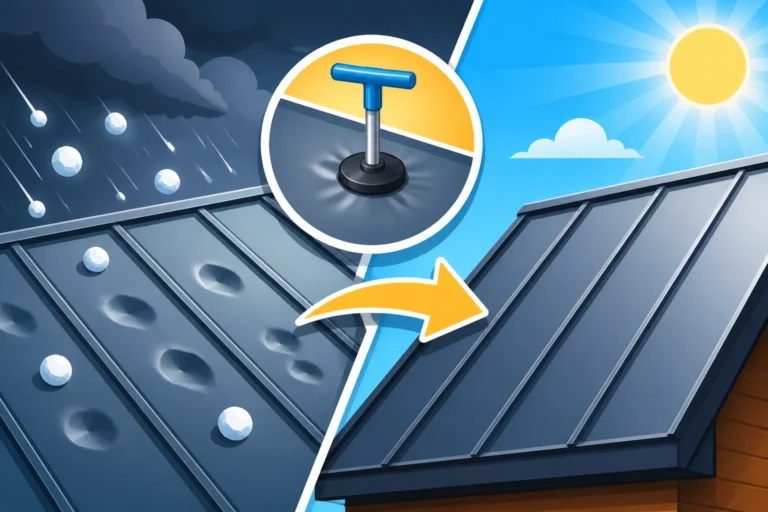
Beyond the wind, there's the issue of flying debris. Trees, fences, and even parts of neighboring structures can become projectiles during a hurricane, leading to dents, scratches, or even punctures in metal panels. Even smaller hailstones from a severe thunderstorm, which are common outside of hurricane season, can cause cosmetic dents or chip the paint coating. These seemingly small damages can compromise the protective finish, exposing the metal underneath to moisture and potentially leading to rust if not addressed promptly.
Heavy rainfall, often accompanying these storms, also plays a role. While metal roofs are excellent at shedding water, any compromise in the roof system – a loose fastener, a cracked sealant, or damaged flashing – becomes a glaring vulnerability. Water can then ingress, leading to leaks, especially around critical points like skylights, chimneys, or vent pipes. In coastal regions, the salt spray carried inland by hurricane winds adds another layer of corrosive challenge, demanding materials and coatings specifically designed to resist it. Understanding the full scope of these threats is the first step in formulating an effective maintenance strategy. To learn more about how metal roofs handle extreme weather, you might want to read our guide on Hurricane and Coastal Metal Roof Requirements.
Essential Routine Maintenance for Louisiana Metal Roofs
Keeping your metal roof in top shape in Louisiana isn't about grand gestures; it's about consistent, diligent routine care. Think of it like taking care of a car in a harsh climate – regular check-ups and preventative measures go a long way in avoiding major breakdowns. By focusing on cleaning, inspecting fasteners, and caring for the coating, you'll tackle most of the unique challenges our state throws at your roof head-on.
Regular Cleaning and Debris Removal
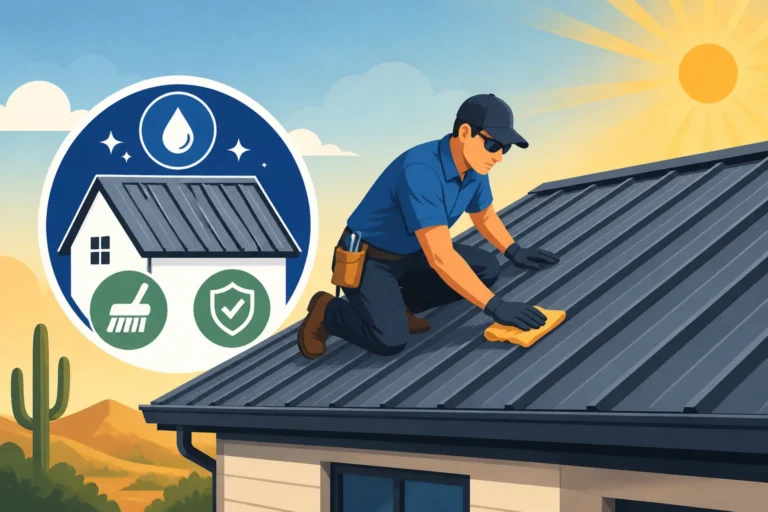
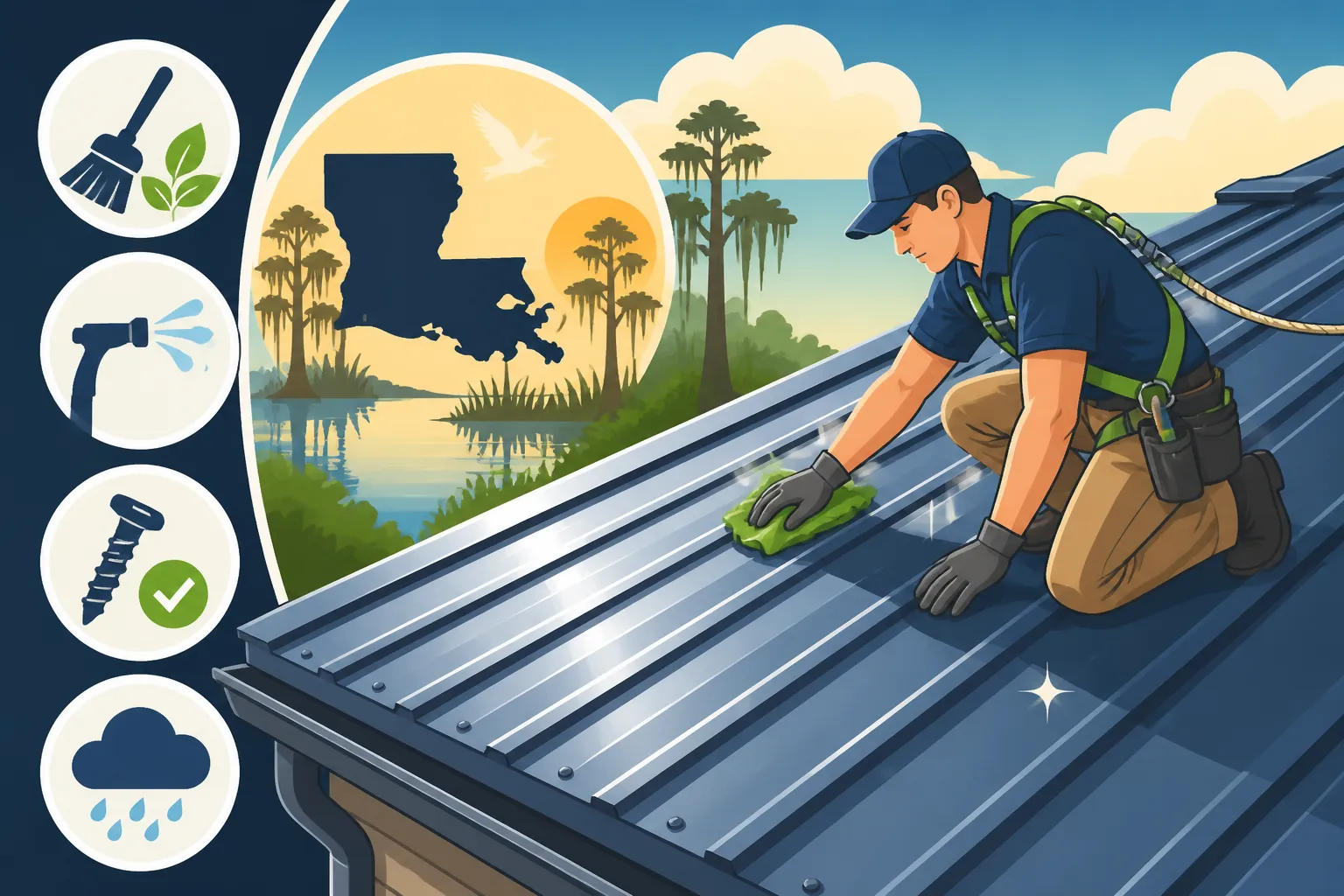
Because of our high humidity, your metal roof in Louisiana is practically a magnet for biological growth. Algae, mildew, and moss can quickly accumulate, especially in shaded areas or during extended periods of dampness. Beyond aesthetics, this growth can trap moisture against the roof surface, potentially accelerating the degradation of your roof's protective coatings over time. A good rule of thumb is to inspect your roof for biological growth and general debris at least twice a year, ideally in spring and fall, and after any major storm.
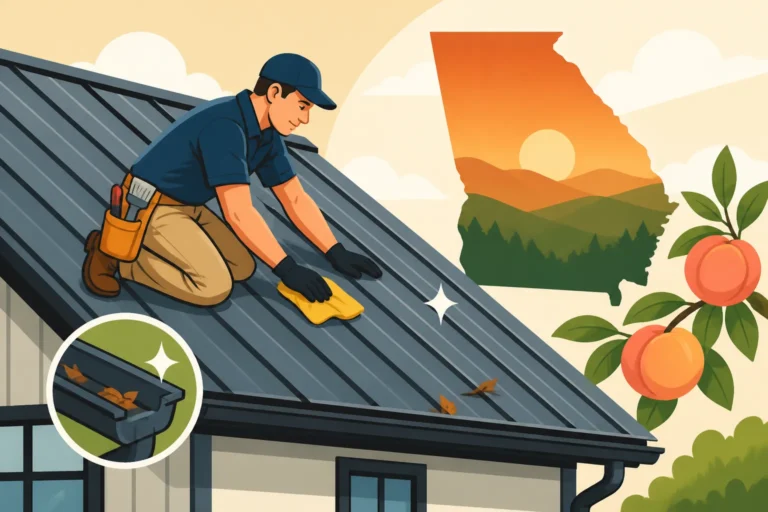
When cleaning, always use a soft-bristle brush, a leaf blower, or a low-pressure power washer. Avoid high-pressure settings, which can damage coatings or force water under panels. For stubborn algae or mildew, a diluted solution of household bleach (typically one part bleach to three parts water) or a commercial roof cleaner specifically designed for metal roofs can be applied. Always rinse thoroughly with clean water afterward to remove all traces of the cleaning solution. Furthermore, ensure your gutters are clear of leaves, twigs, and granules from nearby asphalt shingles. Clogged gutters can cause water to back up onto your roof, leading to pooling, overflow, and potential damage to fascia and soffits. Trimming overhanging tree branches is also a smart move, not only to reduce debris accumulation but also to minimize the risk of impact damage during high winds.
Fastener and Sealant Inspections
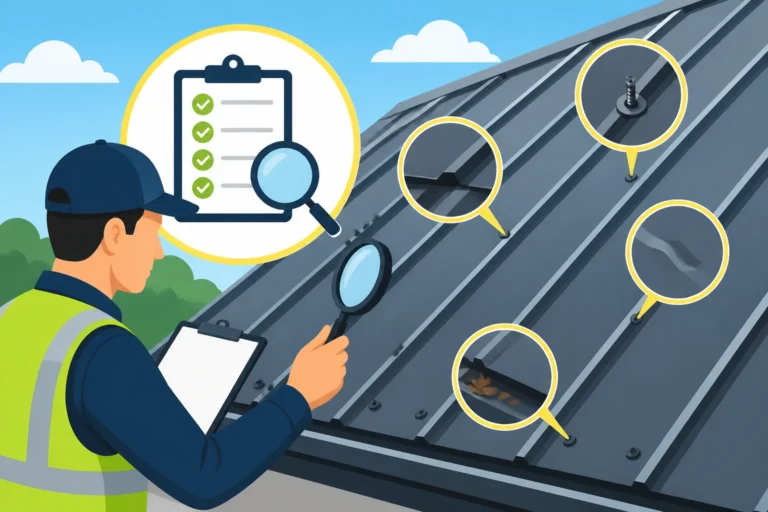
The expansion and contraction of metal panels under Louisiana's intense sun, coupled with the sheer force of our strong winds, makes your roof's fasteners and sealants critical points of inspection. These tiny components are often the first to show signs of wear, and if left unchecked, they are also the most common culprits for leaks. You should conduct a thorough inspection of all exposed fasteners and sealant lines at least once a year, and ideally, after every significant wind event or severe storm.
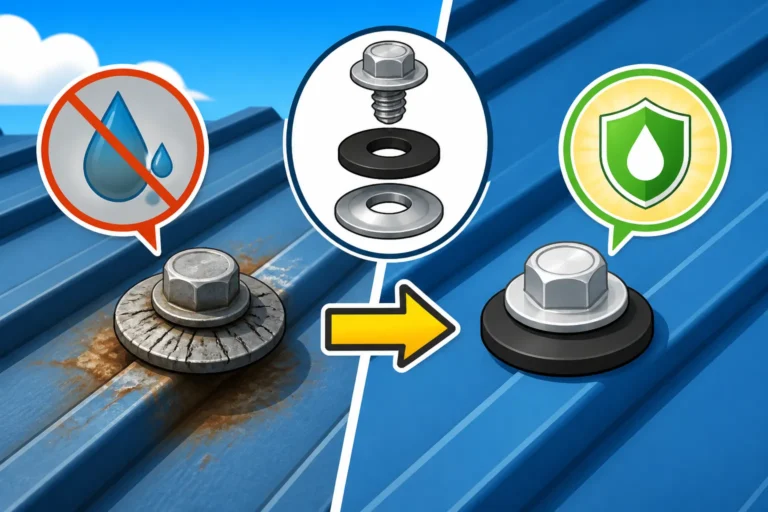
During your inspection, look for any fasteners that appear loose, raised, or have missing or cracked rubber washers. These washers are essential for creating a watertight seal, and their degradation is a primary source of leaks, often seen as streaks running down from screw heads. If you find any compromised fasteners, they should be replaced with new, high-quality roofing screws that have intact, long-lasting EPDM washers. Don't just tighten old, worn screws; a new screw ensures a fresh seal. Pay close attention to areas around penetrations like vent pipes, skylights, and chimneys, as well as along flashing. Look for any sealant that appears cracked, dry, brittle, or has pulled away from the metal surface. These areas should be cleaned and re-sealed with a high-quality, UV-resistant, and flexible sealant specifically designed for metal roofing, such as an architectural-grade urethane or silicone. Neglecting these small details can quickly escalate into a full-blown leak, which can lead to far more extensive and costly interior damage. If you're unsure about how to identify or fix minor issues, our article on Metal Roof Leak Repair Guide can offer further insights.
Coating and Paint System Care
The aesthetic appeal and long-term protection of your metal roof largely depend on its paint system or coating. In Louisiana, these coatings work extra hard to reflect harsh UV rays and resist the constant attack of humidity and biological growth. High-quality coatings, like those made with PVDF (polyvinylidene fluoride) resins, are designed for extreme durability and color retention, but even they benefit from proactive care.
Regular cleaning, as discussed, is a fundamental part of coating care, as it prevents mildew and dirt from embedding into the finish and dulling its appearance. Beyond cleaning, it's important to periodically inspect the coating for any signs of wear, such as excessive chalking (a powdery residue on the surface), fading, or, in rare cases, peeling. While some slight chalking and fading are normal over many years, significant or uneven degradation can indicate a need for professional assessment. If you notice any deep scratches or chips that expose the bare metal underneath, these should be touched up promptly with a compatible touch-up paint supplied by the manufacturer or a specialized metal paint. This prevents rust from forming and spreading. For more comprehensive fading or chalking across the entire roof, a professional recoating might be an option. This process involves thoroughly cleaning, preparing, and applying a new elastomeric coating, which can revitalize your roof's appearance and extend its protective life. This is a specialized job, and selecting the right coating is crucial for our climate, so consult with a reputable metal roofing expert.
Addressing Common Louisiana-Specific Metal Roof Issues
Our unique combination of heat, humidity, and powerful storms means that certain issues are more prevalent for metal roofs in Louisiana. Being able to recognize these problems early and knowing how to respond is key to protecting your investment and preventing minor issues from becoming major headaches.
Dealing with Algae, Mildew, and Moss Growth
Let's face it, if you live in Louisiana, you've probably battled algae or mildew somewhere on your house. Your metal roof is no exception. The persistent high humidity and abundant rainfall create a perfect storm for these growths, often manifesting as dark streaks or green patches, particularly on north-facing slopes or under heavy tree cover. While typically not directly damaging to the metal itself, severe growth can trap moisture, lead to premature coating degradation, and significantly detract from your home's curb appeal.
When you spot these unwelcome guests, it's time for action. Avoid harsh scraping or wire brushes, which can scratch the protective coating. Instead, opt for a gentle approach. A common and effective solution is a diluted bleach mixture (1 part household bleach to 3-4 parts water), applied with a low-pressure sprayer, allowed to sit for 10-15 minutes, and then thoroughly rinsed with clean water. There are also many commercial roof cleaning products available, some of which are "no-rinse" formulas that can be very convenient. Always follow the manufacturer's instructions carefully and test on an inconspicuous area first to ensure it doesn't harm your specific roof coating. Proper ventilation in your attic and keeping your roof clear of overhanging branches can also significantly reduce the likelihood of future growth by promoting drying and reducing shade. If you're finding persistent issues, consider consulting a professional roofing company for a deeper cleaning and advice on long-term prevention.
Hurricane and Storm Damage Assessment and Repair
After any significant weather event in Louisiana – whether it's a tropical storm, a major hurricane, or even a severe hail storm – a thorough inspection of your metal roof is non-negotiable. Even if you don't immediately see large, gaping holes, subtle damages can occur that compromise the roof's long-term integrity. Your safety is paramount, so if it's unsafe to get on the roof, observe from the ground with binoculars or, better yet, call a professional.
Common damages after a storm include dents from hail or wind-blown debris, which, while often cosmetic, can sometimes crack the paint coating, exposing the metal to rust. Look for any panels that appear lifted, bent, or completely missing, especially along the edges or ridges. Fasteners are also a key concern; high winds can cause screws to back out or snap, breaking their seal and creating entry points for water. Any signs of damage, no matter how minor, need prompt attention. For minor paint chips, a touch-up kit from the manufacturer can prevent rust. For more significant damage like bent panels or widespread fastener issues, professional repair is essential. Documenting all damage with photos and videos is crucial for insurance claims. Many insurers require prompt reporting, so don't delay. Understanding your policy is also vital; some policies might have a Metal Roof Cosmetic Damage Insurance Exclusion, so be clear on what's covered.
Preventing and Addressing Leaks
A leak is every homeowner's nightmare, and while metal roofs are excellent at keeping water out, they aren't entirely immune, especially in Louisiana's wet climate. Most leaks aren't due to the metal panels themselves failing, but rather issues at the critical transition points and fastening areas. Common leak sources include: degraded sealant around pipe boots, vents, and chimneys; loose or damaged fasteners; compromised flashing at valleys or wall junctures; and issues with the panel seams, especially with exposed fastener systems where seals can wear out.
If you suspect a leak, start by looking for water stains on your ceiling or walls. Then, try to trace the source back by inspecting the roof from the inside (attic) and outside. Look for any of the compromised areas mentioned above. For small issues like a worn screw washer, replacing the screw with a new one can often resolve it. For cracked sealant, cleaning the area thoroughly and applying a fresh bead of high-quality, compatible sealant can work wonders. However, if you have widespread fastener issues, damaged flashing, or problems with standing seam panels, it's almost always best to call a professional. They have the expertise to properly diagnose the issue, access hard-to-reach areas, and make repairs that will last. Ignoring even a small leak can lead to rot in your roof deck, insulation damage, and mold growth, so prompt action is always the best defense. For guidance on different ways to seal a metal roof, check out our piece on How to Seal Metal Roof Seams and Laps.
Long-Term Strategies for Metal Roof Longevity in Louisiana
Investing in a metal roof is a decision for the long haul, especially here in Louisiana where its resilience truly shines. But "long haul" doesn't mean "no effort." To maximize that incredible lifespan and ensure your roof continues to perform beautifully, a proactive, strategic approach to maintenance is essential. This includes tapping into professional expertise, enhancing your roof's inherent strengths, and understanding the financial aspects of its care.
Professional Inspections and Maintenance Programs
While regular homeowner inspections are invaluable, nothing quite beats the eye of a seasoned professional, especially for the nuanced challenges of a metal roof in Louisiana. A certified metal roofing contractor has the specialized knowledge to spot subtle issues that might be invisible to the untrained eye, like early signs of fastener fatigue, minor coating breaches, or potential flashing vulnerabilities that could become major problems during our next hurricane season. They know exactly what to look for, from the specific stress points of a standing seam system to the integrity of fasteners on a corrugated roof.
I highly recommend scheduling a professional inspection at least once a year, or even bi-annually if your roof is older or exposed to particularly harsh conditions (like constant salt spray near the coast). Many reputable roofing companies, found through resources like Modernize, offer comprehensive maintenance programs that include these regular inspections, minor repairs, and cleaning services. This not only takes the burden off your shoulders but also provides peace of mind that your roof is being meticulously cared for. A professional can also provide valuable insights into your roof's specific material – be it steel, aluminum, or zinc – and recommend tailored care based on its unique properties. Such routine check-ups are also crucial for maintaining the validity of your manufacturer's warranty, as most require documented maintenance. To ensure you're working with the best, consider reading our article on How to Hire a Metal Roofing Contractor.
Enhancing Durability and Performance
Beyond routine cleaning and repairs, there are strategic ways to enhance your metal roof's durability and overall performance against Louisiana's challenging climate. This isn't about replacing panels prematurely, but rather optimizing the existing system to thrive. One significant area is ensuring your attic has optimal ventilation. Proper attic ventilation helps regulate temperature and, crucially, minimizes condensation, which can otherwise form on the underside of your metal panels, potentially leading to moisture issues and even degrading the roof deck over time. A well-ventilated attic also reduces heat transfer into your home, improving energy efficiency during our sweltering summers. You can explore this further in our guide on Metal Roof Underlayment and Ventilation Guide.
Another enhancement involves upgrading components over time. For instance, if your roof has exposed fasteners, consider replacing older, worn screws with newer, high-grade options that feature superior EPDM washers or even transitioning to fasteners with specialized coatings designed for longevity in harsh environments. Similarly, when replacing sealants, opt for architectural-grade, high-performance products known for their UV resistance and flexibility. These small but significant improvements can dramatically extend the life of your entire roof system, paying dividends in reduced repair costs and prolonged protection.
Understanding Warranties and Insurance
When you invest in a metal roof, you're not just buying materials; you're also buying peace of mind, backed by warranties and potential insurance benefits. However, simply having a warranty isn't enough; you need to understand it and actively maintain it. Most metal roof warranties (both manufacturer's material warranties and contractor's workmanship warranties) have specific clauses regarding regular maintenance. Failing to keep your roof clean, addressing minor issues promptly, or hiring unqualified repair personnel can actually void parts of your warranty. Always keep records of all maintenance, inspections, and repairs, including receipts and dates. This documentation is your proof that you've held up your end of the bargain. Our article on Metal Roof Warranties: Workmanship vs Manufacturer provides a deep dive into these important documents.
On the insurance front, metal roofs are often viewed favorably by homeowners insurance companies in Louisiana due to their superior resistance to wind, hail, and fire. This can sometimes translate into lower premiums or specific discounts. However, policies vary wildly. It's crucial to proactively discuss your metal roof with your insurance provider. Inquire about specific discounts for impact resistance (Class 4), wind mitigation, or fire ratings. Understand how hail damage is covered – some policies might only cover functional damage, not cosmetic dents. In hurricane-prone Louisiana, ensuring your policy adequately covers storm damage to your metal roof, including the costs of professional repair, is paramount. By staying informed and proactive with both your warranty and insurance, you solidify your metal roof as a smart, long-term investment.
| Maintenance Task | Recommended Frequency | Louisiana Specific Considerations |
|---|---|---|
| Visual Inspection (Ground Level) | Quarterly & After Storms | Look for algae/mildew streaks, loose debris, obvious damage. Easier to spot growth in high humidity. |
| Gutter Cleaning | Bi-annually (Spring/Fall) | Essential to prevent water backup, exacerbated by heavy rainfall and high humidity. |
| Roof Surface Cleaning | Annually or Bi-annually | High humidity encourages rapid algae/mildew growth; use appropriate, gentle cleaners. |
| Fastener & Sealant Inspection | Annually & After Storms | Thermal expansion/contraction from intense heat stresses fasteners; high winds test seals. Prompt repair of loose/worn components is critical. |
| Check for Rust/Corrosion | Annually | Crucial in coastal areas due to salt spray; address any exposed metal quickly with touch-up paint. |
| Trim Overhanging Branches | Annually | Reduces debris accumulation and minimizes risk of falling branches during storms. |
| Professional Inspection | Annually or Bi-annually | Highly recommended to catch subtle issues before they become major problems, especially with our challenging climate. |
Disclaimer
Please remember, the information provided in this guide is intended for general informational purposes only and should not be taken as professional advice. Always consult with a qualified, licensed metal roofing contractor or other relevant professional for specific advice tailored to your individual situation and local building codes. Roofing work can be dangerous and should be undertaken with proper safety precautions or by certified professionals.