How to Maintain a Metal Roof in Tennessee
You've invested in a metal roof, perhaps drawn by its incredible durability, sleek look, or long-term value, only to realize that while it’s low-maintenance, it's not no-maintenance. Especially here in Tennessee, with our four distinct seasons bringing everything from scorching summers and sudden thunderstorms to icy winters, your metal roof faces unique challenges. This guide will walk you through everything you need to know about maintaining your metal roof in the Volunteer State, ensuring it continues to protect your home beautifully for decades to come.
Why Tennessee Weather Matters for Your Metal Roof's Longevity
Living in Tennessee means experiencing a wide range of weather conditions throughout the year, and these factors play a significant role in how your metal roof performs and what kind of maintenance it will require. It's not just about surviving a single storm; it's about the cumulative effect of constant environmental shifts. Understanding these specific challenges is the first step in proactive care.
Humidity and Heat
Our Tennessee summers are famously hot and humid, and this isn't just uncomfortable for us; it impacts your roof too. High humidity, especially when combined with warm temperatures, can create an environment ripe for mildew and algae growth, particularly in shaded areas or valleys where moisture tends to linger. While metal roofs are far less susceptible to organic growth than asphalt shingles, it's not entirely immune, especially if debris is present.
Moreover, the intense summer sun exposes your roof to significant thermal expansion and contraction. Metal panels naturally expand when heated and contract when cooled. While modern metal roofing systems are designed to accommodate this movement, consistent, extreme temperature swings can, over many years, stress fasteners and sealants. This is why paying attention to the integrity of these components is crucial for preventing future issues like leaks.
Sudden Temperature Swings
One day it’s 70 degrees and sunny, the next it’s plummeted to 30, and suddenly you’re scraping ice off your windshield. Sound familiar? These dramatic temperature fluctuations are a hallmark of Tennessee weather, especially during spring and fall. These rapid changes can put your metal roof through its paces even more than sustained heat or cold.
The constant expansion and contraction that comes with these swings can gradually wear down the seals around screws and flashing, which are critical for keeping water out. Imagine a tiny crack forming and expanding ever so slightly with each cycle – over time, that tiny crack becomes a pathway for moisture. This is why regular inspections are so important, to catch these subtle signs of wear before they turn into full-blown problems.
Storms, Hail, and Snow
Tennessee is no stranger to severe weather. We experience everything from torrential downpours and strong winds to hailstorms and, yes, even significant snowfall in some regions. Each of these weather events can pose specific threats to your metal roof. High winds, common in spring and early summer thunderstorms, can lift or loosen panels if they aren't properly secured, or even tear off poorly installed flashing.
Hail, which can range from pea-sized to golf-ball-sized or larger, is a concern for any roof. While metal roofs are highly impact-resistant and typically carry excellent Class 4 impact ratings, large or unusually shaped hail can still cause cosmetic dents, particularly on thinner gauge panels or those with exposed fasteners. Heavy snow and ice accumulation, especially on lower slope roofs, can create ice dams or put stress on the roof structure, though metal roofs are excellent at shedding snow quickly. Understanding these potential hazards helps you prepare for and react to any damage your roof might sustain. If you're wondering about the true cost of repairs, you might find our guide on Metal Roof Repair Cost in Nashville a helpful resource.
Essential Metal Roof Maintenance Checklist for Tennessee Homes
Maintaining a metal roof doesn't have to be a daunting task. The good news is that they generally require far less hands-on care than traditional asphalt shingle roofs. However, a proactive approach with a few key tasks throughout the year can significantly extend its lifespan and prevent costly repairs down the road. Think of it as preventative medicine for your home!
Routine Cleaning and Debris Removal
This is probably the simplest yet most overlooked aspect of metal roof maintenance. Over time, leaves, twigs, pine needles, dirt, and other organic debris can accumulate on your roof, especially in valleys, around chimneys, or near dormers. In Tennessee, where we have abundant trees, this accumulation can be substantial.
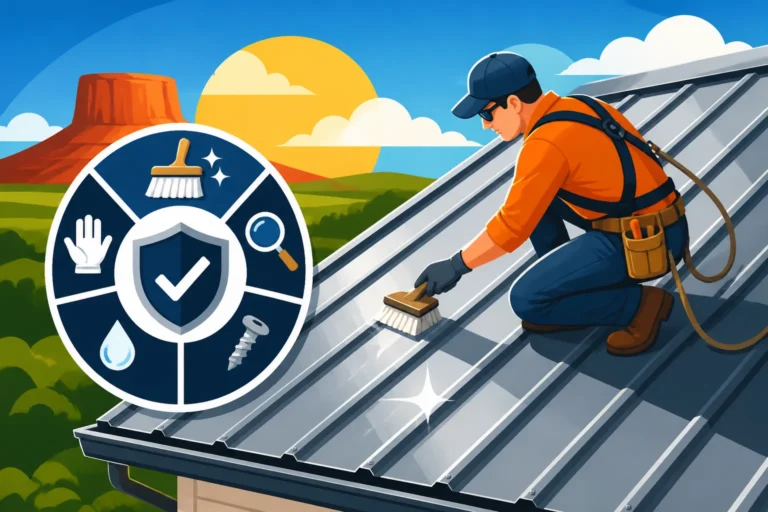
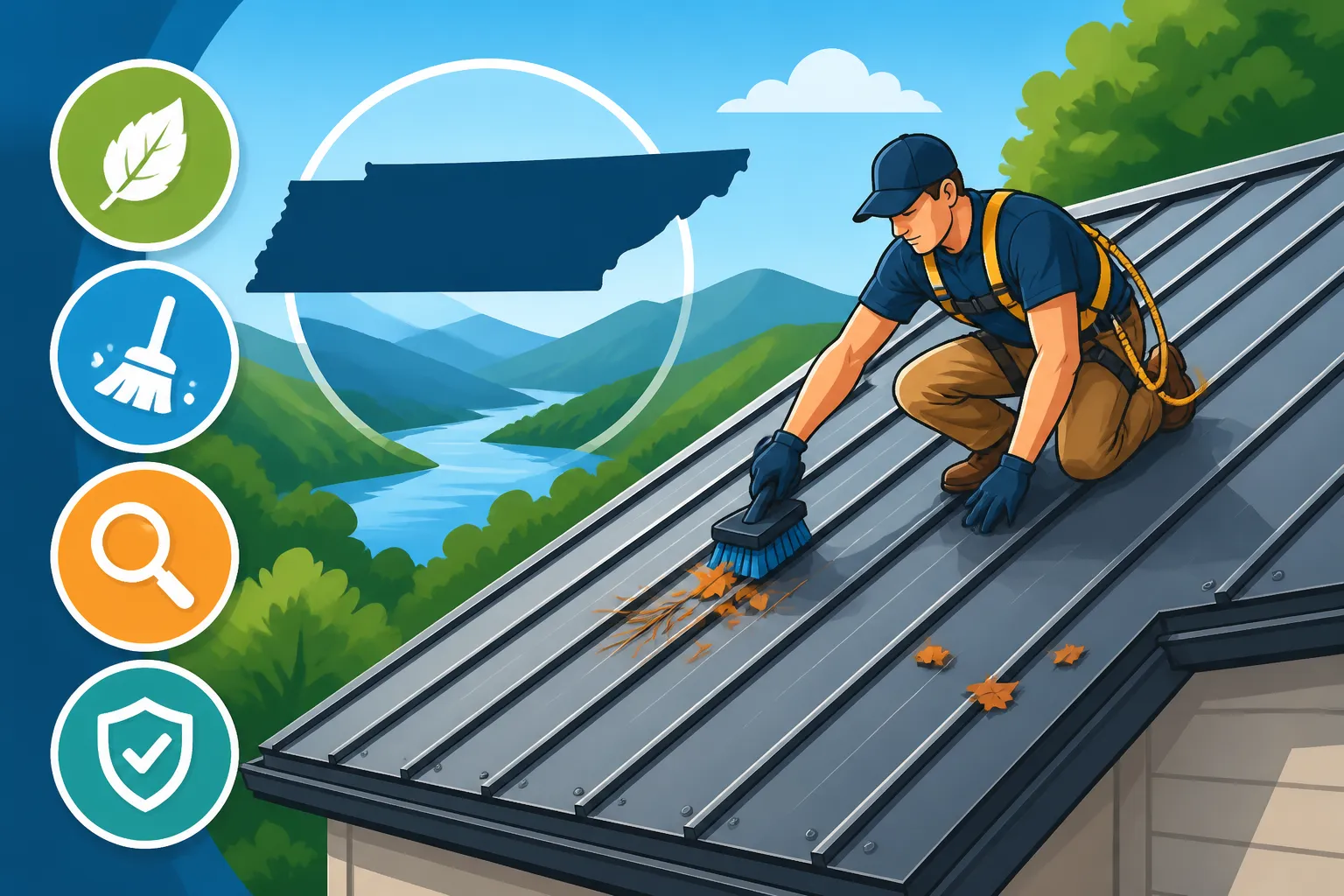
This debris isn't just an aesthetic issue; it can trap moisture against the roof surface, hindering its ability to dry out properly. This creates an ideal breeding ground for moss, algae, and mildew, which, while not directly damaging to the metal itself, can lead to staining and accelerate the degradation of protective coatings over many years. Furthermore, excessive debris can prevent proper water runoff, potentially causing water to back up and find its way under panels or flashing. A simple annual or semi-annual cleaning with a soft brush and garden hose (never a high-pressure washer, as it can damage coatings) can make a world of difference. For particularly stubborn grime, a mild, non-abrasive detergent can be used, but always rinse thoroughly.
Fastener and Sealant Inspections
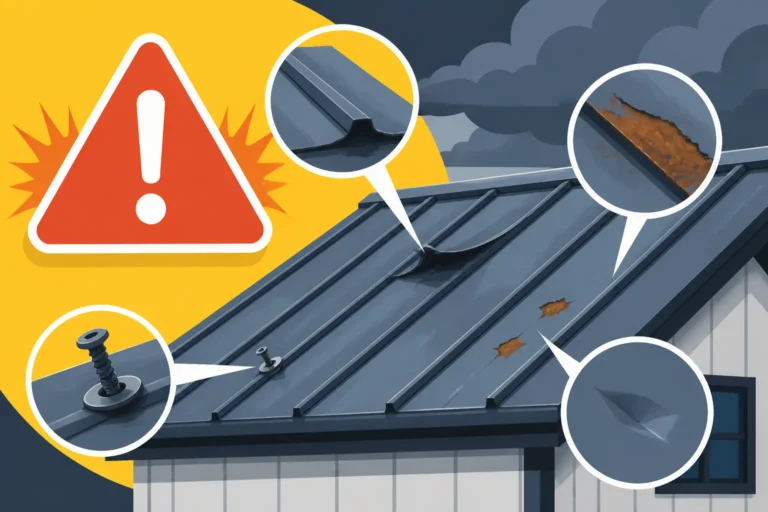
For many metal roof types, especially those with exposed fasteners like corrugated or R-panel roofs, the integrity of the screws and their rubber washers is paramount. These washers are designed to create a watertight seal, but over decades of sun exposure and temperature cycling, they can dry out, crack, and lose their effectiveness. This is a common culprit for leaks.
It's a good practice to inspect these fasteners periodically, perhaps every 5-10 years, or more frequently after severe weather. Look for any screws that appear loose, backed out, or have degraded washers. You might be able to gently tighten slightly loose screws, but if a washer is compromised, it's best to replace the screw and washer entirely. For hidden fastener systems, like standing seam roofs, the focus shifts to sealants around flashing, vents, and other penetrations. Check these areas for any signs of cracking, peeling, or separation, which would indicate a need for re-sealing. Our comprehensive guide on Metal Roof Fasteners and Washers Explained offers more insights into managing these issues.
Gutter and Downspout Care
Your gutters and downspouts are an integral part of your roof system, even if they aren't part of the metal roof itself. Their job is to effectively channel rainwater away from your roof and foundation. In Tennessee, where heavy rains are frequent, clogged gutters can lead to significant problems.
When gutters are full of leaves, twigs, and shingle granules (even metal roofs can shed tiny particles over time), water can back up and overflow. This overflowing water can cascade down your home's siding, saturate fascia boards, or pool around the foundation, leading to water damage, mold growth, or even structural issues. Furthermore, if water backs up onto the edge of your metal roof, it can sit there, exacerbating the risk of rust or sealant breakdown. Regular cleaning of gutters and ensuring downspouts are clear and properly directing water away from your home is a simple task that protects both your roof and your entire home envelope.
Addressing Common Metal Roof Issues in Tennessee
Even with the best preventative care, issues can sometimes arise. Knowing what to look for and how to address common problems specific to our Tennessee environment can save you a lot of headache and expense.
Rust and Corrosion Prevention
While most modern metal roofs are incredibly resistant to rust and corrosion thanks to advanced coatings like Galvalume or high-quality paint systems (like those offered by brands like Modernize), it's not entirely impossible for rust to appear, especially on older roofs, cut edges, or areas where the protective coating has been compromised. The humid environment in Tennessee can contribute to this, as persistent moisture accelerates oxidation.
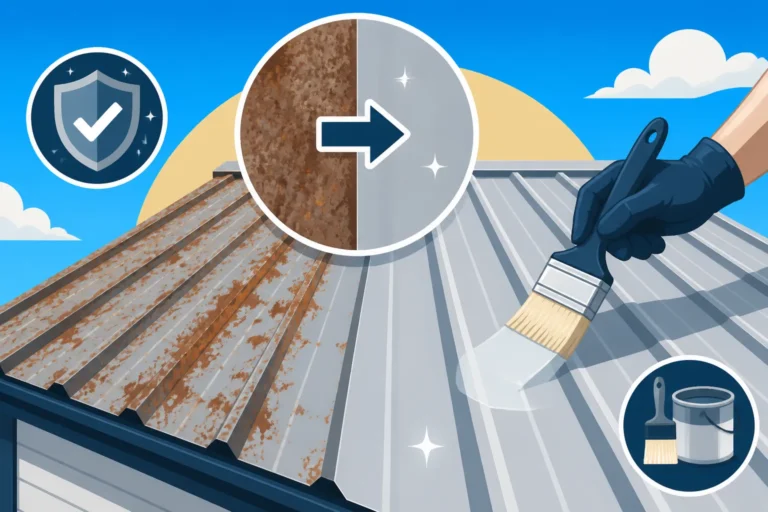
If you spot surface rust, it’s usually not an emergency, but it does warrant attention. Small spots can often be treated. First, gently clean the area to remove any loose rust or debris. Then, you can apply a rust-inhibiting primer and touch-up paint specifically designed for metal roofing. For more widespread rust, or if you see it consistently reoccurring, it might indicate a more significant issue with the coating or material, or persistent moisture exposure. It's crucial to address these quickly to prevent the rust from spreading and weakening the metal. Our article on How to Get Rid of Rust on a Metal Roof delves deeper into effective solutions.
Leak Detection and Repair
A leaking roof is every homeowner's nightmare, regardless of the roofing material. While metal roofs are known for their exceptional watertightness, leaks can still occur. In Tennessee, heavy rains and wind-driven rain can quickly expose any weak points. The most common culprits for metal roof leaks are compromised fasteners (as mentioned earlier), damaged or improperly installed flashing around chimneys, skylights, or vents, or problems at seams on certain panel types.
Detecting a leak can sometimes be tricky. Water doesn't always drip directly where the roof is failing; it can travel along the roof deck or framing before appearing as a stain on your ceiling. If you suspect a leak, start by inspecting the interior attic space after a rainstorm, looking for water stains or active drips. On the exterior, meticulously examine all penetrations, seams, and fasteners. Look for visible damage, gaps, or deteriorated sealants. Small leaks often can be repaired with high-quality metal roofing sealant, but for more complex issues, or if you can't pinpoint the source, professional help is usually the best course of action. You can learn more about how to identify and fix leaks in our article on Metal Roof Leak Repair Guide.
Oil Canning and Panel Imperfections
Sometimes, after a metal roof is installed, you might notice a wavy or buckling appearance in the flat sections of the metal panels. This phenomenon is known as "oil canning." It's important to understand that oil canning is typically a cosmetic issue and rarely affects the structural integrity or performance of the roof. It's often caused by stress in the metal during manufacturing, installation, or thermal expansion.
While oil canning isn't a direct maintenance issue in terms of repair, it's something Tennessee homeowners should be aware of, especially when choosing a metal roof profile. It tends to be more noticeable on wide, flat panels, particularly in lighter colors, and under certain lighting conditions. Reputable manufacturers and installers take steps to minimize it, such as using tension-leveling during manufacturing or proper fastening techniques. If you're concerned about aesthetics, selecting ribbed panels or narrower standing seam profiles can help mask its appearance. If it's severe, it could indicate an installation issue causing undue stress, but that's less common.
When to Call in the Professionals for Your Tennessee Metal Roof
While there's plenty you can do to keep your metal roof in great shape, some tasks are best left to experienced professionals. Knowing when to pick up the phone can prevent further damage, ensure safe practices, and give you peace of mind.
Complex Repairs and Replacements
Let's be honest, not every DIY fix is a good idea, especially when it involves your roof. If you're dealing with extensive storm damage, widespread panel discoloration, or persistent leaks that you can't trace or fix with a simple sealant application, it's definitely time to call in the experts. Professional metal roofing contractors have the specialized tools, training, and experience to diagnose complex issues accurately and perform repairs safely and effectively.
For instance, replacing a damaged metal panel, especially on a standing seam roof, involves specific techniques to ensure the new panel integrates seamlessly and maintains the roof's watertight integrity. Similarly, dealing with flashing around complex roof features or repairing severe damage from a major hail storm requires an expert eye. Attempting these repairs yourself without the proper knowledge can often lead to more significant problems down the line, potentially voiding warranties and costing more in the long run. If you're facing significant damage, considering the Metal Roof Repair vs Replacement: How to Decide might be worthwhile.
Annual Professional Inspections
Even if you're diligent with your own routine maintenance, a professional inspection once a year or every few years is a wise investment, particularly in Tennessee's varied climate. A trained metal roofing specialist can spot subtle issues that an untrained eye might miss. They know exactly what to look for: early signs of coating degradation, slight fastener movement, minor flashing issues, or ventilation problems that could lead to condensation.
During an inspection, a professional will safely walk the entire roof, examine all components, check attic ventilation, and assess the overall condition. They can provide a detailed report, offering recommendations for preventative maintenance or necessary repairs before minor issues escalate. This proactive approach can significantly extend your metal roof's lifespan and help you avoid emergency repairs. When looking for a contractor, it’s wise to ask about their specific experience with metal roofing.
Finding the Right Local Experts
Choosing the right metal roofing contractor in Tennessee is critical. You want someone who understands the local climate challenges and is experienced with the specific type of metal roof you have. Start by looking for contractors with a strong local reputation, positive customer reviews, and proper licensing and insurance. Brands like Modernize can be a great resource for finding vetted contractors in your area who specialize in metal roofing, ensuring you connect with professionals who meet high standards.
Don's hesitate to ask potential contractors about their certifications, especially manufacturer-specific ones, as these indicate specialized training. Always get multiple quotes and compare them thoroughly, making sure each quote details the scope of work, materials, and warranty information. A good contractor should be transparent and willing to answer all your questions, providing clear explanations of any recommended repairs or maintenance. Taking the time to vet thoroughly now can save you a lot of stress and expense later. For more guidance on choosing the right professional, check out our guide on How to Hire a Metal Roofing Contractor.
Metal Roof Maintenance in Tennessee: A Seasonal Breakdown
To make maintenance even easier, let’s break down key tasks by season, keeping Tennessee’s unique weather patterns in mind. This way, you can incorporate them into your regular home care routine.
Spring Cleaning and Inspection
As winter melts away and before the heavy summer rains and storms begin, spring is the ideal time for your most thorough roof inspection and cleaning.
- Debris Removal: After winter winds and storms, your roof and gutters likely have accumulated leaves, twigs, and other detritus. Gently remove all debris from the roof surface, valleys, and especially gutters. A leaf blower or a garden hose on a low setting works well. In Nashville or Memphis, where mature trees are common, this is particularly important.
- Visual Inspection: Give your entire roof a good once-over from the ground with binoculars, or safely from a ladder if you're comfortable. Look for any visible damage: loose or missing fasteners, curling or cracked sealants around flashings and penetrations (like vents or skylights), and any signs of rust or scratches on the panel surface. Pay close attention to areas around chimneys and pipe boots, as these are common leak points.
- Drainage Check: Ensure all downspouts are clear and properly directed away from your home's foundation. Run water through your gutters to confirm they drain efficiently. If you notice persistent clogs, consider adding gutter guards.
By doing a thorough spring check, you're getting ahead of any minor issues before they become major problems during the summer storm season.
Summer Storm Preparation and Monitoring
Tennessee summers are hot, humid, and often punctuated by severe thunderstorms, high winds, and sometimes hail. While your metal roof is built to withstand a lot, it’s smart to be prepared.
- Post-Storm Check: After any significant storm with high winds or hail, it’s wise to do a quick visual check of your roof from the ground. Look for any new dents, lifted panels, or displaced flashing. Even if you don’t see obvious damage, keep an eye out for any new leaks inside your home, which could signal a hidden issue.
- Rust Prevention: The combination of heat and humidity can accelerate rust on any exposed metal. If you noticed any scratches during your spring inspection, now is the time to apply touch-up paint to prevent rust from forming. Ensure any areas that might experience prolonged moisture retention, like shaded valleys, are kept clear of debris.
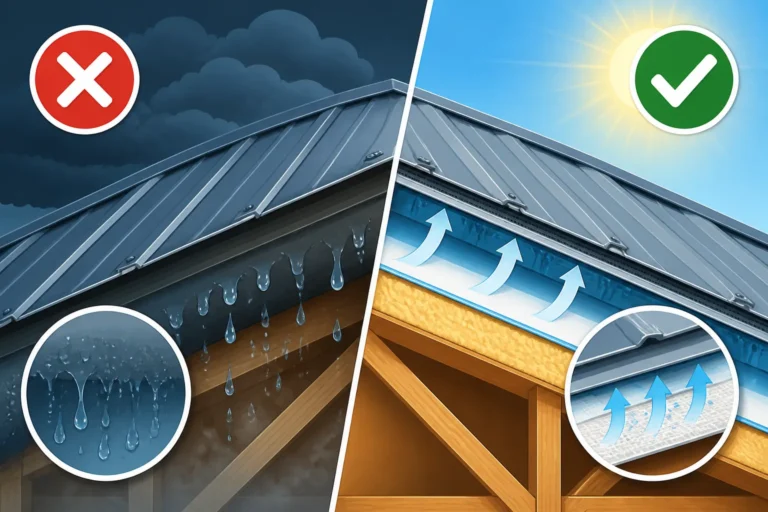
- Ventilation Check: Ensure your attic ventilation is unobstructed. Proper ventilation helps prevent excessive heat buildup in your attic, which can contribute to condensation issues, and it also helps your home stay cooler, which is a bonus for your energy bills. This is especially important for those sweltering Tennessee summer days.
Staying vigilant during the summer months can prevent small storm-related damages from worsening over time.
Fall Prep for Winter Weather
Before the leaves fall and the temperatures drop, preparing your metal roof for winter is essential to prevent ice and snow-related issues.
- Final Debris Clean-Up: This is perhaps the most critical time for debris removal. Clear every last leaf, twig, and pine needle from your roof and gutters. You want nothing left to trap moisture, which can freeze and cause ice dams or contribute to premature corrosion. For homes in forested areas of East Tennessee, this is a yearly ritual.
- Fastener and Sealant Re-check: The thermal cycling of summer and fall can sometimes stress fasteners and sealants. Give them another look. If any fasteners are loose or washers degraded, tighten or replace them. Re-seal any cracking flashing to prevent water intrusion when snow and ice arrive.
- Snow Guard Consideration: If your home experiences significant snowfall or has steep roof pitches, consider having snow guards installed. Metal roofs are very efficient at shedding snow, which can sometimes come down in large, potentially dangerous sheets. Snow guards help break up the snow, allowing it to melt and fall more gradually. Our article on How to Install Snow Guards on a Metal Roof might be a good read if you're considering this.
A well-prepped roof in the fall will greatly reduce your risk of winter-related problems.
Winter Monitoring and Ice Prevention
While winter can be beautiful, it brings its own set of challenges, particularly freezing temperatures, snow, and ice.
- Monitor Ice Dams: While less common on properly installed metal roofs than on shingle roofs, ice dams can still form, especially in gutters or at eaves if there's poor insulation or ventilation. Keep an eye out for large ice formations. If you spot them, address the underlying cause (usually attic heat loss) and never try to chip them away, as this can severely damage your roof.
- Snow Load Awareness: In areas of Tennessee that get heavier snowfall, be mindful of snow accumulation. Metal roofs are strong, but extreme loads are rare but possible. Most residential metal roofs are designed to handle significant snow loads, but it’s always good to be aware.
- Condensation Check: In your attic, look for any signs of condensation on the underside of your roof deck or metal panels. This often appears as moisture or frost. Condensation can be a sign of inadequate ventilation, which is exacerbated by the temperature differences between the warm interior and cold exterior during winter. Improving attic ventilation can often resolve this issue.
By following this seasonal guide, you'll be giving your metal roof the best possible chance to perform optimally and last for its full, impressive lifespan here in Tennessee.
Understanding Your Metal Roof Warranty in Tennessee
Knowing the specifics of your metal roof warranty is crucial, especially when it comes to maintenance and potential issues in Tennessee's climate. Warranties typically cover material defects and sometimes the performance of the finish. Different manufacturers offer varying lengths of coverage, often 20 to 50 years for material and 20 to 30 years for the paint finish, protecting against chalking and fading.
It's important to differentiate between a manufacturer's warranty and a workmanship warranty. The manufacturer's warranty covers the product itself, ensuring the panels are free from defects. The workmanship warranty, provided by your installer, covers the quality of the installation. For a long-lasting roof in Tennessee, both are vital. If you had your roof installed by a Modernize-vetted contractor, you'll typically receive robust workmanship coverage. Be sure to understand what actions might void your warranty, such as using improper cleaning methods or unauthorized repairs. For more details on this, our article on Metal Roof Warranties: Workmanship vs Manufacturer is a must-read.
Wrapping Up Your Tennessee Metal Roof Maintenance
Caring for your metal roof in Tennessee is a smart investment in your home's future. While these roofs are famously durable and low-maintenance, they aren't entirely hands-off. By understanding the unique challenges our local climate presents—from humid summers to sudden temperature shifts and intense storms—you can take proactive steps to ensure your roof stands strong. Routine cleaning, diligent inspections of fasteners and sealants, and clear gutters are your best friends in preventative care.
Remember, knowing when to call in a professional for complex repairs or annual check-ups is just as important as your DIY efforts. Leveraging resources like Modernize to find reputable, local experts ensures your roof gets the specialized care it deserves. With a little attention, your metal roof will continue to be a resilient, beautiful, and energy-efficient asset to your Tennessee home for many, many years to come.
Disclaimer
This article provides general information and recommendations regarding metal roof maintenance. Specific conditions, local building codes, and manufacturer warranty requirements may vary. Always consult with a qualified, licensed, and insured metal roofing professional in your area for personalized advice and before undertaking any significant repairs or maintenance work on your roof.