How to Repair a Metal Shingle Metal Roof
Even the most robust metal shingle roof can eventually face the wear and tear of time and weather, leaving homeowners stressed and unsure of where to even begin with repairs. It’s incredibly frustrating to invest in a durable roofing solution only to find yourself dealing with leaks, dents, or discolored panels. This comprehensive guide is here to walk you through the process of identifying common issues with metal shingle roofs and outlining the steps for effective repairs, whether it’s a simple DIY fix or when it's absolutely time to call in the experts.
Understanding Your Metal Shingle Roof
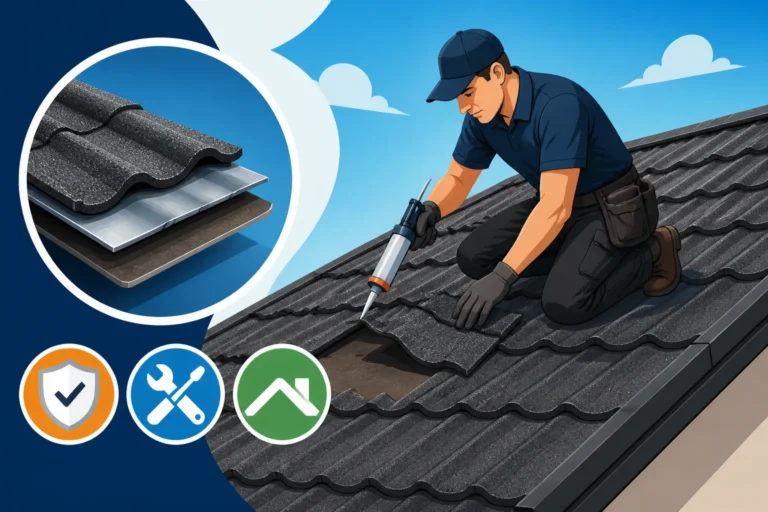
Metal shingle roofs are a fantastic choice for many homeowners, blending the classic aesthetic of traditional shingles with the incredible durability and longevity of metal. Unlike large, continuous panels like standing seam or corrugated metal, metal shingles are modular, typically installed in individual pieces that interlock or overlap. This design often makes specific repairs a bit more straightforward, as you can sometimes address a single damaged shingle without disturbing a massive section of the roof.
Common Issues with Metal Shingle Roofs
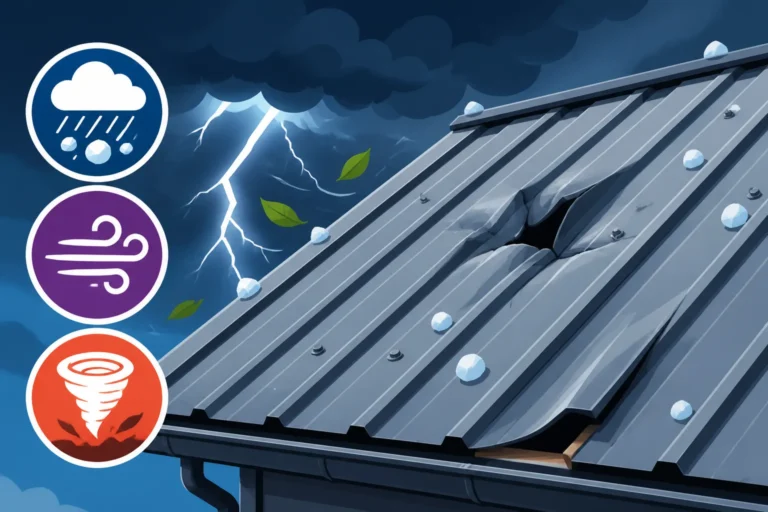
While known for their resilience, metal shingle roofs aren't entirely immune to problems. Understanding what to look for is the first step toward effective repair. One frequent culprit is impact damage, whether from hail, falling branches, or even tools dropped during previous maintenance. This can lead to noticeable dents or, in severe cases, punctures. Over time, the fasteners that hold the shingles in place might work themselves loose, creating points of entry for water or allowing shingles to shift.
Another common concern, especially after years of sun exposure, is the fading or chalking of the protective coating. While this is primarily an aesthetic issue, a compromised coating can eventually lead to accelerated wear of the metal underneath. Lastly, while rare with proper installation, localized leaks can occur if sealants fail, flashing is damaged, or an individual shingle becomes dislodged or severely bent, allowing water to penetrate the underlayment. Identifying these issues early can save you a significant headache and expense down the road. For a deeper dive into how different types of metal roofs hold up, check out our guide on Metal Roofing Types Explained: Profiles & Panels.
Why Professional Repair Matters for Metal Shingles
While some minor fixes might be within the realm of a confident DIYer, the intricate nature of metal shingle installation often calls for professional expertise. These systems rely on precise interlocking mechanisms and specialized fastening techniques to ensure a weather-tight seal. A repair that looks simple on the surface could hide underlying damage or be executed incorrectly, leading to future leaks or compromising the entire roof's integrity.
A professional metal roofing contractor understands the nuances of various metal shingle systems, from steel to aluminum, and the specific installation requirements of brands like ATAS International, Boral, or DECRA. They have the right tools, materials, and safety equipment to perform repairs efficiently and effectively. More importantly, professional repairs often come with a warranty, giving you peace of mind that the work is guaranteed. Attempting complex repairs yourself without the necessary skills can void your existing roof warranty, turning a small problem into a much larger, more costly one.
Diagnosing the Problem: Your First Steps
Before you even think about grabbing a tool, the most important step in any repair is accurately diagnosing the problem. You need to understand what is wrong and where it’s located. This initial assessment not only helps you determine if it's a DIY job or if you need to call in a pro but also helps you plan your approach safely.
Safety First: Essential Gear and Precautions
Roof work is inherently dangerous, and safety should always be your top priority. A fall from a roof can result in serious injury or worse. Never, under any circumstances, attempt to get on your roof alone if you’re not comfortable or don't have the proper safety gear.
Here's a breakdown of what you'll need and how to stay safe:
- Sturdy Ladder: Ensure your ladder is properly rated for your weight plus any tools or materials you'll be carrying. Always set it on a firm, level surface and extend it at least three feet above the eave line for easy access. Secure the top to the fascia or another stable point if possible.
- Fall Protection: For anything beyond a quick peek from the ground or a low-slope roof, a fall arrest system is non-negotiable. This includes a safety harness, a lifeline, and an anchor point securely attached to the roof structure. Many hardware stores rent these systems.
- Non-Slip Footwear: Regular shoes won't cut it. Invest in roofing boots with excellent grip. Even on a dry metal roof, surfaces can be surprisingly slippery, especially if there's any dust, debris, or a slight slope.
- Gloves and Eye Protection: Metal edges can be sharp, and rust or debris can fly into your eyes. Protect your hands and eyes at all times.
- Partner: Always have someone on the ground to spot you, hold the ladder, and call for help if needed.
- Weather Conditions: Only work on a roof when it's dry and calm. Avoid windy conditions, rain, or extreme heat/cold. Wet metal is incredibly slick.
Remember, if you have any doubts about safety, it's always best to err on the side of caution and call a professional.
Visual Inspection Techniques
Once you've got your safety plan in place, it’s time to play detective. A thorough visual inspection can reveal a lot.
- Ground-Level Assessment: Start by walking around your house. Use binoculars to get a closer look at the roof from various angles. Look for obvious signs of damage:
- Missing or lifted shingles: These are often easy to spot, especially after a strong storm.
- Visible dents or punctures: Hail damage or fallen debris usually creates localized dents.
- Rust spots: While metal roofs are designed to resist rust, prolonged exposure to moisture or scratched coatings can lead to corrosion.
- Fading or discoloration: Uneven color can indicate issues with the protective coating or UV exposure.
- Loose or exposed fasteners: If you have exposed fastener metal shingles, look for screws that have backed out or have compromised washers.
- Debris in gutters: Granules from asphalt shingles in gutters are a sign of wear, but if you're finding metal fragments, that's a red flag for your metal roof.
- Close-Up Examination (if safe to do so): If you're able to safely access the roof, a closer look will reveal more detail.
- Check seams and overlaps: These are common areas for leaks. Look for any gaps, lifted edges, or signs of sealant failure.
- Examine flashing around penetrations: Skylights, chimneys, vents, and pipe boots are critical points. Ensure the flashing is intact and properly sealed.
- Inspect individual shingles: Gently test if any feel loose or move excessively. Check for hairline cracks or minor bends that might not be visible from the ground.
- Look for water stains on the underside (attic): If you can access your attic, check the underside of the roof deck for any water stains, drips, or mold. This is a direct indicator of a leak, even if you can't pinpoint the source on the exterior. This kind of detective work is crucial for understanding the true scope of any potential Metal Roof Leak Repair Guide.
Document everything you find with photos or notes. This will be invaluable for planning repairs or when discussing the issues with a contractor.
Common Metal Shingle Repair Scenarios and Solutions
Now that you've identified the issues, let's talk about how to tackle them. Remember, safety first! Only attempt repairs you feel confident and equipped to handle.
Addressing Loose or Missing Fasteners
Fasteners are the unsung heroes of many metal roofs, keeping everything securely in place. On metal shingle roofs, these might be hidden fasteners that interlock or exposed fasteners, depending on the specific profile.
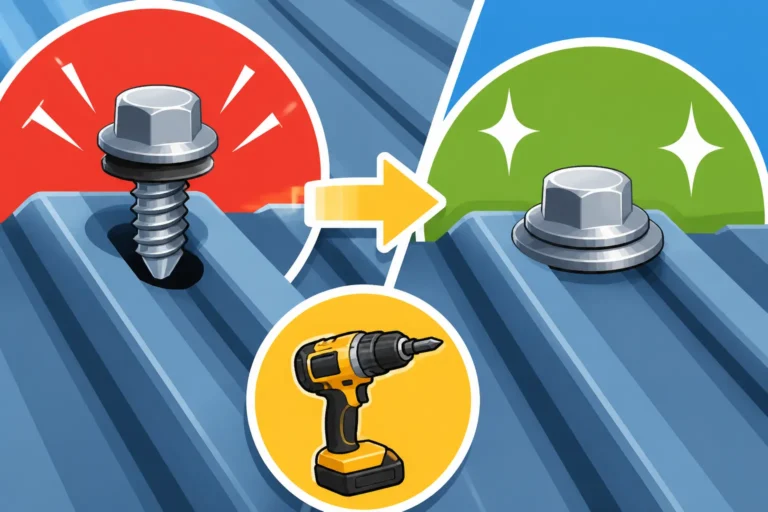
- Exposed Fasteners: If you have exposed fasteners (screws with rubber washers visible on the shingle surface), over time, these washers can degrade, or the screws can back out due to thermal expansion and contraction, or even vibration from high winds.
- The Fix: For screws that are simply loose, carefully tighten them with a drill, but be careful not to overtighten, which can strip the hole or crush the washer. For screws with degraded washers, you'll need to remove the old screw, clean the area, and install a new, slightly larger screw with a fresh EPDM (ethylene propylene diene monomer) washer. A dab of compatible sealant under the washer can provide extra protection. This is often a good time to consider a full Metal Roof Fastener Washer Replacement across your entire roof if many washers are showing wear.
- Hidden Fasteners: Many metal shingles utilize a hidden fastener system where clips or interlocks are used. If a shingle is loose here, it's often because the clip has failed, or the shingle itself has become deformed, disengaging from its neighbor.
- The Fix: This is trickier. You might need to gently lift the overlapping shingle to access the clip. If the clip is broken, it may require carefully prying up adjacent shingles to replace the clip or re-securing the loose shingle with a strategically placed exposed fastener, color-matched and sealed for minimal impact. This type of repair often leans more towards professional assistance to maintain the roof's aesthetic and integrity.
Repairing Minor Leaks and Punctures
Small leaks and punctures are often localized and, if caught early, can be surprisingly manageable.
- Pinpointing the Source: The biggest challenge here is often finding the exact source. Water can travel a long way before showing up inside. Look for visible holes, cracks, or areas where flashing has pulled away.
- Sealants: For tiny holes or hairline cracks, a high-quality, UV-resistant roofing sealant designed for metal roofs can work wonders. Brands like Geocel or OSI Quad are commonly recommended. Clean the area thoroughly, removing any loose debris, rust, or old sealant. Apply the sealant generously over the hole or crack, ensuring it adheres well to the metal. Smooth it out for a good seal.
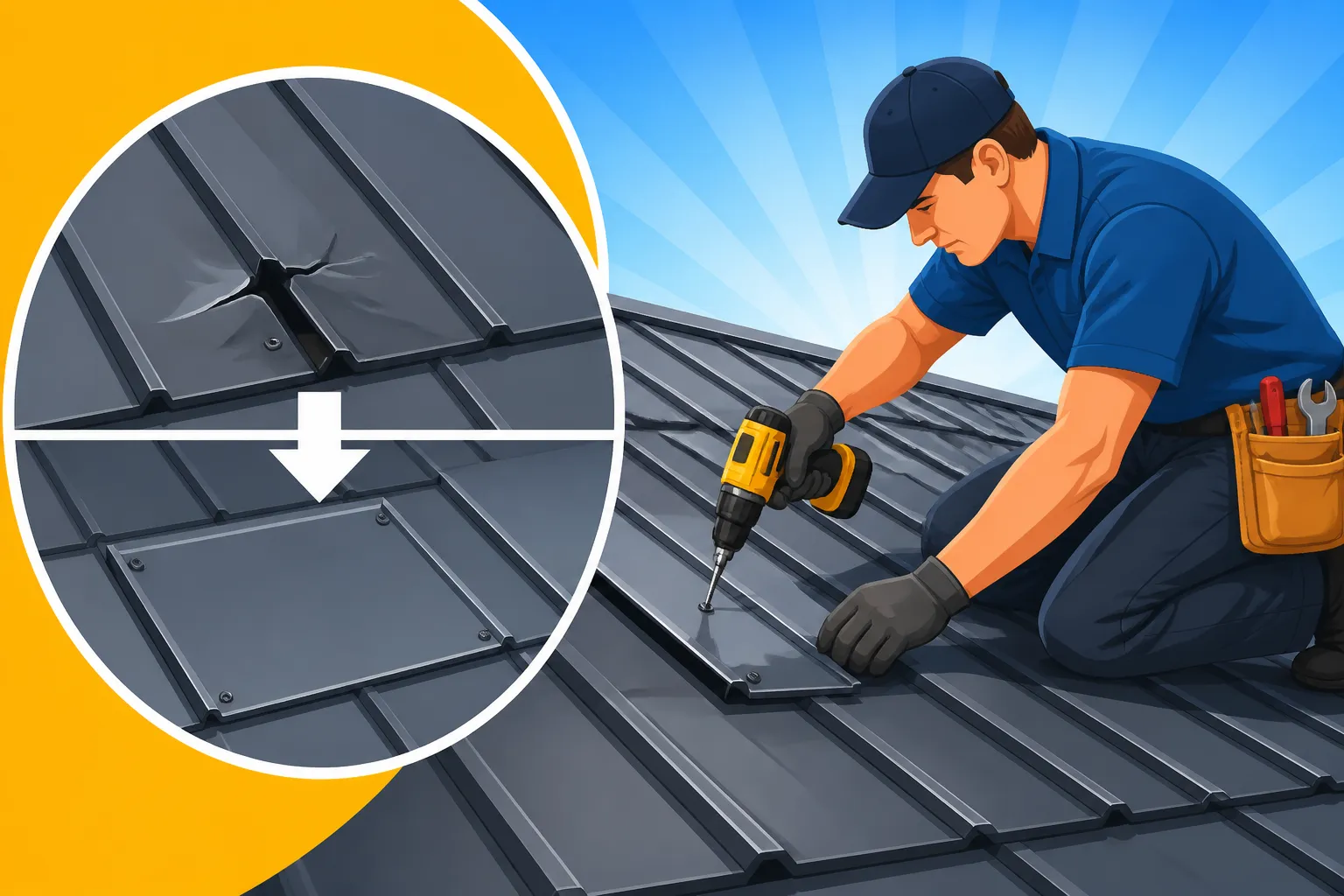
- Patching: For slightly larger holes (e.g., from a stray nail or a small branch), a metal patch might be necessary.
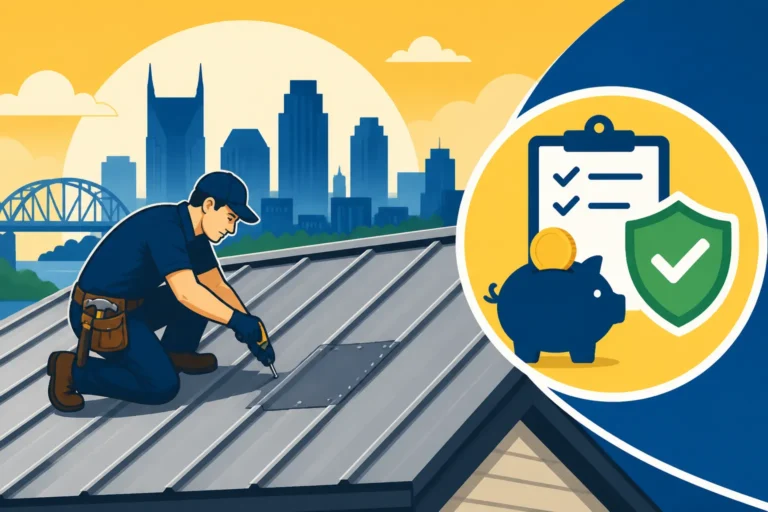
- The Fix: You can purchase small metal roof repair patches or cut a piece of matching metal (if you have any spare shingles or offcuts) slightly larger than the hole. Apply a layer of sealant around the hole, press the patch firmly into place, and then apply another layer of sealant around the edges of the patch for a watertight seal. Ensure the patch is flat and smoothly integrated. If you're dealing with a standing seam roof, the repair method might differ; read up on How to Fix a Leaking Metal Roof Seam for specific guidance.
Replacing Damaged Individual Shingles
This is where the modular design of metal shingles truly shines, as individual panel replacement is often feasible.
- Assessment: First, determine if the shingle is truly beyond repair. A slight bend might be carefully flattened, but significant deformation, large holes, or severe rust usually means replacement is the best option.
- Removal:
- Identify Fasteners: Most metal shingles either interlock or have exposed fasteners. If exposed, remove the screws directly.
- Disengaging Interlocks: For interlocking shingles, you'll often need a specialized tool or a flat pry bar to carefully disengage the upper shingle from the damaged one. Work slowly and patiently to avoid damaging adjacent shingles. You might need to slightly lift the shingles immediately above the damaged one to access the locking mechanism or hidden fasteners.
- Lift and Remove: Once disengaged or fasteners are removed, carefully slide the damaged shingle out.
- Installation of New Shingle:
- Prepare the Area: Clean any debris or old sealant from the underlying roof deck and adjacent shingles. Inspect the underlayment for any damage and repair it if necessary.
- Slide New Shingle: Carefully slide the new, matching metal shingle into place, ensuring it aligns perfectly with its neighbors.
- Secure: Re-engage the interlocking mechanisms or install new fasteners, making sure they are properly sealed with new washers. Apply sealant to any seams or fastener heads as recommended by the manufacturer.
- Check Alignment: Step back and check that the new shingle sits flush and blends seamlessly with the rest of the roof.
Finding matching replacement shingles can be tricky, especially for older roofs or discontinued styles. Try reaching out to the original installer or the manufacturer if you know who they are.
Faded Coatings and Aesthetic Issues
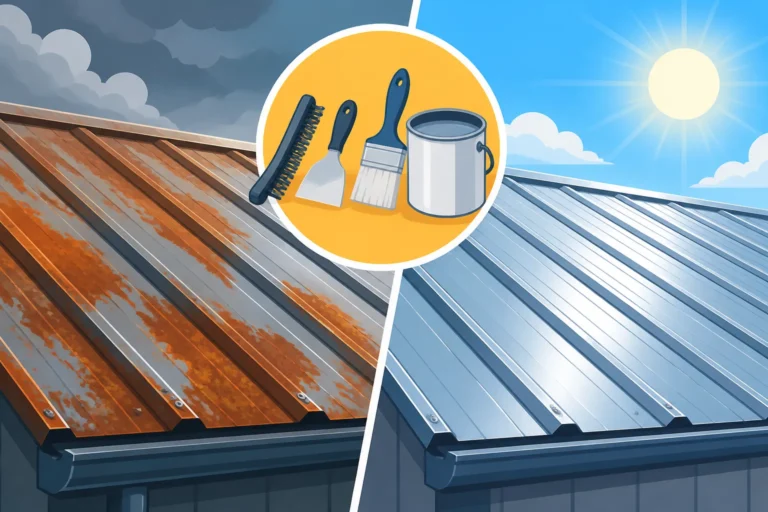
Over time, even the most advanced paint finishes like PVDF (Kynar 500) can start to fade or chalk, especially on the sunny side of the house. While often cosmetic, it indicates the protective layer is aging.
- Cleaning: Sometimes, a thorough cleaning can restore some of the luster. Use a mild detergent specifically designed for metal roofs and a soft brush or low-pressure washer. Always test a small, inconspicuous area first.
- Touch-Up Paint: For small scratches or localized fading, you might be able to find color-matched touch-up paint from the original manufacturer. Clean the area, lightly sand any rough spots, and carefully apply the paint in thin coats.
- Recoating: For widespread fading, a full recoating might be an option. This is a significant undertaking and typically involves:
- Thorough Cleaning: Power washing to remove all dirt, chalking, and loose paint.
- Surface Preparation: Often involves a light abrasive sanding or specialized primers to ensure adhesion.
- Application of a Restoration Coating: High-quality elastomeric or acrylic coatings specifically designed for metal roofs can be applied. These can not only restore color but also add an extra layer of protection. This is usually a job for professionals due to the extensive preparation and specialized application techniques required. If your existing roof is a different metal, like copper, maintenance and aesthetic changes might differ significantly, so you might also be interested in how to maintain a Copper Roof Cost.
Fixing Dents and Impact Damage
Dents are a common complaint, especially after a hailstorm or if you live in an area with lots of trees.
- Cosmetic Dents: Many small dents, while unsightly, don't compromise the integrity of the roof or its watertightness. If it's purely aesthetic and not causing leaks, you might choose to live with it.
- Structural Dents/Punctures: If a dent is deep enough to crack the coating, compromise the metal's shape to create water pooling, or has caused a puncture, it needs immediate attention.
- The Fix: For small, shallow dents on individual shingles, sometimes very careful, gentle tapping from the underside (if accessible) with a rubber mallet can help push the metal back into shape. However, this is risky as it can easily worsen the problem or damage the coating.
- Replacing Panels: The most effective and recommended solution for significant or widespread denting on a metal shingle roof is often to replace the individual damaged shingles. Trying to "pull out" or "fill" dents on a metal shingle roof rarely yields satisfactory results and can be more expensive than simply replacing the affected panels. Our guide on Metal Roof Dent Repair From Hail offers more insights into this specific issue.
Here's a quick summary table of common issues and their typical solutions:
| Issue | Signs to Look For | DIY Repair Difficulty | Professional Repair Recommended |
|---|---|---|---|
| Loose/Missing Fasteners | Visible screws backed out, degraded washers | Easy to Moderate | For widespread issues |
| Minor Leaks/Punctures | Water stains, small holes, hairline cracks | Moderate | For complex or hidden leaks |
| Damaged Individual Shingles | Significant bends, large holes, rust on one shingle | Moderate to Difficult | For most replacements |
| Faded Coatings | Discoloration, chalking, dullness | Easy (cleaning) | For full recoating |
| Dents/Impact Damage | Indentations, deformed metal | Difficult | For structural damage |
When to Call a Professional (and How to Find One)
Knowing when to hang up your DIY hat and call in the cavalry is crucial for the longevity and integrity of your metal roof. Don't let pride or a desire to save a few bucks lead to a much larger, more expensive problem.
Signs Your Metal Shingle Roof Needs Expert Attention
While minor repairs can be tackled by a handy homeowner, certain situations absolutely warrant calling a professional metal roofing contractor.
- Widespread Damage: If you're seeing extensive damage across a large portion of your roof—multiple dented shingles, numerous loose fasteners, or widespread fading—it’s probably too big a job for a DIY approach. A professional can assess the full scope and recommend the most cost-effective solution, whether it's targeted repairs or a full Metal Roof Repair vs Replacement: How to Decide.
- Persistent Leaks: You've tried patching a leak, but it keeps coming back, or you can't even pinpoint where the water is coming from. Hidden leaks can lead to significant structural damage, mold, and rot if not addressed correctly by an expert. They have specialized tools and experience to trace water paths that you might miss.
- Structural Damage: Any signs that the underlying roof deck or framing is compromised—sagging, significant rot, or instability—are immediate red flags. This is beyond cosmetic repair and requires structural engineering knowledge.
- Safety Concerns: If the roof pitch is steep, the weather is unpredictable, or you simply don't feel safe working at heights, a professional is the only sensible option. Your safety is paramount.
- Warranty Issues: Many metal roof warranties require repairs to be performed by certified or licensed professionals. Attempting DIY repairs on a still-warrantied roof could void your coverage, leaving you on the hook for future, larger problems. Always review your Metal Roof Warranties: Workmanship vs Manufacturer before undertaking any work.
Vetting a Qualified Metal Roofing Contractor
Finding the right contractor can feel like a daunting task, but it’s one of the most important decisions you'll make for your roof. You want someone experienced specifically with metal shingle roofs, not just general asphalt shingle installers.
Here’s how to find a reputable pro:
- Specialization in Metal: Look for contractors who specifically advertise expertise in metal roofing, especially metal shingles. Ask about their experience with the particular type and brand of metal shingle you have.
- Licensing and Insurance: Verify that the contractor is properly licensed for your state or city (if required) and carries adequate liability insurance and workers' compensation. This protects you from financial responsibility if an accident occurs on your property. You can often verify licenses through state regulatory boards.
- References and Reviews: Ask for recent references and actually call them. Check online reviews on platforms like Google, Yelp, or industry-specific sites. Look for patterns in feedback—both positive and negative. A company like Modernize can be a great resource for connecting you with pre-vetted, qualified roofing professionals in your area, streamlining the search process and giving you peace of mind.
- Detailed Quotes: Get multiple quotes (at least three) that are highly detailed. They should break down material costs, labor, permit fees, and a clear scope of work. Be wary of bids that are significantly lower than others; they might cut corners. For more on this, consider reading How to Read and Compare Metal Roof Quotes.
- Contract and Warranty: Ensure you get a written contract that specifies all work to be done, timelines, payment schedules, and what warranties (both for workmanship and materials) are included. A good contractor will stand by their work.
- Local Presence: Prioritize local contractors with a physical office and a long-standing reputation in your community. They're typically more accountable and accessible for future needs. Don't fall for "storm chasers" who appear after severe weather, especially if they're from out of state.
Taking the time to properly vet your contractor ensures that your metal shingle roof repair is done right, the first time, protecting your investment and your home for years to come. Platforms like Modernize aim to simplify this by connecting homeowners with reliable local professionals who specialize in specific services like metal roof repair.
Disclaimer
Please remember that this article provides general information and guidance. Roofing work can be dangerous and complex. Always prioritize safety, consult local building codes, and consider hiring a qualified professional for any repairs you are not comfortable or equipped to handle. The information provided does not constitute professional advice and should not be used as a substitute for consulting with a licensed and experienced roofing contractor.