How to Maintain a Metal Roof in California
Living in California means enjoying incredible landscapes, from sun-drenched beaches to majestic mountains, but it also means dealing with a diverse and often challenging climate. Your metal roof is a champion against these elements, built to last, but even the toughest materials need a little TLC to truly go the distance. This guide is here to walk you through the specifics of maintaining your metal roof in California, ensuring it continues to protect your home beautifully for decades, no matter what Mother Nature throws its way.
Understanding California's Unique Climate Challenges for Metal Roofs
California isn't just one climate; it's a tapestry of microclimates, each presenting its own set of challenges for your home's exterior, especially your roof. What works for a home in San Diego might be very different from what's needed in Lake Tahoe or wildfire-prone areas. Understanding these specific pressures is the first step in creating an effective maintenance plan.
Intense Sun and UV Exposure
The California sun, while glorious, can be incredibly harsh on roofing materials. We're talking about relentless UV rays that can really put a metal roof's coating to the test over years and decades. While metal roofs are far superior to asphalt shingles in handling the sun, the protective paint finish, often a high-performance system like Kynar (PVDF) or SMP, can slowly degrade over time.
This degradation usually manifests as fading, where the vibrant color you initially chose starts to lose its luster. More critically, it can lead to "chalking," where a fine, powdery residue appears on the surface. This isn't just an aesthetic issue; it means the resins in the paint are breaking down, reducing the coating's effectiveness and potentially exposing the underlying metal to the elements if left unaddressed for too long. Regular inspection of the coating's condition is vital to catch these signs early.
Wildfire Risk and Embers
Few states face the constant threat of wildfires like California. While metal roofs are inherently non-combustible and offer excellent protection against direct flame impingement, the real danger comes from flying embers. These tiny, glowing particles can travel astonishing distances and land on your roof.
Even with a metal roof, embers can ignite debris accumulated in valleys, gutters, or around roof penetrations like chimneys or vents. A well-maintained metal roof for wildfire defense isn't just about the metal itself; it's about keeping the entire roof system clear of anything that could catch fire. This means meticulous cleaning, especially during fire season, to ensure no tinder is sitting waiting for an errant spark. Knowing your roof's Metal Roof Fire Rating for Wildfire Areas is also crucial.
Coastal Salt Spray and Corrosion
If you're lucky enough to live near California's stunning coastline, you're also dealing with a hidden enemy: salt spray. The salty air, carried inland by ocean breezes, can be highly corrosive to many building materials, and metal is no exception. While most quality metal roofing used in coastal areas is designed to resist corrosion, it's not entirely impervious.
Materials like aluminum and certain types of Galvalume steel are generally excellent choices for coastal environments due to their inherent corrosion resistance. However, over time, a buildup of salt deposits on the roof surface can accelerate wear on coatings or, if the coating is compromised, lead to surface rust or more serious corrosion on less resistant metals. Regular rinsing and specific cleaning techniques are essential to mitigate this constant salty assault and preserve the integrity of your Best Metal Roof for Coastal and Salt Air.
Drought Conditions and Dust Accumulation
California is no stranger to long periods of drought, which, while reducing immediate water damage concerns, bring their own maintenance headaches. Extended dry spells lead to significant dust and particulate accumulation on roof surfaces. This isn't just unsightly; it can create problems.
Dust and fine dirt can mix with morning dew or occasional light rain to form a grime layer that can cling to the roof, promoting mildew growth in shaded areas. In flatter roof sections or around roof penetrations, accumulated dust can absorb moisture, leading to prolonged dampness against the roof surface. Furthermore, during fire season, this dry, dusty debris can become fuel for embers, tying back into the wildfire risk.
Essential Metal Roof Maintenance Practices for California Homes
Maintaining a metal roof in California goes beyond just admiring its sleek look. It requires a thoughtful, proactive approach to ensure it withstands the Golden State's diverse climate challenges. Regular attention can prevent small issues from becoming costly repairs down the line, ensuring your roof reaches its full How Long Does a Metal Roof Last? potential.
Regular Cleaning and Debris Removal
This is probably the most straightforward, yet often overlooked, aspect of metal roof care, and it's doubly important in California. You wouldn't believe how quickly leaves, pine needles, dirt, and even bird droppings can accumulate.
Why it matters in California:
- Wildfire Prevention: Especially for homes in or near wildland-urban interface (WUI) zones, a clean roof is a safer roof. Any organic debris is potential fuel for wind-blown embers during a wildfire. Regularly clearing leaves, pine needles, and small twigs from valleys, around chimneys, and especially from gutters, significantly reduces this risk.
- Preventing Water Pooling and Stains: Debris can trap moisture against the roof surface, which, over time, can lead to staining or even premature wear on coatings. If gutters are clogged, water can back up, overflowing onto fascia boards or even seeping under the roof edge, causing damage.
- Maintaining Aesthetic Appeal: Let's be honest, a clean roof just looks better. Dust, pollen, and environmental fallout can dull your roof's appearance.
How to do it safely:
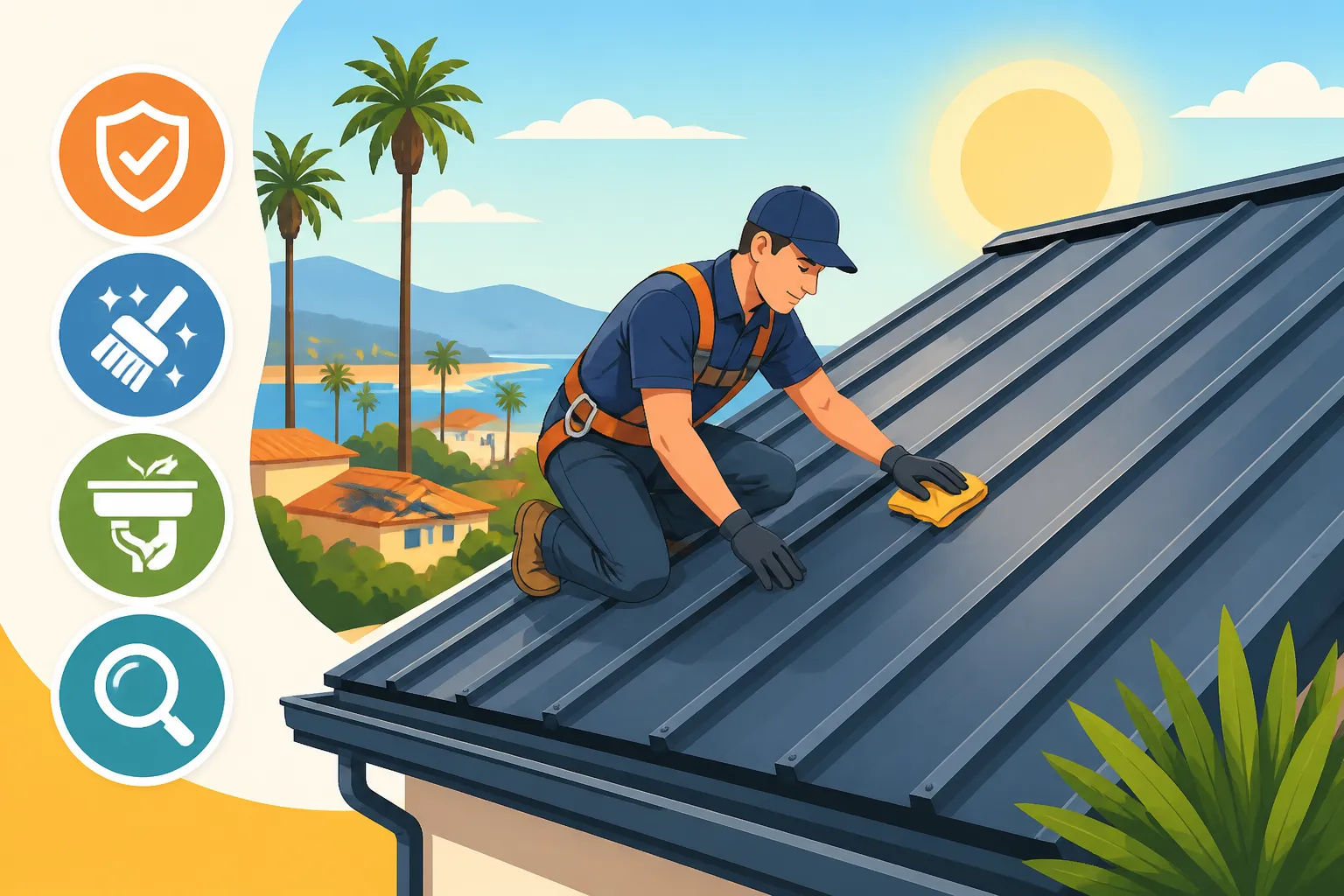
For most debris, a soft-bristle brush, a leaf blower, or simply rinsing with a garden hose can do the trick. Always make sure to walk safely on your roof, ideally when it's dry and using proper fall protection. If you're not comfortable on a ladder or roof, this is a job best left to a professional. A good local contractor, perhaps found through a service like Modernize, will have the right equipment and experience to clean your roof safely and thoroughly. Don't forget to regularly clean out your gutters and downspouts too; a clogged gutter can quickly negate the benefits of a clean roof.
Coating Inspections and Reapplication
The factory-applied paint coating on your metal roof is its primary defense against UV radiation, weather, and corrosion. Over years of intense California sun, even the best coatings will experience some wear.
What to look for during inspections:
- Fading: While some fading is natural over decades, excessive or uneven fading can indicate the coating is losing its protective qualities.
- Chalking: This appears as a fine, powdery residue on the surface when you wipe it. It's a sign that the resin in the paint is breaking down due to UV exposure. Minor chalking can be normal; severe chalking means the coating is losing integrity.
- Peeling, Cracking, or Blistering: These are more serious signs of coating failure. If you see these, it's time to consider a professional assessment.
- Scratches or Abrasion: High winds can sometimes cause branches to rub against the roof, or foot traffic during other home maintenance can scratch the surface. Exposed metal areas are vulnerable to rust, especially in coastal zones.
When reapplication might be necessary:
For minor scuffs, touch-up paint specifically matched to your roof's original color can be used. For widespread fading or chalking, particularly on older roofs, a full recoating or repainting might be the best option. This isn't just about aesthetics; it's about restoring the protective layer. Reputable companies specialize in Metal Roof Coating and Restoration Options that can extend your roof's life significantly, making it look new again and reinforcing its defenses against the elements.
Fastener and Sealant Checks
Metal roofs are designed to expand and contract with temperature fluctuations, which are quite common in California's varied climates – hot days, cooler nights. This constant movement puts stress on the fasteners and sealants that hold the panels in place and keep water out.
The importance of regular checks:
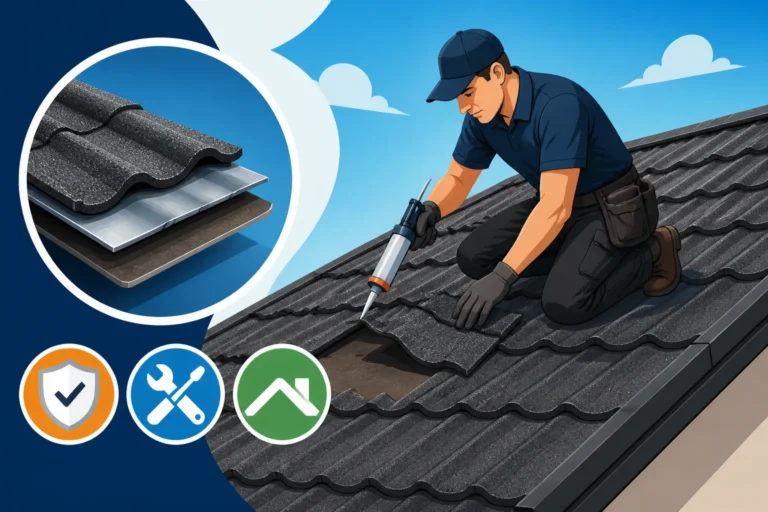
- Loose Fasteners: Screws, especially those with exposed heads, can sometimes back out slightly over time due to thermal cycling and wind uplift. A loose fastener can compromise the panel's attachment and create a potential leak point.
- Worn Washers: Exposed fastener systems use rubber washers under the screw heads to create a watertight seal. These washers can degrade, crack, or dry out from UV exposure over time, losing their sealing ability.
- Deteriorated Sealants: Any areas sealed with caulk or mastic, such as around flashing, vents, or skylights, can dry out, crack, or shrink. Once the sealant fails, water can easily find its way in.
Addressing issues:
During your Metal Roof Inspection: What to Check, carefully examine these areas. If you find loose fasteners, they often just need to be tightened. If washers are visibly cracked or missing, they need to be replaced. For deteriorated sealants, carefully remove the old material and apply a high-quality, compatible sealant designed for metal roofing. Addressing these small issues quickly is crucial to preventing a major Metal Roof Leak Repair Guide down the road.
Gutter and Downspout Maintenance
While often considered separate from the roof itself, gutters and downspouts are absolutely critical to its long-term health, especially in California. They're designed to channel rainwater away from your home's foundation, siding, and, crucially, off the roof itself.
The California context:
- Seasonal Deluges: Even though we experience long dry spells, when the rain does come, it can often be intense and sudden. Clogged gutters can quickly overflow, sending water cascading over the sides of your house, potentially eroding landscaping, damaging siding, and even leading to foundation issues.
- Debris from Drought: Paradoxically, long dry periods lead to more dry debris like leaves and dust accumulating in gutters, making them even more likely to clog when the first rains arrive. Eucalyptus leaves, pine needles, and even sand can quickly block drainage.
- Coastal Concerns: In coastal areas, a mix of salt spray, sand, and organic debris can create a particularly tenacious sludge in gutters.
Maintenance tips:
Aim for at least a semi-annual cleaning of your gutters and downspouts, and more frequently if your home is surrounded by mature trees. Make sure water flows freely from the downspout exit. Consider installing gutter guards, especially in areas with heavy tree cover, to minimize debris buildup. While gutter guards won't eliminate cleaning entirely, they can significantly reduce its frequency.
Proactive Measures and Long-Term Protection
Taking a proactive stance with your metal roof maintenance in California isn't just about fixing problems as they arise; it's about understanding the environment you live in and making smart choices from the get-go. Thinking ahead can save you considerable headaches and money down the line.
Choosing the Right Materials and Coatings for California
This really starts before installation, but understanding what's protecting your home is key to long-term maintenance. In California, material and coating choices aren't just aesthetic; they're vital for performance.
For homes in fire-prone areas, a metal roof is an excellent choice for its non-combustible properties. However, in coastal regions, where salt air is a constant threat, materials like aluminum or specific types of zinc and Galvalume steel are often recommended due to their superior corrosion resistance. Stainless steel is also an option but tends to be significantly more expensive. For inland areas, steel or Galvalume are common, but the coating becomes paramount.
High-performance paint systems, particularly those with a Kynar 500 or Hylar 5000 (PVDF) resin base, offer excellent long-term color retention and UV resistance, which is absolutely essential under the harsh California sun. These coatings are engineered to resist fading and chalking far better than cheaper alternatives. Understanding the specifics of Metal Roofing Materials Compared: Steel, Aluminum, Copper & Zinc and PVDF vs SMP Paint Coatings for Metal Roofs can help you appreciate the initial investment and guide future recoating decisions.
Professional Inspections and Preventative Care
While DIY checks are valuable, nothing beats the experienced eye of a professional metal roofing contractor. They have the training, tools, and safety equipment to thoroughly inspect your roof, identify subtle issues you might miss, and recommend appropriate preventative measures.
Why professional inspections are crucial in California:
- Expert Eye: A skilled contractor can spot early signs of coating degradation, fastener issues, or potential flashing problems that might lead to leaks. They understand how California's specific environmental stressors (UV, salt, heat cycles) affect different metal roofing systems.
- Safety: Navigating a metal roof, especially on steeper pitches or when wet, can be dangerous. Professionals are trained in safety protocols and have the right harnesses and equipment.
- Specialized Knowledge: They can assess the condition of less obvious components like underlayment, ventilation, and attic insulation, which all play a role in your roof's overall health.
- Warranty Compliance: Some manufacturers require periodic professional inspections to keep your warranty valid.
Aim for an annual or bi-annual professional Metal Roof Inspection: What to Check. Look for contractors with specific experience in metal roofing, not just general roofers. Online platforms like Modernize can help connect you with reputable local metal roofing specialists in your area who understand the unique demands of California roofing. When you're ready to explore options, check out our guide on How to Hire a Metal Roofing Contractor.
Addressing Coastal and Fire Zone Specifics
California's unique geography demands tailored maintenance strategies depending on your home's location.
Coastal Homes:
- Frequent Rinsing: If you live within a few miles of the ocean, regular rinsing of your roof with fresh water can wash away corrosive salt deposits before they accumulate and cause damage. This is particularly important after windy periods where salt spray might be carried further inland.
- Specialized Coatings: Ensure any repairs or recoating use materials explicitly rated for coastal environments, often with enhanced corrosion protection.
- Fastener Choice: Stainless steel fasteners are often recommended for coastal installations to resist corrosion, even if the roof panels themselves are aluminum or Galvalume.
Fire Zone Homes:
- Hyper-Vigilant Cleaning: As discussed, keeping the roof entirely clear of all organic debris is paramount, especially in valleys and around penetrations where embers can lodge.
- Gutter Management: Consider non-combustible gutter guards and regular gutter cleaning to prevent accumulation of highly flammable leaf litter.
- Perimeter Clearances: Maintain defensible space around your home, including keeping trees trimmed and removing vegetation that could drop onto your roof or allow flames to reach it.
- Attic Vent Screens: Ensure all attic and soffit vents are screened with fine mesh (1/8-inch or less) to prevent embers from entering your attic space.
Understanding Your Warranty and Insurance
Your metal roof is a significant investment, and understanding its warranty and how it interacts with your homeowners insurance is a crucial part of long-term care in California.
Warranty Considerations:
- Manufacturer Warranty: This covers defects in the material or coating, often for 30-50 years, or even a lifetime for some high-end products. However, these warranties often have clauses about proper installation and maintenance. Neglecting regular cleaning or using harsh, non-approved cleaning agents can void parts of your warranty. Always know your Metal Roof Warranties: Workmanship vs Manufacturer.
- Workmanship Warranty: This covers the installer's work. Regular maintenance helps ensure that any issues that arise are clearly due to material defect or installation error, rather than neglect on your part.
Insurance Benefits and Requirements:
- Discounts: Many insurance companies offer discounts for metal roofs due to their superior resistance to fire, hail, and high winds, which are all relevant in California.
- Wind Mitigation: In some parts of California, particularly coastal areas, a metal roof can contribute to wind mitigation credits on your insurance premium if properly installed and verified.
- Maintenance Clause: Your insurance policy might have a "maintenance clause" which means damage resulting from homeowner neglect (e.g., clogged gutters causing water damage) may not be covered. Proactive maintenance is your best defense against such exclusions.
Knowing how your roof's robust nature can translate into Metal Roof Insurance Savings & Discounts is an added bonus of going metal, but remember that those savings are often tied to keeping the roof in good condition.
Here's a quick look at common maintenance tasks based on California's diverse climate zones:
| Climate Zone / Challenge | Recommended Maintenance Tasks | Frequency | Specific Considerations for California |
|---|---|---|---|
| Coastal Regions | Regular rinsing, inspect fasteners, check for salt build-up | Bi-annually / Quarterly | Use fresh water, prioritize corrosion-resistant materials, specialized coatings. |
| Wildfire Zones | Thorough debris removal (gutters, valleys, penetrations), inspect vent screens | Annually / Before fire season | Critical for ember resistance, maintain defensible space. |
| High Sun / Desert | Coating inspection (fading, chalking), sealant checks, UV-resistant coatings | Annually | Prioritize PVDF coatings for UV stability, monitor for intense heat stress. |
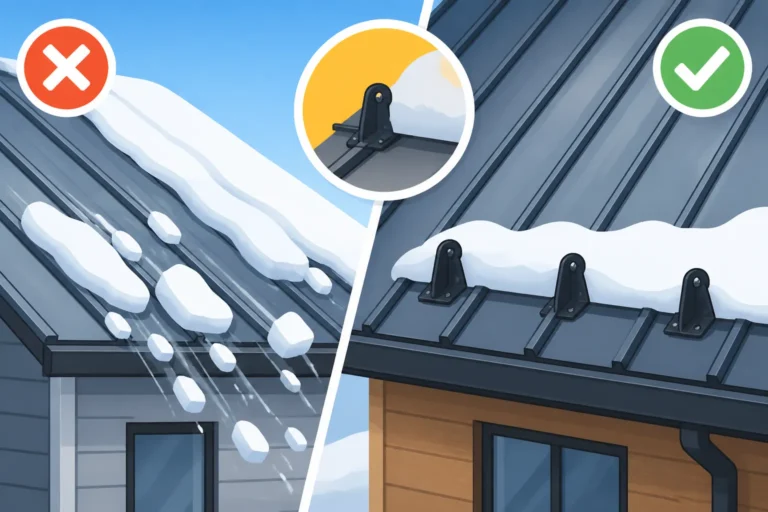
| Mountain / Snow | Debris removal after snowmelt, inspect for ice damming, check snow guard integrity | Annually (Spring/Fall) | Ensure proper ventilation to prevent condensation, check snow load capacity. |
| General Inland | Gutter cleaning, general debris removal, visual inspection of panels/fasteners | Annually | Monitor for dust accumulation, general wear and tear from seasonal changes. |
Disclaimer
Please remember that this guide offers general advice for metal roof maintenance in California. Specific recommendations may vary based on your roof's material, age, manufacturer's guidelines, local building codes, and your home's precise location and microclimate. Always consult with a qualified, local metal roofing professional for personalized advice and to perform any work that requires specialized skills or working at heights. Prioritize safety in all maintenance tasks.