How Long Do Metal Roofs Really Last?
Choosing a new roof for your home is a huge decision, one that carries significant financial weight and long-term implications for your property's protection. It's completely normal to feel overwhelmed by all the options, especially when you're trying to figure out if a big investment like a metal roof will truly pay off over the decades. This guide is here to cut through the marketing jargon and give you a realistic, in-depth look at how long metal roofs really last, what factors influence their longevity, and how you can maximize your investment.
What "Long-Lasting" Really Means for Metal Roofs
When you start researching metal roofing, you'll hear terms like "lifetime warranty" or claims of roofs lasting "50 to 100 years." It's exciting, right? But sometimes these numbers can feel a bit abstract or even too good to be true. Let's break down what these claims truly mean in the context of your home. A metal roof isn't just one component; it's a system, and various parts have different lifespans and guarantees.
Understanding Different Lifespan Claims and Warranties
Many manufacturers will offer impressive warranties, and it's essential to read the fine print. You'll typically find two main types of warranties: the material warranty and the labor/workmanship warranty. The material warranty covers the integrity of the panels themselves, often including the paint finish. For a high-quality metal roof, you might see paint warranties ranging from 25 to 40 years against chalking and fading, while the underlying metal substrate could have a non-prorated warranty for 30, 40, or even 50 years. This means the manufacturer guarantees the metal itself won't rust through or fail structurally within that period, under normal conditions.
It's important to understand that these warranty periods represent the minimum expected functional life under ideal circumstances. Many metal roofs, especially those made from durable materials like aluminum or copper, can easily outlast these warranties by decades if properly installed and maintained. The frustration often comes from homeowners expecting the roof to look brand new for 50 years, not realizing that cosmetic warranties are usually shorter than structural ones. The key is to distinguish between the roof's ability to protect your home and its aesthetic appeal over time. A faded paint finish doesn't mean the roof isn't doing its job, but it might mean it's time for a recoat, which is a much smaller investment than a full replacement.
The Core Factors Influencing Metal Roof Longevity
The true longevity of your metal roof isn't a single, fixed number; it's a dynamic outcome influenced by several critical factors. Thinking of your roof as a complex system helps to understand this better. First and foremost, the material quality and type play an enormous role. There's a big difference between a cheap corrugated tin roof and a premium standing seam copper system. Second, the quality of installation is paramount. Even the best materials can fail prematurely if they're not installed correctly by experienced professionals. Third, your local environmental conditions and climate will impact wear and tear. A roof in sunny, humid Florida faces different challenges than one in snowy, hail-prone Colorado. Finally, ongoing maintenance can significantly extend the life of any roof, keeping minor issues from becoming major problems. Ignoring these factors is like buying a high-performance car and never changing the oil; you're just asking for trouble down the road.
The Lifespan Spectrum: How Different Metal Types Compare
Not all metal roofs are created equal, and their expected lifespans vary significantly depending on the material used. It's like comparing a sturdy oak tree to a fast-growing pine; both are trees, but they mature and endure differently. Understanding these differences is crucial when making your investment.
Steel and Aluminum: The Workhorses of Metal Roofing
When most people think of metal roofs, they're often picturing steel or aluminum. These are the most common and accessible options, offering an excellent balance of durability and cost-effectiveness.
Galvalume Steel Roofing
Steel roofing, often coated with a Galvalume alloy (a blend of zinc and aluminum) for enhanced corrosion resistance, is incredibly popular. You'll find it in various profiles, from classic corrugated to sleek standing seam panels. A well-installed Galvalume steel roof can typically last 40 to 70 years. The key to its longevity lies in that protective coating and the paint system applied over it. High-end paint finishes, like those using Kynar 500 (PVDF) or robust silicone-modified polyester (SMP) resins, are engineered to resist fading, chalking, and chipping for decades. These coatings are vital because they shield the steel from the elements, preventing rust. For instance, in areas with frequent heavy rains or humidity, that coating is the frontline defense. Without it, even the strongest steel would succumb to corrosion over time. This makes understanding your options for Metal Roofing Materials Compared: Steel, Aluminum, Copper & Zinc essential.
Aluminum Roofing
Aluminum roofs boast an even longer lifespan, often reaching 50 to 100 years. What makes aluminum so durable? Its natural resistance to rust and corrosion is a game-changer. Unlike steel, aluminum doesn't need a sacrificial coating to prevent rust; it forms a protective oxide layer when exposed to air. This makes it an ideal choice for coastal regions, like the salty air of the Florida Keys or the Pacific Northwest, where steel roofs might struggle more with corrosion over time. Aluminum is lighter than steel, which can be an advantage for certain roof structures, and it's also a fantastic heat reflector, which can lead to energy savings in hot climates. While generally more expensive than steel, its superior corrosion resistance often justifies the added upfront cost for homeowners seeking maximum longevity, especially near oceans or heavily polluted industrial areas.
Copper and Zinc Roofing: The Heirloom Options
If you're looking for a roof that can literally last for generations, copper and zinc are the gold standard. These materials come with a higher price tag, but their incredible durability and unique aesthetic make them a worthwhile investment for those seeking true heirloom quality.
Copper Roofing
A copper roof is a commitment to posterity, often lasting 100 years or more. It's not uncommon to see copper roofs on historic buildings that are centuries old. Copper doesn't rust; instead, it develops a beautiful, distinctive patina over time, transitioning from a shiny reddish-brown to a stunning verdigris green. This patina isn't just for show; it's a protective layer that actually enhances the material's durability. Copper is incredibly resistant to fire, hail, and strong winds. It's also virtually maintenance-free once installed. While the Copper Roof Cost is significantly higher than steel or aluminum, its unparalleled lifespan and minimal upkeep often make it a sound long-term financial decision for those who can afford the initial investment. Imagine never having to replace your roof again!
Zinc Roofing
Similar to copper, zinc roofing is another premium option known for its exceptional longevity, typically lasting 80 to 100 years or more. Zinc also develops a natural patina, though its coloration is usually a softer blue-gray rather than green. Like copper, this patina acts as a self-healing protective layer, allowing zinc roofs to naturally repair minor scratches over time. Zinc is highly malleable, making it an excellent choice for complex architectural designs and custom flashing work. It's also remarkably sustainable, being 100% recyclable. While Zinc Roof Cost is also on the higher end, its remarkable durability, low maintenance, and unique aesthetic appeal make it a favored choice for custom homes and those prioritizing sustainability and enduring quality.
Stone-Coated Steel and Metal Shingles: Blending Aesthetics with Durability
For homeowners who love the look of traditional roofing materials but want the performance of metal, stone-coated steel and various metal shingle products offer a fantastic compromise. They bring aesthetics and impressive longevity to the table.
Stone-Coated Steel Roofing
Stone-coated steel roofs are essentially steel panels (usually Galvalume steel) coated with an acrylic base, then covered with ceramic-coated stone granules and a final clear acrylic glaze. This innovative design gives them the appearance of asphalt shingles, clay tiles, or even wood shakes, while providing the strength of steel. These roofs typically last 40 to 70 years. The stone coating adds an extra layer of protection against impact, fading, and noise, making them exceptionally durable in regions prone to hail or extreme weather. The texture of the granules also provides excellent traction, which can be a safety benefit. It’s a great option for those who want the aesthetics of a traditional roof but the enhanced durability and lifespan of metal. You can learn more about this specific profile's investment in our guide on Stone-Coated Steel Roof Cost.
Metal Shingles
Metal shingles, or metal tiles and shakes, are individual panels designed to mimic the look of conventional roofing materials but are made from stamped steel or aluminum. These can offer a lifespan of 30 to 70 years, depending on the material, coating, and installation quality. They often come with robust paint finishes that protect against the elements. The appeal of metal shingles lies in their ability to blend seamlessly with existing neighborhood aesthetics or architectural styles, avoiding the industrial look sometimes associated with standing seam or corrugated panels. They are typically much lighter than traditional materials like clay tile or slate, easing the load on your roof structure. For many homeowners, the traditional appearance combined with metal’s benefits like fire resistance, wind resistance, and long life makes Metal Shingle Cost a compelling choice.
Here's a quick comparison of average lifespans for different metal roofing materials:
| Metal Roof Material | Typical Lifespan (Years) | Key Characteristics | Avg. Cost per sq. ft. (Installed) |
|---|---|---|---|
| Galvalume Steel | 40 – 70 | Most common, versatile, wide range of colors/profiles. Excellent value. | $8 – $15 |
| Aluminum | 50 – 100 | Lightweight, superior corrosion resistance (ideal for coastal areas), energy efficient. | $10 – $20 |
| Stone-Coated Steel | 40 – 70 | Mimics traditional shingles/tiles, high impact resistance, quiet. | $9 – $18 |
| Zinc | 80 – 100+ | Self-healing patina, malleable for custom designs, highly sustainable, soft blue-gray patina. | $14 – $28 |
| Copper | 100+ | Unmatched durability, develops beautiful green patina, extremely low maintenance, highest upfront cost. | $20 – $45+ |
| Metal Shingles | 30 – 70 | Mimics asphalt, slate, or wood shakes. Often steel or aluminum with protective coatings. | $9 – $18 |
Note: Cost ranges are approximate and can vary widely based on location, contractor, roof complexity, and specific product details.
The Critical Role of Installation and Ongoing Care
Even if you choose the most robust metal material on the market, its actual lifespan can be drastically cut short if two critical factors are overlooked: professional installation and diligent maintenance. Think of it like this: a high-end sports car won't perform well or last long if it's assembled incorrectly and never gets an oil change.
Why Expert Installation is Non-Negotiable
This is perhaps the single most crucial factor for metal roof longevity. Metal roofing systems are complex and require specialized knowledge, tools, and experience. Unlike asphalt shingles, which many general contractors can install, metal roofing demands precision. If panels aren't properly aligned, if fasteners are over-tightened or under-tightened, if flashing details around chimneys, skylights, and vents are not expertly executed, your roof is destined for premature failure. A slight misalignment can lead to water pooling, improper fastening can cause leaks around screws (a common issue!), and poor flashing is an open invitation for water intrusion.
One common frustration we hear is homeowners who went with the cheapest bid only to find themselves dealing with leaks just a few years later. This is often a direct result of inexperienced installers. A truly qualified metal roofing contractor understands expansion and contraction, proper panel overlap, precise cutting techniques, and the nuances of various metal types. They also know how to work with the specific accessories and components that ensure a watertight seal. This is why we always recommend taking the time to How to Hire a Metal Roofing Contractor who specializes in metal. You might even want to look for Manufacturer-Certified Metal Roof Installers Explained, as these professionals have undergone specific training from the companies making the materials, which often means their work is backed by enhanced warranties. Finding a reliable, experienced installer is paramount. Services like Modernize can be incredibly helpful in connecting you with vetted local contractors who have a proven track record with metal roofing, saving you time and stress in the search.
Proactive Maintenance: Your Investment's Best Friend
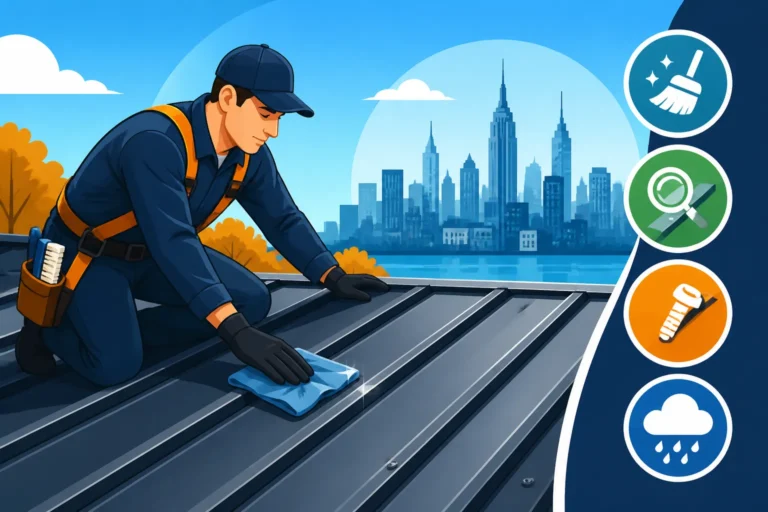
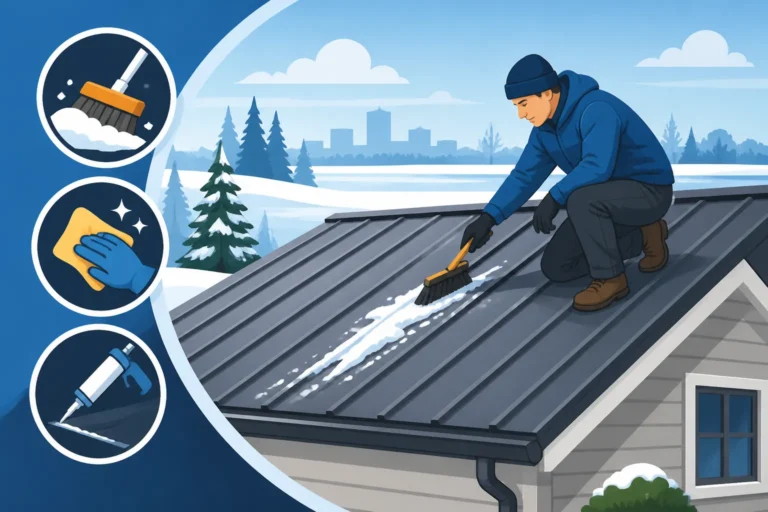
While metal roofs are famously low maintenance compared to other roofing materials, "low maintenance" doesn't mean "no maintenance." Just like any major home component, a little proactive care goes a long way in ensuring your metal roof reaches and even surpasses its projected lifespan. Ignoring simple maintenance tasks can turn minor issues into costly repairs down the line.
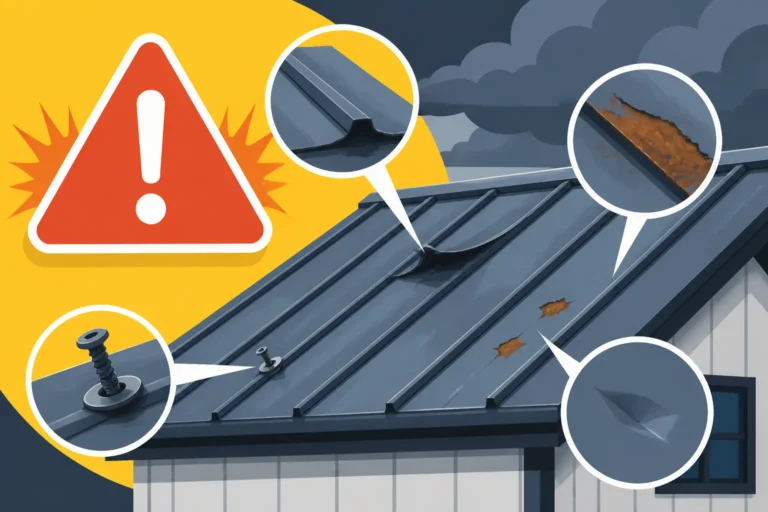
The first step in proactive maintenance is regular inspections. We recommend at least an annual inspection, and ideally after any major storm, especially if you live in an area prone to hail or high winds. You can often do a visual inspection from the ground with binoculars, looking for any obvious signs of distress:
- Loose or missing fasteners: Screws can sometimes back out slightly over time, or the washers beneath them can degrade. These need to be replaced or resealed.
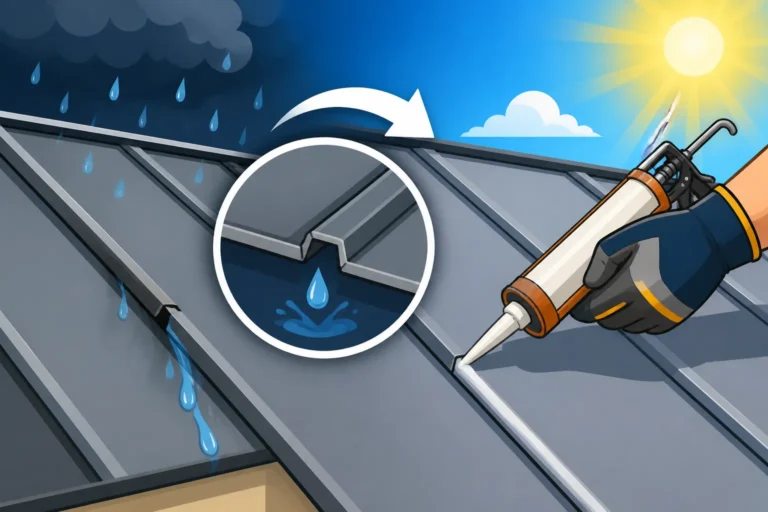
- Damaged sealants: Caulk and sealants around penetrations (vents, pipes, skylights) can dry out, crack, and fail. Reapplying high-quality, compatible sealants is a simple fix.
- Debris buildup: Leaves, branches, and other organic matter can accumulate in valleys or behind chimneys, trapping moisture and potentially leading to localized corrosion or staining, especially if not promptly removed.
- Paint scratches or chips: While minor cosmetic blemishes aren't usually a structural issue, larger areas of exposed metal should be touched up with compatible paint to prevent surface rust, particularly on steel roofs.
Beyond visual checks, keeping your roof clean is also important. Avoid letting large amounts of leaves or dirt sit on the panels for extended periods. A gentle rinse with a garden hose is usually sufficient. Avoid harsh chemicals or pressure washing, which can damage coatings and void warranties. If you notice any Warning Signs Your Metal Roof Needs Attention, such as discolored streaks, bubbling paint, or persistent drips in your attic, address them immediately. Don't procrastinate, as small leaks can lead to significant damage to your home's interior and structure. For a more detailed approach, check out our comprehensive Metal Roof Maintenance Guide.
Real-World Expectations and Long-Term Value
Investing in a metal roof is a long-term decision, one that often outlives the homeowners who install it. While warranties provide a baseline, the true service life often tells a more compelling story about its enduring value.
Beyond the Warranty: The True Service Life
It's common for metal roofs to perform well beyond their stated warranty periods. A high-quality metal roof, especially a standing seam system with a robust PVDF coating, might have a 40-year warranty, but could easily still be shedding water effectively and looking decent at 60 or even 70 years old. Consider historical examples: copper roofs on European cathedrals have lasted for centuries, and even some early American metal roofs are still functional. While modern materials and installation techniques are different, the inherent durability of metal remains.
This extended service life translates into significant long-term value. Unlike asphalt shingles, which typically need replacement every 15-30 years, a metal roof eliminates multiple re-roofing cycles. This means fewer disruptions, less waste going to landfills, and substantial savings over the lifespan of your home. When you factor in potential insurance discounts, increased energy efficiency, and enhanced resale value (a topic we explore further in Is a Metal Roof Worth It? ROI, Resale & Payback), the initial investment often looks far more appealing. The long life also contributes to the roof's Metal Roof Cost vs Lifespan Value, making it a sound financial decision over time.
Preparing for the Future: What to Expect Over Decades
Even the most durable metal roof will show some signs of aging over many decades. For painted steel or aluminum roofs, the most noticeable change will likely be the paint finish. After 30-40 years, you might observe some chalking (a white, powdery residue) or fading, especially on darker colors exposed to intense UV radiation. This is normal and doesn't usually affect the roof's ability to protect your home. However, if the aesthetics are important, repainting or recoating your metal roof is a viable option, a process detailed in our guide on Repainting and Recoating a Metal Roof. This can refresh its appearance and extend its cosmetic life for many more years, at a fraction of the cost of a full replacement.
Other minor issues that might arise over several decades include the occasional need to replace degraded rubber washers on exposed fastener roofs or reseal flashing. However, these are generally minor repairs, not systemic failures requiring a full overhaul. The structure of the metal panels themselves, particularly with high-quality materials and professional installation, will remain intact. When trying to decide between addressing these issues or considering a major overhaul, our guide on Metal Roof Repair vs Replacement: How to Decide can offer valuable insights.
Ultimately, choosing a metal roof is an investment in your home's future. It's a commitment to superior protection, energy efficiency, and minimal maintenance that will serve you and your family for decades. By understanding the factors that influence its lifespan, opting for quality materials and expert installation (perhaps even connecting with a professional through Modernize), and performing routine checks, you can ensure your metal roof lives up to its long-lasting promise.
Disclaimer
This guide provides general information about metal roof lifespans and related factors. Individual results and costs may vary significantly based on specific product choices, geographic location, contractor rates, and unique property characteristics. Always consult with qualified metal roofing professionals for personalized advice and estimates. Local building codes and regulations also play a critical role and should always be confirmed.