Does a Steel Roof Rust or Corrode?
One of the biggest worries I hear from homeowners considering a metal roof, especially a steel one, is the dreaded question of rust. It’s a completely valid concern. You're investing in a durable, long-lasting roofing solution, and the last thing you want is for it to start looking like an old, neglected tin shed after a few years. This guide is here to tackle that concern head-on, explaining exactly how steel roofs perform against rust and corrosion, and what factors truly affect their lifespan and appearance.
The Heart of the Matter: Understanding Steel Roofing
When you hear "steel roof," it's not always just plain, raw steel up there. That would indeed be a recipe for rust disaster in most climates! The beauty of modern steel roofing lies in the incredible engineering and protective layers that make it a formidable barrier against the elements. It’s a far cry from the unadorned metal you might imagine.
Types of Steel Used in Roofing
There isn't just one type of steel used for roofing; rather, there are several specialized forms, each designed to offer specific benefits, especially when it comes to resisting the forces of nature, like moisture and oxygen that cause rust.
Galvanized Steel
This is probably the most common starting point for steel roofing. Galvanized steel is essentially regular steel that has been coated with a layer of zinc. Why zinc? Because zinc is much more reactive than steel. When moisture or corrosive elements come into contact with a galvanized panel, the zinc acts as a sacrificial layer, corroding itself to protect the steel underneath. It's a clever chemical trick that has been used for over a century, providing a robust defense. However, even with galvanization, the coating can eventually wear down, especially in harsh conditions or if scratched.
Galvalume Steel
Taking protection a step further, Galvalume steel offers an impressive blend of zinc and aluminum, typically 55% aluminum, 43.4% zinc, and 1.6% silicon. This specific alloy coating provides superior corrosion resistance compared to traditional galvanized steel. The aluminum component creates a strong barrier protection, while the zinc still offers that crucial sacrificial protection at cuts and scratches. This combination results in a coating that can last significantly longer, making it an incredibly popular choice for residential metal roofing. Many manufacturers, like Metal Sales and McElroy Metal, utilize Galvalume as a base for their premium panels. If you're wondering, "Is Galvalume a good roofing material?", the answer is a resounding yes, especially for rust resistance!
Stone-Coated Steel
For homeowners who love the look of traditional shingles, tile, or shake but want the durability of metal, stone-coated steel is a fantastic option. This type of steel roofing starts with a Galvalume-coated steel core, which is then covered with an acrylic primer, a layer of stone granules, and finally, a clear acrylic overglaze. The stone granules provide a beautiful aesthetic and an extra layer of physical protection against impacts, while the Galvalume core ensures exceptional corrosion resistance. This multi-layered approach gives you the best of both worlds: stunning curb appeal and long-lasting performance.
The Battle Against Rust and Corrosion
Rust and corrosion are natural processes, but modern steel roofing is specifically engineered to win this battle for decades. Understanding how these processes work helps appreciate the protective measures put in place.
What Exactly is Rust?
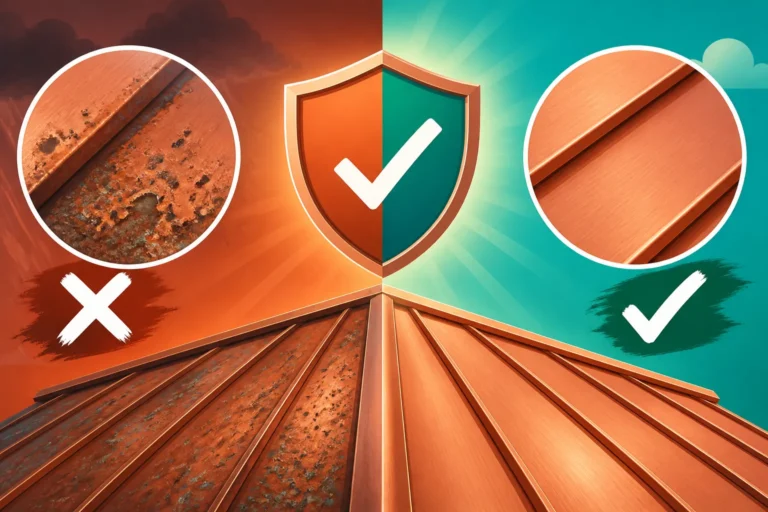
At its core, rust is a specific type of corrosion that only affects iron and its alloys, like steel. It occurs when iron is exposed to oxygen and moisture (like water or humidity) for an extended period. This creates an electrochemical reaction called oxidation, forming iron oxides – what we commonly call rust. You know the tell-tale signs: a reddish-brown, flaky material that weakens the metal over time. For a roof, this weakening can lead to leaks, structural issues, and eventually, failure.
The Role of Coatings in Preventing Rust
The coatings on steel roofs are the absolute superheroes in preventing rust. Without them, a plain steel roof wouldn't stand a chance against the elements.
Metallic Coatings (Zinc, Aluminum, or Both)
As we discussed with galvanized and Galvalume steel, these metallic coatings are the first line of defense. They protect the steel in two main ways:
- Barrier Protection: The coating physically separates the steel from oxygen and moisture. As long as the coating remains intact, the steel beneath is safe.
- Sacrificial Protection: If the coating is scratched or damaged, exposing the steel, the more reactive zinc (or zinc/aluminum alloy) will corrode preferentially, sacrificing itself to protect the underlying steel. This self-healing property is incredibly valuable, especially around cuts and fastener points.
Paint and Primer Systems
Beyond the metallic coatings, nearly all modern steel roofs receive a high-performance paint system. These aren't just for aesthetics; they add another critical layer of protection. Often, these systems consist of a primer layer and then a topcoat, often made from specialized resins like PVDF (Polyvinylidene Fluoride) or SMP (Silicone Modified Polyester). PVDF coatings, commonly sold under brand names like Kynar 500®, are renowned for their exceptional durability, color retention, and resistance to chalking and fading, making them a premium choice for metal roofing. For a deeper dive, you can explore the differences between PVDF vs SMP Paint Coatings for Metal Roofs. These paint systems provide an additional barrier against moisture and UV radiation, further slowing down any potential corrosion process.
Ensuring Your Steel Roof's Longevity
While steel roofs are inherently designed to resist rust, their long-term performance heavily depends on proper installation, maintenance, and the specific environment they're in. Even the most robust roof needs a little care.
Installation Best Practices
A flawless installation is paramount to preventing premature rust or corrosion. A skilled contractor, preferably one specializing in metal roofing, understands the nuances.
Proper Fasteners and Sealants
One common area for rust to begin is around fasteners and seams. This is why specialized screws with neoprene washers and high-quality sealants are critical. These components prevent water from penetrating the roof deck or sitting in contact with the bare metal at screw points. Using the wrong type of fastener, or fasteners not designed for exterior metal use, can lead to galvanic corrosion – where dissimilar metals react with each other in the presence of an electrolyte (like rainwater), causing one to corrode rapidly.
If you're curious about the mechanics, learn more about How Are Metal Roof Panels Attached?.
Avoiding Dissimilar Metal Contact
Another crucial aspect is preventing direct contact between dissimilar metals, especially metals like copper or lead, with your steel roof panels. For instance, copper flashing or wiring in contact with a steel roof can accelerate corrosion dramatically due to galvanic reaction. Reputable installers are well-versed in these principles and use appropriate isolation techniques or compatible materials.
Environmental Factors and Considerations
Your home's location and the local climate play a significant role in how well your steel roof holds up over time.
Coastal Environments
If you live near the ocean, the salt in the air is a major corrosive agent. Salt-laden air can break down protective coatings faster than in inland areas. In such environments, choosing an aluminum roof (which doesn't rust) or a high-grade Galvalume steel with robust PVDF coatings is highly recommended. Regular rinsing of your roof can also help mitigate salt buildup.
Industrial Areas
Homes located near industrial facilities might be exposed to airborne pollutants or acidic rain, which can also accelerate corrosion. Again, high-quality coatings become even more critical in these situations.
Shade and Moisture
Roofs that are heavily shaded by trees can stay wet longer after rain or dew, creating a more persistent environment for rust if coatings are compromised. Keeping your roof clear of debris and ensuring good ventilation can help it dry out more efficiently.
Regular Maintenance and Inspections
Even though metal roofs are low-maintenance, they aren't no-maintenance. A little proactive care goes a long way. If you’re unsure, a reliable service like Modernize can connect you with contractors for routine inspections.
Cleaning
Periodically cleaning your metal roof can prevent the buildup of organic debris, dirt, and pollutants that can hold moisture and lead to localized corrosion. A simple rinse with a garden hose is often sufficient, but for stubborn areas, a soft brush and mild soap can be used. Avoid harsh chemicals or high-pressure washers, which can damage coatings. You can find more tips in our comprehensive Metal Roof Maintenance Guide.
Inspecting for Damage
Regularly inspecting your roof, especially after severe weather events, is key. Look for scratches, dents, or areas where the coating might be compromised. Small scratches can often be touched up with manufacturer-approved paint pens to prevent rust from setting in. Pay particular attention to flashing, vents, and any penetrations, as these are common areas for issues to arise. If you spot anything concerning, early intervention is always best. Our guide on Warning Signs Your Metal Roof Needs Attention can help you know what to look for.
Addressing Rust Promptly
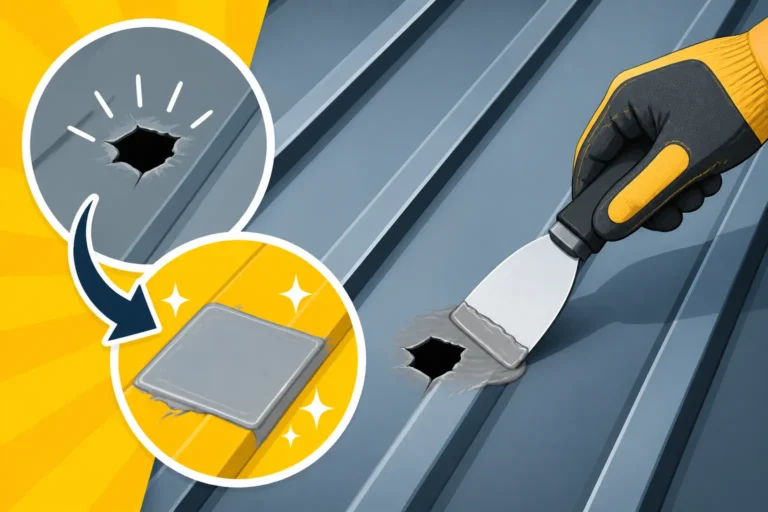
If you do notice any signs of rust, don't panic, but don't ignore it either. Small spots can often be treated. For surface rust, gentle cleaning and then applying a rust-inhibiting primer and matching touch-up paint can prevent it from spreading. For more severe rust, professional repair might be necessary, potentially involving panel replacement or specialized coatings. Learn more about Metal Roof Rust and Corrosion Treatment.
Comparing Steel to Other Roofing Materials
Understanding how steel stands up against other common roofing materials can help put its rust and corrosion resistance into perspective.
Steel vs. Aluminum
Aluminum is inherently corrosion-resistant because it forms a protective oxide layer almost instantly when exposed to air. Unlike steel, aluminum does not rust in the traditional sense; it oxidizes, but this oxidation actually protects the metal. This makes aluminum an excellent choice for coastal areas or extremely humid climates. However, aluminum is typically softer and more expensive than steel, and it can be more prone to denting.
Steel vs. Copper and Zinc
Copper and zinc are premium metal roofing materials known for their extreme longevity and beautiful natural patinas. Like aluminum, they do not rust. Copper develops a distinct green patina, and zinc forms a blue-gray patina, both of which are protective layers that make these roofs incredibly durable. However, both copper and zinc come with a significantly higher price tag than steel.
Steel vs. Asphalt Shingles
Asphalt shingles, being a non-metallic material, don't rust or corrode. However, they are prone to degradation from UV exposure, wind, hail, and temperature fluctuations, leading to cracking, curling, and granule loss. Their lifespan, typically 15-30 years, is considerably shorter than that of a well-maintained steel roof, which can last 40-70 years. While the initial Metal Roof vs Asphalt Shingle Cost might seem higher, the long-term value and durability often make steel a more cost-effective choice over its lifespan.
Here’s a quick overview of common residential roofing metals and their primary corrosion characteristics:
| Material Type | Primary Composition | Rust/Corrosion Resistance | Common Coatings/Treatments | Typical Lifespan (Years) | Key Characteristics Against Corrosion |
|---|---|---|---|---|---|
| Galvanized Steel | Steel with Zinc | Good (sacrificial protection) | Paint systems | 20-40 | Zinc sacrifices itself to protect steel. |
| Galvalume Steel | Steel with Zinc & Aluminum | Excellent (barrier & sacrificial) | Paint systems | 40-70 | Aluminum provides barrier, zinc sacrificial. |
| Stone-Coated Steel | Galvalume Steel Base | Excellent (additional granule layer) | Acrylic primer, stone granules, clear glaze | 40-70 | Galvalume core protected by granular finish. |
| Aluminum | Aluminum | Superior (self-protecting oxide) | Paint systems | 50-100+ | Forms a passive, protective oxide layer. |
| Copper | Copper | Superior (forms protective patina) | None (patina desired) | 100+ | Forms a stable, protective green patina. |
| Zinc | Zinc | Superior (forms protective patina) | None (patina desired) | 80-100+ | Forms a stable, protective blue-gray patina. |
The Investment in a Rust-Resistant Roof
When you're looking at the cost of a new roof, especially a metal one, it's easy to focus solely on the upfront price. But with steel, part of that investment is directly tied to the advanced rust and corrosion protection you're getting.
Long-Term Value and ROI
While a Metal Roof Cost: Complete 2026 Guide will show that the initial expense for a steel roof is generally higher than asphalt shingles, the long-term value is undeniable. A properly installed, high-quality steel roof with its robust anti-corrosion properties can easily last 40 to 70 years, sometimes even longer. This means you might never have to replace your roof again, saving you significant costs over the decades. This longevity translates into excellent Metal Roof Cost vs Lifespan Value and a strong return on investment.
Warranty Considerations
Always pay close attention to the warranty offered by the manufacturer and the installer. Many steel roofing manufacturers offer substantial warranties against rust-through, chalking, and fading, often extending for 20-50 years. This speaks volumes about their confidence in the corrosion resistance of their products. A good warranty provides peace of mind, knowing that your investment is protected. Be sure to ask your contractor about both the manufacturer's product warranty and their workmanship warranty. A professional service like Modernize can help you find installers who stand by their work and offer solid warranties.
Choosing the Right Contractor
Even the best materials won't perform as expected if installed incorrectly. Choosing a reputable and experienced metal roofing contractor is critical. They should understand local building codes, proper installation techniques for metal panels, and the best practices for preventing corrosion. Ask for references, check their licensing and insurance, and ensure they have a proven track record with metal roofing, specifically steel. You can learn more about How to Hire a Metal Roofing Contractor to ensure you make the right choice. A well-versed contractor will ensure that your roof is installed in a way that maximizes its rust-resistant properties.
The Bottom Line: Does a Steel Roof Rust or Corrode?
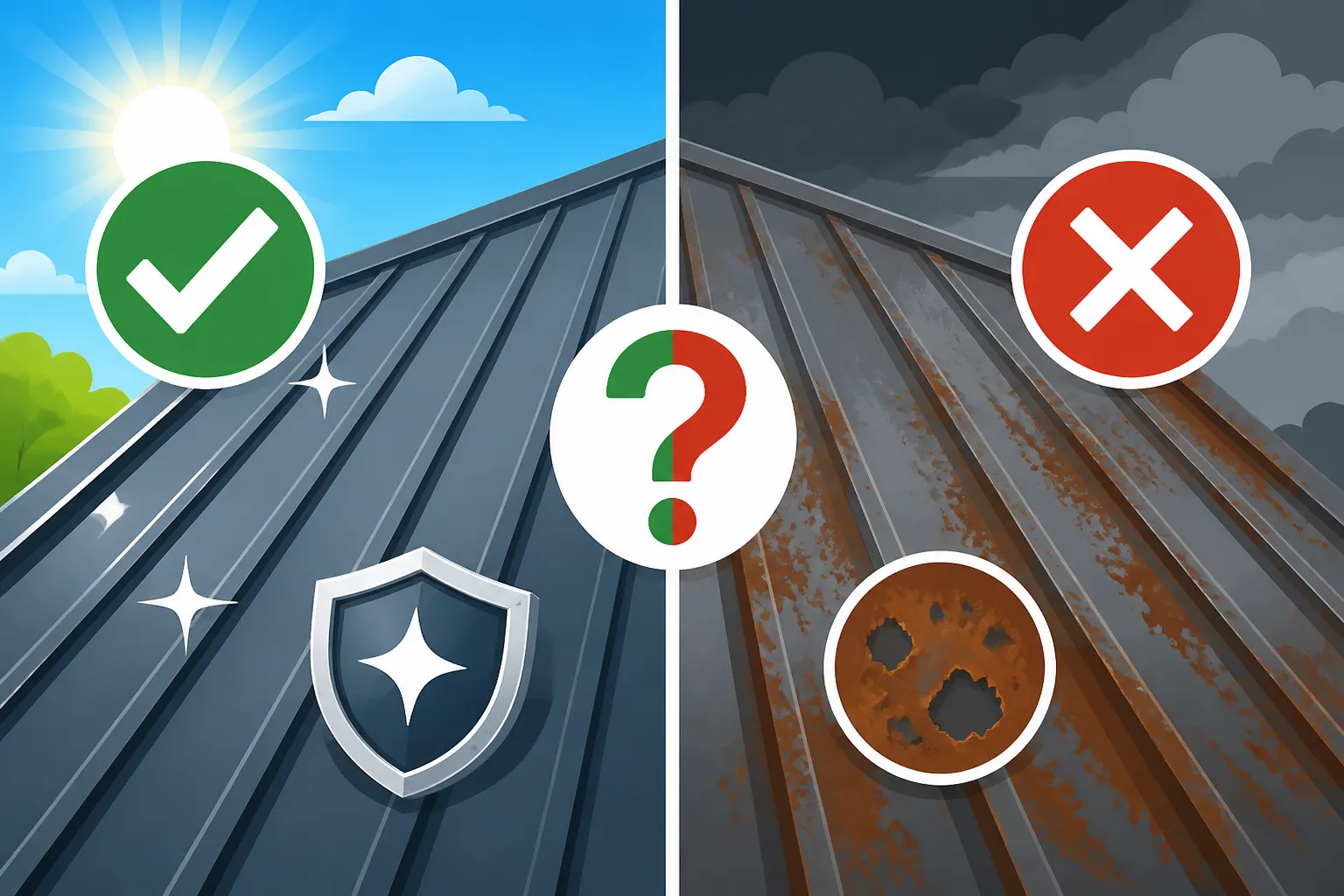
The short answer is: raw, untreated steel will rust and corrode. However, modern steel roofing materials are engineered with multiple, highly effective protective layers to prevent this. Thanks to galvanization, Galvalume coatings, and advanced paint systems like PVDF, a high-quality steel roof offers excellent resistance to rust and corrosion, designed to last for many decades with minimal issues.
While no material is completely immune to wear and tear, the chances of a properly manufactured, installed, and maintained steel roof rusting significantly during its expected lifespan are very low. The key is to invest in quality materials, ensure professional installation, and follow basic maintenance guidelines. With these steps, you can enjoy the aesthetic appeal, durability, and peace of mind that a steel metal roof brings to your home, without the constant worry of rust.
Disclaimer
This article is intended for informational purposes only and does not constitute professional advice. Always consult with a qualified metal roofing contractor and local building authorities before making any decisions related to your roofing project.