How Long Does a 5V Crimp Metal Roof Last?
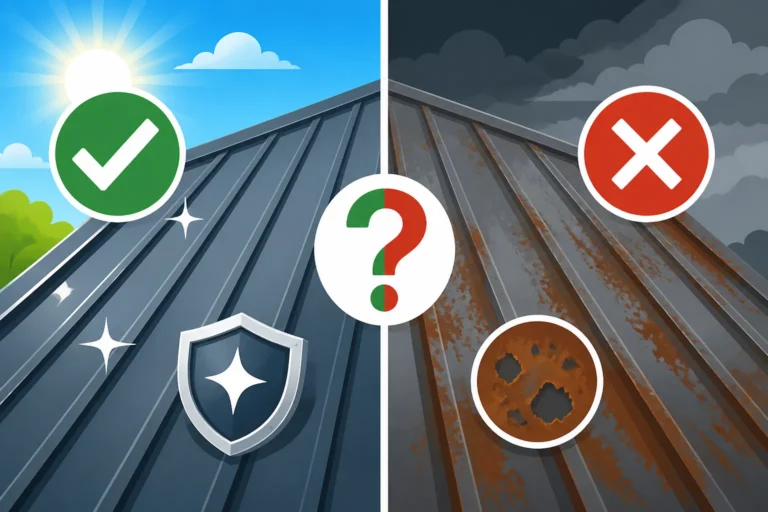
One of the biggest questions homeowners grapple with when considering a new roof, especially something as significant as a metal roof, is how long it will truly last. It's a hefty investment, and you want to be sure you're making a choice that will stand the test of time, weathering storms and sun for decades to come. This guide will dive deep into the specific lifespan of a 5V Crimp metal roof, exploring what you can realistically expect and the critical factors that play a role in its enduring performance.
Understanding the 5V Crimp Metal Roof Profile
Let's be honest, the world of metal roofing can feel a bit like a foreign language sometimes, with all its talk of profiles, gauges, and coatings. But don't let that overwhelm you! The 5V Crimp is actually one of the more straightforward and recognizable options out there, known for its distinctive look and robust performance. Before we talk about how long it lasts, it's important to understand what makes this particular profile tick.
What Defines a 5V Crimp Panel?
The "5V Crimp" name comes directly from its appearance: the panels feature five distinct "V" shaped crimps or ribs running parallel along their length. Typically, these panels are installed with exposed fasteners, meaning the screws that attach the panels to your roof deck are visible. This isn't a flaw; it's a design characteristic that contributes to its classic, rustic, and sometimes agricultural aesthetic. You’ll often see these roofs on barns, sheds, and commercial buildings, but they’ve gained considerable popularity in residential settings, especially for homes that lean into a farmhouse, coastal, or even modern industrial vibe. The beauty of the 5V Crimp lies in its simplicity and functionality, offering reliable protection without the intricate interlockings of some other metal profiles. If you’re curious to learn more about the specifics, our article on what defines a 5V Crimp Metal Roof? goes into greater detail.
These panels are usually wider than standing seam panels, which means fewer seams across your roof. The V-shaped ribs add rigidity to the metal, helping it stand up to various weather conditions. Homeowners often appreciate the classic look and the relatively simple installation process compared to some more complex systems. However, it's crucial to remember that "simple" doesn't mean "easy" or "DIY-friendly" for such a critical component of your home. You'll still want to rely on experienced professionals for installation.
Materials Commonly Used for 5V Crimp Roofing
While the 5V Crimp refers to the shape of the panel, the material it’s made from is just as crucial for its performance and, most importantly, its lifespan. You’ll find these panels commonly fabricated from galvanized steel, Galvalume steel, and sometimes aluminum. Each material brings its own set of characteristics to the table, affecting everything from corrosion resistance to overall cost.
Galvanized steel is steel coated with a layer of zinc, which provides a barrier against rust. Galvalume steel, on the other hand, uses a coating of zinc and aluminum, offering superior corrosion resistance compared to traditional galvanized steel, especially in coastal or humid environments. Aluminum is another excellent option, naturally resistant to rust and much lighter than steel, making it ideal for certain structural considerations. The choice of material is a primary driver in how long your roof will endure, and it's something a reputable contractor will discuss with you in depth. Understanding the nuances between materials is key to setting proper expectations for your metal roof's longevity, and our guide on Metal Roofing Materials Compared: Steel, Aluminum, Copper & Zinc offers a great comparison.
How Long Can You Really Expect a 5V Crimp Metal Roof to Last?
This is the million-dollar question, isn't it? You’re making a significant investment in your home, and you want to know if that promise of "a lifetime roof" holds true. The good news is, a 5V Crimp metal roof, when properly installed and maintained, certainly lives up to the general reputation of metal roofing for exceptional durability and longevity. However, "lifetime" can mean different things to different people, and it’s important to have a realistic understanding.
Average Lifespan Expectations
For a typical residential 5V Crimp metal roof, you can generally expect it to last anywhere from 40 to 70 years. That's a huge range, I know, but it really highlights just how many variables are at play. In many cases, it will be the last roof you ever need to install on your home. This far outpaces traditional asphalt shingles, which often need replacement every 15-30 years. When you consider the long-term value, the initial investment in a metal roof often pays for itself over its extended lifespan.
Think about it this way: if you install a 5V Crimp roof today, your grandchildren might be enjoying the benefits of that same roof decades from now. This kind of longevity means less worry about frequent roof replacements, fewer disruptions, and ultimately, more peace of mind. While the initial Metal Roof Cost can seem higher, the long-term savings in maintenance and replacement costs, plus potential insurance benefits, really add up.
Factors Defining "Long-Lasting"
What makes one 5V Crimp roof last 40 years and another push past 70? It boils down to a combination of factors, many of which are within your control.
- Material Quality: As mentioned earlier, the specific metal used (Galvalume, galvanized steel, aluminum) and its gauge (thickness) are paramount. Thicker gauges (lower numbers like 24 or 26 gauge) offer greater durability against impacts and wear.
- Coating and Finish: The protective coatings applied to the metal panels are essential for resisting rust, fading, and chalking. High-quality paint systems, like Kynar 500® (PVDF), are designed to retain their color and integrity for decades, significantly extending the aesthetic and protective life of your roof.
- Installation Quality: This is arguably the most critical factor. Even the best materials will fail prematurely if installed incorrectly. Proper sealing around fasteners, correct panel alignment, and meticulous flashing work are non-negotiable. More on this in the next section.
- Environmental Exposure: Your local climate plays a huge role. Homes in areas with extreme weather (heavy snow loads, intense UV radiation, high winds, coastal salt spray) might see a slightly shorter lifespan than those in milder climates, though metal roofs are built to withstand these challenges remarkably well.
- Maintenance: While metal roofs are low-maintenance, they're not no-maintenance. Regular inspections and prompt attention to minor issues can prevent them from becoming major problems.
Ultimately, aiming for the higher end of that 40-70 year spectrum requires a conscious effort in choosing quality materials, hiring expert installers, and committing to basic ongoing care. It's a partnership between the material's inherent strength and your diligence as a homeowner.
Critical Factors Affecting 5V Crimp Roof Longevity
As we've touched upon, the lifespan of your 5V Crimp metal roof isn't just a number pulled out of thin air. It’s the result of several interacting elements, and understanding these can help you make informed decisions that ensure your investment truly goes the distance.
The Impact of Material and Gauge
The type of metal and its thickness, or "gauge," are foundational to how long your 5V Crimp roof will endure. This is where the rubber meets the road, so to speak, in terms of the roof's inherent strength and resistance to the elements.
When you're looking at steel, you'll commonly encounter galvanized and Galvalume options. Galvalume steel, with its aluminum-zinc alloy coating, generally offers superior corrosion resistance compared to galvanized steel, especially in harsh conditions. This is a significant factor for longevity, as rust is the enemy of any metal roof. Aluminum, while often more expensive, is naturally rust-proof and very lightweight, making it an excellent, long-lasting choice for certain applications.
Beyond the material type, the gauge is critical. Metal roofing gauges are a bit counterintuitive: a lower gauge number means a thicker piece of metal. So, 24-gauge steel is thicker and more durable than 26-gauge, and 26-gauge is thicker than 29-gauge. For residential 5V Crimp applications, 26-gauge is quite common and provides good durability. However, if you're in an area prone to hail, very high winds, or simply want maximum robustness, a 24-gauge panel will offer even greater resistance to denting, bending, and general wear. Our article on Metal Roof Gauges Explained: 22, 24, 26 & 29 dives into this topic in more detail, helping you choose the right thickness for your needs. Investing in a higher quality material and a lower gauge might increase your upfront Metal Roof Cost Per Square Foot, but it’s a direct investment in the roof's long-term performance and reduced need for repairs down the line.
The Non-Negotiable Role of Professional Installation
I cannot stress this enough: the quality of your installation is paramount. Even if you have the finest 24-gauge Galvalume panels with a top-tier PVDF coating, a shoddy installation can render all that quality moot, leading to premature failures, leaks, and a significantly shortened lifespan. This is particularly true for 5V Crimp roofs due to their exposed fastener design.
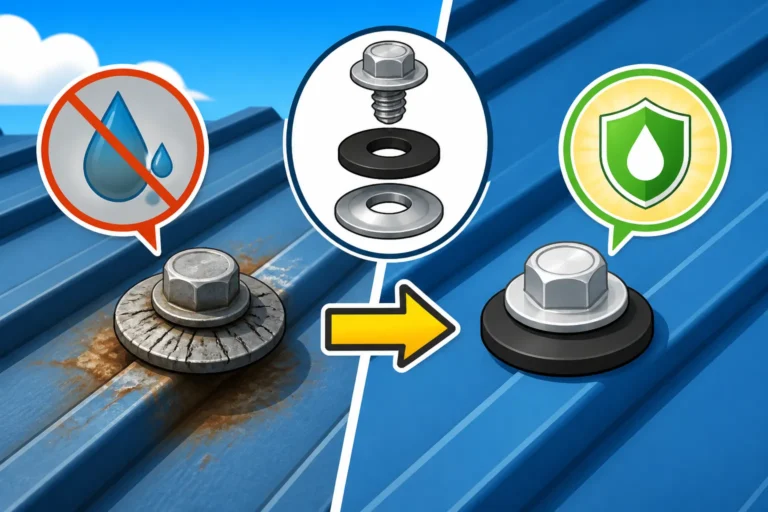
With exposed fastener systems, every screw creates a penetration point through the metal panel. While these screws come with neoprene washers designed to seal these points, improper torque during installation (too tight or too loose), misalignment, or using low-quality fasteners can compromise this seal. Over time, these compromised points can lead to leaks, especially during heavy rains or wind-driven moisture. Furthermore, incorrect panel overlap, improper flashing around chimneys and vents, or a poorly prepared roof deck can all contribute to problems that significantly reduce the roof's longevity.
This is why choosing a highly skilled and experienced metal roofing contractor is not just a suggestion, it's an absolute requirement. They understand the specific demands of metal roofing, the nuances of different profiles like the 5V Crimp, and the critical importance of every detail in the Metal Roof Installation Process: Step by Step. Don't just go with the lowest bid; look for a contractor with a proven track record, proper licensing, insurance, and excellent references. Platforms like Modernize can help connect you with reputable local contractors who specialize in metal roofing, ensuring you get the expertise needed for a lasting installation. They are also crucial in correctly addressing underlying issues, like ensuring adequate underlayment, which is vital for the entire roofing system's performance. You can delve into How to Hire a Metal Roofing Contractor for more guidance on this critical step.
Environmental Exposure and Coatings
The world your roof lives in plays a big part in how well it ages. Your local climate and environmental factors will constantly test its resilience.
- UV Radiation: Constant exposure to the sun's ultraviolet rays can degrade lower-quality paint coatings over time, leading to fading, chalking, and eventually, a breakdown of the protective layer. High-quality coatings like PVDF (Kynar 500®) are specifically formulated to resist UV degradation, maintaining their color and integrity for decades. This not only keeps your roof looking great but also ensures the underlying metal remains protected.
- Precipitation (Rain, Snow, Hail): While metal roofs are excellent at shedding water and snow, persistent moisture can challenge less durable coatings or exposed fasteners. Hail, especially large hailstones, can dent thinner gauge panels, though thicker gauges offer significant resistance. If you live in an area with heavy snowfall, considering snow guards can help manage snow slides, preventing potential damage to gutters and landscaping. Our article on Does a Metal Roof Dent From Hail? offers more insights.
- Salt Air (Coastal Regions): Homes near the coast face a unique challenge: salt spray. Salt is highly corrosive to many metals. For these environments, choosing materials like aluminum or Galvalume with specialized coastal-grade coatings is essential to prevent premature corrosion and extend lifespan.
- Temperature Extremes: Metal roofs expand and contract with temperature fluctuations. A properly installed roof will account for this movement, but improper installation can lead to fasteners backing out or panels buckling over time, creating potential leak points.
Choosing the right coating, like a high-performance Kynar 500® (PVDF) finish, can provide an exceptional shield against these environmental assaults, significantly contributing to the roof's 50-70 year lifespan. These advanced coatings resist chipping, fading, and chalking better than standard polyester paints, keeping your roof looking vibrant and performing optimally for much longer.
Maximizing the Lifespan of Your 5V Crimp Metal Roof
So, you've invested in a fantastic 5V Crimp metal roof, chosen great materials, and found an expert installer. Now what? The good news is that metal roofs are incredibly low-maintenance compared to other roofing types, but "low" doesn't mean "none." A little proactive care can go a very long way in ensuring your roof reaches, or even exceeds, that 70-year mark.
Regular Inspections and Maintenance Schedule
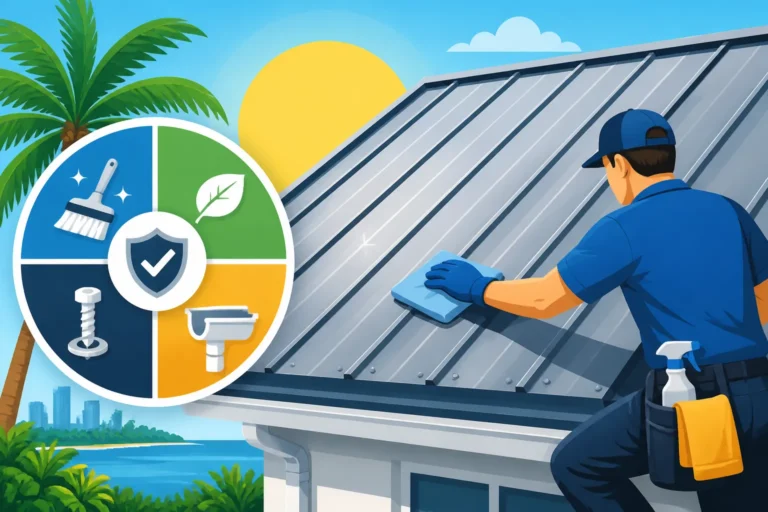
Think of your roof like your car: it needs regular check-ups to stay in top shape. While metal roofs don't typically require the annual cleaning or sealing that some other materials do, periodic inspections are crucial.
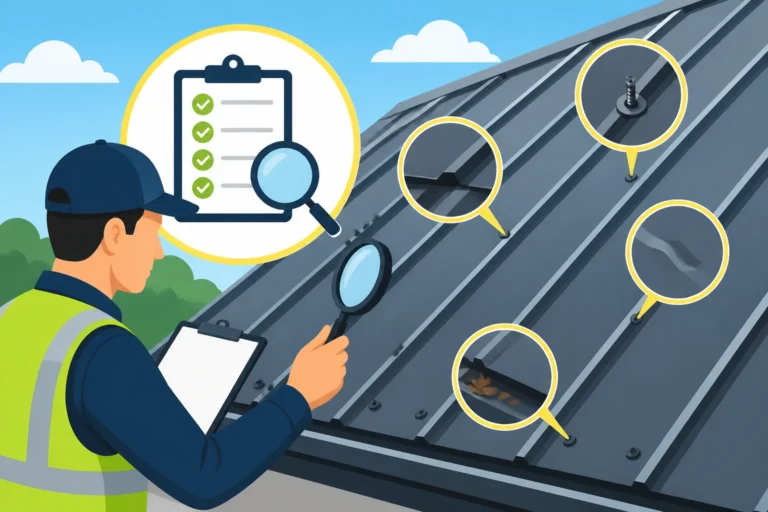
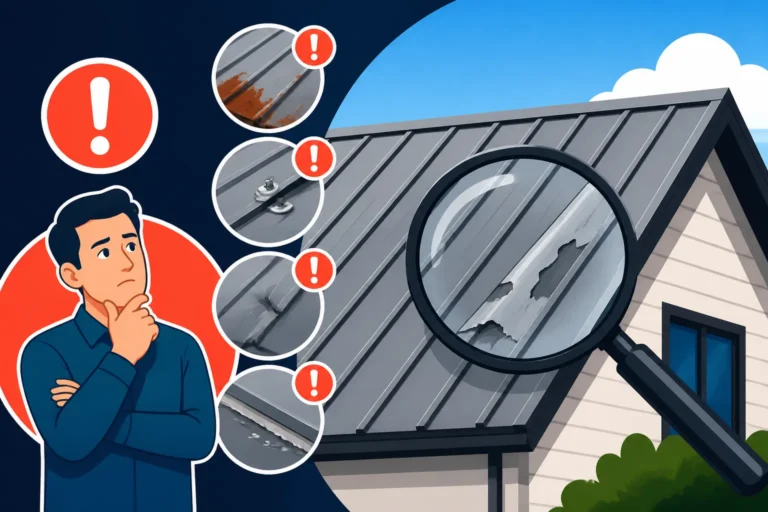
- Annual or Bi-Annual Visual Checks: Take a walk around your home, or use binoculars if you're not comfortable on a ladder, to visually inspect your roof once or twice a year, ideally after severe weather events. Look for obvious signs of trouble:
- Loose or Missing Fasteners: The exposed fasteners on a 5V Crimp roof are the most common wear points. Check for screws that have backed out or whose washers appear cracked or degraded. These are relatively easy fixes for a professional to address.
- Damaged Panels: Look for dents, scrapes, or areas where the coating might be compromised. Small scratches can often be touched up before they become rust issues.
- Flashing Issues: Pay close attention to areas where the roof meets chimneys, skylights, vents, or walls. Flashing is critical for preventing leaks, and any signs of separation or damage here need immediate attention.
- Debris Accumulation: While metal roofs shed debris well, leaves, branches, and other organic matter can sometimes get caught in valleys or near dormers. This can trap moisture, leading to staining or, in rare cases, localized corrosion if left for extended periods.
- Gutter Performance: Ensure your gutters are clear and effectively draining water away from your roof and foundation. Clogged gutters can cause water to back up onto the roof, potentially affecting the lower edges of panels.
If you spot anything concerning, don't hesitate to call your roofing contractor. Catching minor issues early is key to preventing them from escalating into costly repairs. Our comprehensive Metal Roof Maintenance Guide offers even more tips on what to look for and how to care for your roof throughout the year.
Addressing Minor Issues Promptly
It's tempting to put off small repairs, but with a roof, procrastination can lead to significant headaches and expenses. Small issues, if left unaddressed, have a nasty habit of becoming big, expensive problems.
- Fastener Replacement: If you notice loose or degraded fasteners, a professional can easily replace them. This usually involves removing the old screw, applying a bit of sealant, and installing a new, high-quality screw with an oversized washer to ensure a tight, lasting seal. Don't try to just tighten old screws, as the existing washer might already be compromised.
- Sealant Repair: Over many decades, even the best sealants around flashing or panel overlaps can begin to degrade. A quick re-application of a high-quality, compatible sealant by a professional can prevent water intrusion.
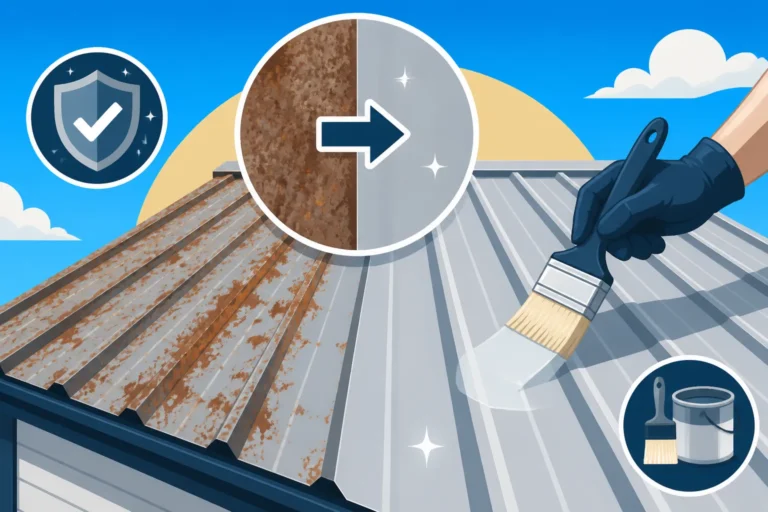
- Panel Touch-Ups: Minor scratches that expose the base metal should be touched up with paint specifically designed for metal roofs to prevent rust. Your installer can usually provide or recommend the correct product.
Ignoring these seemingly minor issues can lead to water infiltration, which can damage your roof deck, insulation, and even the interior of your home. Addressing them swiftly preserves the integrity of your roof system and contributes significantly to its projected 40-70 year lifespan. When it comes to significant repairs, you might find our article on Metal Roof Repair vs Replacement: How to Decide helpful in weighing your options.
The Role of Underlayment and Ventilation
While not directly part of the metal panel itself, the components underneath your 5V Crimp roof play an enormous role in its overall performance and longevity. A robust underlayment system and proper ventilation are unsung heroes of a long-lasting roof.
A high-quality synthetic underlayment or an ice and water shield installed directly beneath the metal panels provides an essential secondary barrier against moisture. In the rare event that water penetrates the metal panels (perhaps due to extreme weather or unnoticed damage), the underlayment prevents it from reaching your roof deck and attic. This is particularly important with exposed fastener systems where screw penetrations, over decades, could eventually be a source of a leak if their washers degrade. Our guide on Do You Need Underlayment Under a Metal Roof offers more insights into this protective layer.
Equally important is proper attic ventilation. A well-ventilated attic prevents heat and moisture buildup, which can have several adverse effects:
- Condensation: Excess moisture in the attic can condense on the underside of your roof deck and metal panels, potentially leading to rust on fasteners or even wood rot in the decking over many years.
- Heat Buildup: A hot attic can transfer heat down into your living spaces, increasing your cooling costs. Proper ventilation allows this heat to escape.
- Ice Dams: In cold climates, poor ventilation can contribute to ice dam formation, which can force melting snow under your roof panels and damage gutters.
By ensuring your attic has adequate intake and exhaust ventilation, you create a healthy environment for your entire roofing system, extending the life of your 5V Crimp roof and helping you avoid common issues like a Metal Roof Leak Around Chimney or Skylight. Reputable contractors, like those found through Modernize, always consider these crucial elements as part of a complete roofing system installation.
Comparing 5V Crimp to Other Metal Roof Profiles
It's helpful to see where the 5V Crimp stands in the broader landscape of metal roofing, especially when it comes to longevity and common applications. While all quality metal roofs offer impressive lifespans, there are subtle differences to consider.
5V Crimp vs. Standing Seam and Corrugated
When we talk about metal roofing, two other profiles often come up: standing seam and corrugated. Each has its own characteristics that influence lifespan, aesthetic, and cost.
- Standing Seam: This is often considered the "gold standard" of metal roofing. It features panels with vertical seams that stand up, usually 1.5 to 2 inches above the flat panel. The key difference from 5V Crimp is that standing seam systems use hidden fasteners. This means the clips that attach the panels to the roof deck are concealed beneath the raised seams, leaving no exposed penetrations for water to potentially enter. This hidden fastener system contributes to its typically longer lifespan, often pushing past 60-70 years with ease, as there are fewer points of potential failure over time. However, standing seam is also generally more expensive to install due to its specialized components and installation methods. You can learn more about Standing Seam Metal Roof Cost for comparison.
- Corrugated Metal: Corrugated panels are known for their distinctive wavy, rippled profile. Like 5V Crimp, they typically use exposed fasteners. Corrugated is generally a more economical option and is extremely common on agricultural buildings, workshops, and sometimes rustic residential homes. While durable, the exposed fasteners mean its lifespan often aligns more closely with that of 5V Crimp, generally in the 40-60 year range, depending heavily on the quality of fasteners, installation, and specific coatings. Our article on How Long Does a Corrugated Metal Roof Last? provides a deeper dive.
The 5V Crimp strikes a nice balance. It offers a more robust appearance than corrugated and, while using exposed fasteners, the distinct V-crimps add strength and a classic look that many homeowners desire. Its lifespan generally falls comfortably between corrugated and standing seam, making it a reliable, long-term choice.
Here's a quick comparison of common metal roof types and their typical lifespans:
| Metal Roof Profile | Fastener Type | Common Materials | Typical Lifespan (Years) | Key Characteristics |
|---|---|---|---|---|
| 5V Crimp | Exposed | Galvalume, Galvanized, Al | 40 – 70 | Distinct "V" ribs, classic farmhouse/coastal look, durable, balance of cost/longevity. |
| Standing Seam | Hidden | Galvalume, Aluminum, Steel | 50 – 70+ | Smooth, modern look, superior weather resistance, higher upfront cost. |
| Corrugated | Exposed | Galvalume, Galvanized | 40 – 60 | Wavy profile, economical, often used for outbuildings or rustic homes. |
| Metal Shingles/Tiles | Hidden or Exposed | Steel, Aluminum, Copper | 50 – 70+ | Mimics traditional shingles/tiles, aesthetically versatile, premium option. |
This table helps illustrate that while there are nuances, all quality metal roofs offer truly exceptional longevity, setting them apart from conventional asphalt options.
Why Choose a 5V Crimp for Longevity?
Despite the exposed fasteners, many homeowners still opt for a 5V Crimp for its undeniable charm and impressive durability. Here’s why it remains a solid choice for longevity:
- Proven Design: The 5V Crimp profile has been around for a long time, proving its resilience in various climates. It's a workhorse of a roof.
- Rigidity: The V-crimps add significant stiffness to the panels, making them less prone to oil canning (a visual waviness) and more resistant to bending or denting than flatter panels of the same gauge.
- Cost-Effectiveness: While not the cheapest metal roof, it's typically less expensive than standing seam, offering an excellent balance of cost and a long, reliable lifespan. It provides excellent long-term value, especially when comparing the Metal Roof Cost vs Lifespan Value.
- Repairability: Should a panel or a section of fasteners ever need attention decades down the road, exposed fastener systems can sometimes be simpler to repair or replace individual components on compared to complex hidden-fastener systems.
Ultimately, a 5V Crimp metal roof is an investment in enduring protection and classic curb appeal. With the right materials, expert installation from professionals, and a bit of routine care, it will faithfully protect your home for many, many decades to come, easily outliving multiple cycles of other roofing materials.
Disclaimer
Please remember that the information provided in this article is intended for general guidance and informational purposes only. While we strive to offer accurate and up-to-date content, actual results and recommendations can vary significantly based on your specific location, local building codes, chosen materials, installation contractor, and individual project circumstances. Always consult with qualified and licensed metal roofing professionals for personalized advice, detailed estimates, and to ensure compliance with all local regulations and manufacturer warranty requirements for your specific roofing project.