Metal Roof Fastener Washer Replacement
It’s a frustrating scenario many homeowners face: you look up at your beautiful metal roof, expecting decades of worry-free performance, only to notice tiny streaks or, worse, actual drips coming from around the fasteners. Those little rubber washers on your metal roof screws are the unsung heroes, but when they fail, they can cause big problems. This comprehensive guide will walk you through everything you need to know about metal roof fastener washer replacement, helping you identify issues, choose the right parts, and tackle the repair to protect your home.
The Critical Role of Fastener Washers in Metal Roofing
When you think about a metal roof, the robust panels and strong fasteners probably come to mind first. But those small, often overlooked washers beneath the head of each screw are doing heavy lifting, creating a watertight seal and allowing for essential thermal movement. Without them, your roof simply wouldn't perform as it should, leading to leaks and premature degradation.
Sealing Against the Elements
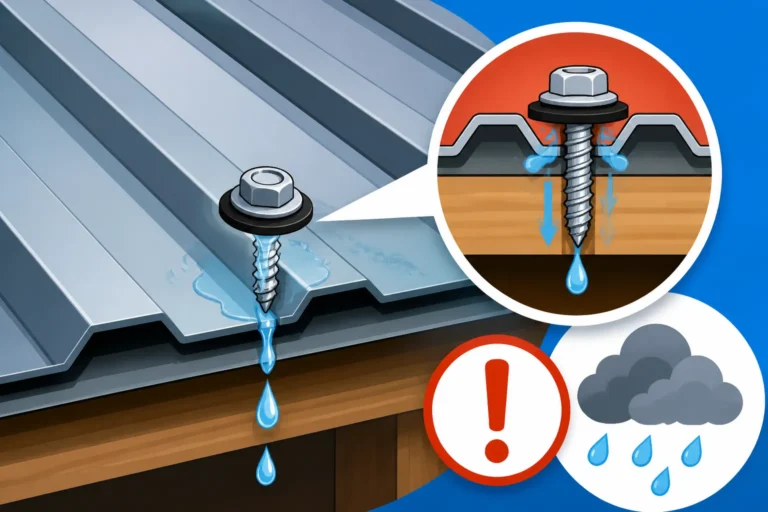
The primary function of a metal roof fastener washer is to create a tight, waterproof seal between the fastener head and the metal panel. Most commonly made from EPDM (ethylene propylene diene monomer) rubber, these washers compress as the screw is driven in, conforming to the contours of the panel and the screw head. This compression forms a barrier, preventing water from seeping through the screw penetration point. Think of it as a tiny, yet mighty, gasket for every single point where your roof is attached. Without this seal, every screw hole would become an open invitation for rain, snowmelt, and even humid air to enter your roofing system, potentially damaging the sheathing and structural components underneath. A compromised seal is a direct path to a leaking metal roof, and it's often one of the first things a professional will check during an inspection.
Accommodating Thermal Expansion and Contraction
Metal roofs are renowned for their durability, but they're also subject to significant thermal movement. As temperatures rise and fall throughout the day and across seasons, metal panels expand and contract. This movement can be substantial, especially on a large roof. The EPDM washer plays a crucial role in accommodating this natural process. Its elastic nature allows it to flex and move slightly with the metal panel without breaking its seal. If the washer were rigid, the constant movement of the metal panel would quickly tear or dislodge it, or worse, put undue stress on the fastener and the panel itself, leading to enlarged holes or buckling. This flexibility is what helps maintain the integrity of the seal over years of extreme weather cycles, from scorching summer sun to freezing winter nights.
Identifying Failing Fastener Washers
Catching problems with your metal roof fastener washers early can save you a world of headache and expense down the line. It's not always obvious, so knowing what to look for is key to proactive maintenance. Regular inspections are invaluable, and sometimes, the roof will tell you it has a problem if you know how to listen and look.
Visible Signs of Deterioration
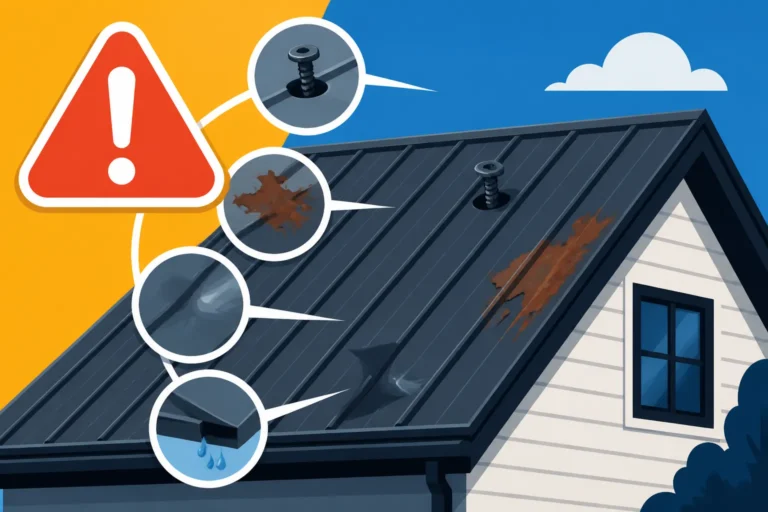
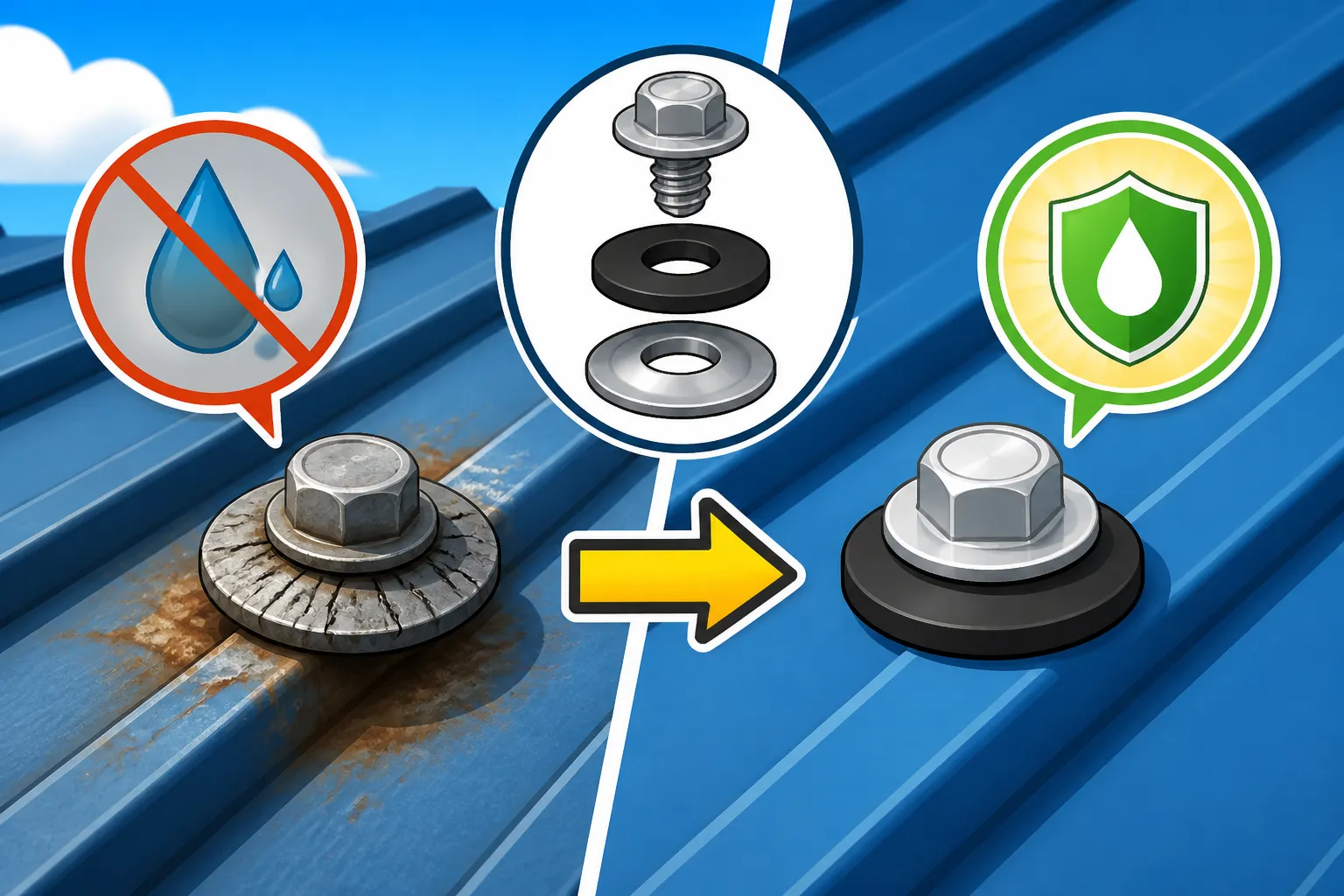
The most common signs of failing washers are often visible if you conduct a careful inspection. One of the clearest indicators is cracking or splitting of the rubber material. Over time, UV radiation from the sun, extreme temperatures, and general weathering can degrade the EPDM rubber, causing it to lose its elasticity and become brittle. You might see small fissures radiating out from the center of the washer, or even larger cracks that have started to break off pieces. Another tell-tale sign is dry rot or chalking, where the rubber appears crumbly or powdery, losing its dense, pliable texture. This is a sign the material has lost its essential oils and is no longer capable of creating a proper seal.
Sometimes, the washers might simply appear flattened or squashed out, indicating they've lost their ability to rebound and maintain compression. This can happen due to overtightening during installation or prolonged exposure to heat. If you see pieces of rubber missing or the washer looking thin and ineffective, it's definitely time to consider a replacement. Keep in mind that these visible signs are often more pronounced on the sunny side of your roof, where UV exposure is highest.
Evidence of Leaks and Water Intrusion
While visible deterioration on the roof itself is a primary indicator, the most serious consequence of failing washers is water intrusion. If you notice signs of a leak inside your home, especially during or after rainfall, the fastener washers are a prime suspect. Look for water stains on ceilings or walls, particularly in areas directly below the roofline. These stains might be faint discoloration or more pronounced dark spots, depending on the severity and duration of the leak.
Another crucial place to check is your attic or crawl space. Grab a flashlight and carefully inspect the underside of your roof deck (the plywood or OSB sheathing). Any dark spots, streaks, or wetness around where the fasteners penetrate are clear indications of water intrusion. You might also notice mold or mildew growth in these areas, accompanied by a musty odor, which points to long-term moisture problems. In severe cases, you might even see water dripping directly from the roof sheathing. When you see such evidence, it's often a case of your metal roof leaking at the screws. Addressing these issues quickly is essential to prevent structural damage and expensive repairs.
Protruding or Loose Fasteners
Sometimes the problem isn't just the washer itself, but the fastener's interaction with the washer and panel. Over time, due to thermal cycling and wind uplift, metal roof screws can sometimes back out or become loose. When a fastener isn't fully seated, the washer won't be compressed adequately, rendering its seal ineffective. You might visually spot a screw head that appears slightly raised compared to its neighbors, or one that you can wiggle by hand if it's accessible.
Another issue can be a phenomenon known as "walloping" or "oversized holes." This occurs when the fastener moves excessively within the panel, especially in high-wind conditions, causing the hole in the metal to enlarge. When the hole becomes too large, even a perfectly good washer may not be able to create an effective seal because there isn't enough surface area to compress against. In such cases, simply replacing the washer might not be enough; you might need to use larger diameter screws or implement other repair strategies to secure the panel properly. Loose fasteners also make your roof more susceptible to wind damage, as panels can lift more easily. A thorough metal roof inspection is critical for identifying these issues early.
Types of Fasteners and Washers for Metal Roofs
Understanding the different types of fasteners and washers available is crucial, not just for replacement but for ensuring proper installation in the first place. Using the right combination for your specific metal roof system and climate is paramount to its longevity and performance.
Fastener Types: Screws and Their Coatings
For residential metal roofs, screws are the most common type of fastener used for exposed fastener systems. These are typically self-tapping screws, meaning they can drill their own hole and tap threads into the substrate (like wood purlins or metal framing) in one operation. The material and coating of these screws are vital for corrosion resistance.
- Stainless Steel Screws: These offer superior corrosion resistance, making them ideal for coastal environments or areas with high humidity. They are more expensive but provide excellent long-term performance.
- Galvanized Steel Screws: Coated with zinc, these screws offer good resistance to rust and are a common choice for many applications. Hot-dip galvanized screws generally provide a thicker, more durable coating than electro-galvanized.
- Ceramic-Coated Screws: These coatings (like those found on products from Everbilt or GRK Fasteners) provide an additional layer of protection against corrosion and can offer excellent performance, often with warranties against red rust.
- Painted Heads: Many metal roof screws come with painted heads to match the color of the metal panels, improving the aesthetic appeal of the roof. This paint also offers a minor additional layer of protection.
It's important to match the fastener material and coating to the metal panel material to prevent galvanic corrosion, which occurs when two dissimilar metals come into contact in the presence of an electrolyte (like rainwater). For example, using non-stainless steel fasteners on an aluminum roof could lead to accelerated corrosion of the aluminum over time.
Washer Materials and Design
The washer is arguably as important as the screw itself in an exposed fastener system. The most common material is EPDM rubber, but variations exist.
- EPDM (Ethylene Propylene Diene Monomer) Washers: These are the industry standard for their excellent weather resistance, UV stability, and ability to remain flexible across a wide temperature range. Quality EPDM washers are designed to last for decades, often matching the lifespan of the metal panels. They maintain their elasticity, allowing for the thermal expansion and contraction of the roof panels without breaking the seal.
- Neoprene Washers: While also rubber, neoprene generally has less UV resistance and can degrade faster than EPDM when exposed to direct sunlight. You might find them in older installations or on less critical applications, but EPDM is preferred for modern metal roofing.
- Bonded Washers: This is the most common configuration, where the EPDM rubber washer is "bonded" or vulcanized to a steel or aluminum backing. The metal backing provides stability and prevents the rubber from being over-compressed or squeezed out during installation, ensuring a consistent and reliable seal. When shopping for replacement washers, always look for high-quality bonded EPDM washers.
It's also worth noting that the diameter of the washer is important. Larger diameter washers provide a wider sealing surface, which can be beneficial, especially on softer metal panels or in areas prone to high winds. Always aim to replace washers with ones of the same or slightly larger diameter, ensuring compatibility with your existing fasteners and roof system.
Step-by-Step Metal Roof Fastener Washer Replacement
Replacing failing fastener washers is a task that many homeowners can tackle, but it requires patience, the right tools, and a commitment to safety. If you’re not comfortable working on your roof, especially on a steep pitch, it’s always best to call a professional. For those ready to DIY, here's how to go about it.
Safety First: Preparing for the Job
Before you even think about climbing onto your roof, prioritize safety. This isn't just a suggestion; it's absolutely crucial.
- Secure Ladder: Ensure your ladder is sturdy, properly angled, and extends at least three feet above the eave line. Have someone steady it for you if possible.
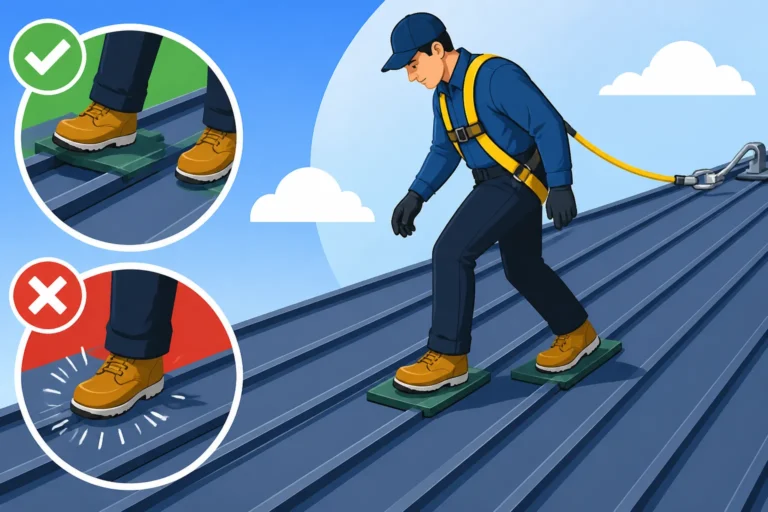
- Fall Protection: For any roof work, especially on steeper pitches, consider using a fall arrest system. This includes a harness, lanyard, and anchor point. Even a seemingly small fall can result in serious injury.
- Appropriate Footwear: Wear soft-soled, non-slip shoes. Boots with good traction are ideal to prevent slips on metal panels, which can be slick even when dry. Remember that metal can get incredibly hot in direct sunlight, so wear thick socks.
- Weather Conditions: Only work on a dry roof. Rain, dew, or even heavy humidity can make metal panels extremely slippery. Avoid windy days, as sudden gusts can be dangerous, and working with tools can become challenging.
- Gloves and Eye Protection: Protect your hands from sharp metal edges and your eyes from debris, dust, or bits of old washer material.
- Tool Belt/Bucket: Use a tool belt or a bucket securely attached to you to carry tools and fasteners, preventing them from rolling off the roof and hitting someone or damaging property below.
Preparation also involves gathering your materials. You’ll need replacement bonded EPDM washers (make sure they are specifically designed for metal roofing), a power drill with a clutch setting, appropriate hex head driver bits for your screws (often 1/4" or 5/16"), and possibly some metal roofing sealant (like urethane or silicone specifically for metal). Having a small wire brush or scraper to clean around the screw area can also be helpful. If you’re not sure where to find the right materials, reputable metal roofing suppliers or even larger hardware stores like Home Depot or Lowe's will carry them.
Removing and Replacing the Old Fasteners
Once you’re safely on the roof, it’s time to get to work. Start by locating the failing washers.
- Careful Removal: Using your drill, slowly back out the old screw. It’s crucial to use a gentle touch, especially if the screw is overtightened or stripped. You want to avoid stripping the hole in the panel or the underlying substrate. If the screw is rusted in place, a penetrating oil might help, but often, the rust is localized to the screw head and washer.
- Inspect the Hole: Once the old screw is out, carefully inspect the hole in the metal panel. Is it still round and tight? Or has it become enlarged, oval-shaped, or corroded? If the hole is significantly damaged, simply replacing the screw and washer might not be enough. You might need to use an oversized screw, or, in severe cases, a patch repair might be necessary. Also, check the integrity of the underlying decking or purlin. If it's rotted, the screw won't hold properly, and a more extensive repair is needed.
- Clean the Area: Use a wire brush or scraper to gently clean any remaining old washer material, dirt, or rust from around the screw hole on the metal panel. A clean surface ensures the new washer can create a proper seal.
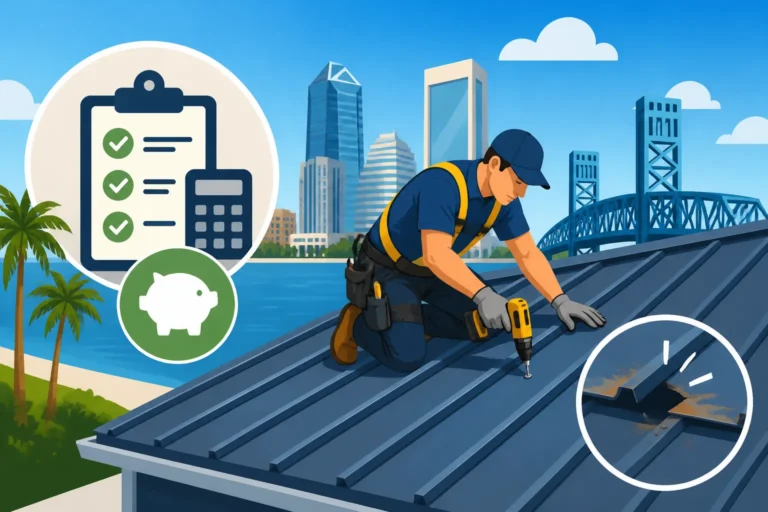
- Install the New Fastener: Take a new metal roof screw with a fresh bonded EPDM washer. Position it over the cleaned hole. Using your power drill with the clutch set to a low-to-medium torque (you want it tight, but not too tight), slowly drive the screw back in.
- Proper Torque is Key: The goal is to compress the EPDM washer just enough so that it slightly bulges around the perimeter of the screw head, creating that essential watertight seal. If you overtighten, you'll crush the washer, reducing its lifespan and effectiveness. If you undertighten, the seal won't be complete, leading to leaks. It's a fine balance that often comes with practice. You should see a uniform, slightly squished ring of rubber around the screw head, but not so much that it's visibly bulging or splitting.
- Avoid Stripping: Be mindful not to strip the threads in the underlying substrate. If you feel the screw spinning freely without tightening, it's stripped. You'll then need to move to a slightly larger diameter screw, move the fastener location slightly, or use a specific repair plug if the substrate allows.
- Apply Sealant (Optional but Recommended): For added protection, especially in high-exposure areas or if you have concerns about the hole's integrity, you can apply a small dab of high-quality metal roofing sealant or lap sealant under the new washer before driving the screw, or around the perimeter of the new washer once it's installed. This creates an extra layer of defense against water.
Remember, this process will need to be repeated for every failing washer you identify. It can be time-consuming, but the long-term benefits of a watertight roof are well worth the effort.
Post-Replacement Inspection and Maintenance Tips
After replacing the washers, it’s not just "set it and forget it." A final inspection and ongoing maintenance will ensure your hard work pays off.
- Visual Check: Once all replacements are done, step back and visually inspect the entire repaired area. Look for consistency in how the new washers are seated. Are any too tight? Too loose? Address any inconsistencies.
- Water Test: If practical and safe, after the sealant (if used) has cured, you can perform a gentle water test. Use a garden hose to simulate rain over the repaired sections and then check the underside of the roof deck or attic for any signs of new leaks.
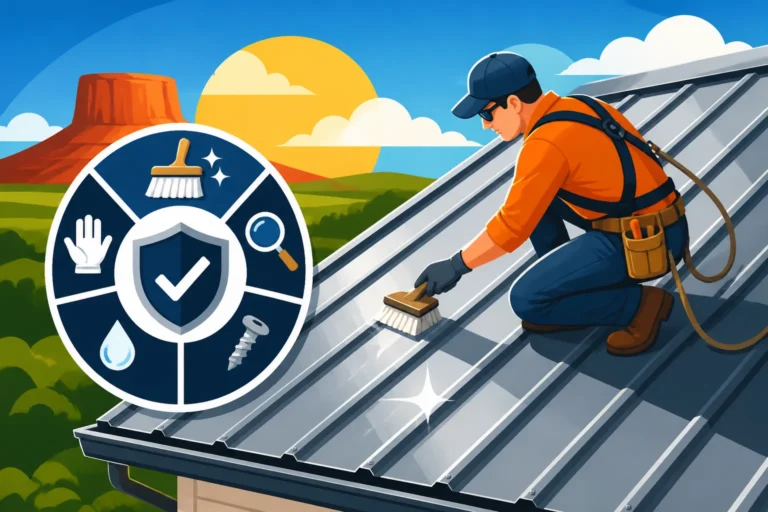
- Regular Inspections: Make a habit of inspecting your metal roof at least once a year, preferably in the spring and fall. Pay close attention to all fasteners. Early detection of future issues means easier and cheaper fixes. Check out our guide on Metal Roof Inspection: What to Check for a comprehensive list.
- Cleaning: Keep your roof clean of debris, leaves, and branches. Accumulated organic matter can trap moisture, accelerate degradation of washers, and even lead to moss or algae growth.
- Don't Forget Other Components: While you're up there, take a moment to inspect other crucial metal roof components and accessories explained, such as flashing, vents, and edge trim. These also play vital roles in preventing leaks.
This preventative approach will significantly extend the life of your metal roof and its components.
Preventing Future Washer Failure
While EPDM washers are designed for longevity, proactive measures can significantly extend their life and the overall integrity of your metal roof system. A little foresight during installation and regular maintenance can save you a lot of grief (and money) down the road.
Choosing High-Quality Materials
The initial investment in quality materials pays dividends over the lifespan of your roof. When selecting fasteners and washers, don't just opt for the cheapest option available.
- Premium EPDM Washers: Look for fasteners that come with high-grade, UV-stabilized EPDM washers. Reputable manufacturers often specify the quality and lifespan of their washers. Some manufacturers even offer screws with larger diameter washers or those specifically engineered for extreme weather conditions. This is where researching products from trusted brands like Everbilt, SFS intec, or Atlas Bolt & Screw can make a real difference.
- Corrosion-Resistant Fasteners: As discussed, the fastener itself must be durable. Stainless steel or ceramic-coated screws, especially in harsh environments, will outlast standard galvanized options. Preventing rust on the screw head also prevents degradation of the washer directly beneath it.
- Manufacturer Recommendations: Always follow the recommendations of your metal roof panel manufacturer. They know which fasteners and washers perform best with their specific metal alloys and coatings. If you're working with a contractor, ask them about the specific products they plan to use and verify their quality. Finding a reputable contractor through services like Modernize can help ensure quality materials are used.
Proper Installation Techniques
Even the best materials can fail prematurely if not installed correctly. Proper installation is critical to maximizing the life of your fastener washers.
- Avoid Overtightening: This is perhaps the most common cause of premature washer failure. Overtightening crushes the EPDM rubber, causing it to thin out, crack, and lose its elastic properties. When driving screws, the goal is to compress the washer just enough to create a seal, with a slight "bulge" around the perimeter. Using a drill with an adjustable clutch is essential to control torque.
- Avoid Undertightening: Conversely, undertightening leaves the washer without adequate compression, resulting in an incomplete seal and immediate leak potential. The screw should be snug, holding the panel firmly but not distorting it.
- Perpendicular Driving: Screws should be driven straight and perpendicular to the roof panel. Angled screws can create uneven pressure on the washer, leading to an ineffective seal and potential stress on the screw shank.
- Correct Placement: Fasteners should be placed in the flat part of the panel or the major ribs, as specified by the panel manufacturer, to ensure proper seating and sealing. Incorrect placement can lead to oil canning or buckling, which can affect the washer's performance.
If you're hiring a professional, inquire about their installation techniques and experience with metal roofing. Ask if they use torque-controlled drills and understand the nuances of fastener installation. A skilled installer is key to avoiding issues that lead to a need for metal roof fastener washer replacement.
Regular Maintenance and Inspections
Consistent care and regular check-ups are the simplest yet most effective ways to prevent major issues.
- Annual Visual Inspections: Twice a year, ideally in spring and fall, conduct a thorough visual inspection of your entire metal roof from the ground with binoculars, and if safe, from the roof itself. Look for any signs of cracking, drying, or erosion of the washers. Also, check for any screws that appear to have backed out or are loose. This proactive approach helps identify minor issues before they escalate into major leaks. Our Metal Roof Maintenance Guide provides an excellent checklist for these inspections.
- Cleaning Debris: Keep your roof clear of leaves, branches, and other organic debris. Accumulated debris can trap moisture, accelerating the degradation of washers and leading to premature rust on fasteners. This is especially true in valleys and around roof penetrations.
- Address Issues Promptly: If you spot any failing washers or loose screws, address them as quickly as possible. Small repairs are far less costly and time-consuming than dealing with extensive water damage from a prolonged leak. Delaying can lead to much larger problems, possibly even necessitating a Metal Roof Repair vs Replacement: How to Decide dilemma down the road.
- Consider Coatings: In extremely harsh UV environments, some homeowners explore clear protective coatings for their metal roofs. While not directly applied to washers, these coatings can reduce overall UV exposure, potentially benefiting all roof components.
By implementing these preventative strategies, you’re not just saving your washers; you’re investing in the long-term health and performance of your entire metal roof system, minimizing the need for extensive repairs down the line.
When to Call a Professional for Washer Replacement
While many savvy homeowners can handle replacing a few failing washers, there are definitely times when calling in a professional metal roofing contractor is the smartest, safest, and most cost-effective decision. Knowing your limits can save you from bigger problems.
Steep Roof Pitches and Difficult Access
Working on a roof is inherently risky, but the dangers amplify exponentially with a steep roof pitch. If your roof has a pitch greater than 4/12 (meaning it rises 4 inches for every 12 inches of run), it quickly becomes challenging to navigate safely without specialized equipment.
- Safety Concerns: Professionals have the proper fall protection equipment, including harnesses, ropes, and anchor systems, that most homeowners don't own or know how to use correctly. They are also trained in working at heights and understanding roof dynamics. Trying to maneuver tools, fasteners, and sealant on a steep, potentially slippery metal roof while maintaining balance can lead to serious injury or even death.
- Efficiency and Expertise: A professional team can work more efficiently on a steep roof, often employing scaffolding or specialized lifts, allowing them to complete the job faster and with greater precision than a DIY attempt would permit. They also have the experience to spot other potential issues that might not be obvious to an untrained eye.
- Insurance and Liability: If you get injured attempting a dangerous repair, your homeowner's insurance might not cover medical expenses. If a tool or fastener falls and damages property or injures someone, you could be held liable. A licensed and insured contractor carries their own liability insurance, protecting you from these risks. For tasks on challenging roofs, finding a qualified contractor is paramount; consider using a service like Modernize to connect with local experts.
Widespread Washer Failure or Systemic Issues
If you're noticing just one or two failed washers, that's one thing. But if you start seeing widespread cracking, degradation, or loose screws across a large section of your roof, it's a strong indicator of a more systemic problem that needs professional assessment.
- Root Cause Analysis: Widespread failure could point to poor initial installation (e.g., consistent overtightening), substandard materials used throughout the roof, or unusually harsh environmental factors causing accelerated degradation. A professional can diagnose the underlying cause, not just fix the symptoms. They might identify issues like inadequate Metal Roof Underlayment and Ventilation Guide or poor panel alignment.
- Comprehensive Solutions: A professional contractor can provide a comprehensive plan, which might include replacing all fasteners, resealing entire sections, or even advising on a full Metal Roof Repair vs Replacement: How to Decide scenario if the roof is reaching the end of its useful life due to widespread component failure. Simply patching individual washers in a larger failing system might be a temporary fix at best.
- Warranty Considerations: If your roof is still under warranty, attempting extensive DIY repairs might void it. A professional contractor can often perform repairs that keep your warranty intact, especially if they are a manufacturer-certified installer. They can also advise on questions to ask about metal roof warranty coverage.
- Tools and Resources: Large-scale replacement requires a significant investment in time and tools. Contractors have access to bulk materials, specialized equipment for quick and efficient work, and trained crews to tackle large projects efficiently.
Existing Leaks or Damage Beyond Washers
If your roof is already actively leaking, or if you suspect damage beyond just the washers, it’s definitely time to call in the experts. Water intrusion can cause hidden damage that's difficult for an untrained eye to assess.
- Undetected Damage: Water leaks can travel. A leak appearing on your ceiling might originate far upstream from a fastener. Professionals can trace the leak path, assess damage to the decking, insulation, or framing, and ensure all affected areas are addressed. They might also check for Metal Roof Rust and Corrosion Treatment if prolonged moisture has led to panel deterioration.
- Flashing and Seam Integrity: Sometimes, leaks originate not from washers but from flashing details around chimneys, skylights, or roof edges, or from compromised panel seams. These are more complex repairs that require specialized knowledge and techniques. A professional will perform a thorough Metal Roof Inspection: What to Check to identify all sources of water intrusion.
- Insurance Claims: If the damage is significant, especially after a storm, you might need to file an insurance claim. A reputable contractor can help document the damage, provide detailed estimates, and work with your insurance adjuster, streamlining the process. This is particularly relevant when dealing with Metal Roof Storm, Hail & Wind Damage.
In these situations, the peace of mind that comes with a professional diagnosis and repair outweighs the costs of attempting a risky or ineffective DIY fix. Finding a local, experienced metal roofing contractor who understands these complexities is crucial.
Choosing the Right Replacement Washers and Sealants
When it comes to metal roof fastener washer replacement, selecting the correct materials is just as important as proper installation. Using the wrong type of washer or sealant can lead to recurring problems and diminish the lifespan of your roof.
Matching Washer Specifications
The goal is always to match or improve upon the original washers. Don't just grab the first rubber washer you see.
- EPDM is King: Always opt for bonded EPDM washers. These are specifically designed for the harsh outdoor environment of a roof, offering superior UV resistance, flexibility, and temperature stability compared to other rubber types like neoprene. They resist cracking and hardening far better.
- Size and Profile: Ensure the new washers are the same or slightly larger in diameter than the ones you're replacing. A larger diameter can sometimes offer a better seal, especially if the original hole has slightly wallowed out. The thickness should also be comparable to ensure proper compression without overtightening.
- Manufacturer Compatibility: If possible, try to find replacement washers or fasteners from the original roof panel manufacturer or a highly reputable fastener supplier like those mentioned earlier (SFS intec, Atlas Bolt & Screw, Everbilt). These companies often engineer their components to work seamlessly together.
Selecting Appropriate Sealants
While the EPDM washer is your primary seal, supplementary sealants can offer an extra layer of protection, especially for repairs or in high-exposure areas. However, not all sealants are created equal for metal roofing.
- Polyurethane or Urethane Sealants: These are highly recommended for metal roofing due to their excellent adhesion, flexibility, and durability. They can withstand the thermal movement of metal panels without cracking. Products like Geocel 2300 or Tremco Tremflex 834 are commonly used by professionals. They adhere well to metal and EPDM, making them ideal for sealing around fasteners or minor flashing repairs.
- Silicone Sealants (Specific Types): While some silicones are suitable, you need to be cautious. Only use 100% neutral-cure silicone sealants specifically formulated for metal roofing. Acid-cure silicones can be corrosive to certain metals. High-quality silicone provides excellent UV resistance and flexibility. However, a major drawback of silicone is that other sealants or paints often won't adhere to it later, making future repairs or recoating more challenging.
- Butyl Sealants: Often used as a non-curing, flexible caulk tape, butyl sealant is excellent for creating a long-lasting, watertight barrier, especially under flashings or along seams. It remains pliable and sticky, making it good for areas with constant movement.
- Avoid Acrylic Latex or Asphalt-Based Sealants: These types of sealants are generally unsuitable for metal roofing. Acrylics lack the necessary flexibility and durability for metal, and asphalt-based products can degrade rapidly under UV exposure, stain metal panels, and typically have a shorter lifespan compared to urethane or silicone.
When using any sealant, always ensure the surface is clean, dry, and free of grease or debris for optimal adhesion. And remember, sealant is a secondary defense; the washer is the primary and most important seal for your exposed fasteners. For deeper insights into leak prevention, refer to our guide on the Best Sealant for Metal Roof Leaks.
A Table of Common Washer and Sealant Types
To help you make an informed choice, here's a quick comparison of common options:
| Component Type | Material | Key Features | Best Use Cases | Things to Watch Out For |
|---|---|---|---|---|
| Washers | EPDM (Bonded) | Excellent UV, weather, and temperature resistance; maintains flexibility; bonded to metal for stability. | Standard for all exposed fastener metal roofs. | Ensure proper installation torque; overtightening causes premature failure. |
| Neoprene | Less UV resistant than EPDM; can become brittle faster. | Older installations, less critical areas, or temporary fixes. | Shorter lifespan, more prone to cracking in sunlight. | |
| Sealants | Urethane | Strong adhesion, high flexibility, excellent durability, paintable. | Sealing around fasteners, flashing, seams, general repairs. | Can be messy to work with, requires clean surface for adhesion. |
| Neutral-Cure Silicone | High UV resistance, very flexible, good for extreme temperatures. | Areas requiring maximum flexibility, non-paintable applications. | Other coatings won't stick to it; must be 100% neutral-cure. | |
| Butyl | Stays pliable, excellent watertight barrier, non-curing. | Under flashings, lap seams, areas needing long-term flexibility. | Not suitable for exposed application, can squeeze out. |
Final Thoughts on Metal Roof Fastener Care
Metal roof fastener washer replacement is a manageable task, but it speaks to a larger principle: even the smallest components of your roof play a critical role. Neglecting these seemingly minor elements can lead to significant problems, turning a simple repair into a costly renovation. By understanding the function of these washers, knowing how to spot deterioration, choosing quality replacements, and following proper installation techniques, you're not just fixing a problem; you're actively preserving the investment you made in your durable, long-lasting metal roof. Regularly scheduled inspections, as detailed in our guide on Warning Signs Your Metal Roof Needs Attention, will keep your roof in top condition and ensure those little washers continue to do their big job for years to come.
Disclaimer
This article provides general informational guidance on metal roof fastener washer replacement. While every effort has been made to ensure accuracy, roofing work can be complex and dangerous. Specific applications and local building codes may vary. Always prioritize safety, consult manufacturer specifications for your roofing materials, and consider hiring a qualified, licensed, and insured professional for any roofing repairs or installations, especially if you are not comfortable or experienced with working at heights or performing roofing tasks. This information should not be taken as professional advice.