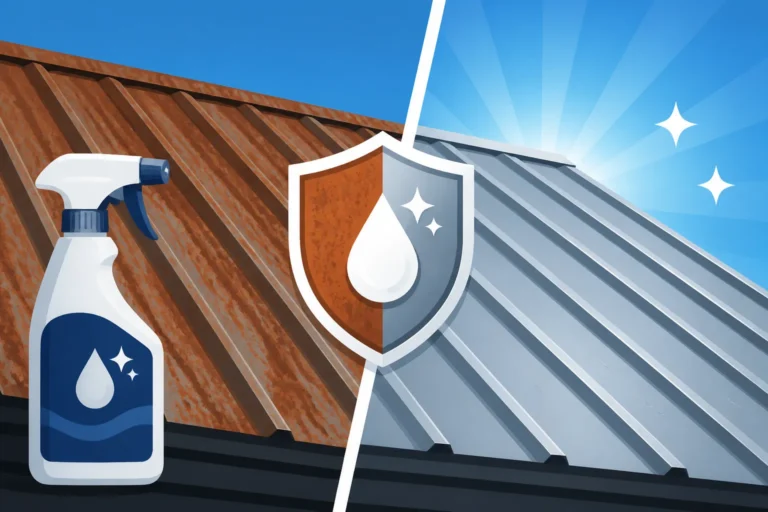
Metal Roof Coating and Restoration Options
One of the most disheartening things for a homeowner is looking up at a once-pristine metal roof and noticing it’s not quite as vibrant as it used to be. Fading, chalking, minor rust spots, or even just a dull appearance can make you instantly think, "Oh no, do I need a whole new roof already?" It's a valid concern, given the investment, but often, a full replacement isn't the only answer. This guide is all about exploring the practical, cost-effective options for metal roof coating and restoration, helping you understand when a refresh is possible and what it entails.
Understanding Metal Roof Degradation
Even the most durable metal roofs, known for their incredible longevity, aren't completely impervious to the relentless assault of nature. Over time, the elements take their toll, leading to a gradual decline in both appearance and protective capabilities. It's not a sudden failure, but rather a slow, steady process that homeowners often notice first with cosmetic changes before potential functional issues arise.
Common Signs of Aging Metal Roofs
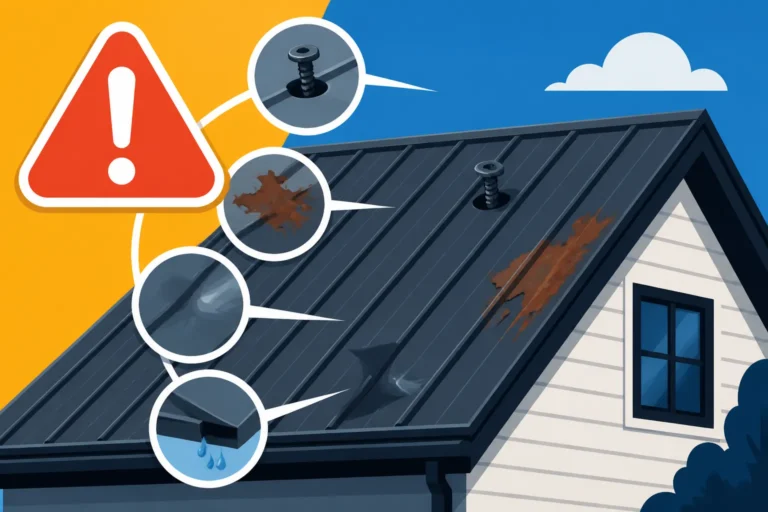
The first indicators that your metal roof might need some attention are usually visual. You might start seeing the vibrant color you once loved begin to dull or fade. This "fading" is often accompanied by a phenomenon called "chalking," where the top layer of the paint or coating breaks down, leaving a powdery residue on the surface that can wash off. It’s essentially the paint film degrading. Beyond aesthetics, you might notice small patches of surface rust, especially around fasteners, seams, or areas where the protective coating has been compromised by scratches or impacts. These aren't necessarily signs of catastrophic failure, but they are certainly Warning Signs Your Metal Roof Needs Attention and deserve a closer look.
If your roof has an exposed fastener system, those little rubber washers under the screw heads can dry out and crack, leading to slight seepage. You might also observe minor delamination, where the coating starts to peel away in small flakes. These initial signs are crucial because catching them early can prevent more significant problems down the line, often making a restoration project much more feasible and cost-effective than waiting until leaks become rampant.
Factors Accelerating Deterioration
Several factors contribute to how quickly a metal roof shows its age. The quality of the original coating plays a huge role; cheaper paints and finishes will degrade faster than high-performance coatings like PVDF (Kynar 500 or Hylar 5000). Geographic location is another major player. Homes in coastal areas, for instance, are constantly exposed to salt spray, which is highly corrosive and can accelerate rust formation. Intense UV radiation in sun-drenched regions can break down paint pigments and resins much faster, leading to quicker fading and chalking.
Then there are physical stressors: hailstorms can dent panels and chip coatings, while heavy snow loads can cause panels to flex and potentially compromise seals. Even something as simple as debris accumulation, like leaves and branches, can trap moisture against the roof surface, creating localized areas where corrosion can begin or accelerate. Understanding these factors helps you appreciate why even a robust metal roof might start showing its age and why proactive maintenance, like coating, can be so beneficial.
Impact of Environmental Stressors
Think about the extreme weather conditions your roof endures year after year. From the scorching summer sun to freezing winter temperatures, high winds, and torrential rains, each element contributes to wear and tear. UV radiation is particularly damaging; it breaks down the chemical bonds in paint coatings, causing them to lose color and integrity. The constant expansion and contraction of metal panels due to temperature fluctuations can put stress on seams and fasteners, potentially leading to small openings where moisture can ingress.
In areas prone to acid rain, the chemicals in precipitation can slowly eat away at coatings. High humidity, especially when combined with poor ventilation, can create an environment ripe for mold, mildew, and corrosion. All these environmental stressors compound over time, slowly degrading the roof's protective layers and eventually exposing the metal substrate to the elements. This is precisely why a high-quality coating system isn't just about aesthetics; it's about reinforcing that critical barrier against everything Mother Nature throws its way.
Benefits of Coating and Restoration
When your metal roof shows signs of wear but isn't structurally compromised, coating and restoration offer a compelling alternative to a full replacement. It’s not just a band-aid solution; it's a strategic investment that can breathe new life into your existing roof, often with significant advantages over the costly and disruptive process of tearing everything off and starting fresh.
Extending Lifespan and Deferring Replacement
One of the most attractive benefits of a proper metal roof restoration is its ability to significantly extend the roof's operational life. Instead of facing a complete Metal Roof Replacement Cost every 30-50 years, a high-quality coating system can add another 10-20 years (or more) to that timeline. This essentially gives you a brand-new roof surface without the massive undertaking of removing and reinstalling panels. It's like pressing the reset button on your roof's aging process, delaying the need for a full tear-off and allowing you to maximize the value from your initial investment.
For example, if your existing metal roof is 20 years old and showing early signs of wear, a restoration could push its lifespan out to 40 or 50 years, or even longer depending on the coating. This deferment can be a huge financial relief, freeing up capital for other home improvements or simply delaying a major expense. It's a smart way to get more mileage out of a perfectly sound roof structure.
Improving Energy Efficiency and Curb Appeal
Beyond longevity, coating your metal roof can dramatically boost its energy performance. Many modern roof coatings are designed with high reflectivity, meaning they reflect a significant portion of the sun's UV and infrared rays away from your home. This reduces the amount of heat absorbed by the roof, which in turn keeps your attic and interior spaces cooler, especially during the sweltering summer months. This can translate into noticeable savings on your air conditioning bills. Some coatings are even ENERGY STAR® certified, indicating their superior thermal performance.
From an aesthetic standpoint, a faded, chalky, or slightly rusted metal roof can detract from your home's curb appeal. A fresh, new coating in a vibrant color can completely revitalize the look of your property. You can even choose a different color to update your home's exterior aesthetic without the expense of new panels. Imagine transforming a dull, gray roof into a crisp white or a rich bronze that complements your home's architecture. This visual upgrade can even contribute positively if you're considering selling your home, as buyers appreciate a well-maintained and attractive exterior.
Cost-Effectiveness Over Full Replacement
Let's be honest, the prospect of a full metal roof replacement can be daunting, especially when you consider the Metal Roof Cost Per Square Foot for materials and labor. This is where coating and restoration truly shine as a cost-effective solution. Generally, a metal roof restoration project can cost anywhere from 50% to 70% less than a complete tear-off and replacement. This difference can amount to thousands, or even tens of thousands, of dollars depending on the size and complexity of your roof.
The savings come from several areas: you're not paying for the disposal of old roofing materials, you're not paying for brand new panels, and the labor involved in surface preparation and coating application is typically less intensive than a full installation. While the upfront cost of a restoration is a consideration, its long-term economic benefits, including reduced energy bills and deferred major expenses, make it a very attractive option for many homeowners. It's about getting maximum performance and protection at a fraction of the cost of a new roof.
Types of Metal Roof Coatings
When it comes to metal roof coatings, you're not dealing with a one-size-fits-all paint. There's a whole world of specialized products designed to tackle different challenges, budgets, and performance expectations. Each type has its own chemical composition, offering unique advantages in terms of durability, flexibility, and resistance to environmental factors. Choosing the right one is crucial for a successful and long-lasting restoration.
Acrylic Coatings: Versatile and Affordable
Acrylic coatings are often the most common and budget-friendly option for metal roof restoration. They are water-based, making them relatively easy to apply and clean up, and they come in a wide array of colors. Acrylics offer good UV resistance, helping to reduce heat absorption and fading, and they are somewhat flexible, allowing them to expand and contract with the metal roof panels. This versatility makes them suitable for a broad range of climates and roof types.
However, acrylics tend to be less durable in standing water situations or areas with heavy foot traffic compared to other coating types. They might also require more frequent recoating, perhaps every 5-10 years, depending on the product quality and environmental exposure. For many homeowners, especially those looking for a solid performance upgrade without breaking the bank, acrylic coatings from reputable brands like GAF or Sherwin-Williams offer a fantastic balance of cost and benefit. They’re a great choice for roofs with minor degradation that need a refresh and improved energy efficiency.
Silicone Coatings: Durability and Water Resistance
If you're looking for superior performance, particularly in terms of water resistance and longevity, silicone coatings are often the top recommendation. These solvent-based coatings are incredibly durable and highly resistant to ponding water, making them ideal for low-slope or flat metal roofs where water can collect. Silicone maintains its flexibility over a very wide temperature range, preventing cracking and peeling as the metal expands and contracts. It also boasts excellent UV stability, meaning it resists chalking and fading for a much longer period than acrylics.
Silicone coatings are known for their single-coat application capability, often achieving the desired thickness and protection with fewer passes, which can simplify the application process. While they tend to be more expensive than acrylics upfront, their extended lifespan (often 15-20 years or more) and robust performance in challenging conditions can make them a more cost-effective choice in the long run. Brands like GacoFlex and CertainTeed offer high-quality silicone systems that are trusted by professionals for their reliability.
Urethane and Elastomeric Coatings: Heavy-Duty Protection
For the ultimate in heavy-duty protection and extreme durability, urethane and elastomeric coatings step up to the plate. Urethane coatings, often two-part systems, offer exceptional hardness, abrasion resistance, and chemical resistance. This makes them suitable for roofs in industrial environments or those that experience heavy wear and tear. They are incredibly tough and can withstand significant physical abuse.
Elastomeric coatings, on the other hand, are known for their remarkable elasticity, meaning they can stretch and contract significantly without losing integrity. This high degree of flexibility is fantastic for roofs that experience a lot of movement or for bridging small cracks and seams. Many elastomeric coatings also offer excellent waterproofing and UV protection. While these options are generally the most expensive of the bunch, they provide unparalleled protection and can extend a roof's life by decades in the most demanding conditions. They are often chosen for large commercial projects or residential roofs where long-term, high-performance protection is the absolute priority.
The Restoration Process: A Step-by-Step Guide
Embarking on a metal roof coating and restoration project is a multi-step process that requires careful attention to detail at each stage. It’s not just about slapping on a new coat of paint; it’s about preparing the surface, making necessary repairs, and applying a system that will adhere properly and provide lasting protection. Skipping any step can compromise the entire restoration, so it's vital to understand the full scope of work.
Initial Assessment and Surface Preparation
The first and arguably most critical step is a thorough inspection of your existing metal roof. A qualified contractor will assess the roof's overall condition, identifying areas of significant rust, loose or missing fasteners, damaged panels, or areas where previous coatings might be failing. This assessment will help determine the extent of repairs needed and which type of coating system is most appropriate.
Once the assessment is complete, the roof needs rigorous cleaning. This usually involves power washing at high pressure (often 2,500 to 4,000 PSI) using specialized detergents to remove all traces of dirt, grime, mildew, old loose paint, and chalking. Any oil, grease, or other contaminants must be completely removed to ensure proper adhesion of the new coating. Think of it like painting a wall – if it’s dusty or greasy, the paint won’t stick. This is even more crucial for a roof exposed to the elements. Properly cleaning the surface is non-negotiable for a successful restoration.
Addressing Repairs and Priming the Surface
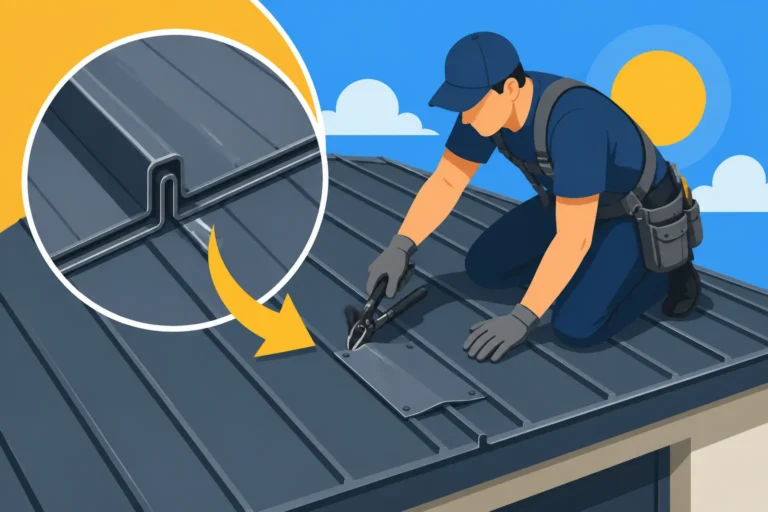
After the roof is meticulously cleaned and dry, it's time to address any discovered repairs. This might include replacing rusted or missing fasteners with new ones that have durable washers, sealing exposed laps and seams with specialized caulks or sealants, and repairing or replacing severely damaged or rusted panels. Any existing leaks, even minor ones, must be completely resolved at this stage. You don't want to encapsulate a leak under a new coating; it will just continue to cause problems. This is an important step to prevent future Metal Roof Leak Repair Guide issues.
Once repairs are complete and any sealants have cured, a primer is typically applied. The type of primer depends on the metal substrate and the chosen topcoat. Primers serve multiple functions: they promote adhesion between the old metal surface (or any rust-treated areas) and the new coating, they can offer additional corrosion protection, and they often provide a uniform base for the topcoat to achieve its true color and finish. For instance, a rust-inhibiting primer is essential if you've had to perform extensive Metal Roof Rust and Corrosion Treatment. This priming step is another non-negotiable element, ensuring the longevity and performance of the entire coating system.
Applying the Coating System
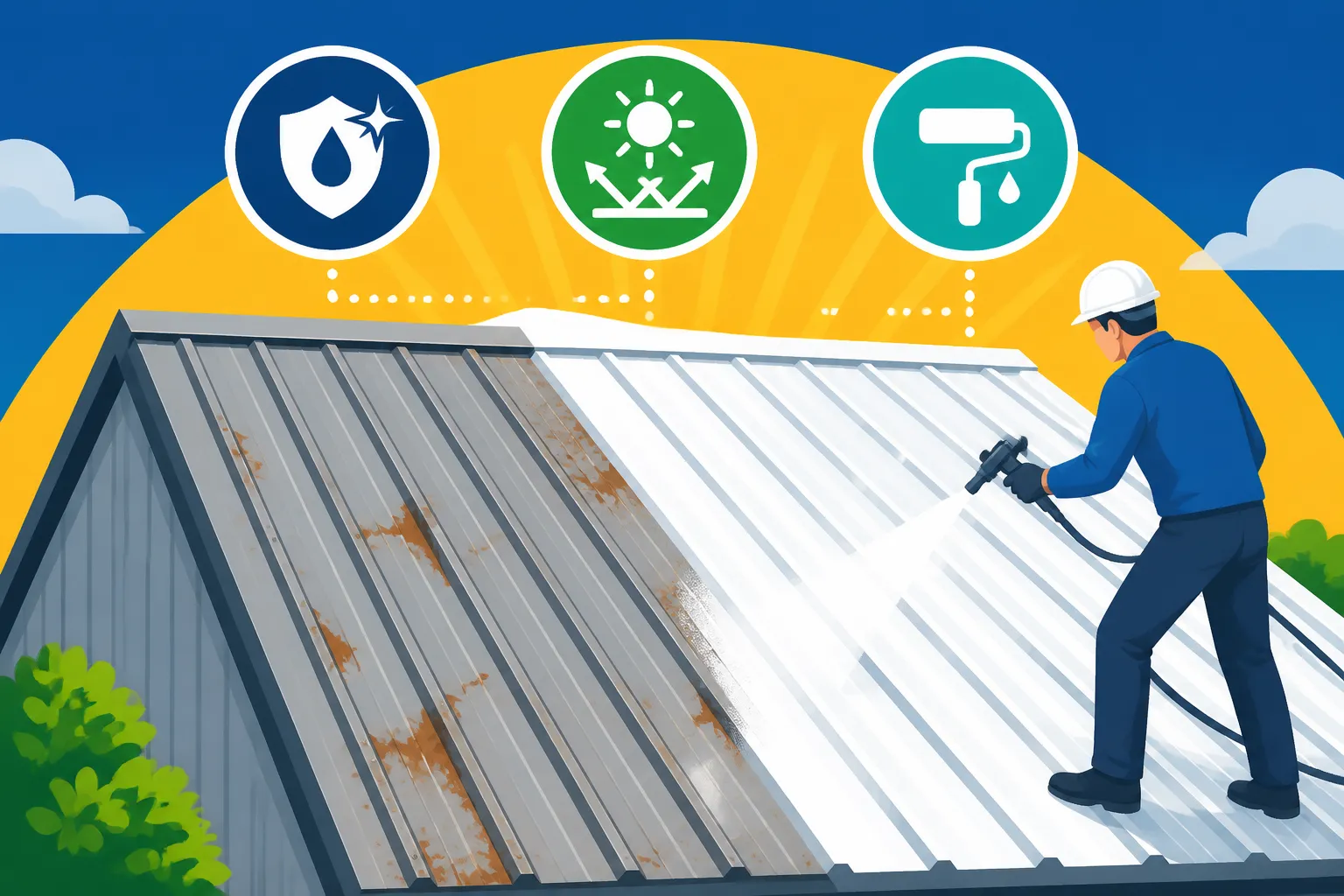
With the roof prepped and primed, the application of the main coating system begins. This usually involves one or more coats, depending on the manufacturer's specifications and the desired thickness. Coatings can be applied using specialized spray equipment, rollers, or brushes, with spraying being the most common method for large metal roofs to ensure even and efficient coverage. Each coat must be applied uniformly and allowed to cure fully before subsequent coats are added.
The number of coats and the total dry film thickness are critical for achieving the manufacturer's warranty and performance standards. Some systems might require a base coat, followed by a topcoat, while others, like certain silicone systems, can be applied in a single, thicker pass. The application process also pays close attention to detail work around penetrations like pipes, vents, and skylights, often using a "fabric-reinforced" system where a liquid coating is applied, a fabric mesh is embedded, and then another layer of coating is applied to create a seamless, watertight seal. This meticulous application is what transforms your aged metal roof into a renewed, protected surface.
Factors Influencing Cost and Choice
Deciding on a metal roof coating and restoration project involves more than just picking a color. Several key factors will influence the overall cost, the choice of coating materials, and ultimately, the long-term value you get from the investment. Understanding these variables will help you make an informed decision and manage your expectations.
Roof Condition and Required Prep Work
The initial condition of your metal roof is perhaps the biggest determinant of restoration cost. A roof that is generally sound but just faded and chalky will require less prep work than a roof riddled with rust, loose fasteners, and minor leaks. If extensive repairs are needed – such as replacing numerous fasteners, patching holes, or addressing significant corrosion – these labor-intensive steps will drive up the cost. For example, a roof that needs extensive Metal Roof Rust and Corrosion Treatment before coating will naturally incur higher expenses.
The degree of cleaning required also plays a role. A roof with years of accumulated dirt, moss, or mildew will demand more aggressive and time-consuming power washing and specialized cleaning agents. Essentially, the more problems your roof has before restoration, the more labor and materials will be needed to bring it to a suitable condition for coating, directly impacting the final price tag.
Material Costs of Various Coatings
As we discussed earlier, the type of coating you choose will significantly impact your budget. Acrylics are generally the most affordable per gallon, while silicones and urethanes typically come with a higher price tag. This cost difference reflects the varying performance characteristics, durability, and expected lifespan of each material.
| Coating Type | Initial Cost (per sq ft) | Lifespan (Years) | Pros | Cons |
|---|---|---|---|---|
| Acrylic | $1.50 – $3.00 | 5-10 | Affordable, wide color range, good UV reflection | Less durable in ponding water, may require more recoating |
| Silicone | $3.00 – $5.00 | 15-20+ | Excellent water resistance, UV stable, highly flexible, single coat option | Higher initial cost, can be slippery when wet, specific application needs |
| Urethane | $3.50 – $6.00 | 15-25+ | Extremely durable, abrasion & chemical resistant, very tough | Highest initial cost, often two-part system, can be less flexible |
| Elastomeric | $2.50 – $4.50 | 10-15+ | High elasticity, bridges small cracks, good waterproofing | Performance varies by specific formulation, typically thicker application |
Note: These are estimated costs for coating materials and application, not including extensive repair work.
The price isn't just about the coating itself; it also includes primers, seam sealants, and reinforcement fabrics. Opting for a higher-grade, more expensive coating can lead to a longer-lasting restoration and potentially lower long-term maintenance costs, but it will require a larger upfront investment. It's a balance between your budget and your desired performance and longevity.
Labor, Warranty, and Project Complexity
Labor costs are a substantial part of any roofing project, and restoration is no exception. The complexity of your roof – its pitch, number of penetrations (skylights, chimneys, vents), and overall accessibility – will influence how long the job takes and how many crew members are needed. A steep roof or one with many angles and protrusions will require more time and specialized equipment, increasing labor expenses. The geographic location can also influence labor rates; for example, Metal Roof Labor Cost Per Square might vary significantly between urban and rural areas.
Warranties are another critical factor. Most reputable coating manufacturers and installers will offer warranties covering material defects and, often, workmanship. A comprehensive warranty provides peace of mind, but it might also be reflected in the overall project cost. Make sure to understand what the warranty covers and for how long. Finally, the contractor's reputation and expertise play a role. A highly experienced crew specializing in metal roof restoration, possibly with certifications from coating manufacturers, might charge more, but their quality of work and adherence to best practices can be invaluable, especially when looking at the overall Metal Roof Cost vs Lifespan Value. Companies like Modernize can help homeowners find and compare bids from qualified contractors, ensuring you get competitive pricing for complex restoration projects.
DIY vs. Professional Restoration
When faced with a metal roof that needs attention, many homeowners naturally wonder if they can tackle the restoration themselves to save money. While the DIY route might seem appealing on the surface, metal roof restoration is a specialized task with significant challenges and risks. Understanding when it's appropriate to go it alone and when to call in the experts is key to ensuring a successful and safe outcome.
When DIY is a Viable Option
For certain homeowners and very specific situations, a DIY metal roof coating project might be feasible. This typically applies to small, easily accessible roofs with minimal pitch and very minor signs of wear. Think of a detached garage, a small shed, or perhaps a low-slope metal awning where safety isn't a major concern. The roof should have no significant rust, no leaks, and only light fading or chalking. In these cases, using an acrylic-based, consumer-grade roof coating from a local hardware store can be a viable option.
However, even in these simpler scenarios, proper safety gear (harnesses, non-slip footwear), thorough cleaning, and careful application are paramount. It's a task for someone who is comfortable working at heights, understands surface preparation, and can follow product instructions meticulously. It’s also crucial to remember that most manufacturer warranties for professional-grade coatings require installation by a certified professional, so a DIY job might void that protection. If you're considering Cost to Install Metal Roof Yourself (DIY) vs Hiring, be realistic about the scope of work and your own capabilities.
Advantages of Hiring a Certified Professional
For most residential metal roof restoration projects, hiring a certified professional is almost always the smarter choice. Metal roof restoration is a complex process that requires specialized equipment, technical knowledge, and extensive experience. Professionals have the tools for effective high-pressure washing, proper surface preparation, and precise coating application, often using industrial sprayers that ensure uniform thickness and coverage – something difficult to achieve with rollers and brushes.
A professional contractor understands the nuances of different coating systems, knowing which primer to use with which topcoat, how to properly seal various types of seams and penetrations, and how to apply coatings to meet manufacturer specifications for warranty validity. They are also equipped with the necessary safety gear and training to work on roofs safely, mitigating the risk of falls and injuries. Furthermore, a professional will typically offer a comprehensive warranty covering both materials and workmanship, giving you valuable peace of mind that your investment is protected. They also know local building codes and permitting requirements, ensuring your project is compliant.
Vetting Contractors for Metal Roof Restoration
Choosing the right contractor is crucial for a successful metal roof restoration. Don't just go with the first quote you receive. Start by looking for contractors who specialize in metal roofing and specifically mention restoration or coating services. Ask for proof of licensing, bonding, and insurance – this protects you from liability in case of accidents or damages. Companies like Modernize can connect you with qualified local professionals, helping you streamline your search.
Crucially, inquire about their experience with the specific coating system they recommend. Are they certified by the coating manufacturer? This can be essential for warranty coverage. Ask for references from past metal roof restoration projects and actually follow up on them. Review their online reputation, checking sites like the Better Business Bureau. Get multiple, detailed quotes that clearly outline the scope of work, materials to be used, warranty information, and payment schedule. Look for clear communication and a contractor who takes the time to explain the process and answer all your questions, similar to asking the Questions to Ask a Metal Roofing Contractor Before You Hire. A reputable contractor will be transparent about every aspect of the project, from initial assessment to final cleanup.
Disclaimer
Please remember that the information provided in this article is intended for general guidance and informational purposes only. While we strive to offer accurate and up-to-date content, metal roofing, its repair, and restoration are complex subjects with many variables. Always consult with a qualified, licensed, and insured metal roofing professional for specific advice, evaluations, and project estimates pertaining to your unique situation. Local building codes, environmental factors, and the specific condition of your roof can significantly impact recommended solutions and costs. Do not attempt complex roofing repairs or installations without proper training, equipment, and safety precautions.