Snow Guards and Winter Metal Roof Issues
One of the most concerning—and often overlooked—aspects of owning a metal roof, especially in regions with heavy snowfall, is the potential for sudden, uncontrolled snow and ice release. That beautiful, smooth metal surface that sheds rain so gracefully can turn into an ice luge for accumulated snow, creating dangerous avalanches that threaten everything from your gutters and landscaping to anyone walking below. This comprehensive guide will walk you through the critical role of snow guards, how they function, and how to effectively manage other common winter challenges your metal roof might face.
Understanding the Unique Challenges of Metal Roofs in Winter
When you first consider a metal roof, you’re likely thinking about its incredible longevity, its sleek aesthetic, and its resilience against the elements. What often doesn't immediately come to mind, however, is the specific way it interacts with snow and ice. Unlike asphalt shingles, which have a rough, granular surface that helps hold snow in place, metal roofs are inherently slippery. This characteristic, while excellent for shedding water, can become a significant hazard in winter climates.
The "Avalanche" Effect of Snow and Ice
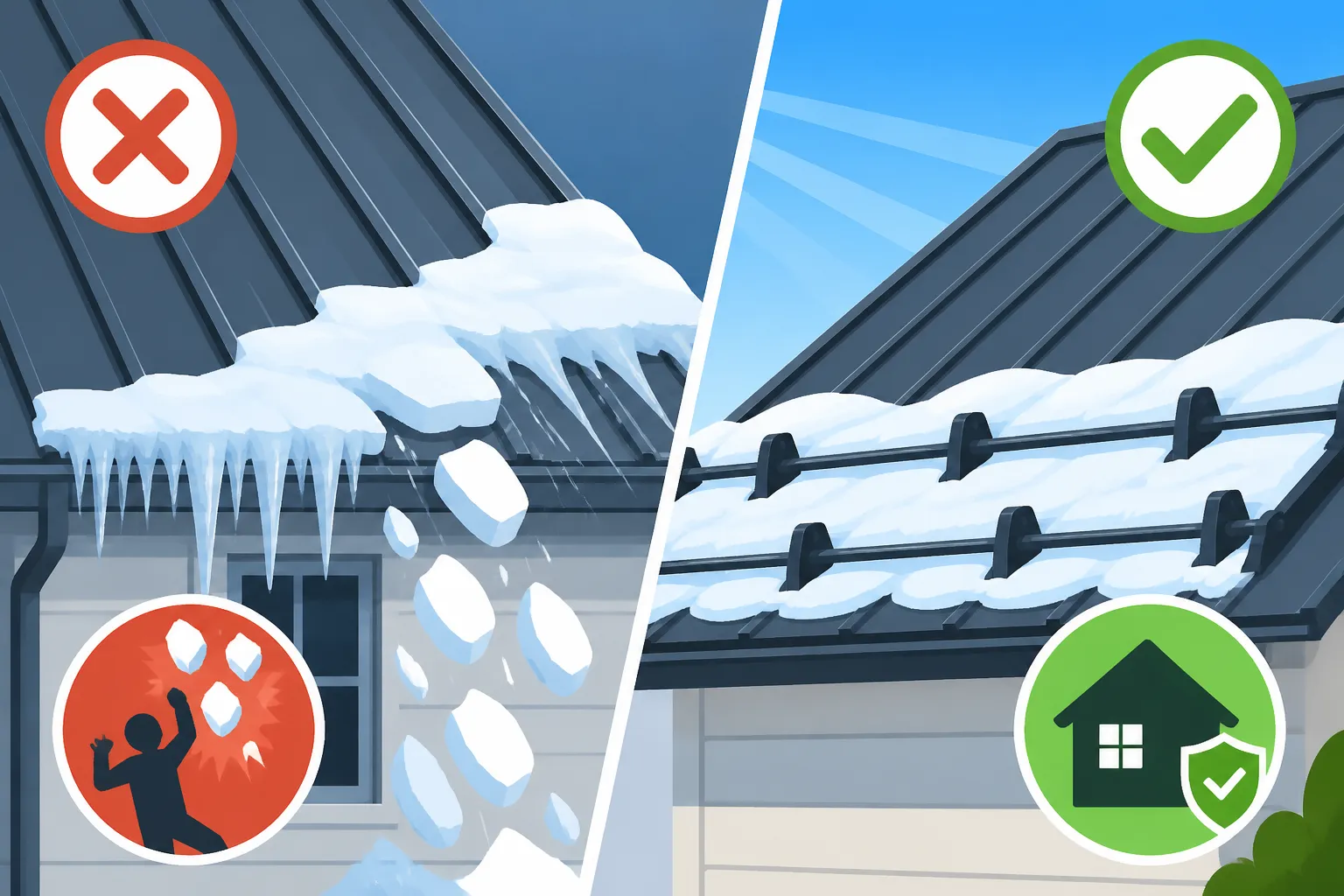
Imagine a heavy blanket of snow accumulating on your roof. On a traditional shingled roof, that snow tends to stay put, slowly melting and dripping off. On a metal roof, especially one with a decent pitch, the story is entirely different. As temperatures fluctuate, even slightly, or as the sun hits the dark surface of the metal, a thin layer of meltwater can form between the snowpack and the roof surface. This lubricated layer allows the entire mass of snow to release suddenly and slide off in a single, colossal sheet—what we often refer to as a "snow avalanche."
This isn't just a minor inconvenience; it's a powerful and potentially destructive event. We've heard countless stories from homeowners in places like Colorado and New England who were caught off guard. One minute, there's a pristine layer of snow on the roof; the next, a thunderous roar as tons of snow slam onto the ground below. It’s a force that can flatten shrubs, damage decks, and even bend or rip off gutters entirely. The momentum generated by such a heavy, fast-moving mass is astonishingly strong, and if you or a loved one happens to be in the path, the consequences can be dire. It truly puts a spotlight on the importance of addressing these dynamics proactively, rather than waiting for an unfortunate incident to occur.
Potential Damage to Gutters and Landscaping
Beyond the immediate danger to people, the "avalanche" effect poses a direct threat to your home's exterior components. Your gutters, designed to channel water, are simply not built to withstand hundreds or even thousands of pounds of rapidly descending snow and ice. They can be ripped clean off the fascia, bent and twisted beyond repair, or simply crushed flat. Replacing damaged gutters is an unexpected expense that can easily run into hundreds or even thousands of dollars, not to mention the hassle of finding a contractor in the middle of winter.
Furthermore, consider the landscaping around your home. Foundation plantings, valuable shrubs, small trees, and even patio furniture can be severely damaged or completely destroyed by a snow slide. Imagine meticulously cultivated rose bushes or a beloved Japanese maple being buried under a destructive wave of ice and snow. This isn't just about aesthetics; it's about the investment you've made in your property's curb appeal and the health of your plants. Decks, outdoor lighting, and even basement window wells are also vulnerable. Preventing this kind of damage is a significant reason why many homeowners choose to install snow retention systems as part of their initial metal roof investment.
Safety Concerns for People and Property Below
The most critical concern with uncontrolled snow slides is, without a doubt, safety. A large sheet of snow and ice detaching from a roof can be incredibly dangerous, even fatal, to anyone standing below or passing by. Imagine children playing in the yard, a delivery person walking to the front door, or simply you or your family members stepping outside. The silent, sudden nature of these slides leaves little to no time for reaction. This risk extends beyond people; parked cars, outdoor equipment, and even structural elements of your home, like porches or lower-level roofs, can suffer significant impact damage.
Homeowners are often surprised by the sheer force involved. A compact block of ice and snow, even from a relatively small roof, can cause serious injury or extensive property damage. This is why building codes in many snowy regions often recommend or require snow retention systems for metal roofs, particularly over entryways, walkways, and driveways. Prioritizing safety means understanding this inherent characteristic of metal roofing and taking proactive steps to mitigate the risk, ensuring peace of mind for you, your family, and your visitors. It’s a stark reminder that while a metal roof offers incredible benefits, it also demands specific considerations in winter environments.
What Are Snow Guards and How Do They Work?
So, if metal roofs are so prone to shedding snow, what's the solution? Enter snow guards. These ingenious devices are specifically designed to address the unique winter challenges presented by metal roofing. They aren't meant to stop snow from melting or accumulating, but rather to manage its descent, allowing it to melt and shed gradually and safely, preventing those dangerous sudden avalanches.
Different Types of Snow Guards
The world of snow guards offers several options, each with its own benefits and aesthetic considerations, designed to suit different roof profiles and homeowner preferences. The most common types include:
- Pipes or Rails (Snow Fences): These are essentially continuous barriers, typically made of metal pipes or bars, that run parallel to the eave of the roof. They are incredibly effective for retaining large snow loads over significant areas. You'll often see these on commercial buildings or homes with very steep pitches. They create a solid line that prevents the entire snow mass from sliding off at once. Some systems, like those from S-5!, use robust clamps that attach directly to the standing seams of the roof, avoiding penetrations. Others, like those offered by Metal Sales, may integrate into the panel design.
- Individual Pads or Blocks: These are smaller, individual units, often made of clear polycarbonate or metal, that are strategically spaced across the roof surface. They work by creating friction and "holding back" the snowpack in smaller sections, allowing it to melt incrementally. While less obtrusive than pipe systems, they need to be installed in a specific pattern to be effective. For example, some homeowners might choose clear polycarbonate guards that virtually disappear on the roof, maintaining the clean lines of a standing seam roof.
- Continuous Strips: Similar to pipe systems, but often lower profile, these are long, continuous pieces of metal or sturdy plastic designed to create a consistent barrier. They might be less common than pipe or individual guards but can be effective for certain roof types or where a more subtle look is desired.
The choice largely depends on your roof's pitch, the typical snow load in your area, and your aesthetic preferences. A roofing professional can help you determine the most suitable type for your specific situation.
How Snow Guards Mitigate Risk
The core function of snow guards is relatively simple: they break up the cohesive mass of snow and ice on your roof, preventing it from sliding off in a dangerous, uncontrolled sheet. Instead of allowing a large, heavy "slab" to come crashing down, they either hold the entire mass back until it melts and drips away gradually, or they break it into smaller, manageable chunks that can safely slide off. Think of it like a dam for your roof. The water (or in this case, snow) still moves, but it's released in a controlled manner, preventing a destructive flood.
This controlled release protects critical areas below your roof, such as entryways, landscaping beds, gutters, and even HVAC units or generators. Without snow guards, the kinetic energy of a full snow slide can easily crush fragile items, damage property, or injure individuals. By forcing the snow to melt and dissipate slowly, snow guards minimize the sudden impact force, thereby mitigating the risk of structural damage to your home's exterior, safeguarding your personal property, and most importantly, ensuring the safety of people moving around your home. It’s a vital safety component for any metal roof in a snowy climate, turning a potential hazard into a manageable winter condition.
The Science Behind Snow Retention
Understanding the science behind snow retention helps appreciate why snow guards are so effective. It's not just about slapping a few pieces of plastic or metal onto your roof; it's about managing friction, shear forces, and weight distribution. When snow accumulates on a metal roof, especially one with a low coefficient of friction like a smooth steel or aluminum panel, the entire snowpack acts as a single, heavy unit. As the temperature rises, even slightly, a thin film of water forms between the bottom of the snowpack and the warm metal surface. This layer of water dramatically reduces friction, allowing the entire mass to slide.
Snow guards disrupt this process. They act as anchors, increasing the effective friction between the snowpack and the roof, or providing a physical barrier. For pipe-style systems, the barrier prevents the mass from gaining momentum. For individual pad-style guards, the numerous small points of contact create localized friction and shear points, effectively breaking the snowpack into smaller, less dangerous sections. The strategic placement ensures that the weight of the snow is distributed across these points, preventing one area from becoming overloaded and failing. Engineers calculate factors like roof pitch, panel length, average snow load, and even wind patterns to determine the optimal number and placement of snow guards, ensuring they can withstand the immense forces exerted by snow and ice, turning a potential liability into a functional asset.
Choosing the Right Snow Guards for Your Metal Roof
Selecting the appropriate snow guard system isn't a "one-size-fits-all" decision. It requires careful consideration of several factors, including your specific metal roof type, the climate in your area, and even your personal aesthetic preferences. A properly chosen and installed system will effectively protect your property without compromising your roof's integrity or appearance.
Material and Profile Compatibility
The type of metal roof you have plays a significant role in determining the best snow guard solution. For instance, a standing seam metal roof, with its raised seams, often lends itself well to non-penetrating clamp-on snow guards. These guards attach directly to the seams without piercing the metal panels, which helps preserve the roof's watertight integrity and often aligns with warranty requirements. Popular brands like S-5! specialize in these clamp-on systems, offering robust options for various seam profiles.
On the other hand, corrugated or exposed fastener metal roofs require different approaches. Since there are no raised seams to clamp onto, these roofs typically utilize guards that are fastened through the panels into the roof decking or purlins. This means careful sealing and proper fastener selection are crucial to prevent leaks. Manufacturers like Sno-Gem and Alpine SnowGuards offer solutions specifically designed for these profiles, often involving gasketed fasteners to maintain weather tightness. It's not just about the type of roof, but also the material—aluminum, steel, copper, or zinc—as some snow guard materials may react differently or offer varying levels of durability or compatibility with specific metal roof types. Understanding these nuances helps ensure a long-lasting and effective system that complements your roof, rather than compromising it.
Calculating Snow Guard Placement and Quantity
This is where the engineering aspect really comes into play. It's not enough to simply space snow guards haphazardly; their placement and quantity must be precisely calculated to effectively manage the snow load in your specific region. Factors like your roof's pitch (how steep it is), the length of the roof panels, the average maximum snow load for your geographic location (which can vary dramatically even within a single state), and even the presence of upper-level roofs that might shed onto lower sections, all influence the design.
Generally, steeper roofs and areas with heavier snowfall require more aggressive snow retention, often necessitating multiple rows of guards. A single row near the eave might be sufficient for a low-slope roof in a moderate snow zone, but a multi-story home in a heavy snow region like the Sierra Nevada mountains might need several rows of pipe guards or densely packed individual pads to adequately retain the snow. Professional snow guard manufacturers and experienced roofing contractors often use specialized software or guidelines to perform these calculations, ensuring optimal performance. Guessing on placement can lead to under-protection, meaning the guards fail under heavy load, or over-protection, which is an unnecessary expense. A professional evaluation can help you understand the precise requirements, and some companies even offer a metal roof cost calculator that can factor in these accessory costs.
Aesthetic Considerations and Color Matching
Let's be real: you probably chose a metal roof not just for its performance, but also for its distinctive look. The last thing you want is a snow retention system that detracts from that aesthetic. Fortunately, snow guards have come a long way. Many manufacturers understand the importance of visual integration and offer options that blend seamlessly with your roof.
Polycarbonate individual pad-style guards, for example, are often clear or translucent, allowing the roof color to show through, making them nearly invisible from the ground. For metal pipe or rail systems, color matching is frequently an option. Leading suppliers can typically powder-coat their snow guards to match popular metal roof colors, from classic charcoal gray to more vibrant greens or blues. This means you don't have to sacrifice style for safety. When working with a contractor, discuss your aesthetic preferences upfront. Look at examples of installations with different types of guards on similar roof styles and colors. A reputable installer, like those you might find through a service like Modernize, will be able to guide you through the options and help you achieve a functional system that also looks great, preserving the curb appeal of your beautiful metal roof.
Installation Best Practices for Snow Guards
A snow guard system is only as good as its installation. Even the highest quality guards will fail if they aren't properly attached or if critical steps are overlooked. Ensuring correct installation is paramount to both the functionality of the system and the longevity and watertight integrity of your metal roof.
Surface Preparation and Attachment Methods
Before any snow guards are installed, the roof surface needs to be clean and dry. Any debris, dirt, or loose particles can compromise the adhesion or seal of the guards. Depending on the type of snow guard and metal roof, attachment methods vary significantly:
- Clamp-on for Standing Seam: This is often the preferred method for standing seam roofs because it's non-penetrating. Clamps are designed to fit snugly over the raised seams, securing the snow guard components (like pipes or individual blocks) without drilling holes into the roof panels. This preserves the roof's factory-applied coating and helps maintain its warranty. Proper torque settings are crucial to ensure the clamps are tight enough to hold but not so tight as to deform the seam.
- Adhesive Attachment: Some smaller, individual pad-style guards can be attached using specialized, high-strength adhesive sealants. This method is often chosen for its minimal impact on the roof, but it's critical that the roof surface is meticulously cleaned and the adhesive is applied under optimal temperature conditions for proper curing. This is typically reserved for lighter snow loads and specific types of panels.
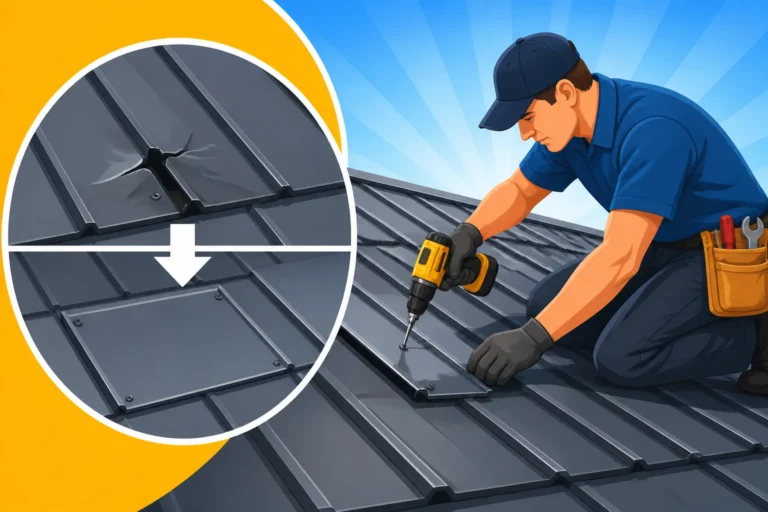
- Fastener Penetration for Exposed Fastener Panels: For corrugated, R-panel, or other exposed fastener metal roofs, snow guards are typically screwed directly through the panel into the structural elements below (purlins or roof decking). Each fastener must be sealed with a high-quality, UV-resistant washer and a bead of sealant to prevent water intrusion. Over-tightening can deform the panel or washer, leading to leaks, while under-tightening can result in a loose attachment.
Regardless of the method, adherence to manufacturer specifications is non-negotiable. Improper attachment can not only lead to system failure but also void your roof's warranty or create new leak points, turning a protective measure into a new problem.
Common Installation Mistakes to Avoid
Even seasoned contractors can sometimes make mistakes, especially if they’re less familiar with the nuances of metal roofing. When installing snow guards, there are a few common pitfalls that homeowners should be aware of to ensure a proper job:
- Inadequate Spacing or Quantity: As discussed, haphazard spacing is a recipe for disaster. If there aren't enough guards, or if they're spaced too far apart, the snowpack can simply push through or over them. This often results in isolated damage rather than full protection. An engineer's calculation or manufacturer's guide should always be followed.
- Improper Sealing of Penetrations: For systems requiring fasteners, failure to use the correct sealant and washers, or incorrectly applying them, is a prime cause of leaks. The sealant must be compatible with the metal and coating of your roof and capable of withstanding extreme temperature fluctuations and UV exposure. Checking your Metal Roof Leak Repair Guide can help you spot issues related to improper sealing.
- Ignoring Roof Pitch and Snow Load: What works on a low-slope roof in Texas won't work on a steep-pitched roof in upstate New York. Not accounting for these critical factors means the system is likely undersized for the forces it will encounter, leading to premature failure or ineffective snow retention.
- Mixing Incompatible Materials: Galvanic corrosion can occur if dissimilar metals come into direct contact, leading to premature deterioration of both the roof and the snow guards. Always ensure the snow guards and fasteners are compatible with your specific metal roof material (e.g., aluminum snow guards for an aluminum roof, or stainless steel fasteners with appropriate isolation for other metals).
By being aware of these common mistakes, you can ask informed questions of your installer and ensure they follow best practices, leading to a reliable and long-lasting snow retention system.
Professional vs. DIY Installation Considerations
The idea of saving money by installing snow guards yourself can be tempting, but it's crucial to weigh the risks and complexities involved. While some smaller, adhesive-backed polycarbonate guards might be suitable for a DIY enthusiast with a low-slope roof and minimal snow load, the vast majority of metal roof snow guard installations are best left to professionals.
Here's why:
- Safety: Working on a roof, especially a potentially icy or snow-covered metal one, is inherently dangerous. Falls from roofs are a leading cause of construction injuries and fatalities. Professionals have the right safety equipment, training, and experience to work safely at heights.
- Specialized Tools and Expertise: Installing clamp-on systems requires specific tools for proper torque, while penetrating systems demand precise drilling and sealing techniques. Understanding the nuances of different metal profiles, expansion and contraction, and proper sealant application comes with experience.
- Warranty Concerns: Many metal roof manufacturers require installation by a certified professional to maintain the roof's warranty, especially when it involves penetrating the panels. An improper DIY installation could void your entire roof warranty, leaving you exposed to future repair costs.
- Effectiveness and Longevity: A professionally designed and installed system will be correctly sized, spaced, and attached to withstand the forces of snow and ice, ensuring it performs effectively for decades. A DIY job, even with the best intentions, often lacks the precision and engineering required for long-term success, potentially leading to failure and costly repairs down the line.
When considering such a crucial safety feature for your home, investing in a qualified professional is almost always the smarter, safer, and more cost-effective long-term choice. It’s worth checking out resources like "How to Hire a Metal Roofing Contractor" to ensure you find the right expertise.
Addressing Other Common Winter Metal Roof Issues
While snow slides grab a lot of attention, metal roofs can face other specific challenges during the colder months. Understanding and proactively addressing these issues can save you headaches, prevent damage, and ensure your roof performs optimally throughout winter.
Ice Dam Formation and Prevention
Ice dams are a homeowner's nightmare, and while metal roofs are often touted for their ability to prevent them, they are not entirely immune. An ice dam forms when heat escapes from your home's attic, warming the roof deck and melting snow on the upper portions of the roof. This meltwater then runs down the roof until it hits the colder eaves, which extend beyond the heated portion of the house. Here, the water refreezes, creating a ridge of ice. As more meltwater accumulates behind this ridge, it backs up under the roof panels or shingles, potentially infiltrating your home and causing water damage to ceilings, walls, and insulation.
To prevent ice dams on a metal roof, the key is proper attic ventilation and insulation. A well-insulated attic minimizes heat transfer to the roof deck, keeping the entire roof surface cold and preventing premature snowmelt. Combined with adequate ventilation, this ensures any minor heat transfer is quickly dissipated. Ridge vents paired with continuous soffit vents create a clear pathway for air circulation, flushing out warm air. Additionally, installing a high-quality Metal Roof Underlayment and Ventilation Guide can act as a secondary water barrier, protecting your home even if meltwater somehow backs up. While metal roofs shed water efficiently, the sheer volume of backed-up water from a massive ice dam can still find its way in, making proactive prevention essential.
Condensation Management
Condensation can be a silent destroyer under any roof, but metal roofs have a reputation for exacerbating the issue due to their high thermal conductivity. When warm, moist air from inside your home rises into the attic and comes into contact with the cold underside of a metal roof panel, the moisture can condense into liquid water. Over time, this constant dripping can lead to serious problems: mold and mildew growth in your attic insulation, rot in wooden roof decking and structural components, and even staining on your interior ceilings. It's a frustrating problem because it looks like a leak, but it's actually an internal moisture issue.
Effective condensation management boils down to two main principles:
- Air Sealing: Prevent warm, moist interior air from entering the attic space in the first place. Seal all penetrations from the living space into the attic, such as around light fixtures, plumbing stacks, and attic hatches.
- Ventilation: Ensure there’s a continuous flow of outside air through the attic to carry away any moisture that does get in. As mentioned for ice dam prevention, a balanced system of soffit and ridge vents is crucial. In some cases, specialized breathable underlayments can also help manage moisture. For extreme cases or unconditioned spaces, a vapor barrier might be necessary. This thoughtful approach to moisture control helps preserve the structural integrity and indoor air quality of your home for the lifespan you expect.
Minimizing Expansion and Contraction Noise
One characteristic of metal roofs that sometimes catches new owners off guard is the noise generated by thermal expansion and contraction, especially during extreme temperature swings, which are common in winter. As the metal heats up from the sun during the day and rapidly cools down at night, the panels expand and contract. This movement, particularly if the roof is not installed correctly, can lead to popping, ticking, or creaking sounds. While usually harmless, these noises can be unsettling, especially during quiet evenings.
The key to minimizing this "oil canning" or "pinging" effect lies in proper installation. A professional metal roofing contractor understands that metal panels need room to move. This is why floating clip systems are almost universally used with standing seam roofs, allowing the panels to expand and contract freely without binding. For exposed fastener systems, correctly sized pilot holes and fasteners that allow for some movement are important. Using appropriate underlayment also helps to create a buffer and reduce noise transmission. While some minor noise is inherent with metal, excessive or persistent popping might indicate an installation issue where panels are too tightly fastened or restricted, preventing natural thermal movement. Discussing these nuances with your installer, perhaps a recommended professional from a network like Modernize, ensures that your roof is installed in a way that accommodates these natural movements, keeping your home quieter and your roof healthier.
Maintaining Your Metal Roof and Snow Guards Through Winter
Just like any other part of your home, your metal roof benefits from regular attention, especially before and after the winter season. Proactive maintenance can prevent small issues from becoming costly repairs and ensure your snow guards are ready to tackle the snow.
Pre-Winter Inspection Checklist
Before the first significant snowfall, dedicating a bit of time to a pre-winter inspection of your metal roof and its snow guards can save you a lot of headaches later on. This isn’t just about looking at the surface; it's a comprehensive check of all the components that keep your roof secure and watertight.
Here’s a checklist to guide you:
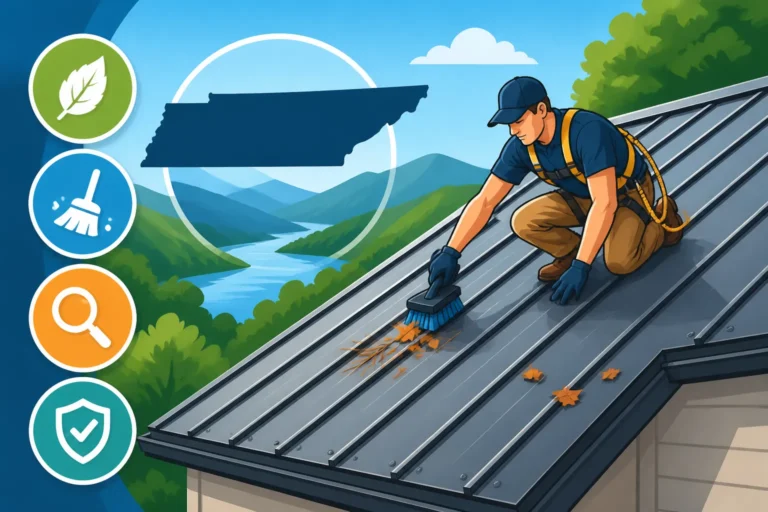
- Clear Debris: Remove any accumulated leaves, branches, or other debris from the roof surface, gutters, and valleys. Debris can trap moisture, lead to corrosion, and impede proper drainage, contributing to ice dam formation.
- Inspect Fasteners: For exposed fastener roofs, check if any screws are loose, backed out, or if the washers are cracked or degraded. Replace any compromised fasteners and apply sealant as needed. For standing seam, inspect clips to ensure they are secure.
- Examine Sealants and Flashing: Check all areas where the roof meets other structures, like chimneys, skylights, and vent pipes. Look for cracks, shrinkage, or deterioration in sealant joints and flashing. Pay close attention to the base of your snow guards if they are penetrating-type. Reseal any areas showing wear to prevent leaks.
- Verify Gutter and Downspout Integrity: Ensure gutters are securely attached, free of clogs, and properly sloped to drain water away. Damaged or clogged gutters can lead to water backup, contributing to ice dams.
- Check Snow Guards: Confirm that all snow guards are firmly attached and free from damage. Look for any loose components, bent rails, or cracked pads. If you have pipe-style guards, ensure all connection points are secure. If you've got concerns, consulting your Metal Roof Maintenance Guide can provide more in-depth advice.
This diligent pre-winter check helps catch minor problems before they are exacerbated by harsh winter conditions, protecting your investment and your peace of mind.
Post-Winter Assessment and Repairs
Once the snow has melted and the spring thaw is complete, it's time for another crucial inspection. Winter can be tough on roofs, and a post-winter assessment allows you to identify and address any damage that may have occurred during the colder months.
Focus on these areas:
- Re-inspect Snow Guards: Even properly installed snow guards can experience stress from heavy snow loads. Check for any signs of bending, cracking, or detachment. Look closely at the points where they attach to the roof panels. If you notice any issues, address them promptly.
- Look for Panel Damage: Inspect the entire roof surface for any dents, scratches, or other damage from falling ice, tree branches, or heavy snow loads. While metal roofs are durable, extreme impacts can cause cosmetic or even structural issues. Pay attention to areas where snow accumulated heavily or slid off.
- Check for Leaks: During the first heavy rains of spring, keep an eye out for any signs of water intrusion inside your attic or home. Water stains on ceilings or walls could indicate a new leak or an exacerbated existing one. Consult a Metal Roof Leak Repair Guide if you suspect a leak.
- Assess Gutters and Downspouts: Winter's freeze-thaw cycles and potential snow slides can wreak havoc on gutters. Look for bends, detached sections, or cracks. Ensure all downspouts are still securely fastened and directing water away from your foundation.
- Examine Attic Space: Head up to the attic on a warm, sunny day. Look for any signs of moisture, mold, or mildew, which could indicate condensation issues or subtle leaks that weren't apparent from inside the living space.
Addressing these issues promptly after winter is key to maintaining your roof's integrity and extending its impressive lifespan. Regular checks are a small investment of time that pays off significantly in preventing major, costly repairs.
Long-Term Care for Optimal Performance
While metal roofs are renowned for their low maintenance requirements, "low maintenance" doesn't mean "no maintenance." To truly get the most out of your metal roof and its snow guards for the long haul, a consistent, long-term care strategy is essential. This strategy goes beyond seasonal checks and involves understanding the roof's needs over its decades-long lifespan.
Consider these aspects for optimal long-term performance:
- Annual Professional Inspections: Even with diligent homeowner checks, a professional can spot subtle issues that might be missed. An expert can assess the integrity of coatings, evaluate flashing, check for early signs of corrosion, and ensure the snow retention system is still performing as designed. This is particularly vital after severe weather events. Many roofing companies, including some affiliated with Modernize, offer annual inspection services.
- Cleaning and Debris Removal: While metal roofs shed debris well, regular cleaning to remove stubborn grime, pollen buildup, or leaf accumulations from valleys and behind snow guards helps prevent moisture retention and potential staining or corrosion over time. This extends the life of the roof's protective coatings.
- Addressing Minor Repairs Promptly: Don't let a small scratch, a loose screw, or a compromised sealant joint fester. Addressing these minor issues as soon as they are identified prevents them from escalating into larger, more expensive problems. This proactive approach is central to getting the full Metal Roof Lifespan: How Long Do They Last? that you're paying for.
- Understanding Coating Lifespan: While the metal itself lasts a long time, the protective paint coatings (like Kynar 500 or SMP) will eventually begin to fade or chalk. Understanding the expected lifespan of your specific coating and planning for potential recoating or repainting can keep your roof looking new and protected against the elements.
By integrating these long-term care practices, you're not just maintaining a roof; you're preserving a valuable asset that will continue to protect your home and enhance its value for decades to come.
The Value Proposition of Snow Guards: Cost vs. Benefit
When you're already investing in a high-quality metal roof, the idea of adding another layer of cost for snow guards might give you pause. However, when you look at the potential costs of not having them versus the cost of installation, the value proposition of snow guards becomes incredibly clear.
Protecting Your Investment and Preventing Costly Damage
Let's talk numbers and potential headaches. A metal roof is a significant investment, often costing more upfront than traditional asphalt shingles. You chose it for its durability, longevity, and superior protection. But without snow guards, that investment is vulnerable in snowy climates. Imagine the following scenarios:
- Gutter Replacement: A sudden snow slide can completely destroy your home's gutter system. Replacing gutters on an average-sized home can easily cost anywhere from a few hundred to several thousand dollars, depending on the material and complexity.
- Landscaping Destruction: Priceless foundation plantings, mature shrubs, or delicate garden features can be flattened or uprooted by tons of snow. Replacing established landscaping is not only costly but also takes years to grow back.
- Property Damage: Picture a parked car, a patio, or an outdoor grill being struck by a collapsing snow load. Repairing or replacing these items can range from inconvenient to incredibly expensive, often leading to insurance claims and deductibles.
- Structural Damage: In severe cases, particularly on lower-level roofs or porches, the sheer weight and impact of a snow slide can cause structural damage, which can lead to extensive and extremely costly repairs.
Now, compare that to the cost of installing snow guards, which typically ranges from $2 to $10 per linear foot, depending on the type and material. For an average 2,000 sq ft roof, this could add a few hundred to a couple of thousand dollars to your total Metal Roof Cost: Complete 2026 Guide. When you consider the potential for multiple incidents of damage over the 50+ year lifespan of a metal roof, the cost of snow guards often pales in comparison to the potential repair bills they prevent. It's truly an investment in protecting your larger investment.
Enhancing Safety and Peace of Mind
Beyond the financial implications, there's the invaluable benefit of safety and peace of mind. As a homeowner, your priority is to keep your family and property safe. The constant worry that a sudden snow slide could injure someone or damage something valuable can be a heavy burden during winter.
With properly installed snow guards, that worry largely disappears. You know that the snow and ice on your roof will be managed, melting off gradually or breaking into harmless pieces. This means:
- Safety for Loved Ones: Children playing in the yard, elderly family members, or pets are protected from potentially fatal snow avalanches.
- Safe Entryways and Walkways: You can confidently use your front door, garage entry, or garden paths without fear of being caught in a snow slide.
- Protection for Visitors: Mail carriers, delivery drivers, and guests can approach your home without encountering unexpected hazards.
This peace of mind isn't something you can easily put a price tag on. Knowing you've taken proactive steps to mitigate a significant winter risk allows you to enjoy the snowy season without constant apprehension. It's a fundamental aspect of making your home a safe haven, reflecting a responsible approach to homeownership in a winter climate.
Understanding Snow Guard Costs and ROI
When budgeting for your metal roof project, it's helpful to break down the cost components of snow guards to understand the return on investment (ROI). The total cost will be influenced by several factors:
- Type of Snow Guard: Individual polycarbonate pads are generally the least expensive per unit, while multi-pipe or rail systems tend to be more costly due to material volume and complexity.
- Material: Plastic/polycarbonate options are usually cheaper than aluminum or stainless steel. Copper snow guards, while beautiful, will naturally be at the higher end of the spectrum.
- Roof Pitch and Size: Steeper and larger roofs will require more extensive snow guard coverage, increasing material and labor costs.
- Installation Complexity: A roof with many dormers, valleys, or other architectural features will be more complex to install on, leading to higher labor costs.
- Regional Labor Rates: Just like other construction costs, labor rates for roofing contractors vary by geographic location.
While the upfront cost of snow guards adds to your overall Metal Roof Cost Per Square Foot, the ROI comes in several forms. First, and most tangibly, is the avoided cost of repairs to gutters, landscaping, and other property damage. These savings can quickly offset the initial investment. Second, by preserving your home's exterior components and ensuring safety, snow guards contribute to the long-term value and curb appeal of your property. Finally, some homeowners insurance providers may offer minor discounts for homes with robust snow retention systems, especially in areas prone to heavy snow, as it reduces the risk of property claims. So, while it's an added expense, it's one that typically pays for itself many times over in saved repair costs and enhanced safety throughout the extensive lifespan of your metal roof.
| Snow Guard Type | Typical Material(s) | Est. Cost per Linear Foot (Installed) | Pros | Cons | Best For |
|---|---|---|---|---|---|
| Individual Pads/Blocks | Polycarbonate, Aluminum, Copper | $2 – $7 | Subtle aesthetics, allows snow to melt and shed in small chunks, non-penetrating options for standing seam. | Less effective for extremely heavy snow loads or very steep pitches; needs precise spacing to be effective. | Moderate snow loads, homeowners prioritizing aesthetics, standing seam roofs. |
| Pipe/Rail Systems | Aluminum, Steel, Copper | $5 – $10 | Highly effective for heavy snow loads, creates a continuous barrier, robust and durable. | More visible on the roof, can be more expensive, some systems require roof penetrations (though clamp-on options exist). | Heavy snow loads, steep pitches, commercial buildings, protecting critical areas. |
| Continuous Strips | Aluminum, Polycarbonate | $3 – $8 | Low profile, provides a consistent barrier, can be more visually integrated than pipe systems. | May not be as robust as pipe systems for extreme loads, effectiveness depends on design and attachment. | Moderate snow loads, specific architectural styles, where a subtle barrier is desired. |
Note: Costs are estimates and can vary significantly based on specific product, roof complexity, location, and installer.
Finding a Qualified Installer and Ensuring Warranty Compliance
You wouldn't trust just anyone with the installation of your beautiful, high-performance metal roof, and the same goes for snow guards. Finding a qualified installer is paramount, not only for the effectiveness of the snow retention system but also for protecting your overall roof warranty and ensuring your investment truly pays off.
What to Look for in a Metal Roofing Specialist
When you're searching for a professional to install your metal roof and its snow guards, don't just pick the first name in the phone book. This is a specialized job, and you need a contractor with specific expertise. Here’s what you should be looking for:
- Experience with Metal Roofing: This might sound obvious, but installing metal roofs is vastly different from asphalt shingles. Look for a contractor who has extensive, verifiable experience specifically with metal roofing systems – preferably the exact type you're installing (e.g., standing seam, corrugated, etc.). Ask them how many metal roofs they install annually.
- Knowledge of Snow Guard Systems: They should be able to explain the different types of snow guards, recommend the best system for your roof's pitch and local snow loads, and demonstrate a clear understanding of proper spacing and attachment methods according to manufacturer specifications. Ask them about their preferred snow guard brands and why.
- Proper Licensing and Insurance: Always verify that the contractor is fully licensed (if required in your state or municipality) and carries comprehensive liability insurance and workers' compensation. This protects you from financial responsibility in case of accidents or damage during the project. You can often check a How to Verify a Roofing License by State online.
- Strong References and Reviews: Ask for references from past clients who have had metal roofs with snow guards installed. Check online reviews on independent platforms. Look for patterns in feedback, especially concerning quality of work, adherence to timelines, and customer service. Services like Modernize can help you connect with vetted local professionals who specialize in metal roofing.
- Clear Communication and Detailed Quotes: A reputable contractor will be transparent about the process, materials, timelines, and costs. Their quote should be detailed, itemizing both the metal roofing and the snow guard system separately, including labor, materials, and any necessary permits.
Taking the time to vet your contractor thoroughly ensures a high-quality installation that stands the test of time and protects your home.
The Importance of Manufacturer Certifications
In the world of metal roofing, manufacturer certifications are a golden standard that homeowners should always seek out. These certifications indicate that a contractor has undergone specialized training directly from the metal roof panel or snow guard manufacturer. It means they understand the product's specific installation requirements, performance characteristics, and warranty guidelines inside and out.
Why is this so important?
- Expertise in Specific Products: Each metal roof system and snow guard product has its unique installation nuances. A certified installer knows these details, ensuring the product performs exactly as designed. They are up-to-date on the latest techniques and materials.
- Warranty Compliance: Many metal roof and snow guard manufacturers require their products to be installed by a certified or approved contractor for the warranty to remain valid. An uncertified installation could potentially void your warranty, leaving you without recourse if issues arise down the line. Asking about Do You Need a Certified Installer for Warranty Coverage? is a smart question during your initial consultations.
- Access to Best Practices: Certified installers often have access to technical support, updated guides, and ongoing training directly from the manufacturer, ensuring they are always employing the most current and effective installation methods.
- Quality Assurance: These certifications are a mark of a contractor's commitment to quality and professionalism. It gives you, the homeowner, an extra layer of confidence that the job will be done right.
Always ask prospective contractors about their manufacturer certifications for both the metal roofing panels and the specific snow guard system they propose to install. It's a key indicator of their expertise and a safeguard for your investment.
Navigating Warranties and Installation Guarantees
When investing in a metal roof and snow guards, understanding the various warranties and guarantees is crucial. You're typically dealing with a few layers of protection:
- Manufacturer's Material Warranty: This covers defects in the metal panels themselves, including finish, corrosion, and structural integrity. For snow guards, it covers defects in the guard materials. These are usually long-term, often 20-50 years, or even limited lifetime.
- Manufacturer's Finish Warranty: This specifically covers the paint coating on your metal roof panels, protecting against issues like chalking, fading, and chipping beyond certain limits.
- Installer's Workmanship Warranty: This is critically important for both your roof and your snow guards. It covers the quality of the installation itself, addressing issues like leaks due to improper fastening, poor flashing, or incorrect snow guard attachment. These typically range from 2 to 10 years, though some top-tier contractors offer longer periods. Be sure to ask Questions to Ask About Metal Roof Warranty.
When reviewing your contract, ensure that:
- All Warranties are Clearly Stated: The contract should specify the duration and coverage of both material and workmanship warranties.
- Warranty Transferability: If you plan to sell your home, check if the warranties are transferable to a new owner, which can be a significant selling point.
- Conditions for Validity: Understand any conditions that might void your warranty, such as using unapproved repair methods or not following maintenance guidelines. This reinforces why professional installation is key.
A reputable contractor will explain all these warranty details clearly and provide you with copies of all relevant documentation upon completion of the project. This full understanding of your coverage is the final layer of protection for your significant investment in a high-performance metal roof with effective snow retention.
Disclaimer
Please note that the information provided in this guide is intended for general informational purposes only and does not constitute professional advice. Metal roof installation and snow guard systems require specialized knowledge and adherence to local building codes. Always consult with a qualified, licensed, and insured metal roofing contractor in your area for specific recommendations, precise calculations, and professional installation. Warranties and regulations can vary significantly by manufacturer and location.