Is a Stone-Coated Steel Metal Roof Good for a House?
When you’re looking at replacing your home's roof, it can feel like you're navigating a maze of materials, costs, and promises. One option that homeowners often hear about, but might not fully understand, is the stone-coated steel metal roof. People frequently wonder if this particular type of roofing is really a solid choice for a residential property, especially when compared to more traditional options or even other metal roofing styles. This guide aims to clear up that confusion, diving deep into what makes stone-coated steel a unique roofing solution and whether it's truly a good fit for your house and your peace of mind.
What Exactly is a Stone-Coated Steel Metal Roof?
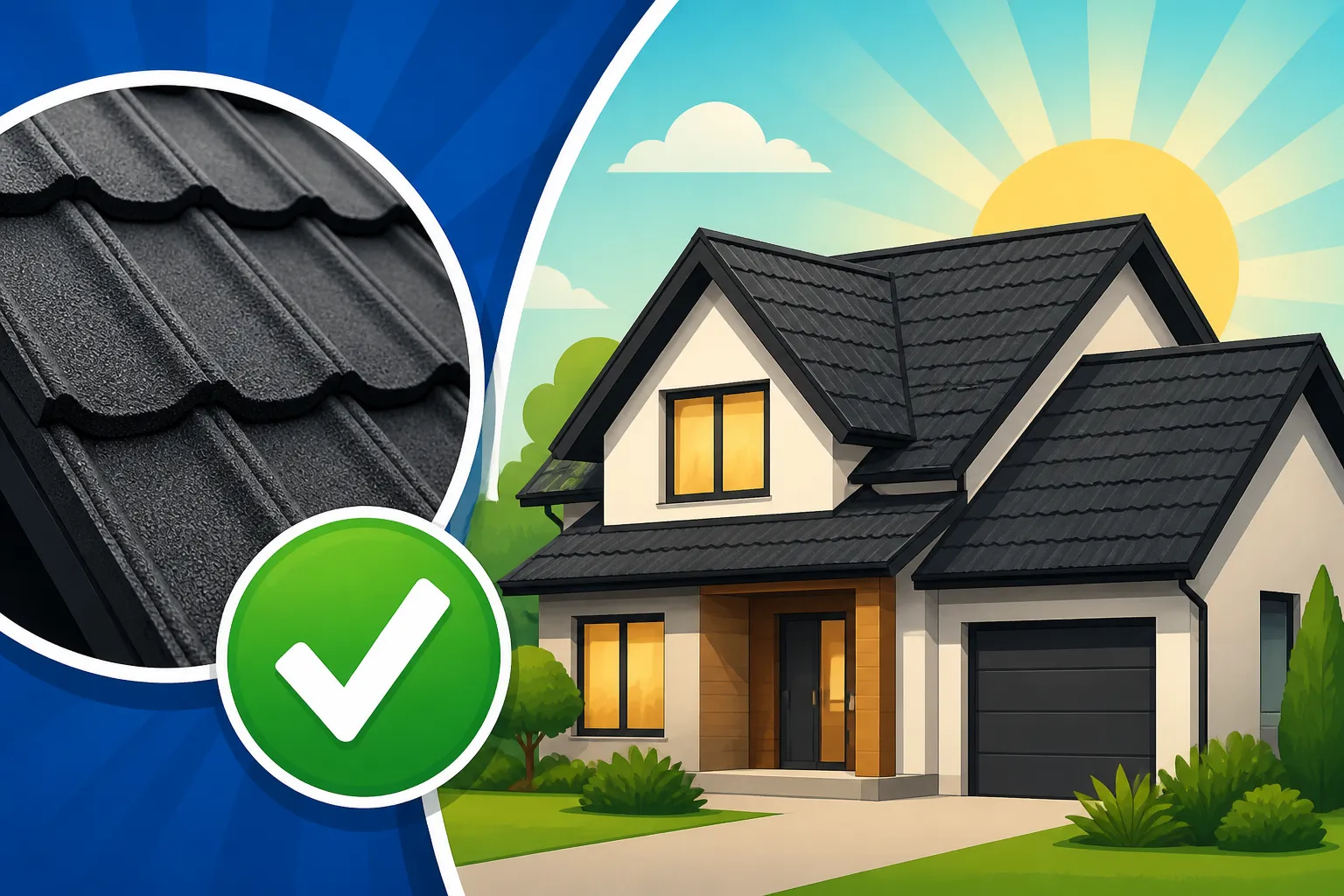
Let's be honest, the name "stone-coated steel" sounds a bit like a mouthful, and it can conjure up images of heavy, bulky roofing. But in reality, it's an ingenious blend of durability and aesthetics. Unlike the flat, sleek panels of a standing seam roof or the industrial look of corrugated metal, stone-coated steel is designed to mimic the appearance of more traditional roofing materials like clay tiles, asphalt shingles, or even wood shakes, but with the underlying strength of steel.
The Core Construction
At its heart, a stone-coated steel roof starts with a sturdy steel panel, typically 26-gauge, which provides the foundational strength and longevity. This steel is usually galvanized or Galvalume coated, meaning it's treated with a zinc and aluminum alloy to protect against rust and corrosion – a critical step for any metal roof destined to face the elements for decades. On top of this protective steel layer, an acrylic-bonded stone chip coating is applied. Think of it like a very strong, durable gravel veneer that's baked onto the steel, creating a rugged, textured surface. This stone granular coating is then sealed with another acrylic clear coat, which acts as a shield against UV rays and weathering, ensuring the color stays vibrant and the surface resists fading.
This multi-layered approach is what gives stone-coated steel its remarkable characteristics. The steel provides the structural integrity and fire resistance, while the stone coating adds significant protection against impact (like hail), UV degradation, and helps to dampen sound. It’s a sophisticated sandwich designed for maximum performance. This construction directly impacts the overall Metal Roof Lifespan: How Long Do They Last?, often pushing it well beyond that of traditional materials.
How It Differs from Traditional Metal Roofs
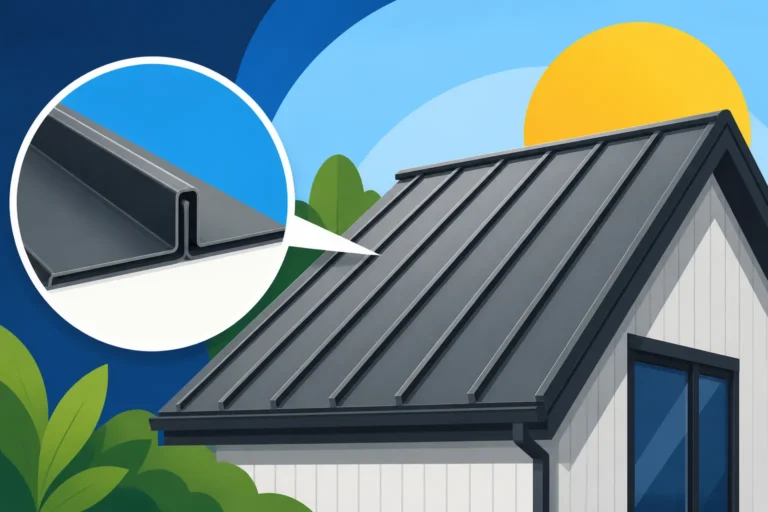
When people think of metal roofs, they often picture the sleek, modern lines of a standing seam system or the more rustic, utilitarian look of exposed fastener panels you might see on a barn. Stone-coated steel breaks that mold entirely. Its primary difference lies in its aesthetic mimicry. Instead of showcasing the metal itself, it uses the stone coating to achieve a completely different visual effect. This means you can get the classic look of terracotta tiles or heavy architectural shingles, but with all the benefits that come with steel.
For instance, a conventional Standing Seam Metal Roof Cost might give you a contemporary vibe, while a corrugated metal roof offers a distinct, often industrial, charm. Stone-coated steel, on the other hand, allows homeowners to maintain or even enhance a traditional aesthetic without compromising on modern durability. It's truly the chameleon of the metal roofing world, offering diverse profiles such as metal shingles, metal tiles, or metal shakes, each replicating its traditional counterpart beautifully. It's not just a sheet of metal; it’s an engineered system that focuses on combining form and function in a way few other roofing materials can.
The Benefits of Stone-Coated Steel for Residential Homes
Homeowners are constantly looking for roofing solutions that offer a combination of long-term value, protection, and curb appeal. Stone-coated steel checks a lot of those boxes, offering a suite of advantages that make it an increasingly popular choice for residential properties. It’s not just about looking good; it’s about performing exceptionally well under pressure.
Unmatched Durability and Longevity
One of the most compelling reasons to consider a stone-coated steel roof for your home is its incredible durability. These roofs are built to last, often boasting warranties of 50 years or more. Think about that: half a century, often transferable to a new homeowner, meaning you might never have to replace your roof again in your lifetime. This long-term value is a significant factor when considering your overall Is a Metal Roof Worth It? ROI, Resale & Payback.
The steel core, protected by its zinc-aluminum alloy, is inherently resistant to rot, mildew, and insect infestation – common issues that plague organic roofing materials. The stone coating adds another layer of defense, making the panels highly resistant to impacts from hail, high winds, and even falling debris. Many stone-coated steel roofs have a Class 4 impact resistance rating, the highest available, which can translate into significant Metal Roof Insurance Savings & Discounts. They can withstand hurricane-force winds up, to 120 mph or even higher in some tested systems, without lifting or detaching. This robust construction means less worry for homeowners, especially those living in areas prone to severe weather events.
Aesthetic Appeal and Curb Value
Let's face it, a roof isn't just about protection; it's a huge part of your home's visual identity. Stone-coated steel truly shines here. Its ability to perfectly mimic the appearance of traditional roofing materials—from elegant clay tiles to rustic wood shakes, and sophisticated heavy gauge architectural shingles—is a major draw. You get the beauty you desire without the inherent weaknesses of those materials.
This versatility in style means you can select a profile and color that perfectly complements your home's architectural style and your personal taste. Whether your home is a charming Craftsman bungalow, a sprawling Mediterranean villa, or a modern farmhouse, there's a stone-coated steel option that will enhance its curb appeal. This improved aesthetic, combined with the proven durability and longevity, can significantly increase your home's resale value. When potential buyers see a new stone-coated steel roof, they often see a worry-free future, making your property more attractive and often commanding a higher price. It's a real investment in your home's future and appearance.
Energy Efficiency and Fire Resistance
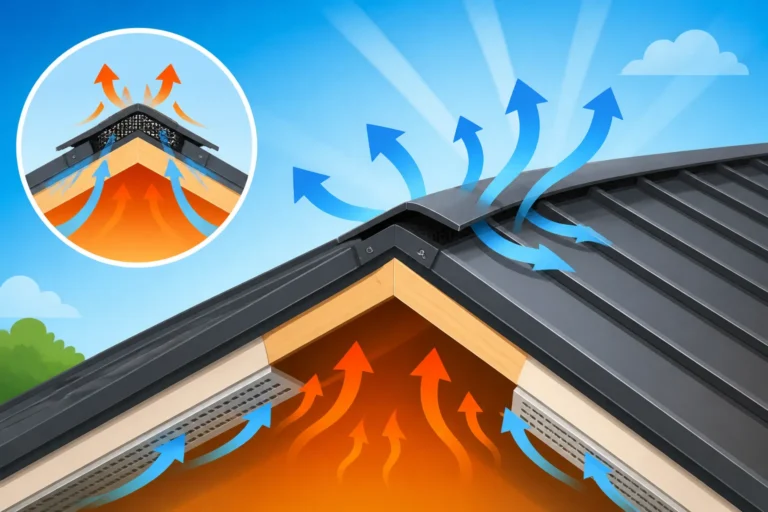
Beyond durability and looks, stone-coated steel roofs offer substantial benefits in energy efficiency and safety. Metal roofs, in general, are known for their reflective properties, and stone-coated steel is no exception. The granular coating and the underlying steel work together to reflect solar radiant heat, rather than absorbing it like darker asphalt shingles. This reflection can lead to a cooler attic and, consequently, lower air conditioning costs during warmer months. Some systems even feature special coatings that further enhance their emissivity and reflectivity, qualifying them as "cool roofs" that can lead to energy bill savings.
When it comes to safety, fire resistance is paramount. Stone-coated steel roofs are non-combustible, earning them a Class A fire rating – the highest available. This means they offer excellent protection against external fire sources, like embers from wildfires or nearby house fires, which can be a huge relief for homeowners, particularly in high-risk areas. Unlike wood shakes or even asphalt shingles, which can ignite and spread flames, a stone-coated steel roof acts as a robust barrier, protecting your home and family. The peace of mind this brings is truly invaluable.
Potential Drawbacks and Considerations
While stone-coated steel metal roofs offer an impressive list of benefits, it's essential to look at the whole picture before making such a significant investment. Like any major home improvement, there are a few considerations and potential drawbacks that homeowners should be aware of.
Upfront Cost Comparison
Let’s address the elephant in the room: the initial cost. Stone-coated steel roofs, while offering exceptional long-term value, do come with a higher upfront price tag compared to traditional asphalt shingles. You might find that the Metal Roof Cost vs Asphalt Shingle Cost shows a significant difference, with stone-coated steel being substantially more expensive per square foot. This is due to the advanced manufacturing process, the quality of materials, and the specialized installation requirements.
While you'll save money in the long run through durability, lower maintenance, and potential energy savings, that initial investment can be a hurdle for some budgets. For example, while a basic asphalt shingle roof might cost $5 to $8 per square foot installed, a stone-coated steel roof can easily range from $8 to $15 per square foot or more, depending on the panel style and complexity of the roof. It’s crucial to look at this not just as an expense, but as a long-term investment, considering the lifespan and benefits over decades. Resources like Metal Roof Cost: Complete 2026 Guide can help you get a broader understanding of pricing.
Installation Complexity
The installation of a stone-coated steel roof is not a job for just any roofing crew. It requires specialized knowledge, tools, and experience. Unlike the relatively straightforward process of laying asphalt shingles, stone-coated steel panels interlock and often require precise cutting and fastening techniques to ensure a watertight and durable seal. This complexity means that finding a qualified contractor is paramount.
An improperly installed stone-coated steel roof can lead to issues like leaks, panel damage, or voided warranties, negating many of the benefits. When seeking estimates, be sure to ask contractors about their specific experience with stone-coated steel, not just general metal roofing. You’ll want to look for installers who are factory-trained or certified by specific manufacturers, like Gerard or DECRA. A reputable platform like Modernize can help you connect with experienced contractors in your area who specialize in this type of installation. This ensures that the intricate installation process is handled correctly, protecting your investment.
Maintenance and Repair Nuances
While stone-coated steel roofs are often touted as low-maintenance, that doesn't mean they're entirely maintenance-free. They are incredibly durable, but occasional checks are still beneficial. For instance, the granular coating, while highly resilient, can sometimes experience minimal stone loss over many years, particularly in high-traffic areas if people walk on it incorrectly or if a panel is damaged. While minor granule loss doesn't typically affect the performance, significant loss might require a touch-up or panel replacement.
Repairs, while infrequent, also have their nuances. If a panel is severely damaged, it often needs to be replaced rather than simply patched. This can be a bit more involved than swapping out a few asphalt shingles. However, because the panels are modular, replacement is usually straightforward for an experienced contractor. It’s important to remember that most issues are preventable with proper installation and a periodic, gentle inspection. Understanding How Long Does a Stone-Coated Steel Metal Roof Last? can also give you context for why proactive, albeit minimal, maintenance is worthwhile.
Is a Stone-Coated Steel Roof the Right Choice for Your Home?
Deciding on a new roof is a big deal, and whether a stone-coated steel option is right for you boils down to a few personal and practical considerations. It’s about weighing the unique advantages against your specific circumstances and priorities.
Assessing Your Climate and Lifestyle
Consider where you live. If your home is in an area prone to harsh weather conditions – be it heavy hail, strong winds, or even wildfire risk – the exceptional durability and Class A fire rating of stone-coated steel make it a highly attractive option. For example, homeowners in regions like Florida, with its hurricane seasons, or Colorado, known for its hailstorms, often find the resilience of these roofs to be a significant selling point. This robustness contributes to a longer Metal Roof Lifespan: How Long Do They Last?, which is a huge advantage in challenging climates.
Your lifestyle and long-term plans for your home also play a role. If you plan to stay in your home for many decades and want a roof that will last just as long with minimal fuss, stone-coated steel is a fantastic choice. The "set it and forget it" aspect, combined with lower maintenance demands compared to traditional materials, appeals greatly to those who prioritize peace of mind and long-term value. However, if you plan to move in a few years, the higher upfront cost might not fully pay off in your immediate tenure, even with increased resale value.
Getting Professional Advice
Ultimately, the best way to determine if a stone-coated steel roof is ideal for your specific home is to consult with experienced professionals. Don't just settle for one quote; get several from reputable roofing contractors. When evaluating different roofing types, it's also helpful to look at a Stone-Coated Steel vs Standing Seam Cost comparison to understand the aesthetic and budgetary differences between these popular metal roofing styles.
Look for contractors who specialize in metal roofing, especially stone-coated steel. They can assess your roof's pitch, your home's structure, local building codes, and your specific needs to provide tailored recommendations. A good contractor will walk you through the pros and cons, discuss various styles (like those offered by brands such as Boral Steel or Metro Roof Products), and provide a detailed estimate that breaks down material and labor costs. Platforms like Modernize can be a valuable starting point to find vetted professionals in your area. They can also provide insights into specific Metal Roof Building Codes Explained for your locality.
Don't be afraid to ask about warranties, installation processes, and references from previous stone-coated steel projects. A professional will help you understand the long-term return on investment and ensure that the installation meets the highest standards, protecting your home for decades to come.
Stone-Coated Steel vs. Other Common Roofing Materials
To give you a clearer perspective, here's a quick comparison of stone-coated steel against some other popular roofing options. This table highlights key attributes that often influence a homeowner's decision.
| Feature | Stone-Coated Steel Metal Roof | Asphalt Shingles | Standing Seam Metal Roof | Clay Tile Roof |
|---|---|---|---|---|
| Material | Steel core with stone granule coating | Asphalt, fiberglass mat, mineral granules | Painted or unpainted metal panels (steel, aluminum) | Clay |
| Appearance | Mimics shingles, tile, shake | Traditional shingle look, various colors | Sleek, modern, industrial | Mediterranean, Spanish, rustic |
| Lifespan | 40-70+ years | 15-30 years | 50-70+ years | 50-100+ years |
| Durability | Excellent (hail, wind, fire) | Good (wind), fair (hail), poor (fire) | Excellent (wind, fire), good (hail) | Excellent (fire), good (wind), fair (hail) |
| Maintenance | Low (occasional inspection) | Moderate (shingle replacement, cleaning) | Very low (occasional inspection) | Moderate (cracked tile replacement, cleaning) |
| Cost (Installed) | High ($8 – $15+ per sq ft) | Low ($5 – $8 per sq ft) | High ($10 – $18+ per sq ft) | Very High ($12 – $25+ per sq ft) |
| Energy Eff. | High (reflective) | Low to Moderate (absorptive, reflective options) | High (reflective) | High (thermal mass, airflow) |
| Fire Rating | Class A | Class A (most) | Class A | Class A |
| Weight | Light to moderate (1.5 lbs/sq ft) | Moderate (2-2.5 lbs/sq ft) | Light (1.2-1.5 lbs/sq ft) | Very Heavy (8-12 lbs/sq ft) |
This table provides a generalized overview, and specific product variations, local labor costs, and roof complexity can influence these figures significantly. However, it clearly shows where stone-coated steel stands as a strong contender in terms of durability, lifespan, and overall performance compared to other options.
Disclaimer
The information provided in this article is for general guidance and informational purposes only. While we strive to offer accurate and up-to-date content, roofing costs, product availability, building codes, and installation practices can vary significantly based on location, contractor, and specific project requirements. It is always recommended to consult with multiple qualified, licensed roofing professionals and local authorities before making any decisions related to your roofing project.