Can You Put a Metal Roof Over One Layer of Shingles
It’s a question that pops up in nearly every conversation about upgrading to a metal roof: "Can I just put it right over my existing shingles?" The thought of avoiding the messy, expensive, and time-consuming tear-off process is incredibly appealing, and many homeowners understandably hope for this shortcut. This guide is here to walk you through the realities of installing a metal roof directly over a single layer of asphalt shingles, breaking down the possibilities, the critical considerations, and when it’s truly the right (or wrong) move for your home.
The Possibility of Installing Metal Over Shingles
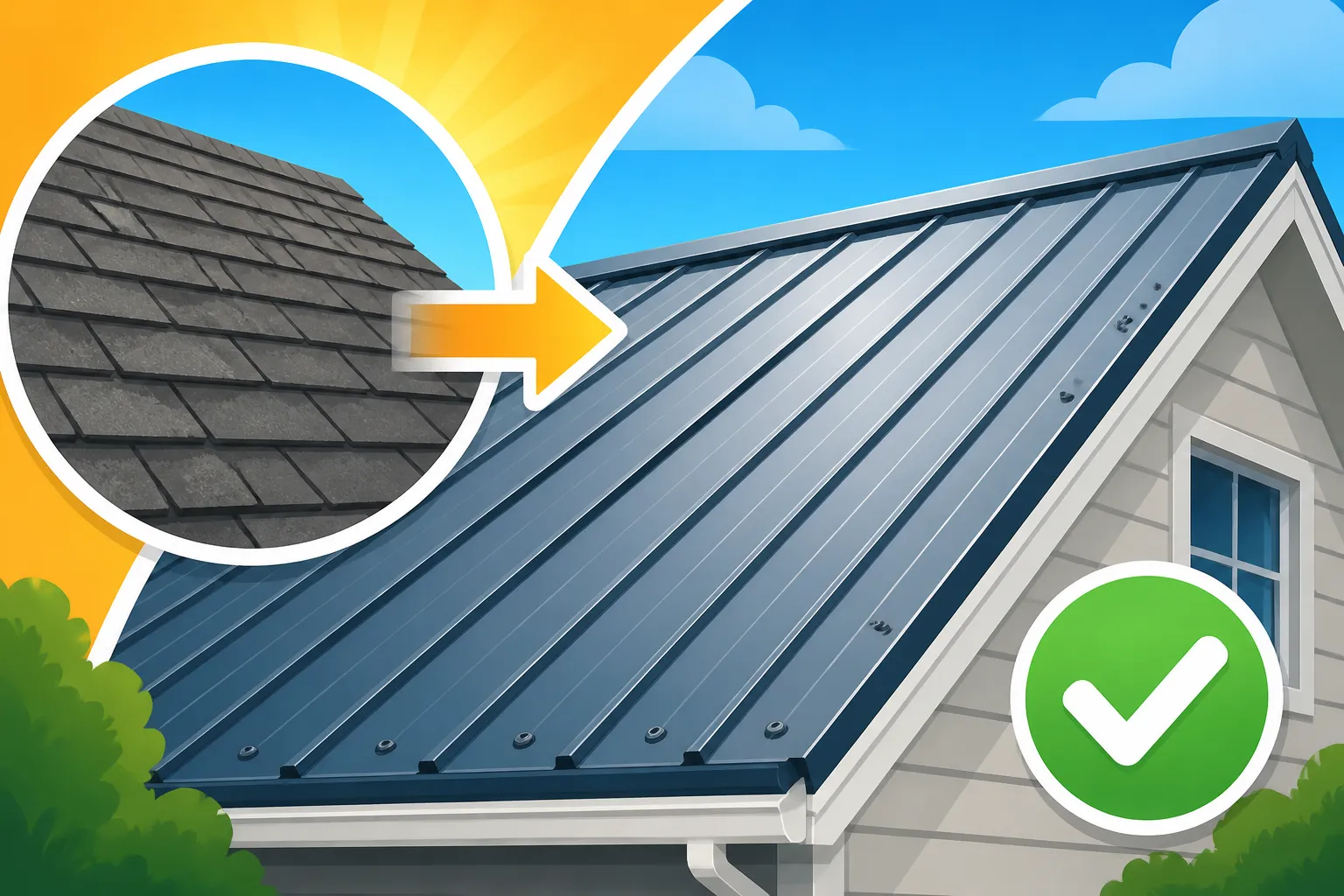
When you’re dreaming of that shiny new metal roof, the idea of skipping the demolition phase can feel like a huge win. Less mess, less noise, less hassle, and potentially a good chunk of savings on labor and disposal. But is it really as simple as laying one on top of the other? In many cases, yes, it’s entirely possible and even permissible, but it's crucial to understand the nuances that make it a smart decision versus a costly mistake.
Understanding the "One Layer" Rule and Building Codes
The general rule of thumb in most localities is that you can have up to two layers of roofing material on your home. If your house currently has just one layer of asphalt shingles, then adding a metal roof on top would bring you to the second layer, often falling within acceptable building code limits. This "one layer" rule isn't universal, though, and it’s always the first thing you need to verify with your local building department. What’s allowed in one town might be a no-go in another.
For instance, in some hurricane-prone areas, like parts of Florida, stricter codes often mandate a full tear-off to ensure the new roof system can be properly secured to the decking and comply with enhanced wind resistance requirements. This might involve specific attachment methods for the underlayment and panels that simply aren't possible when covering existing shingles. So, while you might save on initial tear-off costs, you could be overlooking crucial safety standards or even voiding potential insurance discounts if you don’t adhere to local ordinances. Checking with your city or county building department about Metal Roof Building Codes Explained is non-negotiable before you even think about signing a contract.
Benefits of Skipping the Tear-Off
Let's be honest, the primary allure of installing metal over existing shingles is the potential for significant savings and a less disruptive installation. When you opt to forgo the tear-off, you're looking at a few clear advantages that make this option so attractive.
First and foremost, there are the cost savings. A full tear-off involves labor to remove the old roofing, haul-away services, and disposal fees – all of which can add up quickly. Depending on your roof's size and complexity, these costs alone can range from hundreds to several thousand dollars. By bypassing this step, you’re essentially pocketing that money or redirecting it towards higher-quality materials or installation. This directly impacts the overall Cost to Replace Shingles With a Metal Roof.
Beyond the financial aspect, the installation process can be notably faster. Without the tear-off, contractors can move directly to preparing the existing roof for the new metal panels. This means less time with your roof exposed to the elements and less disruption to your daily life. It's a smoother transition, and who doesn't appreciate getting a major home improvement project done more quickly? Furthermore, leaving the old shingles in place can offer a small, additional layer of insulation and sound dampening, which might slightly improve your home's energy efficiency and reduce noise from heavy rain or hail, though these benefits are often marginal compared to dedicated insulation solutions.
Potential Drawbacks and Risks
While the benefits of installing metal over existing shingles are tempting, it’s equally important to consider the potential downsides. Ignoring these risks could lead to more significant problems and expenses down the line, essentially negating any initial savings.
One major concern is the added weight. While metal roofs are relatively lightweight compared to many other roofing materials, adding a new metal system on top of an existing layer of asphalt shingles certainly increases the load on your roof's structure. Most modern homes are built to handle standard roofing loads, but if your home is older, has structural issues, or has multiple layers already, this added weight could pose a problem. An experienced contractor will assess your roof's structural integrity, but it's a critical point that shouldn’t be overlooked. You wouldn't want to inadvertently stress your home's framing over time.
Another significant drawback is the risk of concealing existing damage. When you cover up an old roof, you're hiding whatever lies beneath. If there are soft spots, rot, water damage, or mold already present in your roof decking or rafters, covering them with a new metal roof will only trap the moisture and accelerate the deterioration. This hidden damage could eventually compromise the integrity of your entire roof system and even lead to more extensive structural repairs inside your home. It's a classic case of "out of sight, out of mind" until it becomes an expensive and highly visible problem. Lastly, some manufacturers might have specific warranty clauses that could be affected by installing their metal roofing over existing materials. Always check the fine print of any warranty to ensure your installation method won't inadvertently void critical coverage.
Essential Preparations Before Installation
Deciding to install a metal roof over existing shingles isn't just about throwing new panels on top. It requires careful preparation and a thorough assessment of your current roof's condition to ensure the new installation is sound, durable, and won't lead to unforeseen problems. This proactive approach is key to a successful, long-lasting metal roof.
Thorough Roof Inspection and Repair
Before a single metal panel is laid, a comprehensive inspection of your existing shingle roof is absolutely non-negotiable. Think of it like getting a full health check-up before starting a rigorous new exercise regimen. You need to know that your current roof is a stable and healthy foundation. This means checking for any and all signs of distress: sagging sections, soft spots in the decking (which could indicate rot or water damage), areas where shingles are missing or severely deteriorated, and any evidence of leaks, mold, or mildew.
Any and all existing issues must be addressed and repaired before the metal roof goes on. If a section of the decking is rotted, it needs to be replaced. If there are active leaks, the source must be found and fixed. Covering up a problem will not make it disappear; it will only exacerbate it, turning a minor issue into a major structural nightmare hidden beneath your beautiful new metal roof. A reputable contractor, like those you can find through Modernize, will insist on this thorough inspection and will often include these necessary repairs in their quote, ensuring a solid base for your investment.
Ensuring Proper Ventilation and Underlayment
Ventilation is paramount for any roof, but it becomes even more critical when you're layering materials. Trapping moisture and heat between the old shingles and the new metal roof can create significant problems. Without proper airflow, condensation can build up, leading to rot in your decking, mildew growth, and a less energy-efficient attic space.
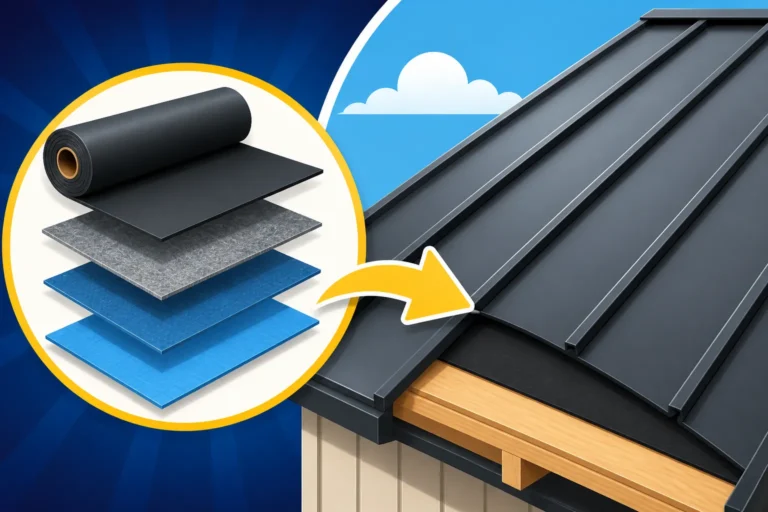
To mitigate this, a high-quality underlayment is essential. This often involves a synthetic underlayment that acts as a vapor barrier and an additional layer of protection. Depending on the type of metal roof and your local climate, your contractor might also recommend installing furring strips or battens over the existing shingles. These create an air gap between the old roof and the new metal panels, allowing for superior airflow and drainage. This technique is particularly common with Standing Seam Metal Roof Cost installations, as it helps create a perfectly flat plane and enhances ventilation. Understanding Metal Roof Underlayment and Ventilation Guide will give you a clear picture of what's needed for your specific situation. Don't skimp on these steps; they are vital for the long-term health and performance of your new metal roof.
Structural Integrity Check
The cumulative weight of a metal roof on top of existing shingles needs to be carefully assessed against your home's structural capacity. While metal roofing itself is known for being lighter than many traditional materials like tile or even some asphalt shingles, adding it as a second layer still means adding weight. For most newer homes built to modern standards, this might not be an issue. However, if your home is older, or if there's any suspicion of existing structural weaknesses, a professional structural engineer's assessment might be a worthwhile investment.
This check ensures that your roof framing, trusses, and supporting walls can comfortably bear the combined load without undue stress or potential for sagging over time. An experienced metal roofing contractor should always evaluate the existing roof structure as part of their initial assessment. If they identify any red flags, such as visible bowing of rafters or signs of previous structural repairs, they should recommend further investigation or insist on a full tear-off to address any underlying issues before proceeding. Prioritizing this step prevents future headaches and costly repairs that could far outweigh the initial savings of not tearing off the old roof.
The Installation Process: What to Expect
Once you’ve done your due diligence and decided that installing metal over your single layer of shingles is the right path, understanding the actual installation process can help you feel more confident and prepared. While every roofing project has its unique quirks, there's a general sequence of steps that a reputable contractor will follow to ensure a smooth and successful transition to your new metal roof.
Securing the Existing Shingles
The first practical step on installation day, after any necessary repairs, involves ensuring the existing asphalt shingle layer is as stable and flat as possible. This isn't just about aesthetics; it's about creating a uniform base that won't shift or create pressure points under the new metal panels. Any loose or flapping shingles will need to be properly fastened down. This often means adding extra nails or staples to secure them firmly to the decking.
Furthermore, any excessively thick shingle edges or problematic overhangs might need to be trimmed or adjusted. The goal is to eliminate unevenness that could telegraph through the metal panels, causing an effect known as "oil canning" – a visual distortion or waviness that, while often cosmetic, can be unsightly. A skilled crew will meticulously prepare this foundation, understanding that the longevity and appearance of your metal roof heavily depend on the quality of the surface it's installed over. This attention to detail is crucial for ensuring a long-lasting and aesthetically pleasing final product.
Installing Underlayment and Furring Strips (If Used)
With the existing shingles secured, the next critical phase involves installing the new underlayment. This protective layer is paramount, especially when covering an older roof. Modern synthetic underlayments are preferred over traditional felt paper because they offer superior moisture resistance, tear strength, and durability. This underlayment acts as a secondary barrier against water penetration, preventing leaks should any moisture bypass the metal panels themselves. It also helps to separate the metal from the shingle surface, which can be important for preventing chemical reactions between different materials over time.
In many cases, particularly with standing seam or other concealed fastener systems, contractors will install a system of furring strips or battens over the underlayment and existing shingles. These strips are essentially thin pieces of wood or metal fastened to the roof deck, creating a level plane and a crucial air gap. This gap significantly improves ventilation, allowing any moisture vapor to escape and preventing heat buildup, which can improve energy efficiency. It also provides a perfectly straight surface for the metal panels to attach to, preventing waviness and improving the overall aesthetic. While adding an extra step, these strips are often a wise investment for enhanced performance and longevity, especially with a Standing Seam Metal Roof Cost where a flat surface is paramount.
Laying the Metal Panels
This is where your new roof truly begins to take shape! The actual laying of the metal panels requires precision and expertise, especially when going over an existing shingle layer, which might still have some inherent unevenness despite preparation. Different metal roofing types, like Corrugated Metal Roof Cost or Metal Shingle Cost, will have slightly varied installation methods, but the core principle is secure, watertight attachment.
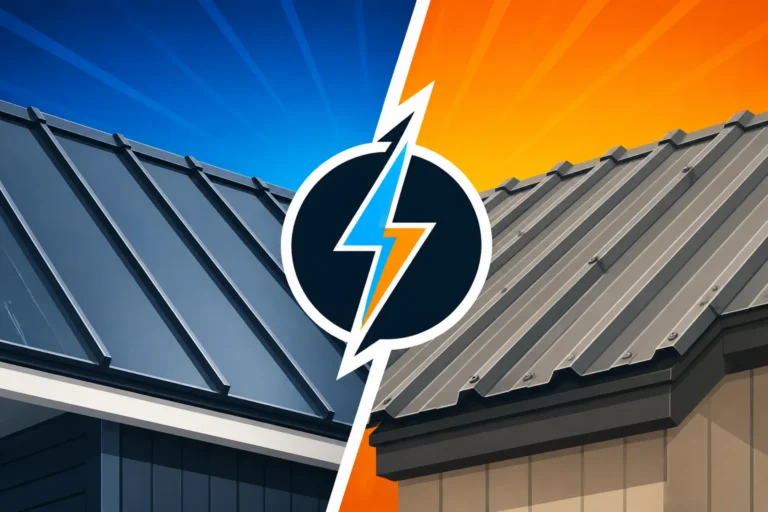
Contractors will use specialized fasteners designed for metal roofing, often equipped with neoprene washers to create a watertight seal around each screw. The type of fastener and attachment method will depend on whether you're getting an exposed fastener system (where screws are visible on the panel surface) or a concealed fastener system like standing seam (where clips secure the panels from underneath, hidden from view). Precision alignment is key to ensuring that the panels interlock correctly and create a seamless, protective shell. Reputable companies often use specialized tools to bend and crimp seams, ensuring an impervious barrier against the elements. If you’re looking for a qualified professional, platforms like Modernize can connect you with experienced metal roofing contractors who understand the nuances of this type of installation, ensuring your new roof is installed to the highest standards.
Long-Term Considerations and Expert Advice
Opting to install a metal roof over your existing shingles can be a smart move, offering both practical and financial benefits. However, like any significant home improvement, it’s not a decision to be made lightly. Thinking about the long-term implications and heeding expert advice will ensure that your initial savings don't turn into future regrets.
Understanding Warranty Implications
When you invest in a new metal roof, one of the most reassuring aspects is the warranty. Metal roofs are known for their exceptional longevity, often boasting warranties that span 30 to 50 years, or even longer. However, the terms and conditions of these warranties can be quite specific, especially concerning the installation method.
Many manufacturers offer a strong product warranty, covering defects in the metal or its coating. But the effectiveness of that warranty can sometimes hinge on how the roof was installed. Some manufacturers might have stipulations or even exclusions if their product is installed over an existing roof without a full tear-off, particularly if it's not done by a Manufacturer-Certified Metal Roof Installers Explained. It's absolutely crucial to read and understand the warranty documentation before committing to an overlay installation. You'll want to differentiate between the manufacturer's warranty (for the materials) and the contractor's workmanship warranty (for the installation itself). Asking your potential contractors to clarify how installing over shingles might affect these warranties is a vital question to ask. For more details, explore Metal Roof Warranties: Workmanship vs Manufacturer.
When to Definitely Tear Off Old Shingles
While covering old shingles can be a viable option, there are specific scenarios where a full tear-off is not just recommended, but absolutely essential for the long-term health of your home and the performance of your new metal roof. Ignoring these warning signs means you're essentially building a new, expensive roof over a crumbling foundation.
First, if your existing shingle roof shows significant signs of structural damage, such as widespread rot, soft spots, sagging, or compromised decking, a tear-off is non-negotiable. Covering these issues will only accelerate the decay, potentially leading to expensive structural repairs down the road that will far outweigh the initial cost of removing the old shingles. Second, if your roof already has two or more layers of existing roofing material, adding a metal roof would exceed most building codes, which typically limit total layers to two. Exceeding this limit also adds excessive weight, which could compromise the structural integrity of your home. Finally, if you live in an area with stringent building codes, particularly those in high-wind or hurricane zones, a tear-off may be mandatory to comply with local regulations and achieve necessary wind mitigation ratings. In these cases, installing a metal roof over existing shingles simply isn't an option if you want a code-compliant and insurable roof.
Finding the Right Professional
Choosing the right contractor is perhaps the most critical decision when considering installing a metal roof over existing shingles. This isn't a job for just any roofer; it requires a specialist with specific experience in metal roofing, and ideally, in overlay installations. An inexperienced crew might cut corners on preparation, leading to issues like poor ventilation, uneven panels, or compromised water shedding, all of which can drastically shorten the lifespan of your expensive new roof.
You'll want to find a contractor who is knowledgeable about Metal Roof Building Codes Explained in your area, has a strong track record of successful metal roof installations, and can clearly explain their process for preparing the existing shingle roof. Don't be shy about asking for references or checking their credentials. Getting multiple detailed quotes is also a smart strategy, allowing you to compare not just prices, but also the scope of work, materials, and warranty offerings. Services like Modernize can be incredibly helpful in finding vetted and reputable metal roofing contractors in your area, making it easier to gather quotes and ask the right questions to ensure you're hiring an expert who understands the nuances of putting a metal roof over existing shingles. Take your time, ask tough questions, and ensure you're entrusting your home to true professionals.
Disclaimer
Please remember that this article provides general information and should not be considered professional advice. Building codes, regulations, and best practices can vary significantly by location and specific circumstances. Always consult with a qualified, licensed, and insured local metal roofing contractor and your local building department before making any decisions about your roof. They can assess your specific situation and provide accurate, up-to-date guidance tailored to your home and region.