Is Tin a Good Roofing Material?
If you've ever found yourself scratching your head wondering if a "tin roof" is actually a good idea for your home, you're not alone. It's a common term, but what people really mean by it can be quite different from what you might imagine. This guide is here to demystify the world of metal roofing, explain what "tin roof" usually refers to today, and help you understand the true benefits and drawbacks of these modern, durable alternatives.
The Truth About "Tin Roofs" and Their Modern Equivalents
The phrase "tin roof" conjures up images for many of old farmhouses or rustic sheds, often with a distinct, sometimes rusty, appearance. But let's be real, the roofing landscape has evolved significantly. What most folks call a "tin roof" today isn't made of pure tin at all, and understanding this distinction is the first step in making an informed decision for your home.
What People Really Mean by "Tin Roof"
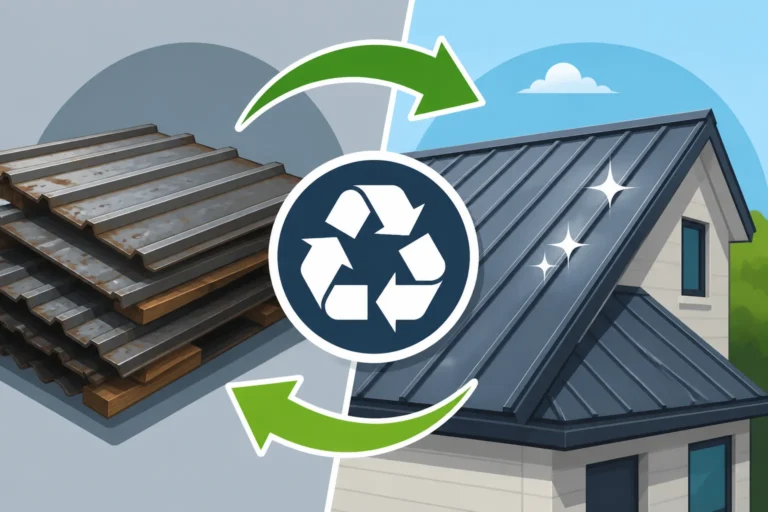
Historically, a true tin roof was indeed made from steel sheets that were thinly coated with tin, a process known as tinplating. This tin coating offered some corrosion resistance and was a common, relatively affordable roofing solution in the 19th and early 20th centuries. These roofs were lightweight and could be shaped easily, making them suitable for various architectural styles, including many classic American homes. The downside, however, was that pure tin is quite soft and the tin plating could wear away, exposing the steel underneath to rust, especially if not meticulously maintained with regular painting. This vulnerability meant their lifespan, while decent for their era, often paled in comparison to other materials and certainly to today's advanced metal roofing options.
Fast forward to today, and you'd be hard-pressed to find a residential roofing contractor installing a new, true tin-plated steel roof. The term has largely become a colloquialism, a catch-all phrase that homeowners use to describe any metal roof that isn't standing seam copper or an elaborate metal tile. Often, they're thinking of corrugated metal panels or similar exposed-fastener systems, which can sometimes look similar to how an old, painted tin roof might have appeared. The confusion is completely understandable; it’s a phrase passed down through generations.
Modern Metal Roofing Materials Often Mistaken for Tin
When someone asks about a "tin roof" today, they're almost always referring to a roof made from steel, often with specialized coatings, or sometimes even aluminum. These materials offer far superior performance, longevity, and aesthetic versatility than their historical namesake. Let's look at the common culprits:
- Galvanized Steel: This is steel coated with a layer of zinc. The zinc acts as a sacrificial layer, corroding before the steel does, providing excellent rust protection. It's a very common and economical choice for metal roofing, widely used in various profiles from corrugated to ribbed panels.
- Galvalume Steel: This is perhaps the most popular modern "tin-like" roofing material. It’s steel coated with an alloy of aluminum and zinc. This combination offers the best of both worlds: the robust corrosion resistance of aluminum and the sacrificial protection of zinc. Galvalume roofs are known for their exceptional durability and resistance to the elements, making them a fantastic long-term investment. You can learn more about the differences in materials in our guide on Metal Roofing Materials Compared: Steel, Aluminum, Copper & Zinc
- Aluminum: While sometimes mistaken for tin due to its lightweight nature, aluminum is a distinct metal roofing material. It naturally resists rust and corrosion, even in harsh coastal environments, because it forms a protective oxide layer when exposed to air. Aluminum panels are usually more expensive than steel, but they offer incredible longevity and can be a fantastic choice for homes in salty air or regions with heavy rainfall.
- Other Metals: Occasionally, the term might even loosely refer to zinc or copper, though these are premium materials with very distinct appearances and price points that usually aren't confused with the "tin" aesthetic.
The bottom line is that while actual tin roofs are a relic of the past, the modern metal roofing options that people think of as "tin" are incredibly robust, long-lasting, and energy-efficient choices for today's homes.
Pros and Cons of "Tin-Style" Roofing Materials
Choosing a roof is a huge decision, and it’s natural to weigh the good against the not-so-good. When we talk about "tin-style" roofing, we're really talking about the advantages and considerations of modern metal roofing, primarily galvanized or Galvalume steel, and sometimes aluminum. These materials bring a lot to the table, but like any home improvement, they come with their own set of factors to consider.
Advantages of Modern Metal Roofing
Modern metal roofs, the true successors to the old tin roofs, offer a plethora of benefits that make them a leading choice for homeowners today. They aren't just an upgrade; they're a transformative investment.
One of the most compelling advantages is their incredible durability and lifespan. Unlike traditional asphalt shingles that might last 15-20 years, a high-quality metal roof, especially those made from Galvalume or aluminum, can easily last 40 to 70 years or even longer. Imagine not having to worry about your roof for half a century! This impressive longevity directly translates to long-term savings and peace of mind. They are also remarkably resistant to many of the common threats that plague other roofing materials, such as fire, rot, mildew, and pests. Our detailed guide on Metal Roof Lifespan: How Long Do They Last? dives deeper into these impressive figures.
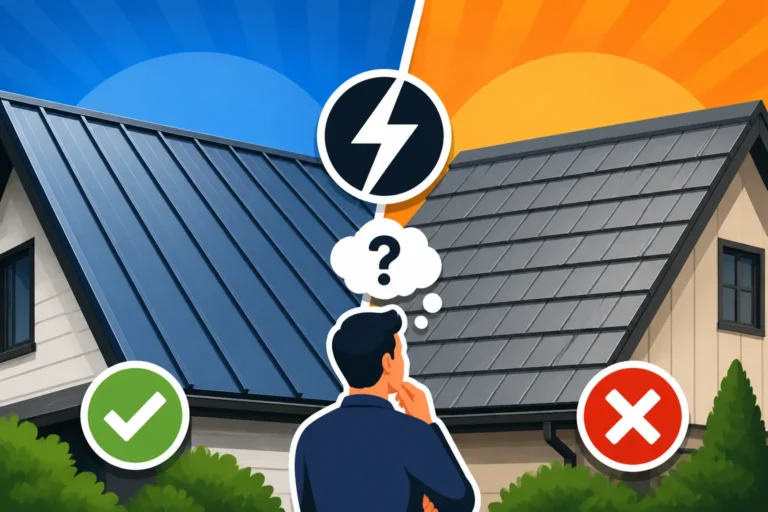
Another significant benefit is energy efficiency. Metal roofs, particularly those with specialized reflective coatings, can dramatically reduce your home's cooling costs. They reflect solar radiant heat, rather than absorbing it like dark asphalt shingles do, which keeps your attic and home cooler during hot summer months. Some homeowners report saving 10-25% on their annual cooling bills. This isn't just a comfort perk; it’s a tangible financial advantage that adds up over the decades.
Let's not forget about low maintenance. Once properly installed, metal roofs require very little upkeep. You won't be dealing with granules washing off, curling shingles, or routine repairs to the same extent as other materials. Periodic inspections to check fasteners, flashing, and ensure gutters are clear are usually all that’s needed. This frees up your time and reduces ongoing expenses, which is a huge relief for busy homeowners.
Finally, the aesthetic appeal and versatility of modern metal roofing can't be overstated. Gone are the days when metal roofs only came in one or two utilitarian styles. Today, you can choose from a vast array of colors, finishes, and profiles—from the sleek lines of a What Is a Standing Seam Metal Roof? to the classic look of a What Is a Corrugated Metal Roof? or even metal shingles that mimic slate, tile, or wood shake. This means you can select a metal roof that not only performs exceptionally but also perfectly complements your home's architectural style and enhances its curb appeal.
Potential Drawbacks and Considerations
While the advantages are many, it's equally important to walk into this decision with your eyes wide open about some potential drawbacks or considerations. Knowing these upfront allows you to plan and mitigate any concerns.
The most common initial hurdle for many homeowners is the upfront cost. Metal roofs, especially standing seam options or premium materials like copper or zinc, generally have a higher initial installation cost compared to asphalt shingles. While this investment pays off significantly in the long run through longevity and energy savings, it's a larger sum to consider at the outset. For example, while traditional asphalt might run you $5-$8 per square foot installed, a Galvalume corrugated roof might be $7-$12, and a standing seam system could be $10-$18 per square foot or more. Understanding the full Metal Roof Cost: Complete 2026 Guide can help you budget effectively.
Another concern that often comes up is noise. Many people worry that a metal roof will be excessively noisy during rain or hail storms. The truth is, a properly installed metal roof with solid sheathing and adequate insulation underneath is often no louder than an asphalt shingle roof, and sometimes even quieter due to the way it’s designed to dissipate sound. The loud "tin roof" sound is usually associated with older, poorly insulated metal roofs on structures like barns or sheds. Reputable contractors will ensure proper installation techniques and underlayment to minimize noise.
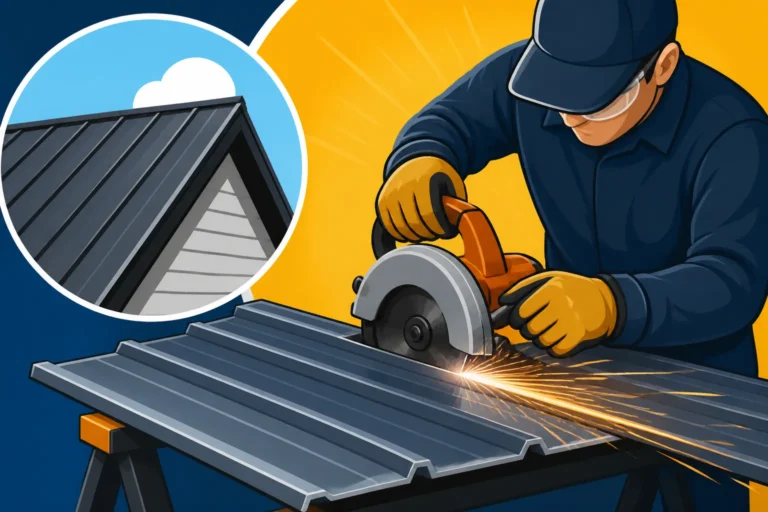
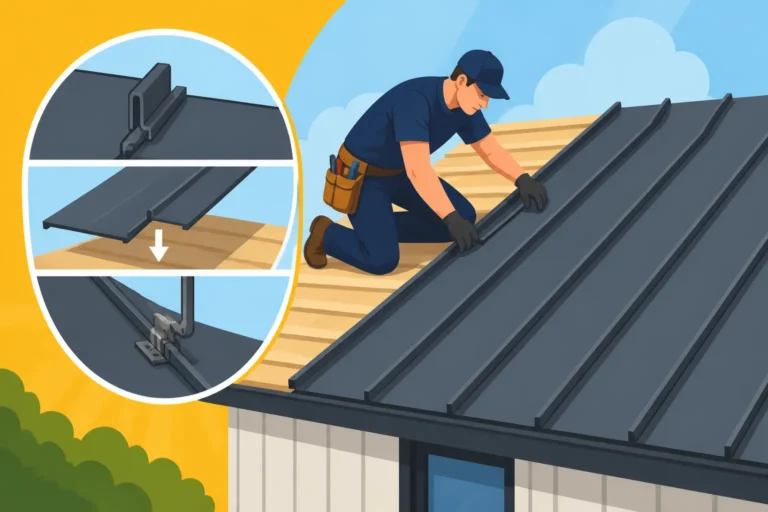
Installation complexity is also a factor. Metal roofing installation requires specialized skills, tools, and experience. It's not a DIY project for the faint of heart, and hiring an experienced, reputable metal roofing contractor is crucial to ensure proper sealing, flashing, and panel alignment. Substandard installation can lead to leaks, premature wear, and voided warranties. Brands like Modernize can connect you with experienced professionals who understand the nuances of metal roof installation, ensuring your investment is handled by skilled hands.
Finally, while metal roofs are extremely durable, they are not impervious to denting. Larger hail, falling branches, or heavy foot traffic can cause dents, especially in thinner gauge materials. The risk varies greatly depending on the type of metal (aluminum is softer than steel) and the gauge (thickness) of the panels. A Metal Roof Gauges Explained: 22, 24, 26 & 29 will help you understand how thickness affects durability. For residential applications, 24-gauge steel is often recommended for its balance of strength and cost. While these dents are typically cosmetic and don't compromise the roof's integrity, they can be a concern for some homeowners.
Key Factors to Consider When Choosing a Metal Roof
Once you've wrapped your head around what "tin-style" metal roofing really means, the next step is to figure out which modern metal roof material and style is right for your home. It's not a one-size-fits-all situation, and several factors should guide your decision-making process.
Climate and Environment
Your geographical location and the specific environmental conditions it faces play a massive role in determining the best metal roof material and coating for you. Ignoring these can lead to premature wear or dissatisfaction.
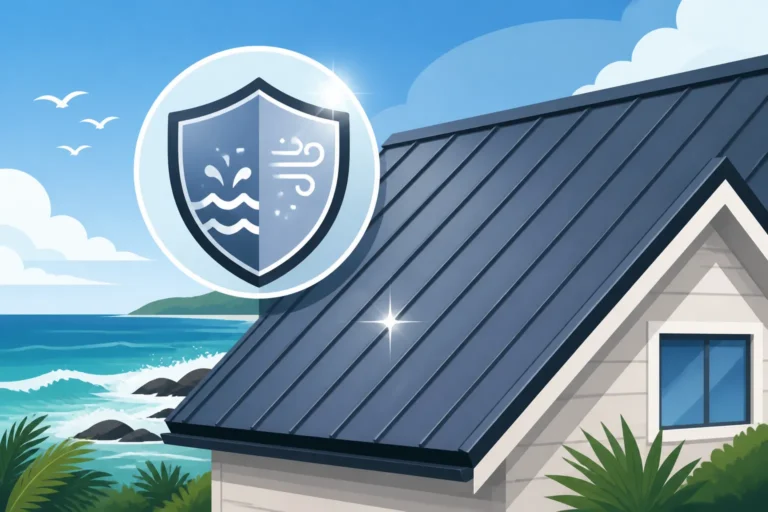
If you live in a coastal area with salty air, corrosion resistance becomes paramount. Aluminum roofs are often the top recommendation here because they naturally resist rust and corrosion even when directly exposed to salt spray. While Galvalume steel offers excellent protection, the aluminum component in its coating provides an extra layer of defense that makes it well-suited for these harsh environments. You’ll want to ensure all fasteners and components are also corrosion-resistant.
For regions that experience heavy snow and ice, the smooth, slick surface of a metal roof can be a huge advantage, allowing snow to shed easily, reducing snow load on your structure. However, this also means you need to consider snow retention systems like snow guards to prevent large snow slides that could damage property or injure people below. Pitch is also a consideration; steeper roofs shed snow more effectively.
In areas prone to high winds, hurricanes, or tornadoes, the interlocking panel systems of metal roofs, particularly standing seam designs, offer superior wind resistance compared to many other roofing materials. They are engineered to withstand extreme uplift forces. Always check local building codes and look for roofs with high wind ratings, often expressed in miles per hour, to ensure your choice meets or exceeds requirements for your specific locale. Your contractor can provide details on how different roofing types, like Standing Seam vs Corrugated Metal Roof compare in terms of wind resistance.
Budget and Long-Term Value
While the initial cost of a metal roof can be higher, it's essential to look beyond that immediate number and consider the long-term value and financial benefits. This is where metal roofing truly shines as an investment.
The initial cost vs. lifespan and ROI is a critical calculation. As we discussed, a metal roof can last two to three times longer than an asphalt shingle roof. This means that while you pay more upfront, you avoid the cost and hassle of multiple roof replacements over your homeownership. When you factor in the rising costs of materials and labor, replacing a roof every 15-20 years can quickly outstrip the initial higher cost of a metal roof. Many homeowners consider metal roofing a "once and done" solution.
The energy savings a metal roof provides contribute significantly to its long-term value. Reduced cooling costs year after year mean your roof is actively saving you money. Over decades, these savings can amount to thousands of dollars, effectively helping to offset the initial installation expense.
Don't forget about insurance discounts and potential property value increases. Many insurance companies offer discounts for metal roofs because of their superior durability against fire, hail, and wind. A Class 4 impact-resistant metal roof, for example, can often qualify for significant premium reductions in hail-prone areas. Furthermore, a new metal roof can often increase your home's resale value and appeal, making it an attractive feature for potential buyers. Our guide on Metal Roof Insurance Savings & Discounts can help you explore these benefits further. You can connect with experienced metal roofing specialists through platforms like Modernize to get accurate quotes and understand all the cost implications, including potential savings.
Aesthetic Preferences and Architectural Style
Your roof makes up a significant portion of your home's visible exterior, so its appearance is incredibly important. Modern metal roofing offers an extensive range of aesthetic choices to ensure it enhances your home's curb appeal.
The different profiles and panel types available are vast. You might prefer the sleek, modern lines of a standing seam system, where fasteners are hidden, creating a clean, continuous look. Or perhaps the more traditional, utilitarian appeal of a corrugated or ribbed panel, often seen on farmhouses or contemporary industrial-style homes. There are also metal shingles, tiles, and shakes that are designed to replicate the look of more conventional materials like wood, slate, or clay tile, but with all the benefits of metal. Exploring Metal Roofing Types Explained: Profiles & Panels can give you a better idea of the options.
Color choices and coatings are another crucial aspect. Metal roofs come in an incredible spectrum of colors, from classic grays and browns to vibrant reds, blues, and greens. Beyond just aesthetics, the color and type of coating can also affect energy efficiency (lighter colors reflect more heat) and durability. High-performance coatings like PVDF (Kynar 500) are renowned for their exceptional color retention and resistance to fading, chalking, and dirt accumulation, ensuring your roof looks fantastic for decades. Other options like SMP (Siliconized Modified Polyester) are also durable and more budget-friendly.
When making your choice, consider your home's existing architectural style. A modern minimalist home might benefit from a sleek standing seam roof, while a rustic cabin could look perfect with a textured metal shake. A classic suburban home might find its ideal match in metal shingles that mimic traditional asphalt or slate. The beauty of modern metal roofing is that there's a style and color for virtually every home, making it a versatile and long-lasting choice for your most important asset.
| Feature | Galvalume Steel ("Tin-Style") | Aluminum Metal Roof | True Historical Tin Plate (Steel + Tin) |
|---|---|---|---|
| Material Composition | Steel with Aluminum-Zinc alloy coating | Pure Aluminum | Steel with pure Tin coating |
| Primary Advantage | Excellent corrosion resistance, strength-to-weight, cost-effective | Superior corrosion resistance, lightweight, suitable for coastal | Lightweight (historically), easily shaped (historically) |
| Lifespan | 40-70+ years | 50-100+ years | 20-40 years (with regular painting) |
| Corrosion/Rust | Highly resistant due to coating | Naturally rust-proof | Prone to rust if coating is compromised |
| Denting | Good resistance (depends on gauge) | Softer, more prone to denting | Moderate resistance (historically) |
| Cost (Installed) | Mid-range | Higher-end | Low (historically), virtually unavailable today for new installs |
| Energy Efficiency | High (especially with reflective coatings) | High (naturally reflective) | Moderate (if painted light color) |
| Common Use Today | Residential, Commercial, Agricultural | Coastal homes, Premium residential | Rarely used for new builds; historical preservation |
Disclaimer
Please remember that the information provided in this article is for general guidance and informational purposes only. While we strive to provide accurate and up-to-date content, roofing is a complex field. Always consult with a qualified and licensed metal roofing contractor or professional for advice tailored to your specific situation, local building codes, and product specifications.