Is Copper a Good Roofing Material?
Choosing a new roof is a monumental decision for any homeowner, fraught with questions about durability, aesthetics, and, let's be honest, the impact on your wallet. Many dream of a roof that stands the test of time, looks absolutely stunning, and offers a unique character that sets their home apart. That's where copper often enters the conversation, a material synonymous with luxury and longevity, but also one that raises a lot of practical questions. This comprehensive guide will deep dive into whether copper truly is a good roofing material for your home, exploring its remarkable benefits, potential drawbacks, and what you need to know before making this significant investment.
The Unmistakable Appeal of Copper Roofing
Copper has been used in construction for centuries, gracing everything from grand cathedrals to modest homesteads, and for very good reasons. Its distinctive look and exceptional performance properties make it a standout choice for those seeking a premium roofing solution.
Unmatched Aesthetics and Patina Development
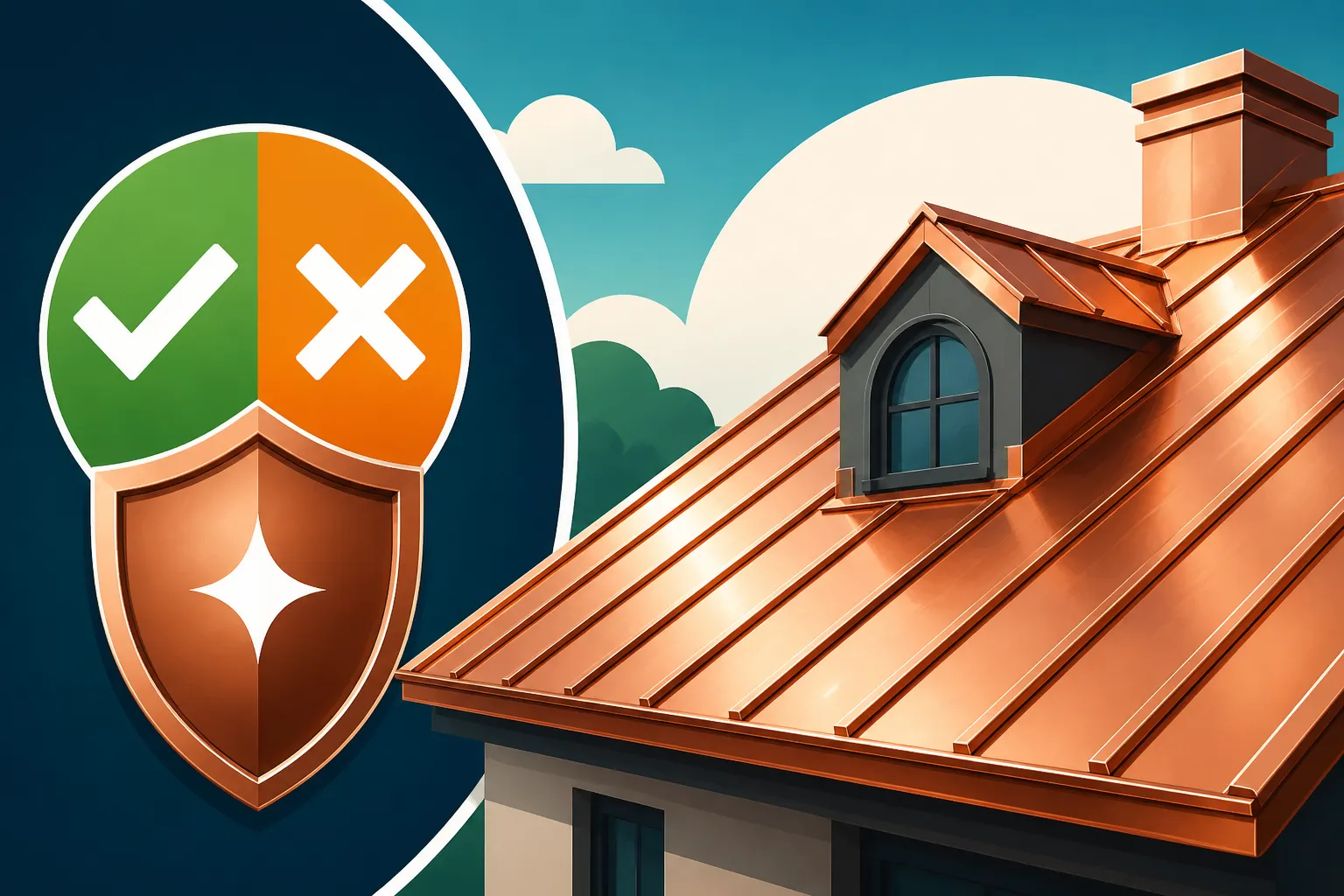
Let's be real, the initial draw of a copper roof is almost always its appearance. When newly installed, copper panels gleam with a vibrant, reddish-brown metallic luster that is simply breathtaking. It has a depth and richness that other materials just can't replicate. This initial shine, however, is just the beginning of its aesthetic journey. Over time, as copper is exposed to the elements – rain, sun, and air – it undergoes a fascinating natural oxidation process, gradually transforming its surface.
This transformation is what's known as the patina. The color evolves from that bright, new penny look through various shades of bronze and brown, eventually settling into the iconic verdigris green or blue-green hue that many associate with aged copper. Think of the domes of historic buildings or classic European architecture – that's the beauty of copper patina at work. This living finish isn't just a superficial change; it's a protective layer that actually enhances the material's durability. The exact shade and speed of patina development can vary based on the local climate and air quality, making each copper roof truly unique. This evolving aesthetic means your roof will literally change with your home's story, adding character and undeniable curb appeal for decades.
Incredible Longevity and Durability
Beyond its good looks, copper is renowned for its extraordinary lifespan, often outperforming other roofing materials by a significant margin. While an asphalt shingle roof might last 15-30 years, a properly installed copper roof can easily endure for 80 to 100 years, or even longer. This isn't just marketing hype; it's backed by historical structures that still boast their original copper roofs from over a century ago.
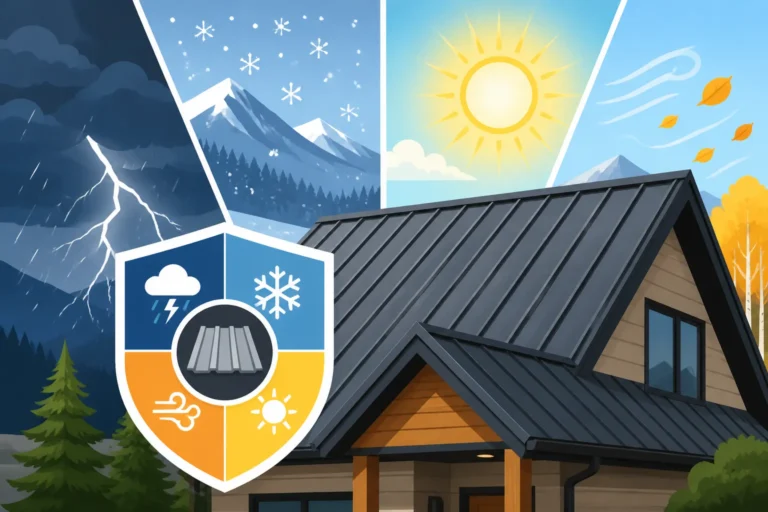
The inherent properties of copper contribute to this incredible durability. It's naturally resistant to corrosion, rot, fire, and pests. Unlike some other metals, it doesn't rust in the traditional sense, but rather forms that protective patina layer. Copper also handles extreme weather exceptionally well, standing up to heavy rains, strong winds, and significant snow loads without cracking, warping, or becoming brittle. Its flexibility allows it to expand and contract with temperature changes without compromising its integrity, a common issue for lesser materials. This robust nature translates into fewer repairs and maintenance concerns over its lifespan, making it a truly "set it and forget it" roofing option for many homeowners. When you consider the long-term value, the initial investment starts to make more sense, especially when you think about avoiding the hassle and expense of multiple re-roofs. You can delve deeper into the overall durability and expected performance in our guide on Metal Roof Lifespan: How Long Do They Last?.
Eco-Friendly and Recyclable Nature
In an age where environmental consciousness is paramount, copper shines as an exceptionally eco-friendly roofing material. It boasts one of the highest recycling rates of any material, meaning most copper roofing installed today contains a significant percentage of recycled content, and virtually all of it can be recycled again at the end of its incredibly long service life. This reduces the demand for virgin mining and minimizes waste in landfills.
Furthermore, copper's durability contributes to sustainability by reducing the frequency of roof replacements, which in turn saves energy and resources associated with manufacturing and transporting new materials. Its natural thermal properties also play a role in energy efficiency. While not as reflective as some lighter colored metals, copper can help regulate attic temperatures, potentially leading to lower heating and cooling costs depending on climate and insulation. Choosing copper isn't just an aesthetic choice; it's a long-term commitment to a sustainable and environmentally responsible building material.
Practical Considerations and Potential Drawbacks of Copper
While the allure of copper is strong, it's crucial to approach any major home improvement decision with a clear understanding of the full picture. Copper roofing, despite its many advantages, comes with its own set of considerations that potential homeowners should weigh carefully.
The Significant Upfront Investment
Let's address the elephant in the room: cost. There's no sugarcoating it – copper roofing is one of the most expensive options on the market. The cost of raw copper itself is higher than steel or aluminum, and the specialized labor required for its installation further drives up the price. We're talking about a significant financial commitment, often two to three times the cost of a premium standing seam steel roof, and many times more than asphalt shingles.
For example, while Metal Roof Cost Per Square Foot for steel might range from $10-$16, copper can easily run $25-$50 per square foot or more, installed. This high price point often makes homeowners pause and consider if the long-term benefits truly justify the initial outlay. It's not a decision to be taken lightly, and it's essential to have a realistic budget in mind. However, for those who prioritize longevity, unique aesthetics, and minimal long-term maintenance, the investment can pay off over many decades, effectively spreading the cost over generations rather than just one homeowner. You can get a clearer picture by exploring guides like How Much Does a Copper Roof Cost Per Square Foot or the broader Copper Roof Cost breakdown.
Specialized Installation Expertise
Installing a copper roof is not a job for just any roofing crew. It requires highly specialized skills, tools, and experience. Copper is a unique metal to work with; it's softer than steel but can be tricky to shape and seam correctly. The flashing and detailing around chimneys, vents, and valleys are particularly critical for ensuring a watertight and aesthetically pleasing finish. Mistakes during installation can be costly, both in terms of wasted material and potential future leaks.
Finding a contractor with proven expertise in copper installation is paramount. You'll want to ask prospective roofers for references specific to copper projects and perhaps even visit past jobs if possible. A seasoned metal roofing contractor, especially one who regularly works with premium metals, will understand the nuances of copper's expansion and contraction, proper fastening techniques, and how to create those clean, durable seams that make a copper roof truly stand out. If you're looking for experienced professionals, platforms like Modernize can help you connect with local experts who understand these intricate installations. Don't underestimate this factor; even the highest quality material will fail if not installed correctly. You can learn more about the complexities in our Metal Roof Installation Process: Step by Step guide.
Noise and Thermal Expansion Concerns
Like all metal roofs, copper can be prone to noise from rain and thermal expansion. While a well-insulated attic and proper underlayment can significantly mitigate rain noise, some homeowners still perceive it as louder than an asphalt shingle roof. The drumming sound of heavy rain can be quite pronounced, though many find it a soothing white noise rather than a nuisance.
More significantly, copper expands and contracts with temperature fluctuations. This movement, known as thermal expansion, can sometimes lead to subtle "ticking" or "pinging" sounds, especially during rapid temperature changes (e.g., a cold night quickly warming in the morning sun). This is entirely normal for metal roofs, but it's something to be aware of. Proper installation techniques, including using floating clip systems for standing seam copper and allowing for adequate expansion joints, are essential to manage this movement and prevent stress on the panels. An experienced installer will factor these dynamics into the design and installation, ensuring the roof performs silently and effectively for decades.
Patina Development and Runoff Staining
We've talked about the beautiful patina, but it's also worth noting a potential drawback: the runoff. As the copper ages and the patina forms, rain washes small amounts of copper oxides off the roof. This runoff can stain adjacent building materials, such as light-colored siding, concrete, or brick, with green or blue streaks.
While some homeowners appreciate this natural staining as part of the overall aesthetic of an aged copper roof, others find it undesirable. Strategic planning during the design phase can help mitigate this. Installing proper gutters and downspouts that channel water away from vulnerable surfaces is crucial. Using non-staining materials directly below copper edges or incorporating a larger overhang can also reduce the likelihood of visible staining. This isn't a defect of the material, but a natural consequence of its chemical composition, and something to consider, especially if your home has light-colored exterior finishes or features that could be affected by the runoff.
Copper Roofing in Context: Cost, Maintenance, and Alternatives
Understanding how copper stacks up against other premium roofing materials, its real cost implications, and what to expect in terms of maintenance provides a holistic view for decision-making.
Understanding Copper Roof Cost
The cost of a copper roof is undoubtedly a major consideration, often being the single biggest hurdle for homeowners. It's not just the material itself, but also the specialized labor, custom fabrication, and specific components required that drive up the price tag. When you're looking at a complete Metal Roof Cost: Complete 2026 Guide, copper will consistently be at the very top of the spectrum.
Here's a breakdown of typical cost components:
| Component | Description | Impact on Copper Roof Cost |
|---|---|---|
| Material | Raw copper sheets or pre-formed panels. Copper is a commodity, and its price can fluctuate based on global markets. | Significantly higher per square foot than steel, aluminum, or zinc. Often the primary cost driver. |
| Labor | Highly skilled labor for precise cutting, bending, seaming, and flashing. Expertise is crucial for a durable and aesthetically pleasing installation. | Due to specialized skill requirements, copper labor costs are typically higher than for other roofing materials. This isn't a place to cut corners. |
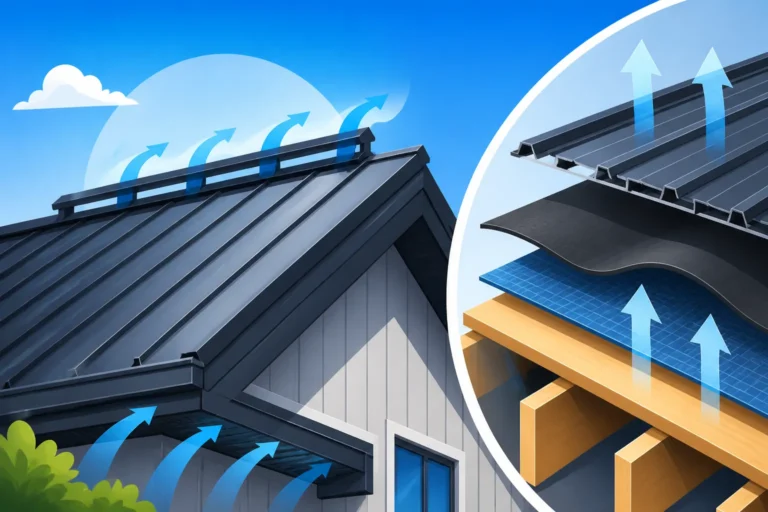
| Underlayment | While not unique to copper, a high-quality underlayment is essential for any metal roof, providing a secondary weather barrier and often sound dampening. | Often requires premium synthetic underlayments, or even specialized sound-dampening membranes, adding to the overall cost. For more, see Metal Roof Underlayment and Ventilation Guide. |
| Accessories | Custom flashing, fasteners, trim pieces, and possibly snow guards, all often made from copper or a compatible material to prevent galvanic corrosion. | Copper accessories are also more expensive than their counterparts for other metal types. |
| Roof Complexity | The pitch of your roof, the number of valleys, dormers, chimneys, and other penetrations directly impact the labor and material required. | Complex rooflines will drive copper costs up even further due to the intricate fabrication and installation details required. |
To get a truly accurate estimate for your specific project, it's always wise to reach out to multiple local professionals, perhaps through a service like Modernize, to compare bids. Remember, securing multiple quotes is key, and resources like Modernize can make that process much smoother. Don't just look at the bottom line; ask for detailed breakdowns of material, labor, and accessories.
Maintenance and Long-Term Value
One of the most compelling arguments for copper roofing, despite its upfront cost, is its incredibly low maintenance profile. Once properly installed, a copper roof requires very little attention over its decades-long lifespan. Unlike asphalt shingles that need periodic inspection for damage, missing granules, or curled edges, copper largely takes care of itself.
Maintenance typically involves:
- Gutter Cleaning: Ensuring gutters and downspouts are clear to prevent water backup, which is good practice for any roof.
- Periodic Inspection: A visual check once a year for any debris accumulation or unusual wear, though significant issues are rare.
- No Painting or Sealing: The natural patina provides its own protection; no need for costly repainting or sealing common with other materials.
The long-term value of a copper roof extends beyond its minimal maintenance. Its longevity means you'll likely never have to replace your roof again in your lifetime, saving you the future costs and disruption of re-roofing projects. It also significantly boosts property value and curb appeal, making your home stand out in the real estate market. The unique aesthetic and extreme durability are highly desirable features that can command a premium. This makes a copper roof not just an expense, but an investment that pays dividends over time, a concept explored further in Is a Metal Roof Worth It? ROI, Resale & Payback.
Comparing Copper to Other Premium Metals
When considering a high-end metal roof, copper isn't the only player in town. Other materials like zinc and aluminum also offer impressive longevity and unique characteristics. Understanding their differences can help you determine if copper is truly the best fit for your specific needs and budget. You can get a broader overview in Metal Roofing Materials Compared: Steel, Aluminum, Copper & Zinc.
Copper vs. Zinc
Zinc is another noble metal known for its extreme longevity (often 80-100+ years) and self-healing patina, which is typically a soft gray-blue. Zinc is generally less expensive than copper, though still a premium product. It shares many of copper's benefits, including being highly durable, corrosion-resistant, and recyclable. Its patina is more uniform and predictable than copper's, which some homeowners prefer. The choice often comes down to aesthetic preference and budget, as both offer exceptional performance.
Copper vs. Aluminum
Aluminum is a lighter, more malleable metal that is also highly resistant to rust and corrosion, making it an excellent choice for coastal areas. It's typically less expensive than both copper and zinc. Aluminum roofs are often factory-painted with high-performance coatings, allowing for a vast array of colors and finishes, which means you don't get the natural patina of copper or zinc unless it's left unpainted. While aluminum is very durable, it's generally considered to have a slightly shorter lifespan than copper (50-70 years) and can be more prone to denting from heavy hail due to its softer nature. If you're weighing the options, exploring Copper vs Steel Metal Roof: Which Is Better? might also provide useful comparative insights, even though copper is often in a different league than steel aesthetically and in terms of premium cost.
Ultimately, the "best" metal roof depends on your priorities. If an evolving, vibrant patina, unparalleled longevity, and a truly unique aesthetic are at the top of your list, and budget is less of a concern, copper is an exceptional choice. If you desire similar longevity with a different look and a slightly lower price point, zinc might be more suitable. If you prioritize corrosion resistance, lighter weight, color variety, and a more moderate premium price, aluminum could be the answer.
Final Thoughts on Copper as a Roofing Material
Deciding on a copper roof is a significant undertaking, and it's completely normal to feel a mix of excitement and trepidation. The initial sticker shock is real, and it often leads people to question if it's truly "worth it." But when you look beyond the immediate cost, the value proposition of copper becomes incredibly clear.
You're not just buying a roof; you're investing in a legacy. You're getting a roofing system that will likely outlive you, a material that literally transforms with age, gaining character and beauty over the decades. It offers unmatched durability, virtually no maintenance, and an environmental footprint that is hard to beat. For many, the peace of mind that comes with a roof designed to last a century, combined with the unparalleled aesthetic appeal, makes the higher initial cost a worthwhile investment. It's a statement piece for your home, one that communicates quality, permanence, and a timeless elegance.
If you are drawn to the unique charm and extraordinary lifespan of copper, and your budget allows, it is unequivocally an excellent roofing material. Just be sure to partner with an experienced, reputable contractor who understands the intricacies of working with this noble metal. With the right installation, your copper roof will not just protect your home, but enhance its beauty and value for generations to come.
Disclaimer
This article is intended for informational purposes only and does not constitute professional advice. Roofing projects can be complex and dangerous. Always consult with qualified and licensed roofing professionals for specific advice tailored to your situation, and adhere to all local building codes and safety regulations.