What Wind Rating Do I Need for a Metal Roof in Florida?
Living in Florida means constantly thinking about your home's resilience against unpredictable weather. When you're considering a metal roof, one of the biggest headaches is figuring out exactly what kind of wind rating you need, especially with hurricane season always lurking. It's not just about picking a strong roof; it's about meeting stringent local codes and ensuring your home is truly protected. This guide will walk you through the essential wind rating requirements for metal roofs in Florida, helping you make an informed and secure decision.
Understanding Florida's Unique Wind Challenges
Florida isn't just known for its sunshine and beaches; it's also famous, or infamous, for its intense weather patterns. Homeowners here face a very different set of challenges than those in, say, the Midwest or the Pacific Northwest. The sheer force of the wind during a major storm can be devastating, and your roof is often the first line of defense. Knowing this, it becomes clear why generic wind ratings simply won't cut it.
The Ever-Present Threat of Hurricanes and Tropical Storms
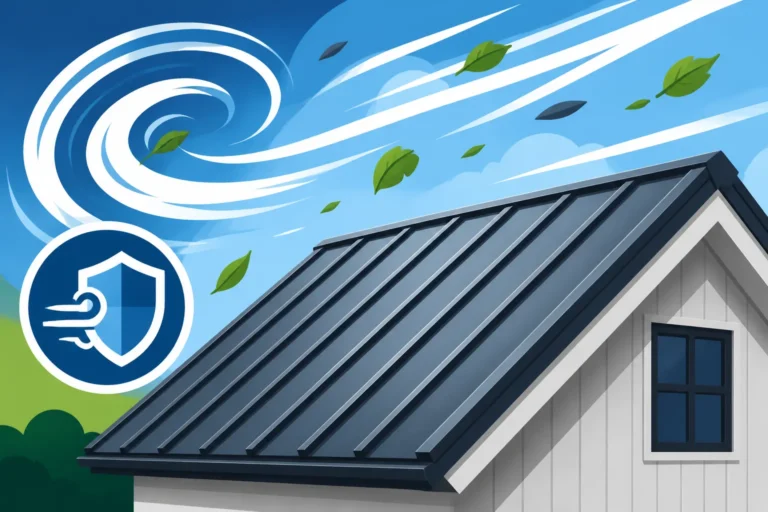
Every year, from June to November, Floridians brace themselves for hurricane season. It's not a question of if a storm will hit, but when and how strong. These aren't your typical thunderstorms; hurricanes bring sustained winds that can easily exceed 100 miles per hour, often accompanied by torrential rain and even tornadoes spun off within the storm bands. A metal roof, renowned for its durability, is an excellent choice for mitigating this risk, but only if it's rated to withstand these extreme forces. We're talking about pressures that can lift an entire roof structure right off a house, or turn loose debris into high-speed projectiles. It’s a constant battle against nature’s fury, and your roof needs to be a champion.
Coastal Proximity and Its Impact on Wind Zones
Florida is a peninsula, meaning a vast majority of its population lives near the coast. This proximity to the ocean drastically increases exposure to severe winds. Building codes recognize this by designating specific areas as High-Velocity Hurricane Zones (HVHZ), which include Miami-Dade and Broward counties, but also extend to other coastal regions. Even if you're a few miles inland, the wind forces can still be immense, especially in flat, open areas where wind has an unobstructed path. It's not just the direct hit from a hurricane, but the sustained high winds that can cause fatigue and eventual failure in lesser-rated roofing systems. Understanding your specific wind zone is the first critical step in determining the right metal roof for your home. This distinction is so important that the state has very detailed guidelines for Hurricane and Coastal Metal Roof Requirements.
Why Standard Wind Ratings Aren't Enough
You might see metal roofing products advertised with a general wind rating, perhaps 110 mph or 130 mph. While these numbers sound impressive, they often refer to standards that don't fully capture the unique stressors found in Florida. For instance, testing typically involves uniform pressure, but hurricane winds are dynamic, creating uplift, suction, and shear forces that vary significantly across a roof's surface. Plus, the longevity of a metal roof means it needs to withstand repeated exposure to strong winds over decades, not just a single event. The combination of sustained winds, gust factors, and potential impact from wind-borne debris means Florida requires a more robust approach to wind resistance than many other regions. Simply put, a roof that passes code in a non-coastal state might not survive its first hurricane season here.
Navigating Florida's Building Codes for Metal Roofs
Florida has some of the most rigorous building codes in the nation, and for very good reason. After experiencing devastating hurricanes like Andrew in 1992, the state completely overhauled its construction standards, particularly for roofing. These codes are designed to ensure homes can stand up to the extreme forces of nature. For anyone considering a metal roof, understanding these regulations is absolutely non-negotiable.
The Florida Building Code (FBC) and Its Divisions
The primary governing document is the Florida Building Code (FBC), which is updated every three years. The FBC is a comprehensive set of regulations that dictates everything from structural integrity to material specifications. For roofing, it outlines minimum wind resistance requirements based on your geographic location within the state, often delineated by specific wind speed zones. These zones typically correspond to the expected wind speeds during a 3-second gust at 33 feet above ground level, with different criteria for residential and commercial structures. You'll find sections dedicated to roof assemblies, including how materials should be tested, how they should be installed, and what kind of fasteners are required. It’s not enough for the panel to be strong; the entire system – from the deck to the underlayment and fasteners – must meet the code. You can learn more about these specific requirements in our guide on Florida Metal Roof Codes: FBC, HVHZ & Approvals.
High-Velocity Hurricane Zones (HVHZ) Explained
Within the FBC, certain areas are designated as High-Velocity Hurricane Zones (HVHZ). These are primarily Miami-Dade and Broward counties, known for their extreme vulnerability to hurricanes. The HVHZ section of the FBC imposes even stricter requirements than the rest of the state. For a metal roof in an HVHZ, this means:
- Enhanced Wind Load Requirements: Roofs must be designed to resist significantly higher wind pressures, often requiring thicker gauges of metal, more robust fastening systems, and sometimes even a specialized roof deck.
- Specific Testing Protocols: Products must undergo rigorous testing to receive HVHZ approval, simulating real-world hurricane forces like cyclic loading (repeated uplift and suction) and large missile impact.
- Detailed Installation Standards: Every aspect of installation, from the spacing of fasteners to the type of sealants used, is meticulously detailed to prevent failure points.
If you live in an HVHZ, you can't just pick any FBC-approved metal roof; it must specifically carry HVHZ certification. It’s a crucial distinction that can mean the difference between your roof staying put or becoming airborne during a Category 4 or 5 storm.
Essential Product Approvals: Miami-Dade NOA and Florida Product Approval
To ensure compliance, Florida relies heavily on product approval systems. This means that roofing materials and systems must be independently tested and certified before they can be used on a building.
- Miami-Dade Notice of Acceptance (NOA): This is often considered the gold standard for hurricane-resistant products. If a metal roofing system has a Miami-Dade NOA, it means it has passed some of the most stringent testing in the world, specifically for HVHZ conditions. These tests evaluate everything from structural integrity under extreme wind pressure to resistance against impacts from wind-borne debris. An NOA provides a detailed report on the product, its approved installation methods, and its tested wind resistance.
- Florida Product Approval: For areas outside the HVHZ, products must still hold a statewide Florida Product Approval. While not as intensely focused on cyclic loading and impact as the Miami-Dade NOA, this approval still verifies that the product meets the FBC's wind and other performance requirements for its intended use zone.
When you're looking at metal roofing options, always ask your contractor for proof of these approvals. A reputable contractor will be able to provide the specific NOA or Florida Product Approval numbers for the exact system they propose to install. Without these, your roof might not pass inspection, and more importantly, it won't give you the peace of mind you need when the next storm approaches.
Deciphering Metal Roof Wind Ratings and Testing Standards
Understanding wind ratings can feel like trying to read a foreign language. There are MPH numbers, PSF numbers, and acronyms like ASTM and UL flying around. But for your metal roof in Florida, cutting through this jargon is absolutely essential. These ratings aren't just arbitrary figures; they represent rigorous testing and engineering designed to keep your home safe.
What Wind Ratings Actually Mean (MPH and PSFs)
When you see a metal roof wind rating, it typically refers to a maximum wind speed in miles per hour (MPH) that the system is designed to withstand. This is usually based on a 3-second gust at a certain elevation, often 33 feet, which is the standard for code compliance.
However, MPH isn't the whole story. The real force exerted by wind is measured in pounds per square foot (PSF), which is a measure of pressure. The FBC uses PSF values, calculated based on wind speed, roof height, building exposure category, and the specific location on the roof (e.g., edges and corners experience higher uplift pressures). For example, a roof system might be rated to withstand 150 MPH, but that translates to different PSF requirements depending on where on the roof it's applied.
For instance, in many parts of Florida, outside of the HVHZ, the minimum design wind speed for new residential construction is 160 MPH. In HVHZ areas, this can climb even higher, impacting the required PSF values. A standing seam metal roof, for example, might have a tested uplift resistance of -90 PSF. This means it can resist 90 pounds of upward suction per square foot. Your chosen system needs to have a PSF rating that meets or exceeds the specific design pressure calculated for your home’s location and structural characteristics.
ASTM and UL Standards for Metal Roofing
These acronyms represent the gold standard in materials testing and safety science. When a metal roofing product boasts an ASTM or UL rating for wind, it means it has undergone specific, prescribed tests.
- ASTM (American Society for Testing and Materials): ASTM International develops and publishes voluntary consensus technical standards for a wide range of materials, products, systems, and services. For metal roofing, key ASTM standards relate to material properties, coating performance, and structural resistance. For wind, ASTM E1592 is crucial. This test method determines the structural performance of sheet metal panels and systems by uniform static air pressure difference. It measures how much uplift pressure a panel can withstand before deforming or failing.
- UL (Underwriters Laboratories): UL is a global safety certification company. For roofing, UL 580 is a critical test for uplift resistance. This involves dynamic testing where varying positive and negative pressures are applied to simulate wind uplift and suction. A metal roof system that passes UL 580 will receive a Class 30, 60, 90, or 120 rating, indicating its resistance in PSF. A higher class (e.g., 90 or 120) means greater uplift resistance, which is highly desirable in Florida. UL 2218, on the other hand, covers impact resistance, giving a Class 4 rating for hail resistance, which can also be beneficial for insurance premiums.
Always look for products with these specific certifications, especially UL 580 with a high class rating, as they provide an independent verification of the roof's ability to perform under stress.
How Fasteners and Installation Affect the Rating
Here's a crucial point that often gets overlooked: a metal roof's wind rating isn't just about the panels themselves. It's about the entire system, and that includes the fasteners and, critically, the quality of installation.
- Fasteners: The type, length, material, and spacing of the screws, clips, and other fastening components are paramount. If the fasteners aren't strong enough, aren't spaced correctly, or are installed improperly, even the most robust metal panel will fail. Exposed fastener systems, like a corrugated metal roof, rely heavily on the integrity of each screw and washer. Concealed fastener systems, such as a standing seam metal roof, use clips that are fastened to the deck and then hidden by the panel, offering superior wind uplift resistance because the fasteners aren't directly exposed to the elements or the full force of the wind.
- Installation: This is where the rubber meets the road. Even if you buy the best, most highly-rated metal roofing system, poor installation can render those ratings meaningless. A contractor who cuts corners on fastener spacing, doesn't properly seal seams, or fails to adhere to manufacturer specifications will create weak points that are vulnerable to wind damage. This is why choosing a certified and experienced installer is just as important as choosing the right materials. Many manufacturer warranties are contingent upon proper installation by a certified professional. For this reason, selecting a qualified contractor is paramount, and our guide on How to Hire a Metal Roofing Contractor can provide invaluable assistance.
Practical Steps to Ensure Your Metal Roof Meets Florida Requirements
Navigating the complexities of Florida's building codes and wind rating requirements might seem daunting, but with a structured approach, you can ensure your metal roof is installed correctly and provides the ultimate protection. It’s about being proactive and working with the right professionals.
Consulting with a Local, Experienced Metal Roofing Contractor
This is perhaps the single most important step. While you can do your research, an experienced local metal roofing contractor understands the nuances of Florida's specific codes, permitting processes, and local weather patterns in a way that no online guide can fully replicate.
- Local Expertise: A reputable contractor who has been working in your specific area of Florida for years will know the precise wind zone requirements for your address. They’ll be familiar with the local permitting office’s expectations and inspectors’ preferences. For instance, a contractor in Miami will have different standard operating procedures than one in Gainesville, simply due to the HVHZ regulations.
- Product Knowledge: They can recommend metal roofing systems that not only meet but often exceed the required wind ratings for your area, backed by proper Miami-Dade NOA or Florida Product Approvals. They'll know which brands consistently perform well under Florida's conditions, such as products from companies like Sheffield Metals or McElroy Metal, which are known for their robust panel systems.
- Installation Proficiency: Most importantly, they will have crews trained in the specific installation techniques required for high-wind environments, ensuring that every panel is fastened correctly and every seam is sealed to withstand hurricane forces. Be sure to ask about their experience with various metal roof types, especially Standing Seam Metal Roof Cost and Corrugated Metal Roof Cost, as installation methods differ significantly.
- Warranties and Certifications: They should also be able to explain the manufacturer's warranty and their own workmanship warranty, both of which are critical for long-term peace of mind. Many manufacturers offer extended warranties only when the roof is installed by their certified partners, further emphasizing the need for a skilled contractor.
Reviewing Your Specific Property's Wind Zone
Before any work begins, make sure your contractor accurately identifies the specific wind zone and exposure category for your property. This isn't a one-size-fits-all situation across Florida.
- Address-Specific Data: Building departments use geographical information systems (GIS) to pinpoint the exact wind load requirements for a given address. Factors like proximity to the coast, elevation, and surrounding terrain (e.g., open country, suburban, urban) all influence the required design pressures (PSF).
- Understanding Exposure Categories:
- Exposure B: Urban and suburban areas, wooded areas, or other terrain with numerous closely spaced obstructions having the size of single-family dwellings or larger.
- Exposure C: Open terrain with scattered obstructions, including flat open country and grasslands. Most residential roofs in coastal Florida fall into this category or higher.
- Exposure D: Flat, unobstructed areas exposed to wind flowing over open water for at least 1 mile, which includes coastal areas and shores. This category has the highest wind load requirements.
- Impact on Roof Design: The identified wind zone will dictate the minimum gauge of metal, the panel profile, the fastening schedule (how many fasteners per square foot, and their type), and sometimes even the type of underlayment required. It's a foundational element of the entire roof design.
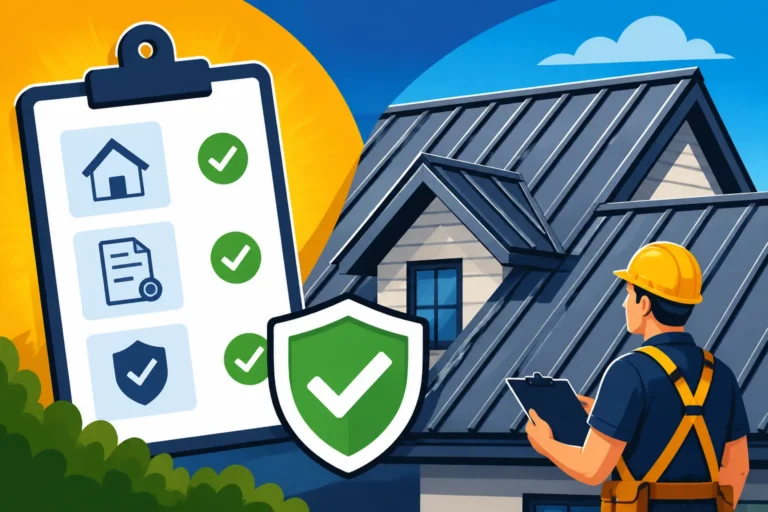
Verifying Product Approvals and Installation Specifications
Don't just take a contractor's word for it; verify everything. This due diligence ensures your investment is protected and code-compliant.
- Ask for Documentation: Request copies of the Miami-Dade NOA or Florida Product Approval documents for the specific metal roofing system being proposed. These documents are publicly available online through the Florida Building Code Information System (floridabuilding.org) or Miami-Dade County's product control search.
- Match Components: Carefully compare the components listed in the approval document (panel type, gauge, coating, fasteners, clips, underlayment) with what's specified in your contractor's quote. Any discrepancies could lead to an invalid approval or a roof that fails to meet code. Remember, the approval applies to the system, not just the individual panels.
- Installation Instructions: The approval documents also contain detailed installation instructions and limitations. Ensure your contractor’s proposed methods align with these specifications. This will include crucial details on things like how roof penetrations are sealed, the type of Metal Roof Underlayment and Ventilation Guide needed, and the specific Metal Roof Components & Accessories Explained.
- Permit Review: When your contractor pulls the permit, the permit application should reference the specific product approval numbers. Before the final inspection, make sure all work performed adheres to these approved specifications. This final check is your best assurance that the roof is built to code and will stand strong against Florida's formidable winds.
Florida Metal Roof Wind Rating Requirements at a Glance
To make it a little easier to digest, here's a general overview of the typical wind rating considerations for metal roofs in Florida. Keep in mind that specific requirements can vary based on the exact address, building height, and other factors, so always consult with a local professional.
| Feature / Zone Category | Non-HVHZ (General Florida) | HVHZ (Miami-Dade & Broward) |
|---|---|---|
| Minimum Design Wind Speed (3-sec gust) | 160 MPH (may vary by specific location) | 180 MPH (may vary by specific location) |
| Required Product Approval | Statewide Florida Product Approval | Miami-Dade Notice of Acceptance (NOA) |
| Testing Standards | ASTM E1592 (uplift), UL 580 (uplift, usually Class 90) | ASTM E1592, UL 580 (often Class 120), TAS 100 (cyclic wind), TAS 201/202/203 (impact/pressure) |
| Fastener Requirements | Specific spacing and type based on product approval | More stringent spacing, specialized fasteners, and enhanced perimeter fastening |
| Underlayment | Generally synthetic underlayment or self-adhered membrane | Mandatory self-adhered modified bitumen or equivalent (e.g., secondary water barrier) |
| Impact Resistance | Often recommended (Class 4 for insurance discounts) | Mandatory for certain areas/conditions |
| Engineering | May require specific wind load calculations by engineer for complex roofs | Often requires site-specific engineering and calculations |
Remember, this table provides a general guideline. Your specific project's needs will be detailed in your building permit and product approval documents.
Disclaimer
Please note that the information provided in this article is intended for general guidance and informational purposes only. Building codes, regulations, and product specifications are subject to change and can vary significantly by location within Florida. Always consult with a licensed and experienced local metal roofing contractor and your local building department to confirm the exact requirements for your specific project and property. Relying solely on general information without professional verification could lead to code violations or an inadequately protected roof.