How to Vet a Roofer After a Hailstorm
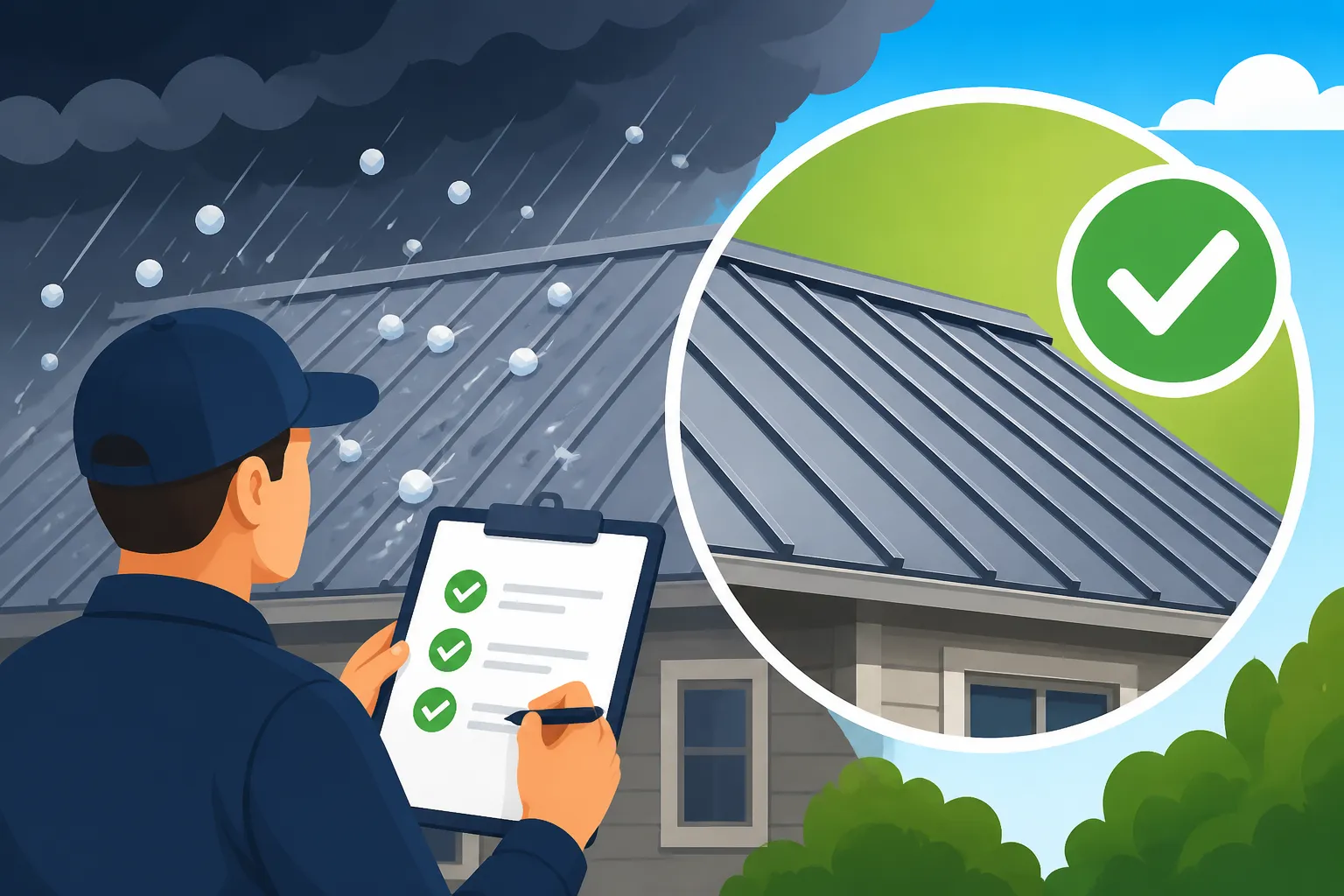
Walking outside to find your lawn covered in ice chunks and your car hood dented is a visceral gut-punch that every homeowner dreads. The immediate panic about your roof's integrity often leads to impulsive decisions when the first "contractor" knocks on your door. This guide solves that chaos by providing a clear, step-by-step framework to vet roofers and avoid scams after a hailstorm.
The High-Stakes Reality of Post-Hail Roofing
The atmosphere in a neighborhood immediately following a major weather event is unlike anything else. It is a mix of high-stress urgency and a sudden influx of white pickup trucks prowling the streets. While some of these professionals are local heroes ready to help, many are "storm chasers" who travel across state lines to exploit the sudden demand. Vetting a roofer during this time isn't just about finding someone who can swing a hammer; it is about protecting your largest financial investment from subpar craftsmanship and legal headaches.
Understanding the Storm Chaser Phenomenon
Storm chasers are companies that follow hail and wind damage maps across the country. They often have high-pressure sales teams who are incredibly polished. They might offer a free inspection, which sounds great in theory, but their goal is often to get you to sign a "contingency agreement" before you’ve even spoken to your insurance company. These agreements can legally bind you to use them for the repair if the claim is approved, often before you have seen a single line item of their pricing or vetted their actual crew.
The danger here is that these companies often subcontract the actual labor to the lowest bidder. The salesperson you met might be gone the next day, headed to the next storm-ravaged town, leaving you with a crew that has no local ties or long-term accountability. If your new metal roof starts leaking six months from now, finding that company to honor a workmanship warranty can be nearly impossible. This is why services like Modernize are so valuable; they help bridge the gap by connecting you with contractors who have been pre-screened for reliability, rather than just whoever happened to knock on your door first.
The Urgency Trap Why Speed Can Be Your Worst Enemy
It is completely natural to want your roof fixed yesterday, especially if you are worried about leaks. However, the most reputable local contractors are usually the busiest after a storm. If a roofer tells you they can start tomorrow while everyone else has a three-week wait, you need to ask yourself why. Are they skipping the permitting process? Do they have a crew that just rolled into town?
Taking an extra 48 to 72 hours to properly vet a contractor won't lead to your house collapsing, but rushing into a contract with an unverified roofer can lead to years of regret. You need to verify if they understand the specific nuances of metal, such as How to Fix Hail Dents in a Metal Roof, before they touch your home. A rushed job often results in "oil canning" or improperly seated fasteners that will fail long before the metal itself does.
Essential Credentials to Verify Immediately
In the wake of a storm, your "bullshit detector" needs to be set to the highest sensitivity. Professionalism can be faked, but legal documentation and manufacturer certifications cannot. Before you even allow a roofer on your ladder, you should request a digital or physical "compliance packet" that includes their license, insurance certificates, and references. If they act offended or tell you they'll "get it to you later," that is your cue to walk away.
License Insurance and Bonding Requirements
Every state has different rules, and you need to know exactly What License Does a Roofer Need in Texas or whichever state you reside in. A general business license is not the same as a specialized roofing or residential specialty contractor license. Furthermore, verify that their insurance is current. You specifically want to see General Liability and Workers’ Compensation.
Workers' Comp is non-negotiable. If a worker falls off your roof and the contractor doesn't have coverage, that worker could potentially sue you, the homeowner, for medical expenses and lost wages. A reputable contractor will have no problem having their insurance agent email a Certificate of Insurance (COI) directly to you with your name and address listed as the certificate holder. This ensures the policy hasn't been canceled the day after they printed a generic copy. Knowing How to Tell If a Roofing Contractor Is Licensed is the first line of defense in protecting your property and your bank account.
Manufacturer Certifications for Metal Roofing
Metal roofing is a specialized trade. It is significantly more technical than installing asphalt shingles. If a roofer is mostly a "shingle guy" who "also does metal," you should be wary. You want to look for Manufacturer-Certified Metal Roof Installers Explained in their credentials. Manufacturers like McElroy Metal or PAC-CLAD offer certification programs.
When a contractor is certified by the manufacturer, it means they have been trained in the specific thermal expansion and contraction needs of that product. More importantly, many high-end warranties are only valid if a certified installer does the work. If your roofer isn't certified, you might find yourself with a beautiful roof that has zero manufacturer backing if a defect arises. Always ask, "Which specific metal systems are you certified to install?" and then verify that through the manufacturer’s website.
Checking Local Reputation and Real Reviews
In the digital age, a company's past behavior is usually documented somewhere. Start with the Better Business Bureau (BBB), but don't stop there. Look at Google Reviews and specifically filter for the most recent ones. Are there a bunch of 5-star reviews that all appeared in the last week? That could be a sign of a "reputation management" push by a storm chaser. You want to see a consistent history of reviews over several years in your specific geographic area.
Don't be afraid to ask for the addresses of three homes they worked on in your neighborhood before the most recent storm. A truly local company will have a portfolio of work that has already stood the test of time and local weather patterns. Using a resource like Modernize can help you narrow down this search to companies that have an established footprint in your community, saving you the legwork of sifting through hundreds of potentially fake online profiles.
| Vetting Criteria | Local Professional | Storm Chaser |
|---|---|---|
| Office Location | Permanent local address | Hotel or temporary P.O. Box |
| Vehicle Tags | Local state plates | Out-of-state plates |
| Contract Type | Detailed line items | "Insurance proceeds" or "Contingency" |
| References | Homes you can drive by | None or out-of-state |
| Licenses | Verifiable state/city license | Claims "license is pending" |
| Payment | Milestone-based | Large upfront deposit |
The Quote and Contract Inspection Process
Once you have narrowed it down to two or three potential candidates, you need to look at their estimates. A professional roofing quote after a hailstorm should be a thick document, not a number scribbled on the back of a business card. It needs to account for every component, from the underlayment to the specific type of flashing around your chimney.
Comparing Bids Apples to Apples
If you receive three bids and one is $5,000 cheaper than the others, don't celebrate just yet. In roofing, a significantly lower price usually means one of two things: they are cutting corners on materials, or they are using uninsured labor. You need to know How to Read and Compare Metal Roof Quotes to spot these discrepancies.
Check for the "drip edge" and the "starter strip." Ensure both quotes specify the same metal gauge. For example, there is a massive difference between the durability of 24-gauge and 29-gauge steel. If one contractor is quoting 24 vs 26 Gauge Metal Roof: Cost Difference and the other isn't even specifying the thickness, you aren't comparing the same product. A quality bid will also include a "tear-off" fee, showing exactly how they plan to dispose of your old roofing material.
Identifying Red Flags in Roofing Contracts
The contract is your only legal protection. One of the biggest red flags is a roofer who asks you to sign over your entire insurance check or a roofer who offers to "cover your deductible." Covering a deductible is actually considered insurance fraud in many states (like Texas and Florida) and can land both you and the contractor in legal hot water.
A legitimate contract should have a clear payment schedule: perhaps 10% upon signing, 40% when materials arrive on your driveway, and the final 50% only after the job is completed and has passed a final inspection. Never, under any circumstances, pay the full amount upfront. You also want to see a "Hold Harmless" clause and a clear timeline for completion. If you are unsure, look into What a Metal Roof Contract Should Include to ensure you aren't leaving yourself vulnerable to a mechanic's lien if the contractor fails to pay their material suppliers.
Navigating the Insurance Claim with Your Roofer
The relationship between your roofer and your insurance adjuster is a delicate dance. You want a roofer who is knowledgeable enough to advocate for you but professional enough not to antagonize the adjuster. A good roofer understands the language of insurance and can point out "collateral damage" that an adjuster might miss during a quick walk-around.
The Role of the Roofer in the Adjuster Meeting
When your insurance company sends an adjuster to your home, your chosen contractor should be there. They can point out subtle signs of hail impact on the metal, such as "bruising" or the breakdown of the protective coating, which might not be visible from the ground. They should have their own photos and a "scope of work" ready to discuss.
However, be wary of any roofer who tries to "act" as your public adjuster. In most states, it is illegal for a contractor to negotiate a claim on your behalf unless they are a licensed public adjuster. Their role is to provide technical expertise and a repair estimate, not to handle the legalities of the claim. If they seem more interested in your policy limits than the actual damage to the roof, that is a major warning sign. For more on this process, check out How to File an Insurance Claim for Metal Roof Hail Damage.
Avoiding Insurance Fraud and Deductible Scams
In the desperation that follows a storm, a contractor who says, "I'll find a way to waive your $2,000 deductible," sounds like a savior. In reality, they are usually asking you to participate in a scheme where they submit an inflated invoice to the insurance company and then "refund" you the difference.
Not only is this illegal, but it also means the contractor is likely cutting $2,000 worth of quality out of your roof to make the numbers work. They might use cheaper Metal Roof Underlayment: Synthetic vs Felt or skip replacing the flashing. You want a contractor who respects the law and the longevity of your home. A professional roofer will help you understand Metal Roof Insurance Savings & Discounts that you can earn after the roof is installed, which is a much better long-term financial play than a one-time fraudulent "discount" on a deductible.
Specific Technical Knowledge for Metal Roofs
Hail damage on metal is different than on shingles. While shingles lose granules and leak almost immediately, metal might only suffer cosmetic dents. However, these dents can stretch the metal and weaken the protective paint finish (like PVDF/Kynar), leading to rust years down the line. You need a roofer who understands these long-term implications.
Experience with Specific Metal Gauges and Profiles
Ask the contractor about the different profiles they offer and which one is best for hail-prone areas. For instance, Stone-Coated Steel Roof Cost might be higher, but these systems often carry a Class 4 impact rating, meaning they can withstand 2-inch hailstones without structural failure.
If they only suggest a basic corrugated panel, they might not have the expertise to install a Standing Seam Metal Roof Cost system, which is much more resilient because the fasteners are hidden and protected. You want a roofer who can explain the pros and cons of Standing Seam vs Corrugated Metal Roof in the context of your specific climate. If they can't speak intelligently about gauge thickness and tensile strength, they shouldn't be installing your metal roof.
Understanding Wind and Impact Ratings
Following a storm, you should be looking to "build back better." Ask your roofer about the "Class 4 Impact Rating." This is the gold standard for hail resistance. Installing a Class 4 roof often qualifies you for significant Metal Roof Insurance Savings & Discounts on your annual premiums.
Furthermore, if you live in an area prone to high winds along with hail, you need to ensure they are following the Florida Metal Roof Codes: FBC, HVHZ & Approvals or similar local high-wind standards. This includes specific screw patterns and the use of heavy-duty "hurricane clips" if necessary. A contractor who doesn't mention these upgrades is just looking to do the bare minimum, while a vetted pro will focus on making sure you never have to deal with storm damage again. Using Modernize can help you find those forward-thinking contractors who specialize in high-performance materials.
Local Verification and Community Trust
At the end of the day, you are hiring a person and a company, not just a service. The best way to vet a roofer after a hailstorm is to look for deep roots in the community. Storm chasers can't fake a ten-year history in your town.
Looking for Physical Local Offices
Ask for their office address and go visit it. Is it a real building with a sign and shingles on the wall, or is it a "virtual office" or a "WeWork" space? A local office means they have a local staff, local equipment, and a reason to keep their reputation clean. If they are operating out of the back of a truck or a hotel room, they can disappear the moment the last check clears.
A physical office also gives you a place to go if communication breaks down. It shows a level of investment in the community that temporary crews simply don't have. When you are looking at How to Hire a Metal Roofing Contractor, the presence of a brick-and-mortar headquarters is one of the strongest indicators of stability.
Requesting Local References from Previous Hail Events
The true test of a roofer isn't how they look the day they finish; it's how the roof looks two years later. Ask for references from a hailstorm that happened a year or two ago. Call those homeowners and ask:
- Did the contractor finish on time?
- Was the final price what was quoted?
- Most importantly: Have you had any leaks or issues since the installation, and did the contractor come back to fix them?
If a contractor can't provide a list of happy local clients, they haven't earned your business. It is much better to wait a month for a trusted local pro who has hundreds of satisfied neighbors than to hire a stranger today who has none. Taking the time to properly vet ensures that your new roof is a permanent solution, not just a temporary patch.
Metal Roofing Contractor Disclaimer
The information provided in this guide is for educational purposes only. Roofing regulations, insurance laws, and licensing requirements vary significantly by state and municipality. Always consult with a licensed professional contractor and your insurance provider before signing any contracts or beginning work. The authors and publishers are not responsible for any legal or financial outcomes resulting from the use of this information.