How Thick Should a Residential Metal Roof Be?
Residential metal roof thickness explained through gauge numbers 24, 26, and 29 to compare durability, strength, and costs.
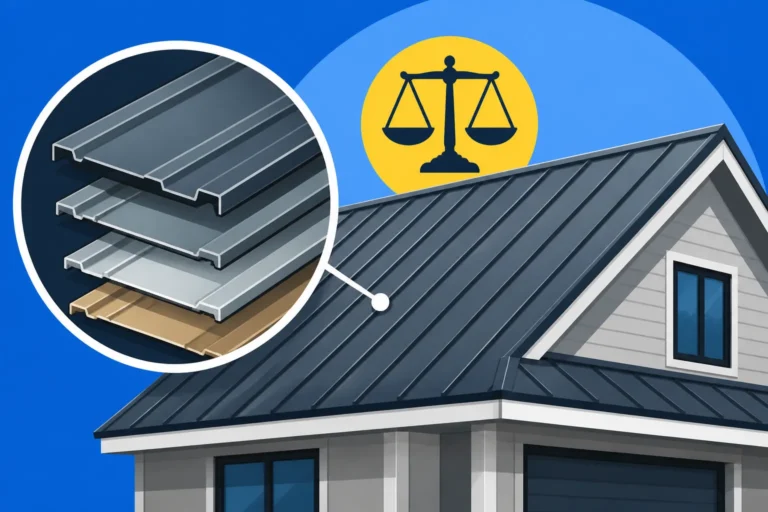
Residential metal roof thickness explained through gauge numbers 24, 26, and 29 to compare durability, strength, and costs.
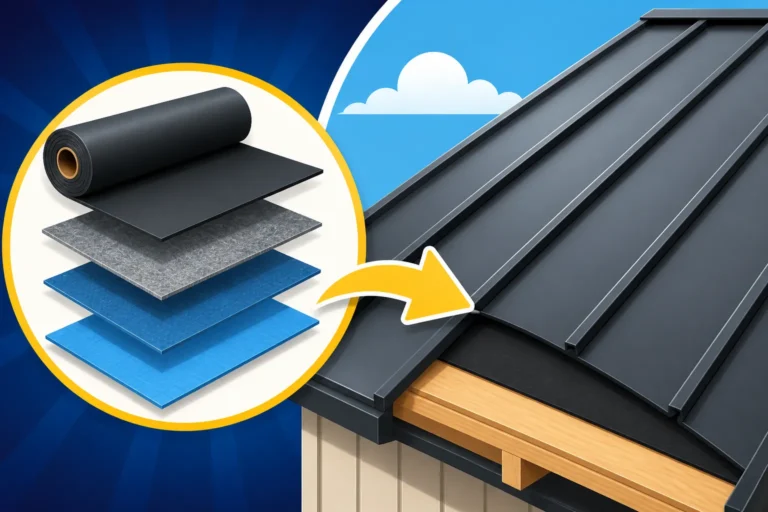
Standing seam metal roof underlayment selection to prevent moisture intrusion, thermal movement damage, and condensation issues.

Metal roof maintenance requirements and biannual debris removal tasks help protect the forty to seventy year lifespan of residential roofs.
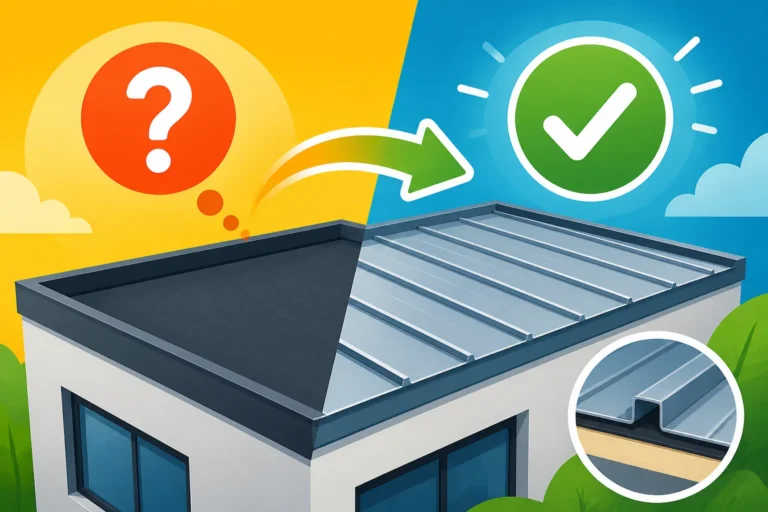
Metal roofing on low-slope structures requires specific pitches from one-fourth to three inches to prevent leaks and standing water.
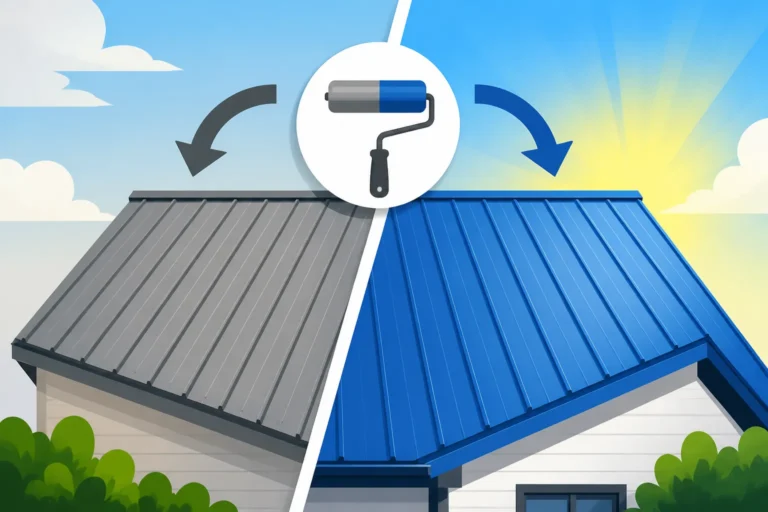
Repainting a faded metal roof restores curb appeal, extends its lifespan, and improves home energy efficiency through color selection.
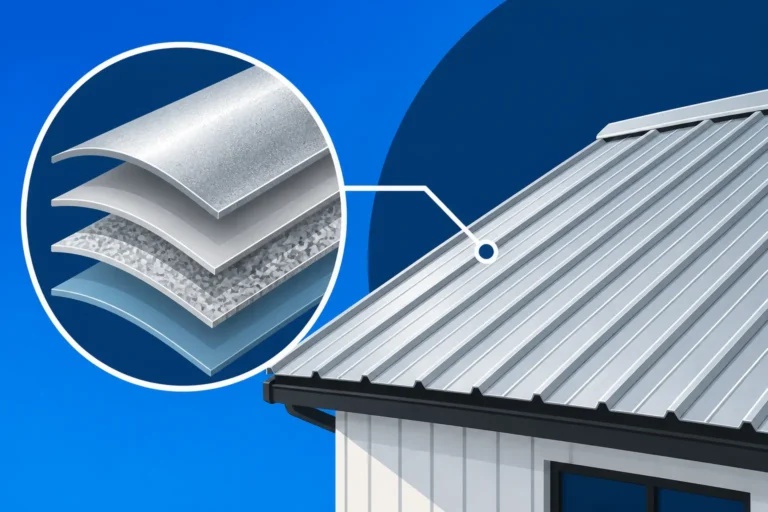
Galvalume roofing consists of a carbon steel substrate with a protective coating of fifty five percent aluminum and zinc.
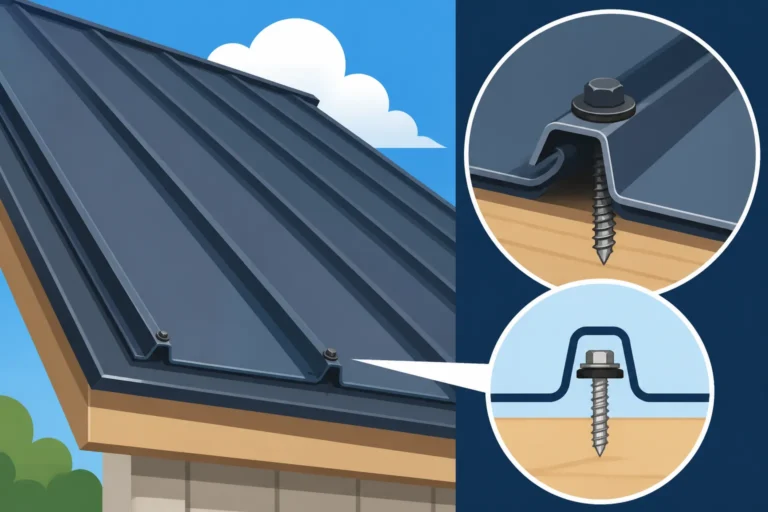
Metal roof panel attachment systems include exposed and concealed fasteners, explaining installation differences for homeowners.
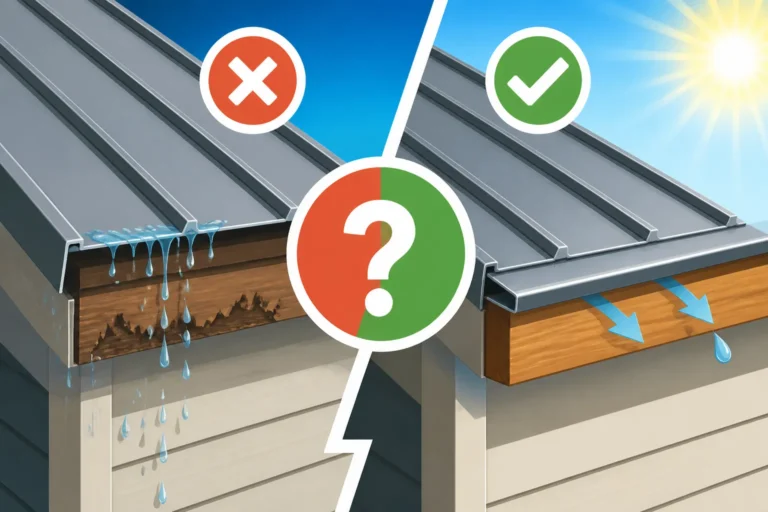
Metal roof drip edge installation directs water away from wooden fascia boards, preventing rot, mold, and costly structural repairs.
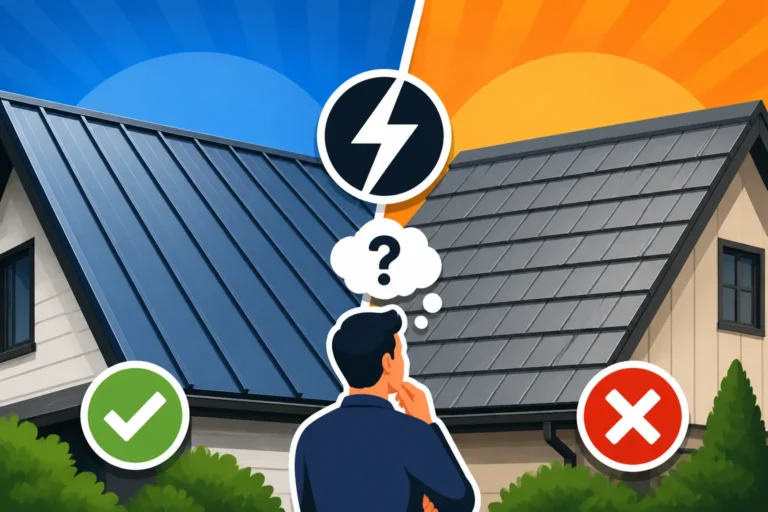
Standing seam and metal shingles comparison details costs, lifespans up to 70 years, weather resistance, and aesthetics for homeowners.
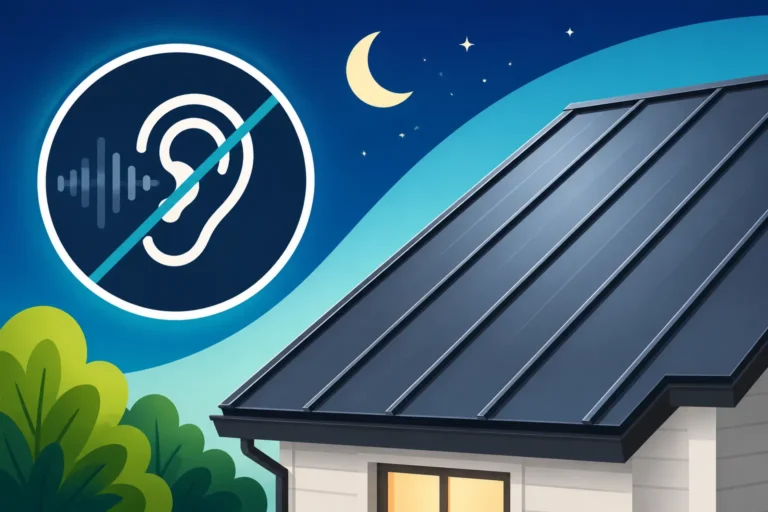
Modern residential metal roofing systems utilize solid roof decks, thick insulation, and underlayments to effectively reduce rain noise.